Kosher Immune Support Supplements
(0 Results)
Kosher immune support supplements offer a convenient way to support your wellness routine while aligning with your dietary preferences. Whether you’re looking for vitamins, minerals, or herbal blends, these options may fit seamlessly into a kosher lifestyle. Explore a variety of kosher immune support supplements that could help you maintain your health goals with confidence and peace of mind.






_Front.jpg?sw=305&sh=305&sm=fit "Pure Way-C Vitamin C and Bioflavonoids 1000+ mg - 90 Tablets (90 Servings) | GNC")
 Orange_Front.jpg?sw=305&sh=305&sm=fit "Junior C - 180 Tablets (180 Servings) | GNC")
 Orange_Front.jpg?sw=305&sh=305&sm=fit "Junior C - 90 Tablets (90 Servings) | GNC")
 Orange_Front.jpg?sw=305&sh=305&sm=fit "Junior C - 500 Tablets (500 Servings) | GNC")
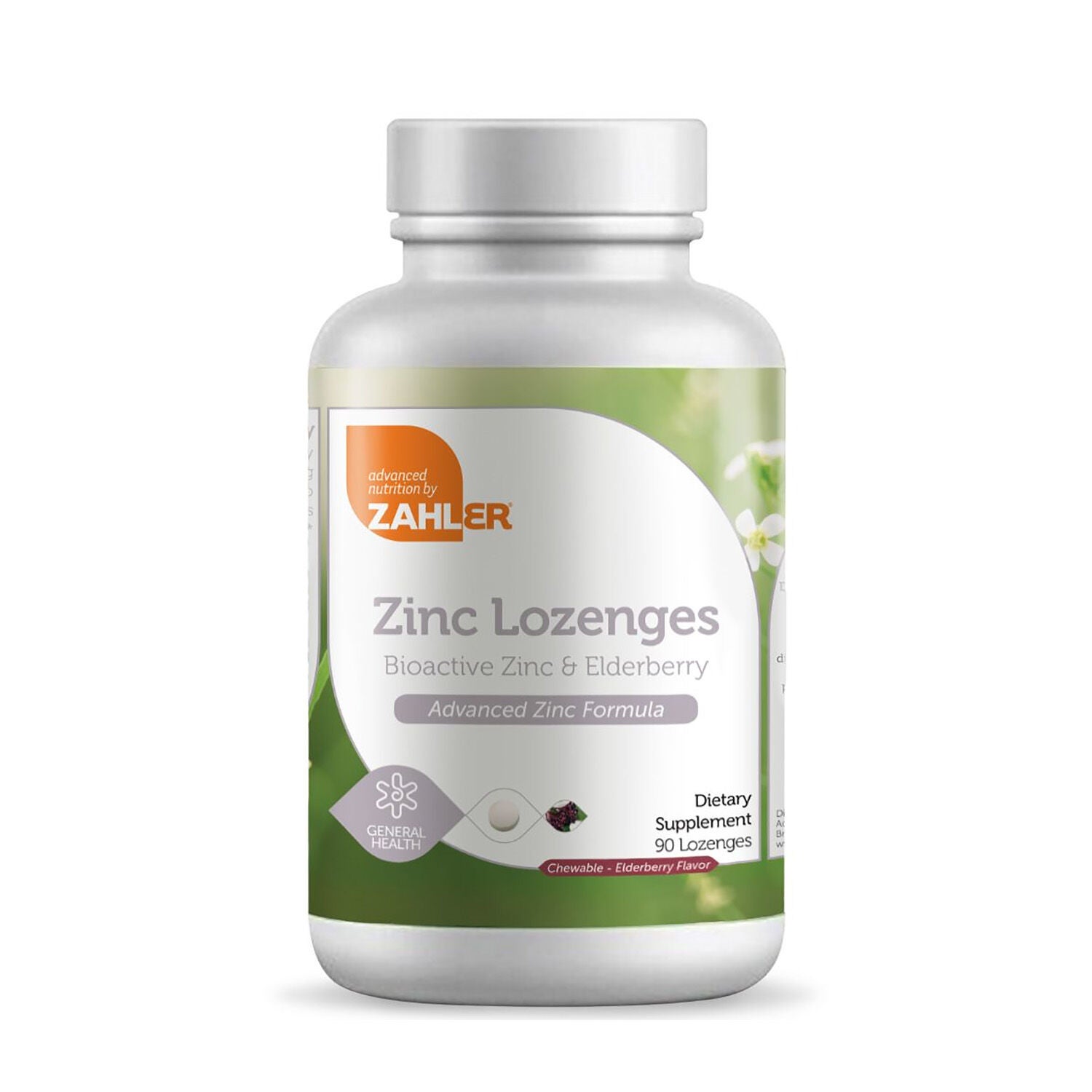
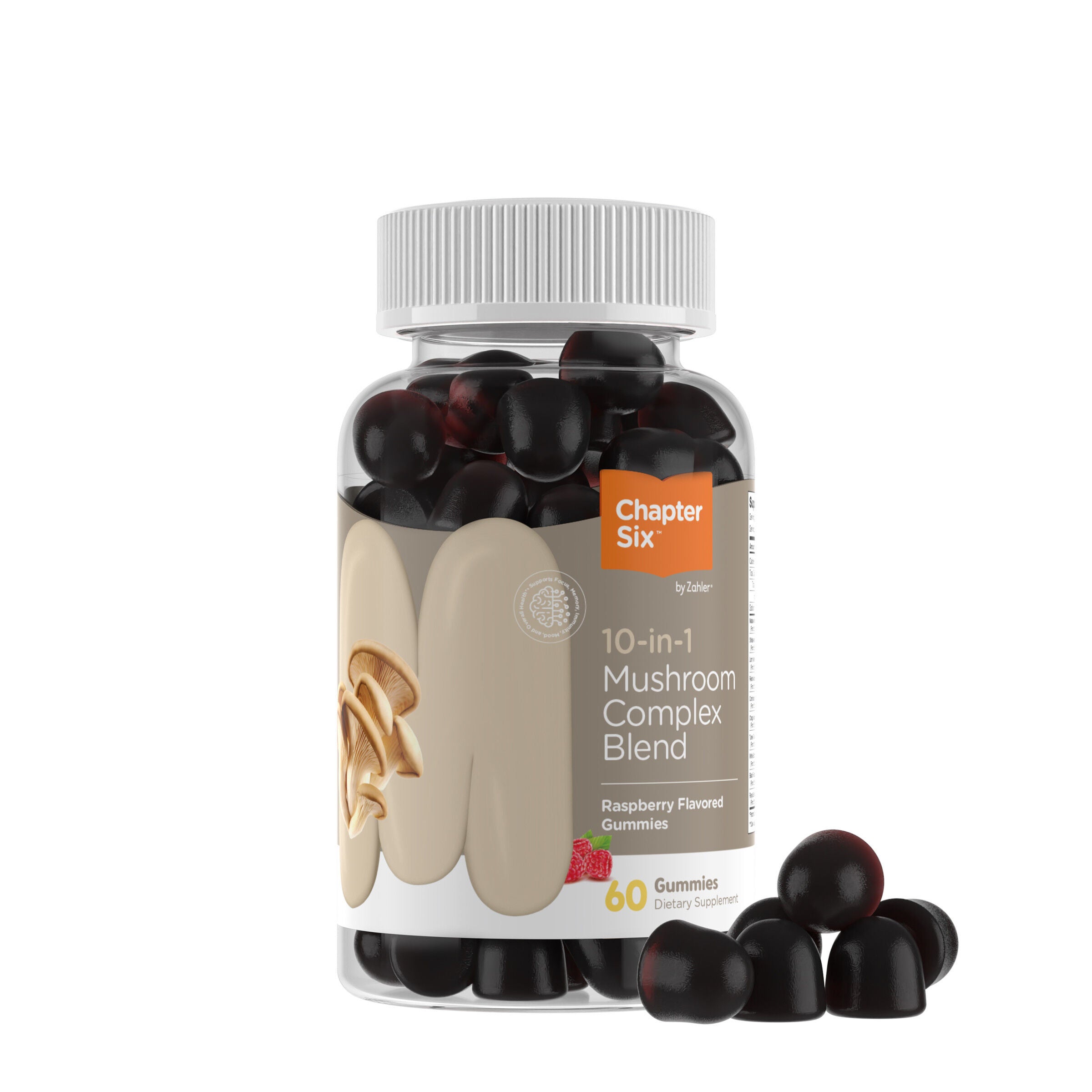
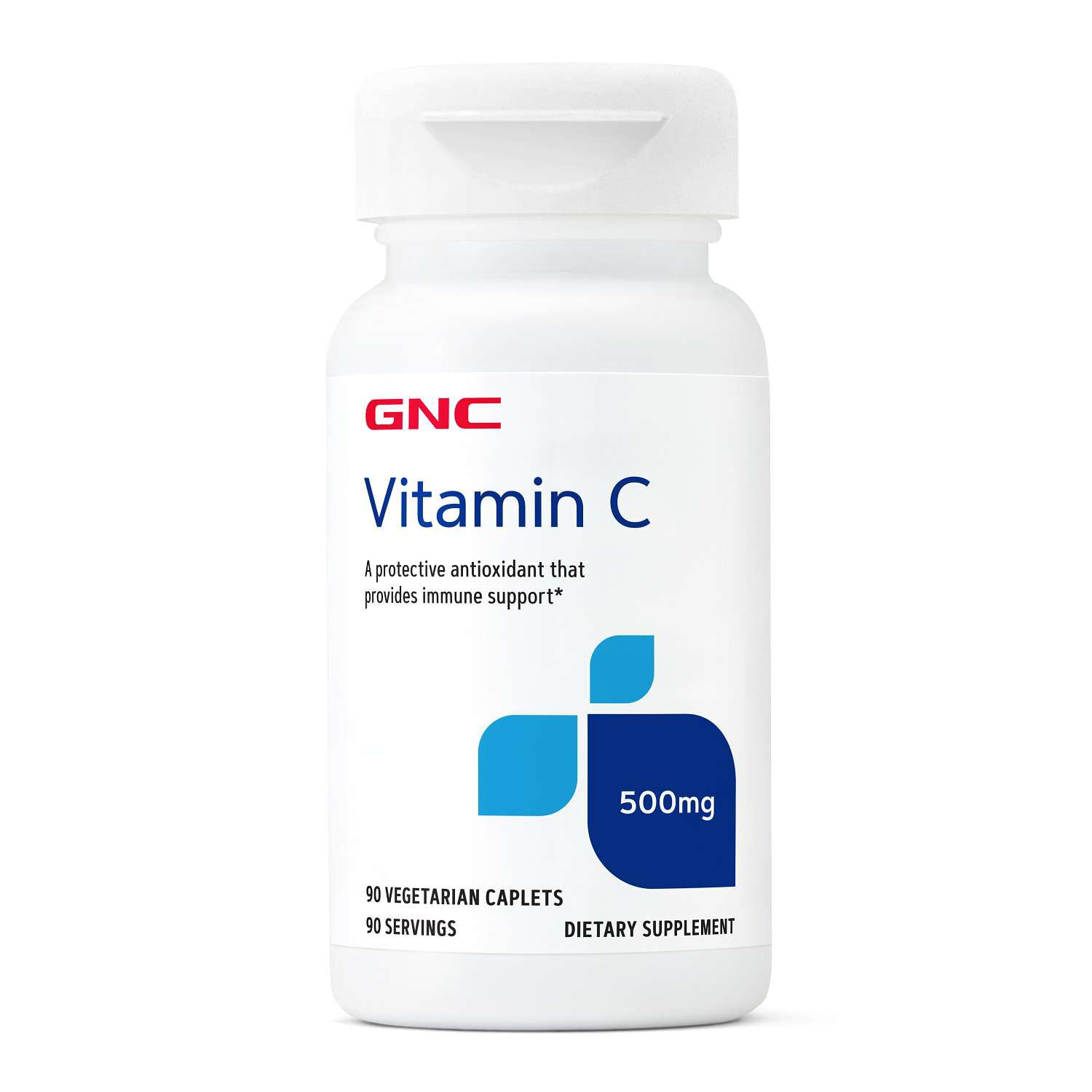
Kosher immune support supplements are vitamins, minerals, and other nutritional formulas that pair an immune support focus with kosher dietary requirements. Common ingredients in this category include vitamin C, vitamin D, and zinc, offered individually or alongside other nutrients in combination formulas. For shoppers who keep kosher, the ingredient list is only one part of the selection process: the finished supplement’s certification matters, too. Kosher certification addresses ingredients and manufacturing practices under the standards of the certifying organization; it is not a statement about a supplement’s nutritional suitability for a particular person. A recognizable certification symbol on the package provides a starting point for checking whether a formula meets a household’s requirements. Certification can involve more than the featured vitamin or mineral, since capsule shells, flavorings, colors, coatings, and processing aids also belong in the picture. Gelatin, for example, can come from different animal sources, so a gummy or capsule deserves the same attention as its main ingredients. Plant-based wording does not establish kosher status on its own, and a kosher designation does not automatically mean a formula is vegan, vegetarian, or appropriate for every dietary preference. Dairy and pareve designations also carry different meanings for kosher households, making the exact package labeling more useful than assumptions based on the supplement’s appearance or format. Pareve generally identifies a product as neither meat nor dairy under kosher rules, but it does not take the place of reviewing allergen information. Adults who already follow kosher food practices may bring that same attention to a bottle kept beside breakfast dishes or packed for an overnight stay. The practical goal is a supplement selection that respects dietary observance while matching preferences for ingredients, format, and everyday use. Clear labeling brings those details together without requiring shoppers to infer certification from an ingredient name or a broad dietary description.
Comparing kosher vitamins for immune support starts with understanding what each type of formula contains. A single-nutrient vitamin C supplement has a different ingredient profile from a blend containing vitamin C, vitamin D, zinc, and botanical ingredients. The Supplement Facts panel identifies the featured nutrients, the amount per serving, and the serving size, while the other ingredients section lists components such as capsule materials, binders, sweeteners, and flavors. Those two sections work together: a front label might highlight one nutrient, but the full formula can contain several others. Serving size is especially relevant when comparing formats because one serving is not always one tablet, capsule, or gummy. The named form of an ingredient matters for an accurate comparison as well. Vitamin D may appear as D2 or D3, and zinc may be listed in forms such as zinc citrate or zinc gluconate. These names describe ingredient differences rather than establishing that one choice is better for every shopper. Ingredient origin and finished-product certification remain separate considerations, even when two bottles feature the same nutrient. Tablets and capsules offer familiar formats with labeled serving quantities, while chewables and gummies place more emphasis on flavor and texture. Gummies may contain gelatin or pectin, along with sweeteners and other ingredients that shape their texture. Powders involve measuring or portioning and mixing as directed, and liquids involve the serving measure specified on the label. A flavored powder may fit someone who already prepares a drink with breakfast; a capsule may suit someone who prefers a format without mixing. Neither preference changes the need to review the intended audience and directions on the package. Botanical blends add another layer of detail, since the plant name, plant part, and amount can vary between formulas. A short ingredient list and a broader blend represent different approaches to formulation, not a universal ranking of quality. For someone comparing several supplements already in a household, checking repeated nutrients can also make the contents of each bottle easier to understand.
The everyday fit of kosher immune support vitamins extends beyond the featured ingredients to packaging, storage, and the way a supplement fits into a household routine. A bottle intended for a kitchen cabinet has different practical considerations from a container tucked into a work bag, although the labeled storage directions apply in either setting. Closures, seals, and legible labels deserve attention because the package carries the serving information, certification mark, lot details, and expiration date. Keeping that information with the supplement makes later checks simpler, especially when several people share a storage space or use similar-looking containers. Storage instructions vary by formula, so the package is the reference for placement and handling. A cabinet away from a sink or stove may offer a more suitable setting than a damp bathroom shelf when the label calls for a dry location. Original packaging also keeps certification information accessible while traveling, rather than leaving loose capsules in an unmarked pouch. Texture and preparation preferences deserve equal consideration: someone who dislikes flavored supplements may prefer a tablet or capsule, while another shopper may value a chewable format. A powder requires a suitable drink and time to mix it; a liquid requires attention to the measuring instructions and any directions that apply after opening. Household dietary needs can overlap without being identical, so kosher certification, allergen statements, and vegetarian or vegan labeling each answer a different question. Age-specific labeling is another distinct detail, and an adult formula should not be treated as interchangeable with one labeled for children. Shoppers considering a supplement as a gift may find that the recipient’s accepted certification, preferred format, and ingredient preferences matter more than an assortment chosen by appearance alone. For a broader look at nutritional categories that share this dietary focus, Supplements For Kosher Diets offers a related place to explore. Within the immune support category, meaningful comparisons come from reading certification details alongside nutrient forms, serving sizes, other ingredients, and handling directions. Together, those details create a clearer picture of what a formula contains and how it is intended to be used.