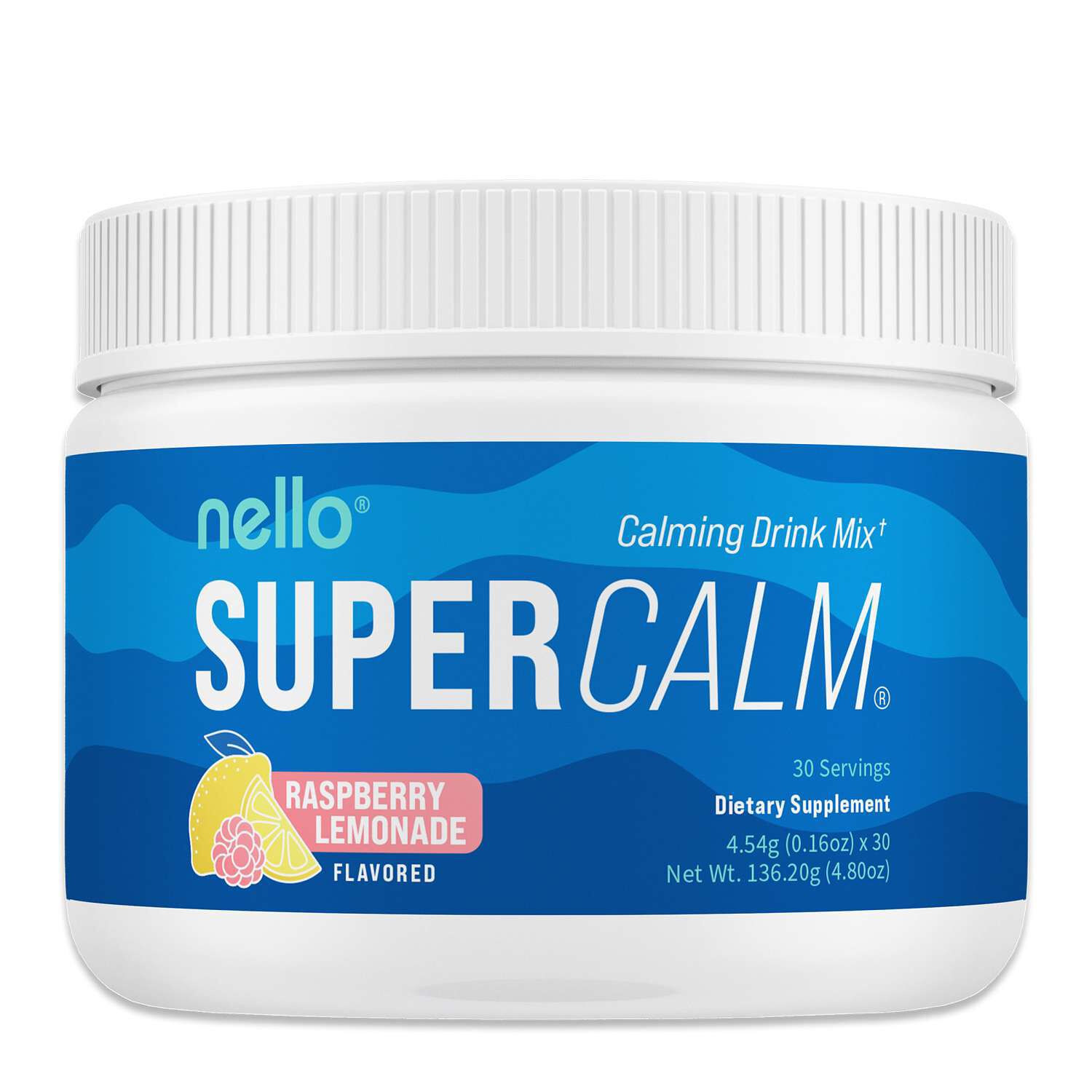
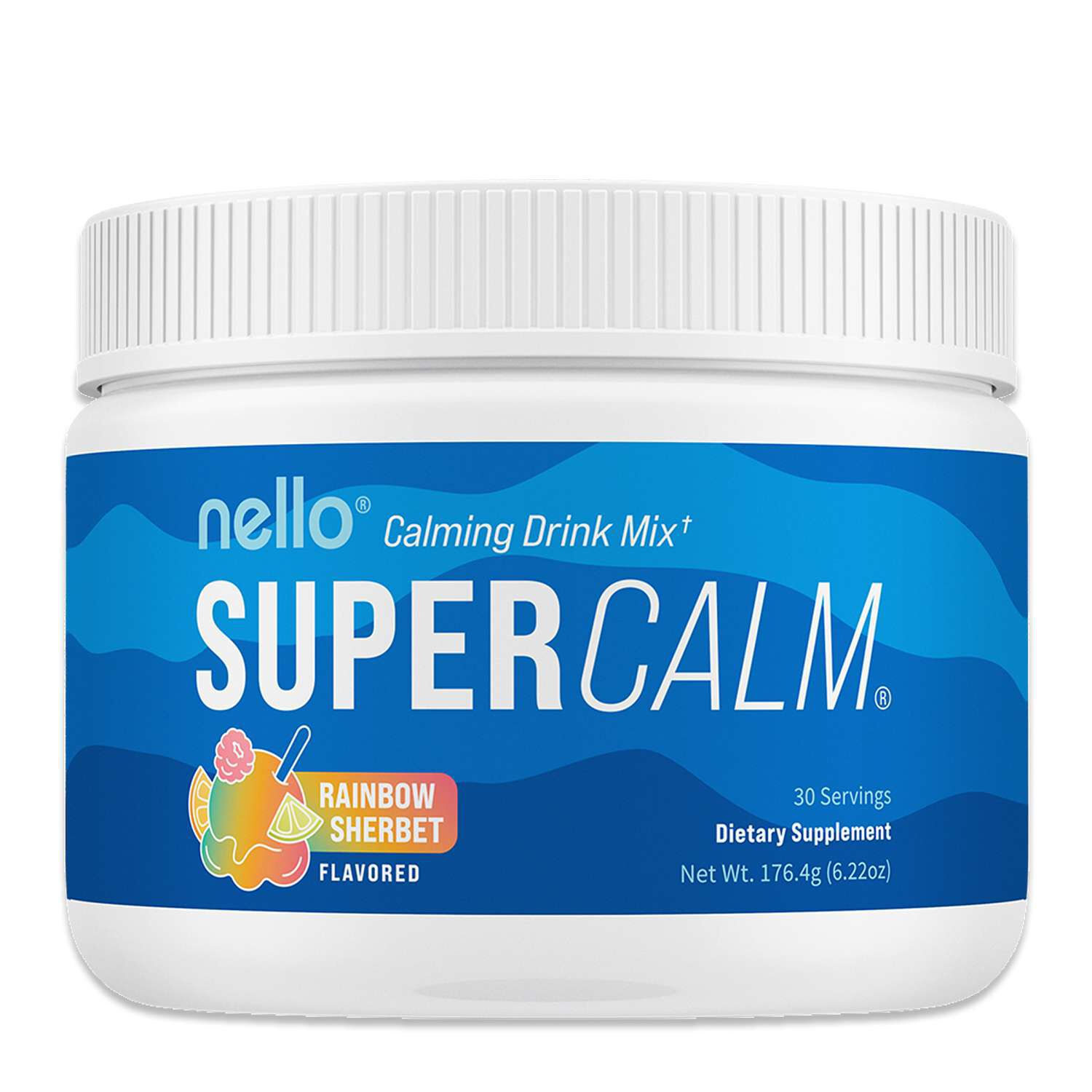
Kosher Mineral Products
(0 Results)
Discover a wide range of kosher mineral products that may support various aspects of your health and wellness journey. These high-quality supplements are carefully crafted to meet kosher dietary standards, ensuring that you can maintain your nutritional goals without compromising on your values. Whether you're looking to fortify your daily routine or seeking specific mineral support, our selection of kosher mineral products could be the perfect addition to your regimen. Explore the possibilities and find the right fit for your lifestyle today.
-
 _Front.jpg?sw=305&sh=305&sm=fit "Magnesium: Bioactive Magensium Citrate - 120 Capsules (120 Servings) | GNC")
-
-

-
 _Front.jpg?sw=305&sh=305&sm=fit "Magnesium: Bioactive Magensium Citrate - 60 Capsules (60 Servings) | GNC")
-

-

-

-
 $25.99
-

-

-
-

-

-

-

-
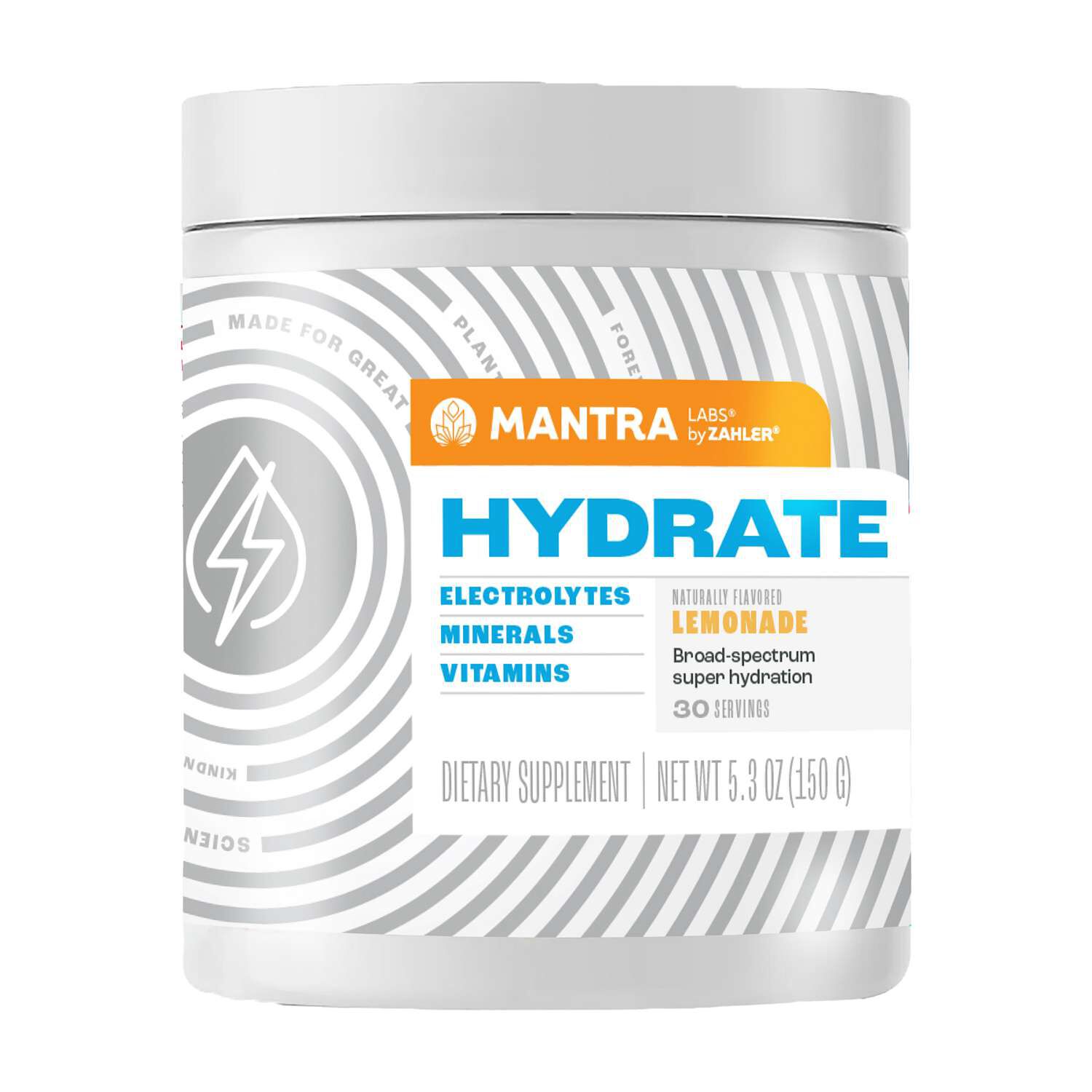 $34.99
-
 $34.99
-
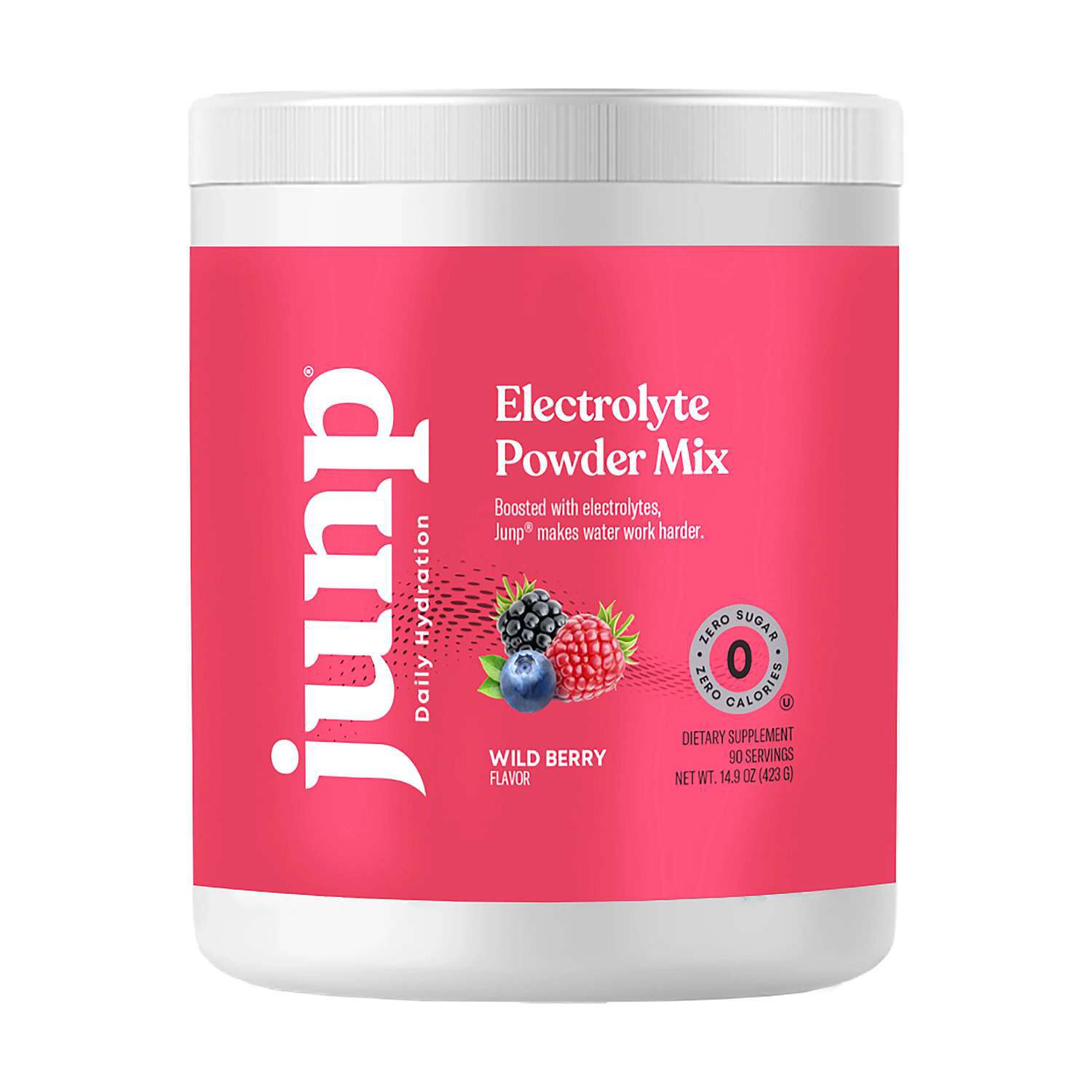
-

-



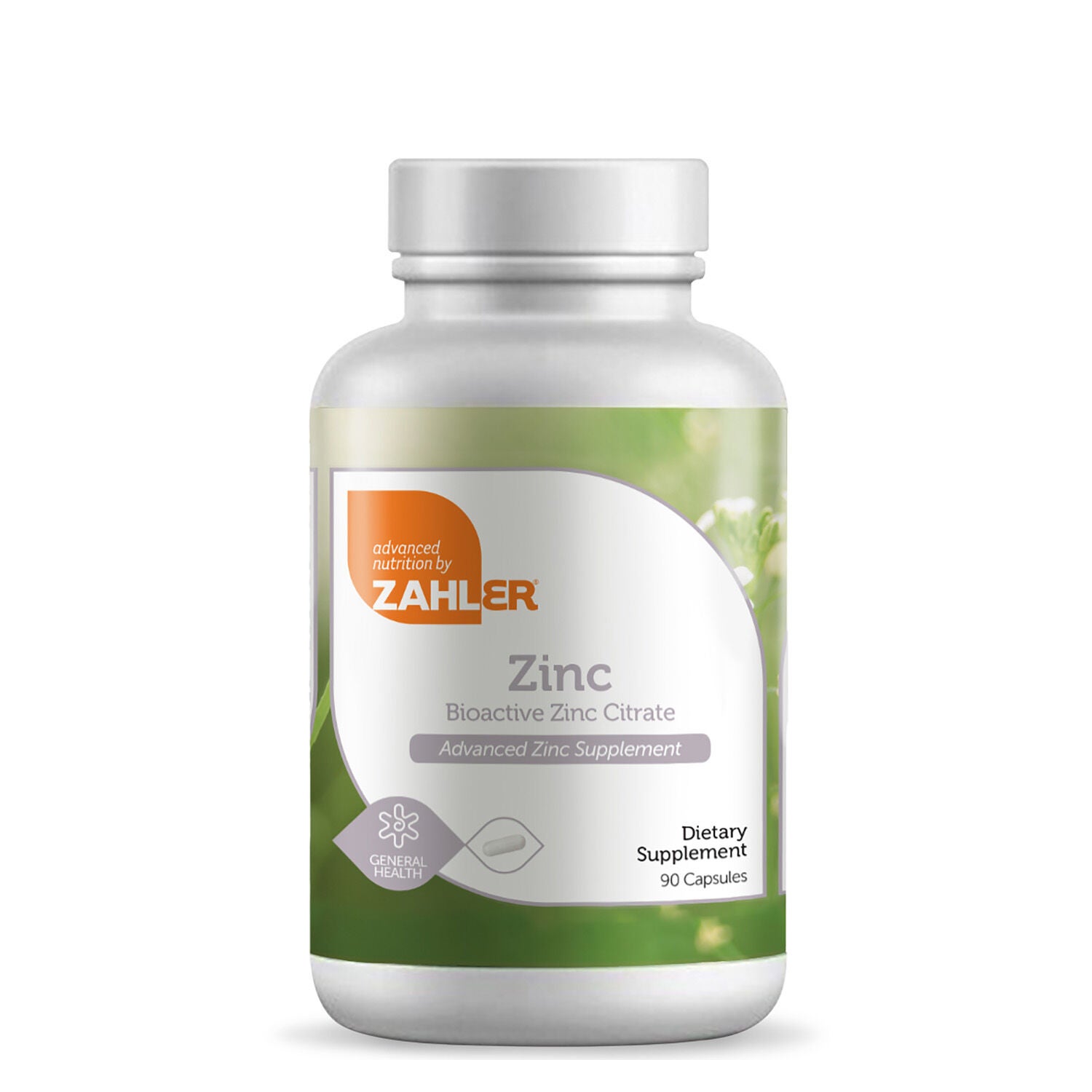
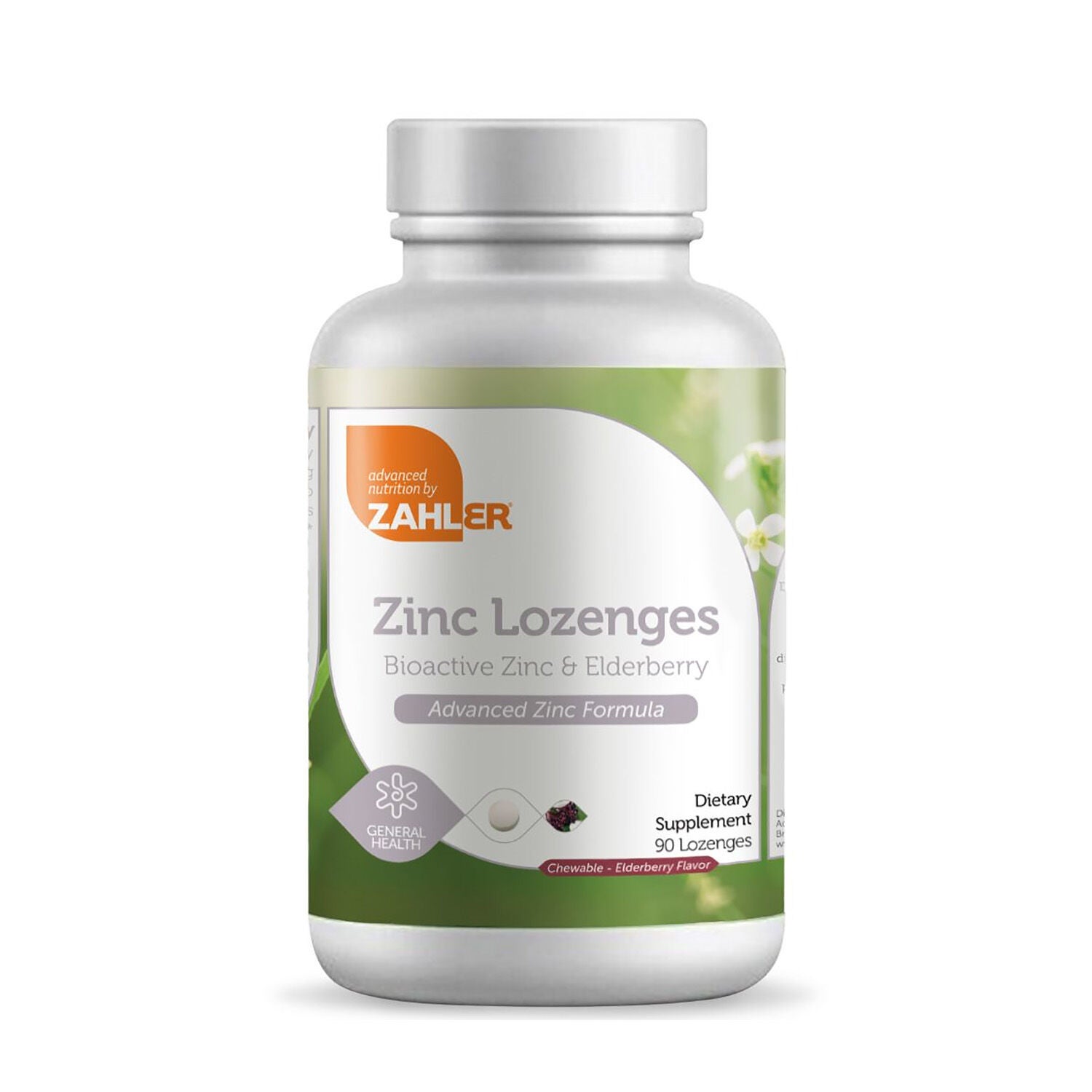
Kosher mineral products include mineral supplements in tablets, capsules, powders, and liquid formats made with ingredients and processes that meet Jewish dietary requirements. Kosher certification from a rabbinical agency indicates that a product has been reviewed according to that agency’s standards, including relevant ingredient sources and manufacturing practices. The category can encompass individual minerals, such as calcium, magnesium, zinc, or iron, as well as formulas containing several minerals. For shoppers who keep kosher, the distinction extends beyond the mineral named on the front of the package. A mineral ingredient may come from a geological source, but the finished supplement can also contain a capsule shell, coating, flavoring, or other ingredients that require consideration. Production equipment and processing methods can also matter to kosher status. That makes the certification mark and accompanying label information meaningful parts of a purchase, rather than details separate from the formula itself. A recognizable kosher symbol connects the finished product to its certifying organization; a general description of an ingredient’s origin does not provide the same information. Certification also applies to the particular formulation, so a familiar mineral name alone is not enough to establish whether another version meets the same dietary requirements. For households that distinguish between dairy and pareve products, the designation accompanying the kosher symbol adds another relevant detail. Passover suitability is a separate consideration and should be explicitly identified rather than assumed from ordinary kosher certification. Likewise, kosher status does not automatically establish that a supplement is vegetarian or vegan. These distinctions give kosher mineral supplements a place in routines shaped by both personal preferences and religious observance. They also explain why two packages with similar mineral names can warrant different consideration: the nutrient, supporting ingredients, certification, and format each describe a different aspect of the finished supplement. A clear label brings those details together in one place, allowing the dietary designation to be considered alongside the contents.
Format is another practical distinction within kosher mineral products. Tablets and capsules offer counted servings, while powders and liquids involve measuring according to the package directions. Someone who prefers a capsule with a meal may approach the category differently from someone whose routine already includes preparing a beverage. Neither preference changes the importance of the label: the amount per serving, serving size, mineral form, and other ingredients remain relevant across formats. For liquid formats, Kosher Mineral Drops offer a more focused category to consider alongside tablets, capsules, and powders. Liquid labels may describe a serving in drops, milliliters, or another stated measure, and those descriptions should not be treated as interchangeable across different formulas. A dropper or measuring device belongs with the directions for that particular package. Powdered formulas have similar distinctions, including the stated scoop size and whether the directions call for mixing with a particular amount of liquid. Flavor is worth considering when a supplement is intended for a drink, since an unflavored description does not necessarily mean there is no noticeable mineral taste. For tablets and capsules, the physical dimensions and number needed for a labeled serving may influence everyday preferences. Mineral forms also differ: a label may identify a mineral together with a compound name, such as citrate or glycinate. That compound name and the stated amount of the mineral convey different information, so a larger number elsewhere on the package is not a substitute for the Supplement Facts panel. Amounts may appear in milligrams or micrograms, depending on the nutrient. The percentage Daily Value provides another reference point, where one has been established, but it is separate from the serving measurement. Together, these details describe what is in a serving without requiring assumptions based on bottle size, format, or front-label wording.
The most practical fit for a kosher mineral supplement often comes down to the setting in which it will be used and the details that matter to the person purchasing it. A household with a dedicated supplement cupboard may prefer a clearly labeled bottle that is easy to distinguish from other containers. Someone who regularly packs a work bag may place more importance on a secure closure and packaging that travels neatly. A liquid bottle calls for attention to the cap and any supplied measuring accessory, while a powder container needs its lid secured and its measuring utensil kept dry. Storage directions on the package take priority, and retaining the original container preserves access to the ingredient list, certification symbol, serving instructions, lot information, and date markings. Those details remain useful after the outer carton has been discarded. Packaging condition matters as well: an intact seal and a legible label are practical considerations for supplements in any format. Within a shared household, a designated storage space can keep similar-looking bottles distinct and make individual preferences easier to respect. Kosher certification may be one requirement among several, alongside capsule materials, flavor preferences, or ingredient exclusions stated on the label. A product that meets one requirement should not be assumed to meet every other preference without checking its own information. These personal details also make mineral supplements a considered purchase for someone else rather than an automatic gift. A person who already uses a particular mineral format and has clearly expressed their certification preferences is a different recipient from someone whose routine is unknown. For personal use or a thoughtful replacement of a familiar household purchase, the strongest points of comparison remain concrete: the mineral listed, the amount per serving, the format, the supporting ingredients, the kosher designation, and the handling directions. Those details keep the focus on the actual supplement and its intended nutritional use while respecting the dietary practices that make this category distinctive.
Best Sellers
-
 Rho Nutrition
-
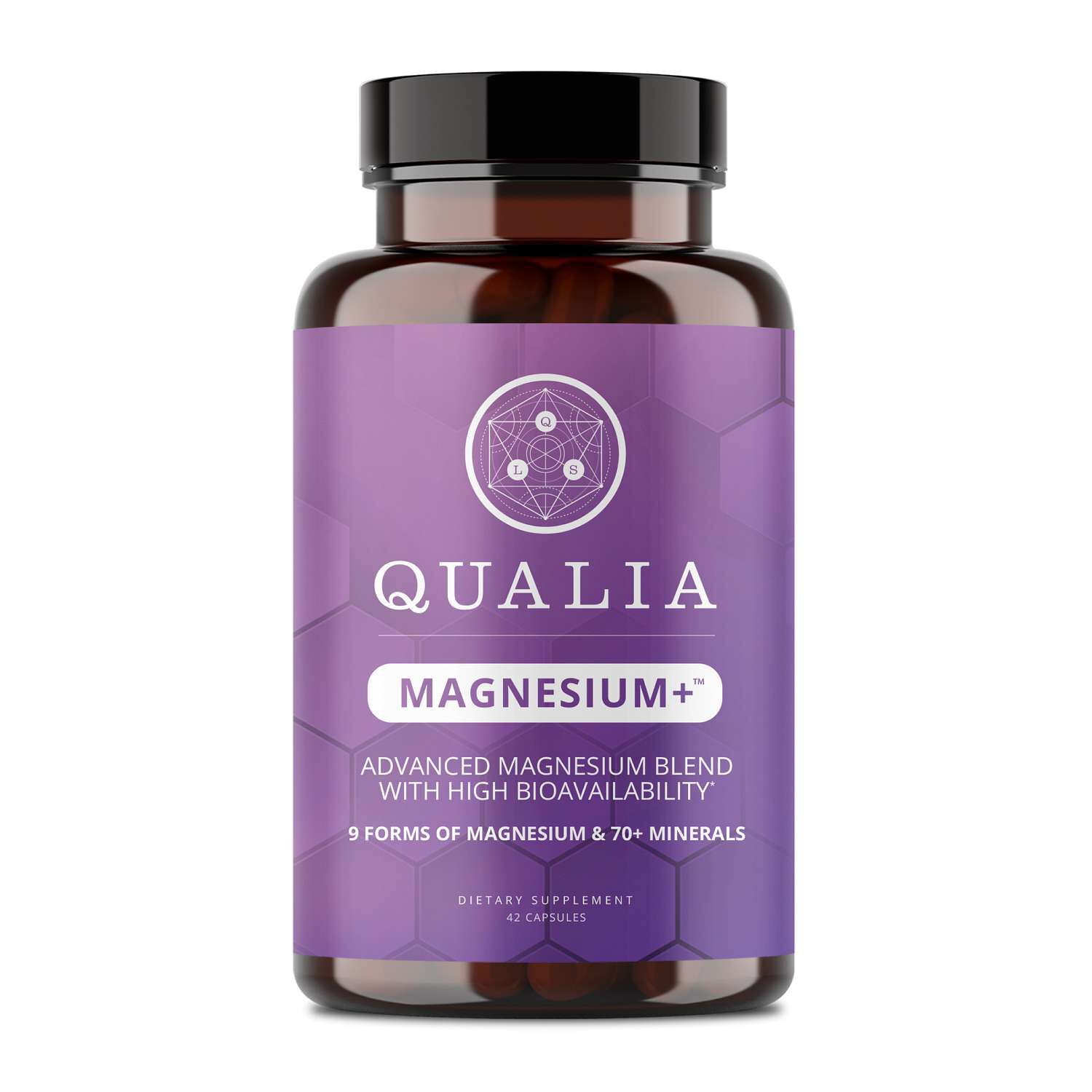 Qualia Life Sciences