L Arginine Capsules For Heart Health
(0 Results)
L arginine capsules for heart health are a popular choice for those who want to support their wellness goals. These supplements may fit easily into your daily routine and could be a convenient option for individuals seeking to maintain their cardiovascular well-being. With a variety of options available, you can explore different formulas and strengths to find the product that best aligns with your lifestyle. Discover how l arginine capsules for heart health might complement your nutritional regimen today.


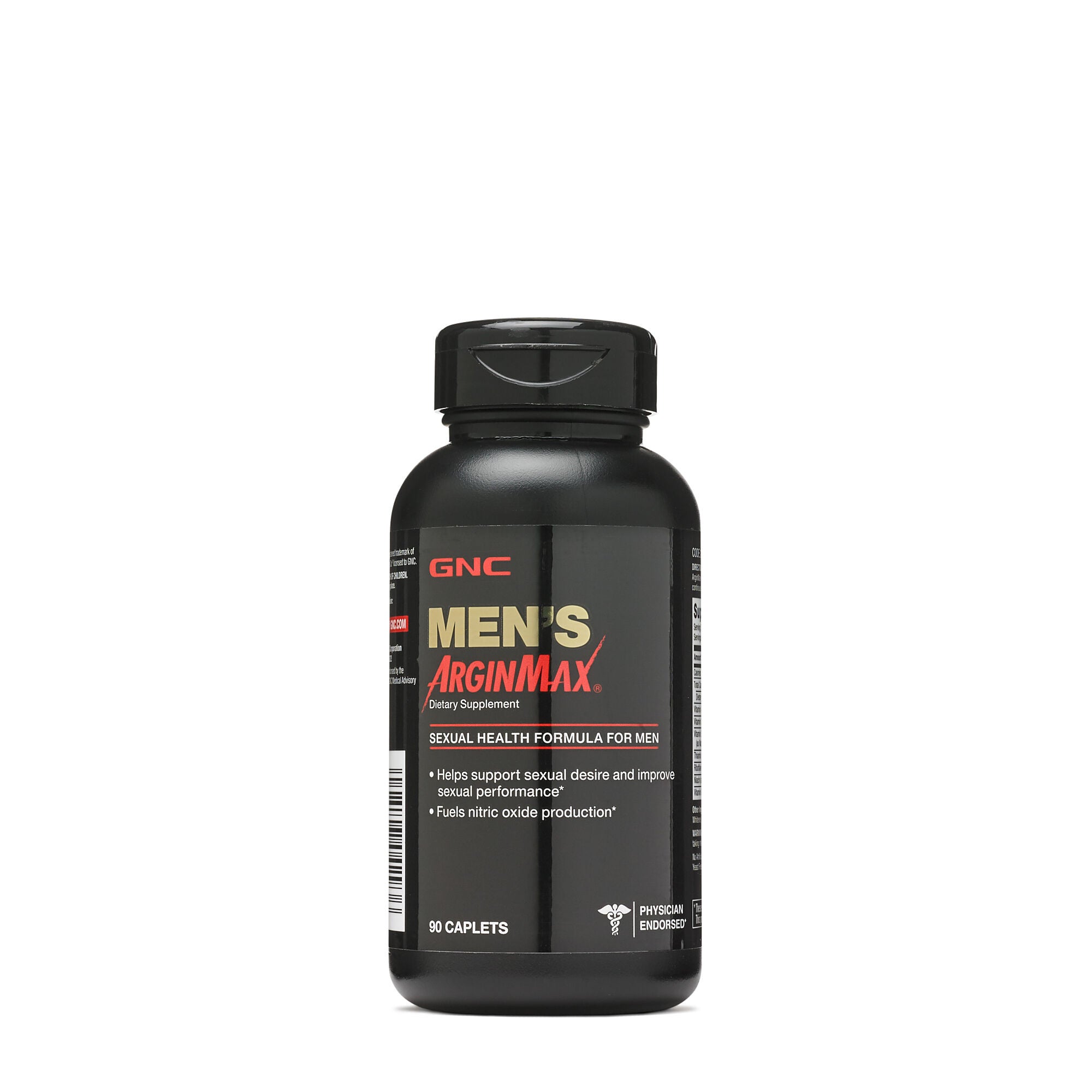
L-arginine capsules for heart health offer an amino acid supplement format that may fit into an established nutrition routine. L-arginine is an amino acid found in protein-containing foods, including meat, fish, dairy foods, beans, and nuts, and the body can also make it. Amino acids are building blocks of proteins, while arginine also participates in the body’s production of nitric oxide, a naturally occurring signaling molecule. That background helps explain interest in this ingredient within heart-focused nutrition, but an ingredient’s biological role does not establish what an individual might experience from taking a supplement. For product comparison, the most useful starting points are the form of arginine, the amount listed per serving, and the number of capsules that make up that serving. The “L” in L-arginine identifies a particular molecular arrangement of the amino acid; it is part of the ingredient name rather than a statement about strength. Capsules contain a measured portion of ingredients inside a shell, offering an alternative to powders that require measuring and mixing. They may appeal to adults who prefer a bottled supplement format without a flavored drink or a scoop added to an existing beverage. Capsule dimensions, shell materials, and serving counts can differ, so the front of the bottle tells only part of the story. A photograph may show the container clearly without conveying the size of the capsules inside. Descriptions that include capsule measurements or a clear explanation of the serving format add practical context. Someone accustomed to a single-capsule routine may have different preferences from someone comfortable with a serving made up of several capsules. Those distinctions concern convenience and personal preferences, not a basis for assuming that one format will deliver a particular heart health outcome.
A closer look at the Supplement Facts panel separates the amount of L-arginine from the number printed elsewhere on the package. The amount per serving and the capsule count per serving belong together: a serving made up of two capsules is different from a serving made up of one, even when the ingredient amount shown on the panel is the same. Bottle count is another separate detail. A container holding a certain number of capsules does not necessarily contain that same number of servings. Comparing these details side by side gives a clearer picture of how each format is organized without treating a larger number as a reason to expect more from the product. Ingredient naming also matters. L-arginine may appear by itself or as part of a named compound, and the label provides the context for understanding how the ingredient is presented. Some formulas center on L-arginine alone, while others combine amino acids, vitamins, minerals, or additional ingredients. A shorter ingredient panel may suit someone seeking a straightforward formula, while a combination formula requires attention to each listed component rather than only the ingredient named most prominently. Beyond the Supplement Facts panel, the other-ingredients section describes materials used for the capsule shell and manufacturing process. Shells may be made with gelatin or plant-derived materials such as cellulose. A plant-derived shell does not, on its own, describe every ingredient in the capsule, so dietary preferences are best matched against the full label. The same distinction applies to statements about omitted ingredients: a specific label statement is more informative than an assumption based on the product’s appearance. For shoppers comparing quality information, documented manufacturing details and clearly identified testing programs provide additional context. A testing mark has a defined scope, which may concern ingredient identity, stated amounts, or selected quality criteria. It is not a substitute for reading the ingredient panel, serving information, and package directions as separate parts of the product description.
Everyday fit also includes the less noticeable details that matter after a bottle reaches the kitchen cabinet. Packaging style, closure design, label readability, and storage directions all contribute to how a supplement fits into an organized household routine. A bottle stored near a steaming kettle or on a damp bathroom shelf faces a different environment from one kept in a location that matches its labeled storage conditions. Capsule shells and their contents have specific handling requirements, making the package directions more useful than a general assumption that every supplement belongs in the same place. Keeping the label with the capsules also retains the ingredient list, lot information, and date marking for later reference. For someone who packs a work bag in the morning or spends several days away from home, container dimensions and access to the original product information may be practical comparison points. The goal is a format that may suit the person’s routine without relying on appearance alone. Readable directions, an intact closure, and an understandable serving description are concrete attributes to consider alongside the formula itself. Adults exploring nutrition as they get older may also find related context among L Arginine Supplements for Healthy Aging, where the same attention to ingredient identity and capsule format remains relevant. Age alone does not describe someone’s dietary preferences, existing supplement routine, or preferred capsule size. One person may favor a simple ingredient panel and a compact container; another may prioritize a plant-derived shell and clearly documented manufacturing information. Neither preference establishes a particular result, but both help make product comparisons more personal and practical. Within a collection of L-arginine capsules for heart health, useful distinctions come from these tangible details rather than broad language about performance. Understanding what is in the capsule, how the serving is defined, and what the packaging says about handling provides a grounded basis for evaluating this supplement category.