L Arginine Supplements For Healthy Aging
(0 Results)
L arginine supplements for healthy aging are popular among those looking to support their wellness journey as they age. Known as an amino acid that plays a role in various bodily functions, l arginine is often chosen by individuals seeking to maintain their vitality and overall well-being. Explore a range of l arginine supplements for healthy aging that may fit into your daily routine and complement your lifestyle goals.


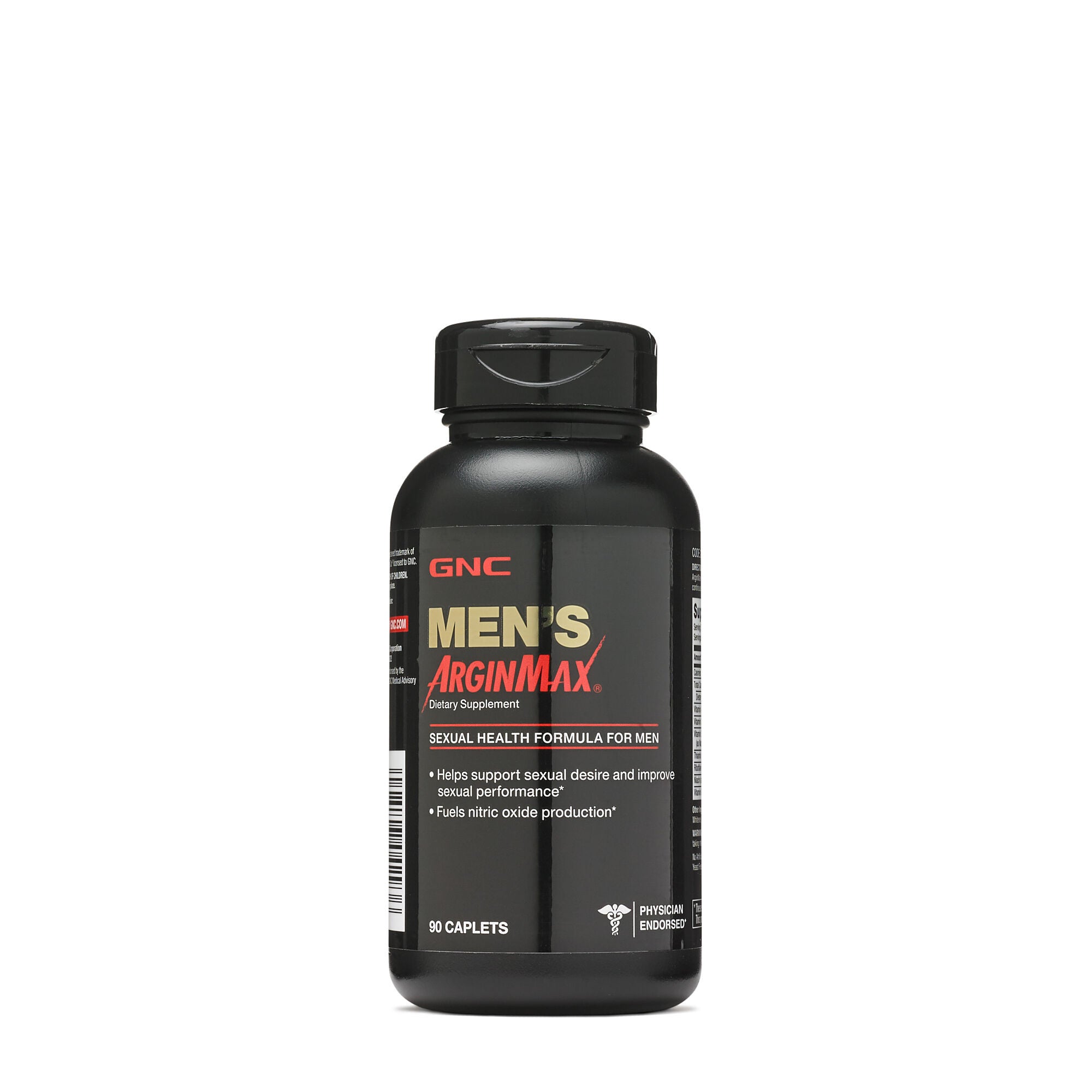


L-arginine is an amino acid that occurs naturally in the body and in foods such as meat, fish, dairy products, beans, and nuts. Amino acids are building blocks of proteins, and the body also uses arginine in the production of nitric oxide, a molecule involved in communication between cells. These biological roles help explain the interest in L-arginine supplements for healthy aging, but they are not the same as evidence that taking a supplement will produce a particular outcome. A supplement’s ingredient list describes what it contains; it does not establish how an individual will respond. For adults exploring this category, the most useful starting point is understanding the ingredient, the format, and the information on the label rather than choosing by an age reference on the package. Healthy aging can mean maintaining familiar routines, making room for enjoyable activities, and keeping nutrition in perspective alongside the other parts of everyday life. Someone who enjoys long neighborhood walks may approach supplement shopping differently from someone who spends mornings gardening or afternoons practicing a favorite sport. Those differences make intended use more meaningful than a broad age bracket. L-arginine supplements may offer a convenient way to include a measured amount of this amino acid in a nutrition routine, but they are distinct from the foods that naturally contain it. Foods provide a wider mix of nutrients, textures, and meal experiences, while a supplement is a more focused format. It is also useful to distinguish a single-amino-acid formula from a protein supplement: a label featuring L-arginine does not mean the product contains the same assortment of amino acids found in dietary protein. Keeping those distinctions clear makes this category easier to understand without treating one ingredient as an answer to every aspect of getting older.
Capsules, tablets, and powders offer different everyday experiences, so the best fit often comes down to practical preferences. Capsules and tablets have a defined amount per unit and may be convenient for people who prefer not to measure or mix a powder. Their dimensions, shell materials, and serving sizes can differ, however, and a serving is not necessarily the same as one capsule or one tablet. The Supplement Facts panel identifies the amount per serving, while the directions describe the intended use. Comparing those details together gives a clearer picture than reading the largest number on the front of a container. Units matter as well: one gram equals 1,000 milligrams, so different-looking numbers may describe the same quantity. That conversion is a way to understand a label, not a suggested amount to take. Powder formats involve a different set of considerations, including the listed serving measure, mixing directions, flavor, and the other ingredients included in the formula. An unflavored powder may still have a noticeable taste, and texture can vary with the liquid and preparation method. A person who values a simple routine may prefer fewer preparation steps, while someone already accustomed to mixing nutritional powders may find that format more familiar. Capsule materials are another useful comparison point, particularly for shoppers with dietary preferences. Gelatin and plant-derived capsule shells are different materials, and the label is the place to confirm which is used. The other ingredients section can also identify flavorings, sweeteners, colors, and ingredients used in manufacturing. Single-ingredient and blended formulas deserve separate attention because similar front-label wording can accompany different ingredient lists. A blend may include additional amino acids or other nutrients, each with its own listed amount and purpose within the formula. Clear labeling makes it easier to distinguish what is actually in the container from broad language about active living. These details may seem small beside a prominent ingredient name, but they shape how a supplement fits into an ordinary day, from opening the container to putting it away after use.
Packaging and storage deserve attention, especially when a container becomes part of a daily routine. Storage directions and expiration information provide product-specific details about handling and shelf life. A bathroom shelf beside a steamy shower or a kitchen spot near the stove presents a different environment from a dry cupboard away from direct sunlight. Keeping the original container also preserves access to the ingredient list, serving information, lot details, and directions instead of separating the contents from their identifying information. For powders, a dry measuring utensil and a securely closed lid are practical handling considerations; for capsules and tablets, the closure and packaging remain part of the product’s everyday upkeep. A larger container is not automatically a better match for every household, particularly when package size, serving count, and the intended pattern of use differ. Reading those features together may make comparisons more useful than judging the container by appearance alone. Personal preferences matter beyond format, too. Some adults want a straightforward amino acid formula with a short ingredient list, while others are comparing broader categories organized around particular interests. Shoppers exploring a related focus can also browse L Arginine Supplements for Men's Health for another way to view this ingredient category. A category name, however, is an organizational tool rather than a determination of personal suitability. Age alone does not establish whether a supplement belongs in someone’s routine, and product descriptions cannot resolve individual health questions. Those questions are better suited to a conversation with a qualified healthcare professional than to assumptions based on packaging or a shared age group. Within the shopping experience itself, the most meaningful comparisons remain concrete: the form of L-arginine listed, the amount per serving, the number of units in that serving, the additional ingredients, and the handling directions. Taken together, these details provide a grounded way to explore L-arginine supplements while keeping the broader meaning of healthy aging in view.