L Arginine Supplements For Circulation Support
(0 Results)
L arginine supplements for circulation may offer a convenient way to support your wellness routine. Known as an amino acid that plays a role in various bodily functions, l arginine is a popular choice among those seeking to maintain an active lifestyle. Explore options that could fit your needs and discover how l arginine supplements for circulation might become part of your daily regimen.
-

-

-

-

-

-

-

-
-
-

-
-
-
-
-

-

-
-
-
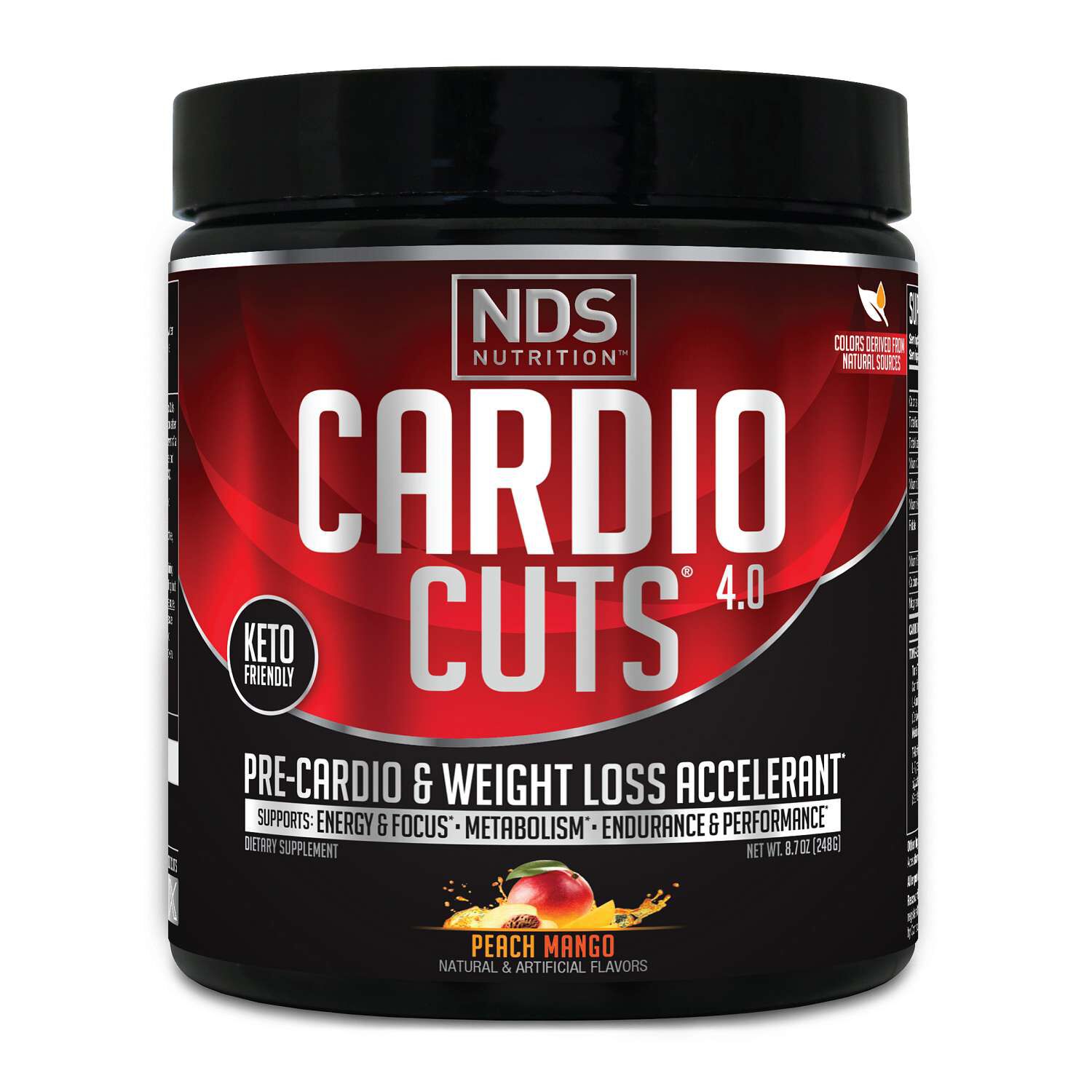 NDS Nutrition$69.99
-
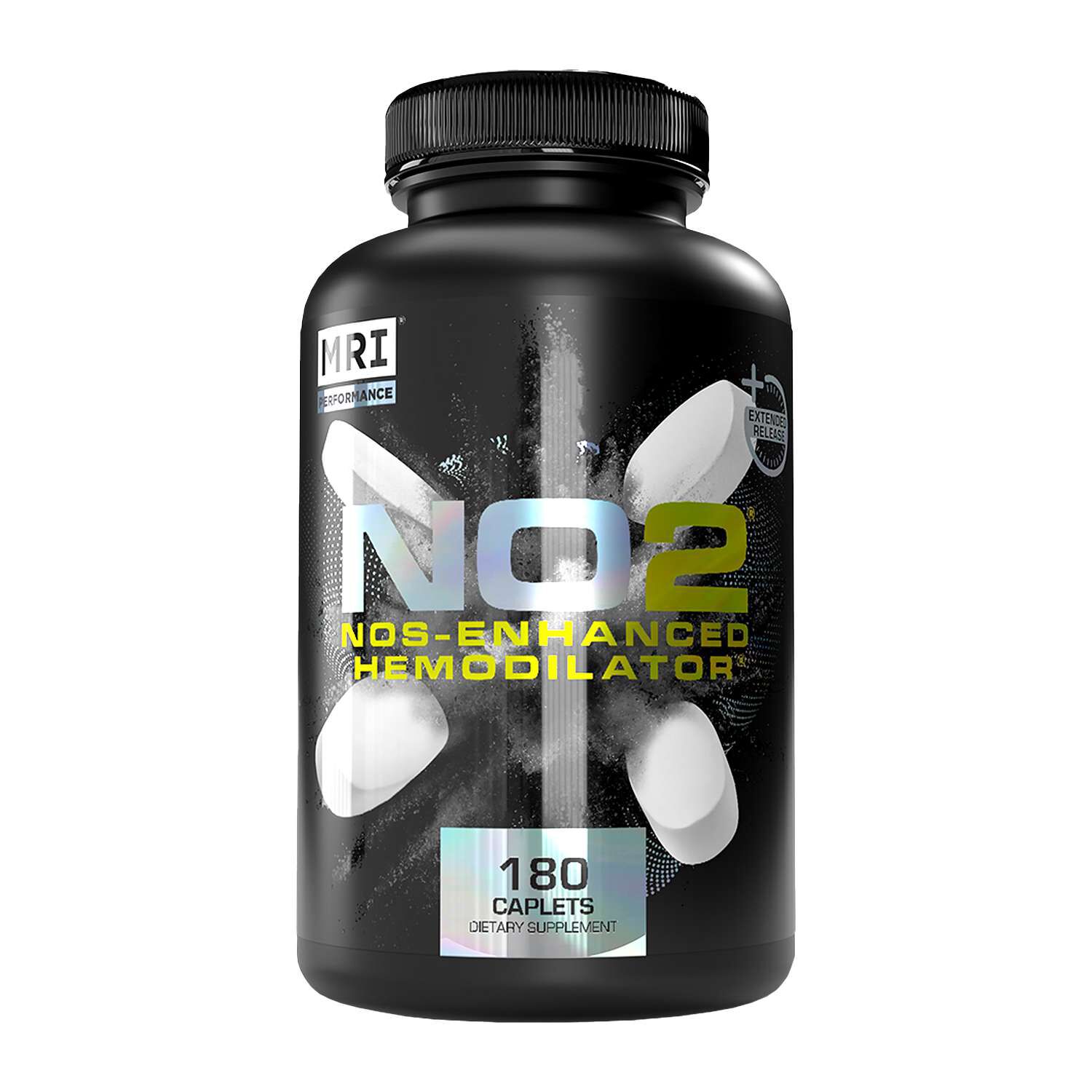

L-arginine supplements for circulation support bring a familiar amino acid into a category centered on everyday nutrition and personal wellness routines. L-arginine occurs naturally in the body and in protein-containing foods, including meat, fish, dairy foods, nuts, and legumes. Along with its role as a building block of protein, it participates in the body’s production of nitric oxide, a signaling molecule involved in normal blood vessel function. That biological connection provides context for its place in circulation-focused supplement collections, without making any individual experience predictable. Adults browsing this category may be interested in a single-ingredient supplement, a format that fits alongside their existing nutrition choices, or a closer look at an ingredient they have encountered in sports nutrition. Those interests do not necessarily point to the same formula. A person who prefers a short ingredient list may approach the category differently from someone comparing several amino acids in one serving. Likewise, someone with an established supplement routine may place more emphasis on serving size and ingredient overlap than someone exploring L-arginine for the first time. The distinction between an amino acid found in food and a packaged supplement also matters: a supplement supplies the ingredients and amounts listed on its label, rather than the broader nutritional mix found in a meal. For this reason, L-arginine belongs in the context of an individual’s overall eating pattern, not as a substitute for varied foods. The category is best understood through its ingredient identity, format, and intended use rather than dramatic expectations. Circulation is one aspect of normal physiology, and a category name alone does not establish what a particular formula might do for a particular person. Clear labeling and an understandable serving format provide a more grounded basis for comparing options than bold language on the front of a container. That perspective leaves room for personal preferences while keeping the focus on the actual contents of the package.
Format is often the most noticeable difference among L-arginine supplements. Capsules and tablets contain a defined amount in each unit, while the labeled serving may consist of more than one capsule or tablet. That distinction matters when comparing two containers: the number printed prominently on the front may refer to a serving rather than a single unit. Capsule dimensions, tablet shape, and the number of units per serving are practical considerations for someone who already has a preferred way of taking supplements. Powdered formats involve a different set of details, including the measured serving, mixing directions, and any flavoring ingredients. A powder may appeal to someone accustomed to preparing a drink at home, whereas a capsule format may suit someone who prefers not to measure a powder. Neither preference establishes that one format might provide a different circulation-related experience; the ingredient form and labeled amount still deserve attention. Ingredient lists also distinguish a formula built around L-arginine alone from one that combines it with other amino acids or nutrients. When a label names an L-arginine compound, the supplement facts panel provides important context about how the amount is declared. Capsule shells, binding ingredients, sweeteners, colors, and flavorings are separate considerations from the featured amino acid. Gelatin and plant-derived capsule materials may matter to shoppers with particular dietary preferences, while allergen statements provide another layer of product information. For powders, the distinction between unflavored and flavored does not tell the whole story about taste or texture, so preparation details remain relevant. A familiar beverage does not make every powder interchangeable, and mixing instructions vary by formula. Comparing serving information, other ingredients, and package directions together creates a clearer picture than relying on a large number or a short phrase on the front label. These details also make it easier to distinguish a straightforward daily format from a more involved preparation routine.
A good match also depends on the setting in which a supplement would become part of an existing routine. A bottle kept beside other nutrition products at home presents different practical considerations from a container regularly packed into a work tote. Closure design, label readability, container dimensions, and the clarity of serving information are useful comparison points beyond the featured ingredient. For a powder, the container opening and measuring directions are part of the everyday handling experience; for capsules or tablets, the number of units in a labeled serving may be more relevant. Storage instructions deserve the same attention as preparation directions, especially when a container would otherwise sit beside a steamy bathroom sink or travel loose in a bag. The original packaging carries the ingredient information, lot details, and date markings associated with its contents. Package condition and a readable label matter throughout use, not just when the container first arrives at home. Adults interested in a routine-oriented comparison may also explore L Arginine Supplements For Daily Use, where the focus is on the same ingredient within an everyday-use context. Across either collection, a supplement’s place in a routine is personal: someone who prepares a morning drink may have different format preferences from someone who organizes labeled containers in a kitchen cabinet. Neither setting calls for an elaborate ritual or an expectation of a noticeable sensation. Product directions, stated intended use, and clearly identified ingredients remain more relevant than associations with a particular workout or lifestyle image. Personal supplement choices also make this a category better suited to an individual’s own preferences than to a surprise gift selected on appearance alone. Thoughtful browsing comes back to straightforward distinctions: what the formula contains, how the serving is presented, what preparation it involves, and whether its packaging suits the way it would be stored and handled. Those concrete details keep the comparison useful without turning a circulation-focused category into a prediction about personal results.