L Carnitine Supplements With No Soy
(0 Results)
Explore a wide selection of l carnitine supplements with no soy designed for those who prefer options without soy ingredients. Whether you are looking to support your wellness routine or seeking alternatives to traditional formulations, these products may fit seamlessly into your daily regimen. Discover convenient forms and a variety of choices that could align with your personal preferences and lifestyle goals. Find the l carnitine supplements with no soy that might match your needs and help you stay on track with your wellness journey.
-
-

-

-

-

-

-

-
-

-
-

-

-

-

-
 1$19.99
-
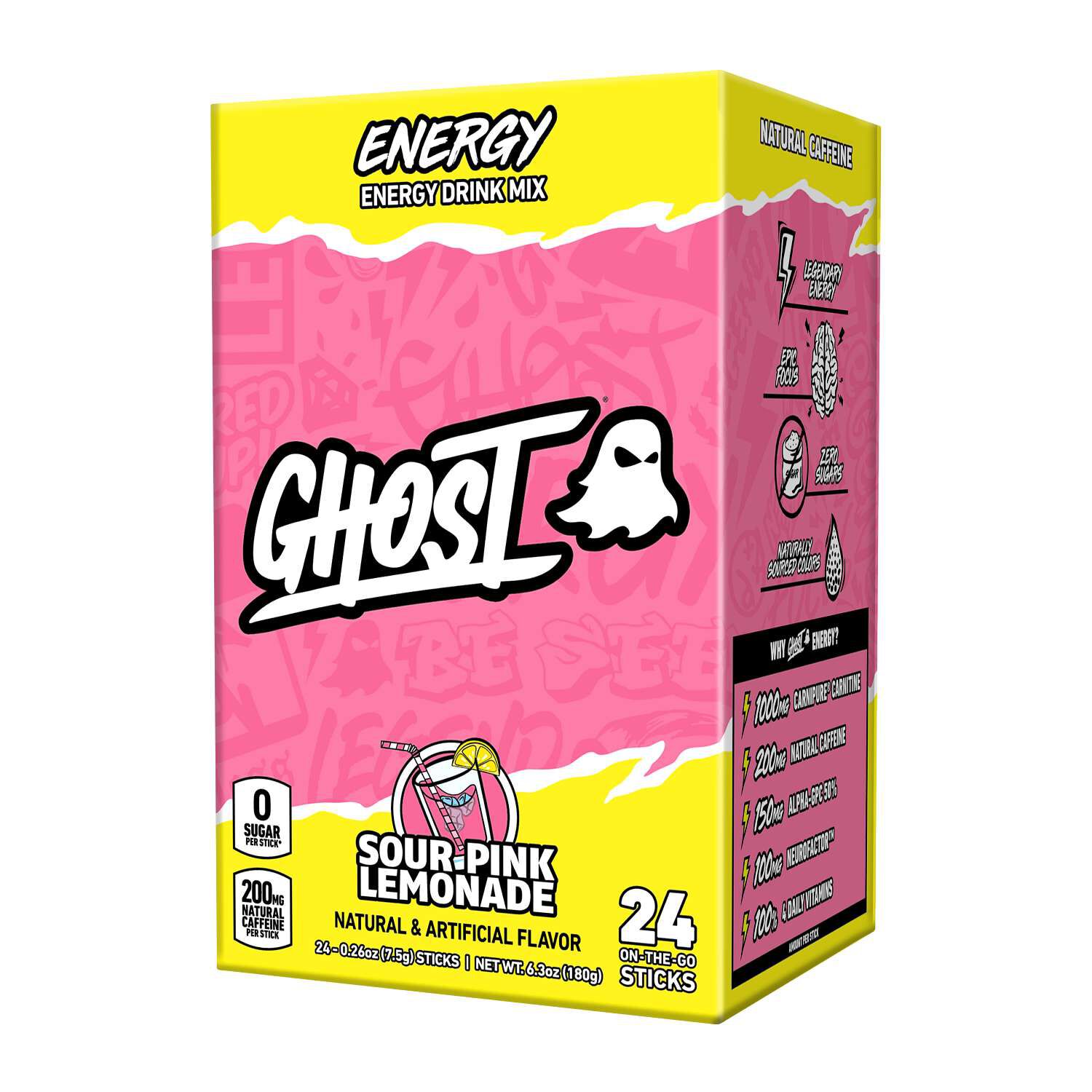
-
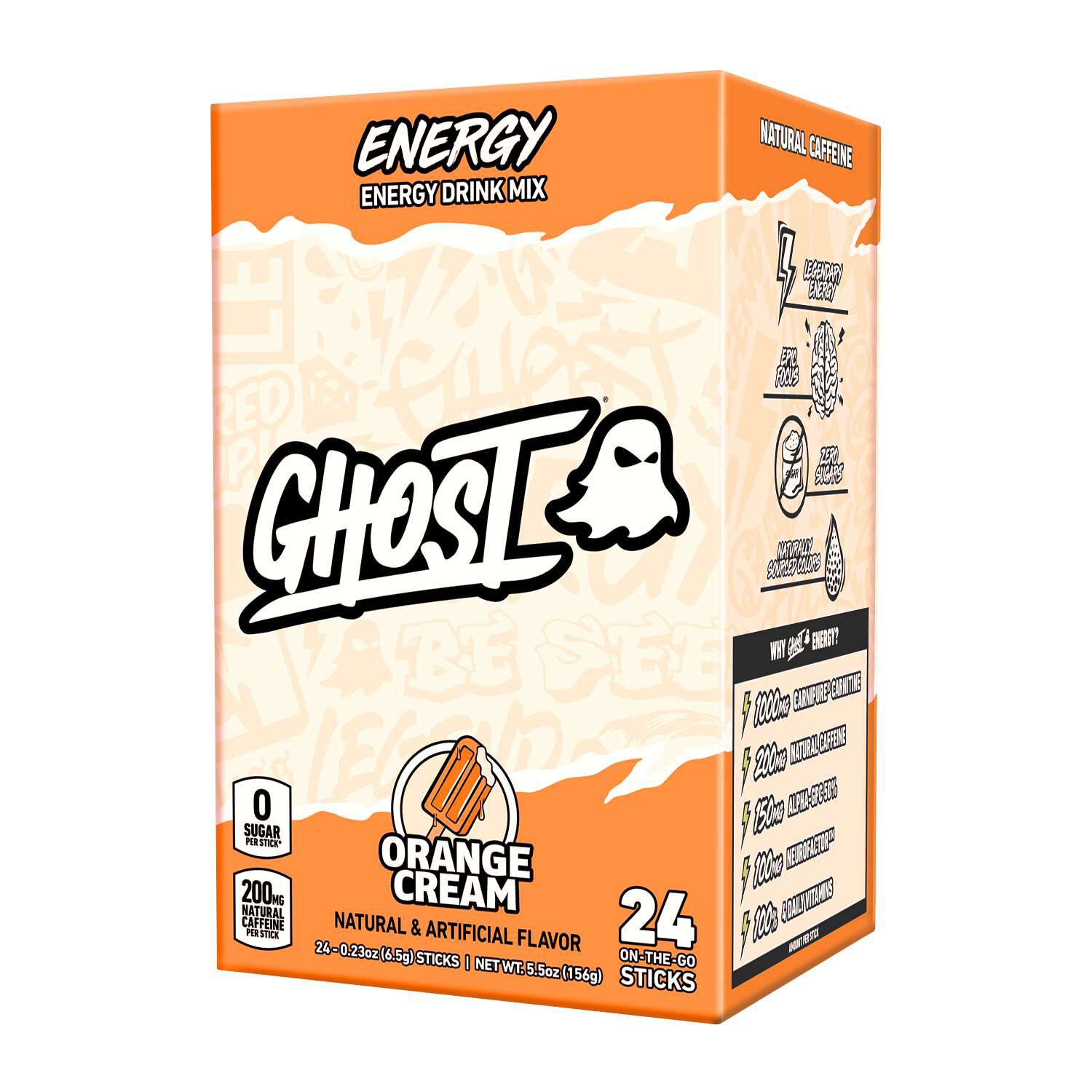
-
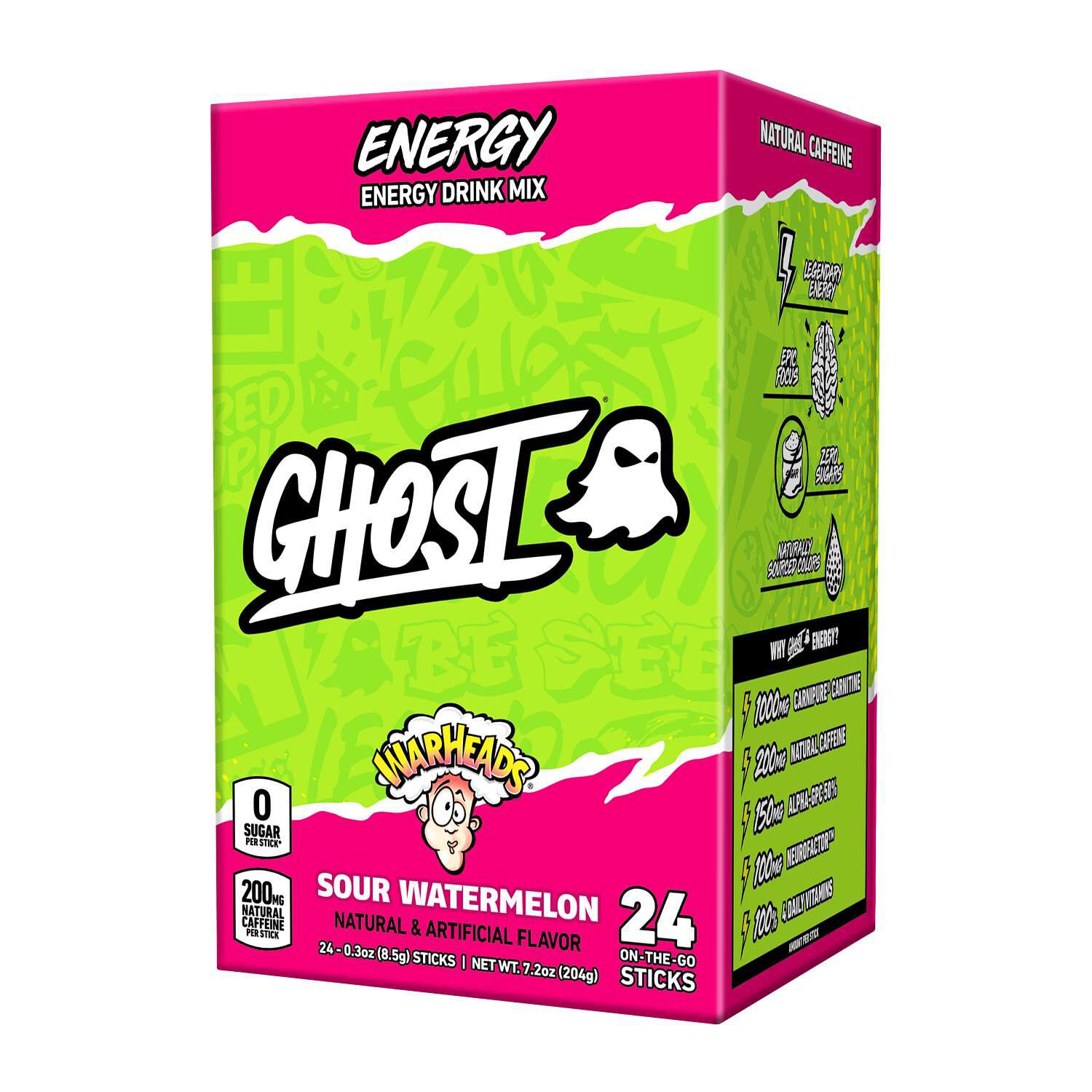
-
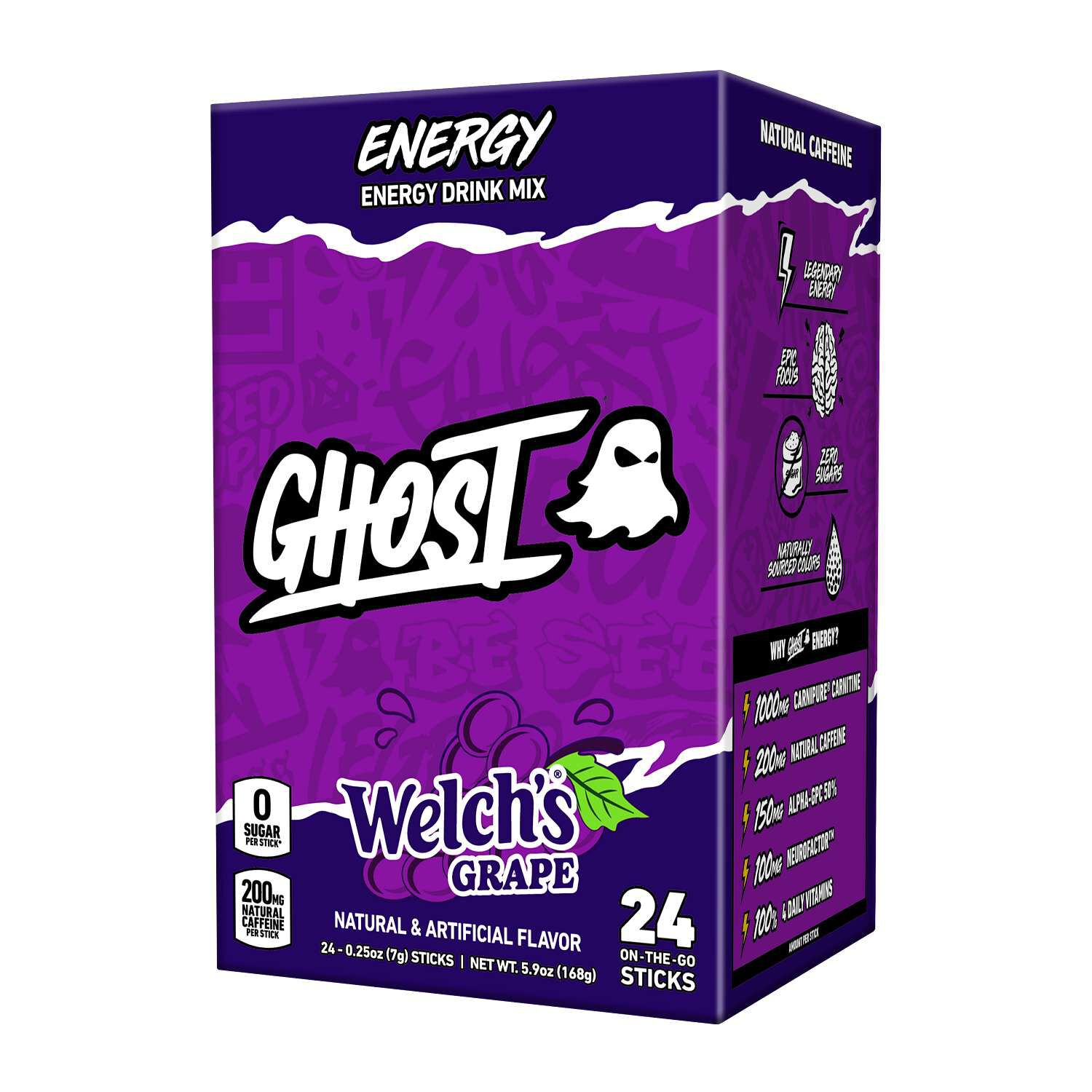 $29.99
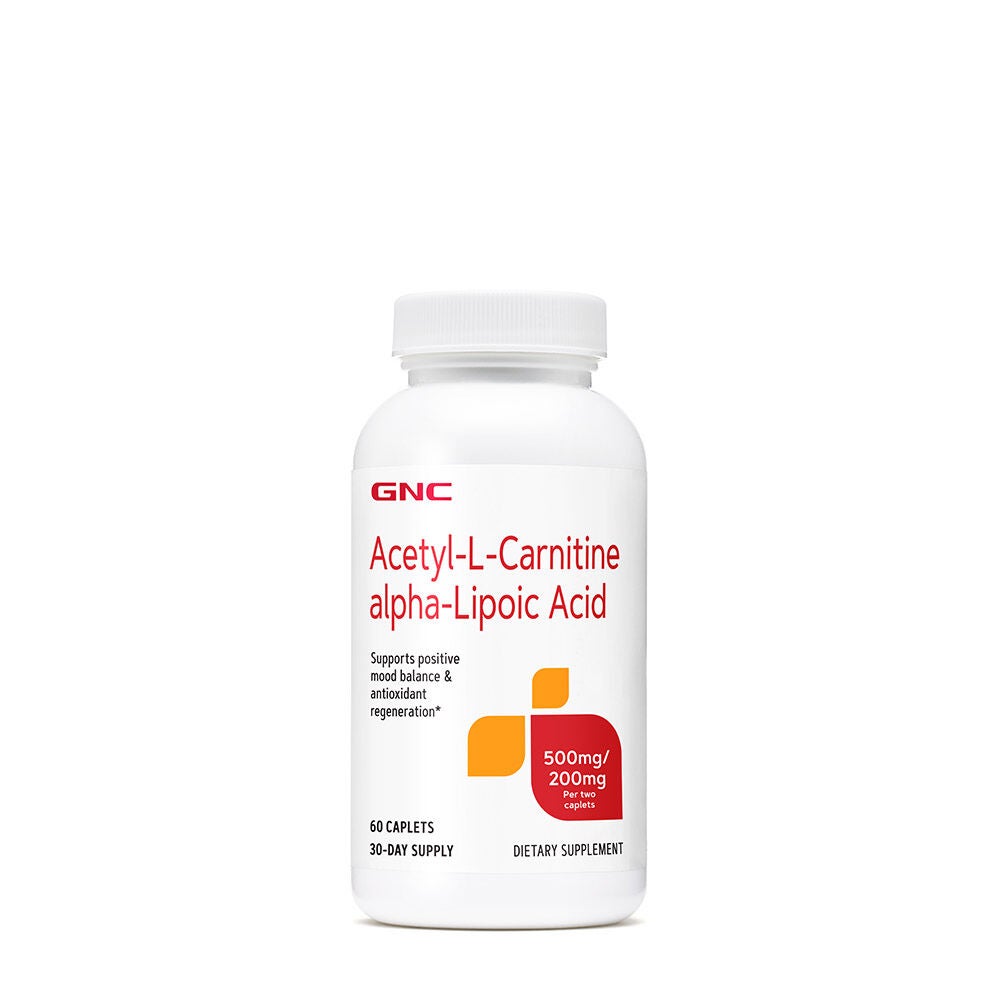
L-carnitine supplements with no soy are dietary supplements formulated without soy ingredients, with details that vary by formula, serving size, and delivery format. L-carnitine is a compound naturally present in the human body and in foods such as meat and dairy. Supplements provide it in measured servings, sometimes as a single featured ingredient and sometimes alongside other compounds. For shoppers who prefer to leave soy out of their supplement routine, both the carnitine form and the surrounding ingredients matter. Labels may identify L-carnitine, L-carnitine L-tartrate, or acetyl-L-carnitine, also called ALCAR. These names describe different forms; they do not, by themselves, establish whether a finished formula contains soy. The distinction is useful when comparing two bottles that look similar from the front but have different ingredient panels on the back. Capsule and tablet formulas often have relatively short ingredient lists, while liquids and powders may include flavors, sweeteners, acids, or other ingredients that shape the drinking experience. Neither format automatically means fewer ingredients or a better match for a particular dietary preference. Someone who prefers an unflavored supplement may focus on capsules, while someone who dislikes swallowing tablets may be more interested in a measured liquid or a powder mixed according to its directions. A vegetarian capsule shell is another separate consideration: it describes the shell material, not every ingredient inside it. Likewise, a formula described as vegan still needs its own soy review. Plant-based ingredients can come from many sources, including soy, so one dietary designation should not stand in for another. Comparing these details keeps the focus on what the formula actually contains rather than on broad impressions created by its packaging. The most useful comparison brings together the named carnitine form, the amount per serving, the serving format, and the information supporting the no-soy description. Those details provide a clearer picture than a large front-label number alone, especially when the serving requires more than one capsule or a particular volume of liquid.
The clearest starting point for evaluating L-carnitine supplements with no soy is an explicit statement about soy on the package or in the manufacturer’s formula information, supported by a review of the full ingredient list. The Supplement Facts panel identifies the dietary ingredients and their declared amounts, while the Other Ingredients section typically covers components such as capsule materials, binders, coatings, flavors, and flow agents. Both sections deserve attention because the featured ingredient does not describe the entire formula. Soy lecithin and soybean oil are recognizable examples of soy-derived ingredients; less descriptive terms, including certain flavor blends or ingredients listed without a source, may leave questions unanswered. An unfamiliar ingredient name is not proof of soy content, just as a short ingredient list is not proof of its absence. When a source is unclear, manufacturer documentation is more informative than guessing from the name. Statements about shared equipment or a shared facility address a different issue from whether soy is intentionally included in the recipe. A no-soy formulation statement does not, by itself, explain every manufacturing condition or establish that testing for soy has been performed. Similarly, a general manufacturing certification should not be read as a soy-specific testing statement. Shoppers comparing labels can distinguish among ingredient exclusions, facility disclosures, and any testing information actually provided. Each answers a different question. Other dietary preferences also require separate checks: no soy does not automatically mean no milk ingredients, no wheat ingredients, or suitability for a vegan diet. For a flavored liquid, that review includes the sweetening system and any listed colors or preservatives; for a capsule, it includes the shell and other supporting ingredients. Packaging details can change between formulations, so the label on the bottle remains important even when a familiar name or similar design appears elsewhere. A clear, specific ingredient description is more useful than relying on a general impression that a formula is simple, plant-based, or made for active adults.
Everyday practicality matters alongside ingredient preferences. An adult who keeps a supplement organizer on a kitchen shelf may prefer a capsule or tablet format, while someone who already measures a liquid supplement may prefer a bottle with clearly marked serving directions. A powder introduces another set of details, including the specified mixing volume, flavor, and whether a scoop is included. For liquid formats, serving volume deserves particular attention: a teaspoon and a tablespoon are different measurements, and the amount listed per serving should be matched to the stated measure. With capsules, a serving may consist of more than one capsule, so the number of capsules in a bottle is not necessarily the number of servings. Comparing these details side by side makes differently packaged formulas easier to understand without assuming that a larger number means a more suitable choice. Intended use also belongs in that comparison. Some adults consider carnitine while organizing an exercise-focused supplement routine; others are simply looking for a particular ingredient in a format that fits their dietary preferences. Neither context makes every carnitine form interchangeable, and a blend deserves attention to all its ingredients rather than just the carnitine named on the front. Storage instructions, container design, and handling requirements round out the practical details. A tightly closed bottle, a readable label, and a measuring accessory kept with its container are useful organizational considerations. Liquids may have specific instructions after opening, while powders and solid formats have their own labeled storage conditions. Original packaging keeps those directions and ingredient disclosures close at hand, especially when several supplements share the same cabinet. Shoppers browsing other categories with the same soy preference can also explore Saw Palmetto Supplements With No Soy, while assessing each formula separately rather than assuming that matching dietary labels mean matching ingredients. Across formats, the strongest basis for comparison remains straightforward: a clearly identified carnitine form, understandable serving information, transparent supporting ingredients, and a specific explanation of the no-soy designation.