





L Theanine Supplements For Relaxation During Exams
(0 Results)
L theanine supplements for relaxation during exams are a popular choice for those seeking support during high-pressure study periods. Many students and professionals turn to these supplements as part of their wellness routines when preparing for tests or important projects. With options available in capsules, tablets, and powders, it’s easy to find a format that fits your preferences. Explore a variety of l theanine supplements for relaxation during exams and discover how they might fit into your exam preparation routine.
-
-
-
-

-
-
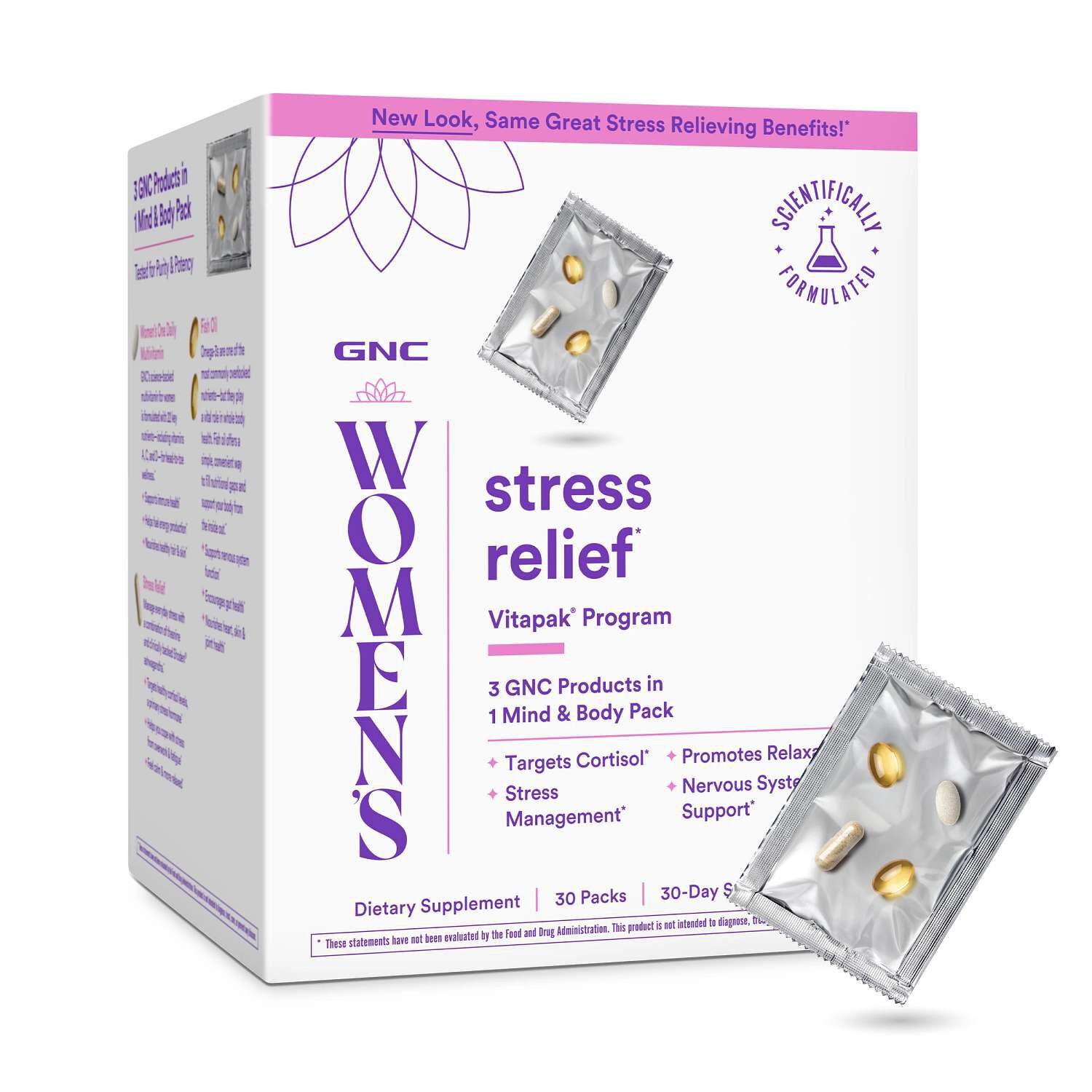
-
 $29.99
-
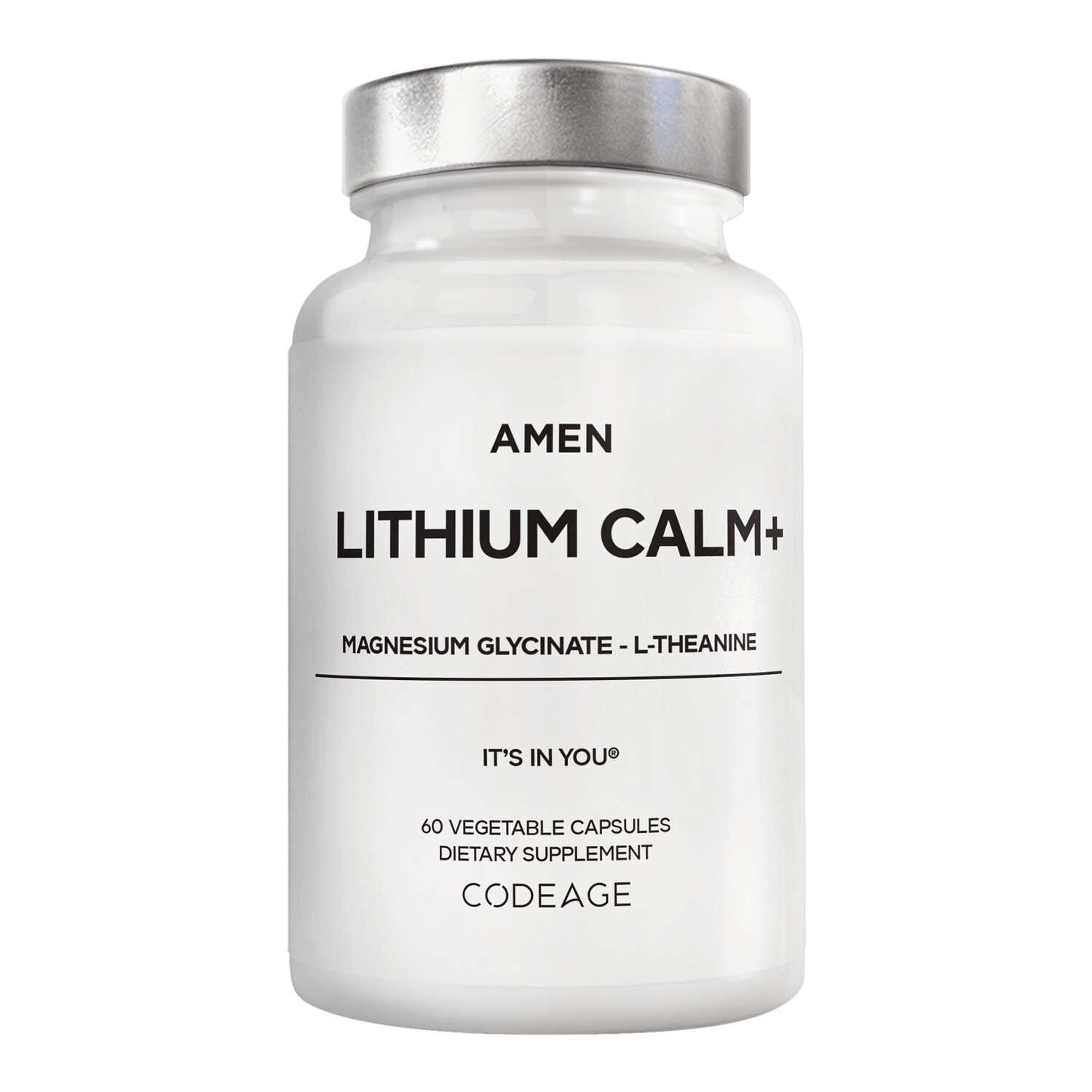 $29.99
-
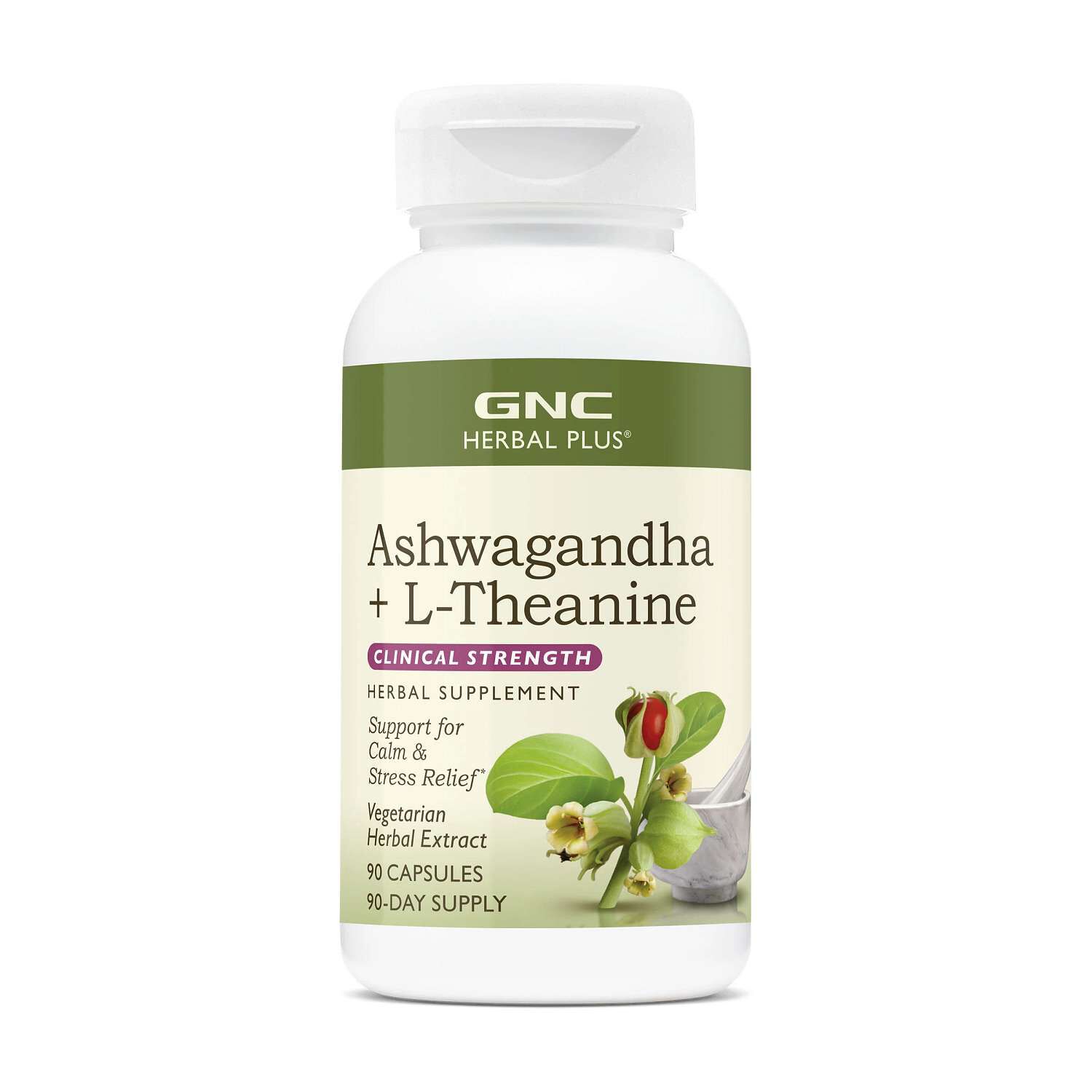 GNC Herbal Plus$39.99
-
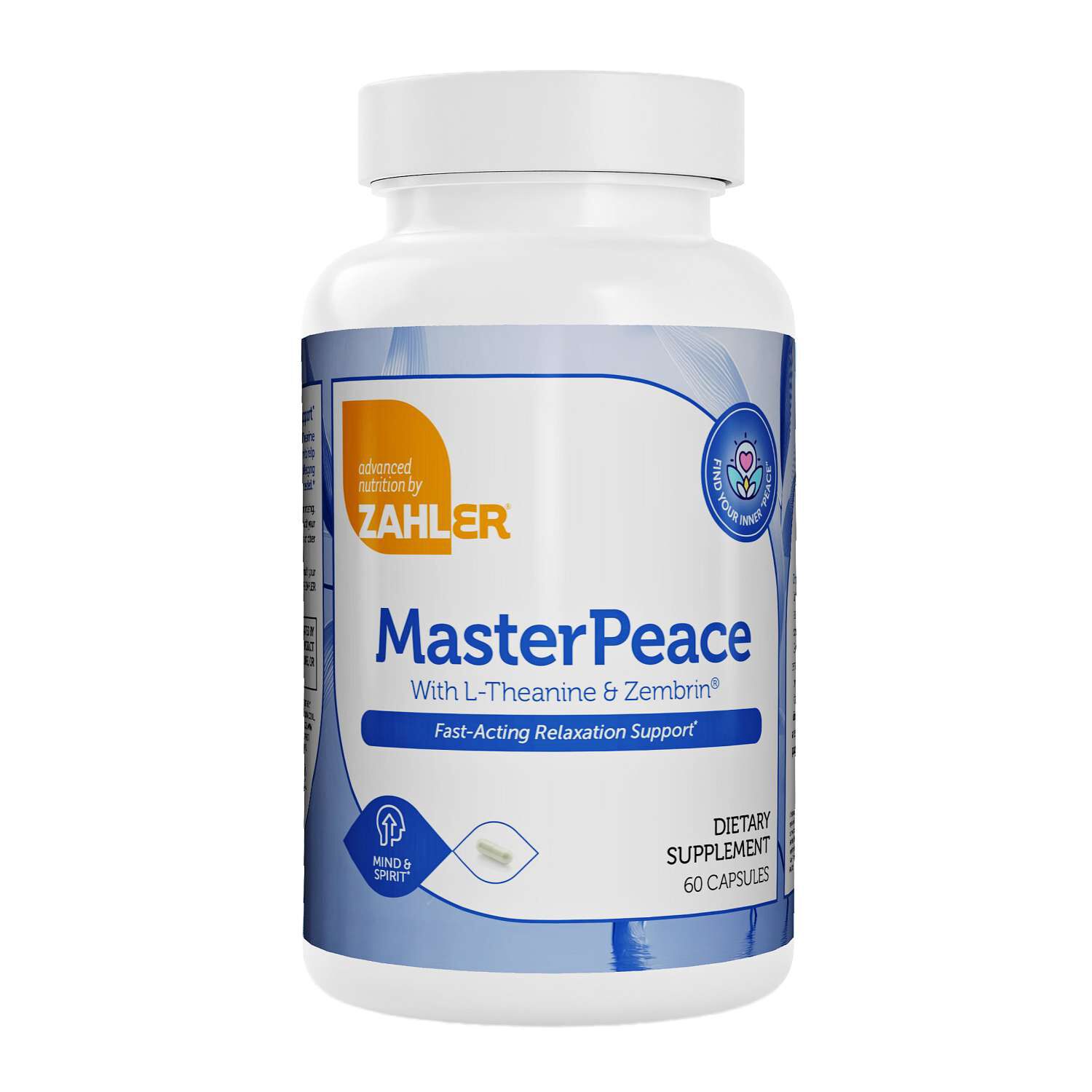 $49.99
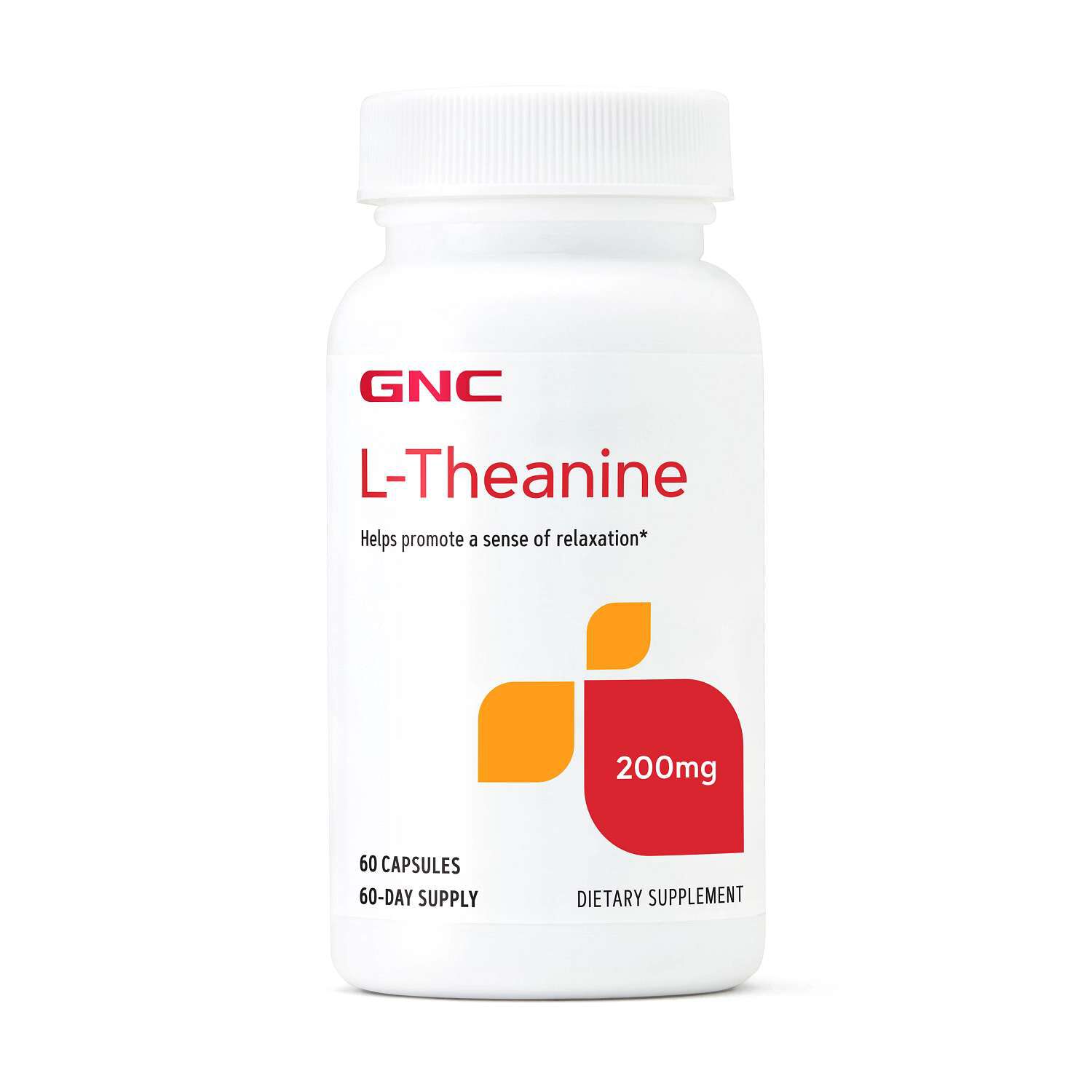
L-theanine supplements for relaxation during exams may appeal to adults looking to bring a calmer feel to a demanding study routine. L-theanine is an amino acid found naturally in tea leaves, including green tea, and is also used as an ingredient in dietary supplements. It may support a sense of relaxation and attentive calm, although individual experiences can vary. For an adult college student working through practice problems, a graduate student preparing for an oral examination, or a professional reviewing material for a certification test, that interest often sits alongside practical concerns about format, ingredients, and everyday convenience. A quiet library table, a stack of marked-up notes, and a carefully planned revision schedule provide a familiar setting for this category, but the supplement itself is not a substitute for learning the material, regular meals, or adequate sleep. Products centered on L-theanine differ from broader blends that combine it with other ingredients, so the name on the front of the package is only the starting point for comparison. The Supplement Facts panel identifies the amount of L-theanine in a labeled serving, typically expressed in milligrams, and shows whether other dietary ingredients are part of the formula. The number of capsules, tablets, or other units in that serving matters as well: an amount listed per serving is not necessarily the amount in a single capsule. Tea and supplements also are not interchangeable sources, since the amount of L-theanine in brewed tea varies and tea can contain caffeine. Some supplement formulas include caffeine, while others do not. For shoppers already considering their coffee, tea, or other caffeinated beverages, that distinction provides useful context without assuming that every exam-focused routine needs the same combination. Clear labeling and a straightforward understanding of the formula offer a more useful basis for comparison than language suggesting a dramatic change in study performance.
Format is another practical consideration when comparing L-theanine supplements for an exam routine. Capsules, tablets, chewables, and powders present different experiences, from a compact bottle tucked into a study bag to a measured powder prepared at home. Capsule and tablet dimensions may matter to someone with a strong preference about what they take, while chewables introduce questions about flavor, texture, sweeteners, and other ingredients. Powders involve preparation and measurement, making the labeled serving information and any included measuring tool relevant details. These are differences in use and personal preference, rather than reasons to assume that one format offers a stronger relaxation effect than another. The ingredient list also deserves attention beyond the featured amino acid. Capsule materials, flavoring ingredients, colors, and allergen statements can help shoppers determine whether a formula matches their dietary preferences. A person looking for a plant-based capsule, for example, would need to check the capsule material rather than infer it from the L-theanine name. Likewise, a simple formula and a blend containing several dietary ingredients are different choices, even when both feature the same amino acid prominently. For adult students moving between a classroom, a shared apartment, and a library, packaging details can be as relevant as format. A closure that is easy to secure, a readable label, and a clearly marked serving size all have practical value during a busy schedule. Storage information belongs in that comparison too. The package provides directions about storage conditions and may include a date marking relevant to product quality. Keeping the label with the supplement preserves access to ingredient details, directions, and identifying information; an unlabeled container does not provide that same reference. A bottle intended for regular use at home presents a different carrying arrangement from individually packaged servings, where offered. Neither arrangement establishes how a person will experience L-theanine, but each affects how the product fits into the ordinary logistics of preparing for exams.
The intended place of L-theanine in an exam routine is dietary supplementation, with relaxation as a personal wellness consideration rather than a measure of academic readiness. It may complement a calm-focused routine, but it does not establish how much material someone knows or how an examination will go. That distinction matters across different testing situations. An adult undergraduate studying between lectures may have a different daily pattern from a working professional reviewing notes after a shift, and someone preparing for a lengthy licensing examination may prioritize different packaging or ingredient preferences than someone facing a short classroom quiz. The most relevant product details remain concrete: the amount in a labeled serving, the serving format, the other ingredients, and the directions on the package. A familiar-looking label or a larger number on the front does not, by itself, explain whether a formula matches those preferences. Nor does the presence of several ingredients establish that a blend is a better match than a formula centered on L-theanine alone. A shopper seeking relaxation may prefer a different ingredient profile from someone browsing products that also contain caffeine, and the full formula makes that distinction visible. Beyond exams, L Theanine Supplements For Wellness Routines offers a related context for considering how this ingredient may fit into everyday habits. The same attention to format and labeling applies whether the setting is a desk covered with flashcards or an ordinary evening at home. For exam-related shopping, a clear description of the product is more useful than an expectation of a particular feeling at a particular moment. L-theanine may support relaxation, while the surrounding routine remains individual. Choosing among formats and formulas is ultimately about matching factual product characteristics with adult preferences, keeping expectations measured, and recognizing that a supplement occupies only one small part of a much broader study routine.
Best Sellers
-
 Rho Nutrition
-
 Qualia Life Sciences
Related Pages

Top Collections
- GLP 1 Support For Adults
- Supplements For Yoga Joint Flexibility
- Joint Mobility Supplement Packs
- Supplements For Balance
- Zinc Supplements For Men
- Chronic Fatigue Supplements
- Capsule Supplements For Energy And Stamina
- Zinc Supplements | Top Brands at Great Prices | GNC
- Supplements For Anxiety Relief Support
- Adult Mobility Supplements