

Lean Muscle Mass Gain Supplements Chocolate
(0 Results)
Lean muscle mass gain supplements chocolate offer a delicious way to support your fitness journey and help fuel your active lifestyle. Packed with rich chocolate flavor, these supplements may fit seamlessly into your daily routine for those looking to add variety to their nutrition plan. Whether used as part of a post-workout shake or a convenient snack, lean muscle mass gain supplements chocolate could be a tasty option for anyone seeking to enhance their training regimen and enjoy the benefits of a protein-packed treat.


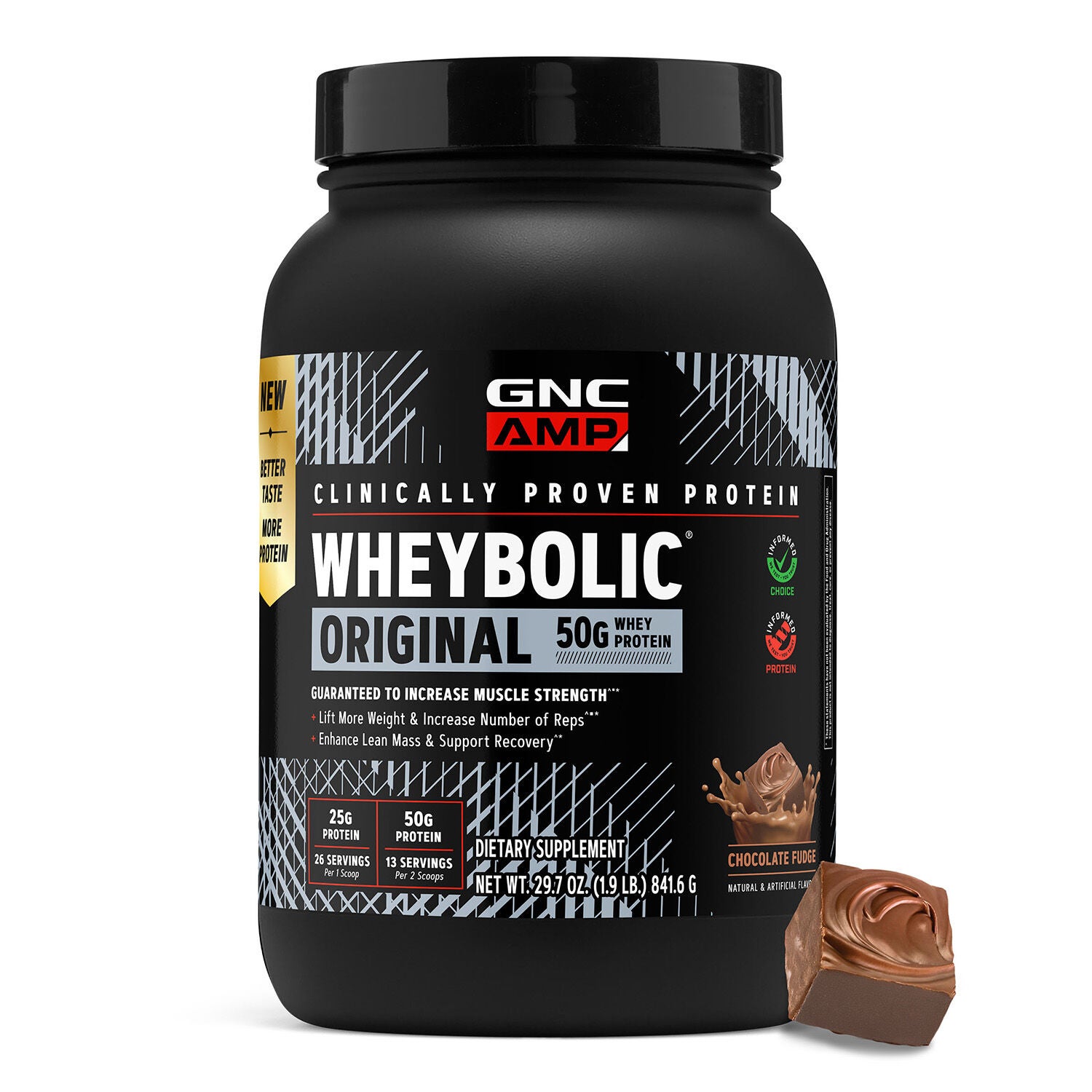

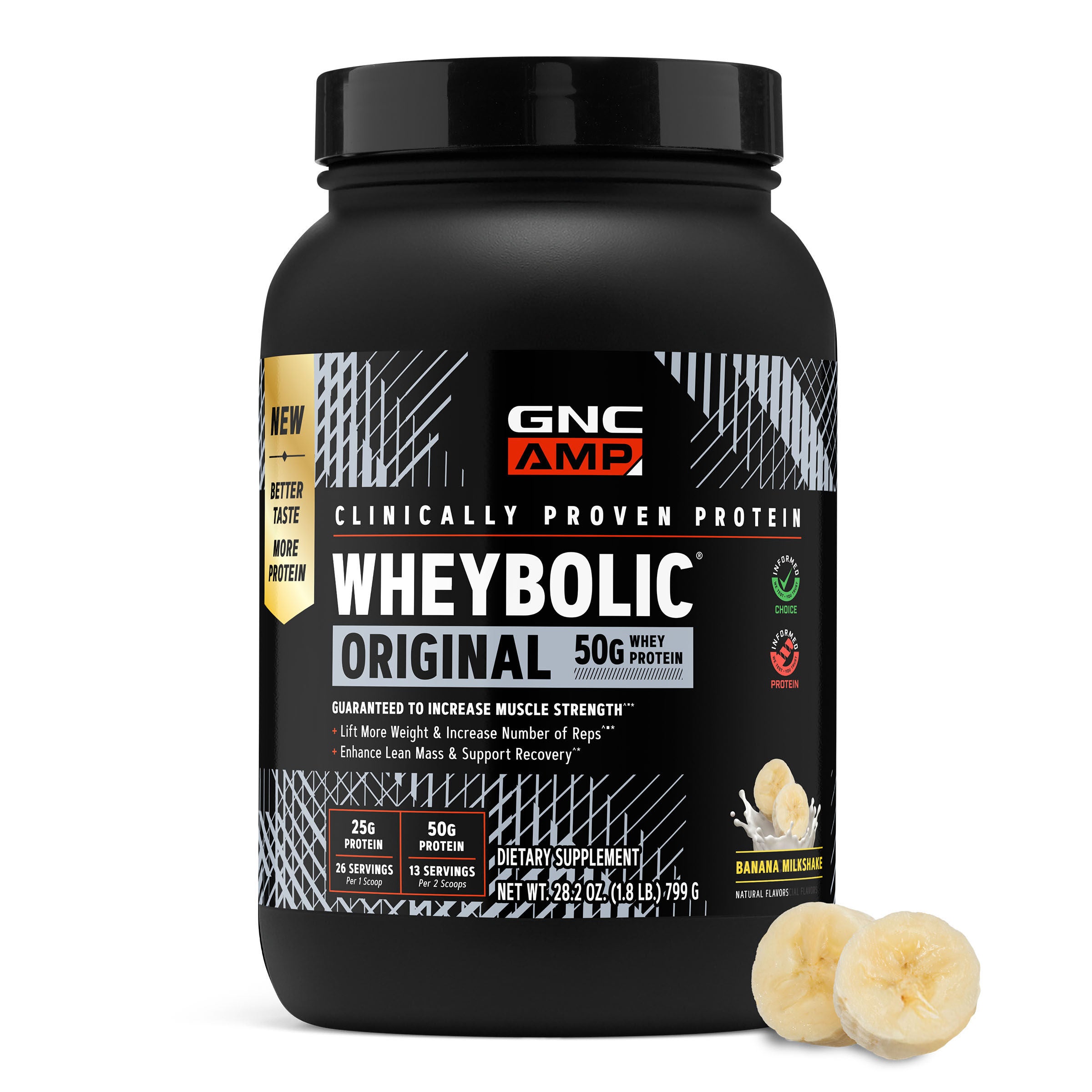

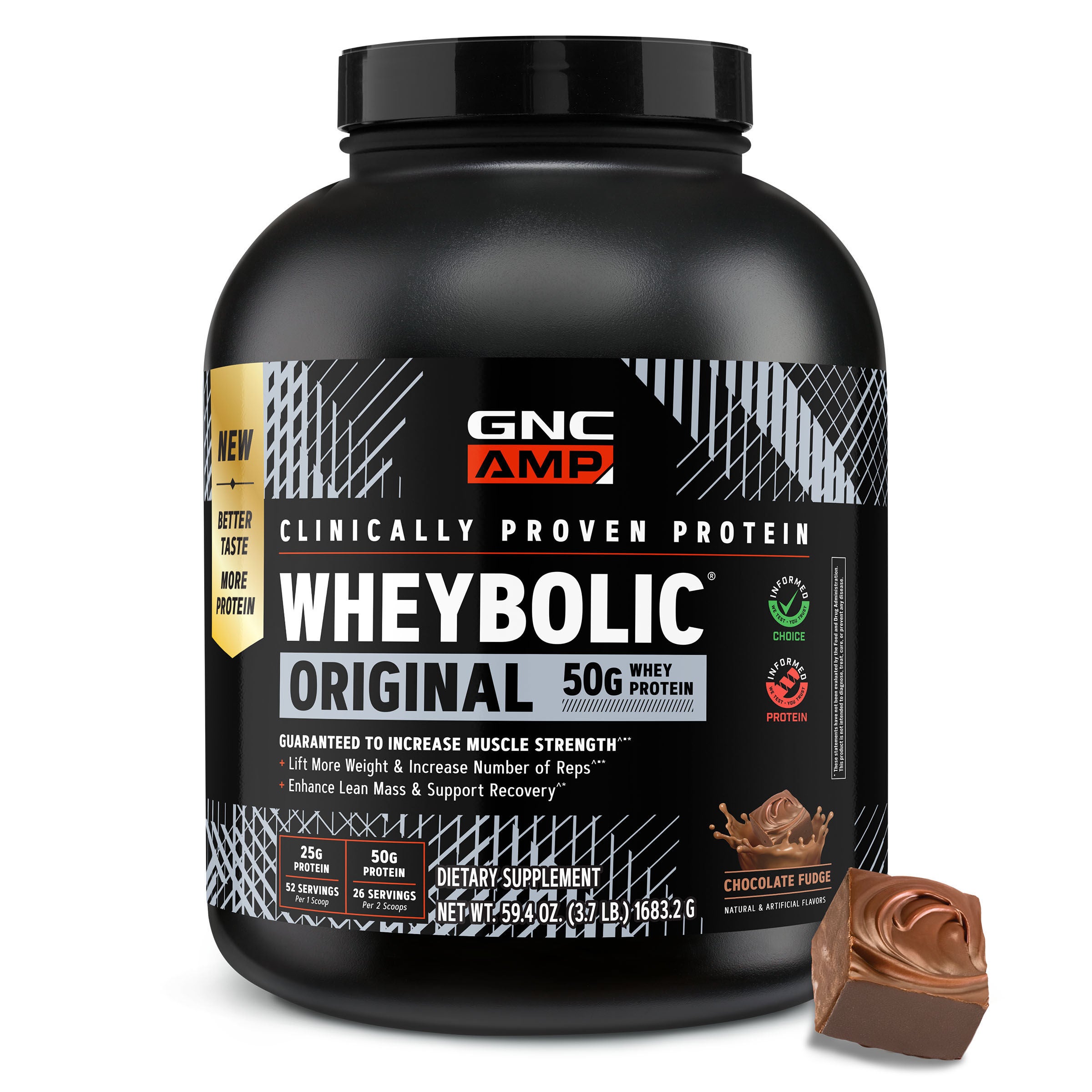
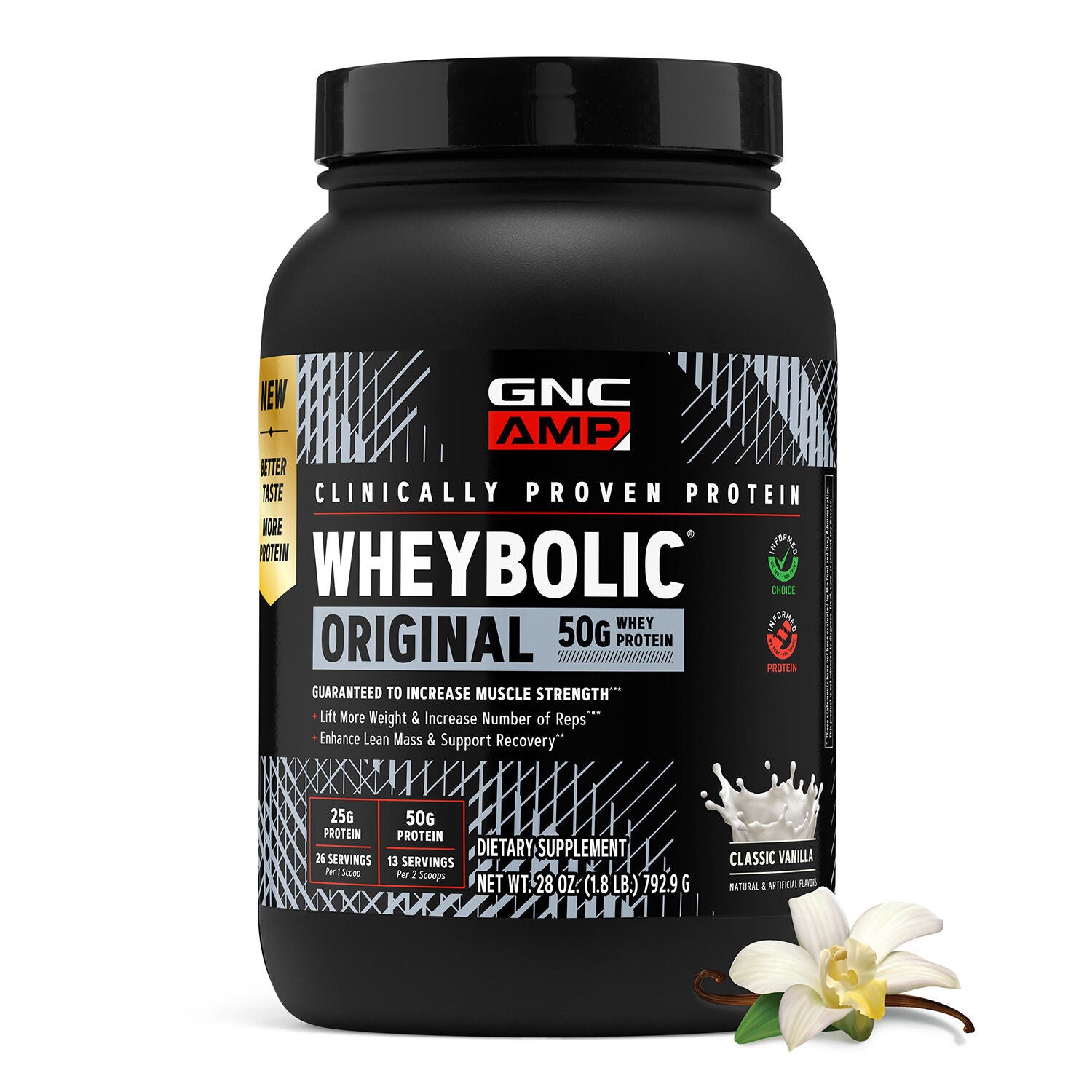


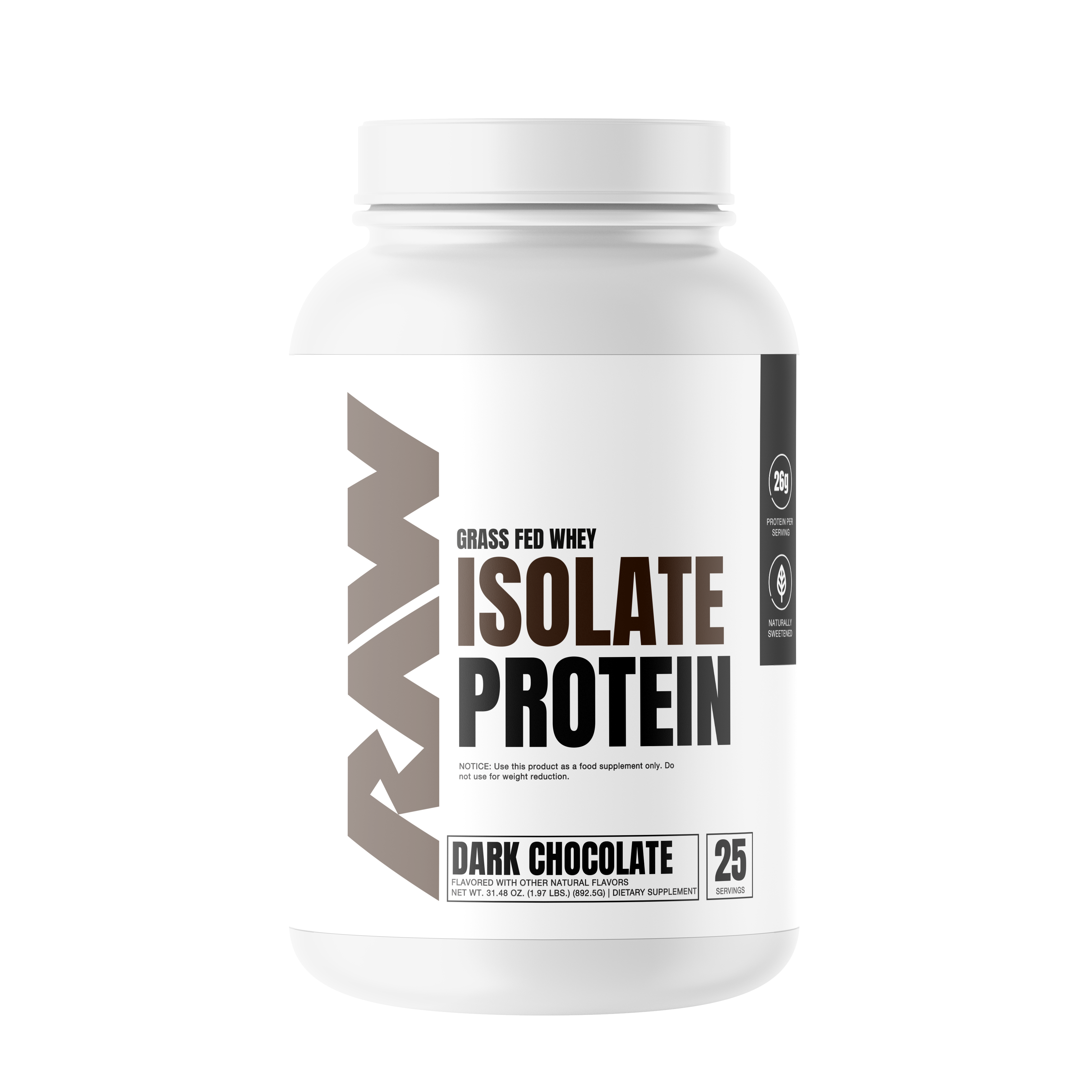


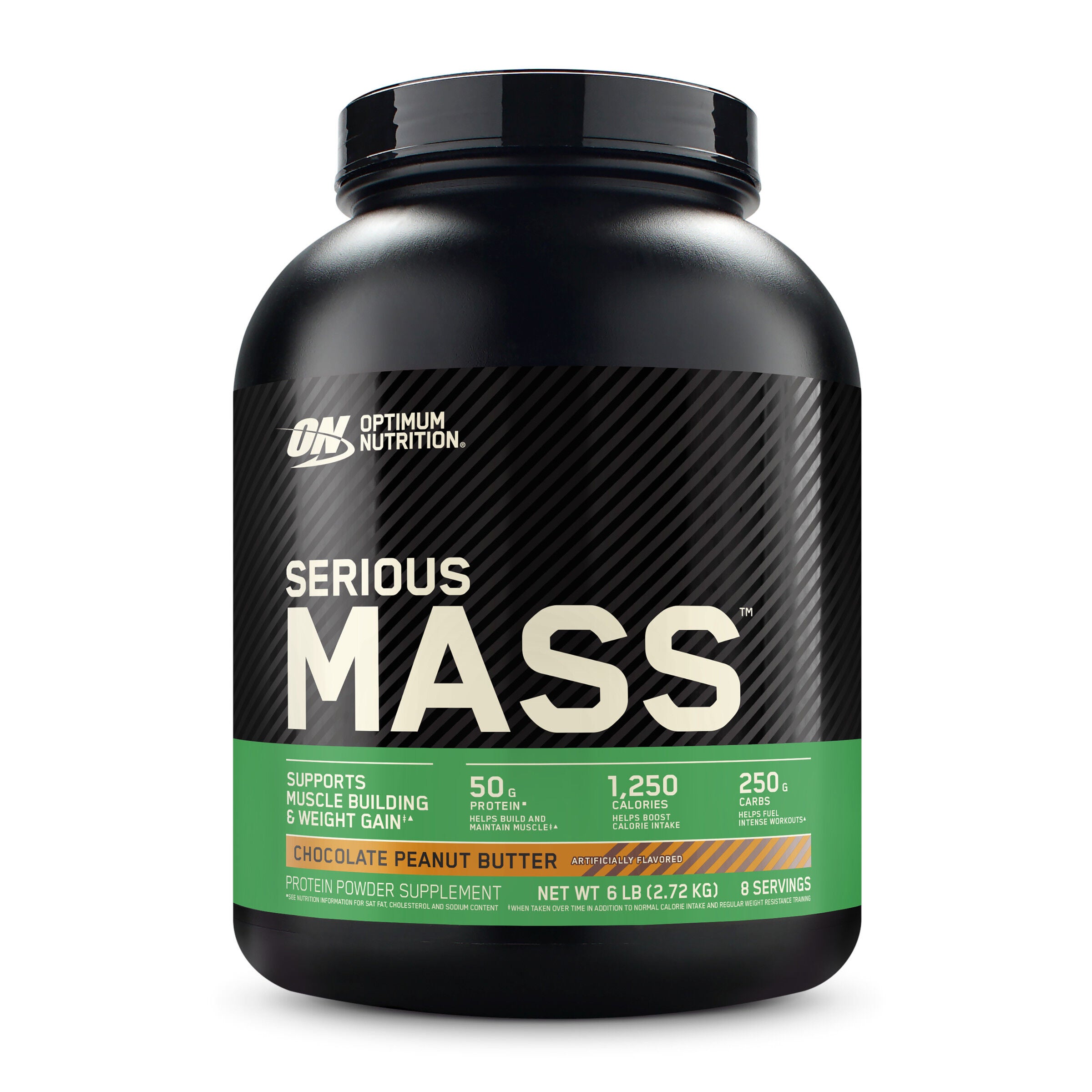


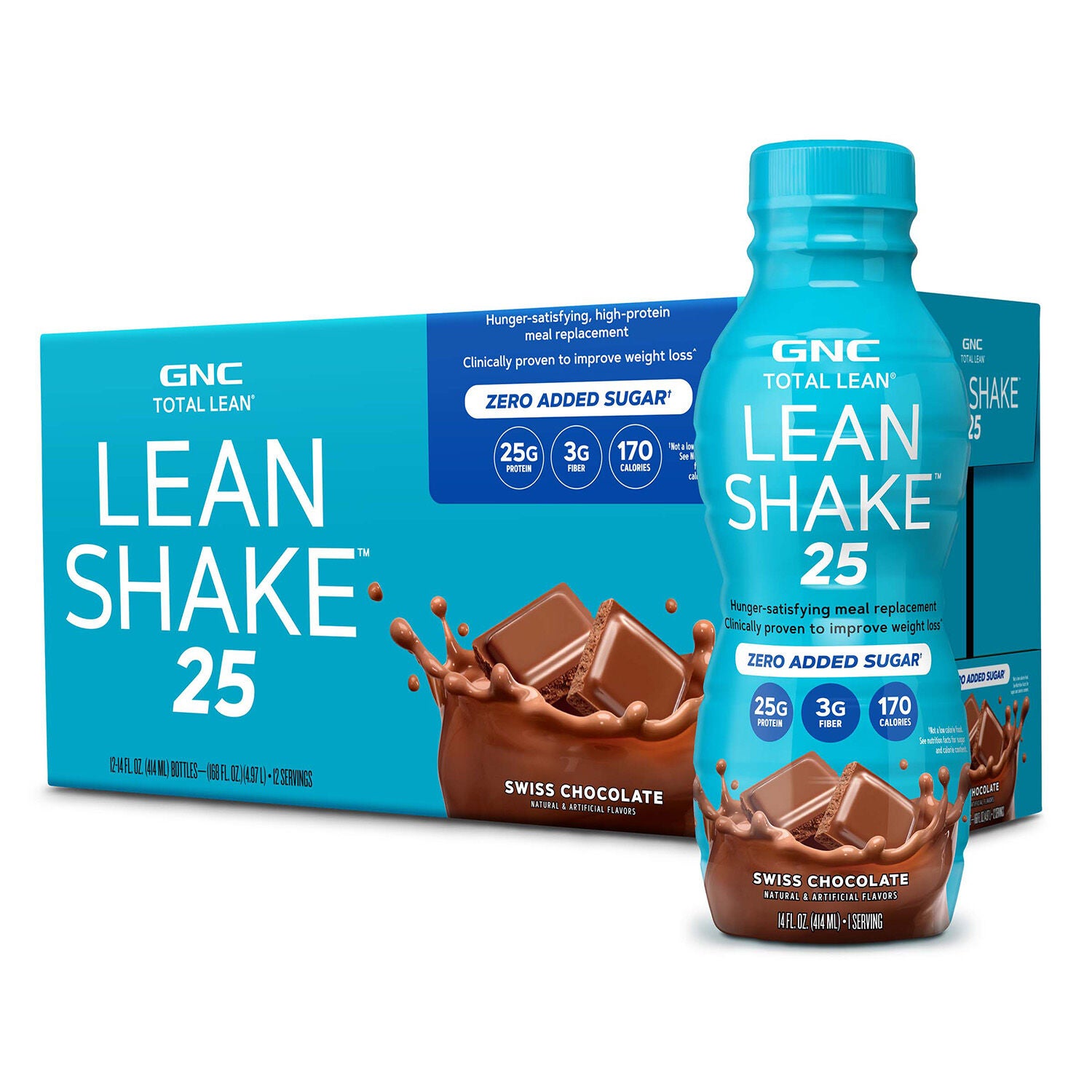
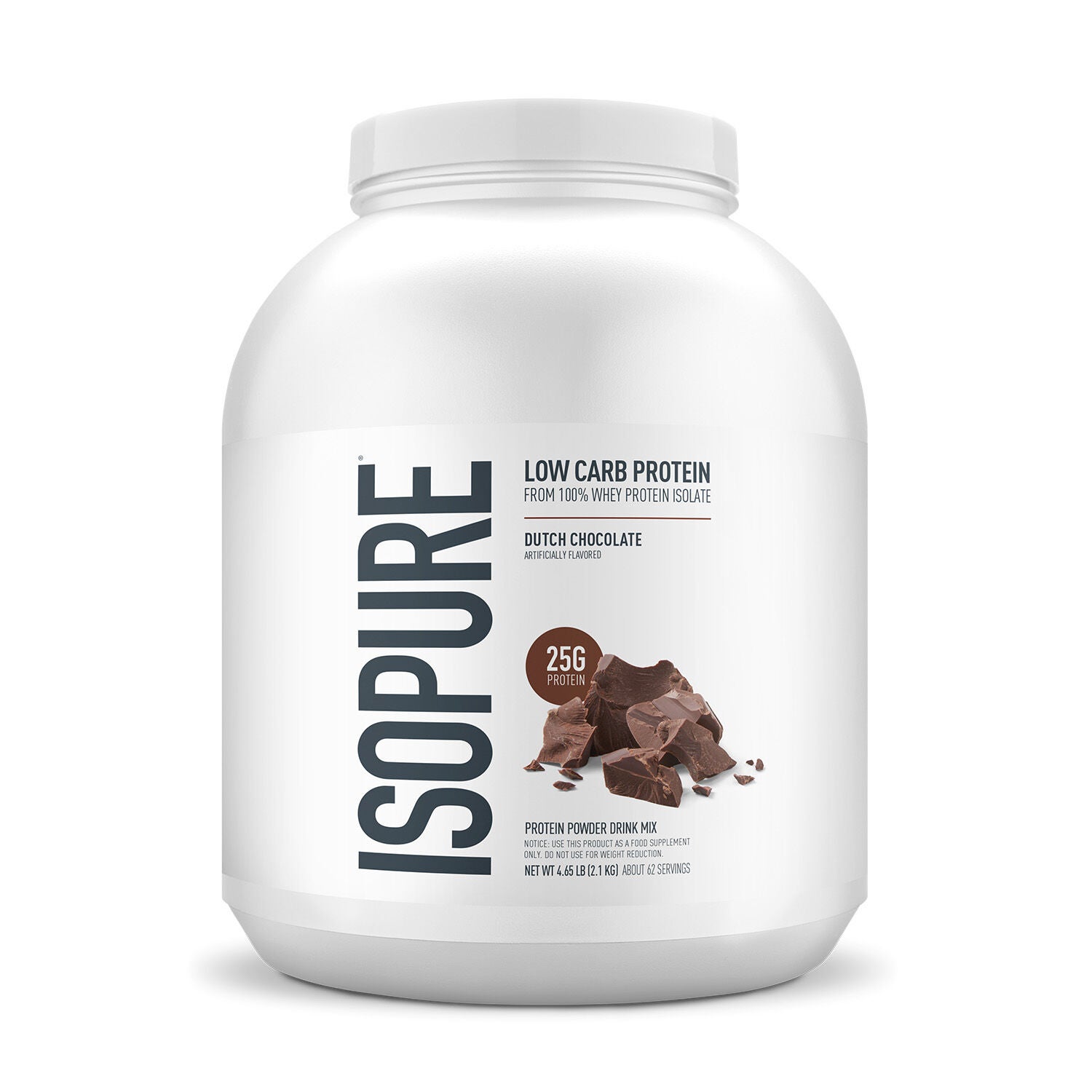


Chocolate lean muscle mass gain supplements bring a familiar flavor to a category that includes protein powders, carbohydrate-and-protein blends, and higher-calorie mass gainers. Although these formats can look similar in a shaker bottle, their nutrition profiles can be quite different. A protein-focused powder generally emphasizes protein per serving, while a mass gainer pairs protein with a larger amount of carbohydrate and, in some formulas, added fat. For adults pursuing muscle-building goals alongside resistance training, either format may complement an eating routine, depending on how much additional food energy and protein that routine calls for. The distinction matters when comparing a modest chocolate shake with a thick blended drink intended to contribute substantially more calories. Chocolate flavor alone says little about that difference: two powders with similar cocoa notes may have very different serving sizes, ingredient lists, and preparation directions. Calories, grams of protein, carbohydrate content, fat content, and the amount of powder in a serving provide a more useful picture than the size of the container. A serving may also require more than one scoop, so the scoop count deserves attention alongside the nutrition panel. Some labels describe the powder mixed with water, while others also show nutrition information for preparation with milk. Those are different comparisons, since milk and other additions contribute their own nutrients. The phrase lean muscle gain describes a shopper’s goal, not a precise result that a chocolate powder can deliver on its own. Training habits, food choices, and individual circumstances remain part of the context. Someone who wants a chocolate drink after an evening lifting session may prefer a different formula from someone seeking a substantial shake between meals. That range of intended uses is what makes the category broader than a single style of protein drink, even when every option shares the same familiar chocolate theme.
The ingredients behind the chocolate flavor are another meaningful point of distinction. Dairy-based formulas may use whey protein concentrate, whey protein isolate, casein, or a blend of those sources. Plant-based formulas may feature pea, rice, soy, or other plant proteins, sometimes combined within the same powder. These ingredient choices are relevant to dietary preferences, allergen considerations, and the texture of the prepared drink. Whey isolate and whey concentrate are distinct ingredients, but the name of the protein source does not replace the allergen statement or the rest of the label. A plant-protein formula likewise deserves a close look at its full ingredient list rather than an assumption based on the front of the package. In mass gainers, carbohydrate ingredients can include maltodextrin, oat ingredients, or other sources; some blends also contain oils or powdered fats. The carbohydrate-to-protein ratio helps describe the balance of the formula, but a higher ratio is not automatically a better match for every muscle-building routine. The actual grams per serving and the intended use give that ratio its practical meaning. Added creatine, amino acids, vitamins, or minerals may appear in certain formulas, although their presence does not make otherwise different powders interchangeable. Amounts and serving directions still matter, particularly when a shopper already uses other supplements. Flavor ingredients deserve similar attention. Cocoa, chocolate flavoring, sweeteners, and salt create different profiles, from a darker cocoa taste to a sweeter milk-chocolate character. Texture can range from a lighter drink to a dense, dessert-like shake, depending on the powder and preparation. Sweeteners, thickeners, and emulsifiers also contribute to how a formula tastes and mixes. Someone who enjoys chocolate stirred into cold water may value a different mouthfeel from someone blending it with milk, oats, and a spoonful of nut butter. Those preferences are useful distinctions when choosing a powder that may become part of a regular routine.
Everyday preparation often separates a good match from a container that sits untouched in the cupboard. A shaker bottle suits many straightforward powder-and-liquid mixtures, while a blender is more practical for recipes containing frozen fruit, oats, or nut butter. The package directions provide the starting liquid amount and mixing method; changing the liquid quantity changes the concentration and thickness of the drink. Water leaves the powder’s listed nutrients as the main contribution, while milk, plant-based beverages, and food additions change the nutrition of the finished shake. A chocolate powder blended with banana and peanut butter is a different preparation from the same powder shaken with water before leaving the gym. Neither format needs to stand in for every meal or every part of a varied eating pattern. For a shopper with a busy commute, a simple mixture may be the more workable choice. For someone who enjoys a slower kitchen routine, a thicker chocolate blend may fit alongside breakfast or between meals. Related options such as Chocolate Protein Shakes For Muscle Gain offer another way to browse the chocolate protein category with that drinking experience in mind. Container size, serving count, and storage requirements also affect everyday suitability. A larger tub requires cupboard space, and a large serving of powder may call for a bottle with more mixing room. Secure closures, a dry scoop, and storage according to package directions matter once a container is opened. Powder is best kept away from moisture, and prepared drinks require the handling described on their packaging rather than the storage treatment used for dry powder. Shaker bottles and blender parts need washing after use, especially around lids, seals, and mixing pieces where residue can collect. Ultimately, a useful comparison brings flavor, ingredient preferences, nutrition per serving, preparation, and routine together. The most relevant chocolate mass gain supplement is not simply the one with the largest calorie number, but one whose format and stated purpose fit the way it will actually be used.