





Lemon Omega Softgels For Easy Digestion
(0 Results)
Lemon Omega Softgels for Easy Digestion
Lemon omega softgels for easy digestion offer a convenient way to incorporate beneficial omegas into your daily routine. With a refreshing lemon flavor, these softgels are designed for those looking to support their overall wellness journey. Explore a variety of options that may fit seamlessly into your lifestyle and provide a pleasant alternative to traditional omega supplements. Discover how lemon omega softgels for easy digestion could be a flavorful addition to your supplement regimen.
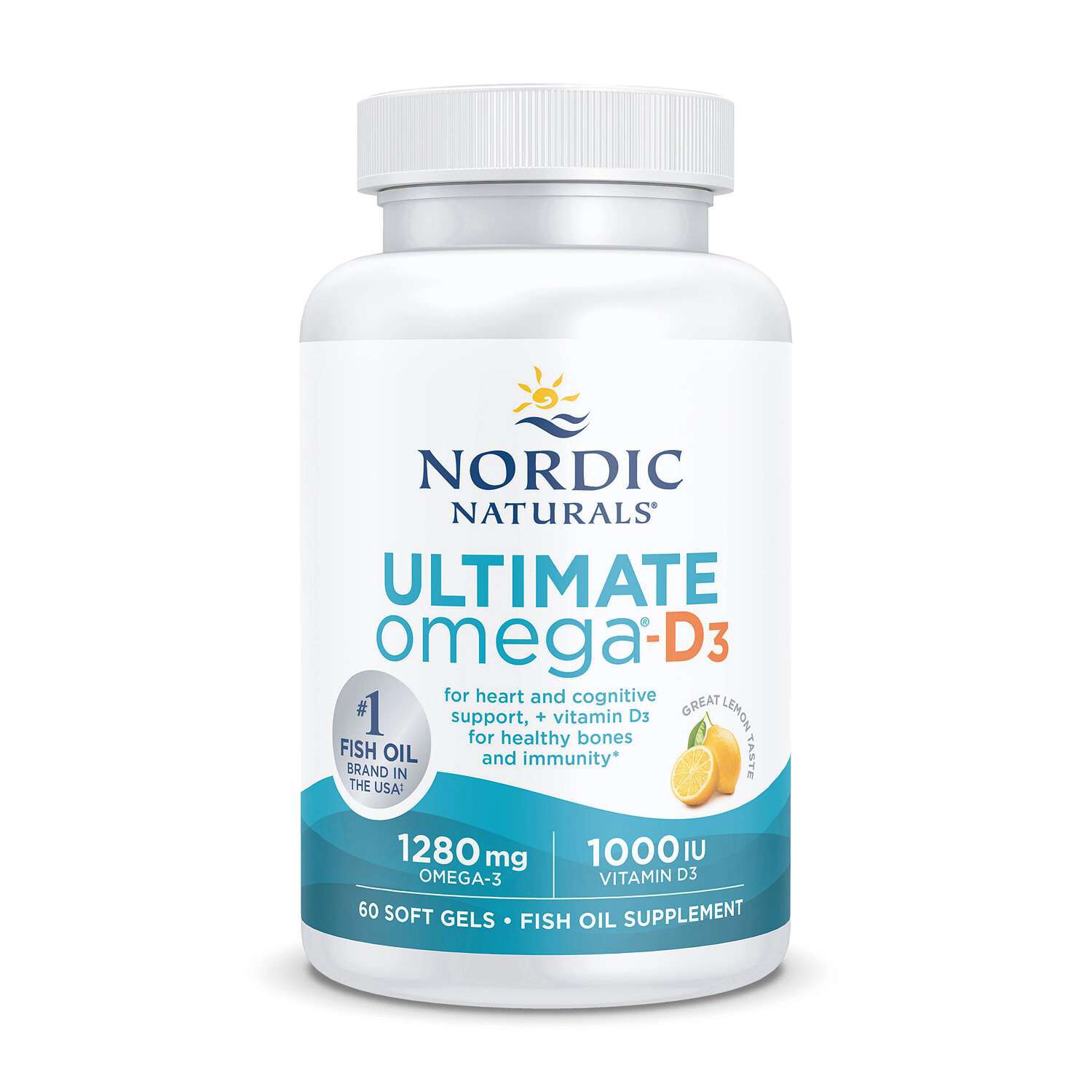

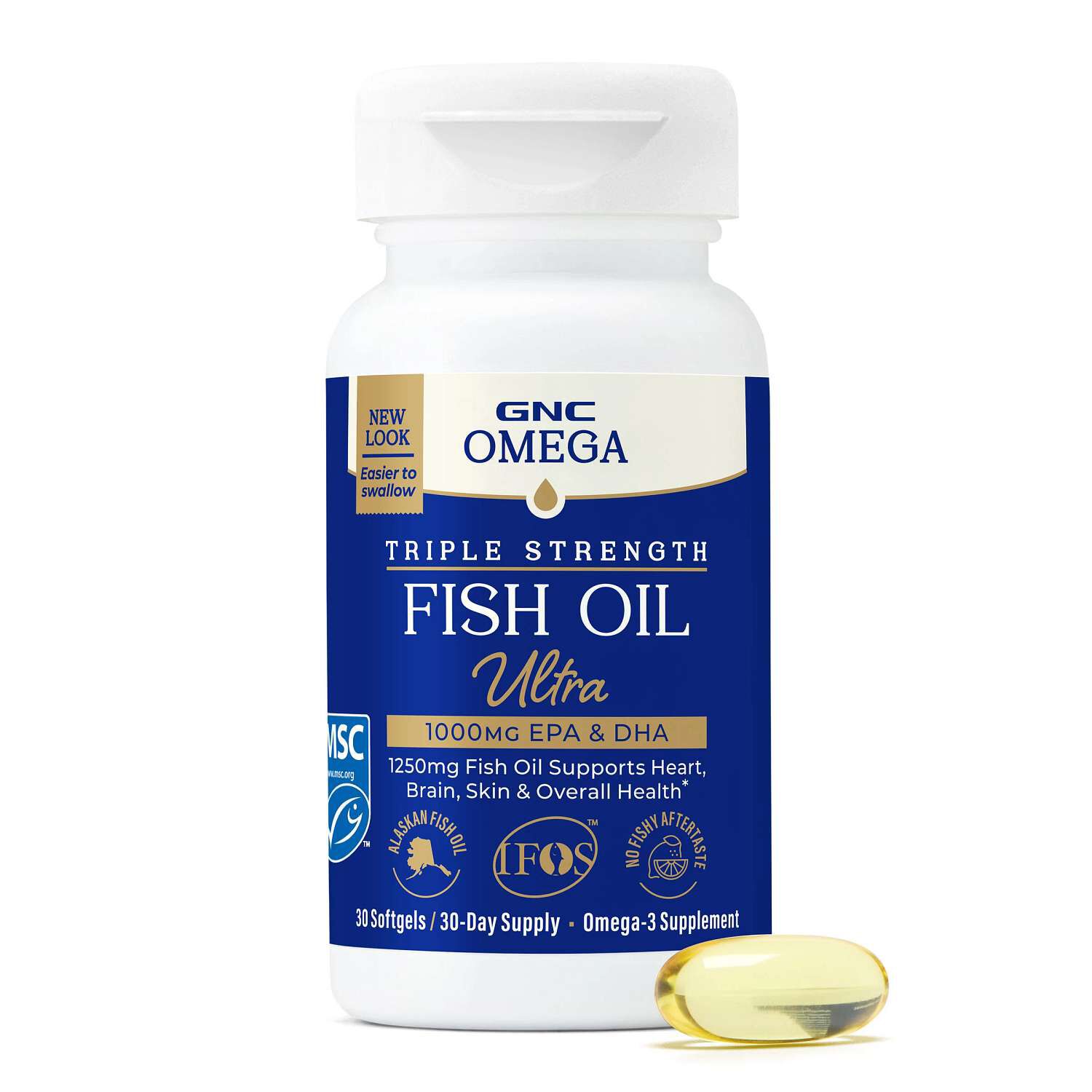
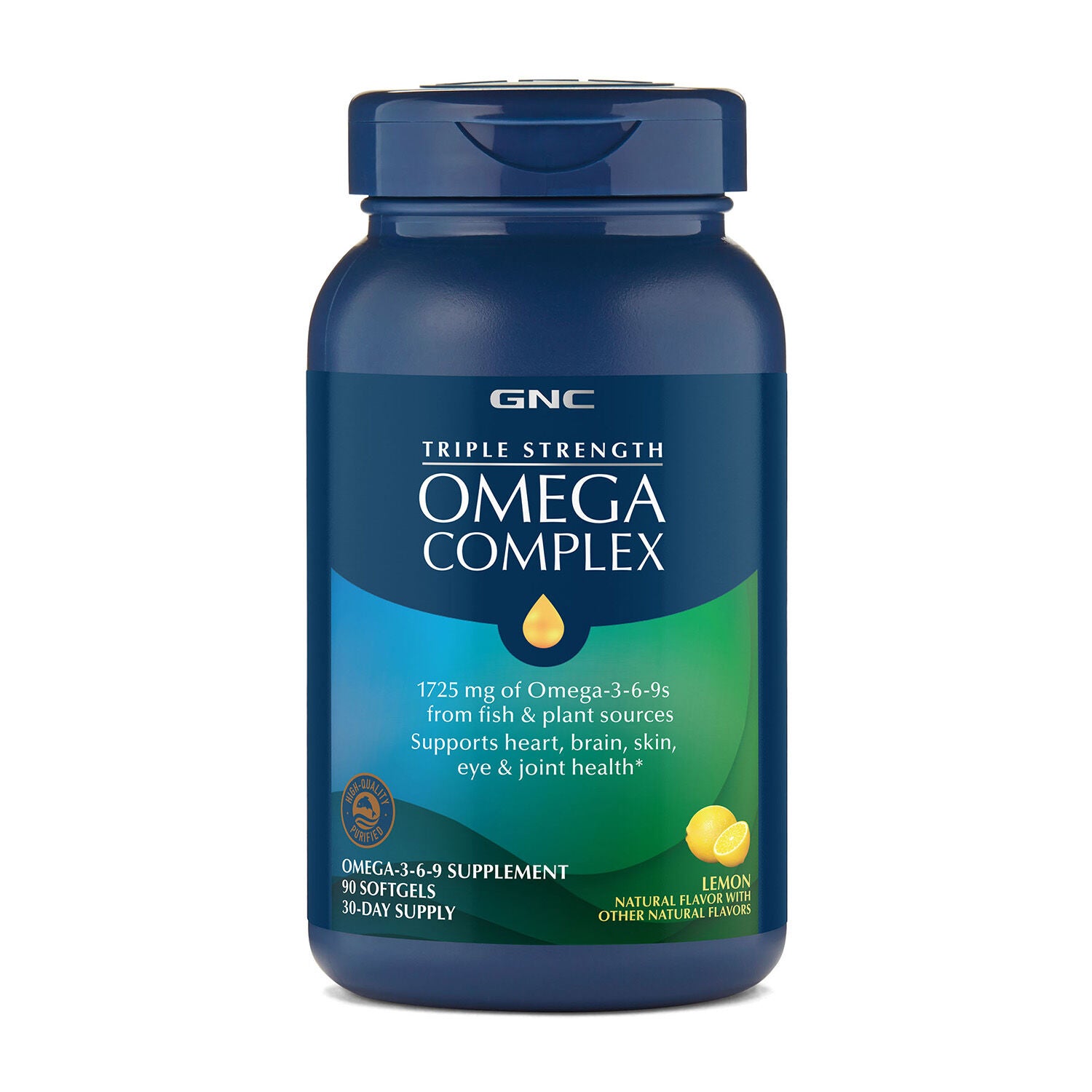
Lemon omega softgels pair omega-3 oils with lemon flavor, which may make the taste and aftertaste more pleasant for adults who prefer a citrus note. The softgel format holds the oil inside a flexible capsule rather than presenting it as a spoonful of liquid. Depending on the formula, that lemon character may come from lemon oil, natural flavoring, or another ingredient identified on the label. For someone who finds the lingering taste of fish oil unappealing, a lemon-flavored option may offer a more agreeable sensory experience. Flavor and digestion are different considerations, however: a citrus taste alone does not establish that an oil will be easier to digest, and individual experiences may differ. The oil source, capsule construction, serving size, and other ingredients also distinguish one formula from another. Fish-derived omega softgels often contain EPA and DHA, two omega-3 fatty acids whose names appear on supplement labels. Their listed amounts deserve attention because the quantity of fish oil in a serving is not necessarily the same as the quantity of EPA and DHA. For example, a label may show one amount for fish oil and separate amounts for each of these fatty acids. Some formulas emphasize EPA, some emphasize DHA, and others list a combination without highlighting either one. Algae-derived oils also appear in omega supplements, although their fatty acid composition depends on the formula. Lemon flavor does not identify the oil source or indicate a particular EPA-to-DHA ratio. These distinctions give lemon omega softgels a more specific identity than their flavor alone suggests: they are adult supplements with different ingredient profiles, capsule formats, and labeled uses. For shoppers browsing with easy digestion in mind, the most useful context is the relationship between a pleasant flavor, personal preferences, and the actual formulation, rather than an assumption that every lemon-flavored capsule will feel the same.
The physical details of a softgel matter when it becomes part of a familiar routine. Capsule length, width, shape, and the number of capsules in a serving can vary, even among formulas with similar oil amounts. A smaller capsule does not necessarily represent a smaller serving, since a serving may include more than one softgel. Conversely, a formula with more oil per capsule may use a larger shell. Comparing the serving information alongside any stated capsule dimensions offers a clearer picture than judging by the bottle photograph. Someone accustomed to small tablets may have different format preferences from someone who already uses larger softgels, and a smooth-looking capsule in an image does not establish how comfortable it will be for a particular person. Shell materials are another point of distinction. Many softgels use gelatin with ingredients such as glycerin and water; the source of the gelatin, when stated, can matter to shoppers with dietary preferences. A fish-derived filling and a gelatin shell are separate components, so the oil source alone does not describe the entire capsule. Other formulas may use different shell materials, making the full ingredient list useful alongside the Supplement Facts panel. Flavor ingredients, colors, coatings, and ingredients used to maintain the oil’s quality may also appear outside the main nutrient listing. A lemon description should therefore be considered together with the rest of the formula, especially when a shopper has ingredient restrictions. Allergen statements and dietary designations provide additional context without requiring assumptions based on the front label. Some softgels also carry information about a coating or a particular oil form. Those details describe formulation differences, but neither a coating name nor a citrus flavor establishes the same digestive experience for every adult. The labeled audience and directions remain important distinctions, particularly when similar-looking bottles have different serving sizes. Adult omega softgels are intended for the age group identified on their labeling, rather than serving as an interchangeable format for every member of a household.
For adults comparing lemon-flavored options with other capsule formats, the broader selection of Adult Omega Softgels provides context for differences in oil source, serving size, and flavor. A practical comparison begins with those concrete attributes: the listed EPA and DHA amounts, how many capsules make up a serving, the shell ingredients, and whether lemon flavor is part of the formula. Bottle count is a separate consideration from serving count. Two containers with the same number of softgels may represent different numbers of labeled servings, a distinction that matters when organizing an established supplement routine. Packaging details can matter, too. A clearly printed label, readable serving information, and an identifiable expiration date are useful features when a bottle sits beside other daily supplements. Keeping the original container retains the ingredient information, directions, and lot details in one place. Storage and care should follow the label, including any instructions about moisture, direct sunlight, or refrigeration after opening. An ordinary softgel container and a travel organizer may not offer the same protection for extended storage, so the package directions are relevant beyond the first use. The condition of both the container and its closure also deserves attention over time. Beyond packaging, sourcing and quality information can add substance to a comparison. A stated fish source, an explanation of processing, or details about an independent testing program offer more context than a broad description of quality. Testing information is most informative when it identifies what was evaluated; an assessment of ingredient identity or composition is different from an evaluation of taste or digestive comfort. Likewise, sourcing statements describe a different aspect of a formula than its lemon character. Taken together, these details create a grounded picture of lemon omega softgels: an oil-based supplement format with a citrus flavor option that may suit adults who prefer a different taste experience. The most meaningful distinctions remain visible in the formulation, serving information, capsule construction, and care instructions.
Best Sellers
-
 Nordic Naturals
-
 Nordic Naturals
-
 Nordic Naturals
Related Pages
Top Collections
- Joint Mobility Supplement Packs
- Daily Collagen Supplements | Top Brands & Deals | GNC
- GLP 1 Support For Adults
- Zinc Supplements | Top Brands at Great Prices | GNC
- Supplements For Yoga Joint Flexibility
- Supplements For Balance
- Capsule Supplements For Energy And Stamina
- Adult Mobility Supplements
- Chronic Fatigue Supplements
- Vitamins For Hair Loss