





Liquid Electrolytes
(0 Results)
Stay refreshed and energized with liquid electrolytes, an ideal solution for those seeking to maintain optimal hydration and support overall wellness. Whether you're an athlete pushing your limits or simply looking to replenish vital nutrients, liquid electrolytes could be the key to enhancing your daily routine. With a variety of options available, these convenient supplements may help balance fluids and support muscle function, making them a versatile addition to any lifestyle. Explore the potential benefits of incorporating liquid electrolytes into your regimen today.
-
-

-
-
 Instant Hydration$19.99
-
 $34.99
-

-

-
 $34.99
-

-
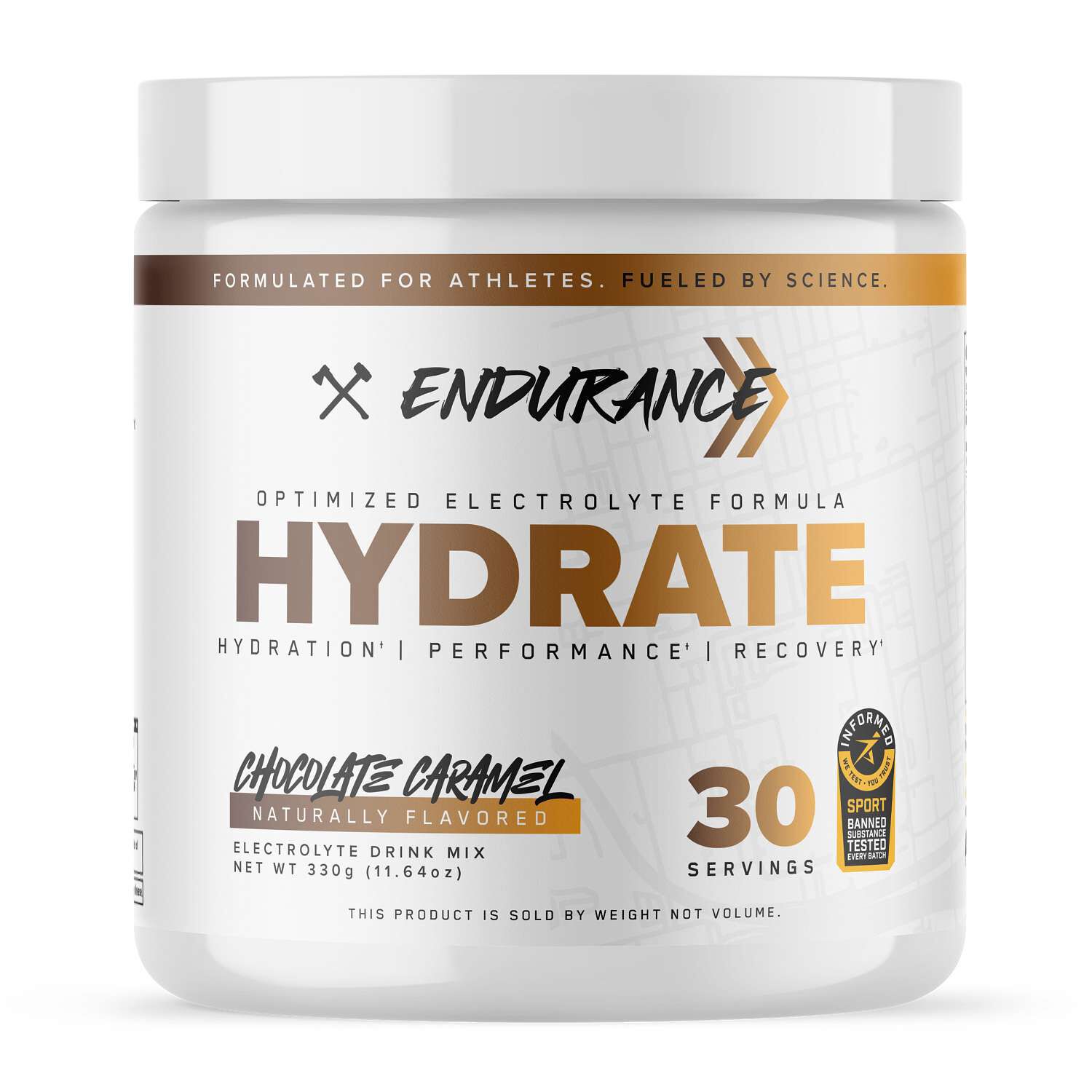 Axe & Sledge Supplements$29.99
-

-
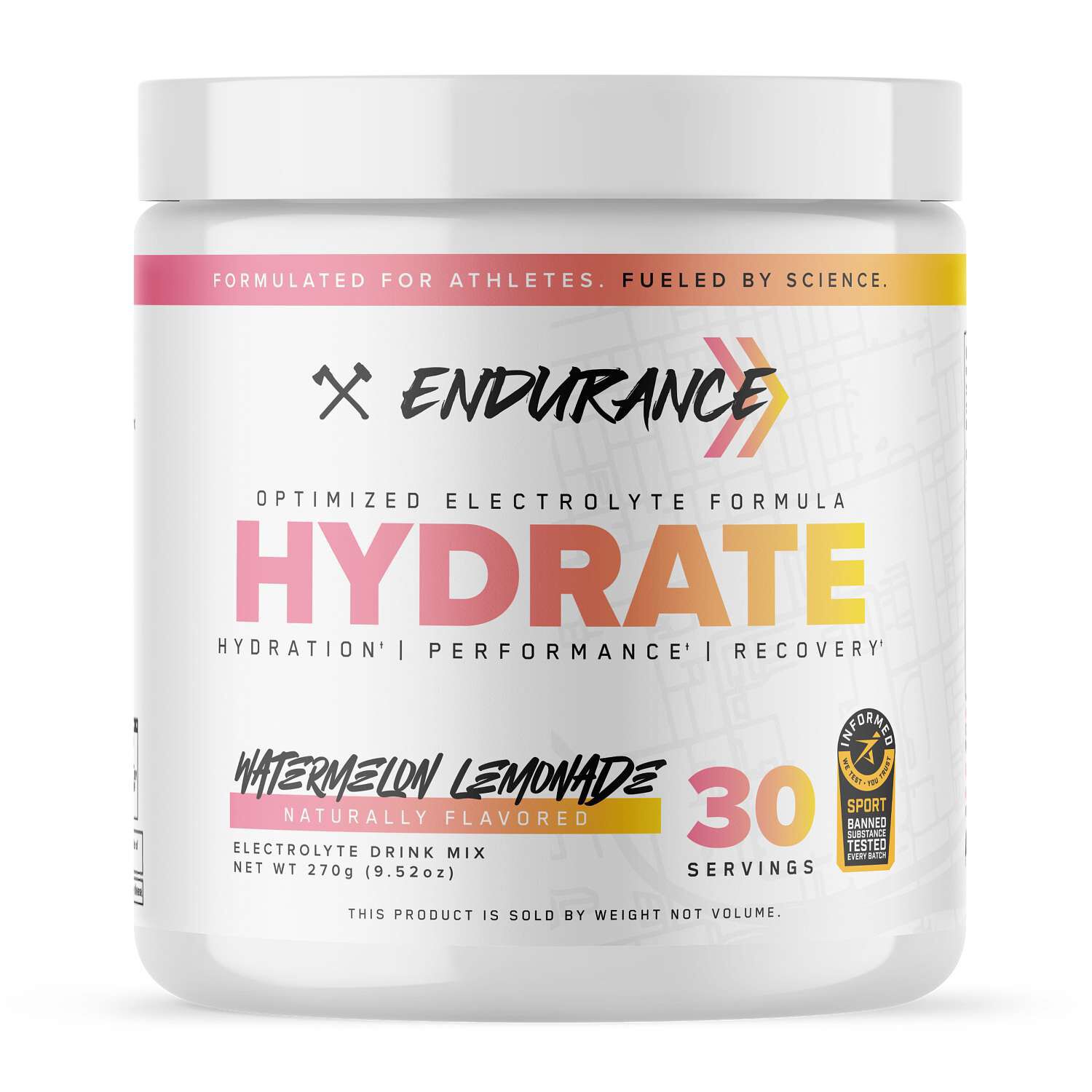 Axe & Sledge Supplements$29.99
-
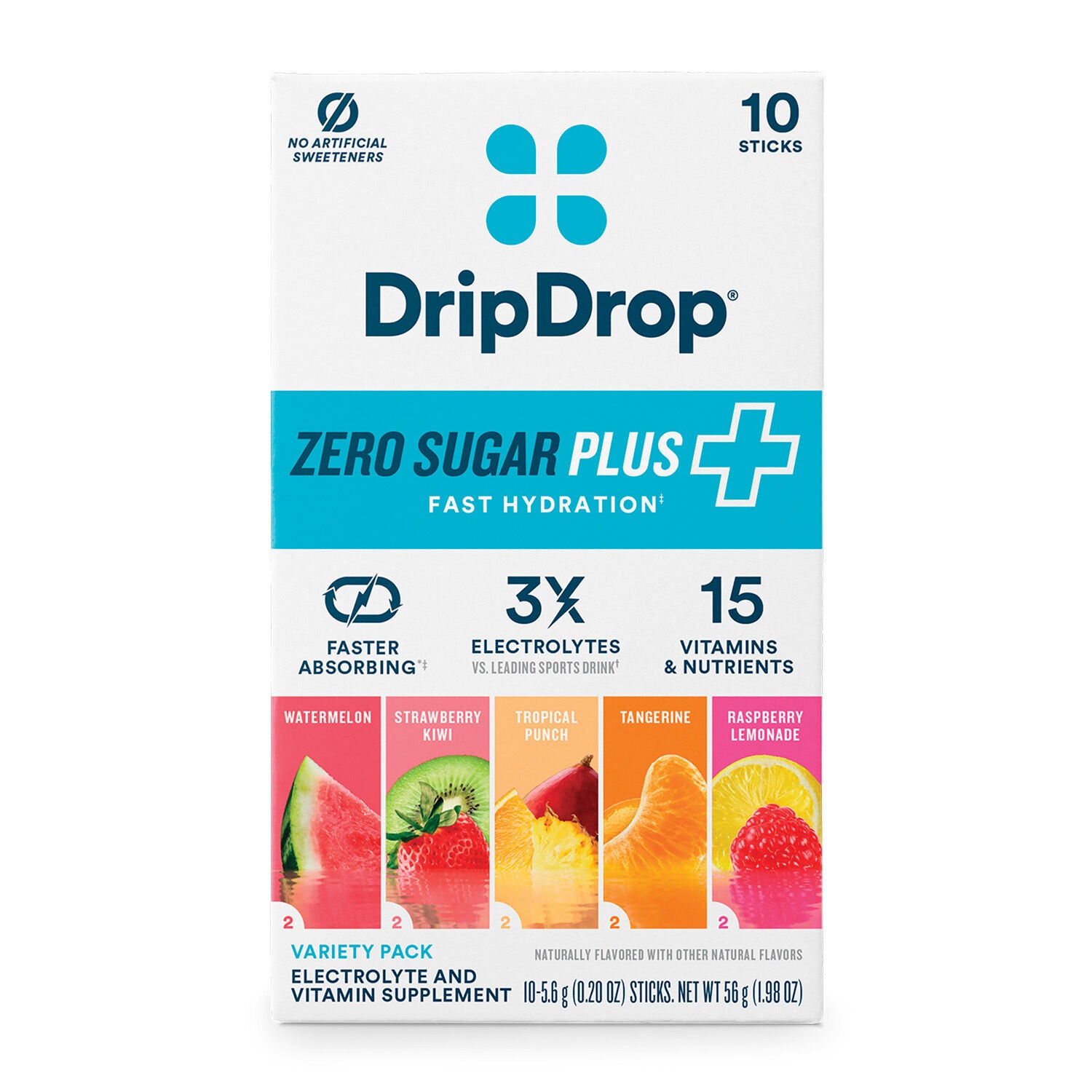
-
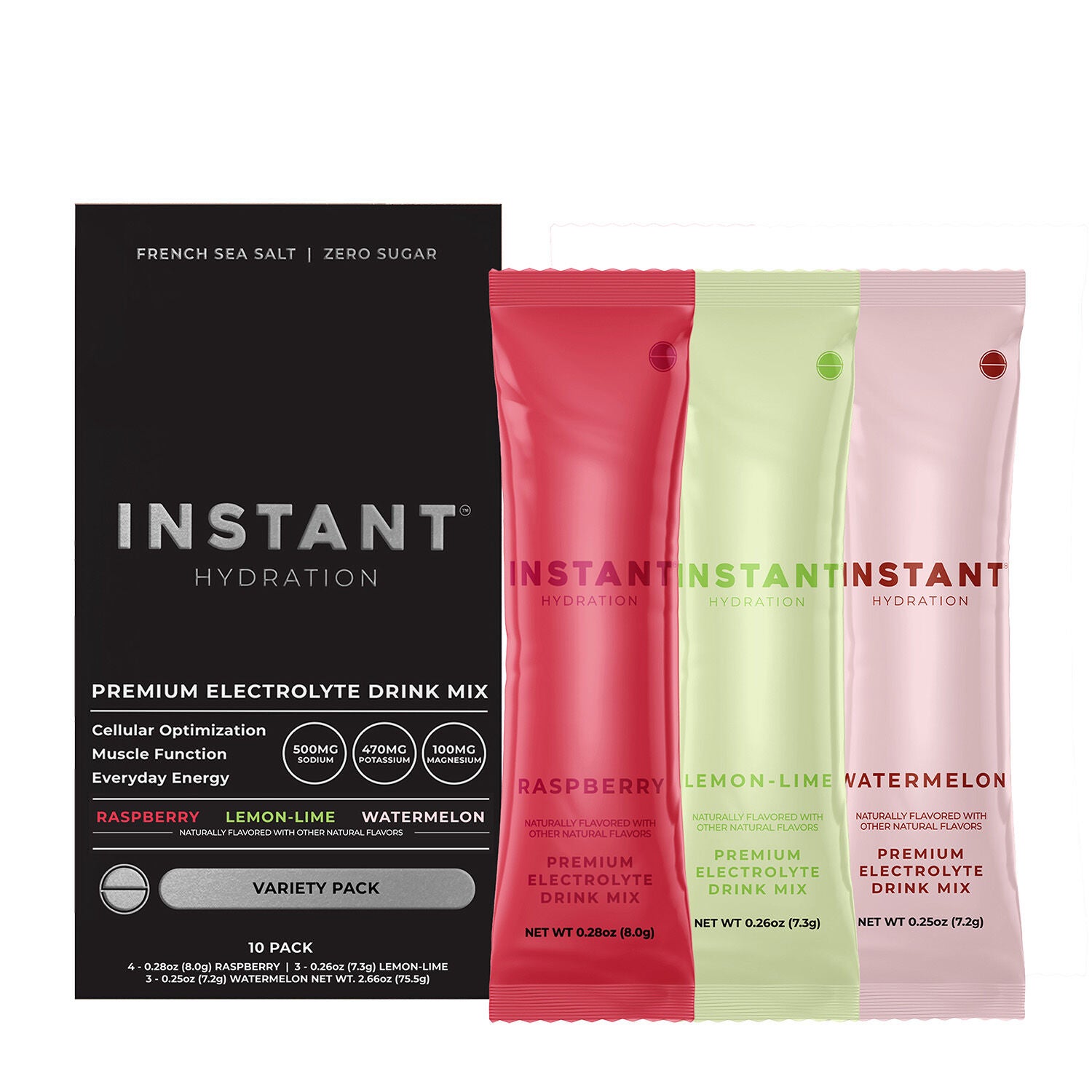 Instant Hydration$19.99
-
 $24.99
-

-
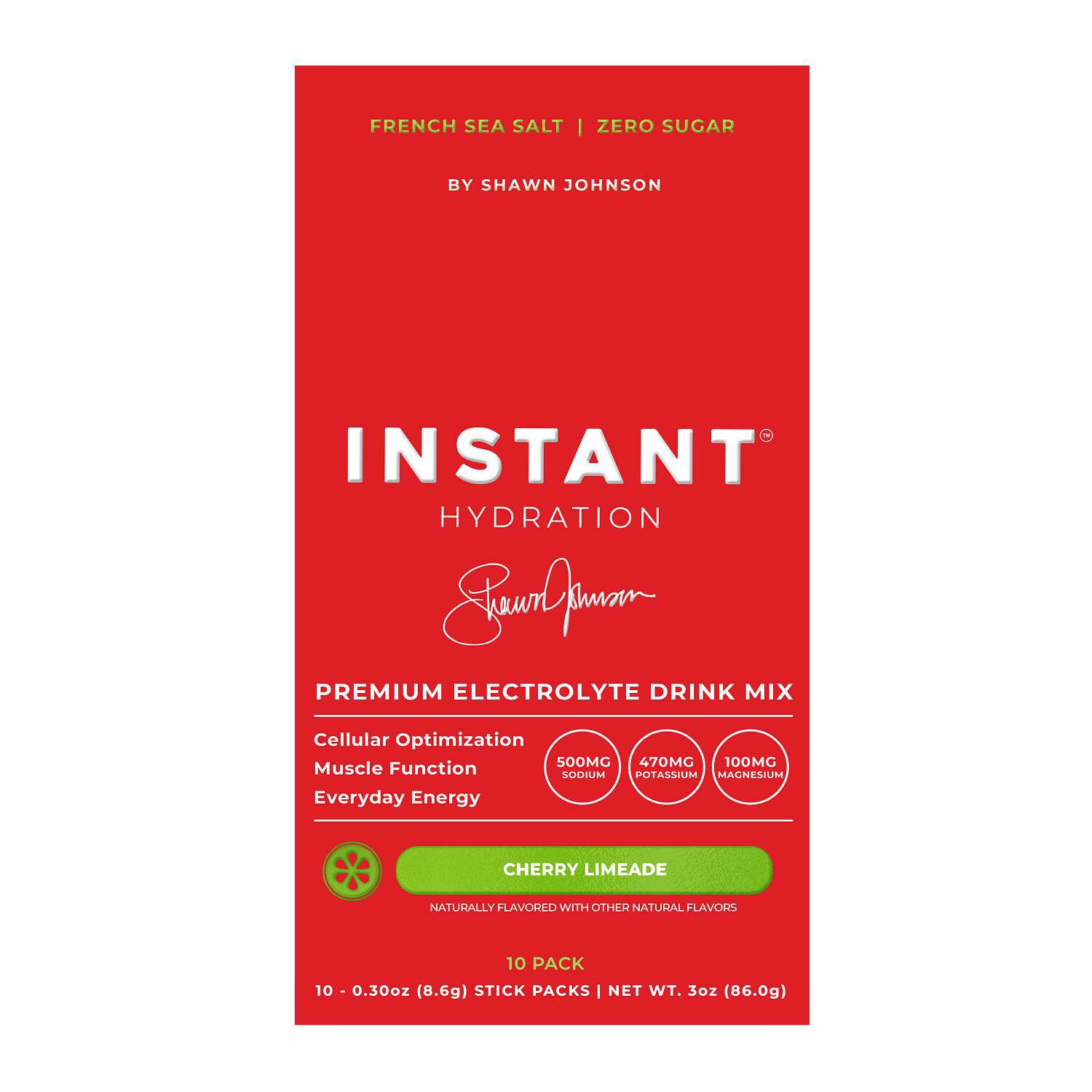 Instant Hydration$19.99
-
 Instant Hydration$19.99
-
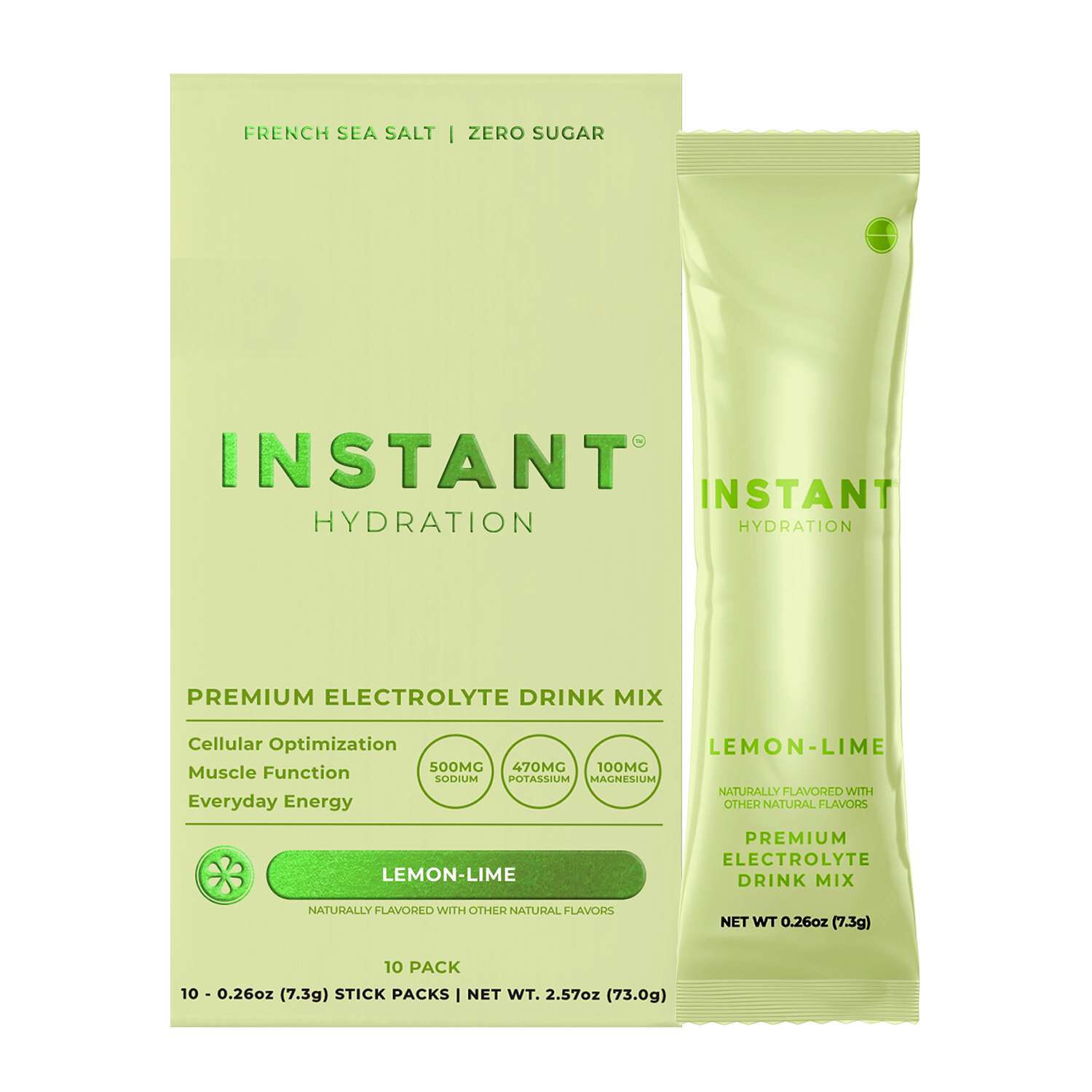 Instant Hydration$19.99
-

-
-
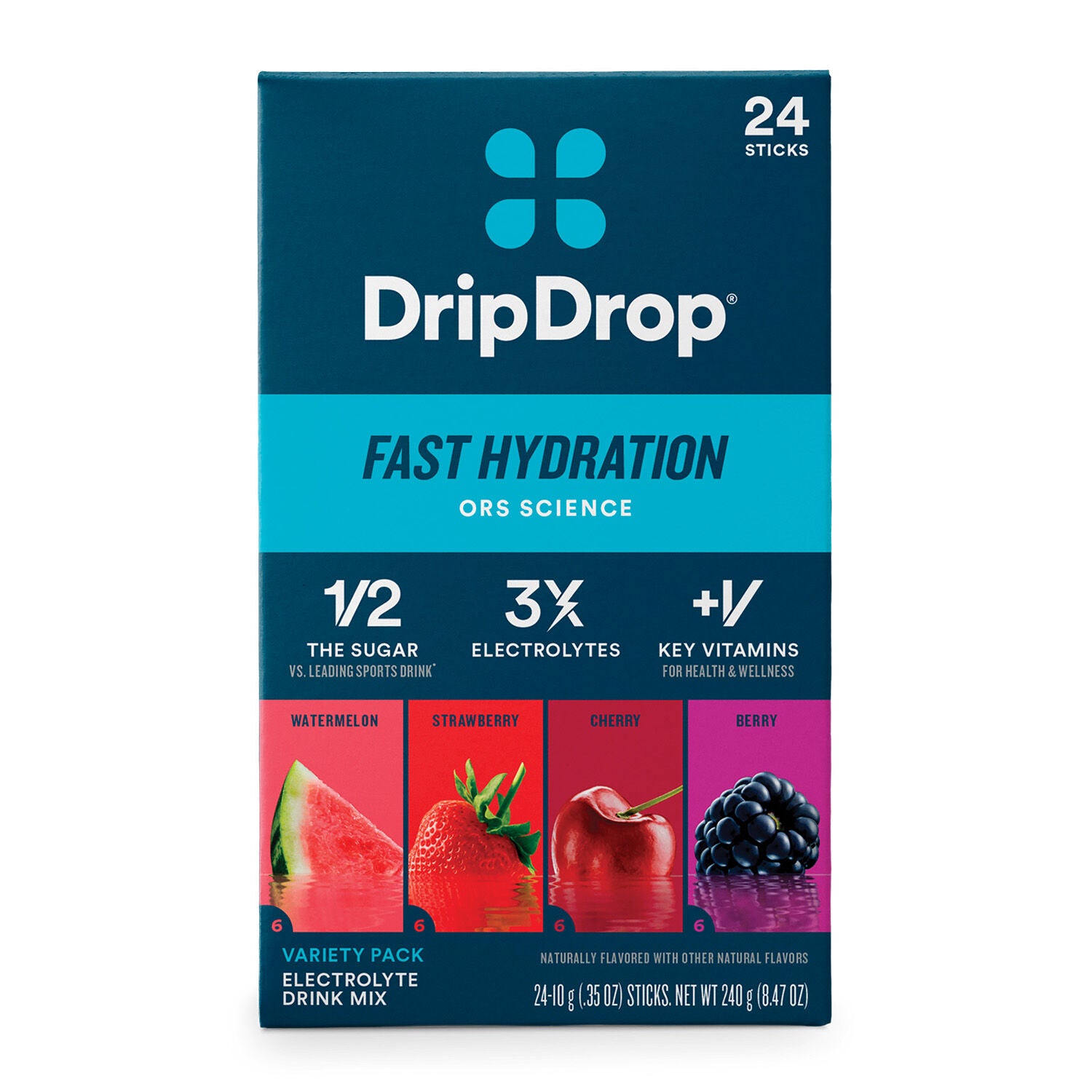 $26.99
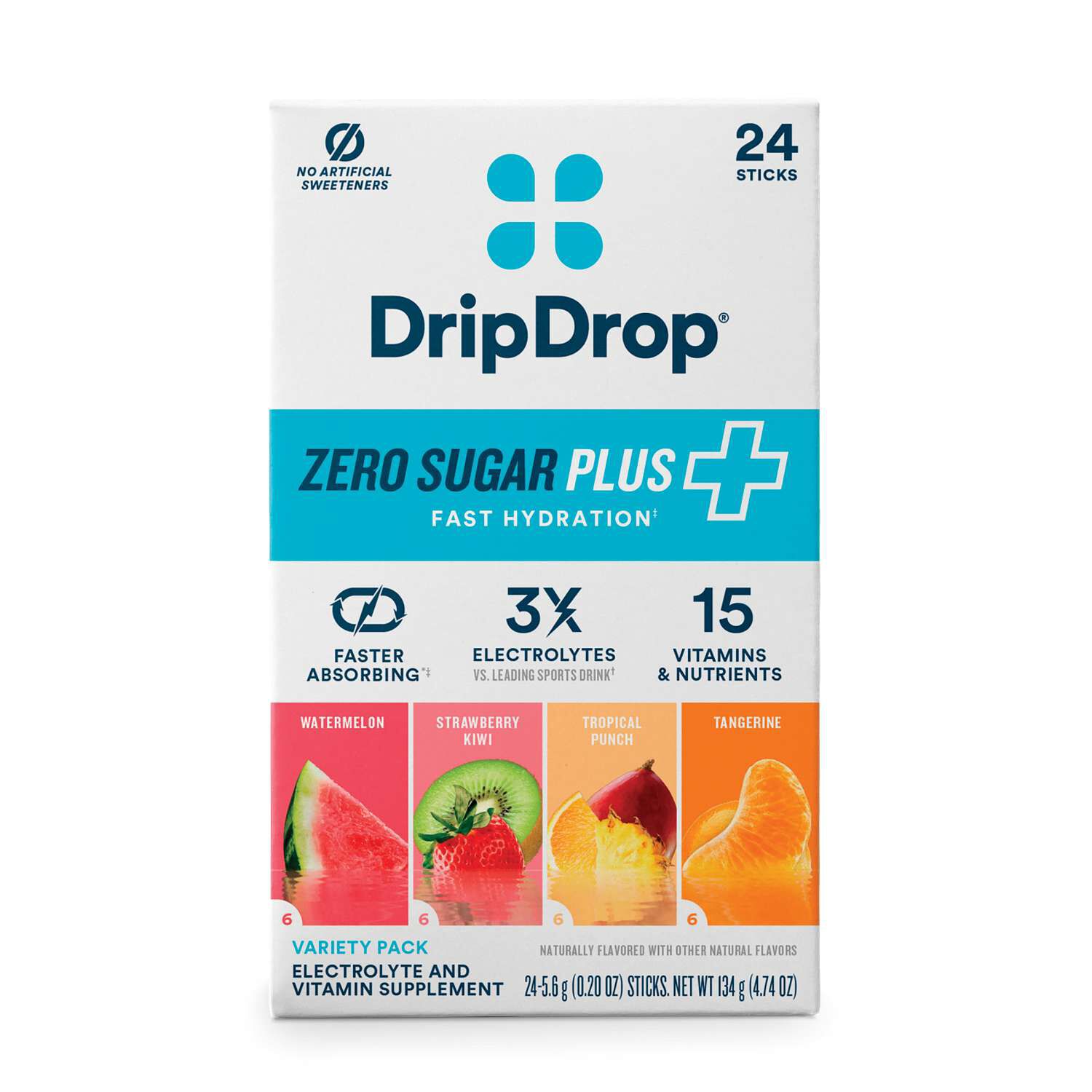
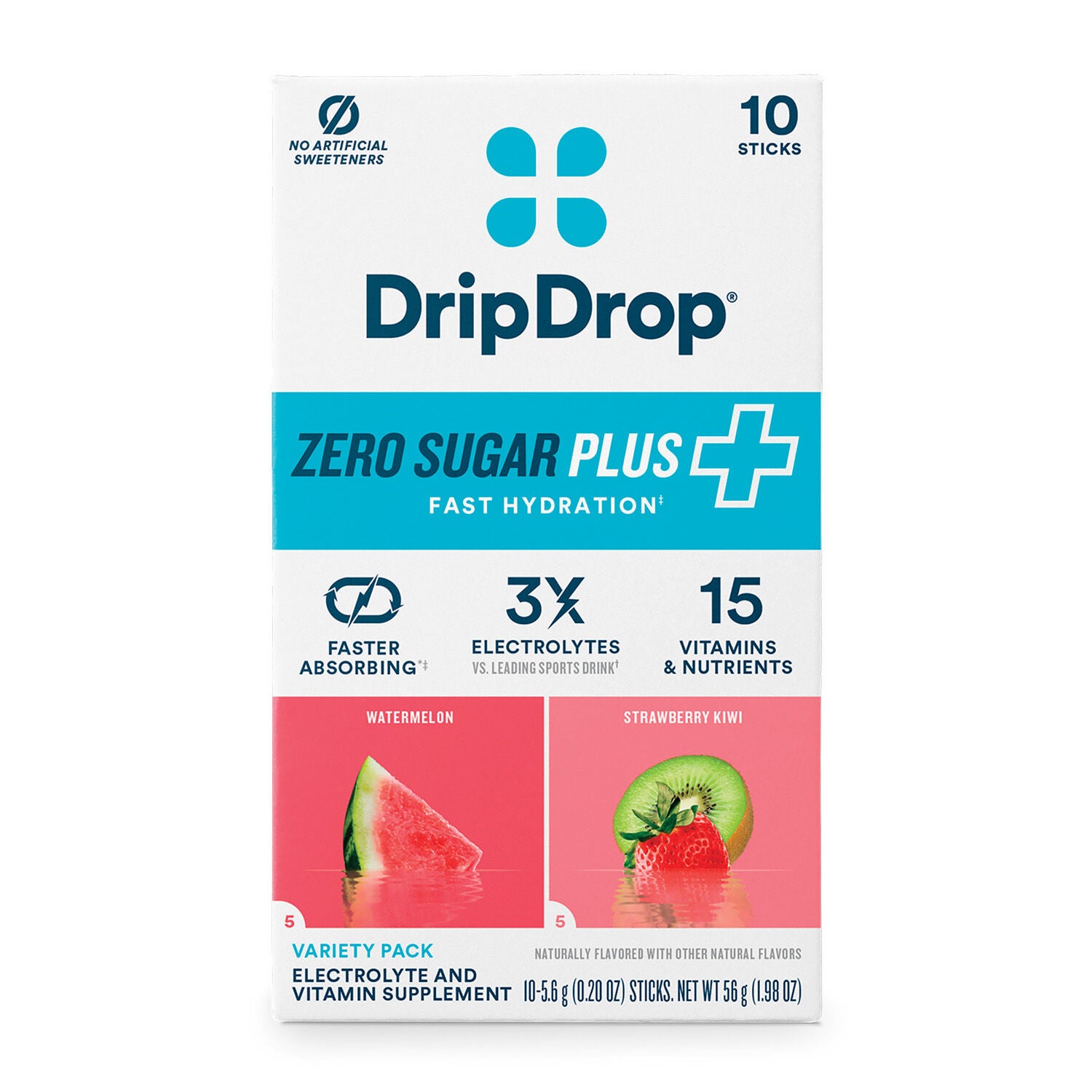
Liquid electrolytes are ready-to-drink beverages or liquid concentrates containing minerals such as sodium, potassium, magnesium, and chloride. These minerals are involved in normal fluid balance and muscle function, and electrolyte drinks may complement hydration routines around exercise and active days. The liquid format takes two main forms: a prepared beverage intended to be consumed as packaged, or a concentrated formula intended to be diluted according to its label. That distinction matters when comparing a small bottle of mineral drops with a larger beverage bottle. One contains multiple measured servings, while the other may contain a single serving or several servings of a prepared drink. Liquid describes the delivery format, not a standard recipe, so mineral amounts, flavors, sweeteners, and serving directions vary. Some formulas emphasize sodium, while others include a broader assortment of minerals. Neither the size of the container nor the intensity of the flavor explains the mineral content on its own. For a person packing a gym bag before an evening cycling class, a prepared drink may offer a convenient option without measuring or mixing. For someone who carries a reusable water bottle between work and a training session, a concentrate may fit that existing routine with less packaging to carry each day. Liquid electrolyte drops also offer a different experience from powders because there is no dry mix to pour into the bottle. A measured amount of concentrate is added to the specified quantity of water, following the package directions. The appeal is largely practical: a choice of formats for different bags, schedules, and beverage preferences. Water remains a straightforward everyday beverage, and an electrolyte formula is an option rather than a requirement for every activity. The most relevant differences are what the formula contains, how it is prepared, and how comfortably it fits the intended use.
The Nutrition Facts or Supplement Facts panel provides a clearer comparison than front-label wording alone. Sodium, potassium, and magnesium are separate minerals, so their amounts are worth considering individually rather than treating all electrolyte formulas as interchangeable. Chloride may also appear on the panel, and some blends contain calcium or other ingredients. The serving size gives those numbers context: a measured portion of concentrate is not equivalent to an entire bottle, and a prepared beverage container does not always represent one serving. The suggested water volume matters, too, because a concentrated formula is designed for dilution rather than being consumed directly. Two bottles with similar dimensions may yield very different numbers of prepared servings. Sugar and carbohydrate content are another point of distinction. Some liquid electrolytes contain sugar, while others use alternative sweeteners or have no sweetening ingredients. Neither a fruit-flavored name nor a clear appearance establishes the sugar content; the ingredient list and nutrition panel supply that information. Calories, sweetener type, and additional ingredients may matter to someone comparing an everyday beverage with an option for a longer training session. Taste is equally personal. Citrus, berry, and other flavored varieties may appeal to shoppers who enjoy a more noticeable beverage flavor, while unflavored concentrates may suit those who prefer a simpler profile. Unflavored does not necessarily mean tasteless: dissolved minerals may contribute a salty or mineral character. A person who enjoys a lightly flavored bottle during a desk-to-gym afternoon may prefer something different from a runner carrying one bottle through an extended training route. Dilution directions provide a consistent starting point for understanding the intended taste and serving size. Products with added vitamins, caffeine, or botanical ingredients also differ from straightforward mineral formulas. Those additions are separate considerations, not a defining feature of liquid electrolytes. A shorter ingredient list may suit someone seeking a simpler formula, while a more detailed blend calls for attention to each ingredient rather than assumptions based on the category name.
Packaging and handling make a noticeable difference in how liquid electrolytes fit into daily life. Concentrates are commonly packaged with a dropper, dispensing opening, or measuring cap, and the closure design affects the measuring process. A clearly marked serving measure may be useful during a busy morning, particularly when the same reusable bottle is filled before leaving home. Prepared beverages remove that measuring step, although their containers take up more room than a small concentrate bottle. Container height, width, and closure style are practical considerations for a backpack pocket, lunch bag, or gym tote. Glass and plastic packaging have different handling considerations, with the package instructions providing the relevant details for storage and use. For repeated trips between home, work, and a workout space, a secure cap and a bottle shape suited to the available bag space may matter as much as the flavor selection. Storage directions may differ before and after opening, and some formulas call for refrigeration once opened. Any stated use-after-opening period belongs alongside serving count when considering whether a larger container suits the household routine. A multi-serving concentrate may make sense for someone who prepares a bottle regularly, while a prepared drink may suit occasional use without keeping an opened concentrate on hand. Mixing directions also clarify whether shaking is part of preparation and whether the formula is intended specifically for water. Liquid concentrates are one route to a measured electrolyte beverage; dry mixes offer another format for shoppers who prefer portioning a powder. Bulk Electrolyte Powders provides a related category for comparing that preparation style with liquid options. Across either format, meaningful distinctions include the mineral amounts per serving, the ingredients beyond those minerals, the water required for preparation, and the storage requirements. Those details connect the label to everyday situations, from preparing a bottle at the kitchen counter to carrying a beverage into a workout. Liquid electrolytes may be a convenient addition when their preparation, taste, and packaging suit the way the drink will actually be used.
Best Sellers
Related Pages


Top Collections
- Joint Mobility Supplement Packs
- Daily Collagen Supplements | Top Brands & Deals | GNC
- GLP 1 Support For Adults
- Zinc Supplements | Top Brands at Great Prices | GNC
- Supplements For Yoga Joint Flexibility
- Supplements For Balance
- Capsule Supplements For Energy And Stamina
- Adult Mobility Supplements
- Chronic Fatigue Supplements
- Vitamins For Hair Loss