Liver Health Supplements For Immune Support
(0 Results)
Liver health supplements for immune support could be a thoughtful addition to your wellness routine. These supplements are designed to help you support your body's natural processes, which may contribute to overall vitality. Whether you're looking to maintain your well-being or seeking new ways to care for your body, liver health supplements for immune support might offer a convenient option. Explore a variety of formulas and find options that align with your lifestyle and personal goals.




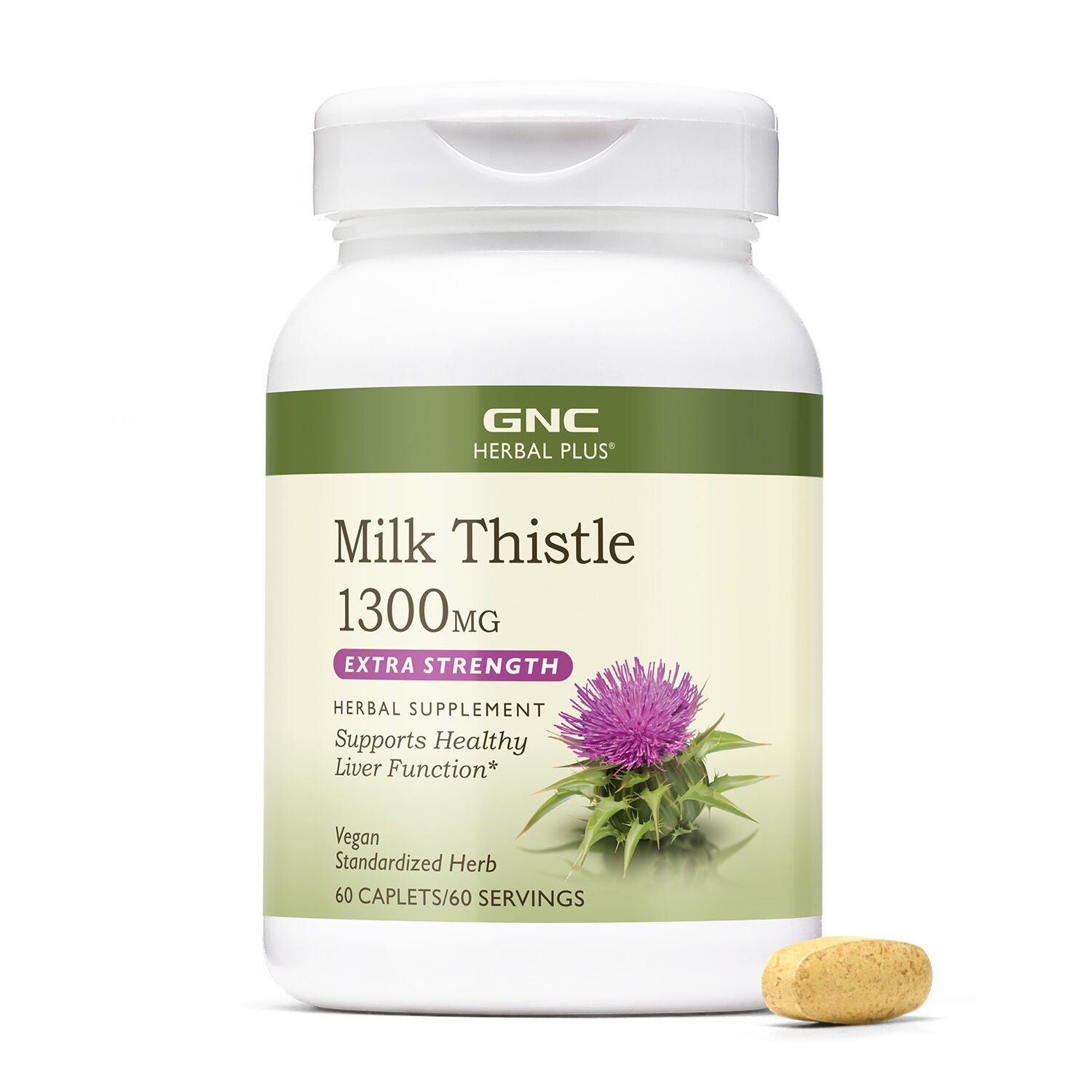
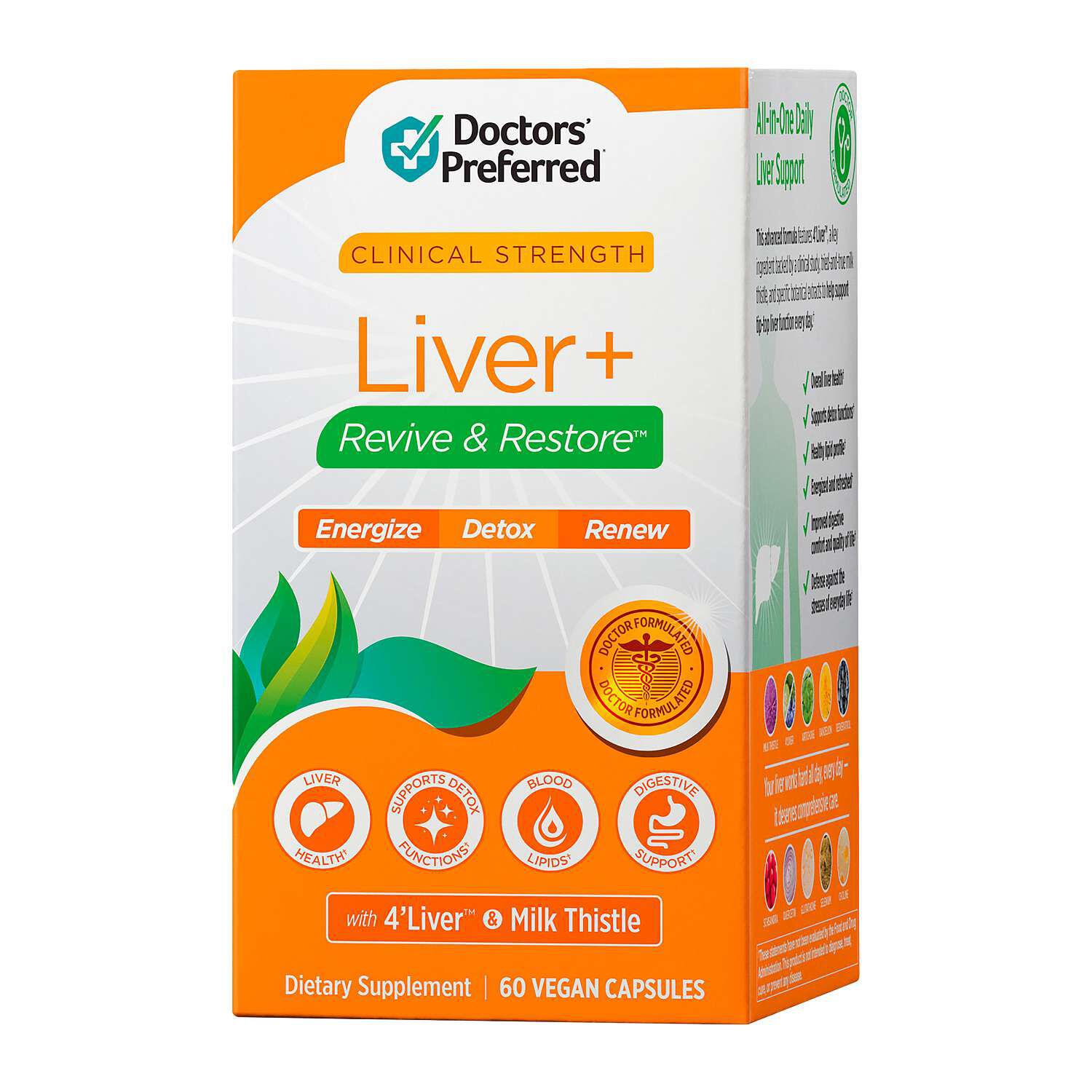

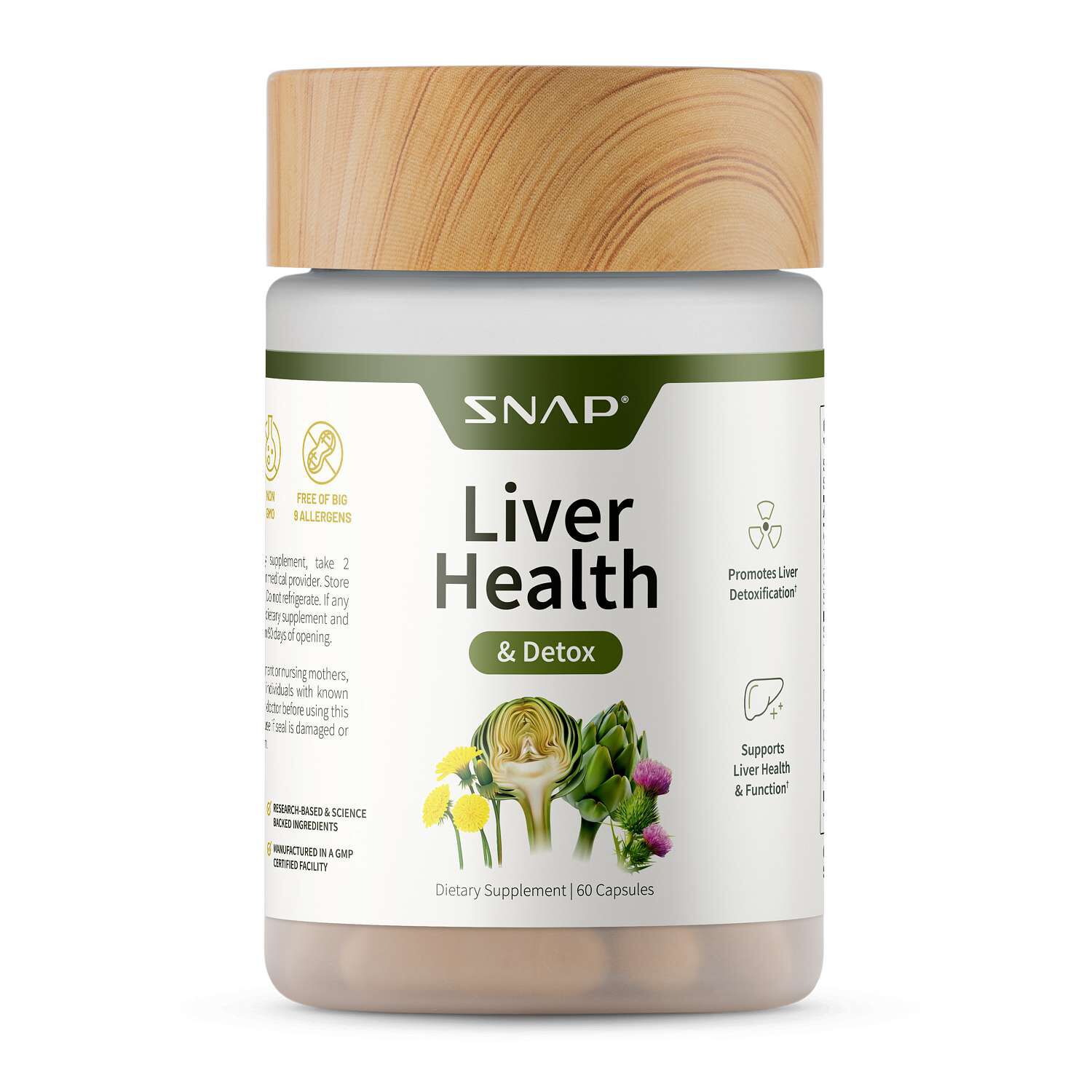


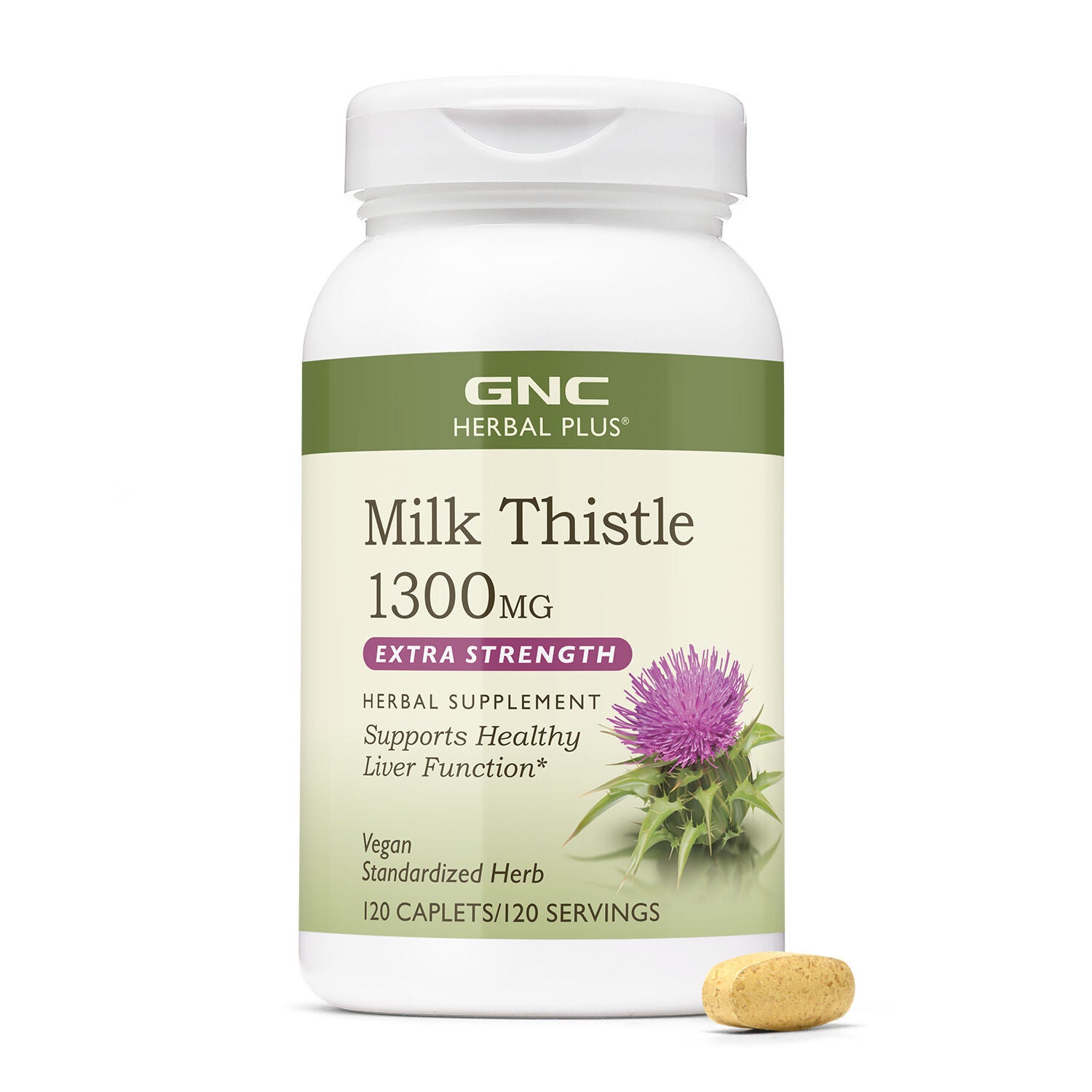
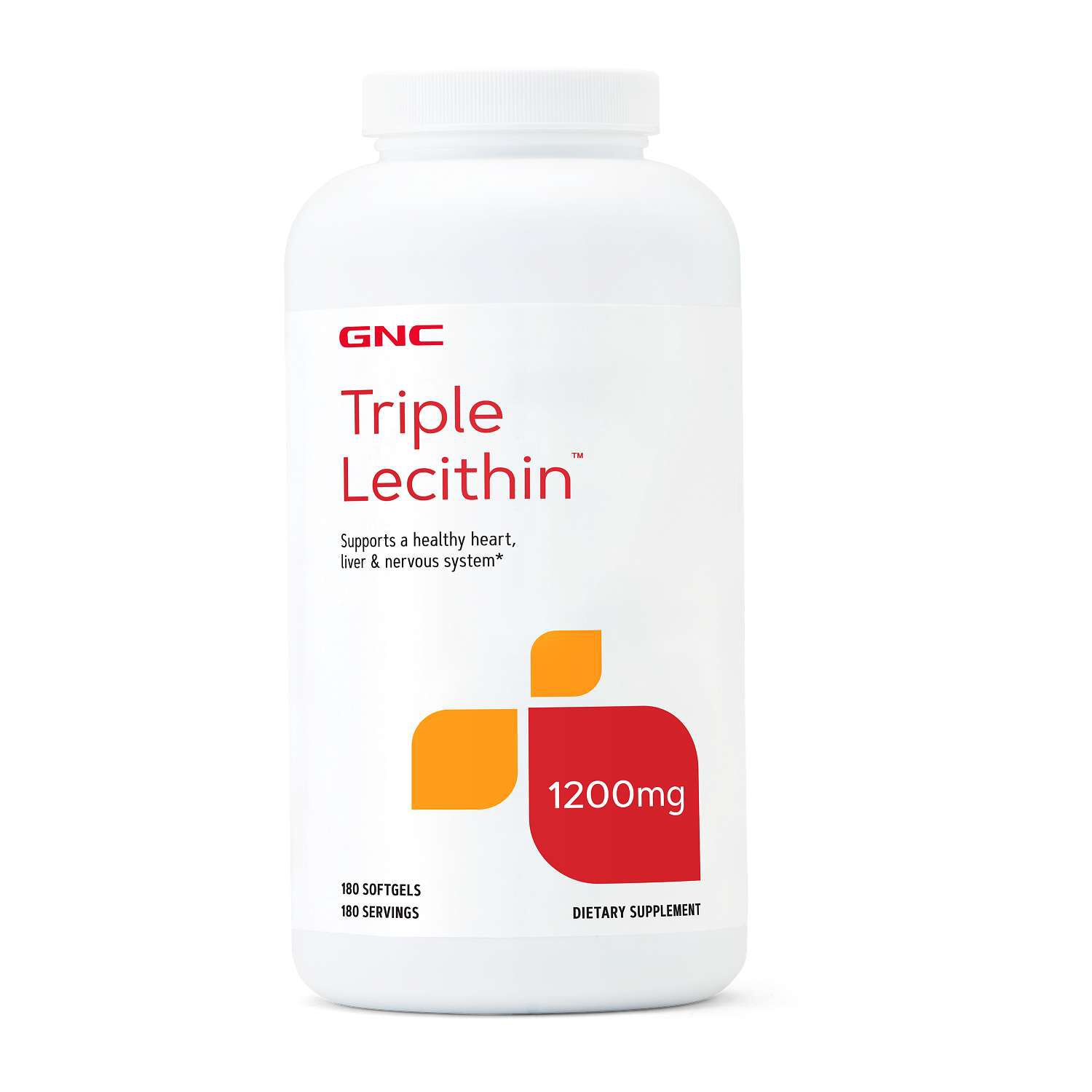
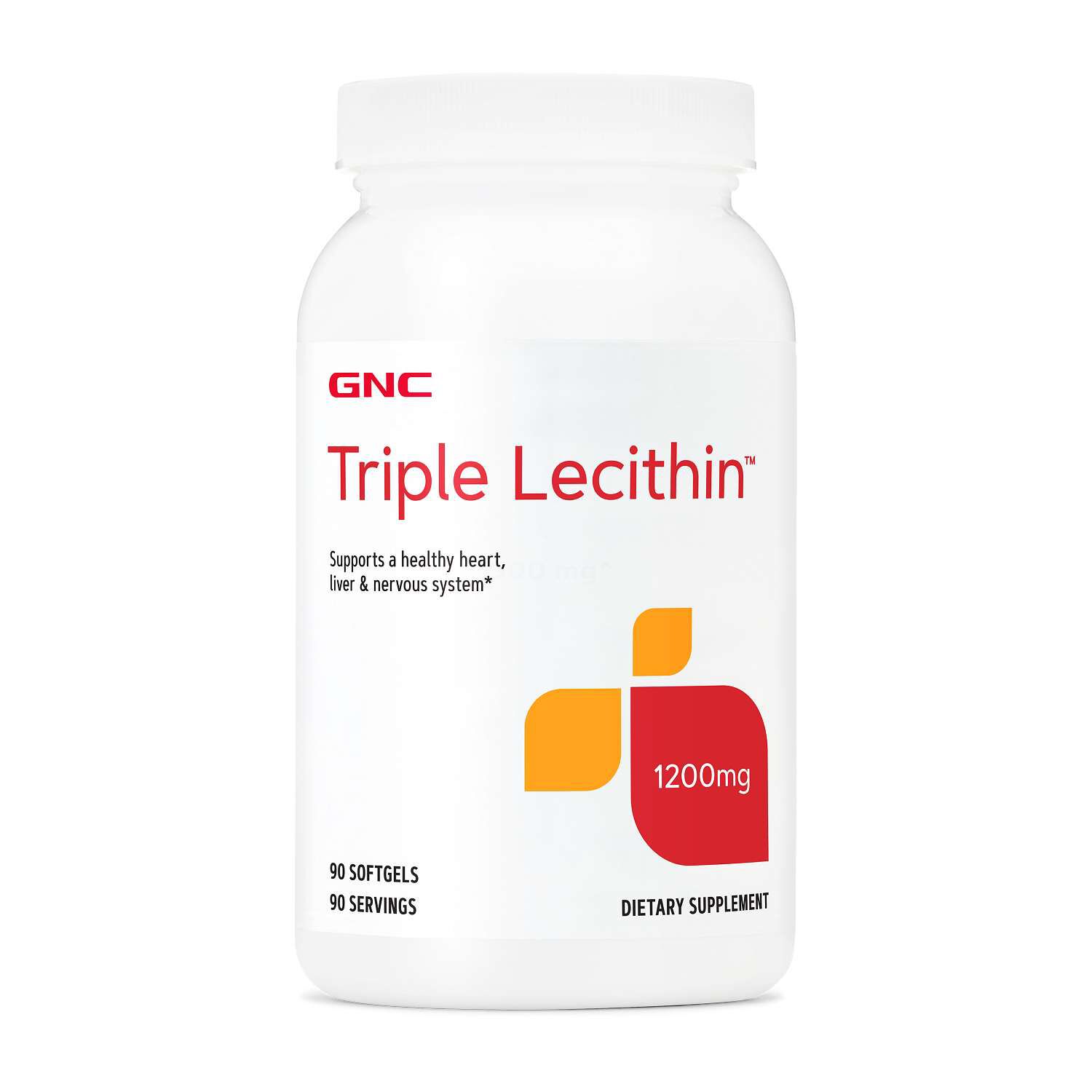
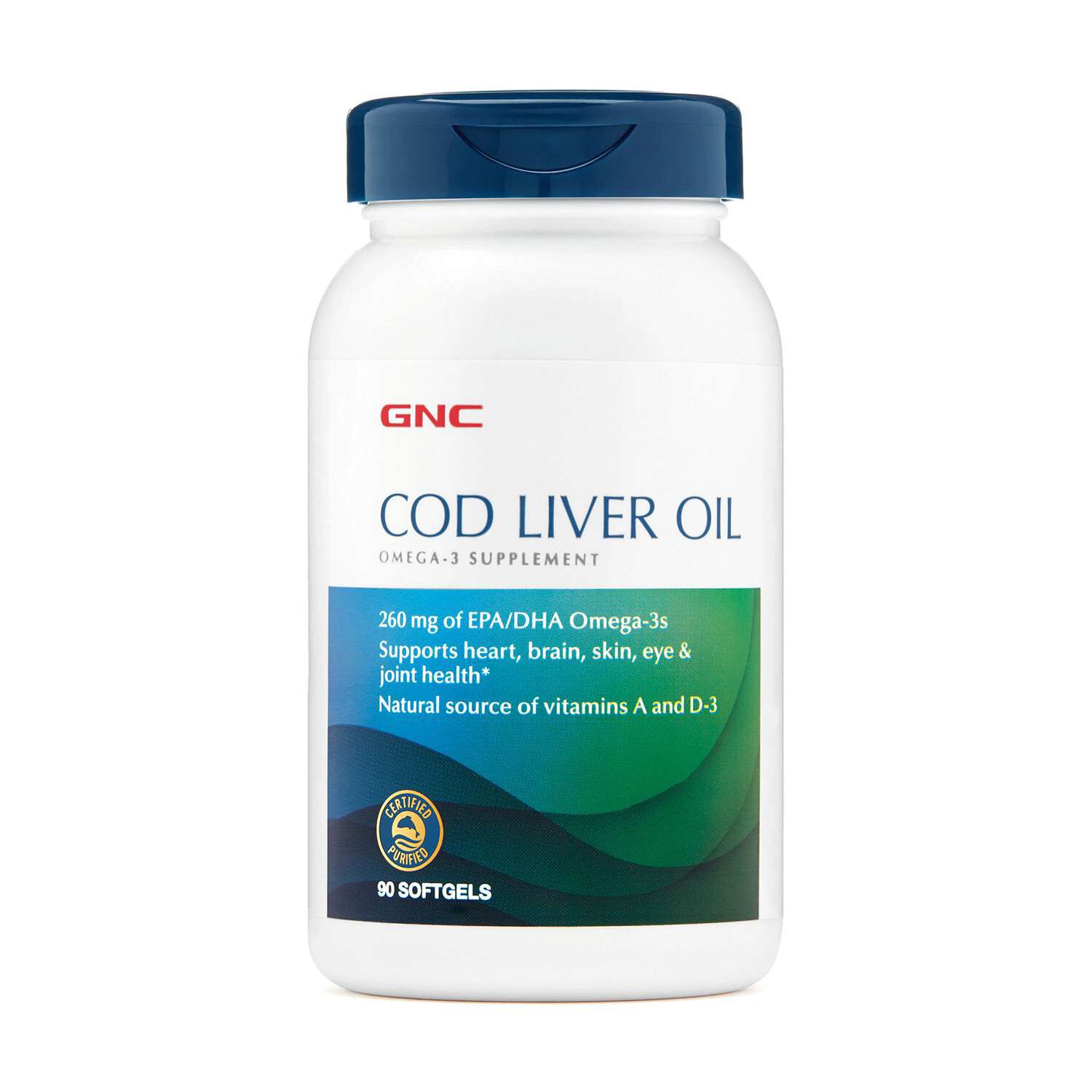


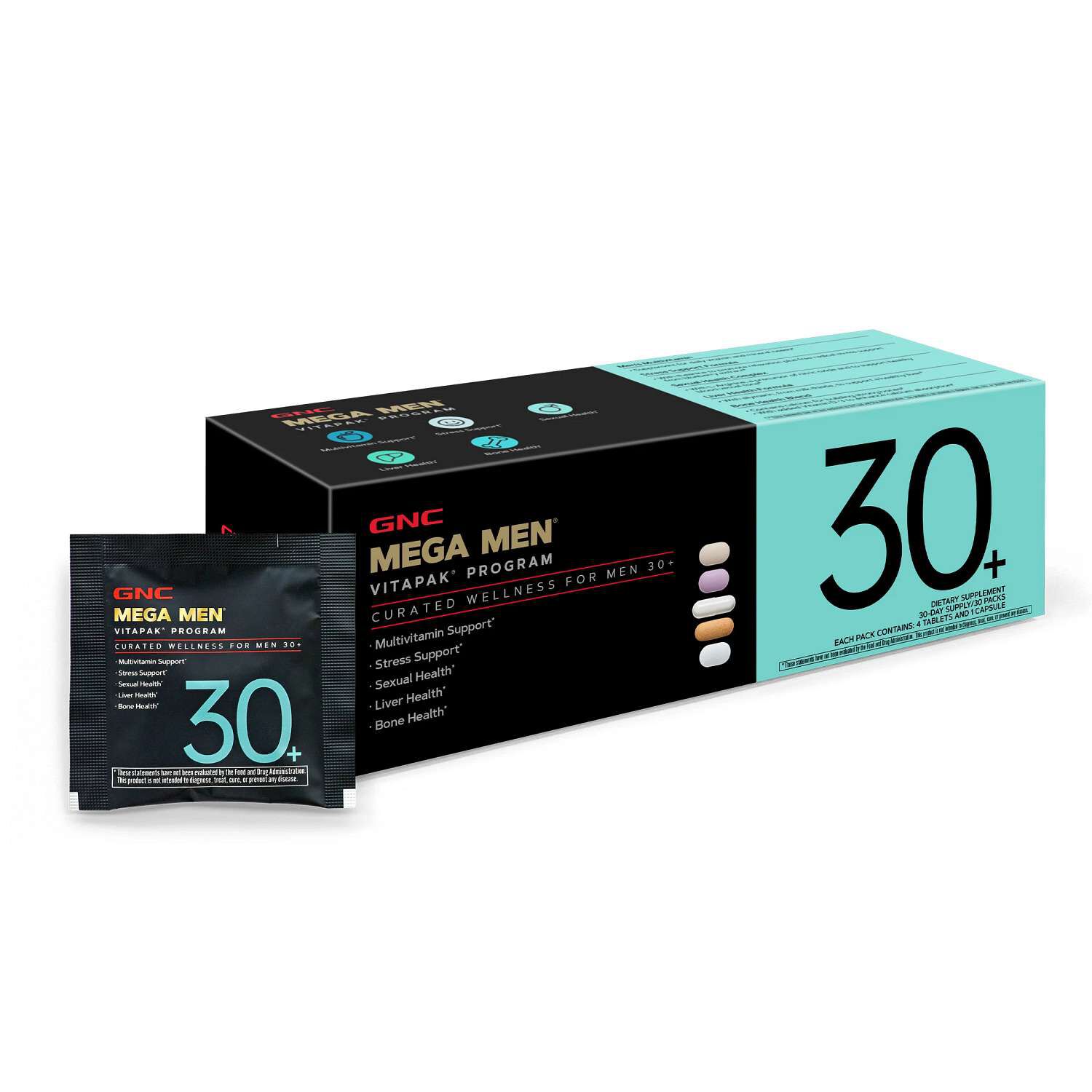
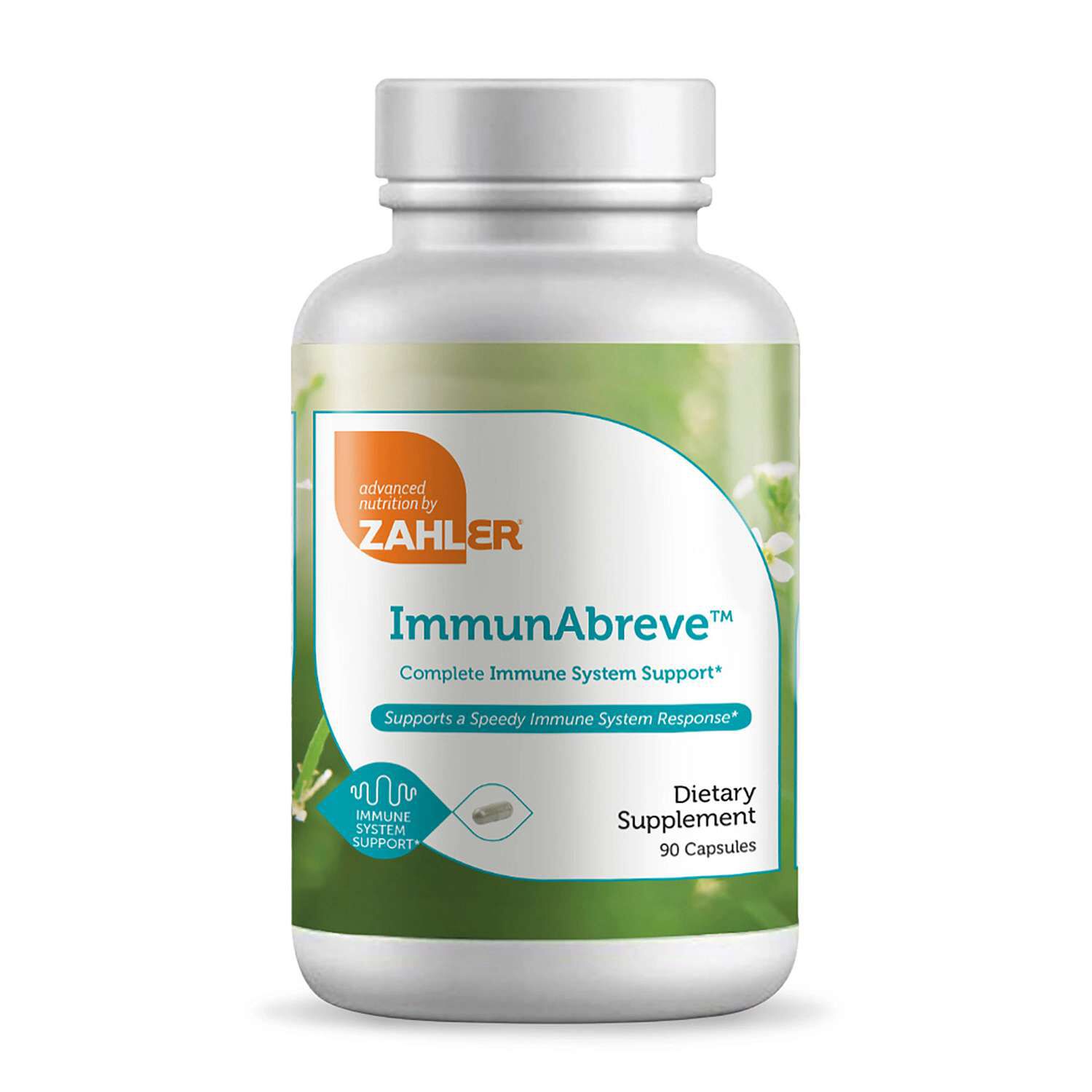

Liver health supplements for immune support are a category of dietary supplements organized around liver-focused formulations and everyday immune wellness. They may complement a broader nutritional routine, but the category name alone does not describe what every formula contains or how it might suit an individual. The liver participates in nutrient processing and storage, while immune function involves a network of cells, tissues, and organs. These distinct roles provide useful background for understanding why shoppers may encounter overlapping ingredients across liver-focused and immune-focused categories. Some formulas feature one ingredient, while others combine vitamins, botanical extracts, or additional nutritional compounds. Milk thistle is a botanical commonly associated with liver-focused formulations, and its extracts may be described by their silymarin content. Silymarin refers to a group of compounds found in the plant rather than a separate vitamin or mineral. N-acetylcysteine, often shortened to NAC, is a derivative of the amino acid cysteine. Vitamin E is a fat-soluble nutrient, omega-3 fatty acids can come from fish oil or algae, and turmeric extracts may list their curcuminoid content. These names help distinguish formula types, but they do not make the ingredients interchangeable or establish that each has the same intended purpose. A botanical extract also differs from the whole plant material used to make it, so the ingredient description matters alongside the amount shown on the label. For example, two bottles could both feature milk thistle while describing different extract concentrations and serving sizes. Comparing those details offers a clearer picture than comparing the front-label ingredient name alone. The Supplement Facts panel is a useful starting point: it identifies the serving size, the listed dietary ingredients, and the amounts provided per serving. That distinction matters when one serving consists of a single capsule and another consists of several. The amount per serving, rather than the amount per capsule, is the more consistent basis for understanding how the formulas differ.
Format is another practical consideration when comparing liver health and immune support supplements. Capsules, tablets, softgels, powders, and liquids offer different textures, serving methods, and packaging styles. Capsules may contain dry botanical extracts or other powdered ingredients, with shells made from gelatin or plant-derived materials such as cellulose. Tablets bring compressed ingredients together with binders and other components that help form the finished tablet. Softgels commonly contain oil-based ingredients, so the shell composition and oil source are relevant details for shoppers with dietary preferences. Powders and liquids introduce their own considerations, including flavor, the measuring method, and whether the label describes mixing with a beverage. Someone who keeps a simple breakfast routine might prefer a format that does not require measuring, while someone who dislikes the texture of tablets might spend more time comparing other options. Those preferences concern convenience, not evidence that one format produces a better result. For capsules and tablets, the serving count and physical size can also affect how comfortable the format feels in an established routine. A container that looks compact may still list several units per serving, making the back label more informative than the package shape. Ingredient sourcing deserves similar attention. Fish-derived oils, gelatin shells, botanical ingredients, sweeteners, colors, and flavorings can influence whether a formula aligns with a shopper’s eating pattern or personal preferences. The other-ingredients section provides details that are separate from the main Supplement Facts panel and can clarify what makes up the capsule, coating, or flavored mixture. A plant-derived capsule shell does not, by itself, describe every ingredient inside it. Likewise, a familiar botanical name does not reveal the extraction method or concentration without further label information. For shoppers comparing a liver-focused supplement with an existing multivitamin or another nutritional formula, reading the ingredient panels side by side can reveal repeated ingredients that would not be obvious from the category names. This is a comparison of composition, not a personalized assessment of nutritional needs.
Antioxidant-focused formulations are another point of overlap within this category, particularly where labels feature vitamin E or certain botanical compounds. Antioxidants are associated with oxidation-related processes, but an antioxidant description alone does not establish what a supplement might do for a particular person. The ingredient source, form, amount, and overall composition remain important distinctions. The related category Liver Health Supplements With Antioxidants offers another way to explore that formulation focus while keeping those differences in view. A straightforward formula may appeal to someone who wants a shorter ingredient list, whereas a combination formula may appeal to someone comparing several nutritional ingredients in one serving. Neither approach establishes suitability on its own, and a longer ingredient list does not necessarily indicate a more useful formula. Descriptive label information is more meaningful than dramatic language about cleansing or rapid transformation. Packaging and product care also belong in the comparison. An intact closure, a readable expiration date, and clear storage directions make it easier to understand how a supplement is intended to be kept and used. Many labels specify storage away from excess heat, moisture, or direct light; the directions on the particular container provide the relevant handling details. A bathroom cabinet may expose a bottle to humidity, while a kitchen shelf beside a stove may expose it to heat, so storage location matters beyond simply having space for the container. Liquids may have different handling requirements after opening, and powders benefit from attention to the package closure and measuring instructions. Quality-related information can include ingredient sourcing, manufacturing details, and clearly identified testing or certification statements when provided on the label. Such information describes aspects of the product; it does not establish an individual outcome. For everyday browsing, the most useful comparison brings together ingredient identity, serving size, format, dietary preferences, and care instructions. That approach keeps liver health supplements for immune support grounded in what the label actually describes, with room for personal preferences and without treating a category name as a substitute for individual suitability.
Best Sellers
-
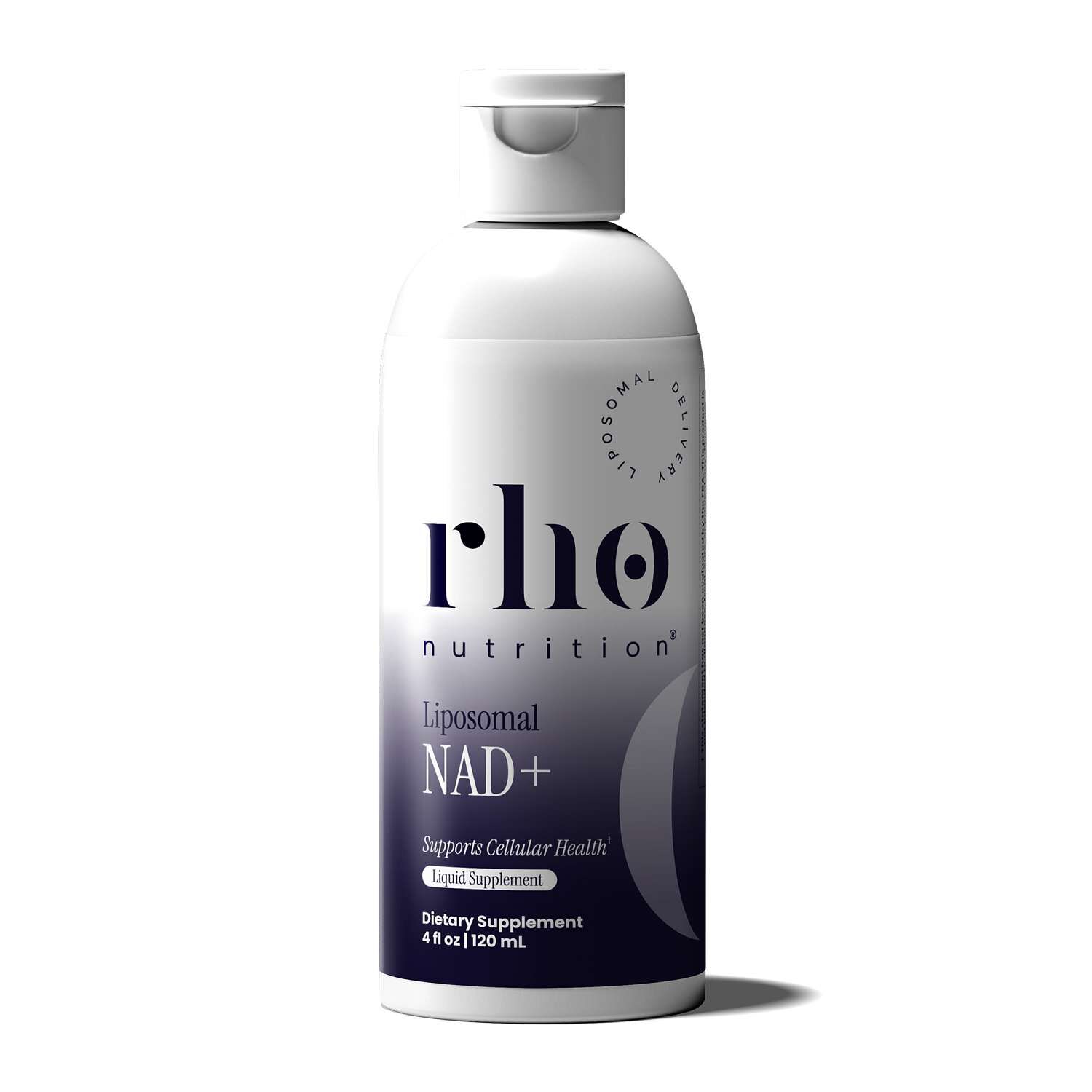 Rho Nutrition
-
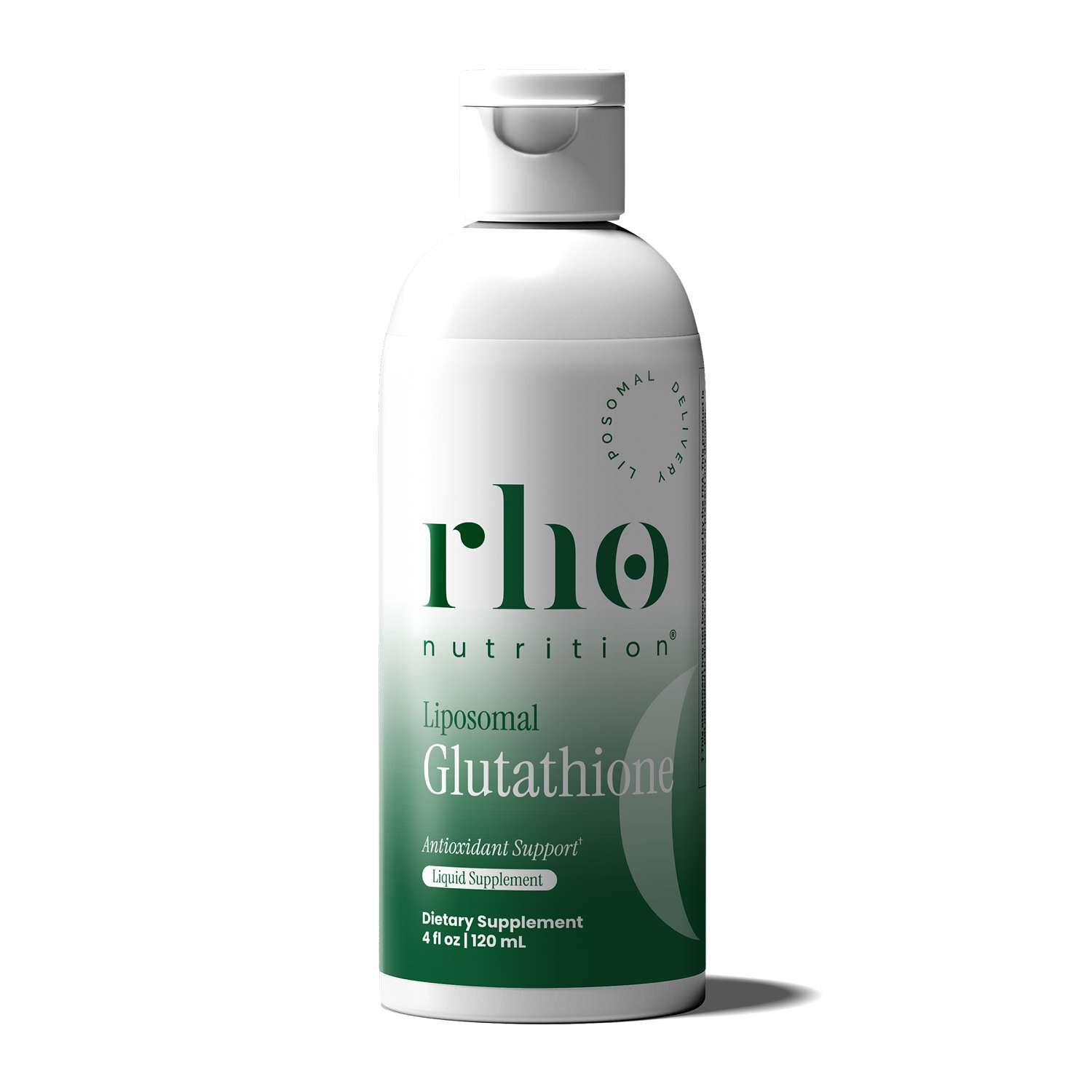 Rho Nutrition
-
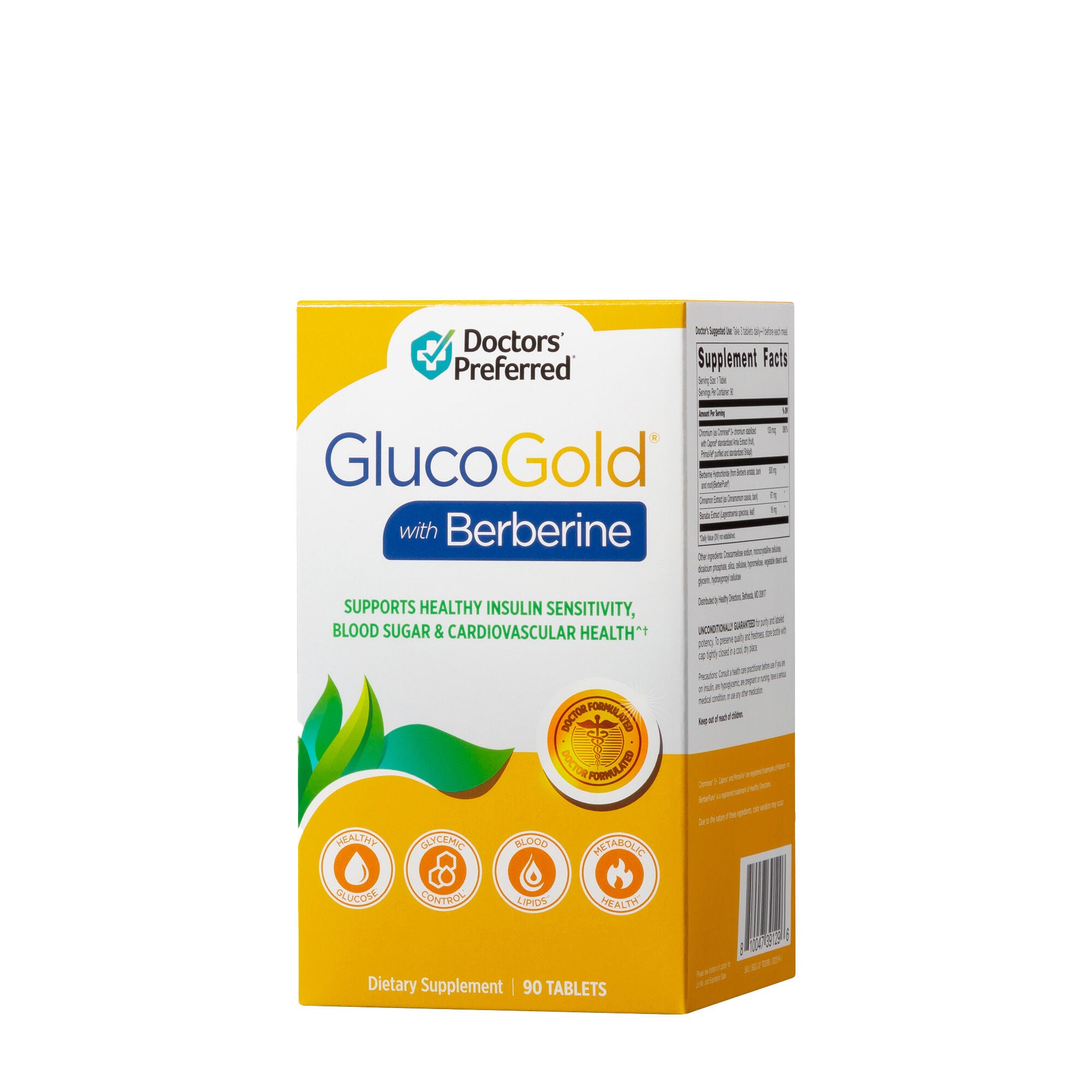 Doctors' Preferred