





Liver Health Supplements For Women
(0 Results)
Liver health supplements for women could play a supportive role in maintaining overall wellness and vitality. With unique nutritional needs, women may benefit from formulas designed to nourish and care for the liver. Explore a range of options that may help promote healthy liver function and support your body's natural detoxification processes. Find liver health supplements for women that fit your lifestyle and wellness goals.
-
-
-
-

-
-
-
 Enclave BioActives$69.99
-
-
 GNC Herbal Plus$24.99
-
 GNC Herbal Plus$49.99
-
-

-
-
-

-
 $69.99
-

-

-

-
-

-
 $49.99

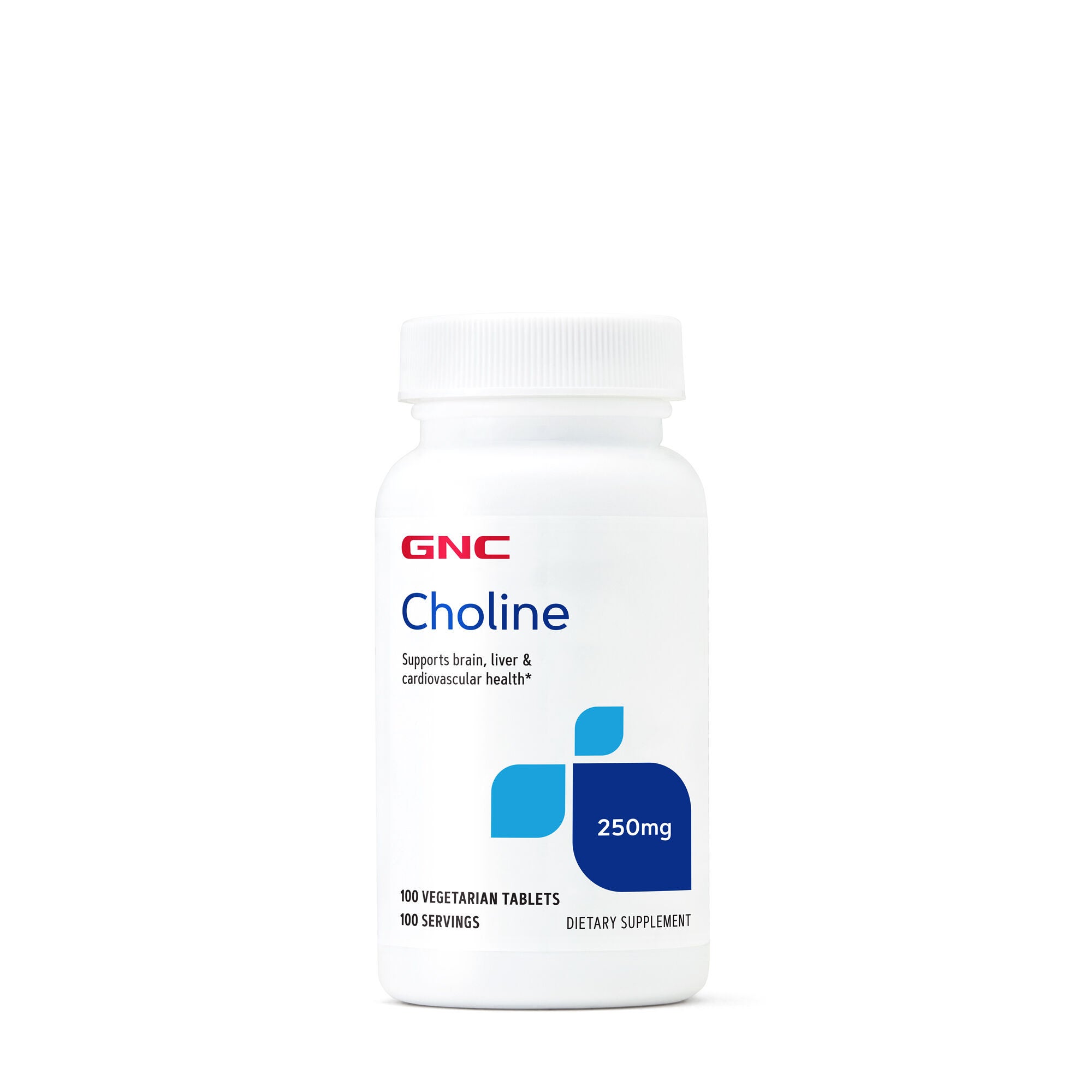
Liver health supplements for women are dietary supplements organized around a particular wellness interest, with differences in ingredients, serving sizes, and formats that matter more than the wording on the front of a bottle. The liver naturally processes nutrients and many substances the body encounters, and a supplement does not take the place of those everyday functions. Terms such as detox or cleanse do not, by themselves, establish what a formula does or how it has been evaluated. This distinction is useful when comparing botanical ingredients, nutrients, and multi-ingredient blends within the same category. Milk thistle, for example, is a botanical ingredient associated with this area of supplementation; its extracts are often described in relation to silymarin, a group of naturally occurring plant compounds. Choline is a nutrient also found in foods such as eggs and soybeans. These ingredients have different identities and are not interchangeable simply because they appear under a shared category name. A botanical extract may also differ from a whole-herb powder in composition, concentration, and the way its amount is listed. Research involving one ingredient does not automatically describe every finished formula containing that ingredient, especially when the amounts, preparation methods, or combinations differ. Likewise, a formula described as being for women does not, from that description alone, demonstrate a distinct benefit for women. The more informative details are the ingredient names, the quantities per serving, the serving directions, and the stated intended audience. For someone comparing a botanical blend with a nutrient-focused formula, those details provide a clearer basis for understanding the distinction than a broad front-label phrase. The category may appeal to adult women with an interest in liver-focused wellness, but that shared interest does not mean every shopper has the same nutritional needs, preferences, or personal circumstances. Dietary supplements belong in the context of an individual’s broader eating habits and wellness routine, rather than being treated as a shortcut defined by a category label.
Format is another meaningful difference among liver health supplements for women. Capsules, tablets, softgels, powders, and liquids each involve a different preparation or serving experience, and the number of units in a serving can vary. A bottle containing a large number of capsules may represent fewer servings than its front label first suggests, so the serving size and servings per container tell different parts of the story. Capsule dimensions, tablet shape, and coating may influence personal preference, while a powder or liquid introduces considerations such as flavor, texture, measuring, and mixing directions. An unflavored powder is not necessarily without a noticeable taste, particularly when botanical ingredients are involved. For someone who prefers a brief routine before leaving for work, a format without mixing may feel more practical; someone who dislikes tablets may prefer comparing other delivery formats. These are differences in everyday use, not evidence that one format performs better than another. The Supplement Facts panel provides the ingredient amounts per serving, while the other-ingredients list identifies components such as capsule materials, coatings, flavorings, and sweeteners. Gelatin and plant-derived capsule materials may matter to shoppers with particular dietary preferences, and allergen statements provide another point of comparison. When several nutrients or botanicals appear in a blend, the label may list individual quantities or identify a combined blend amount; those presentations offer different degrees of detail. Storage directions also belong in the comparison. Moisture, direct sunlight, container closure, and any stated refrigeration requirements may affect where a supplement fits at home. A kitchen counter beside a sink presents different storage conditions from a dry cabinet, while a measured liquid may involve different handling than a capsule bottle. Package integrity and the printed date provide further context for product care. The original packaging also keeps the directions, ingredient information, and cautions together, making those details accessible beyond the first purchase.
A women-focused supplement routine can involve more than one category, which makes the relationship between labels especially relevant. A multivitamin, a nutrient supplement, and a botanical blend may contain overlapping ingredients even when their front labels describe different wellness interests. Comparing the amounts per serving across those labels gives a more accurate picture of what each formula contributes than comparing category names alone. The same applies when browsing Liver Health Supplements for Immune Support: a different category emphasis is a reason to examine the composition, not an indication that two formulas are equivalent or belong together. Intended audience statements and label cautions may address pregnancy, nursing, age, or other personal circumstances. Those details are part of the product description, not merely background text. Personal suitability is separate from whether a formula matches a shopper’s preferred format or ingredient list, and questions about that suitability belong in an individualized conversation with a qualified healthcare professional. For everyday browsing, transparent labeling makes the category easier to understand. A clearly identified botanical, a stated amount per serving, and specific serving directions offer concrete information; a broad wellness phrase offers much less detail. Manufacturing and testing statements also have different meanings, with some addressing ingredient identity or composition rather than demonstrating an effect in people. A reference to research is most informative when its connection to the ingredient, amount, and finished formula is clear. For adult women comparing liver-focused dietary supplements, the most useful distinctions remain practical and specific: what the formula contains, how those ingredients are described, what a serving involves, and how the package fits an established routine. A carefully described formula may be easier to evaluate than one surrounded by sweeping language, but clear labeling still does not establish a personal need. This keeps the focus on understandable product information and realistic expectations rather than on the assumption that a wellness category offers the same value to every shopper.
Best Sellers
-
GNC Herbal Plus
-
Doctors' Preferred
-
GNC Herbal Plus
Related Pages

Top Collections
- GLP 1 Support For Adults
- Supplements For Yoga Joint Flexibility
- Supplements For Balance
- Joint Mobility Supplement Packs
- Zinc Supplements | Top Brands at Great Prices | GNC
- Capsule Supplements For Energy And Stamina
- Supplements For Anxiety Relief Support
- Chronic Fatigue Supplements
- Zinc Supplements For Men
- Iron Supplements