Low Carb Drinks
(0 Results)
Looking to quench your thirst without derailing your low-carb lifestyle? Our selection of low carb drinks offers a refreshing solution for those looking to cut back on sugar and carbs while still enjoying delicious beverages. From sugar-free energy drinks to keto-friendly protein shakes, our assortment is carefully curated to provide you with options that align with your dietary goals. Whether you're on-the-go or simply craving a guilt-free treat, these low carb drinks are sure to satisfy your cravings without compromising your healthy eating plan.
-
-
-

-
-

-
-
-

-

-

-

-
-

-
-
-

-
-

-
-
-
 $54.99
-

-
 $54.99
-

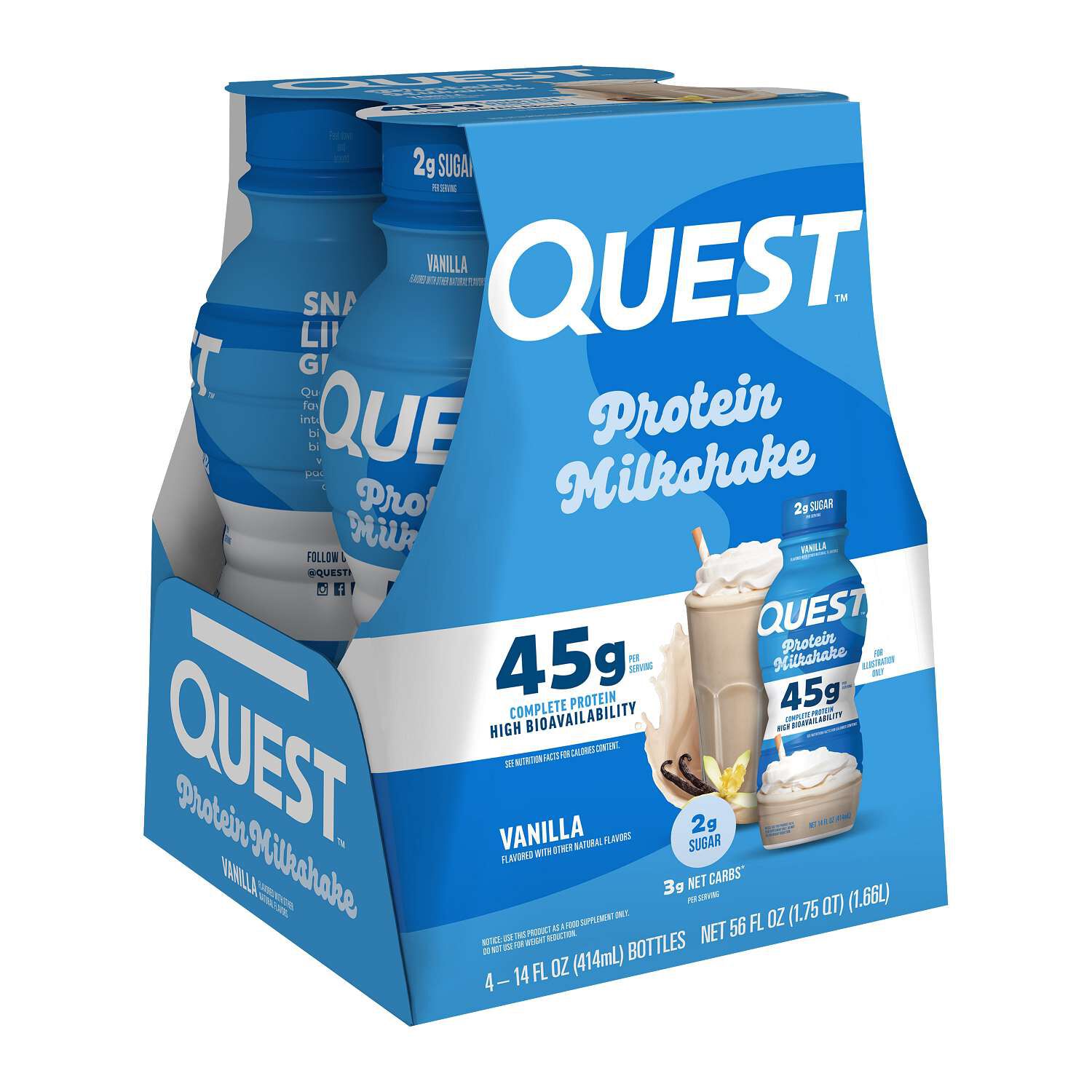
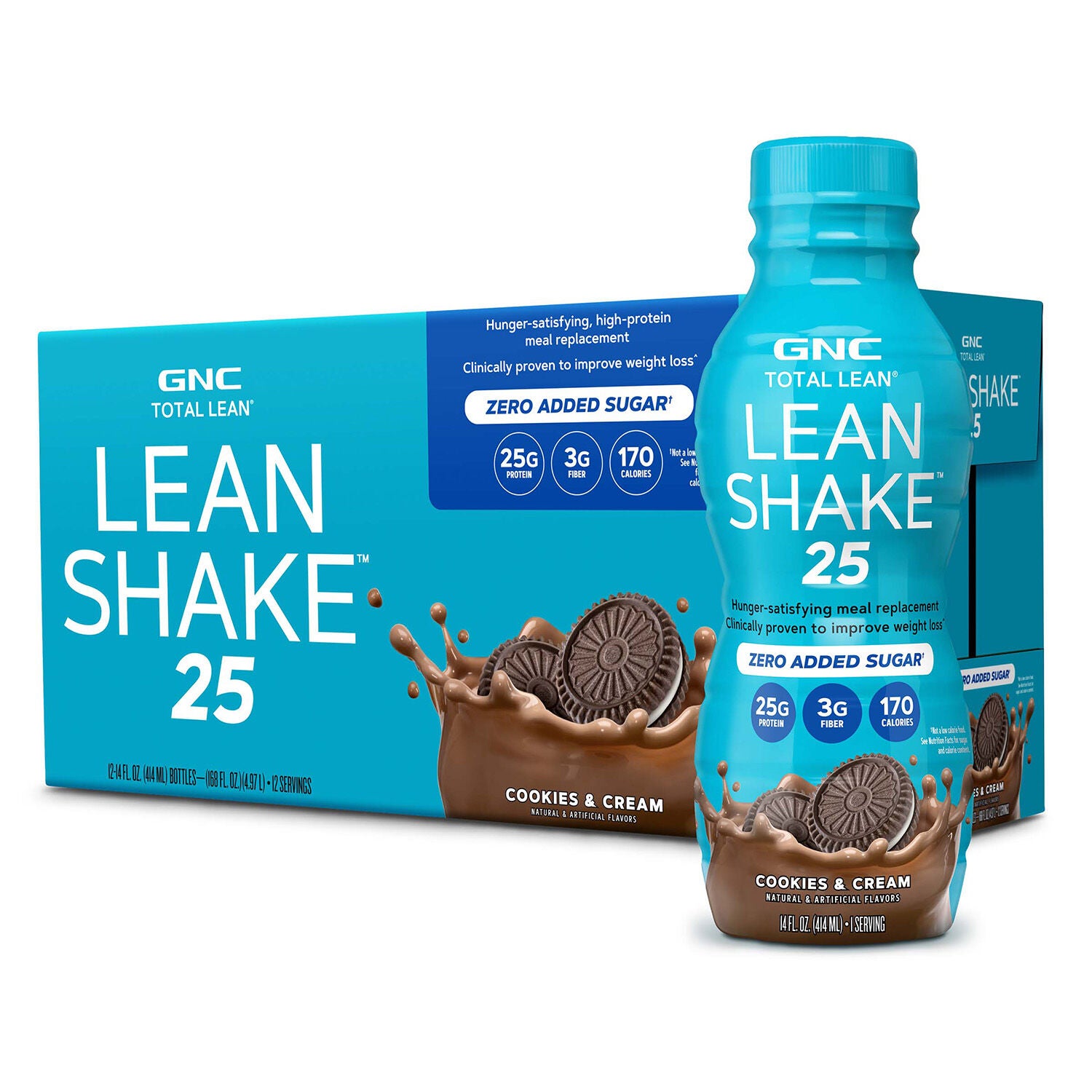
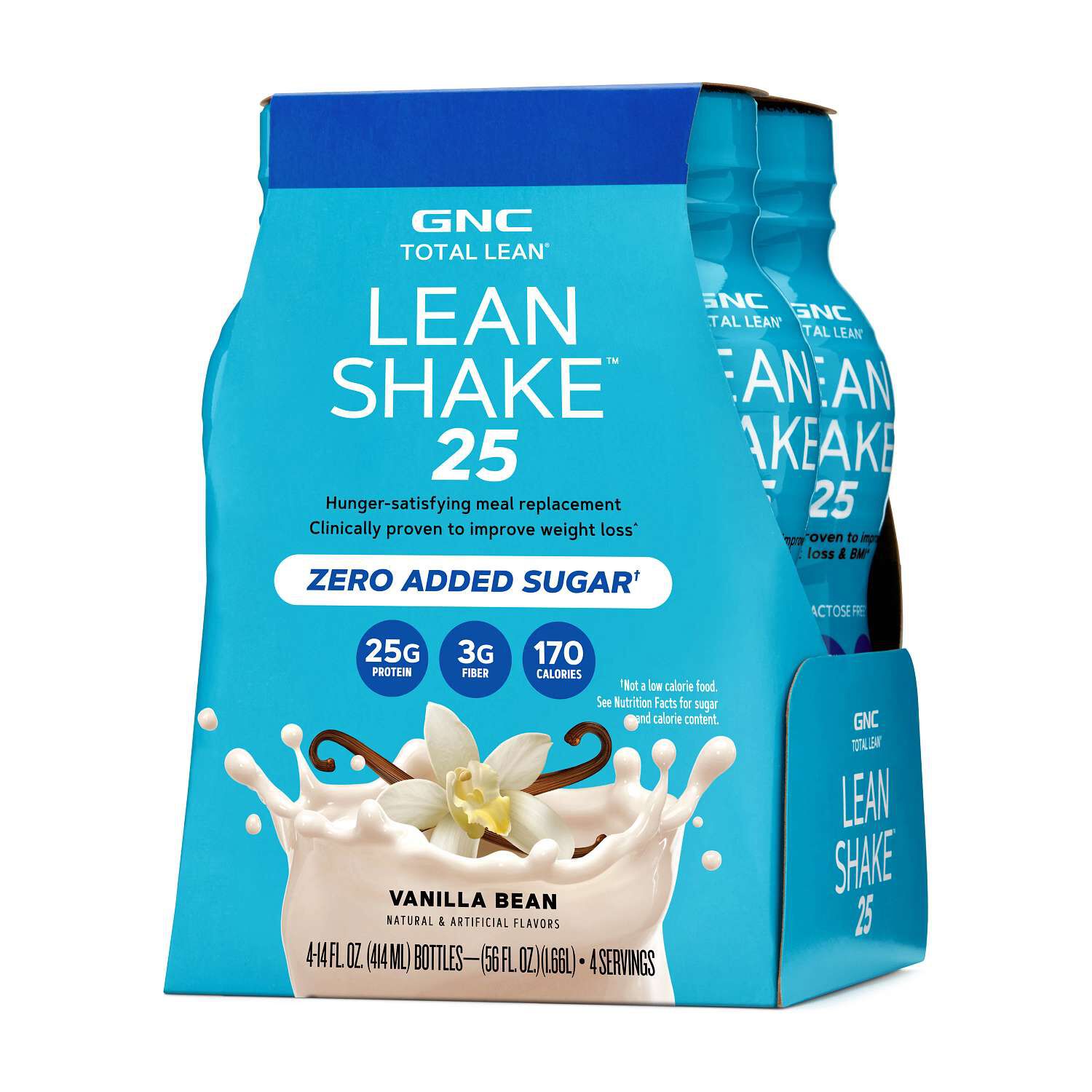
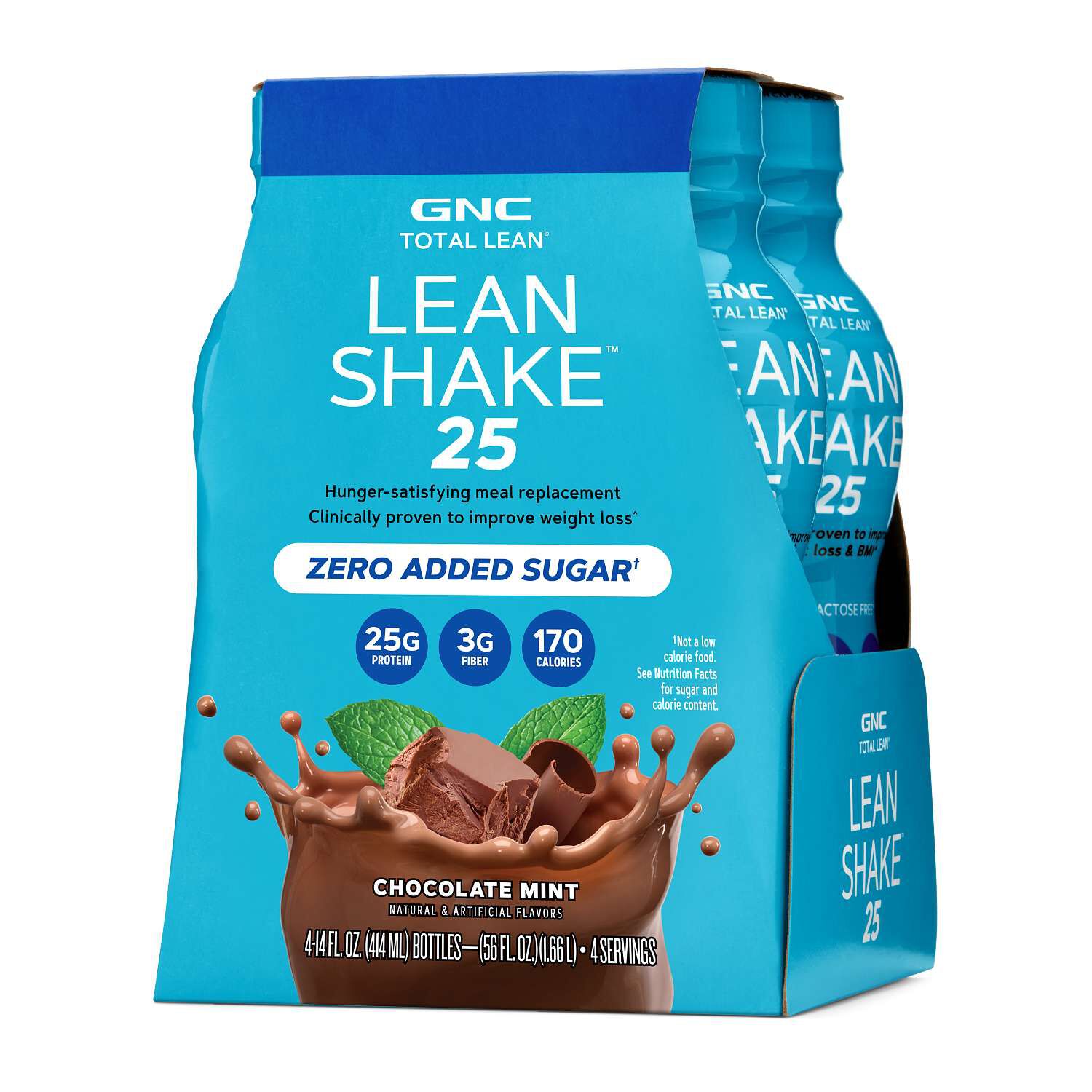
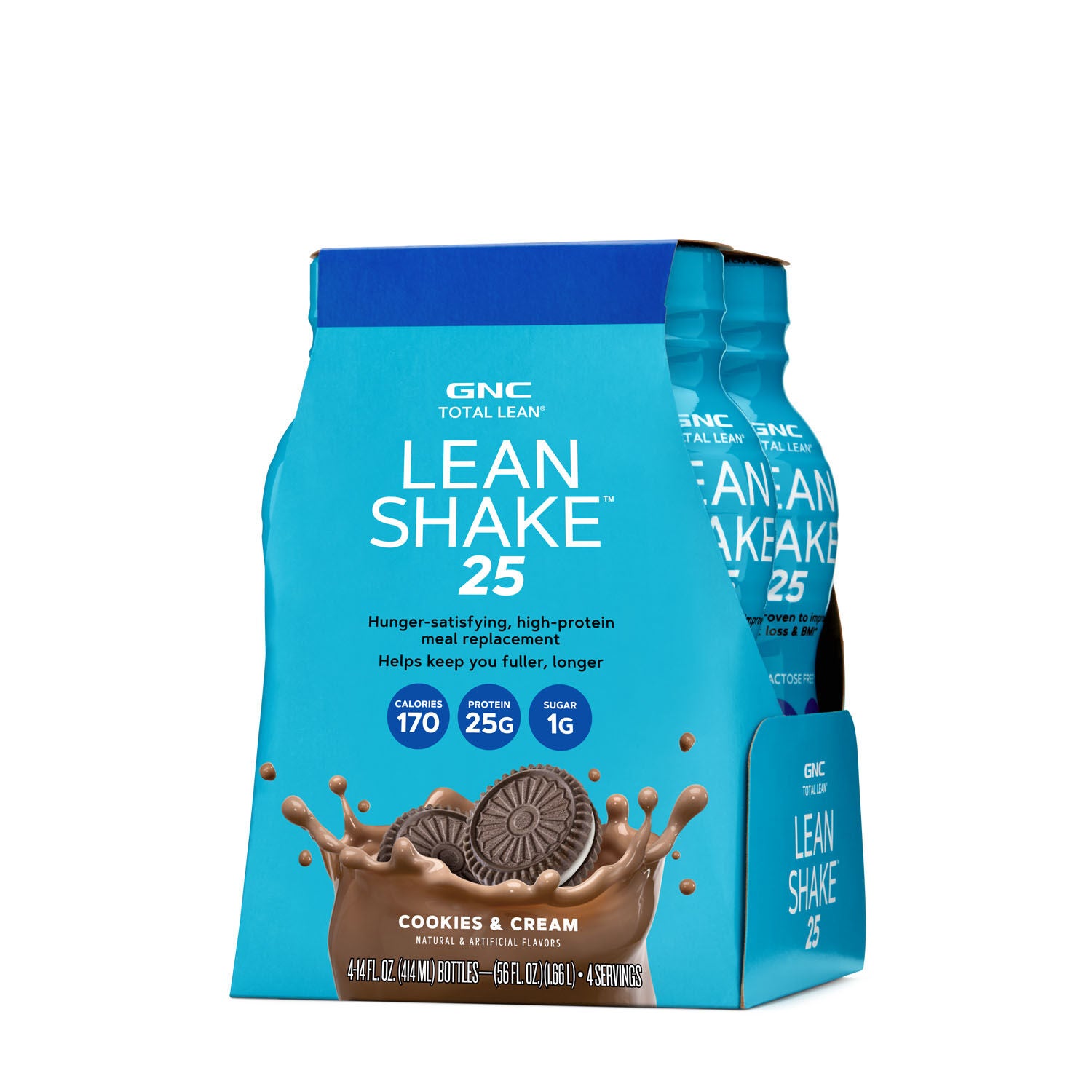
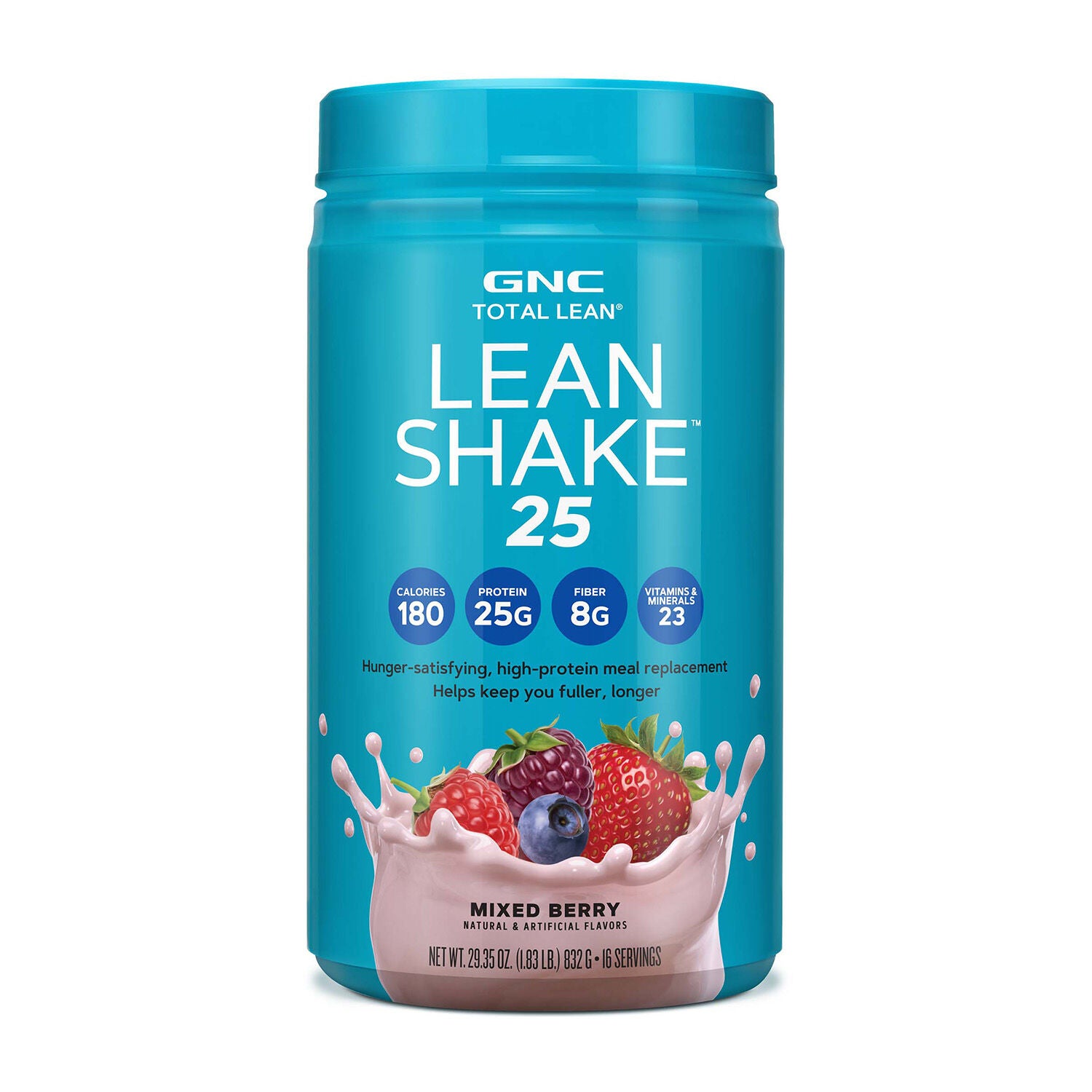
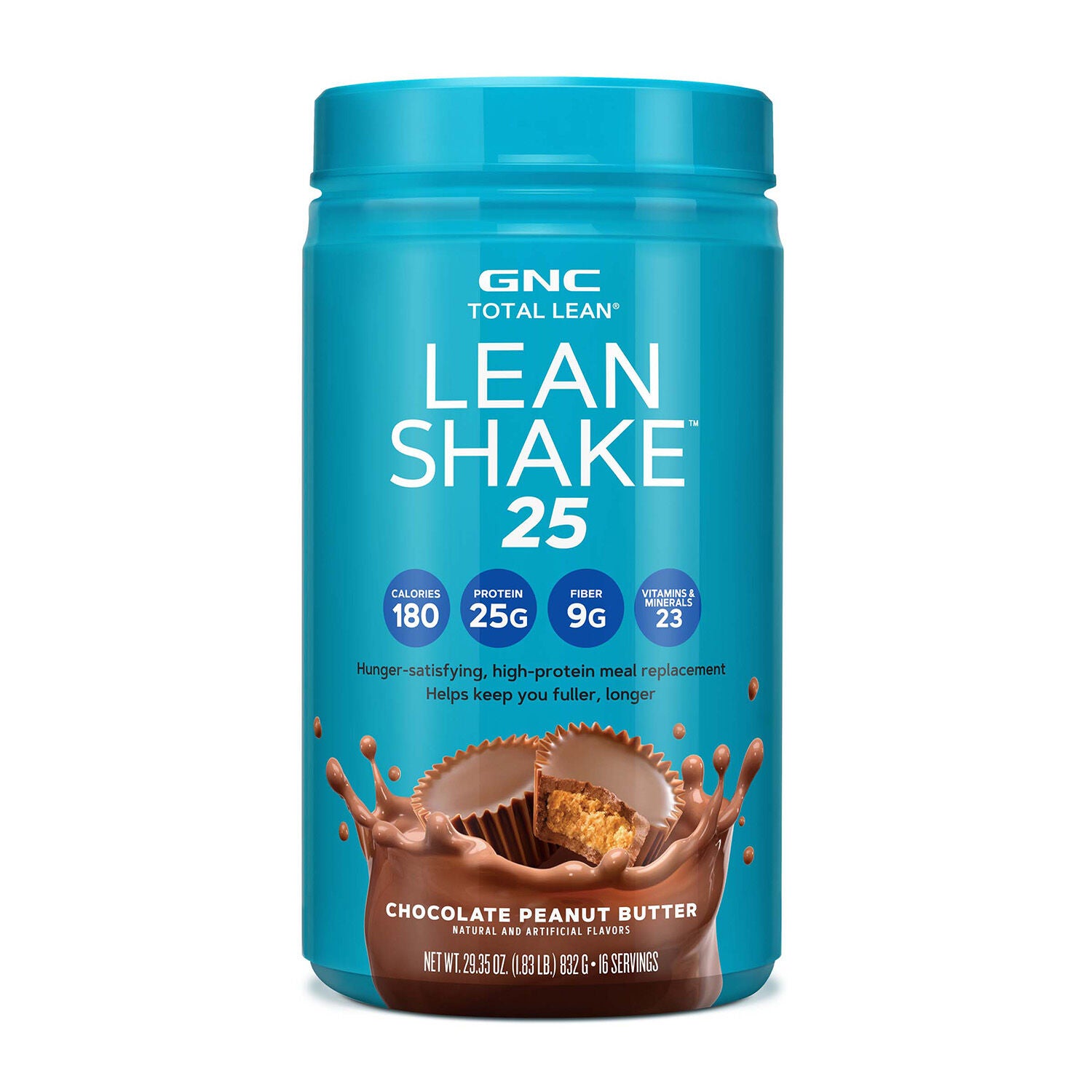
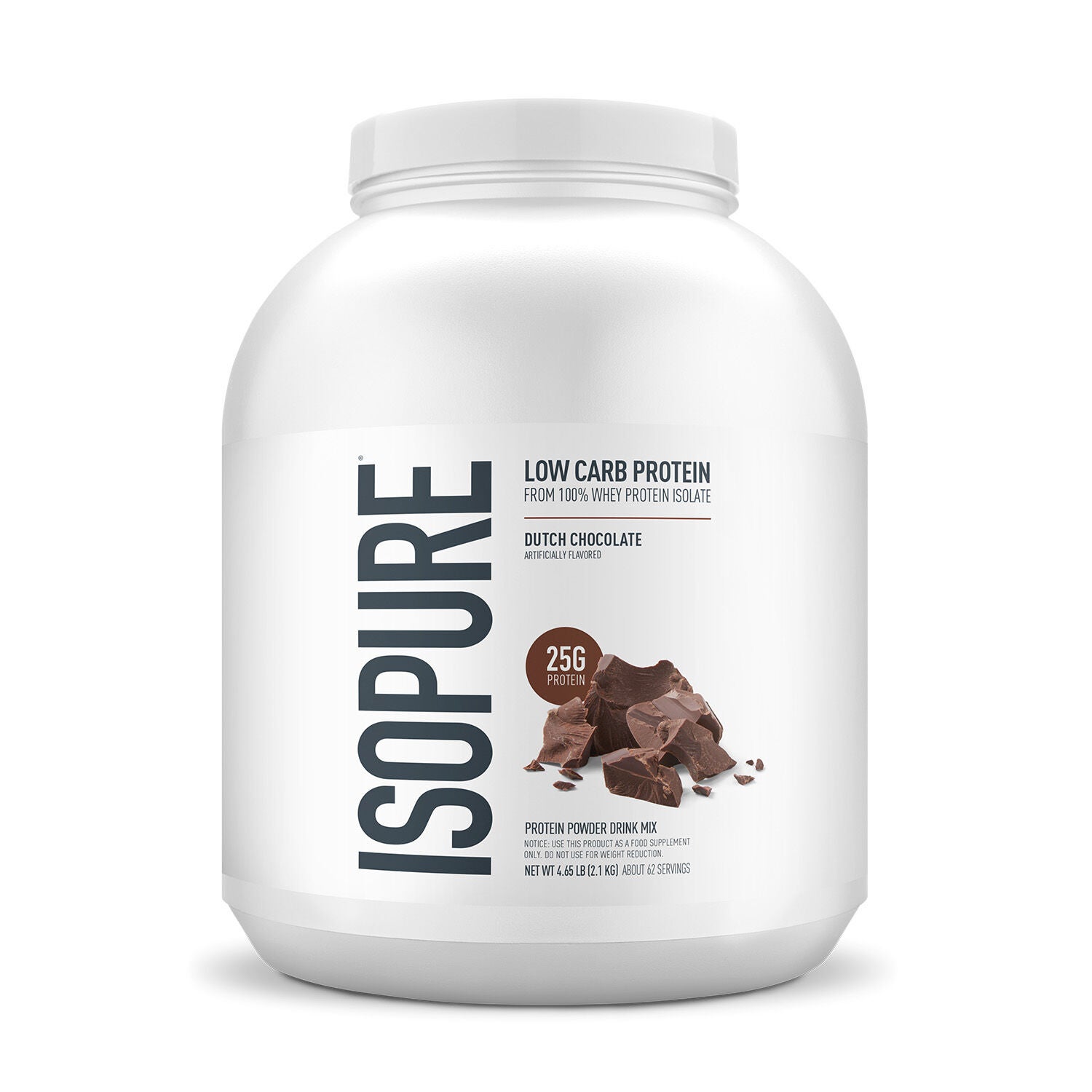
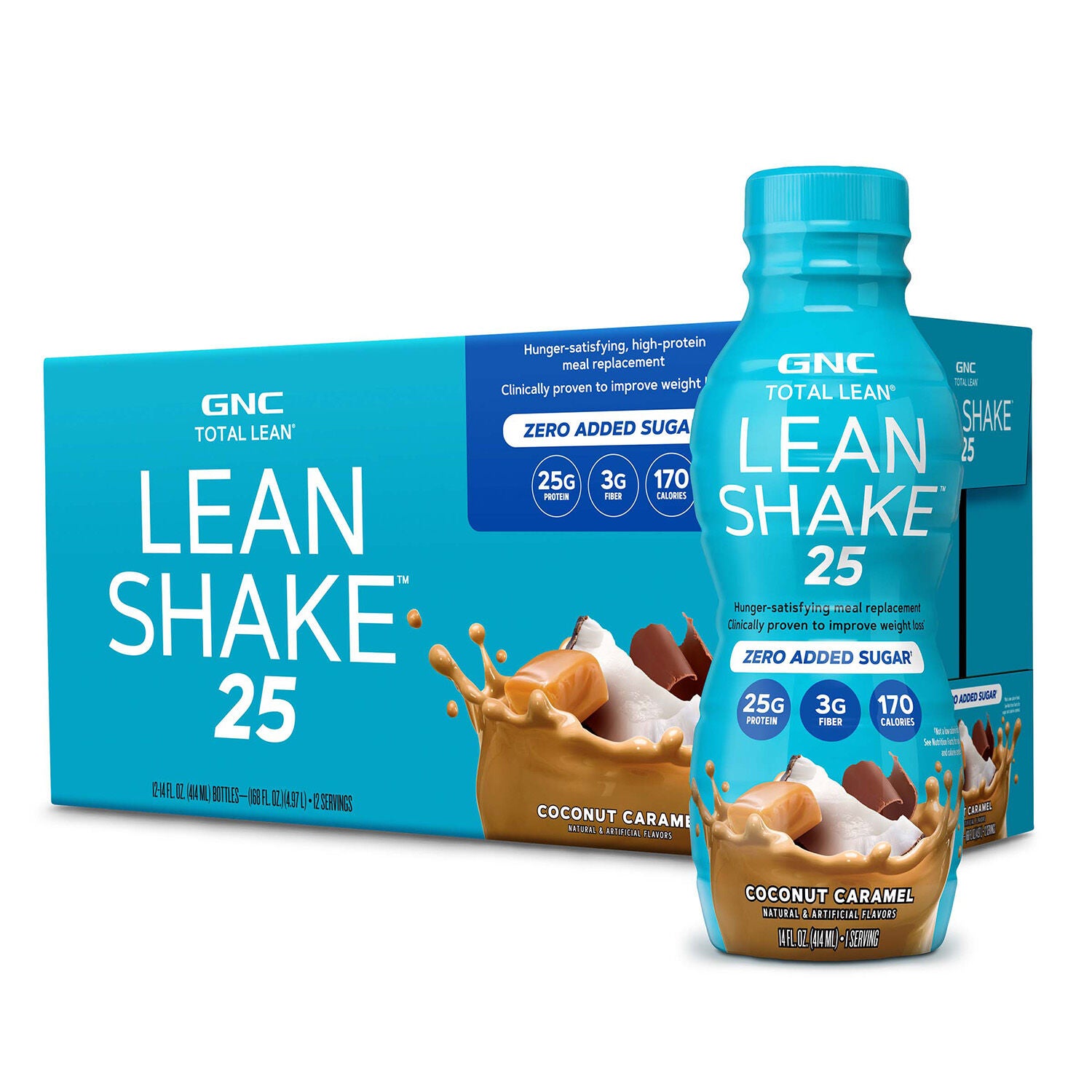
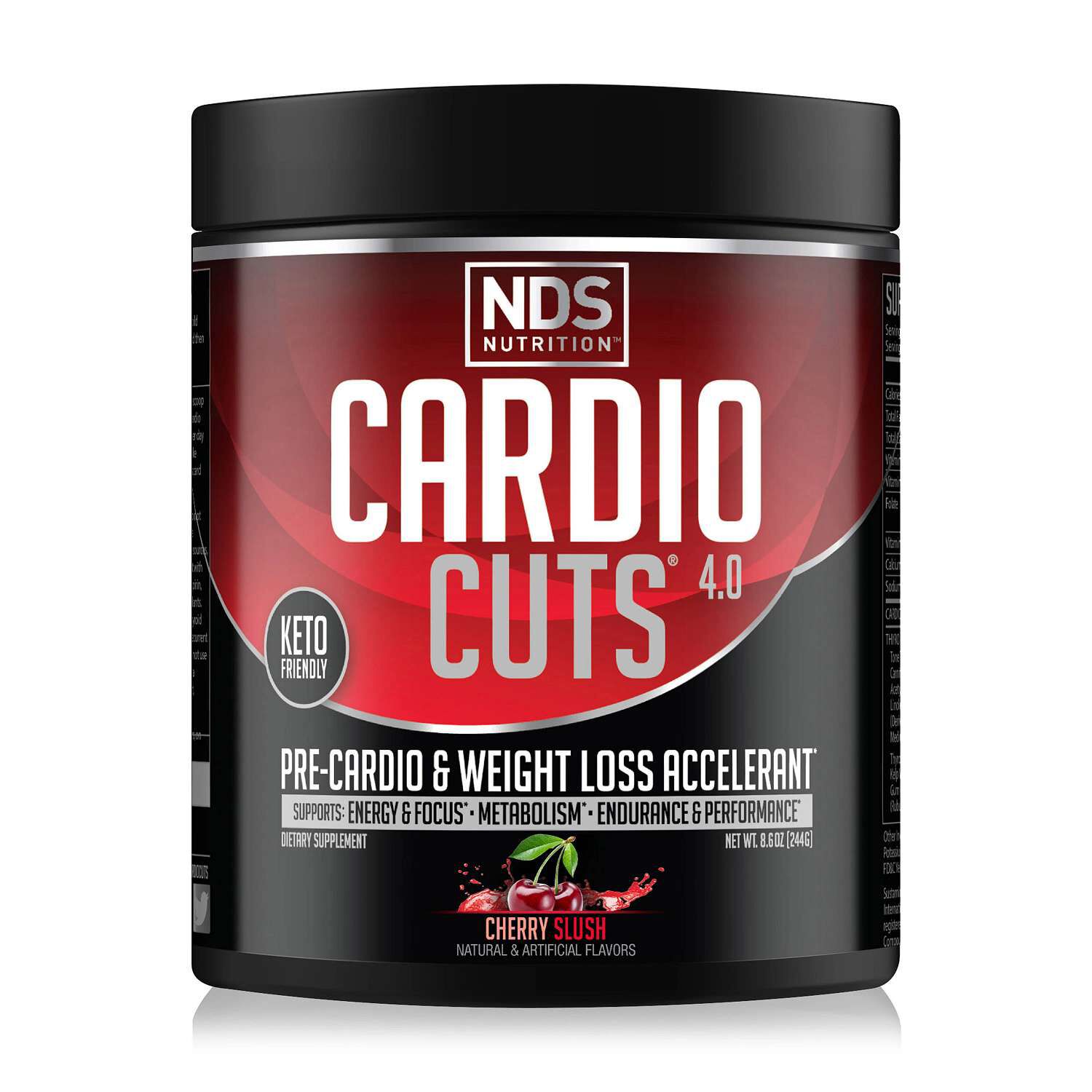
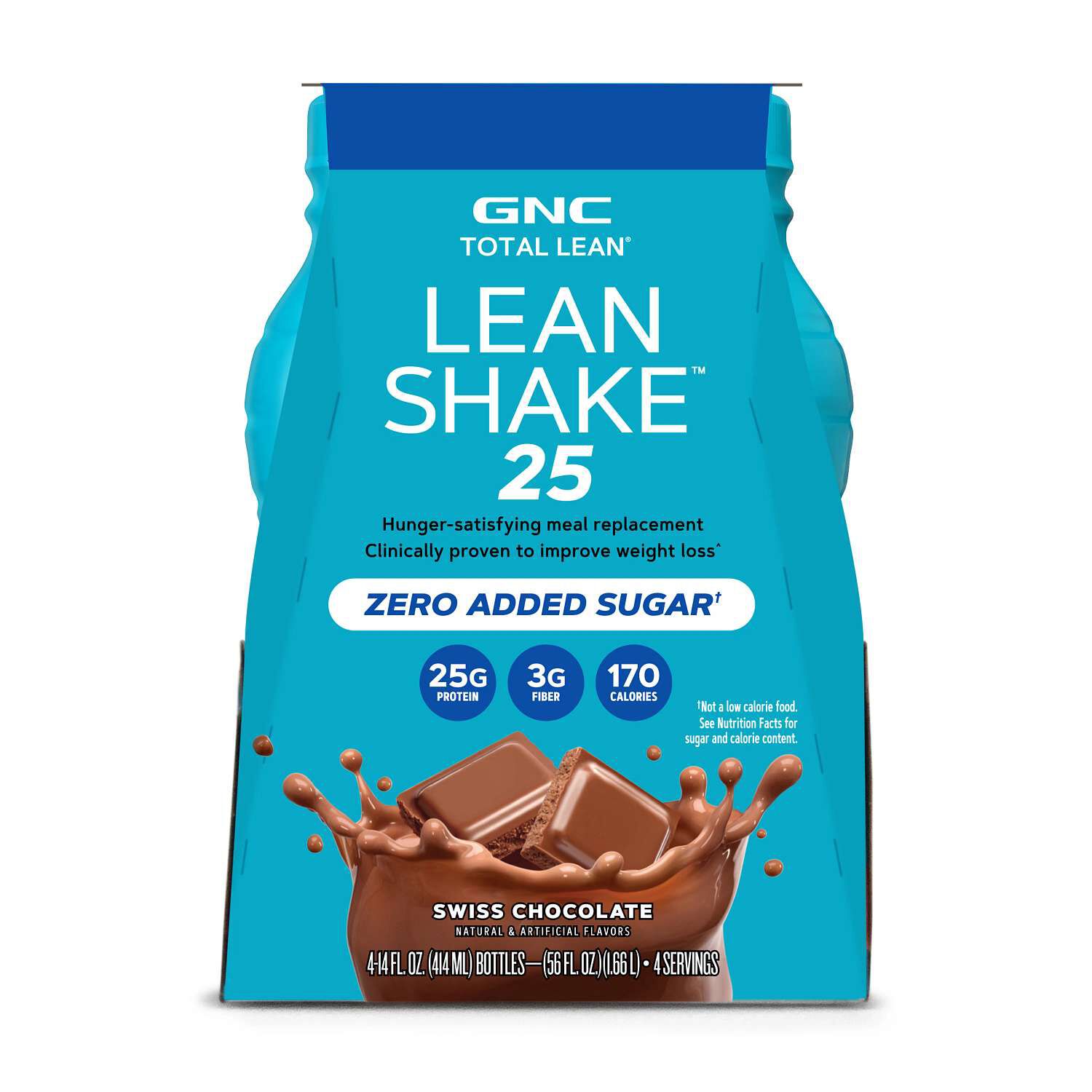
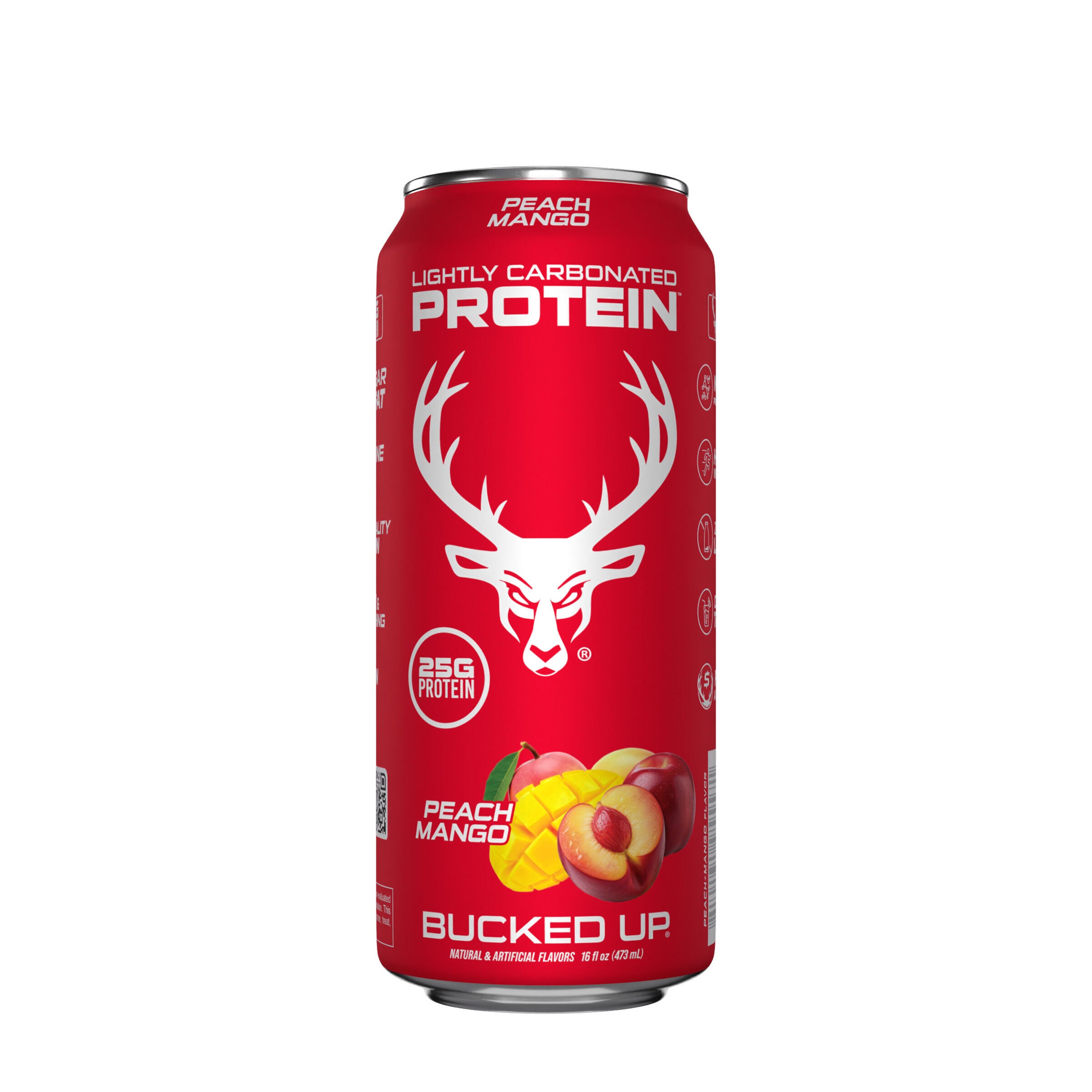
Low carb drinks include beverages with relatively small amounts of carbohydrate per serving, from plain water and unsweetened tea to certain protein shakes, electrolyte beverages, and flavored drink mixes. The category covers a wide range of tastes and textures: crisp sparkling water, smooth coffee, fruit-flavored powders mixed with water, and creamy shakes with chocolate or vanilla notes. Plain water contains no carbohydrates, while plain brewed coffee and unsweetened tea generally contain negligible amounts. Other beverages vary by recipe and serving size, making the Nutrition Facts panel a more useful comparison point than flavor names or front-label descriptions alone. A drink described as low sugar is not necessarily low in carbohydrates, since ingredients other than sugar can contribute to its carbohydrate content. Likewise, a low carb drink is not always a zero carb drink. Shoppers looking specifically for beverages labeled with zero grams of carbohydrate per serving can explore Zero Carb Drinks and compare the serving details. For everyday shopping, the distinction often comes down to what belongs in the routine: a simple beverage alongside lunch, a protein shake packed for a trip to the gym, or a flavored drink mixed at a desk. Someone who enjoys a rich, milkshake-style texture may prefer a different format from someone who wants a light, sparkling drink with dinner. Unsweetened does not always mean zero carbohydrate, either; a beverage can contain naturally occurring sugars without added sweeteners. Milk-based recipes, juice ingredients, and the liquid used to prepare a powder can all affect the finished drink. Low carbohydrate drinks are therefore best understood as a varied product category rather than one fixed formula. Their appeal is the ability to choose among familiar beverage styles while paying attention to carbohydrate grams, portion size, ingredients, and personal food preferences. A small bottle and a large shaker may look like similar single-drink portions, but their labeled servings can be quite different.
Ingredients and preparation explain much of the difference between low carb beverages. Ready-to-drink protein shakes may use milk-derived proteins such as whey or casein, while plant-based versions may contain pea, soy, or other protein sources. Those ingredients influence texture and flavor as well as the protein amount listed on the label. A dairy-based shake can have a creamy finish, while some plant-based formulas have a more noticeable earthy note or thicker consistency. Neither format automatically determines the carbohydrate content; the full recipe matters. Cocoa, fruit ingredients, milk components, thickeners, and sweeteners all deserve a place in the comparison. Stevia, monk fruit, sucralose, and sugar alcohols appear in some lower-carbohydrate recipes, and each creates a different sweetness profile. Some drinks taste closer to a lightly flavored water, while others have the pronounced sweetness of a dessert-style shake. For shoppers who prefer less sweetness, unsweetened options or powders prepared within the label’s suggested mixing range may be a better match. Electrolyte drinks and mixes form another part of the category, with formulas that can include sodium, potassium, or magnesium. Their mineral amounts vary, and the presence of electrolytes does not establish whether a drink is low carb. Coffee-based beverages and certain drink mixes may also contain caffeine, so the amount per serving is another useful detail when choosing between a morning beverage and something for later in the day. Protein grams, carbohydrate grams, calories, and ingredient lists describe different aspects of a drink; a high-protein label does not answer every question about its composition. Allergen information is particularly relevant for beverages containing milk, soy, or ingredients derived from nuts. For powders, the nutrition information may describe the dry serving rather than the prepared beverage. Mixing with water produces a different nutritional profile from mixing with milk or a plant-based beverage. Net carbohydrate figures, when shown, can reflect calculations that subtract certain ingredients, so comparing carbohydrate grams on the Nutrition Facts panels provides a consistent starting point.
Format matters just as much as flavor when low carb drinks become part of an ordinary day. A ready-to-drink bottle suits a packed lunch or a commute because it requires no measuring or mixing. A powdered drink mix gives shoppers more control over the amount prepared, with the serving directions providing the reference for portions. Individual packets fit into a work bag or gym bag, while larger containers suit a kitchen counter or a regular meal-preparation routine. Package dimensions and closure style can make a practical difference: a resealable bottle is convenient for taking small sips, while a can is generally intended to be enjoyed after opening. For beverages prepared in a shaker, a secure lid, an opening wide enough for the scoop, and an easy-to-clean interior are useful features. Carbonated beverages belong in containers intended for carbonation rather than sealed mixing shakers. Texture also deserves attention before settling on a format. Some powders blend readily with a quick shake, while others call for more mixing or a brief rest according to package directions. Changing the amount of liquid within the recommended range changes how concentrated the flavor tastes, but using the same portion of powder keeps its carbohydrate contribution the same. Storage instructions are equally important to the everyday fit of a beverage. Some unopened drinks are suitable for pantry storage, while others require refrigeration; opened containers may have different directions. Powder containers should remain tightly closed and stored as directed, with a clean, dry scoop used for each serving. Reusable bottles and shakers need washing after use, including lids, seals, and mixing pieces where residue can collect. These practical details matter for people packing drinks for the office, students carrying beverages between classes, and anyone organizing food and drinks around a busy schedule. A satisfying selection starts with a flavor and texture worth returning to, then pairs those preferences with clear serving information, suitable ingredients, and a format that fits the way the drink will actually be used.