Low Carb Shakes
(0 Results)
Looking to fuel your body with a delicious and nutritious low carb option? Look no further than our selection of low carb shakes! Packed with high-quality protein and essential nutrients, these shakes are perfect for anyone looking to maintain a healthy lifestyle while keeping their carb intake in check. Whether you're on-the-go or need a quick post-workout refuel, our low carb shakes are a convenient and tasty choice to support your wellness goals.
-
-
-

-
-

-
-
-
-

-

-
-

-
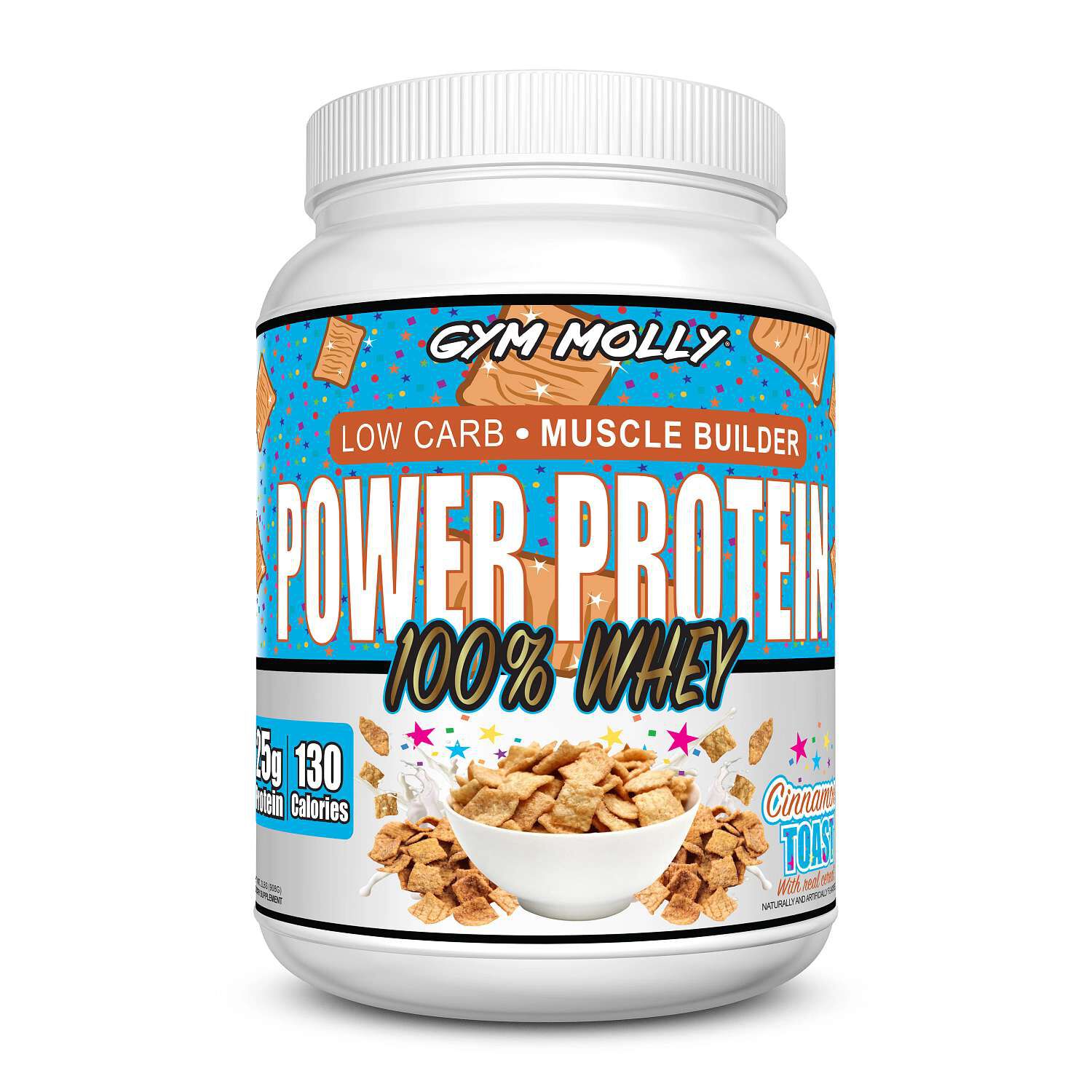 $54.99
-
 $54.99
-
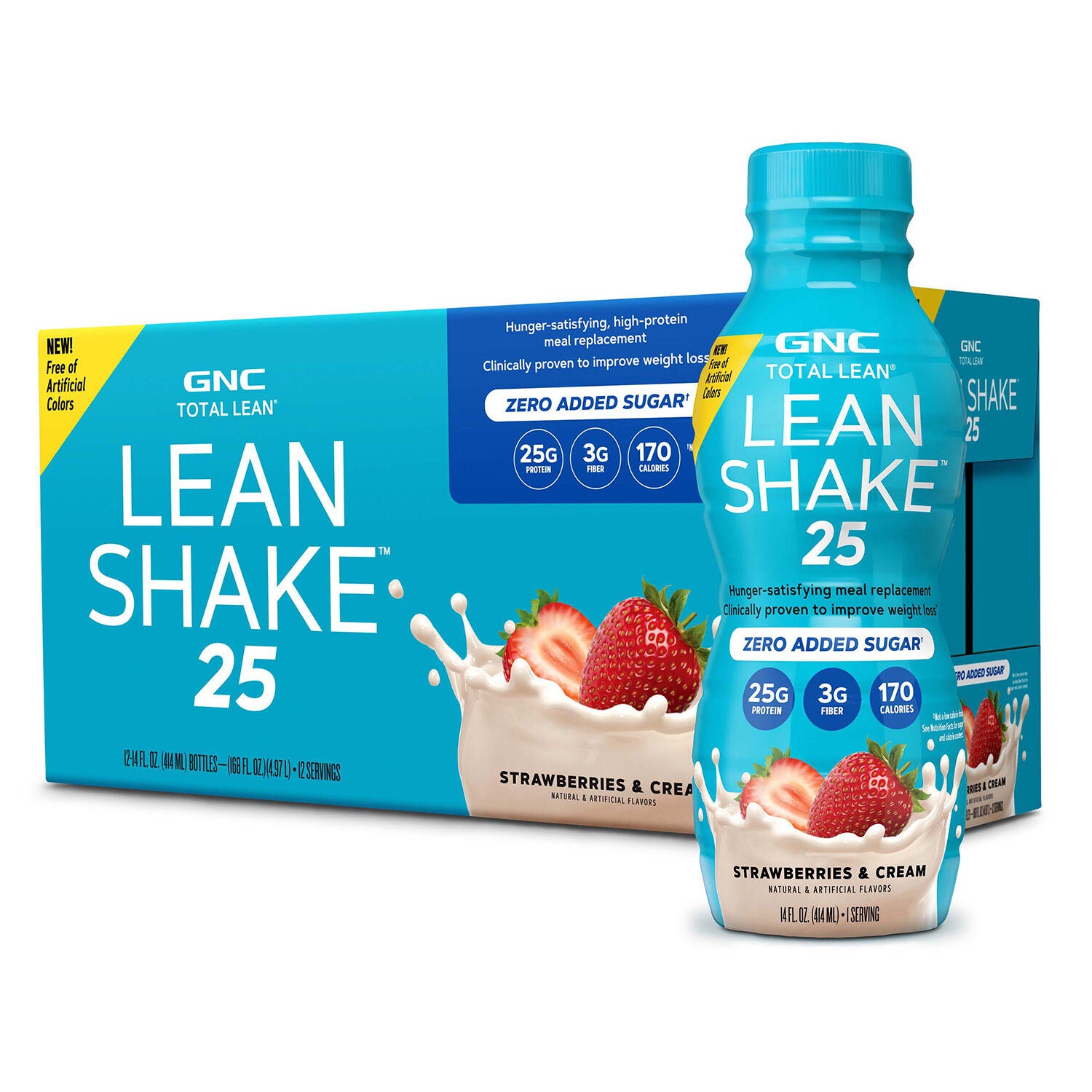
-
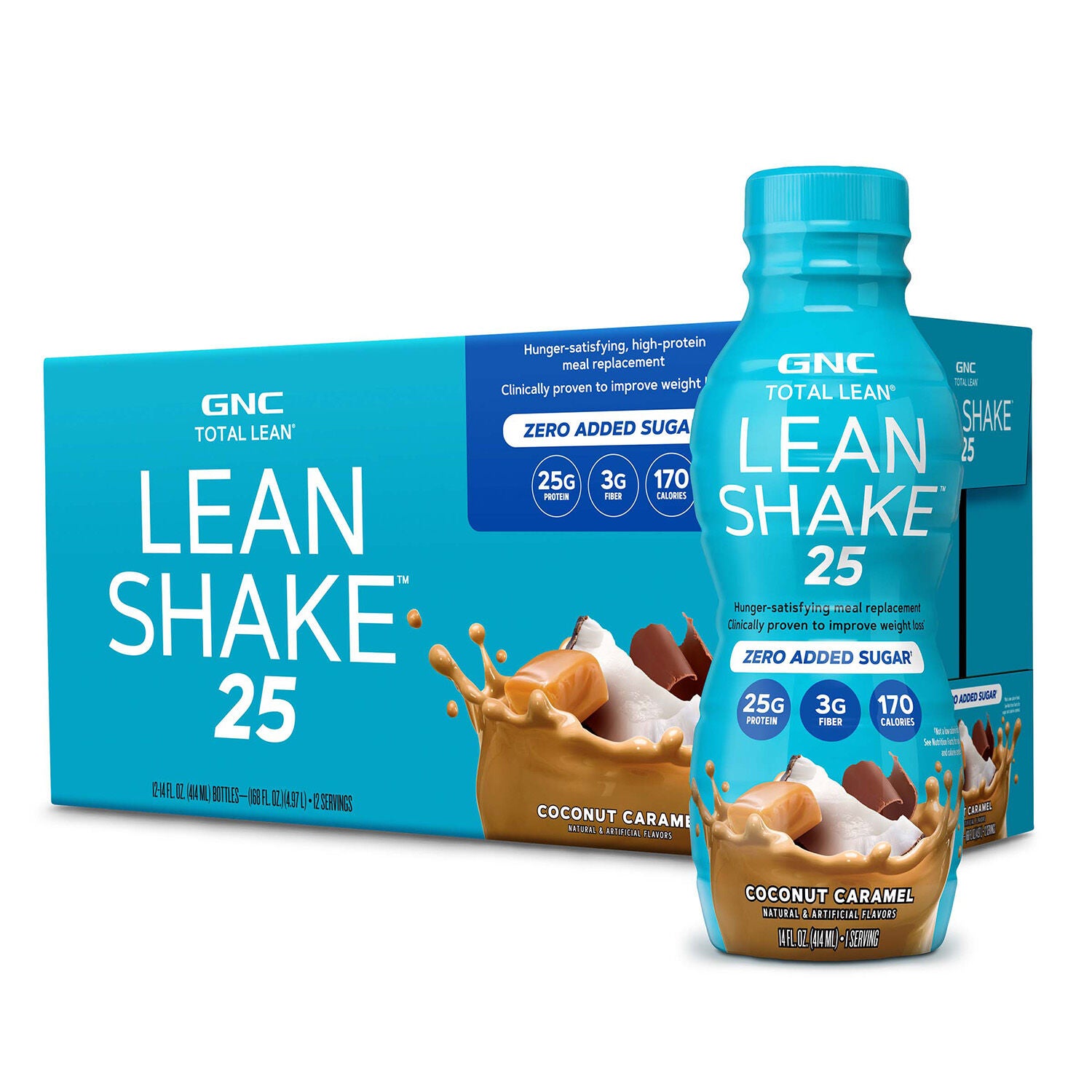
-
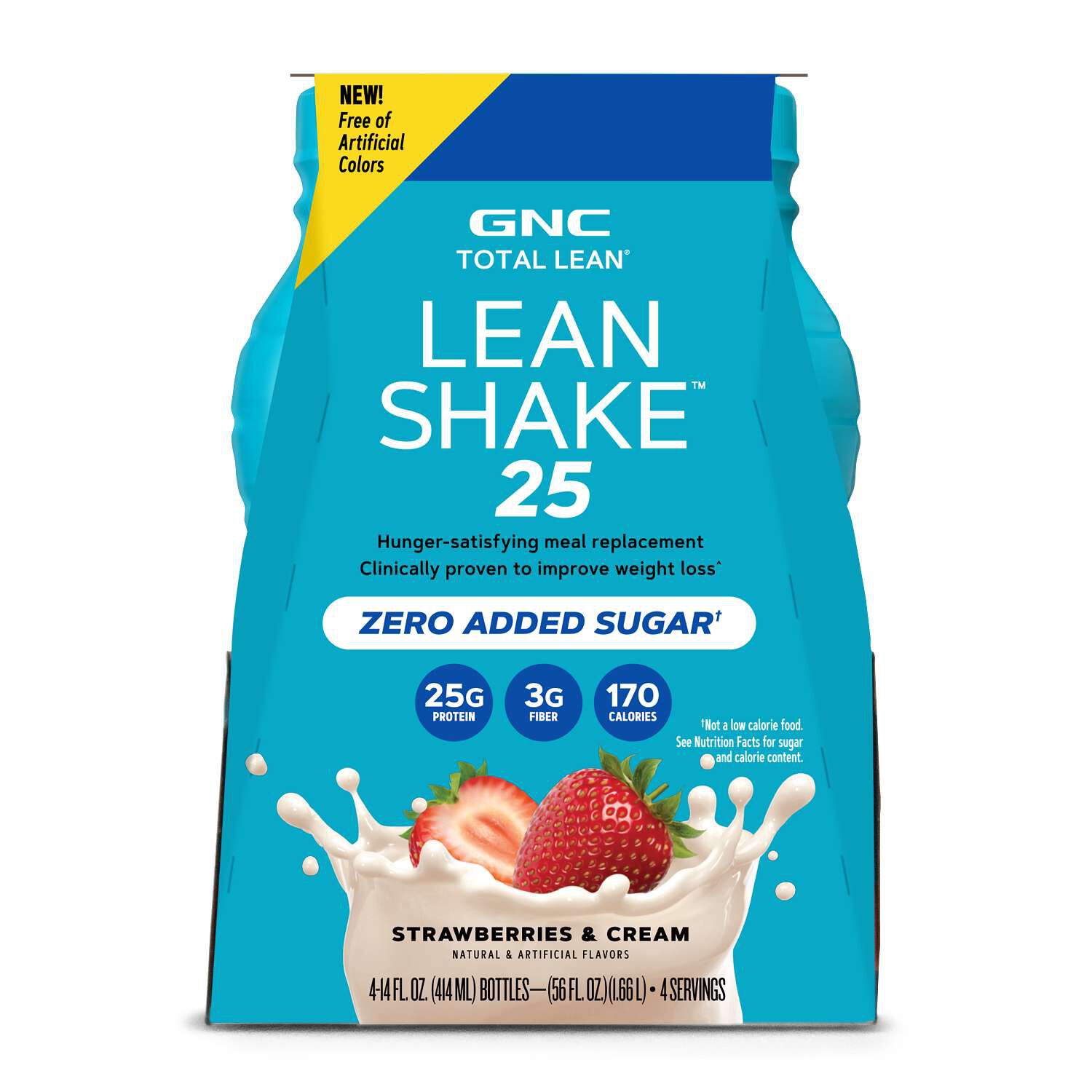
-
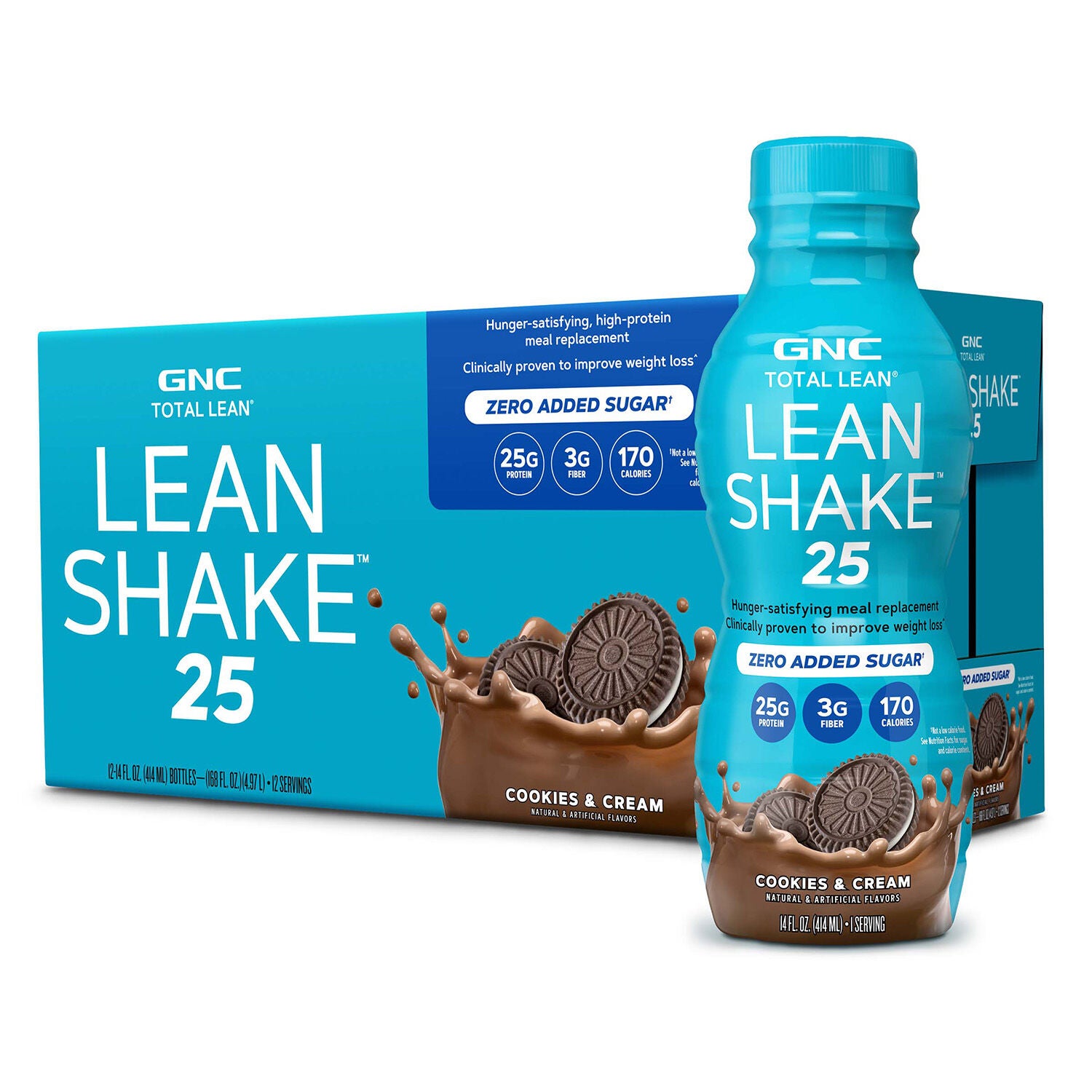
-

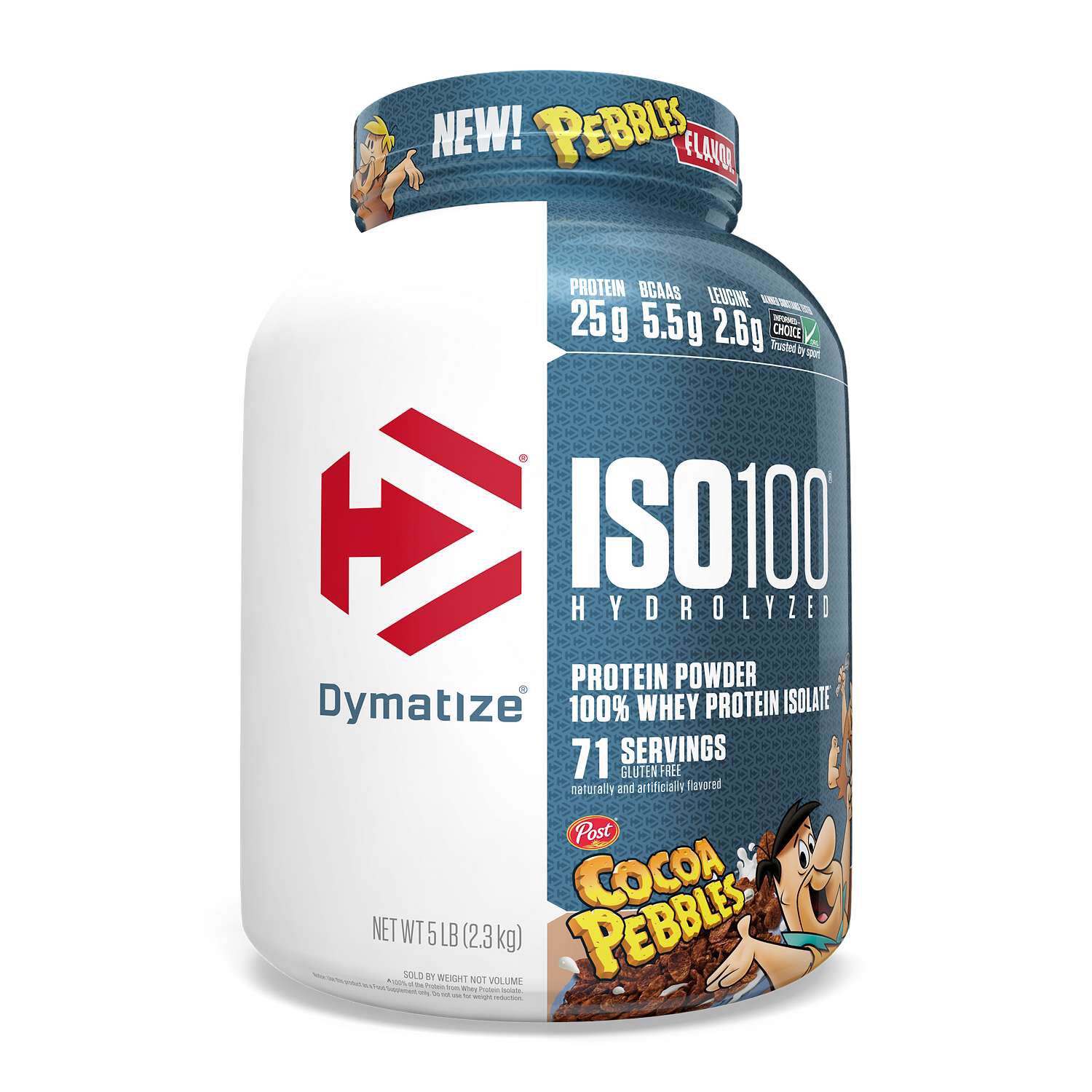
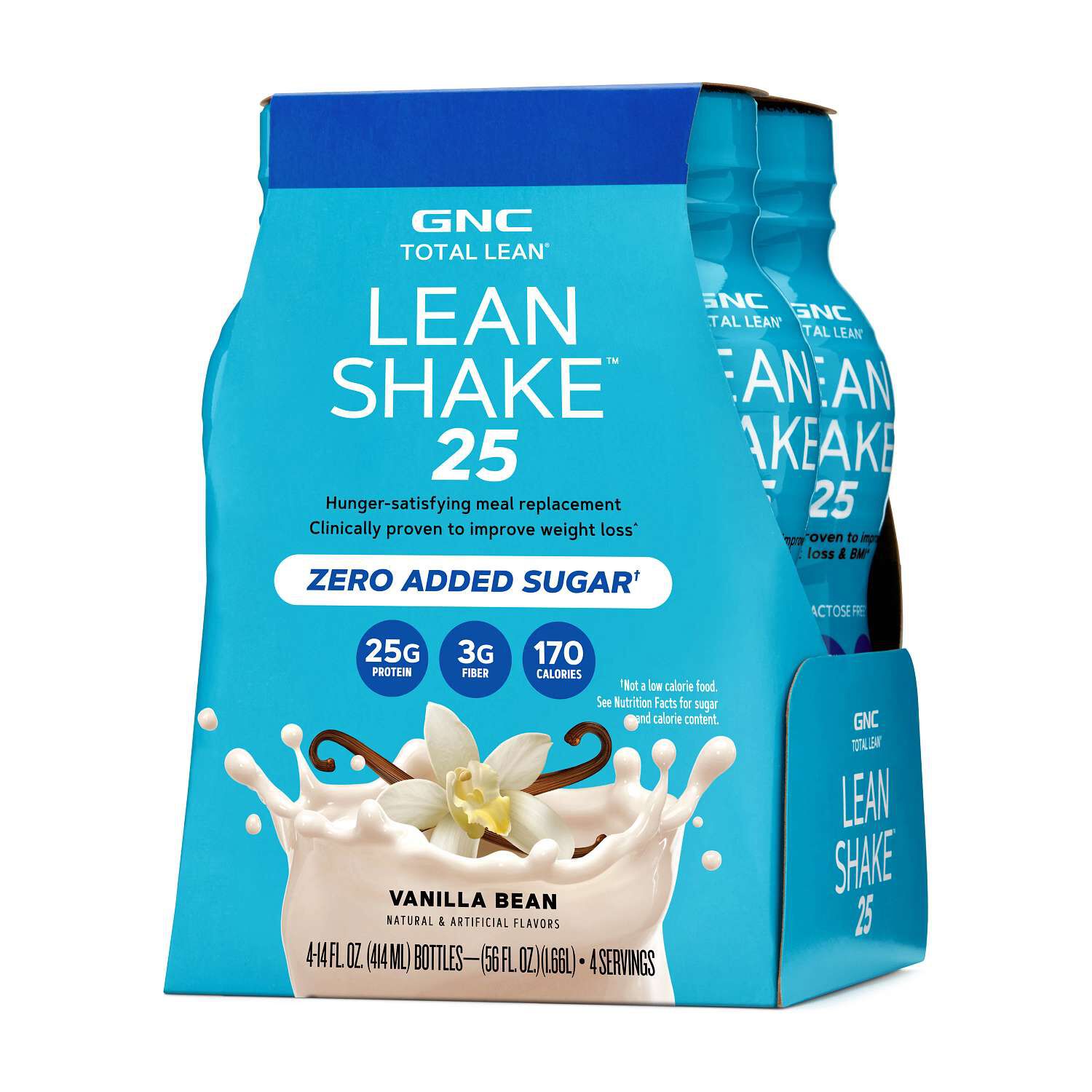
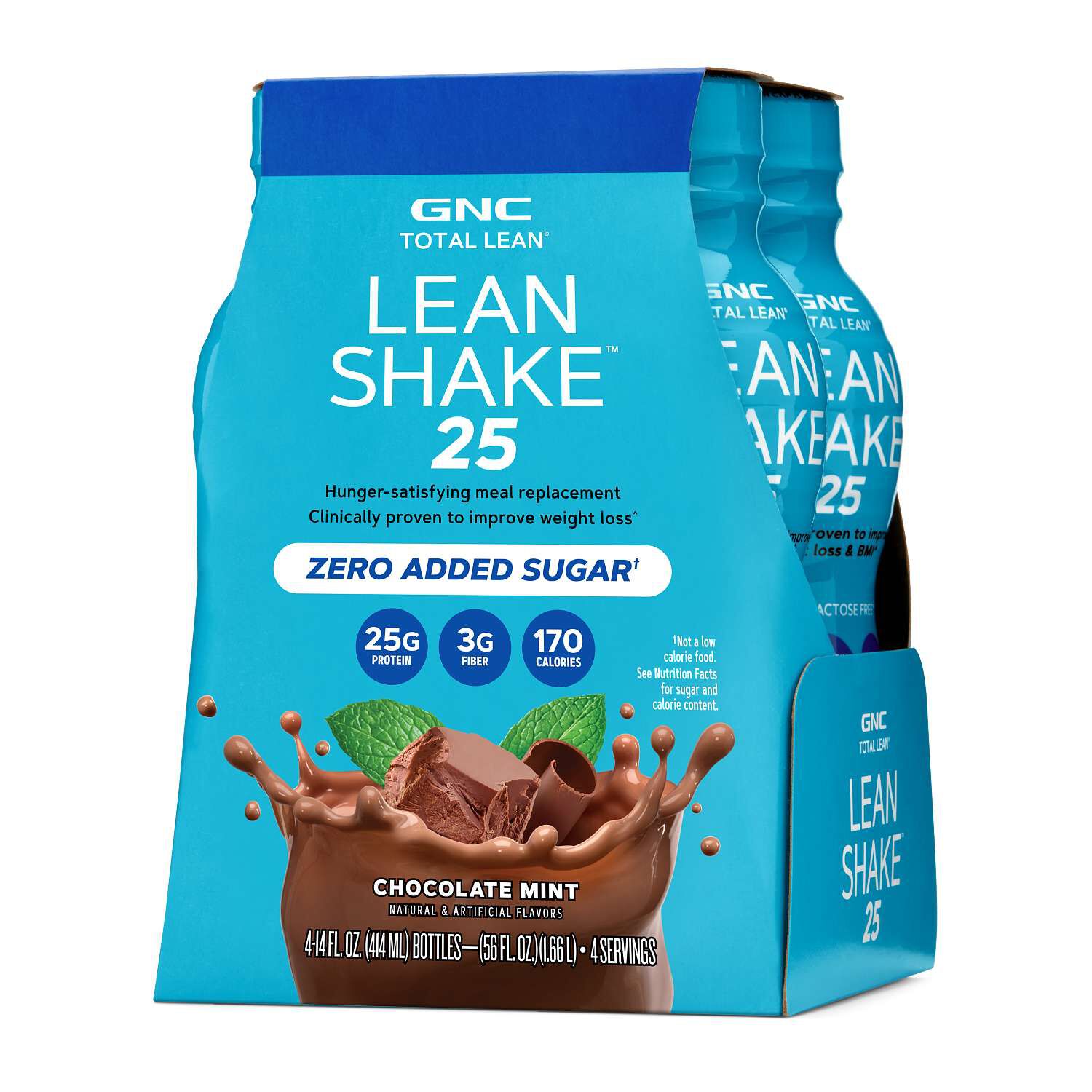
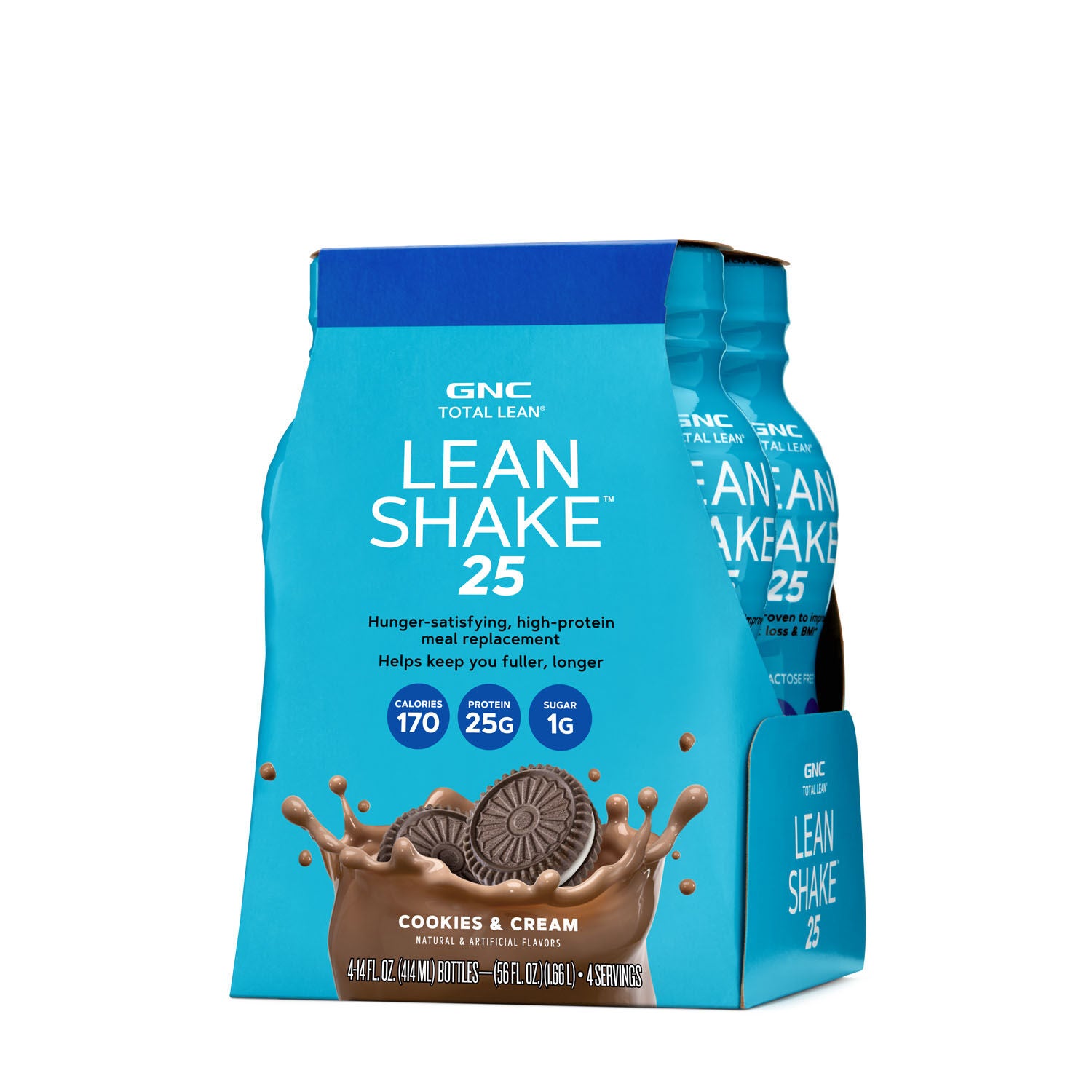
Low carb shakes are ready-to-drink beverages or drink mixes that emphasize lower carbohydrate amounts per serving, often with protein from dairy or plant sources. They come in familiar flavors such as chocolate, vanilla, and coffee, with options ranging from light, easy-sipping drinks to thicker, dessert-inspired blends. The category includes bottled shakes for straightforward preparation and powders for mixing individual servings. For someone following a lower-carbohydrate eating pattern, a shake may offer a convenient way to include protein in a busy day without choosing a drink built around added sugar. The phrase low carb does not identify one fixed carbohydrate amount across every formula, so the grams listed per serving matter more than the description on the front of the package. Serving size, protein content, calories, and added sugars all help distinguish one type of shake from another. A smaller bottle and a generously portioned powder serving are not necessarily equivalent, even when their flavors sound similar. Intended use matters, too: some shakes are designed primarily as protein beverages, while others are labeled as meal replacements and contain a broader assortment of nutrients. A protein shake is not automatically interchangeable with a meal replacement. Someone looking for a drink alongside breakfast may have different preferences from someone packing a protein option for the office or planning a shake after a workout. Ready-to-drink formats may suit a commute or a tightly scheduled afternoon, while powders may appeal to people who prefer to choose their liquid and adjust the consistency. These practical differences make low carb shakes a varied category rather than a single style of drink. The most relevant comparison starts with how the shake is meant to be used, followed by the nutrition details and ingredients that match that purpose. Flavor preferences and preparation habits also have a place in that comparison, especially for a drink intended to become part of a regular routine.
Protein source is one of the clearest distinctions among low carb shakes. Dairy-based formulas often use whey, casein, or milk protein, while plant-based versions may contain pea, soy, rice, or a blend of proteins. These ingredients have different flavor and texture characteristics, and the rest of the formula matters just as much as the protein source. Cocoa, vanilla, oils, fiber, sweeteners, and ingredients used for texture all contribute to the finished drink. A chocolate shake with a rich, pudding-like consistency is a different experience from a lighter vanilla blend stirred into water. Ingredient lists offer more detail than flavor names alone, particularly for shoppers with dietary preferences or ingredients they choose to avoid. Milk and soy allergen statements deserve attention, and a plant-based description does not mean every formula has the same ingredients or manufacturing information. Sweetness is another useful point of comparison. A shake with little added sugar may still taste quite sweet because of ingredients such as stevia, monk fruit, sucralose, or sugar alcohols. The amount of sugar is therefore only part of the flavor picture. Carbohydrate information also calls for a closer look when a package displays net carbs. That number may subtract fiber and certain sugar alcohols from the listed carbohydrate amount, and calculation methods differ. Comparing the Nutrition Facts panels alongside those front-label figures gives a clearer view of the serving being considered. Calories and fat content vary as well; a low carb description does not automatically mean a drink is lower in calories than another option. For powders, the nutrition information may refer to the dry serving or to a shake prepared with a specified liquid. Water, dairy milk, and plant-based beverages create different finished drinks, with different carbohydrate and calorie amounts. Even a small addition, such as a spoonful of nut butter or a portion of fruit, changes the nutrition of the prepared shake. The relevant numbers are those for the portion and preparation actually being enjoyed.
Everyday use brings another set of differences into focus. A ready-to-drink shake requires no measuring, making it a practical format for a desk drawer, lunch bag, or gym bag when stored according to its label. Some unopened beverages are shelf-stable, while others require refrigeration; directions for storage after opening matter in either case. Packaging also shapes the experience, from a resealable bottle suited to sipping over a short break to a carton intended for one serving. Powders involve a little more preparation but offer flexibility in portioning and mixing. A scoop measure, the recommended liquid amount, and a shaker bottle or blender are the basic details behind a consistent serving. Scoops differ between formulas, so a scoop from another container is not necessarily the same measure. Following the package’s mixing directions provides a useful starting point before adjusting the liquid for personal preference. More liquid may create a thinner texture, while less may produce a denser shake. A blender may help incorporate ice or other ingredients, although additions change both the flavor and the nutrition profile. For powders, a tightly closed container and dry measuring utensil are sensible parts of routine storage; the package provides the relevant directions and use-by information. Taste remains personal, and familiar flavor families offer a straightforward place to begin. Vanilla may suit someone who likes a simple base, while cocoa-forward flavors may appeal to someone who prefers a more pronounced taste. For a wider view of beverages in this category, Low Carb Drinks brings related drink options into the comparison. Within low carb shakes, the meaningful distinctions remain the carbohydrate amount, protein source, serving size, texture, and preparation format. A bottle for a workday bag and a powder kept beside a home blender serve different routines. Those ordinary details are often what separate an appealing flavor description from a shake that fits comfortably into daily use.