





Chocolate Protein Shakes For Low Carb Diets
(0 Results)
Chocolate protein shakes for low carb diets offer a delicious way to support your nutrition goals while keeping carb intake in check. With rich chocolate flavor and convenient, ready-to-mix options, these shakes may fit seamlessly into a variety of meal plans. Whether you're looking to fuel your day or find a satisfying snack, chocolate protein shakes for low carb diets could be a tasty addition to your routine. Explore options that may help you enjoy the taste you love while supporting your dietary preferences.
-

-
-

-
-

-
-

-

-
-
-
-
-

-
 Axe & Sledge Supplements131$59.99
-

-

-
-

-
 $54.99
-
 $69.99
-
-
-
-

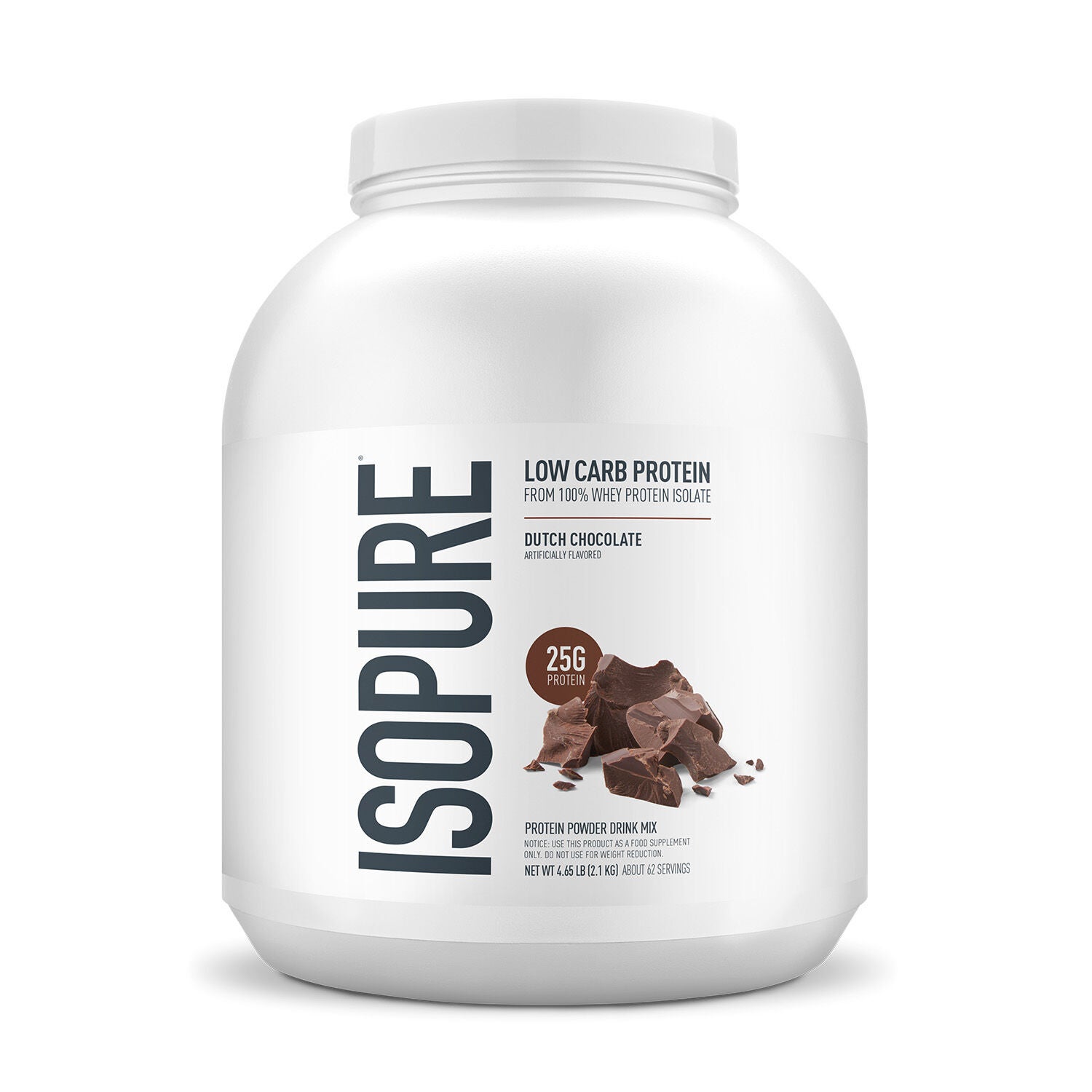
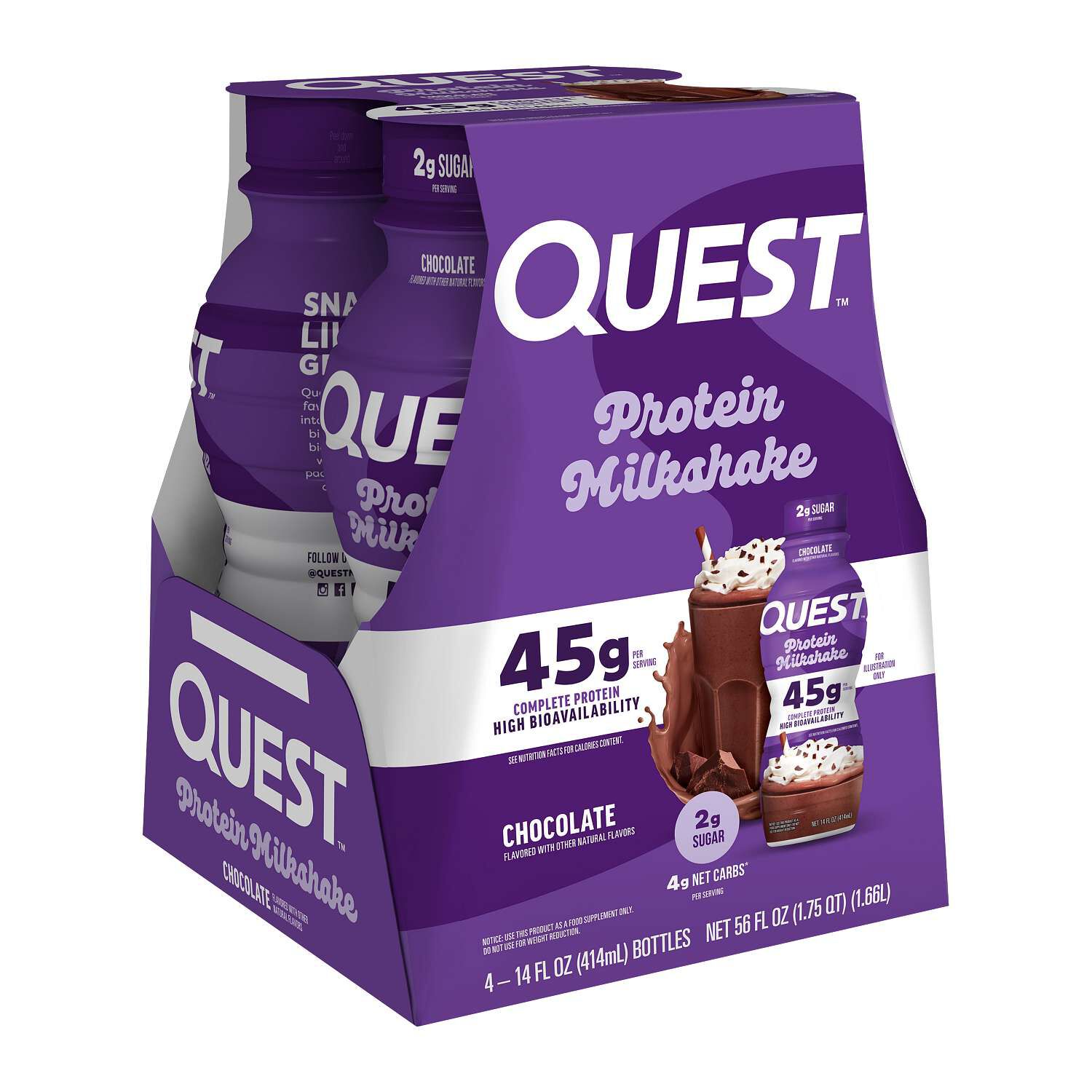
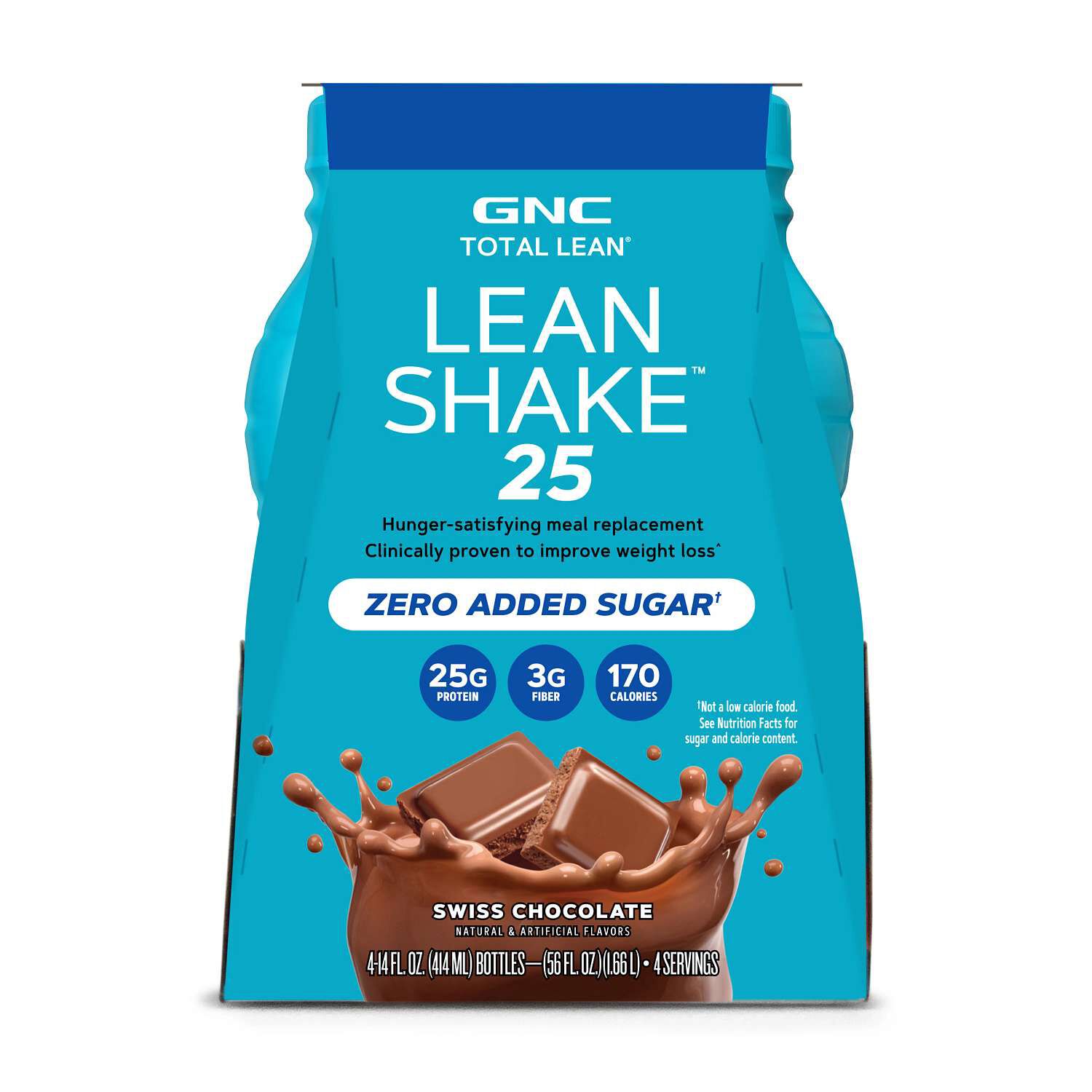
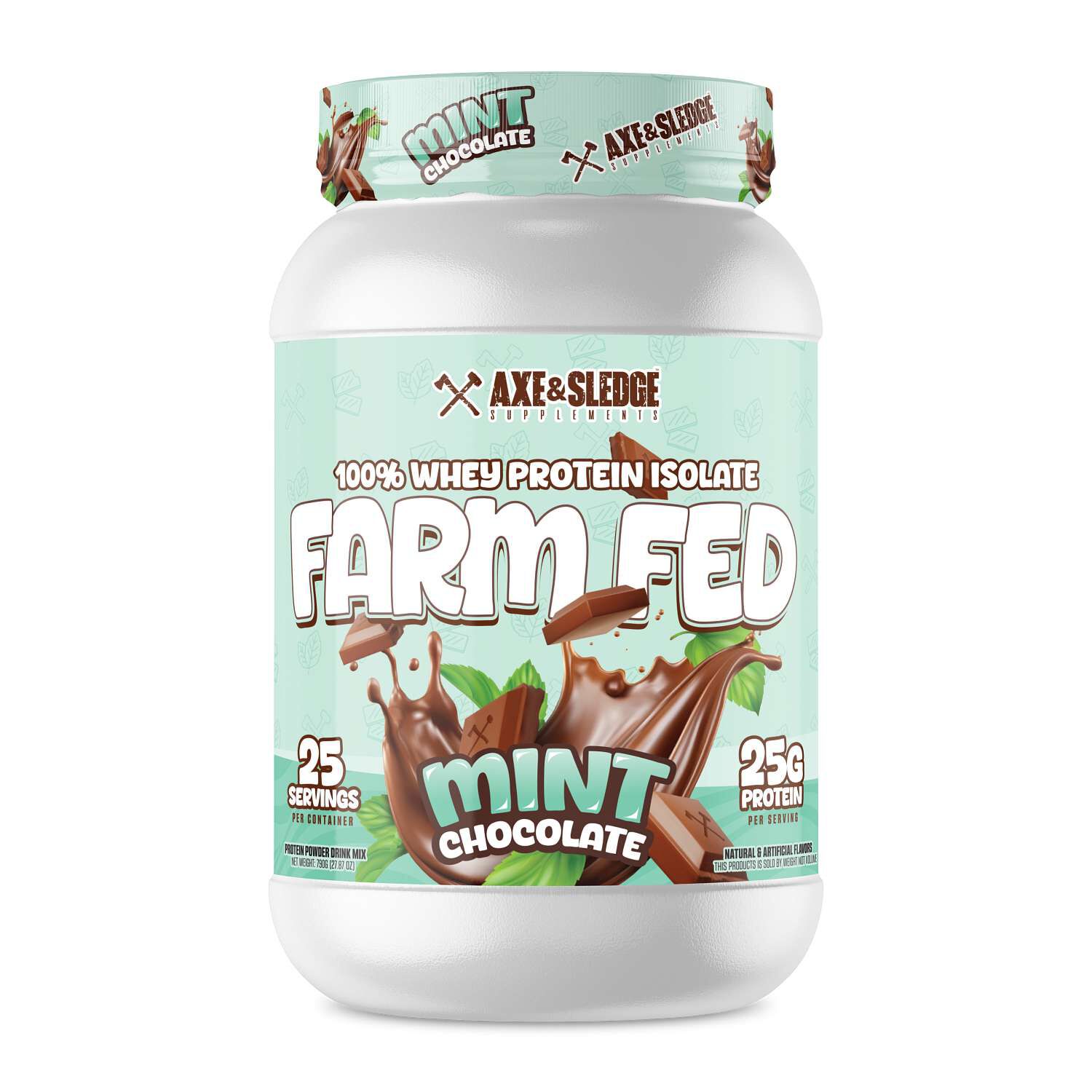
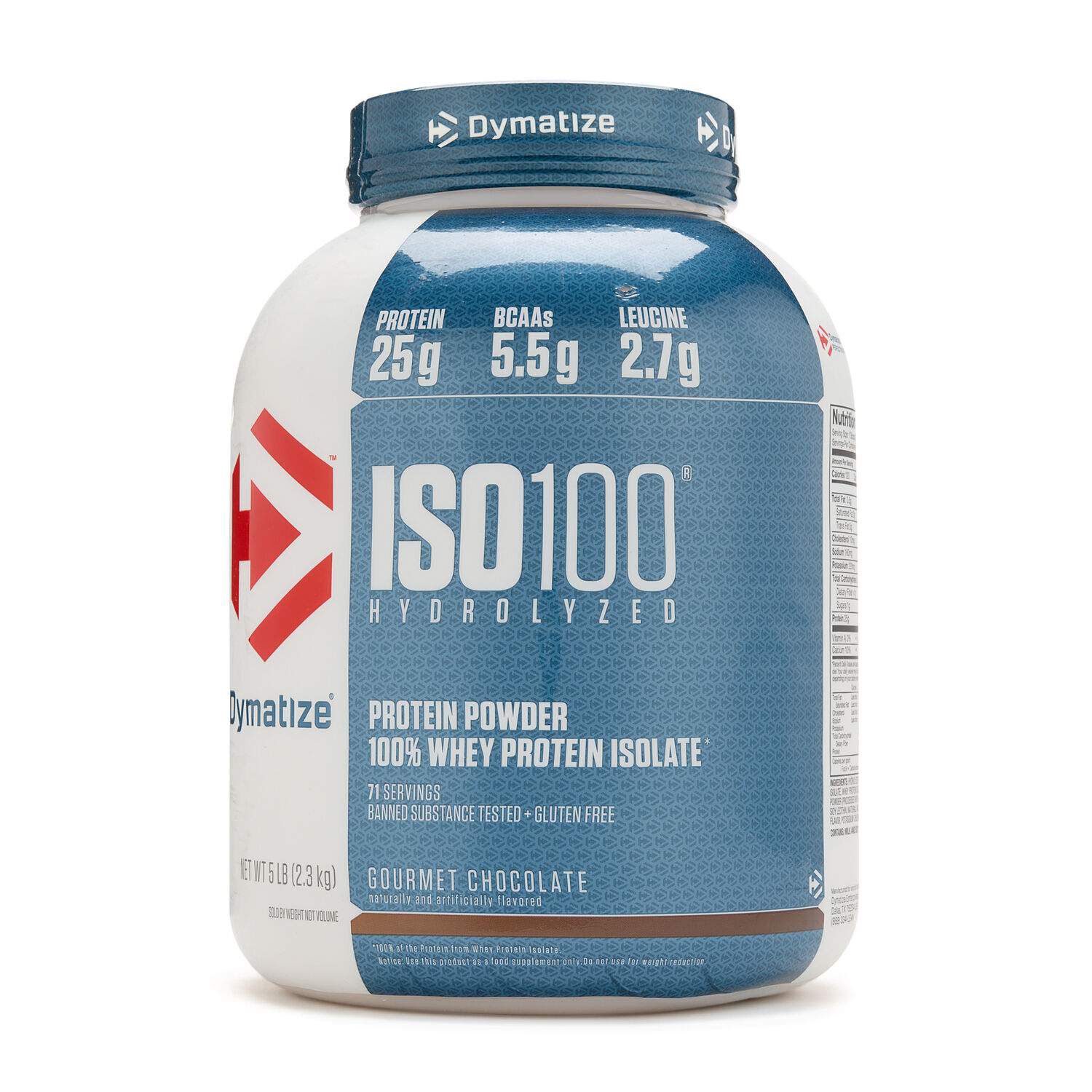
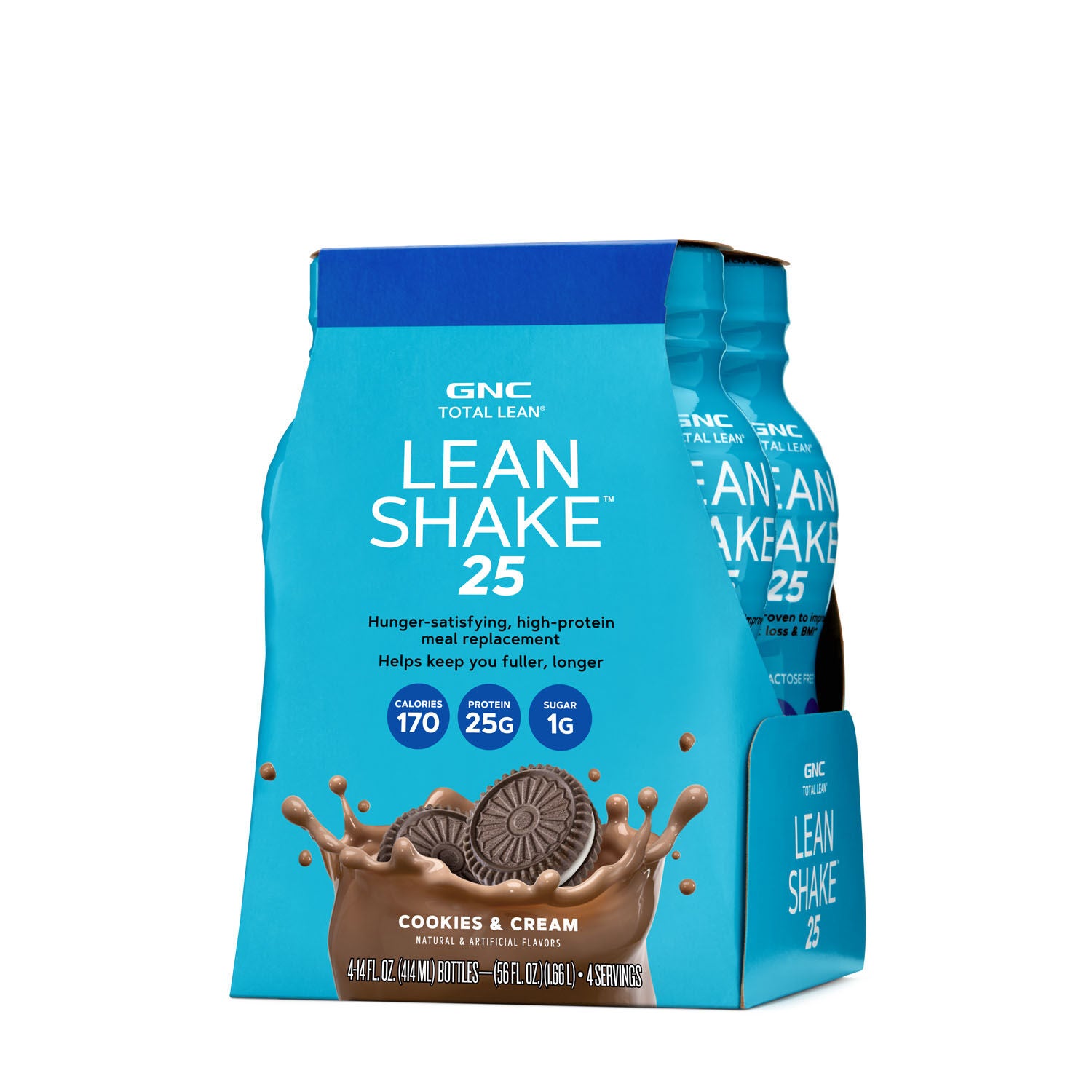
Chocolate protein shakes for low carb diets include ready-to-drink beverages and powders made with whey, milk protein, or plant proteins. The main comparison points are carbohydrate grams per serving, protein grams, serving size, ingredients, and preparation directions. Chocolate flavor alone says little about a shake’s carbohydrate content: cocoa, sweeteners, added ingredients, and the liquid used for mixing all contribute to the finished recipe. A low-sugar description is not the same as a low-carbohydrate description, since sugars are only one part of the carbohydrate information on a nutrition label. Likewise, a prominent protein number does not describe the rest of the formula. For shoppers following a lower-carbohydrate eating pattern, the prepared serving is the meaningful point of comparison. A powder mixed with water has a different nutritional profile from the same powder blended with milk, fruit, or nut butter. Ready-to-drink formats have their nutrition information tied to a stated serving, though a bottle and a serving are not necessarily identical. Checking that detail makes comparisons between bottles and powders more consistent. Net carbohydrate figures also deserve context because calculation methods may differ; the carbohydrate, dietary fiber, and sugar alcohol entries provide additional information beyond a front-label number. Suitability for a low-carb or ketogenic eating pattern depends on the serving and the shopper’s own food preferences and carbohydrate targets, rather than a chocolate flavor name alone. A bottle intended for a quick afternoon break and a powder intended for a carefully measured kitchen recipe serve different routines, even when both feature chocolate. The most relevant choice brings together a suitable carbohydrate amount, a preferred protein source, an appealing flavor profile, and a format that fits the way the shake will actually be prepared and enjoyed.
Protein source and flavor style give this category much of its variety. Whey isolate, whey concentrate, casein, and milk protein blends have distinct compositions, and the ingredient list provides more detail than the word “protein” on its own. Plant-based formulas may feature pea, soy, rice, or combinations of plant proteins. Neither a dairy-based nor a plant-based description establishes a particular carbohydrate amount, so the nutrition panel remains useful across both groups. Shoppers with ingredient preferences also have reasons to review milk and soy declarations, sweetener names, and any added oils or fibers. Cocoa offers another point of distinction. Some formulas lean toward a dark cocoa character, while others resemble milk chocolate, chocolate malt, or a sweeter dessert-style drink. Sweeteners vary, too, and a preferred sweetness in one beverage may taste different alongside a more pronounced cocoa note. Texture is another practical consideration: certain protein blends and added ingredients may produce a thicker consistency, while other recipes may feel lighter when prepared according to the package directions. Powders offer room to adjust the amount of liquid within the suggested preparation method. Less liquid may create a denser shake, while more liquid may make the drink thinner without changing the amount of powder used. The nutritional difference comes from what that extra liquid contains. Water adds no carbohydrate, while milk and plant-based beverages have their own nutrition information. Even beverages described as unsweetened vary in carbohydrate content, making the carton label relevant to the finished shake. A simple cocoa-forward powder mixed with water is a different experience from a chocolate blend prepared with an unsweetened almond beverage and ice. Neither preparation needs a long ingredient list, but each has its own flavor, consistency, and preparation requirements. These details are useful for shoppers who enjoy chocolate regularly and want a shake that suits their preferences beyond the numbers on the label.
Comparing chocolate protein shakes also means considering the everyday setting in which they will be used. Ready-to-drink bottles suit routines where measuring and mixing are inconvenient, such as a desk break, a commute, or time away from a kitchen. Powders suit shoppers who prefer to choose their mixing liquid, adjust consistency, or prepare a shake at home before heading out. A single-serving packet has different packing considerations from a larger powder container, while a resealable bottle has different handling needs from a drink poured into a glass. Storage directions matter for each format. Some packaged beverages are shelf-stable before opening, while others require refrigeration, and opened containers have their own handling instructions. Powder packaging generally includes directions for storage and serving measurement; keeping the container closed and the scoop clean and dry is part of routine care. For mixing, the stated serving weight is a more precise reference than the appearance of a loosely filled or heaped scoop. Some powders are intended for a shaker bottle, while others include blender preparation directions. Following those directions may help produce a more consistent drink from one serving to the next. The rest of the recipe deserves the same attention as the powder itself. Banana, oats, flavored yogurt, syrups, and sweetened beverages each contribute their own carbohydrate amounts, so a short recipe is often simpler to compare with a shopper’s preferences. Nut butters, cocoa powder, and other additions also have serving sizes worth accounting for rather than treating them as incidental. Someone looking for a straightforward chocolate drink may prefer a formula that needs only one mixing liquid; someone who enjoys experimenting with texture may prefer a powder suited to several preparations. For households with different tastes, individually prepared servings allow each person to choose their own liquid and consistency. Across these routines, the useful distinctions remain concrete: what is in the shake, how much constitutes a serving, how it is prepared, and whether its chocolate flavor and format make sense for regular use.
Best Sellers

Related Pages

Top Collections
- Joint Mobility Supplement Packs
- Zinc Supplements | Top Brands at Great Prices | GNC
- Supplements For Yoga Joint Flexibility
- Supplements For Balance
- Capsule Supplements For Energy And Stamina
- Iron Supplements
- Supplements For Anxiety Relief Support
- Vitamins For Hair Loss
- Cortisol Supplements
- Adult Mobility Supplements