





Low Sugar Mass Gainers
(0 Results)
Looking to bulk up without the extra sugar? Low sugar mass gainers could be the perfect solution for those aiming to increase muscle mass while keeping sugar intake in check. These supplements might provide the necessary calories and nutrients to support your fitness goals, all while maintaining a lower sugar content compared to traditional mass gainers. Ideal for athletes and fitness enthusiasts, low sugar mass gainers may help you achieve your desired physique without compromising on health. Explore a range of options designed to fuel your body and support muscle growth with minimal sugar.

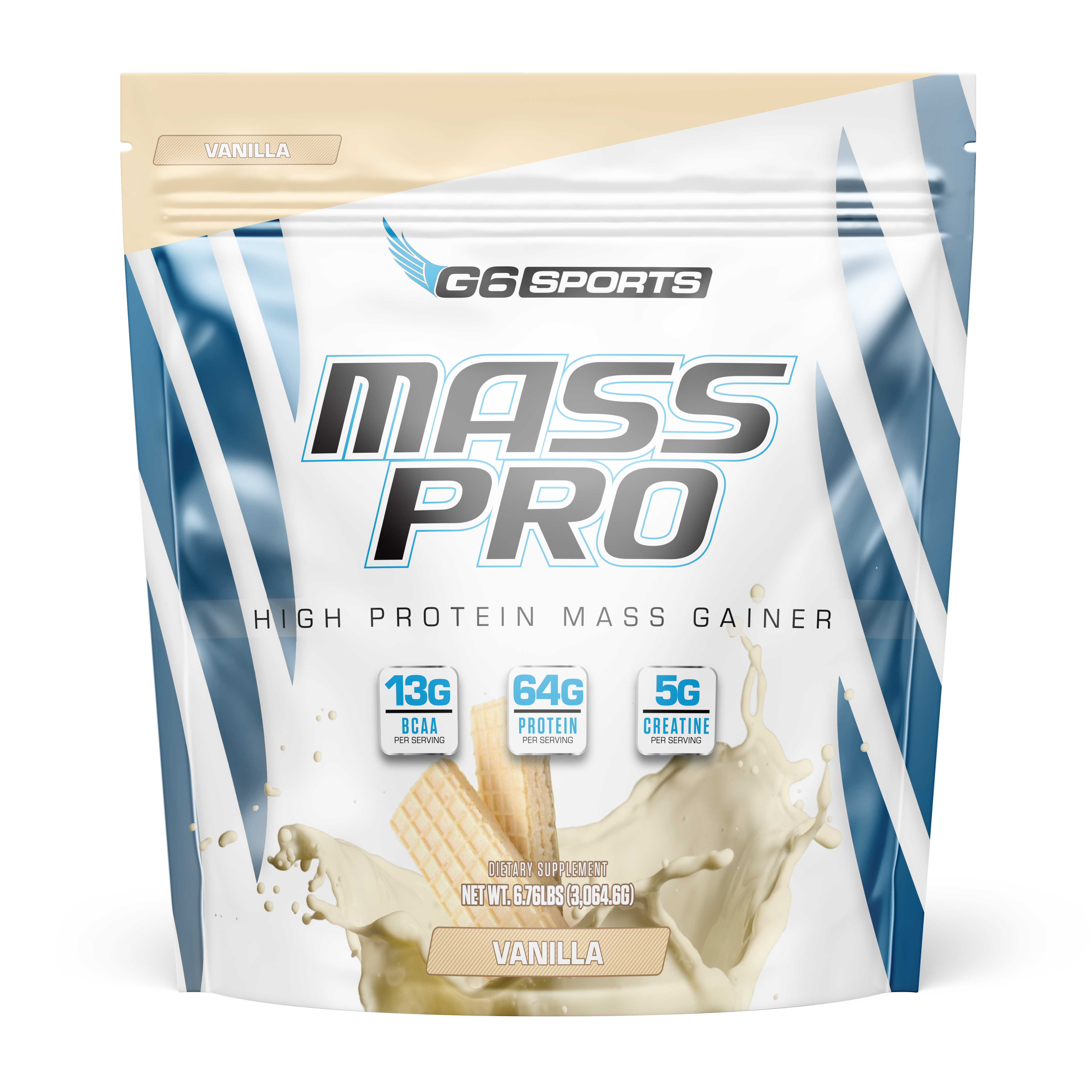
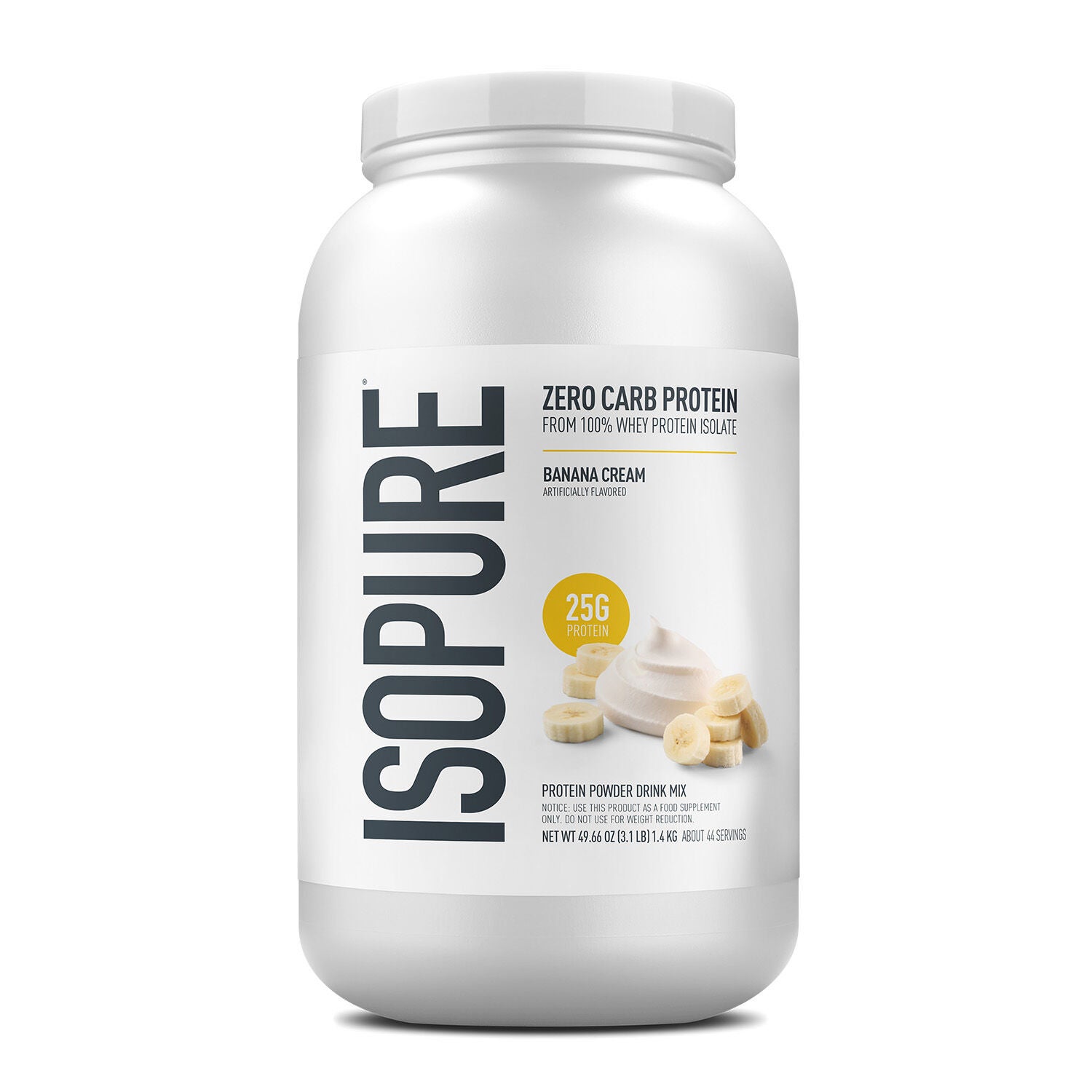

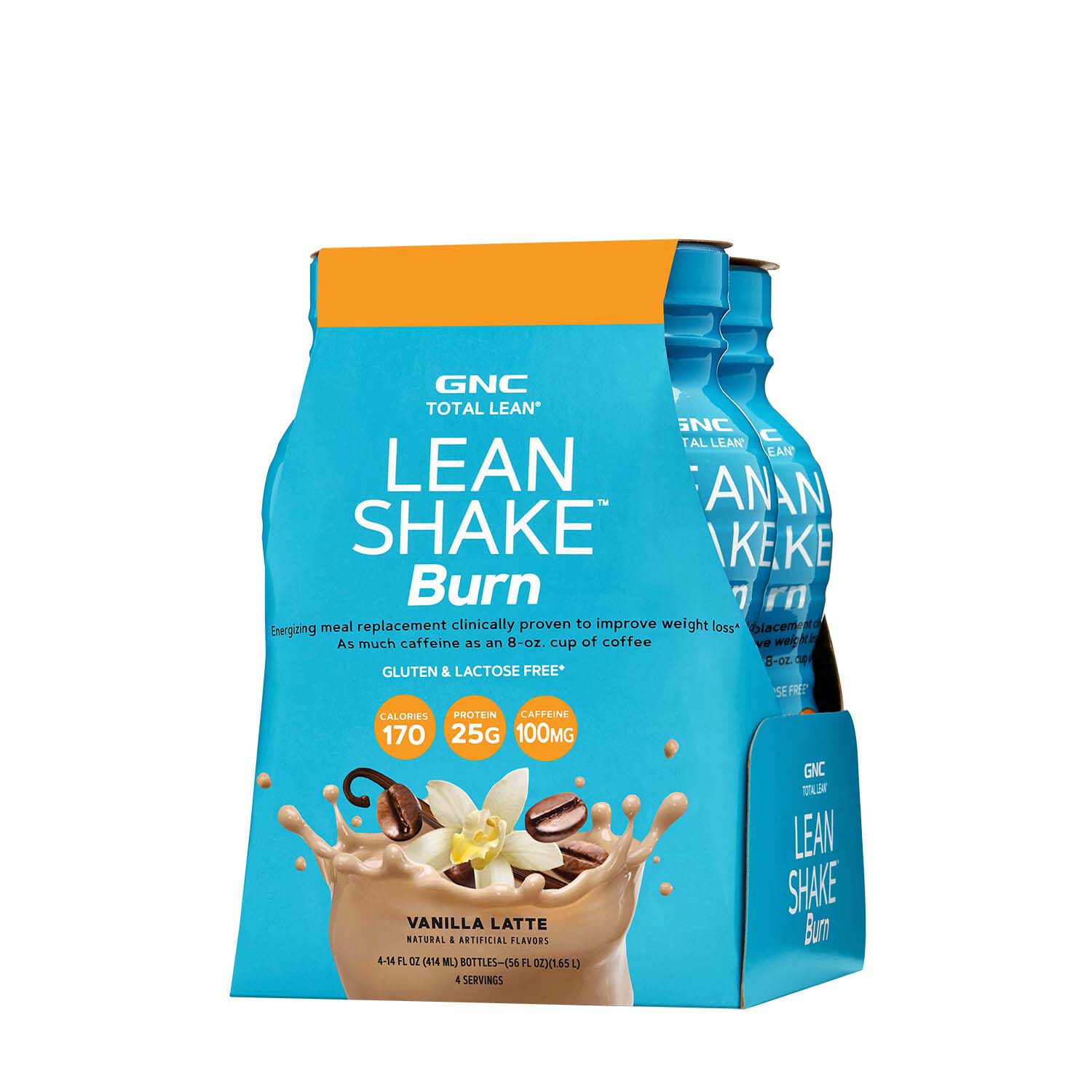
Low sugar mass gainers are calorie-dense nutrition powders that combine protein, carbohydrates, and sometimes added fats while keeping sugar content relatively modest per labeled serving. They are intended for adults seeking additional calories alongside regular meals, often in connection with strength training or a muscle-building routine. Compared with a standard protein powder, a mass gainer generally contains more carbohydrates and calories, though the proportions vary considerably by formula. A lower sugar content does not necessarily mean fewer carbohydrates or fewer calories: starches contribute carbohydrates without appearing as sugars on the nutrition panel, and fats contribute calories as well. That distinction matters when comparing formulas that look similar on the front of the container. The most useful details are the calories, protein, carbohydrates, sugars, and added sugars listed for the same serving size, together with the amount of powder required to make that serving. A serving described as several scoops is not directly comparable with a single-scoop serving unless the quantities are taken into account. There is no universal sugar cutoff that makes every mass gainer in this category equivalent, so the numerical label information is more informative than the category name alone. Naturally occurring sugars and added sugars also represent different label entries; a formula made with milk-derived ingredients may contain some naturally occurring lactose even when little or no sugar is added during manufacturing. For someone whose usual meals leave little room for extra food, a shake may offer another way to include calories and protein in the day. For a recreational lifter with a consistent meal routine, it might serve as an occasional addition rather than an everyday staple. The defining consideration is the relationship between the serving’s calories, its protein content, and its sugar content—not simply how sweet the finished drink tastes. A dessert-style flavor can come from cocoa, vanilla flavoring, or sweeteners rather than a large quantity of sugar.
The ingredient list gives low sugar weight gain powders much of their individual character. Protein sources can include whey concentrate, whey isolate, casein, milk protein, or plant proteins such as pea and rice. These ingredients differ in origin, texture, and their contribution to the finished formula, so a blend that suits one person’s preferences may not suit another’s. Whey concentrate can contribute more lactose than a more extensively filtered whey isolate, but the full formula still matters for anyone checking dairy ingredients. Plant-based formulas require the same attention to allergen statements and other ingredients rather than assumptions based on their protein source alone. Carbohydrates may come from oat flour, other grain ingredients, or maltodextrin, among other sources. Maltodextrin is an example of a carbohydrate ingredient that can contribute substantial calories without a correspondingly large sugar figure on the label. Oat-containing formulas may have a more cereal-like taste and a thicker texture, while other carbohydrate blends may mix into a smoother drink. Neither the ingredient name nor the sugar number, by itself, describes the entire nutritional profile. Added oils, powdered fats, and fiber can also affect the composition and consistency. Sweeteners deserve a separate look because low sugar does not necessarily mean unsweetened. Sucralose, stevia-derived ingredients, monk fruit extracts, or sugar alcohols may appear in these formulas, and each can create a different flavor impression. Someone who likes a lightly sweet shake with breakfast may prefer a different formula from someone who enjoys a rich chocolate drink after an evening workout. Flavor descriptions are useful starting points, but serving concentration and the chosen liquid also shape the experience. Water keeps the prepared drink closer to the powder’s listed nutrition, while milk or a plant-based beverage changes the calories, protein, carbohydrates, and sugars according to its own label. A fair comparison therefore separates the nutrition of the powder from the nutrition of the prepared shake. That makes it easier to distinguish a calorie-dense formula with modest sugar from a drink whose additional ingredients account for much of its energy content.
Everyday practicality is another part of choosing a low sugar mass gainer. A large powder serving needs enough liquid and container space, so the shake that fits comfortably into a kitchen blender may be less convenient in a small bottle at a desk. Fine powders may combine readily in a shaker, while thicker formulas or recipes with additional food ingredients may be better suited to a blender. Following the package’s mixing directions gives a useful starting point for consistency; the finished drink might resemble chocolate milk, a thin smoothie, or something closer to an oat-based shake depending on the formula and preparation. Adding banana, nut butter, yogurt, or milk changes both texture and nutrition, including the amount of sugar, so those additions belong in any comparison of prepared servings. For a commuter heading from work to the gym, carrying dry powder separately from the liquid may be more practical than transporting a large prepared drink all day. At home, a wide-mouth container and a measuring scoop can make preparation less awkward, particularly with larger servings. Storage and care matter, too: keep the powder sealed as directed, use a clean, dry scoop, and follow the package instructions for storage and use after opening. Prepared shakes require different handling from dry powder, especially when mixed with perishable ingredients, and the relevant storage directions still apply. Mass gainers are not interchangeable with every protein drink. Someone looking primarily for protein in a smaller-calorie format may find Low Sugar Protein Shakes more aligned with that preference, while a mass gainer is generally built around a larger calorie contribution. For strength-training adults, busy eaters, or people who prefer drinking some of their additional nutrition, the right format may make a routine more manageable. The most meaningful fit comes from considering serving size, ingredient preferences, flavor, preparation, and the role the shake might play alongside meals. A clearly labeled formula with a workable portion and an enjoyable texture may be more useful over time than one chosen solely for an impressive calorie figure or a low sugar statement.
Best Sellers
-
 GNC Pro Performance
 -
 GNC Pro Performance
 -
 GNC Pro Performance
 -
 GNC Pro Performance


