Lycopene Supplements For Healthy Blood Flow
(0 Results)
Lycopene supplements for healthy blood flow may offer a convenient way to support your wellness routine. Sourced from nutrient-rich tomatoes and other fruits, lycopene is a powerful antioxidant that could play a role in maintaining overall cardiovascular health. Explore a variety of lycopene supplements for healthy blood flow and discover options that may fit seamlessly into your daily regimen. Whether you’re looking to complement your balanced diet or simply interested in adding another layer to your self-care, these supplements might be a valuable addition to your wellness journey.




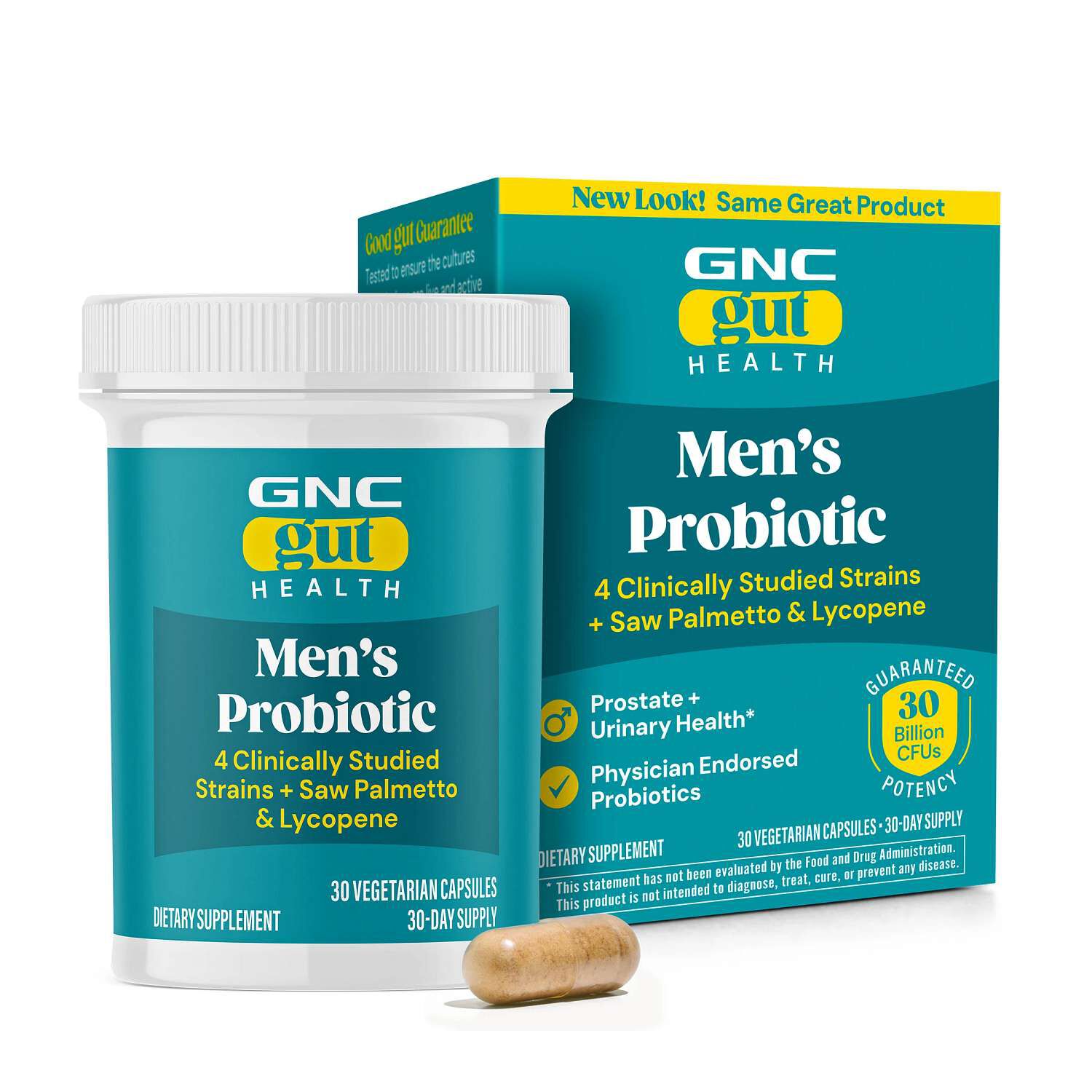

Lycopene supplements for healthy blood flow bring attention to a naturally occurring plant pigment and its place in everyday nutrition. Lycopene is a carotenoid responsible for much of the red color in tomatoes, watermelon, and pink guava, as well as some of the pink color in grapefruit. It is not a vitamin or a mineral, and it does not have an established Daily Value. On supplement labels, the amount of lycopene is generally expressed in milligrams. For adults exploring this ingredient as part of a broader interest in cardiovascular wellness, the meaningful differences between formulas include the source of the lycopene, the amount per serving, the delivery format, and the accompanying ingredients. The category name describes a shopping interest; it does not establish that a particular formula will change circulation. Lycopene also appears in ordinary meals, from a spoonful of tomato paste stirred into a bean dish to sliced watermelon served with lunch. A tomato’s variety, ripeness, and preparation all contribute to differences in its lycopene content, so a food serving and a supplement serving are not interchangeable measurements. Supplements provide a labeled amount in a compact format, while foods provide a broader mixture of nutrients and other dietary components. That distinction matters for shoppers who already enjoy tomato-based meals and those whose usual menus include fewer lycopene-containing foods. Neither a vivid red capsule nor a colorful package reveals the amount of lycopene inside; the ingredient declaration is the more useful reference. A clearly described source, a readable Supplement Facts panel, and straightforward serving information provide a firmer basis for comparison than broad wellness language alone. These details also distinguish a formula centered on lycopene from a combination formula in which lycopene is one ingredient among several. Both belong within the wider supplement landscape, but they represent different approaches to ingredient selection and daily routines.
Format is often the most tangible difference when comparing lycopene supplements. Softgels commonly pair the ingredient with an oil-based filling, while capsules and tablets may use different carriers and supporting ingredients. Because lycopene is fat-soluble, the surrounding formulation may influence absorption, but appearance alone cannot establish how one option compares with another. An oil-based format is a formulation detail, not proof of a particular wellness result. Some labels specify use with food, making the stated directions relevant for shoppers who organize supplements around breakfast or another regular meal. Capsule shells may contain gelatin or plant-derived materials, and softgel shells may include gelatin and glycerin. These details matter to adults with dietary preferences, including those looking for vegetarian options. A tomato-derived ingredient does not necessarily mean that every other component of the formula is plant-derived. Likewise, a product’s lycopene source and its supporting ingredients are separate considerations: the Supplement Facts panel describes the dietary ingredients, while the other-ingredients list identifies components such as shell materials, oils, and fillers. Some formulas contain lycopene alone as the featured dietary ingredient; others combine it with additional carotenoids, vitamins, or minerals. A shorter ingredient list may suit someone who prefers a narrowly focused formula, while a combination format introduces more ingredients to account for across an existing routine. Serving size deserves similar attention. An amount listed per serving is not always the amount in one capsule, and a bottle’s capsule count is not necessarily its number of servings. Where tomato extract is listed, the extract’s weight and its stated lycopene content are also different measurements. Clear labeling distinguishes the source material from the amount of the named ingredient. Information about testing or manufacturing practices can add context, especially when it identifies what was evaluated rather than relying on a broad quality statement. No single format, capsule size, or ingredient count establishes suitability for every shopper; practical differences remain important even within a focused category.
Everyday fit extends beyond the ingredient panel to the way a supplement is packaged, stored, and incorporated into an established routine. Someone who keeps supplements beside a breakfast plate may prefer a different bottle size from someone who carries them between home and work. Tablet dimensions, capsule texture, the number of units in a labeled serving, and the clarity of the directions can all influence that practical fit. A familiar format may be more appealing than an unfamiliar one, but the contents still deserve attention each time a formula changes. Packaging care matters as well. Storage directions, expiration dates, and any seal information belong alongside the serving details when evaluating a bottle. A shelf away from a steamy stovetop or a damp bathroom is a different storage environment from a kitchen counter beside the sink; the label’s stated conditions remain the reference. Keeping supplements in their original containers retains access to ingredient information, directions, and lot details, while a firmly closed lid and storage out of children’s reach are basic household considerations. For adults already using other supplements, ingredient overlap is another useful point of comparison, particularly when lycopene appears in a formula that also contains vitamins or minerals. A lycopene-focused selection is not necessarily equivalent to a broader multinutrient formula, even when the front labels emphasize similar wellness interests. Personal questions about suitability, including use alongside medications, are best addressed with a qualified healthcare professional rather than inferred from a collection name. Shoppers browsing by wellness focus can also explore Lycopene Supplements for Summer Vitality for another collection centered on this carotenoid. Across lycopene supplements, the most useful distinctions remain concrete: what the formula contains, how much the labeled serving provides, which materials make up the capsule or tablet, and how closely the format matches an adult’s preferences. Those details keep the focus on an informed product comparison without assigning the same purpose or expected outcome to every formula.
Best Sellers
-
 Universal Nutrition
-
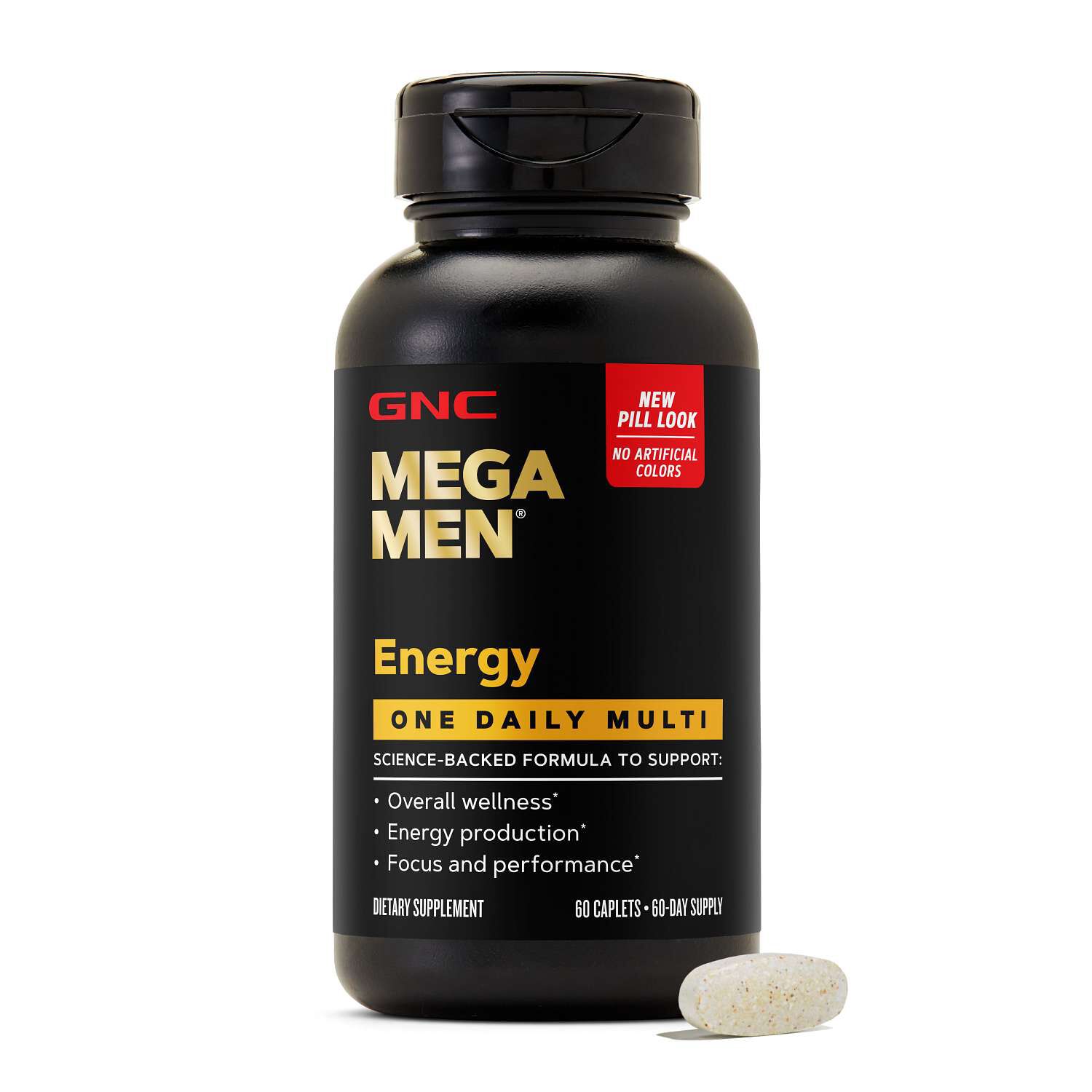 GNC Mega Men
-
 GNC Mega Men