

Maca Root Supplements For Vegetarians
(0 Results)
Maca root supplements for vegetarians offer a plant-based way to support your wellness routine. Sourced from the nutrient-rich maca plant, these vegetarian-friendly options fit seamlessly into a variety of dietary lifestyles. Whether you’re looking to add a new supplement to your daily regimen or seeking alternatives that align with your values, maca root supplements for vegetarians could be a convenient choice. Explore options that may complement your health journey while supporting your commitment to vegetarian living.
-
-
-
-
 Purity Products$24.99
 -
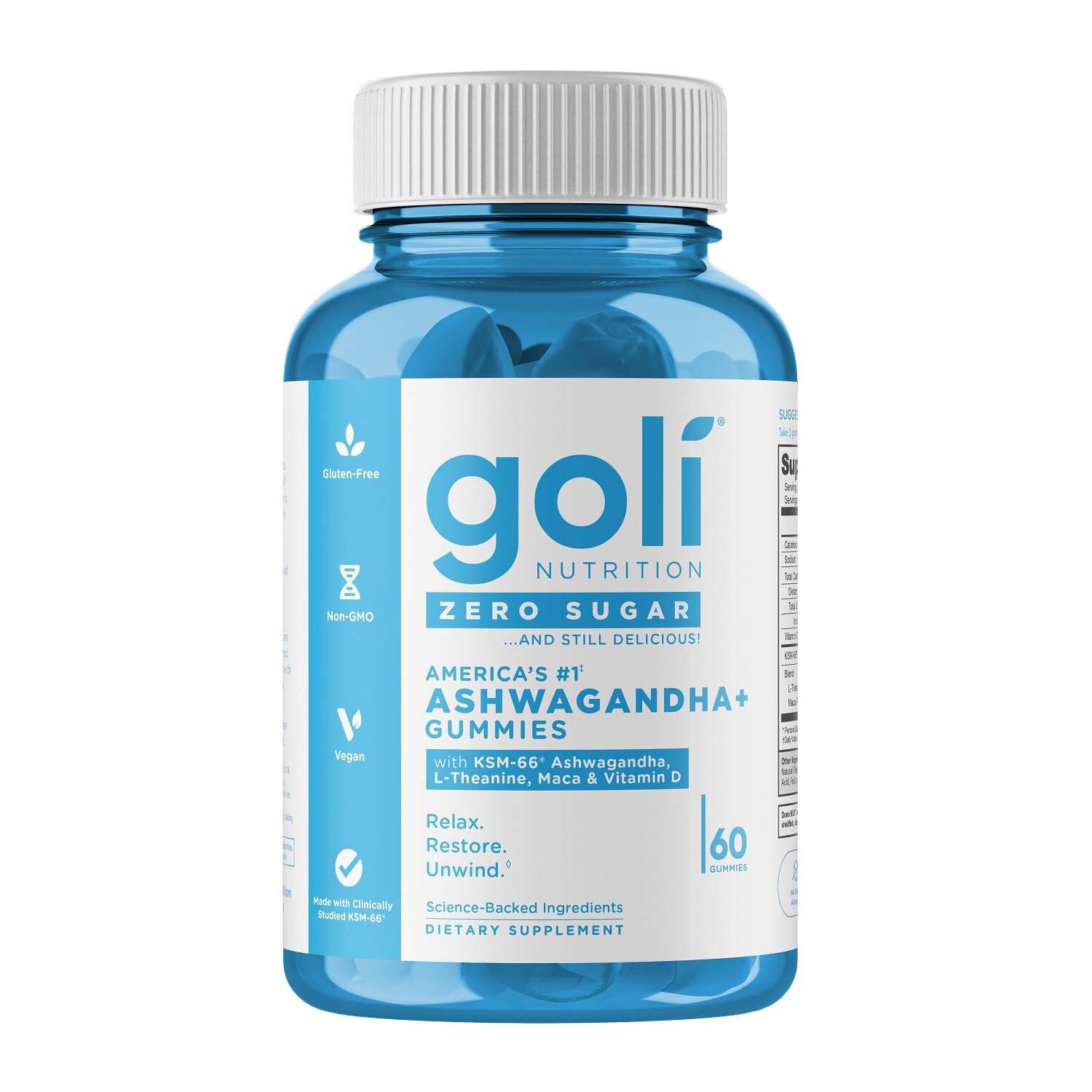 Goli Nutrition$18.99
Maca root supplements for vegetarians pair a plant-derived ingredient with a format that fits a vegetarian eating pattern. Maca, botanically known as Lepidium meyenii, is native to the high Andes of Peru and has a history of use as a food. The portion commonly called maca root is dried and processed into powder, which can be sold on its own or used in capsules, tablets, and blends. Although maca itself comes from a plant, the finished supplement is not automatically vegetarian: capsule shells and other added ingredients matter, too. A clearly stated vegetarian designation is a useful starting point, followed by a look at both the Supplement Facts panel and the other ingredients list. Vegetarian capsules often use hypromellose, a cellulose-derived material, rather than animal-derived gelatin. Pullulan is another capsule material found in some vegetarian formulations. Tablets do not have a capsule shell, but their coatings, binders, and other ingredients still deserve attention. Powders containing only maca offer a shorter ingredient list, while flavored powders can include sweeteners, flavorings, and ingredients from other sources. Vegetarian and vegan are also distinct descriptions. Some vegetarian eating patterns include dairy or eggs, whereas vegan preferences exclude animal-derived ingredients. A vegetarian designation alone therefore does not establish that a formula suits a vegan routine. This distinction is especially relevant when maca appears in a broader blend rather than as a single-ingredient supplement. For someone who carefully checks a protein powder or multivitamin against dietary preferences, maca deserves the same attention to the finished formulation. Clear ingredient disclosure makes it easier to compare formats without relying on leafy package artwork or a general plant-inspired description. The most relevant choice is one whose ingredient sources, serving format, and labeled intended use fit the person selecting it, whether that means a straightforward maca powder or capsules with an explicitly vegetarian shell.
The differences among maca powders and extracts extend beyond the container. Raw maca powder generally refers to dried root that has been milled without the cooking step used for gelatinized maca, although processing practices can differ among manufacturers. Gelatinized maca undergoes heat processing that changes its starch structure; some processes also remove a portion of the starch. The word gelatinized describes that processing and does not mean animal gelatin has been added. It is therefore separate from the question of whether a capsule shell contains gelatin. These two label details can appear on the same package and describe entirely different things. Yellow, red, and black maca refer to root color varieties, and a formula may contain one variety or a combination. Color alone does not establish vegetarian suitability, ingredient quality, or how a particular person will experience the supplement. Similarly, a root powder and a concentrated extract are not interchangeable descriptions. An extract may carry a concentration ratio or additional processing information, while a whole-root powder is described by the amount of powder in each serving. Comparing the stated ingredient form alongside the serving amount gives a more meaningful picture than comparing a large number on the front of two containers. Serving size matters as well: the quantity listed in the Supplement Facts panel may correspond to more than one capsule. Maca blends introduce another layer of detail, since they can combine maca with other botanicals, vitamins, minerals, or flavoring ingredients. A single-ingredient format keeps the focus on maca, while a blend reflects a broader formulation that needs to be considered ingredient by ingredient. Maca’s earthy, malty flavor is another practical distinction. It may suit someone who enjoys robust flavors in a smoothie, while a capsule keeps that flavor out of food and drinks. Neither format is inherently more appropriate for vegetarians; the full ingredient list and dietary designation are what determine the fit.
Everyday usability often comes down to small details that are easy to overlook when comparing maca root supplements for vegetarians. Someone who already prepares a banana and oat beverage smoothie may prefer the flexibility of a measured powder serving. Maca’s toasted, earthy character can sit alongside cocoa, cinnamon, or nut butter, though the amount and preparation should follow the product’s directions. Powder also means keeping a measuring utensil handy, closing the container carefully, and allowing space for preparation. Capsules offer a premeasured format without adding another flavor or texture to a meal, but capsule dimensions and the number required per serving can influence personal preference. A tablet presents a different shape and surface, so format deserves consideration beyond the ingredient name alone. Package design matters for repeated use: a closure that seals securely, legible directions, and an accessible ingredient panel are more useful than decorative details. Storage requirements vary, and the package instructions should govern where the supplement is kept. Keeping the original container preserves access to the lot information, expiration date, serving directions, and dietary statements. For powders, using a clean, dry utensil and closing the lid after measuring helps limit moisture exposure. These are practical care considerations rather than reasons to expect a particular product effect. Documentation is another useful point of comparison. When a package displays a certification or testing statement, the named standard and the scope of that statement matter; a vegetarian designation and an ingredient-testing statement address different questions. Those comparing several dietary categories can also explore Vegetarian Supplements For Women while continuing to evaluate each formula on its own labeling. A category name does not replace a review of ingredient sources or establish that every supplement serves the same purpose. Maca is a personal purchase, so preferences around taste, capsule materials, and other ingredients are especially relevant if selecting it for someone else. Across powders, capsules, and tablets, thoughtful comparison centers on transparent labeling, an appropriate vegetarian formulation, manageable preparation, and a format that fits an established routine without unnecessary complexity.
Best Sellers
-
GNC Herbal Plus
-
GNC Herbal Plus
-
Purity Products