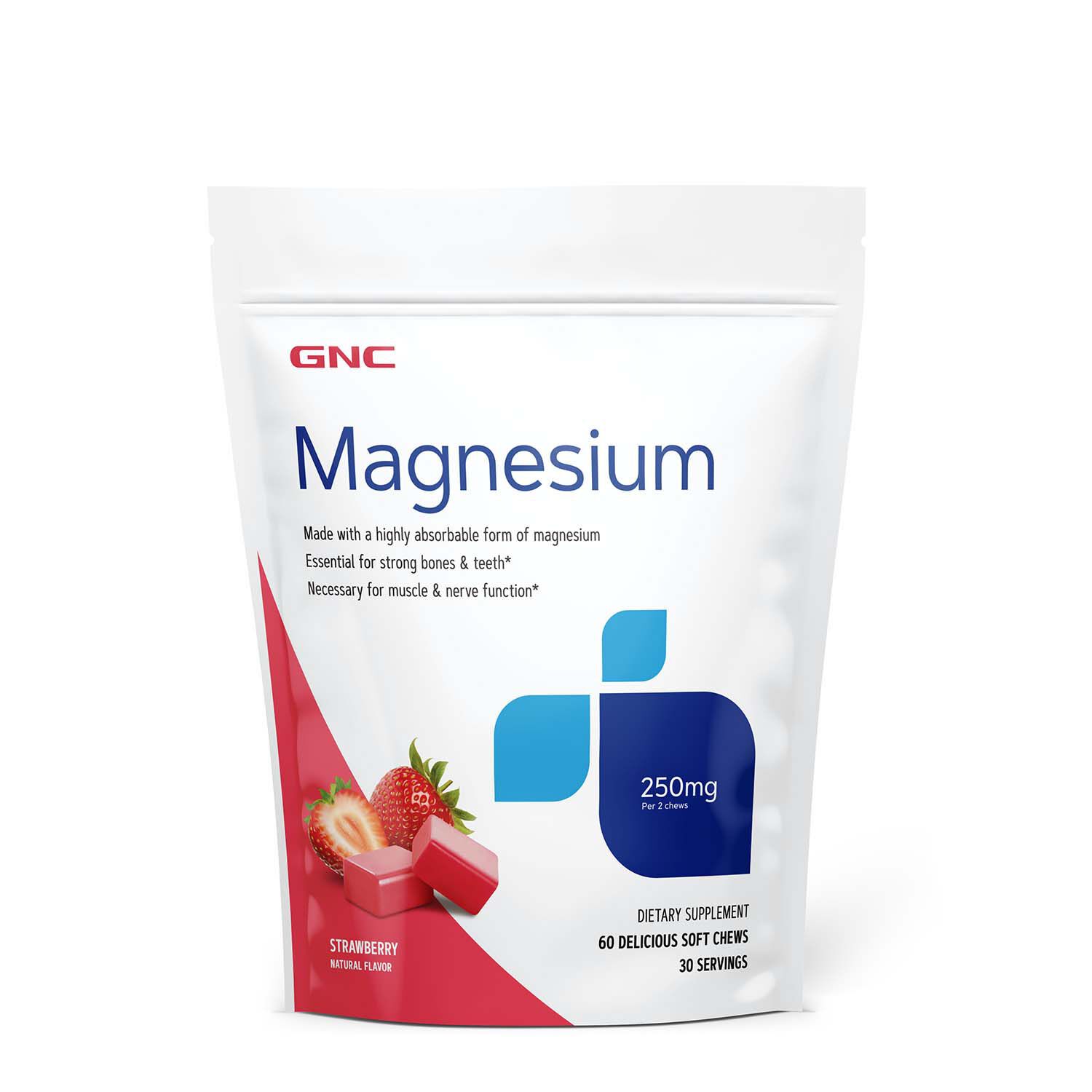
Magnesium Absorption Gummies
(0 Results)
Looking to support your body's magnesium intake in a tasty and convenient way? Magnesium absorption gummies could be the perfect solution. These delicious gummies might offer an easy and enjoyable method to incorporate this vital mineral into your daily routine. Whether you're aiming to support muscle function, maintain healthy bones, or simply looking for a supplement that fits seamlessly into your lifestyle, magnesium absorption gummies may be just what you need. Explore the potential benefits of these gummies and how they could help you achieve your wellness goals.
-

-

-
 $20.99
-
 $18.99
-
 $20.99
-
 $21.99


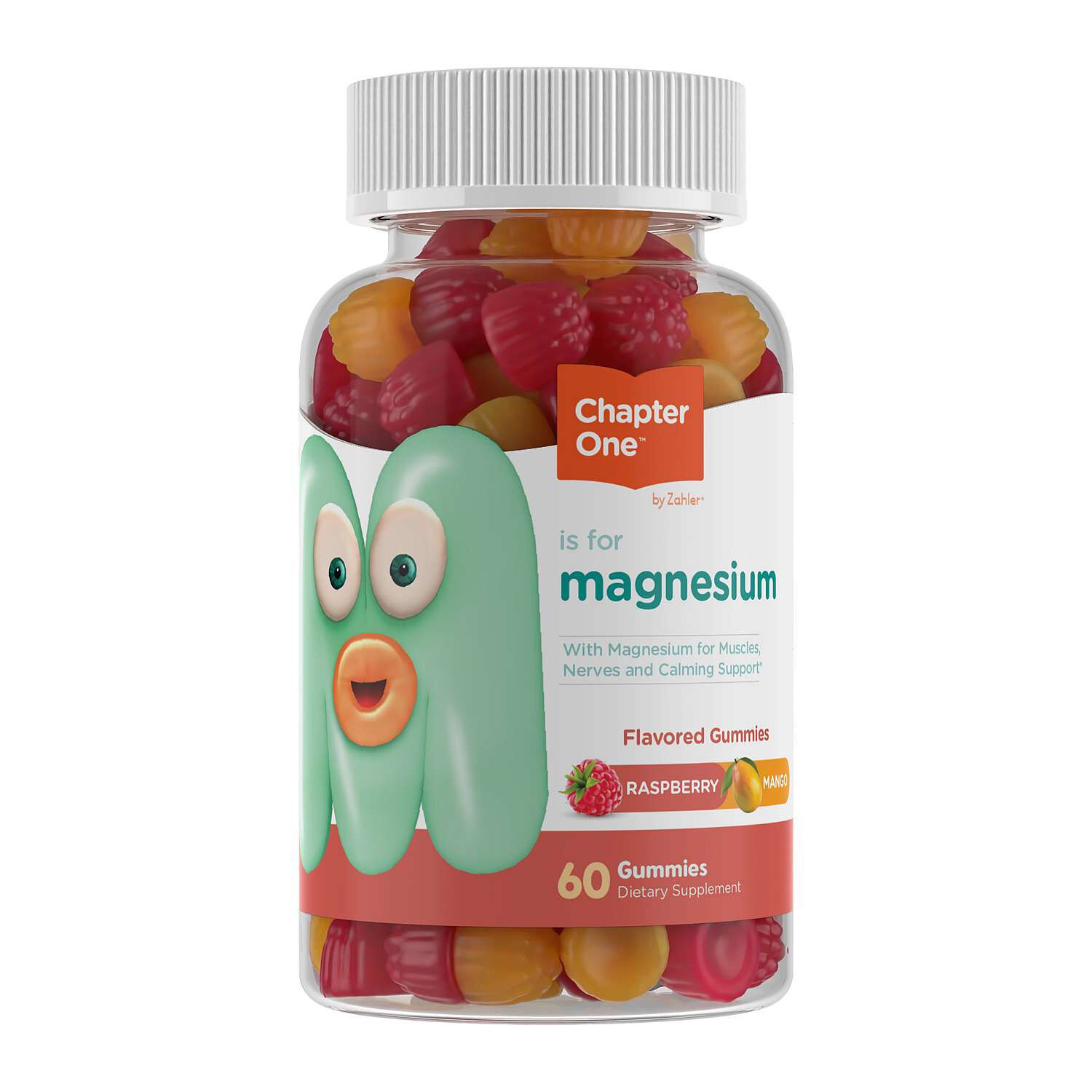

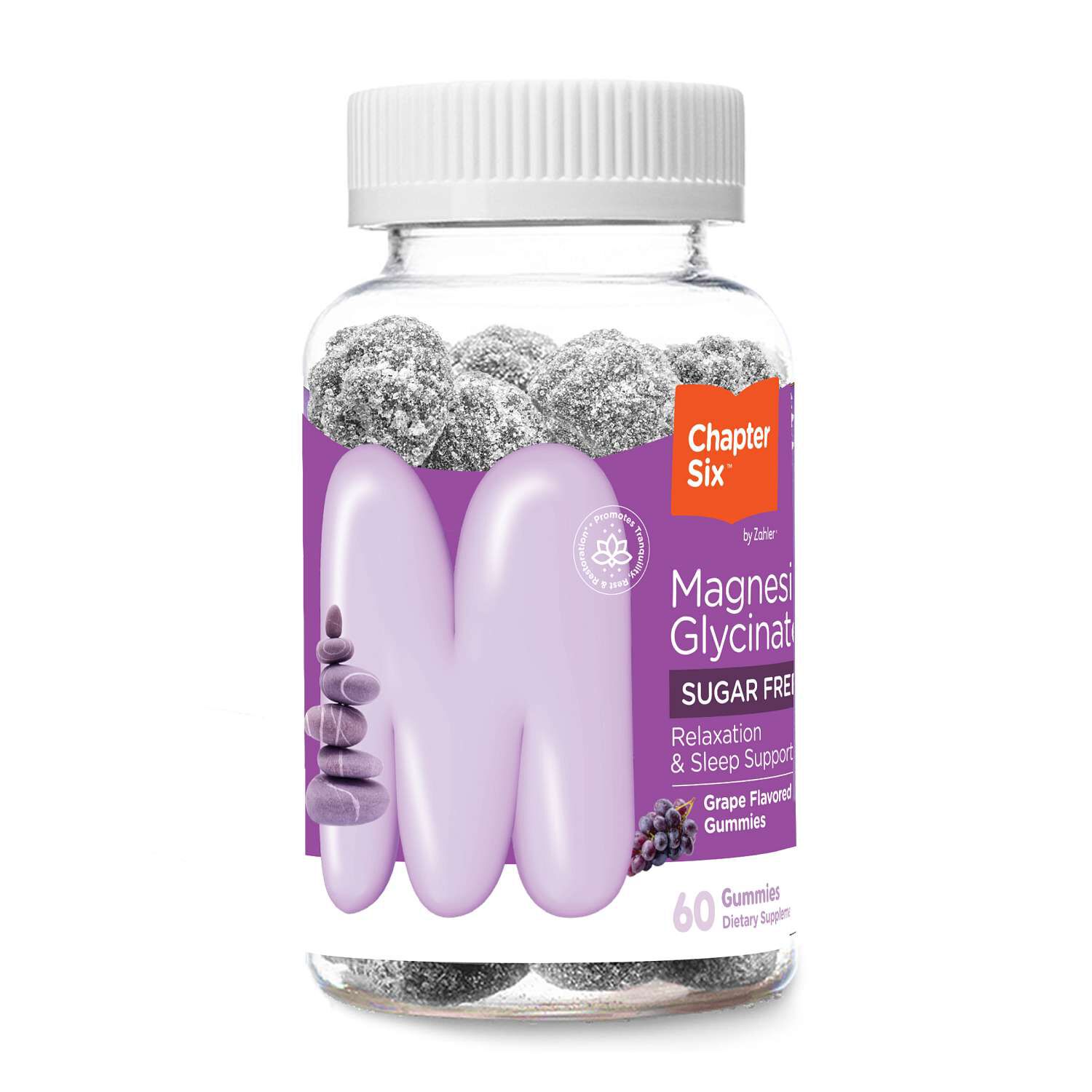

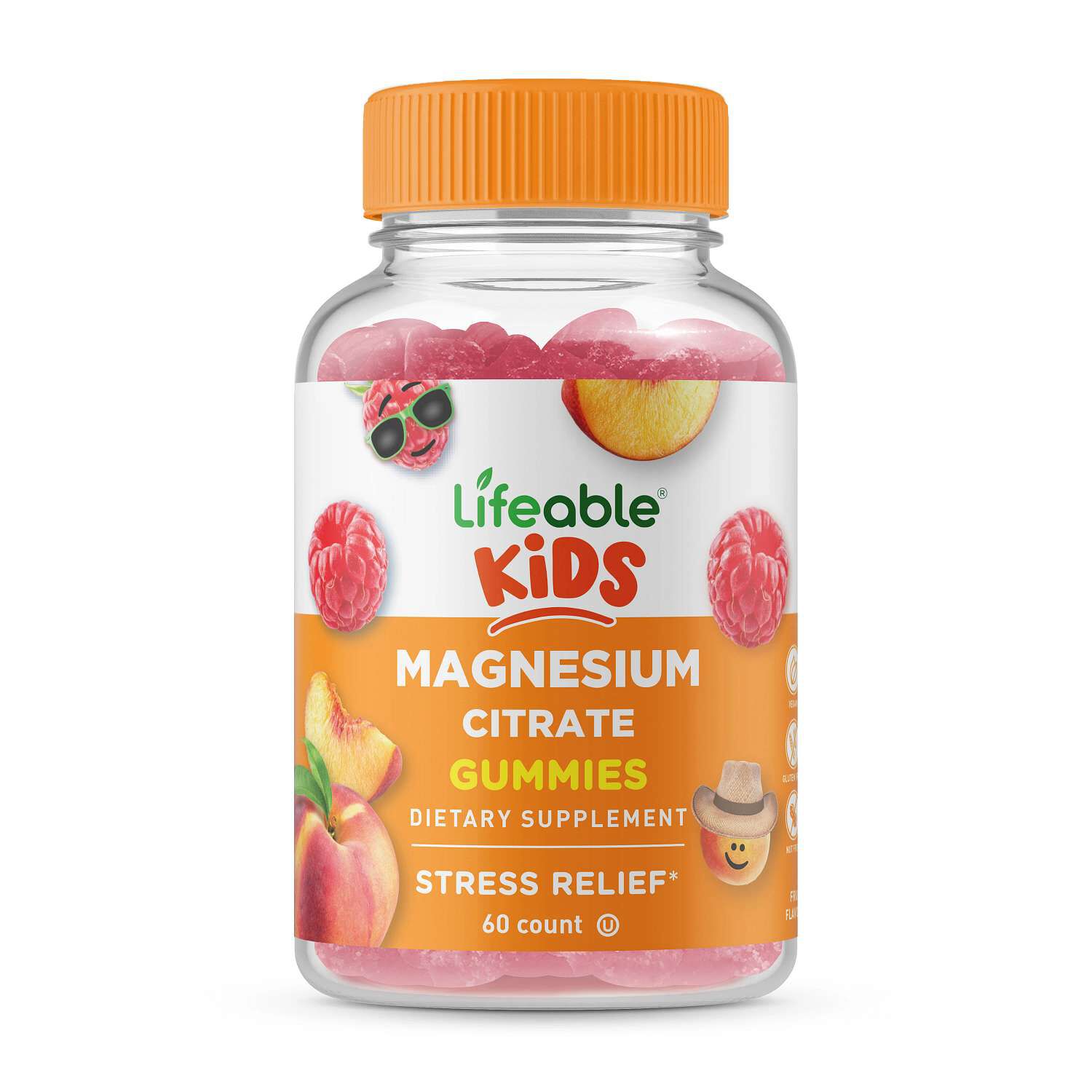
Magnesium absorption gummies bring a familiar chewable format to a mineral supplement, pairing magnesium with fruit flavors and a soft, candy-like texture. For adults who prefer a chewable supplement over a tablet or capsule, this format may fit more naturally into an established routine. The category includes different magnesium compounds, serving sizes, and ingredient combinations, so the word “absorption” is only one part of the comparison. Absorption refers to the process by which a nutrient moves from the digestive tract into the body; a gummy’s shape, color, or flavor does not establish how much magnesium someone will absorb. The magnesium source, the formulation, and individual differences can all matter, and the package alone cannot predict an individual experience. Magnesium glycinate and magnesium citrate are two forms shoppers may encounter. Glycinate pairs magnesium with glycine, an amino acid, while citrate pairs it with citric acid. Some labels use the term “bisglycinate,” and others describe a mineral as “chelated,” referring to how the magnesium is bound within the compound. These terms identify aspects of the ingredient rather than establish that every gummy made with it performs the same way. A preference for one form is therefore distinct from a preference for the gummy itself. Someone who already has a preferred magnesium form may focus on matching that ingredient, while someone comparing formats may care more about chewiness, flavor intensity, or the number of pieces in a serving. Magnesium occurs naturally in foods such as nuts, seeds, beans, and leafy greens; gummies are a supplemental format rather than a substitute for varied meals. Within this category, a useful comparison brings together the magnesium form, the stated amount per serving, and the ingredients that turn the mineral into a chewable piece. That combination gives shoppers a more grounded picture than a prominent absorption phrase on the front of a bottle.
The Supplement Facts panel provides the clearest starting point for comparing magnesium amounts. The magnesium quantity listed there represents elemental magnesium, not the full weight of the compound supplying it. That distinction matters because magnesium glycinate and magnesium citrate include components beyond magnesium itself. Serving size matters just as much: an amount listed for a two-gummy serving is not the amount in a single gummy. For example, a hypothetical label showing 100 milligrams per serving with two gummies per serving would indicate 50 milligrams in each piece. This is a label-reading example, not a suggested intake. Packages with similar front-label numbers may therefore have different serving formats, and a larger gummy does not necessarily contain more magnesium. The servings-per-container line adds another useful detail, especially when comparing bottles with different piece counts. Beyond those numbers, the ingredient list explains much of the eating experience. Pectin, a plant-derived gelling ingredient, and gelatin, an animal-derived ingredient, are common ways to create a gummy texture. A pectin base may appeal to shoppers with vegetarian preferences, although the whole ingredient list and any dietary labeling still matter. Sweetening ingredients can include sugar, syrups, sugar alcohols, or other sweeteners, each contributing a different balance of sweetness and texture. Added sugar is generally stated per serving, making the serving size relevant here, too. A bright citrus flavor might have a tart finish, while a berry profile might taste rounder or sweeter; flavor names alone do not describe every part of that experience. Some gummies have a smooth surface, while others have a granular coating. For someone who dislikes a lingering sweet taste or a particularly firm chew, these details may matter as much as the mineral form. Dietary preferences also extend to colors, flavor sources, and allergen statements. A description such as “fruit flavored” does not, by itself, establish the source of every ingredient.
Choosing magnesium absorption gummies also involves deciding what belongs in the formula and how the package fits everyday use. Some formulations center on magnesium, while others include additional vitamins or minerals. A shorter ingredient profile may appeal to someone who wants a narrowly focused supplement, whereas a combination formula introduces more ingredients to compare. The presence of extra nutrients does not automatically make a gummy a better match, and each listed ingredient deserves its own attention. Intended use and age labeling are important distinctions as well: a fruit-shaped gummy is still a supplement, and its appearance does not establish who it is intended for. Package directions describe the intended serving and use, while the product’s age designation helps distinguish adult formulations from those labeled for other age groups. Flavor can be another meaningful point of comparison, especially for a supplement with a noticeable mineral taste. Shoppers interested in exploring that part of the category can browse Flavored Magnesium Gummies while keeping the magnesium source and serving information in view. A citrus chew, a mixed-fruit profile, and a berry flavor can offer different sensory experiences without establishing different absorption performance. Packaging and care deserve similar attention. Gummies can change texture when exposed to moisture or stored outside the conditions stated on their labels. Keeping the original container properly closed preserves access to the ingredient list, directions, lot information, and date marking, while following the stated storage instructions may help maintain the intended texture. The original labeled bottle also distinguishes a supplement from ordinary sweets; storage should follow the package’s precautions, including keeping it out of children’s reach. For a busy household, clear labeling and a designated storage spot may make the format more practical than loose pieces in an unmarked container. Ultimately, the most informative comparison is specific: which magnesium compound is used, how much elemental magnesium is listed per serving, how many gummies make up that serving, and whether the flavor, texture, and supporting ingredients match personal preferences. Those details keep attention on what the label actually describes rather than assuming that all magnesium gummies are interchangeable.


 Chewable Tablets_Front.jpg?sw=305&sh=305&sm=fit "ChildCalm - 60 Chewable Tablets (30 Servings) | GNC")