





Magnesium Citrate Capsules For Seniors
(0 Results)
Magnesium citrate capsules for seniors are a popular choice for those seeking a convenient way to add magnesium to their daily routine. These capsules are designed with ease of use in mind and may fit seamlessly into a variety of wellness regimens. Seniors often look for options that align with their unique lifestyle needs, and magnesium citrate capsules could be a simple addition to support overall well-being. Explore the available selections to find the right fit for your nutritional goals.
-
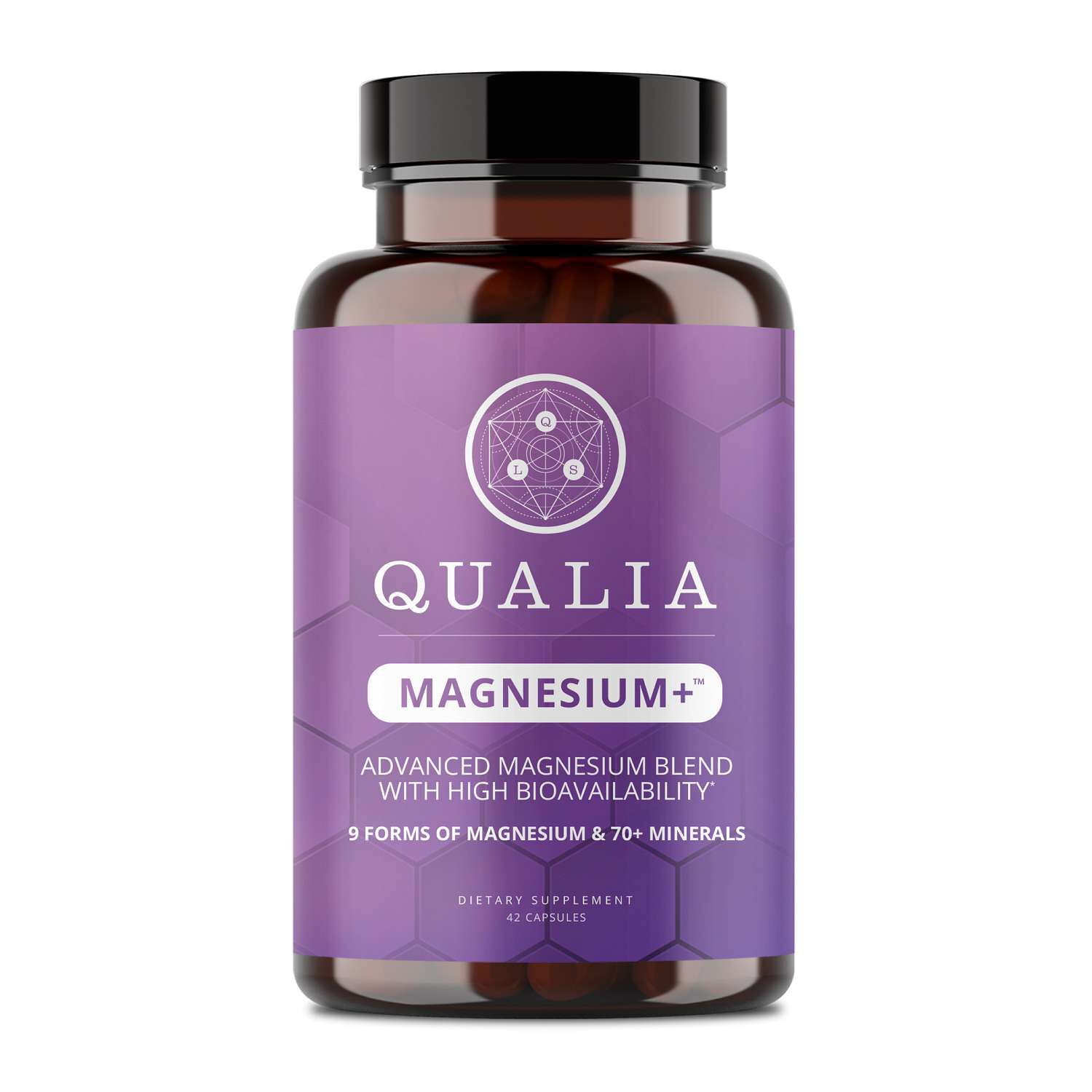
-
 _Front.jpg?sw=305&sh=305&sm=fit "Magnesium: Bioactive Magensium Citrate - 120 Capsules (120 Servings) | GNC")
-

-
 _Front.jpg?sw=305&sh=305&sm=fit "Magnesium: Bioactive Magensium Citrate - 60 Capsules (60 Servings) | GNC")
-

-

-

-

-
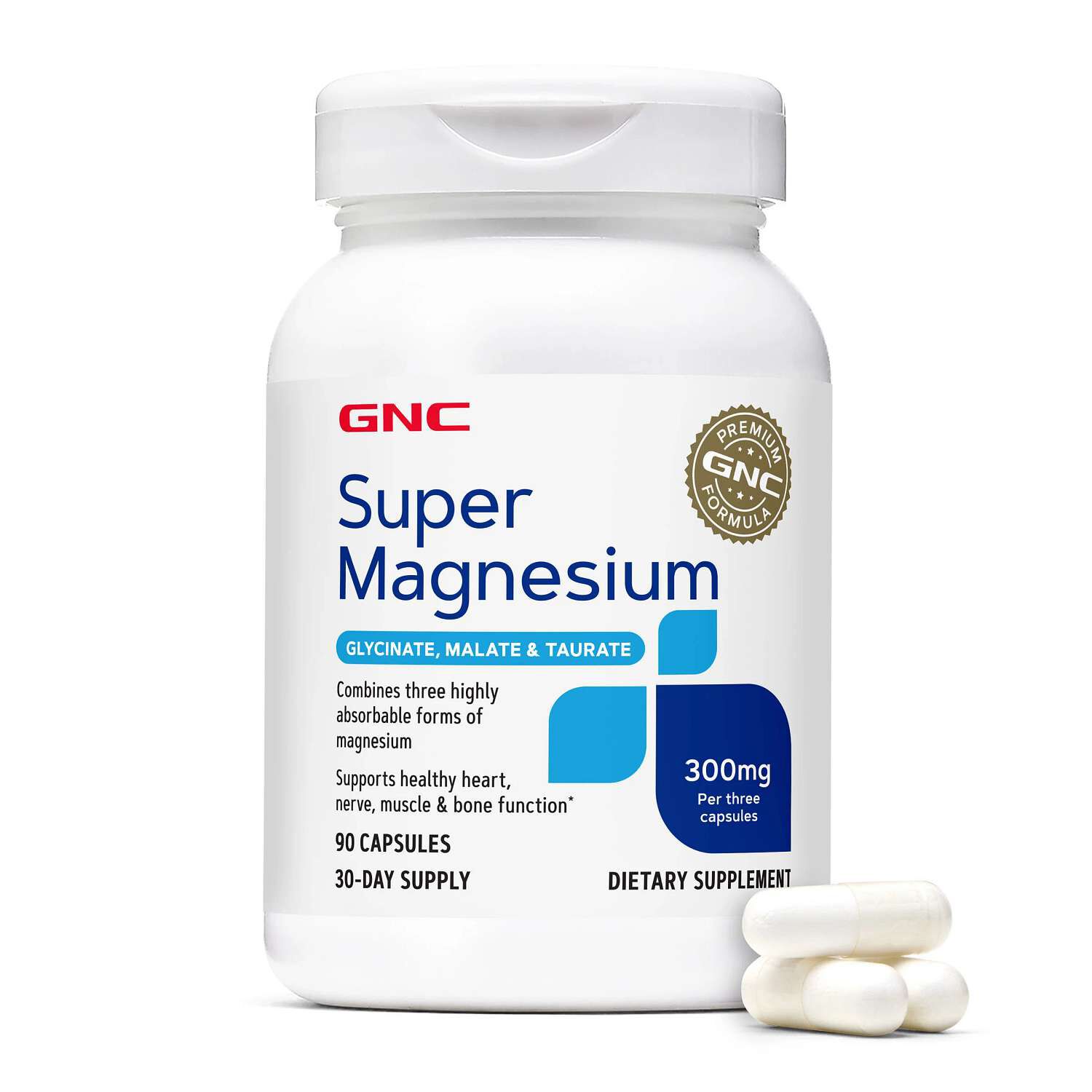
-

-
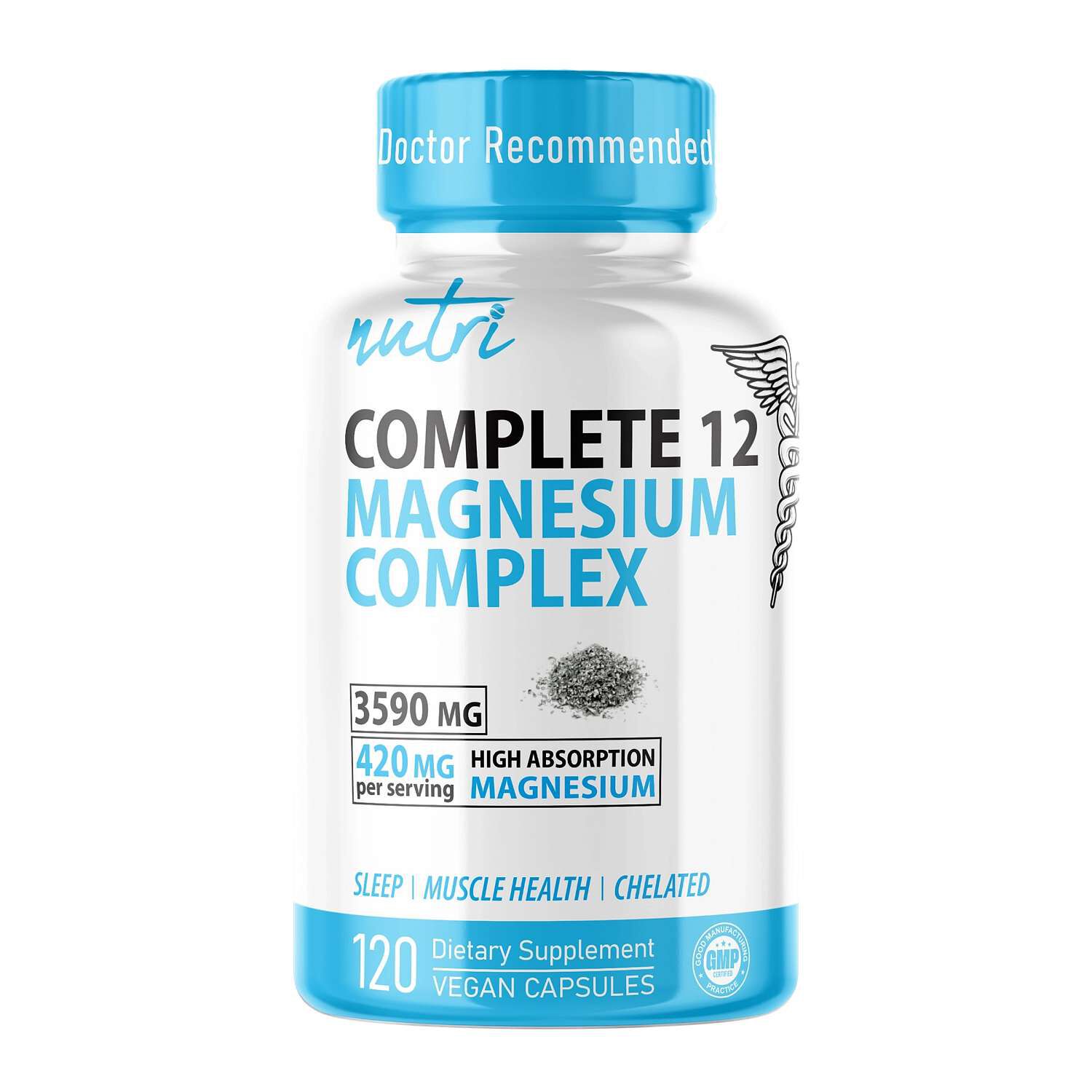 Nature's Fusions$31.99
Magnesium citrate capsules for seniors are dietary supplements containing magnesium in citrate form, packaged in capsules for adults considering this mineral as part of a nutrition routine. Magnesium citrate combines magnesium with citric acid, and its name identifies the form of the ingredient rather than a standardized formula. Products in this category can differ in magnesium amount, capsule materials, serving size, and additional ingredients, so the details on the label matter more than a similar name on the front of the bottle. Magnesium also occurs naturally in foods such as beans, nuts, seeds, whole grains, and leafy vegetables; supplements are a separate category from those everyday food sources. When comparing capsule formulas, the Supplement Facts panel provides useful context. The magnesium amount listed there refers to elemental magnesium, rather than the weight of the entire magnesium citrate compound. That distinction matters because a number describing the compound is not directly interchangeable with the amount of magnesium supplied. Serving size deserves equally close attention: a listed amount may correspond to one capsule or to several capsules taken together according to the package directions. Reading the serving size alongside the magnesium amount gives a clearer picture than reading either number alone. The percent Daily Value is another standardized label reference, not a personalized amount based on someone’s age or eating habits. A senior-focused category also does not mean that every formula has the same composition or that every older adult has the same preferences. Some shoppers want a straightforward ingredient list, while others are comparing capsule format, dietary preferences, or the number of servings in a container. A clear comparison keeps these details separate: the magnesium form identifies the ingredient, the Supplement Facts panel describes the labeled serving, and the remaining ingredient information describes the rest of the formulation. This approach keeps attention on what a capsule actually contains without relying on broad descriptions of its intended audience.
Capsule construction is an important part of comparing magnesium citrate capsules for older adults. Depending on the formulation, the outer shell may contain gelatin or a plant-derived material such as cellulose. Shoppers who follow vegetarian eating patterns or have ingredient restrictions can look for explicit package statements rather than assuming that all capsules use the same shell. The other ingredients section may also list materials used during manufacturing, including ingredients that help powders move through equipment or maintain the capsule’s structure. These details are separate from the magnesium amount and can differ even when two formulas feature the same mineral form. Capsule dimensions are another practical consideration. A close-up photograph does not establish actual size, and the amount of magnesium on the label does not reliably indicate how large an individual capsule will be. Published dimensions, when provided, offer a more concrete comparison than appearance alone. For someone accustomed to a particular capsule format, that information may be especially relevant. Packaging design also deserves attention without assuming that all seniors have the same needs. Label contrast, readable print, clearly marked serving information, and a closure that suits the intended user are meaningful shopping considerations. A bottle that will sit beside several other supplements should be easy to distinguish by its original label, not just by cap color or container shape. Capsule count and serving count are different measurements, too. A container holding ninety capsules represents ninety one-capsule servings, but only thirty three-capsule servings. That simple distinction may make comparisons more useful for someone organizing an established routine. Tablets, capsules, powders, and liquids also have different handling requirements, so a preference for capsules is about format as well as ingredients. A familiar container and a clearly presented label may suit someone who values a straightforward routine, whether managing personal purchases independently or reviewing labels with a family member. The most useful details are specific and observable: shell material, capsule dimensions, labeled serving size, ingredient list, and container design.
Storage and everyday handling are part of choosing a capsule supplement thoughtfully. The package’s storage directions and expiration date provide the relevant reference points, while the original bottle keeps the ingredient list, serving information, and identifying details together. A dry cabinet away from the sink offers a different storage setting from an open shelf beside running water, and the label should remain readable throughout use. Keeping the closure secure and retaining any labeled packaging components helps preserve the intended container setup. For travel or visits with family, original packaging may make a supplement easier to identify than an unmarked pouch, particularly when several capsules look alike. Outer seals and bottle condition are also worth noting; an intact package is a packaging detail, not evidence that a formula is personally suitable. Personal fit extends beyond packaging, and age alone does not establish an individual’s nutritional requirements. A category organized for seniors is a starting point for comparing labels, not a substitute for individual context. The same distinction applies when shopping for another person. Magnesium citrate capsules are a personal purchase rather than a one-size-fits-all gift, so a recipient’s stated preferences and familiar format matter more than a surprise selection. Someone helping a parent, partner, or relative compare options may find it useful to focus on the exact ingredient form, readable labeling, capsule materials, and serving information that person has requested. Shoppers exploring a related category can also compare Magnesium Citrate Capsules For Women, while keeping in mind that audience labels do not establish individual suitability. Across these categories, careful product comparison rests on the same concrete information: what form of magnesium is listed, how much elemental magnesium appears per serving, how many capsules make up that serving, and what else is included. Those details provide a grounded way to distinguish capsule formulas while keeping personal preferences, packaging needs, and an established nutrition routine in view.
Best Sellers
-
 Rho Nutrition
-
Qualia Life Sciences
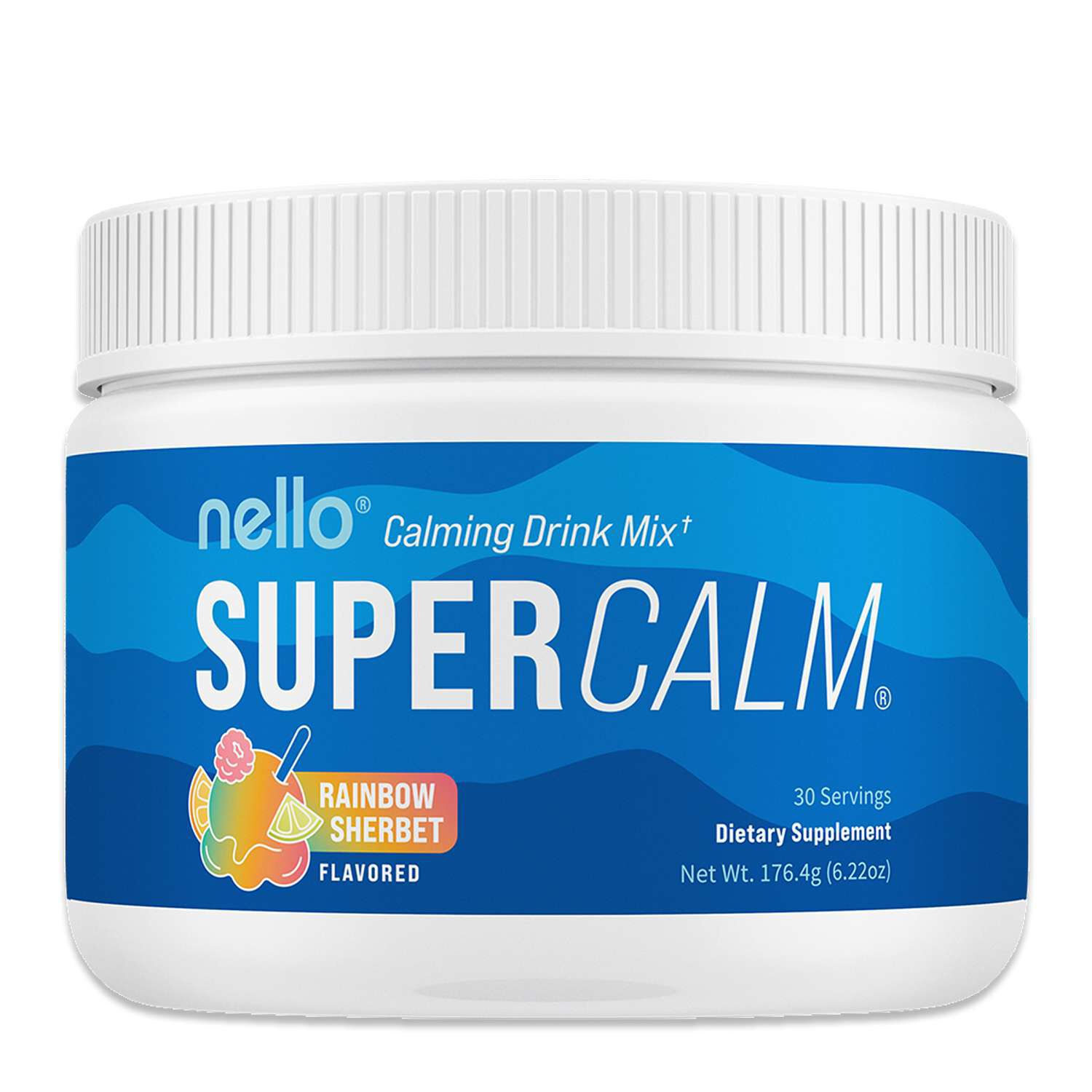
Related Pages
Top Collections
- Joint Mobility Supplement Packs
- Zinc Supplements | Top Brands at Great Prices | GNC
- Supplements For Yoga Joint Flexibility
- Supplements For Balance
- Capsule Supplements For Energy And Stamina
- Iron Supplements
- Supplements For Anxiety Relief Support
- Vitamins For Hair Loss
- Cortisol Supplements
- Adult Mobility Supplements