Magnesium Complex For Active Lifestyles
(0 Results)
Magnesium complex for active lifestyles could be a smart addition to your daily routine if you’re always on the move. Whether you enjoy hiking, cycling, or hitting the gym, magnesium may play a supportive role in helping your body keep up with your busy schedule. Explore options that are designed for those who prioritize wellness and want to help their bodies perform at their best. Find the right magnesium complex for active lifestyles and discover how it may fit into your healthy habits.
-
-
-
 459$24.99
-
-
-
-
 _Front.jpg?sw=305&sh=305&sm=fit "Magnesium: Bioactive Magensium Citrate - 120 Capsules (120 Servings) | GNC")
-
 _Front.jpg?sw=305&sh=305&sm=fit "Magnesium: Bioactive Magensium Citrate - 60 Capsules (60 Servings) | GNC")
-

-
-

-

-
-

-

-

-

-

-

-


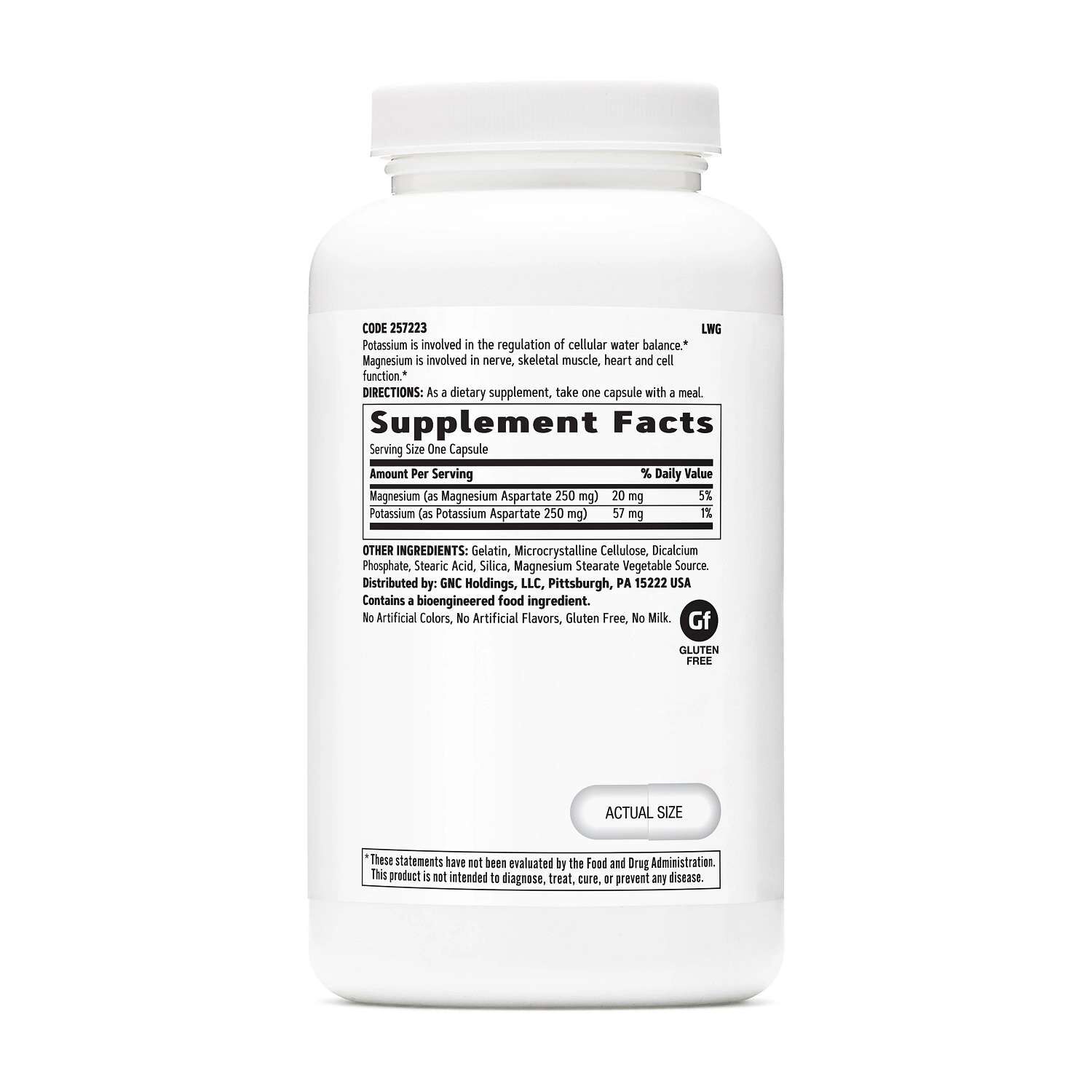
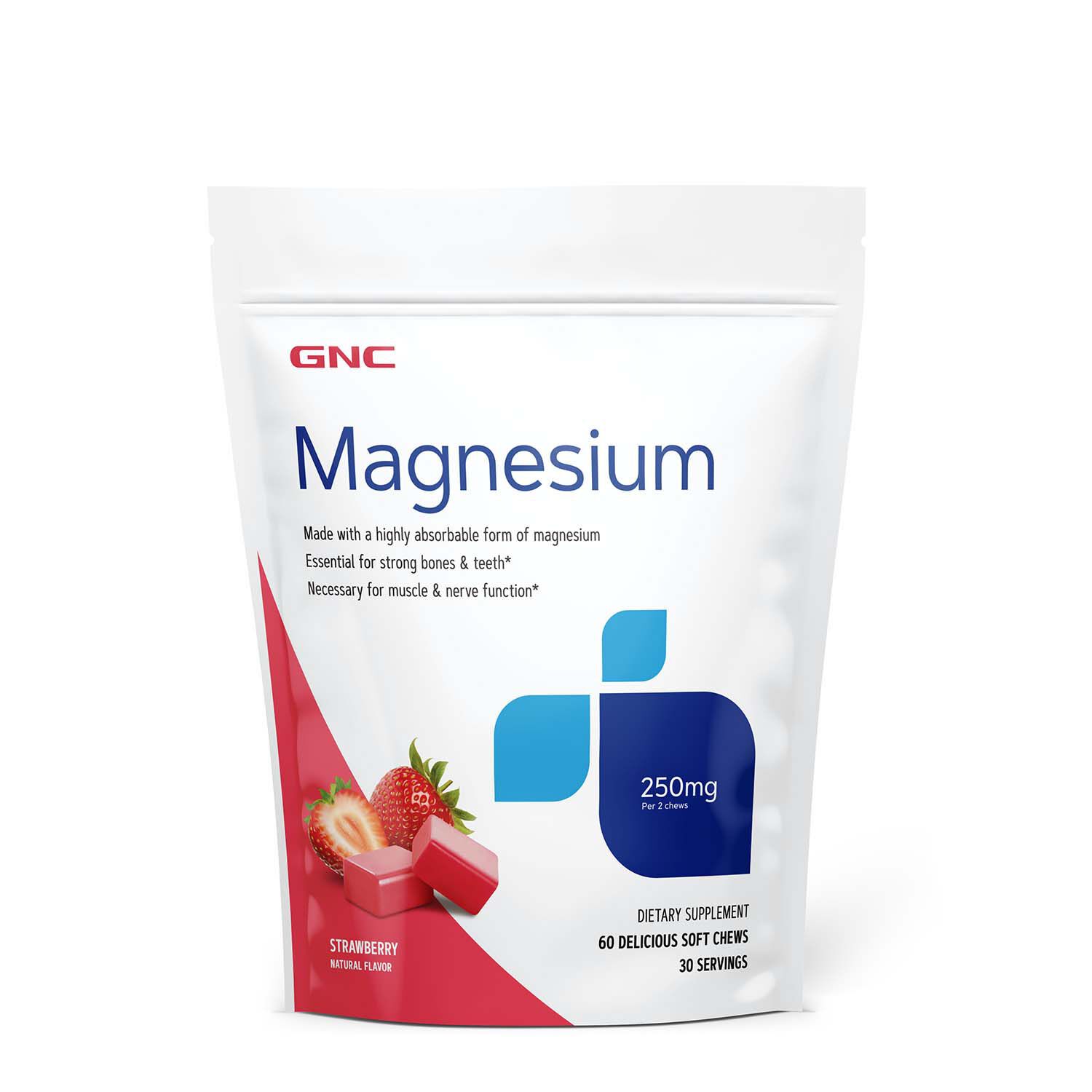

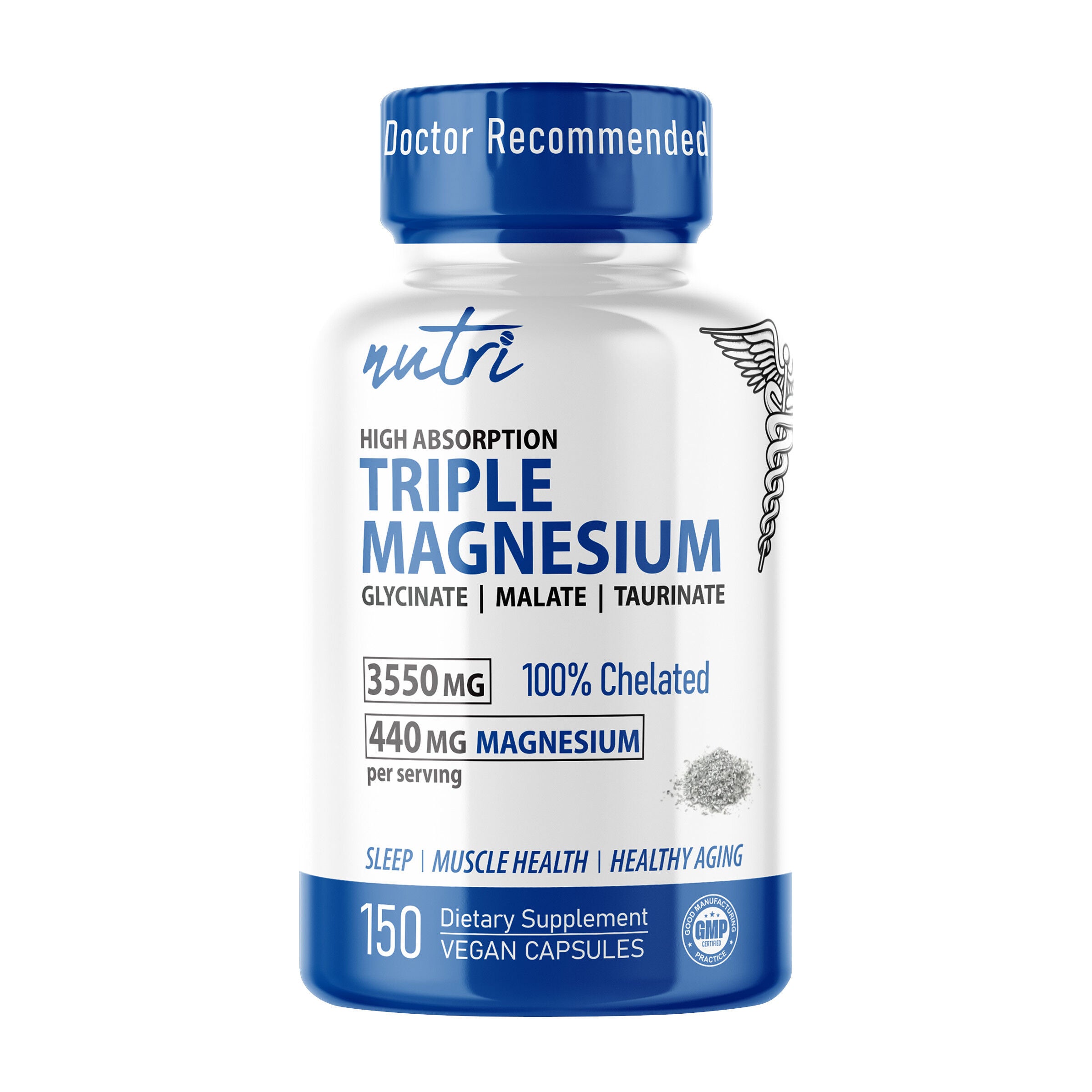
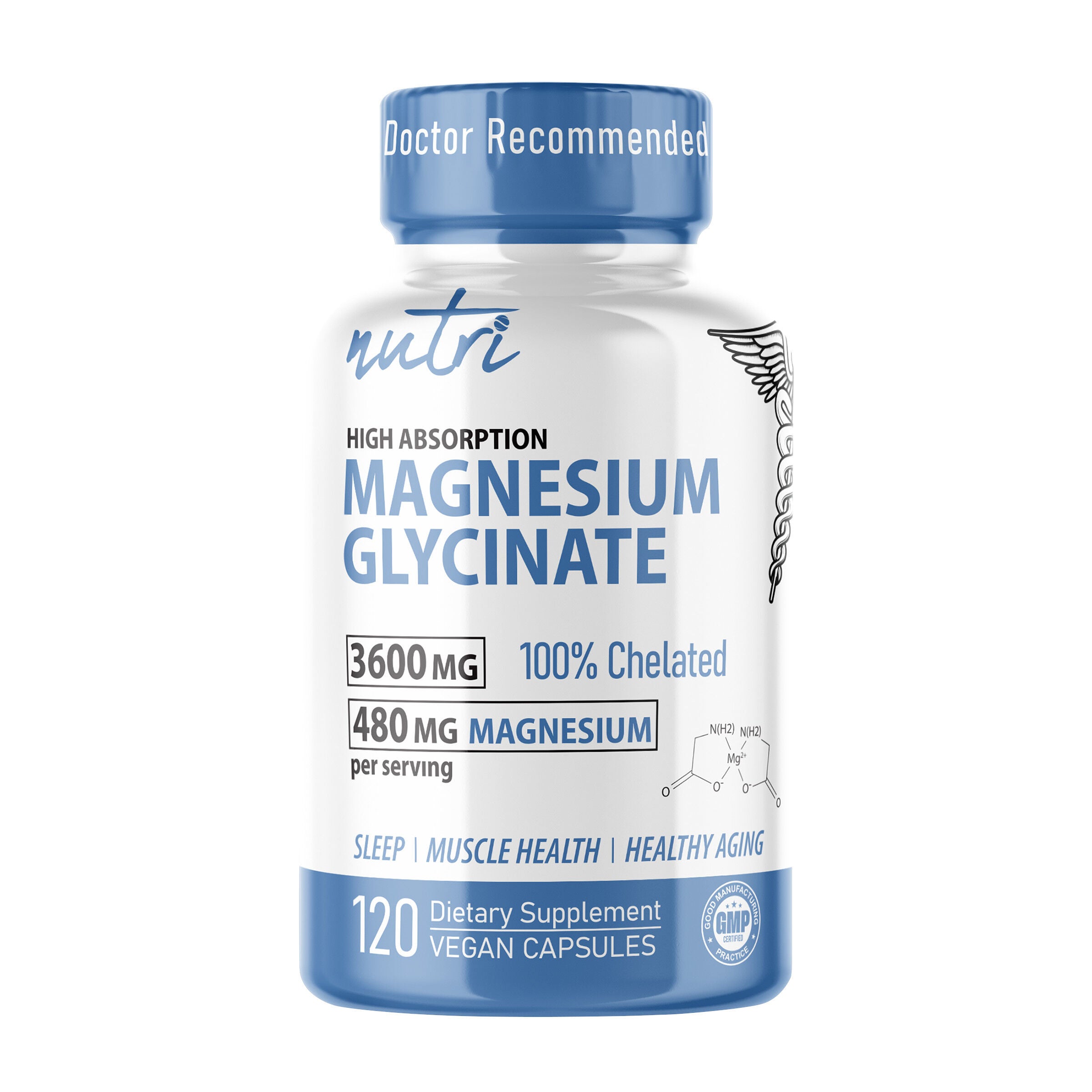
Magnesium complex supplements typically bring together more than one form of magnesium in a single formula, giving shoppers a way to compare blended options rather than individual mineral forms. For active lifestyles, that category includes people who lift weights, cycle, practice yoga, walk regularly, or spend much of the day moving between work, errands, and recreational activities. A magnesium complex may fit into an established nutrition routine, but the word “complex” describes the blend rather than a particular result. Magnesium is a dietary mineral found in foods such as beans, nuts, seeds, whole grains, and leafy greens. Supplements provide another source of dietary magnesium, with the amount and composition identified on the label. Common forms include magnesium glycinate, citrate, malate, taurate, and oxide. These names refer to different compounds: glycinate contains glycine, citrate is associated with citric acid, malate with malic acid, taurate with taurine, and oxide combines magnesium with oxygen. A formula might pair two forms or include several, so similar names on the front of a bottle do not necessarily mean similar contents. Chelated magnesium generally refers to magnesium bound to an organic molecule, such as an amino acid; that description alone does not establish how one blend compares with another for an individual shopper. The Supplement Facts panel provides a more useful starting point than the size of the lettering on the package. Its magnesium amount refers to elemental magnesium, rather than the weight of the entire magnesium-containing compound. Serving size matters alongside that figure, since the listed amount may correspond to more than one capsule or tablet. A blend may identify its magnesium sources without stating how much each form contributes. Those distinctions help explain why two magnesium complexes with similar ingredient names can have different serving formats and amounts. The category is best understood through those tangible details, without assuming that a particular form or combination will produce a specific workout or bedtime outcome.
Format is another meaningful distinction among magnesium complexes for active lifestyles. Capsules, tablets, and powders each have practical characteristics that may suit different preferences. Capsules and tablets keep preparation simple, while powders introduce considerations such as flavor, mixing directions, and the amount of liquid specified on the package. A person heading from an office to a fitness class might value a compact container that stays organized with other daily belongings; someone with a regular meal-preparation routine might prefer a format that belongs alongside a shaker cup and kitchen supplies. These are differences in convenience, not evidence that one format will deliver a particular result. Capsule shells may be made from gelatin or plant-derived materials, and tablets can contain binders, coatings, or other ingredients used in manufacturing. Powder formulas may include flavorings, sweeteners, or ingredients that affect texture. The ingredient list helps distinguish a straightforward mineral blend from a formula that also contains vitamins or other nutrients. Dietary preferences are easier to evaluate when the package explicitly identifies relevant attributes, rather than when those attributes are inferred from a capsule’s appearance or a powder’s color. Allergen statements and serving details also deserve attention when comparing formulas for a household with different preferences. A small tablet is not necessarily a one-tablet serving, and a large scoop does not reveal the magnesium amount without the accompanying label information. For powders, the supplied scoop and preparation instructions belong to that formula; scoops from other containers are not interchangeable measures. Taste descriptions, where provided, offer another practical comparison point, especially for someone who prefers an unflavored preparation or a particular flavor profile. Product photographs may show container shape and presentation, but the written package information supplies the details needed to understand what is inside. Comparing form, serving size, magnesium sources, and additional ingredients creates a clearer picture than choosing on the basis of a blend name alone. It also keeps the focus on everyday usability: the container that fits the designated cupboard, the format that matches personal preferences, and the label that remains easy to read.
The intended use of a magnesium complex is dietary supplementation, not a substitute for meals, hydration, varied food choices, or a thoughtfully planned activity routine. An active day can take many shapes, from a walk before work and an evening strength session to a long shift spent standing followed by household tasks. The most relevant product characteristics often come from those ordinary details rather than from the intensity of a single workout. Someone organizing several nutrition products may appreciate clearly labeled containers and an uncomplicated format, while another shopper may prioritize a short ingredient list or a capsule material that matches a dietary preference. The related selection at Magnesium For Busy Lifestyles offers another way to browse magnesium supplements through the lens of everyday routines. Care and storage also belong in the comparison, particularly when a container travels between home and a gym bag. The original packaging keeps the product name, ingredient information, directions, expiration date, and any lot details together. Storage conditions vary by formula, making the package instructions the relevant reference for where a container belongs. A secure closure and a dry storage location may help protect the contents from unwanted moisture, while keeping a powder scoop dry may help reduce clumping introduced during handling. Bathroom counters, damp towels, and open drink bottles create different storage conditions than a designated cupboard, even when all are convenient places to set down a bag. Packaging durability is therefore a practical consideration, although a sturdy-looking bottle does not establish the condition of its contents after unsuitable storage. Expiration information remains relevant even when a container looks unchanged. For shared households, keeping each supplement in its labeled package also makes ownership and product identification clearer. Across this category, useful distinctions remain consistent: the magnesium forms included, the amount per labeled serving, the delivery format, the additional ingredients, and the care instructions. Those details make magnesium complexes easier to compare for active lifestyles without turning a mineral supplement into a prediction about personal performance.
Best Sellers
-
Rho Nutrition
-
Qualia Life Sciences