Magnesium For Adults Supplement
(0 Results)
Magnesium is an essential mineral that plays a crucial role in supporting overall health and well-being for adults. From promoting muscle function and energy production to aiding in bone strength and cardiovascular health, magnesium is a powerhouse nutrient that many individuals may not be getting enough of through their diet alone. Our selection of magnesium supplements for adults offers a convenient way to ensure you meet your daily magnesium needs, helping you feel your best and thrive each day.
-

-

-

-

-

-

-
-
 _Front.jpg?sw=305&sh=305&sm=fit "Magnesium: Bioactive Magensium Citrate - 120 Capsules (120 Servings) | GNC")
-
 Nature's Fusions$31.99

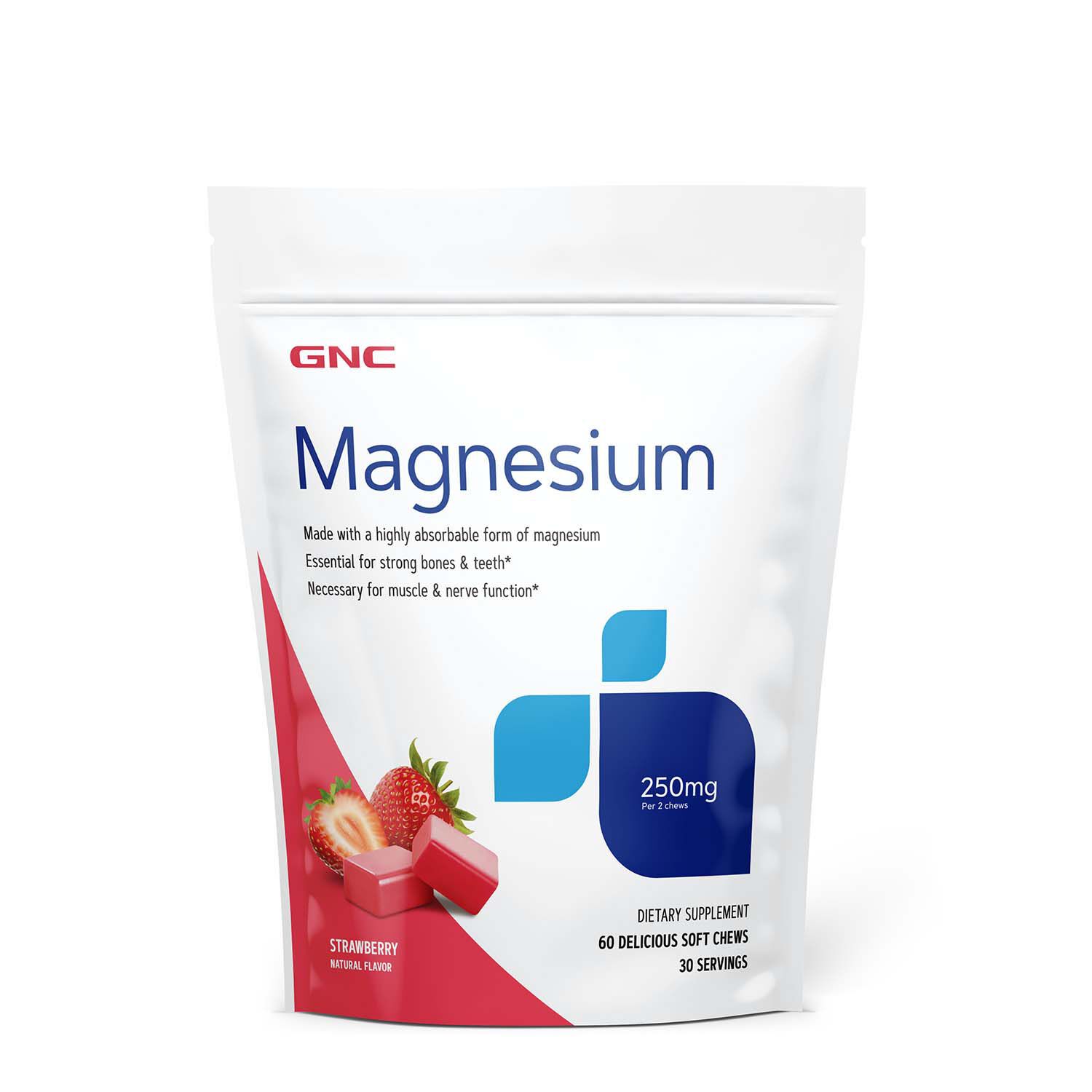
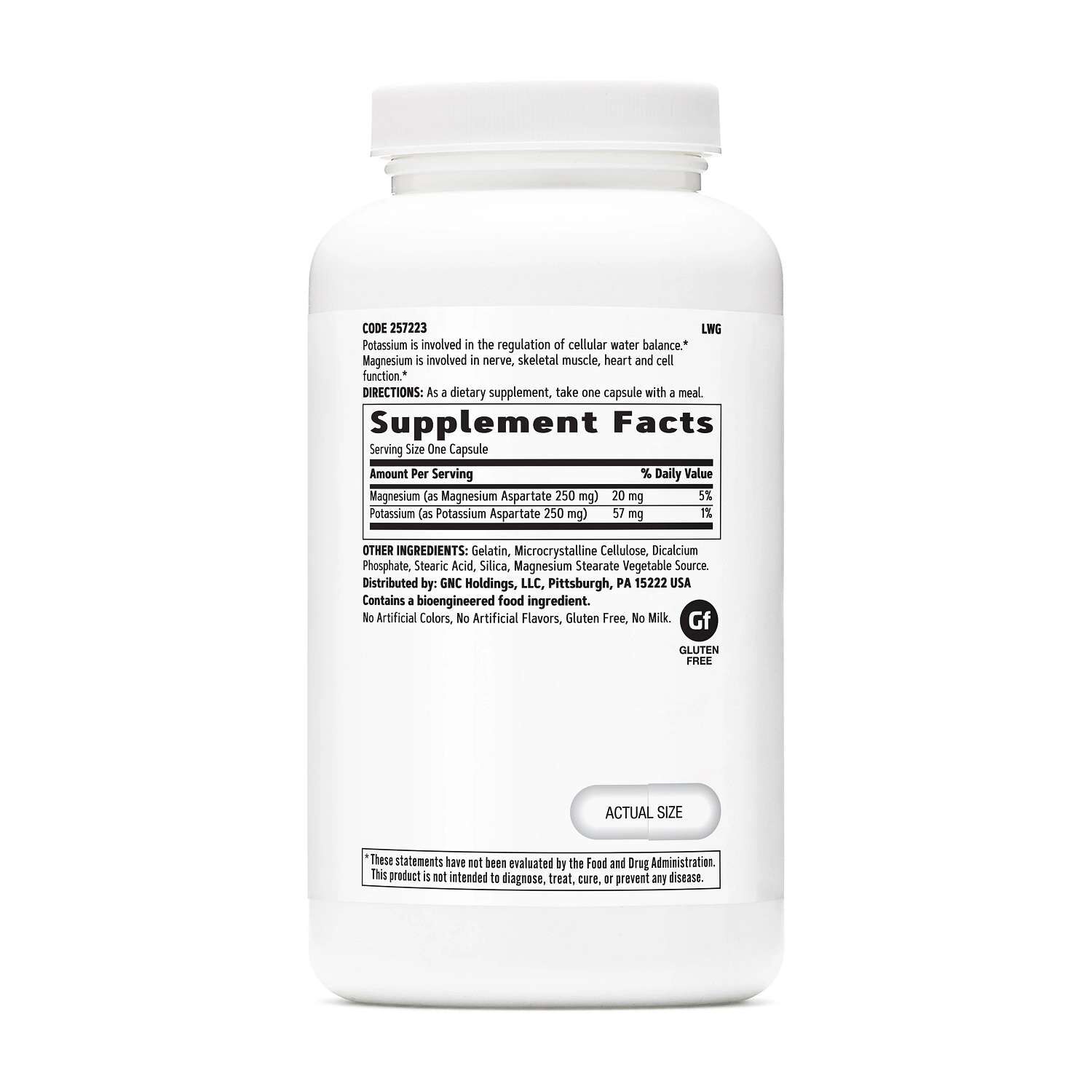


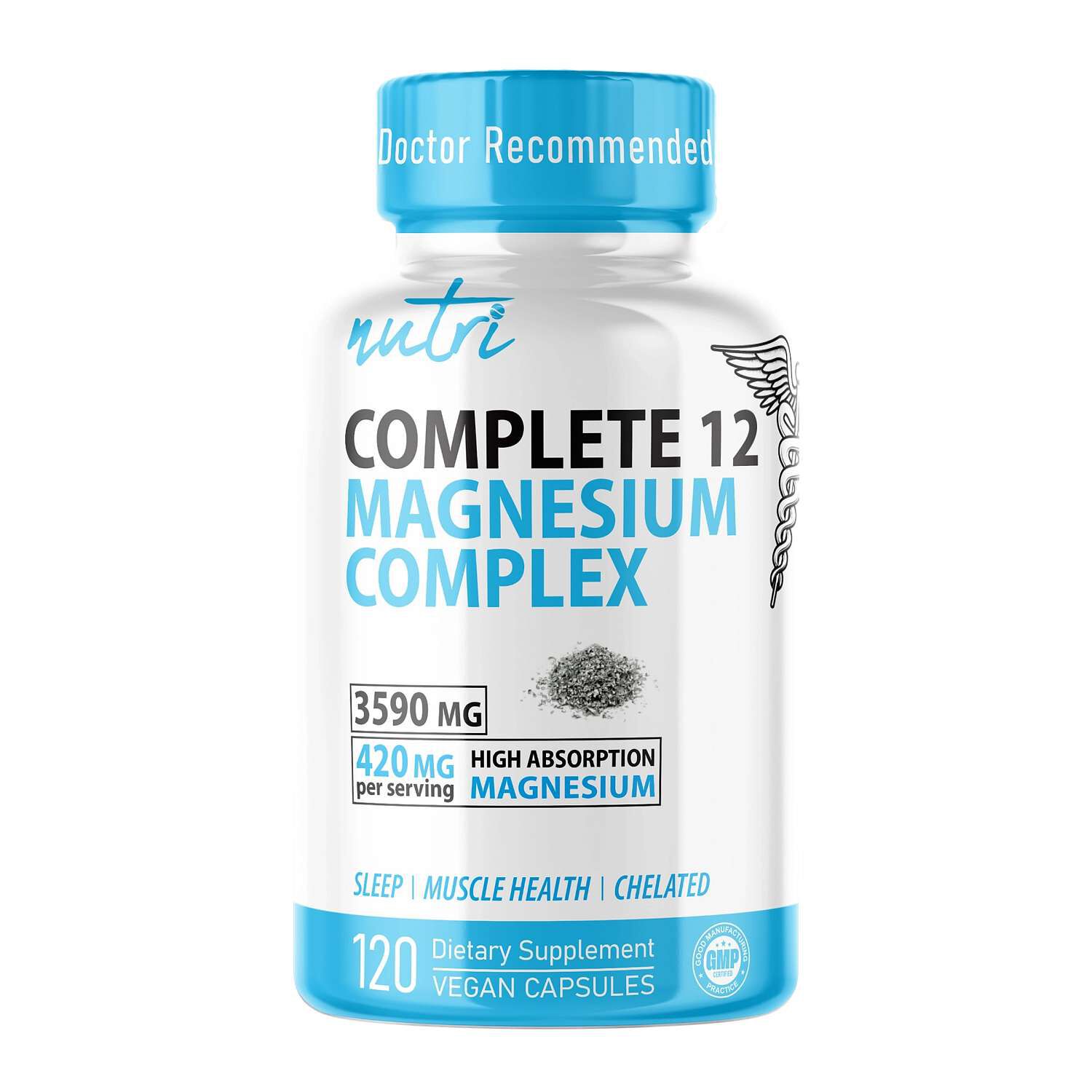
Magnesium supplements for adults bring a familiar dietary mineral into formats ranging from capsules and tablets to flavored powders and gummies. Magnesium also occurs naturally in foods such as pumpkin seeds, almonds, beans, and leafy greens, so supplements belong within the broader context of everyday nutrition rather than replacing a varied diet. For shoppers comparing adult magnesium supplements, the most useful distinctions are the magnesium compound, the amount of elemental magnesium per serving, the serving size, and the other ingredients in the formula. Elemental magnesium refers to the magnesium itself, rather than the weight of the entire compound that contains it. This distinction matters because a prominent number on the front of a package may describe something different from the magnesium amount listed in the Supplement Facts panel. A serving can also contain more than one capsule, tablet, or gummy, making the number of pieces per serving an important part of the comparison. Magnesium glycinate pairs magnesium with glycine, magnesium citrate pairs it with citric acid, and magnesium malate pairs it with malic acid. Magnesium oxide is another form found in adult supplements, while some formulas combine several magnesium sources. These names describe different ingredient forms, not interchangeable descriptions of the same formula. A blend deserves the same close reading as a single-form supplement: the label identifies its magnesium sources and the stated magnesium amount per serving, although it may not specify how much each source contributes. Adults browsing this category may be looking for a single-mineral supplement, a particular compound, or a format that fits an established nutrition routine. A straightforward comparison starts with those concrete features, without assuming that a longer ingredient list or a larger number automatically makes one option a better match. The distinction between a magnesium-only formula and a formula with additional vitamins or minerals is especially useful for shoppers who prefer a short ingredient list or want to understand each ingredient included in a serving.
The physical format shapes much of the everyday experience of using a magnesium supplement. Capsules have a shell that may be made from gelatin or a plant-derived material, and that shell matters to adults with particular ingredient preferences. Tablets are compressed solids and may contain binders or coatings; their dimensions and surface texture are practical details for shoppers who prefer a smaller piece or a smoother finish. Neither format can be judged by the bottle photograph alone, especially when the serving consists of several pieces. Powders offer a different experience, with flavor, serving measurements, mixing directions, and preparation all becoming part of the comparison. A powder intended to be mixed into water may fit a routine built around preparing a beverage, while capsules may suit someone who prefers not to add another flavored drink. Powder texture and how readily it disperses can vary by formula, so package directions are more informative than assumptions based on the magnesium form alone. Gummies have their own considerations, including texture, flavor, sugars, sweeteners, and the number of pieces in a serving. Their confection-like appearance does not change their intended use as adult dietary supplements. For someone who spends part of the day away from home, container dimensions, closure style, and the need for a scoop or mixing vessel may be just as relevant as flavor. An adult who dislikes sweet drinks may prefer an unflavored format, while another may value a clearly described fruit flavor. These are preferences about use, not evidence that one format delivers a better nutritional result. Packaging also affects the experience beyond the first serving: a secure lid, readable instructions, and a container that stores neatly can make a meaningful difference in how a product fits the home. Label-specific storage directions remain relevant for all formats, particularly when a bathroom cabinet, kitchen counter, or gym bag exposes a container to moisture. The original packaging keeps the ingredient list, serving information, and storage details together for later reference.
Beyond format, a closer look at the full label helps distinguish supplements that initially appear similar. The Supplement Facts panel describes the serving size and declared nutrients, while the other-ingredients list identifies components such as capsule materials, flavors, colors, and ingredients used in manufacturing. Allergen statements and clearly described dietary attributes provide additional context for adults with specific food preferences. A plant-derived capsule, for example, describes the shell; a statement about the finished formula offers a different scope of information. The magnesium source may appear in parentheses alongside magnesium in the Supplement Facts panel, making that panel useful when the front label emphasizes a blend name or a broader wellness theme. Shoppers interested in a taurine-associated form can also explore Magnesium Taurate Supplements for Adults as a related category. Magnesium taurate pairs magnesium with taurine, and, as with other forms, the declared magnesium amount and serving format remain important points of comparison. Across the category, clear labeling is more useful than drawing conclusions from a compound name alone. A bottle containing many capsules may have fewer servings than expected if each serving includes multiple capsules; similarly, a powder container’s weight does not by itself show how many servings it contains. A serving is the label’s unit for describing the formula, not a personalized recommendation for every adult. Intended use is another boundary worth keeping visible: products labeled for adults are distinct from products formulated and labeled for children. For a shared household, legible packaging and a dedicated storage location may help keep those distinctions clear. The most grounded way to view magnesium supplements is as a category with several ingredient forms and practical formats, each described by its own label. Matching those details to preferences for capsule materials, flavor, preparation, and serving configuration gives the shopping process a concrete focus. Rather than relying on sweeping statements about what magnesium will do, a careful comparison centers on what the formula contains, how it is presented, and what its labeled use involves.
Best Sellers
-
 Rho Nutrition
-
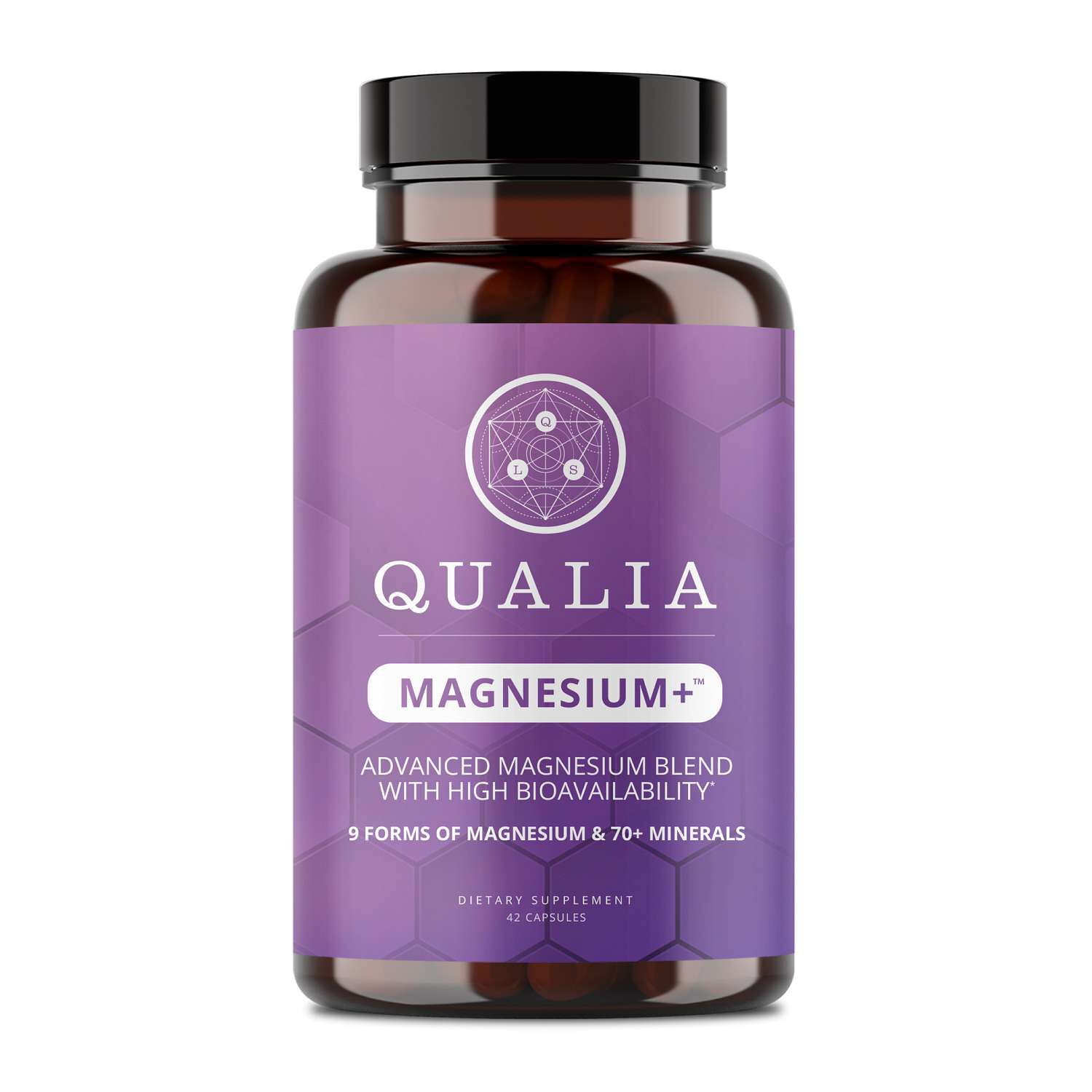 Qualia Life Sciences