Magnesium Glycinate Capsules With No Gluten
(0 Results)
Magnesium glycinate capsules with no gluten offer a convenient way to add magnesium to your daily routine while supporting gluten-free lifestyles. With a focus on quality and purity, these capsules are designed for those seeking options that align with specific dietary preferences. Explore a variety of magnesium glycinate capsules with no gluten to find the right fit for your wellness goals.
-
 _Front.jpg?sw=305&sh=305&sm=fit "Magnesium: Bioactive Magensium Citrate - 120 Capsules (120 Servings) | GNC")
-
-
 _Front.jpg?sw=305&sh=305&sm=fit "Magnesium: Bioactive Magensium Citrate - 60 Capsules (60 Servings) | GNC")
-

-

-

-

-

-

-

-

-

-

-
 $39.99
 -
 $29.99

Magnesium glycinate capsules with no gluten combine a particular mineral form with a dietary preference that applies to the finished supplement, not just its main ingredient. Magnesium glycinate is magnesium bound to glycine, an amino acid. The compound itself does not require wheat, barley, or rye, but a capsule contains more than the named mineral. Its shell, other ingredients, and manufacturing practices all matter when evaluating a no-gluten claim. For shoppers avoiding gluten, the most useful starting point is an explicit statement on the product label rather than an assumption based on the words “magnesium glycinate.” A short ingredient list can be helpful to review, but ingredient count alone does not establish whether a supplement meets a particular dietary requirement. Look at the Supplement Facts panel alongside the other ingredients list, allergen information, and any details about testing or certification. These sections answer different questions: the facts panel identifies the declared nutrients and serving amounts, while the other ingredients list describes components such as the capsule shell and ingredients used during production. A certification symbol may provide additional context, although the organization behind it and the scope of its standards matter. Likewise, a general statement about quality testing does not necessarily mean that testing specifically addresses gluten. When a label leaves an ingredient source unclear, manufacturer documentation can provide more detail than the front of the bottle. This distinction is especially useful when comparing two capsules that appear nearly identical at first glance. One may offer a clear no-gluten statement and detailed dietary labeling, while another may simply name the magnesium form. Neither the capsule’s appearance nor the simplicity of its packaging answers those questions. For this category, a well-documented formula is more informative than broad language about purity, and clear labeling gives shoppers a concrete basis for comparing their options.
The magnesium amount deserves the same attention as the dietary statement. On a U.S. Supplement Facts panel, the amount listed for magnesium represents elemental magnesium, rather than the entire weight of the magnesium-and-glycine compound. A number elsewhere on the package may describe something different, so comparing front-label numbers without checking the panel can lead to an uneven comparison. Serving size is equally important: the listed magnesium amount may apply to one capsule or to several capsules taken as a serving. Two bottles with the same capsule count therefore do not necessarily contain the same number of labeled servings. Reading these details together gives a clearer picture of the format and the amount each serving provides, without treating a larger number as automatically preferable. The ingredient declaration also helps distinguish magnesium glycinate from a formula that combines it with other magnesium forms. If the goal is to select this particular form, the source information next to magnesium and any accompanying formula details are worth reviewing. Beyond the mineral itself, capsule construction can matter to shoppers with additional preferences. Shells may be made with gelatin or plant-derived materials such as cellulose, and a no-gluten statement does not by itself establish that a capsule is suitable for someone seeking a vegetarian option. Similarly, the absence of gluten says nothing on its own about soy, dairy, or other ingredients someone may wish to avoid. Capsule dimensions, when provided, are another practical consideration; photographs rarely communicate size reliably. Someone accustomed to smaller capsules may value that information as much as the serving count. A straightforward formula may appeal to a shopper who wants to compare fewer components, while a combination formula calls for a closer look at every listed nutrient. These are differences in composition and format, not reasons to assume that one formula will suit every person.
Capsules also have everyday characteristics that can shape a purchasing decision. Unlike a powder, they require no measuring scoop or mixing container, and unlike a flavored chewable, they are not chosen primarily for taste. That format may appeal to adults who already use labeled capsule supplements and prefer a similar approach when shopping for magnesium. The intended use is dietary supplementation, rather than a replacement for varied meals, and the package directions remain the reference for how a particular formula is intended to be used. For a shopper comparing bottles at a kitchen counter, the practical questions are often simple: how many capsules make up a serving, which ingredients are present, whether the dietary statements are explicit, and how the packaging fits an existing storage space. Bottle size, closure design, and label readability can be useful details when they are supplied. Packaging durability matters differently here than it does for reusable goods; the priority is keeping the capsules protected and their identifying information intact throughout use. Store the supplement according to its label, retain the original container, and keep the closure secured as directed. The original bottle preserves the ingredient declaration, lot information, and date marking, which can be lost when capsules are moved into an unmarked container. A package that keeps those details legible is useful for later reference, particularly when comparing a replacement bottle with one purchased previously. Review the label again with each purchase rather than assuming that a familiar-looking package has an unchanged formula. For households managing more than one dietary preference, separate requirements deserve separate checks. Shoppers also comparing shellfish-related labeling can explore Magnesium Glycinate Capsules With No Shellfish, while reviewing the individual label for both requirements rather than treating either category name as proof of the other. The most meaningful comparison brings these details together: the magnesium source, elemental amount per serving, capsule materials, other ingredients, dietary statements, and package directions. Keeping the focus on those specifics makes the category less about broad claims and more about finding a clearly described capsule format that aligns with personal preferences.
Best Sellers
-
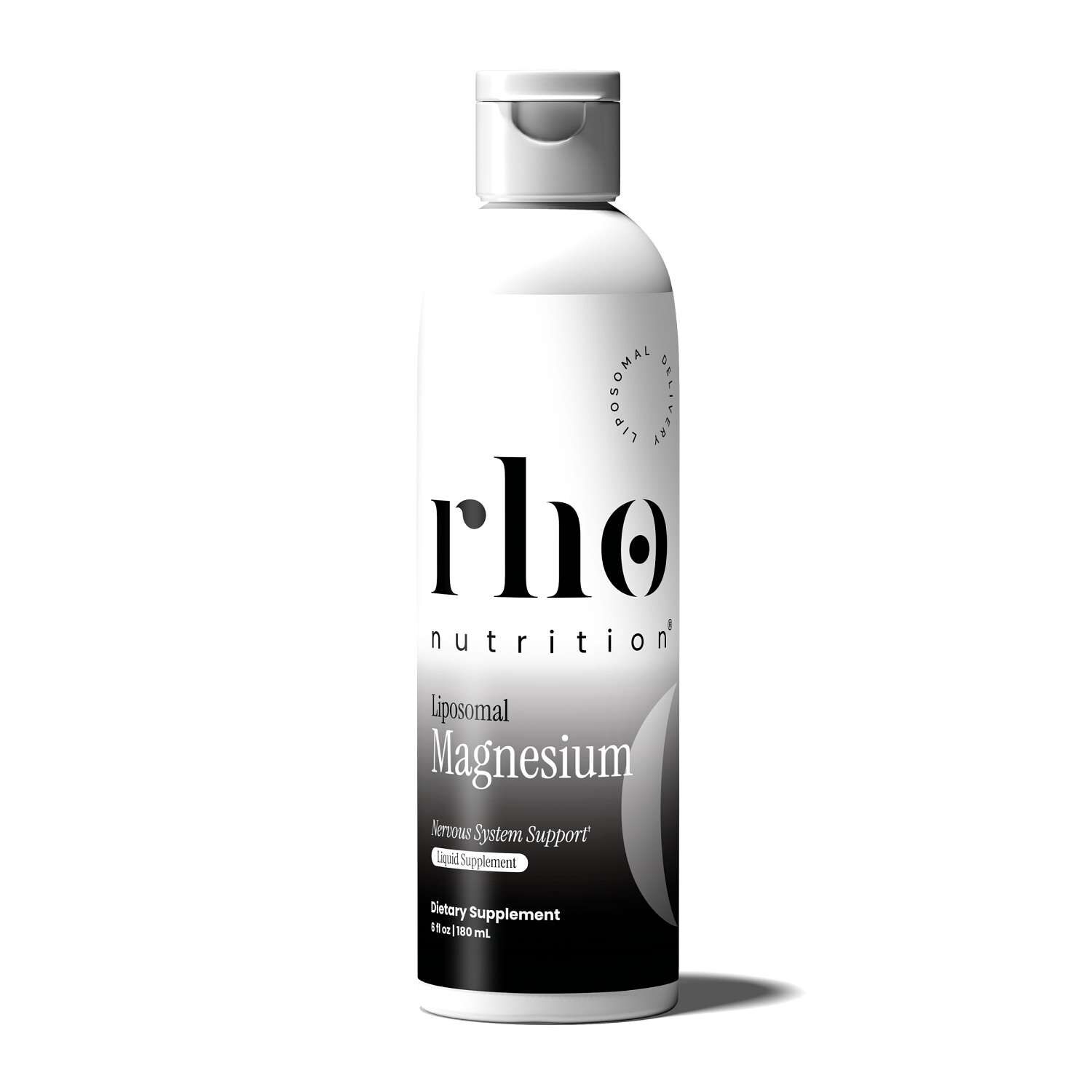 Rho Nutrition
 -
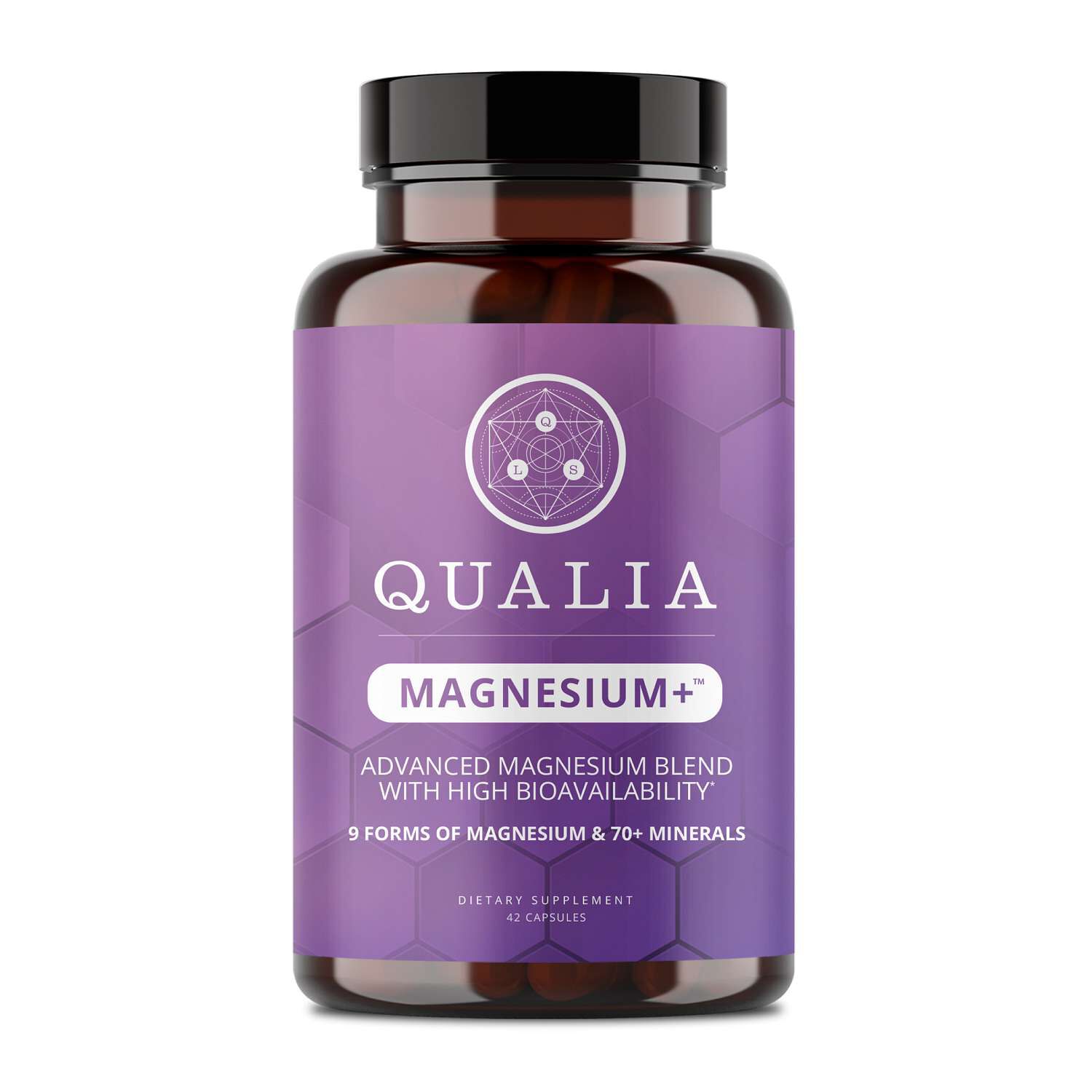 Qualia Life Sciences