





Magnesium Glycinate Supplements With No Preservatives
(0 Results)
Magnesium glycinate supplements with no preservatives may offer a straightforward way to support your wellness goals. Many people seek magnesium glycinate for its gentle approach and easy absorption, making it a popular choice for those looking to add magnesium to their daily routine. Explore options that focus on simplicity and transparency, so you can feel confident in your supplement choices. Discover magnesium glycinate supplements with no preservatives and find the right fit for your lifestyle.
-
-

-

-

-

-
-
-

-
 Nature's Fusions$29.99
-

-
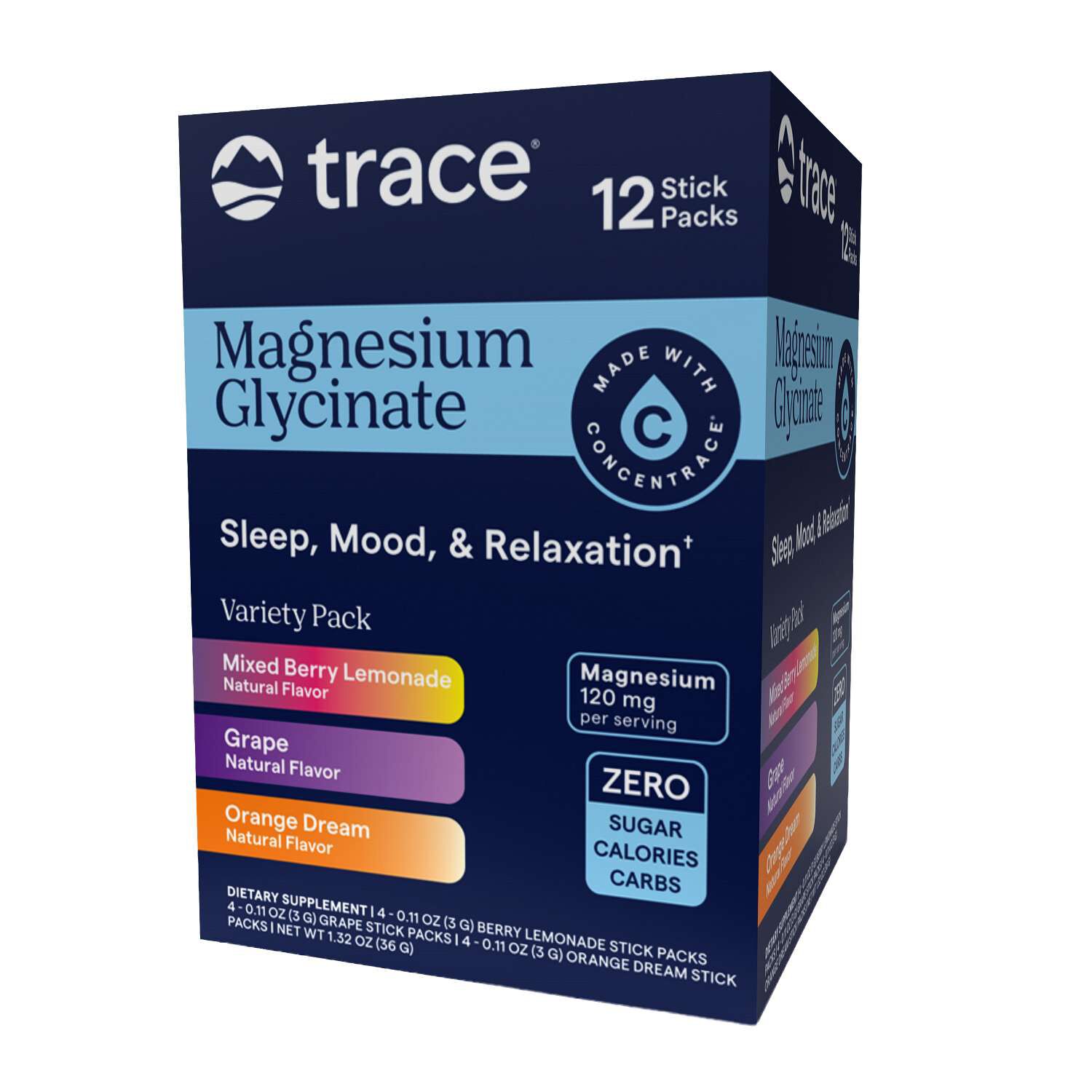 Trace Minerals$14.99
-
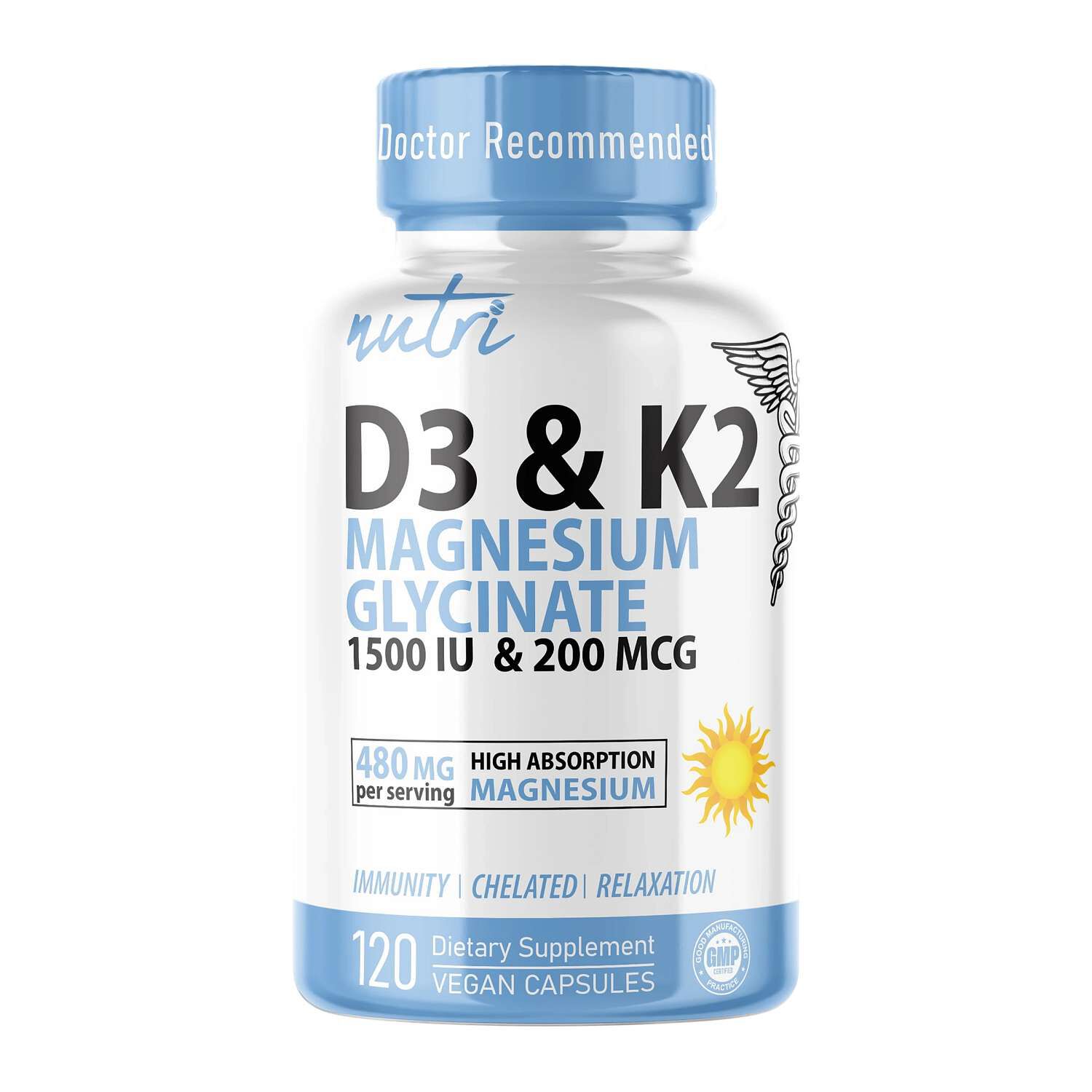 Nature's Fusions$29.99
-

-
 $27.99

Magnesium glycinate supplements with no preservatives pair a specific magnesium form with a formulation preference: no ingredients added for preservation. Magnesium glycinate is magnesium bound to glycine, an amino acid, and it may also appear on labels as magnesium bisglycinate. For this category, the absence of preservatives is a separate consideration from the magnesium source, serving size, capsule material, or flavoring. A product described as having no artificial preservatives is not necessarily the same as one described as having no preservatives of any kind. Likewise, a no-preservatives statement does not mean there are no fillers, binders, colors, sweeteners, or other supporting ingredients. Those details appear in the ingredient list and any specific statements on the packaging. That distinction matters for shoppers who want a simpler ingredient profile without assuming that one label statement covers every preference. The Supplement Facts panel adds another important layer: magnesium is generally listed by its elemental amount, while the source appears alongside it or in the ingredient information. The weight of the entire magnesium glycinate compound is not the same as the amount of magnesium it provides. A serving may contain one capsule, several capsules, or a measured portion of powder, so amounts make more sense when read with the stated serving size. Container counts and serving counts can differ for the same reason. Some formulas contain more than one magnesium form, and a label may identify a buffered formula or list magnesium oxide alongside glycinate. That is useful context when the preference is specifically for magnesium glycinate rather than a mixed-form supplement. Ingredient transparency is especially relevant here: the front label introduces the formula, while the full ingredient list explains what accompanies the mineral. Preservative statements, the magnesium source, and serving information each describe a different part of the product, and none replaces the others. For adults comparing everyday supplements, that combination of details offers a more meaningful picture than a single prominent package claim.
For many shoppers, format is just as practical a consideration as the ingredient statement. Capsules have an outer shell as well as the ingredients inside, and that shell may be made with gelatin or a plant-derived material such as cellulose. The shell material does not, by itself, establish whether preservatives are present or whether the entire formula meets a particular dietary preference. Other ingredients may help powder move through manufacturing equipment, keep contents evenly distributed, or give a tablet its shape. These functions are different from preservation, so a longer ingredient list is not automatically evidence of preservatives. A shorter list, in turn, does not establish the magnesium amount or define every dietary characteristic. Shoppers who also pay attention to flavoring can explore Magnesium Glycinate Capsules With No Artificial Flavors for a related formulation preference. The two descriptions are distinct: no artificial flavors concerns flavor ingredients, while no preservatives concerns ingredients used for preservation. Neither description, on its own, establishes whether a formula contains sweeteners, colors, gelatin, or ingredients excluded by a particular eating pattern. For someone who prefers a capsule over a flavored drink mix, capsule size, shape, shell material, and the number per serving can be useful comparison points. Powders involve a different routine, with a measured serving and preparation according to package directions. A powder described as unflavored may still have a noticeable taste, and the absence of added flavor does not establish anything about preservatives. Tablets have their own dimensions and coatings, which can matter to adults with a preference for one physical format over another. Even within the same format, serving instructions and ingredient combinations can differ. Someone who keeps a compact supplement organizer may be interested in capsule dimensions, while someone who prefers measuring a powder may pay closer attention to preparation instructions and the stated serving measure. These practical differences give context to the formula without suggesting that one format is universally preferable.
Storage and packaging also belong in the comparison of magnesium glycinate supplements with no preservatives. The absence of preservatives does not mean a supplement should be treated like fresh food, nor does it establish a particular shelf life. Storage instructions and any printed date remain the relevant references for handling. Moisture, repeated handling, and container design are practical considerations for mineral supplements, whether or not preservatives are used. Keeping a supplement in its original container preserves access to the ingredient list, serving information, and handling directions. A cap that closes securely and a label that remains readable may make everyday organization simpler. Directions about heat, light, or moisture belong to the specific package rather than a general assumption about the magnesium form. A bathroom shelf beside a steamy shower, for example, creates a different storage environment from a designated cabinet away from a sink. Powder formats may include handling directions concerning dry utensils and closing the container after measuring. In a household where several adults use different supplements, keeping labels and containers together may make it easier to distinguish formulas without relying on bottle color or capsule appearance. At home or while traveling, retaining the product name, ingredient list, serving information, and storage directions may be useful for keeping a routine organized. Packaging dimensions may also matter when a container needs to fit on a narrow shelf or in a designated storage basket. A compact container and a larger tub present different organizational considerations, but neither says anything by itself about preservative content. Preservative status alone also does not establish suitability for a particular person or describe every ingredient in a formula. A well-matched choice brings together a clearly identified magnesium source, an ingredient list consistent with personal preferences, a suitable physical format, and package information that is easy to read and keep with the supplement.
Best Sellers
-
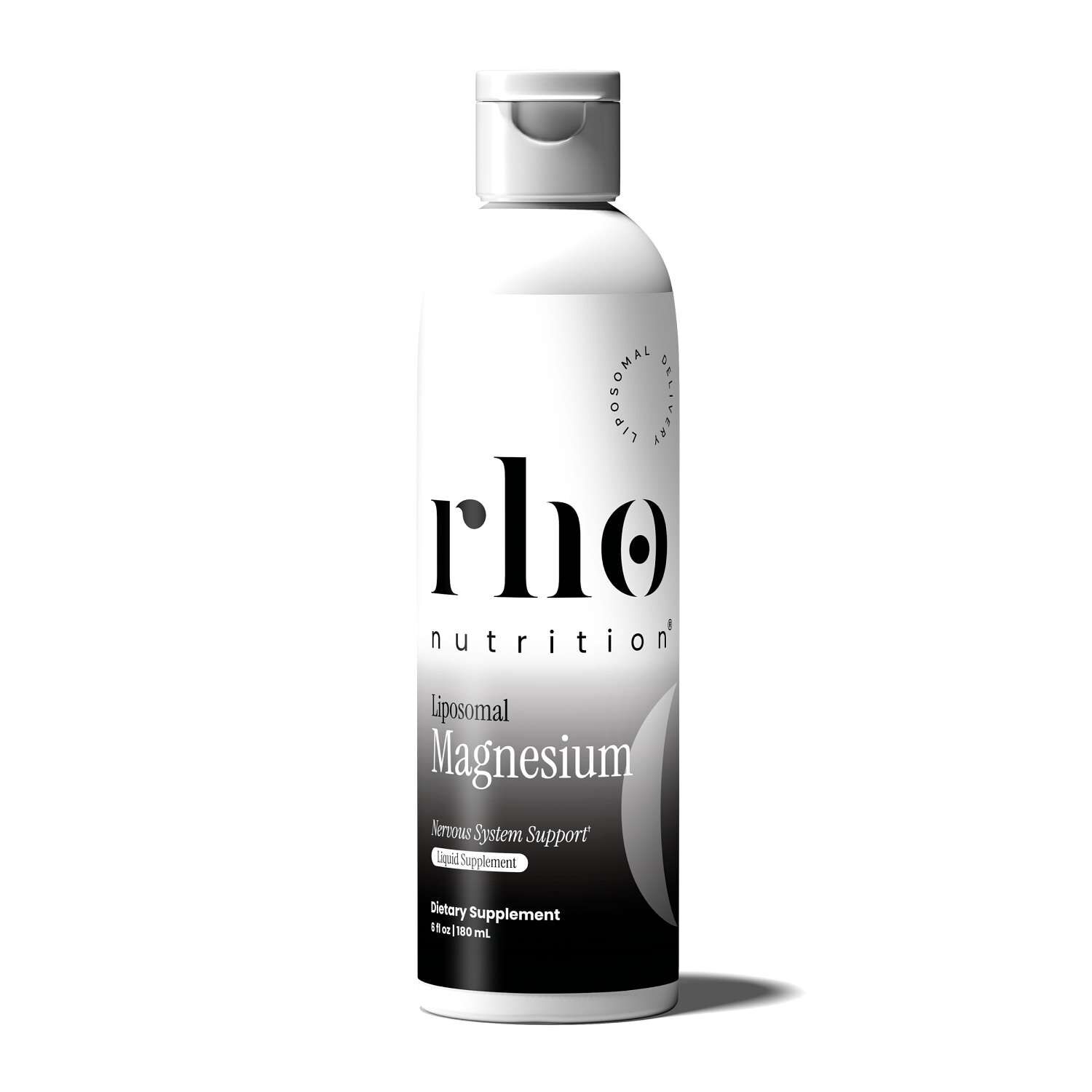 Rho Nutrition
-
 Qualia Life Sciences
Related Pages
Top Collections
- Chronic Fatigue Supplements
- Vitamins For Hair Loss
- Capsule Supplements For Energy And Stamina
- Supplements For Yoga Joint Flexibility
- Zinc Supplements For Men
- Best Brand of Magnesium Glycinate
- Cortisol Supplements
- Supplements For Energy And Wellness
- Joint Mobility Supplement Packs
- Peptide Supplements