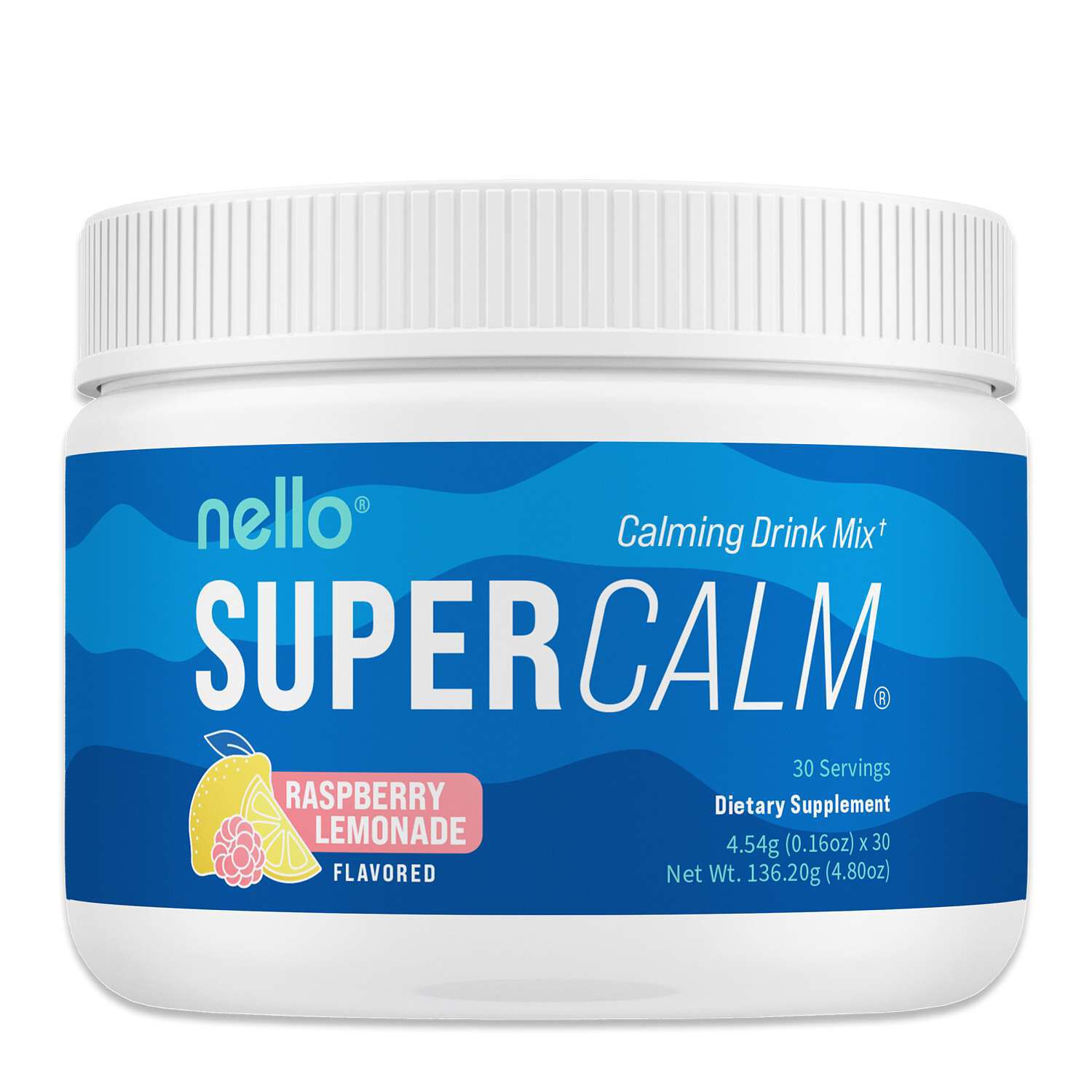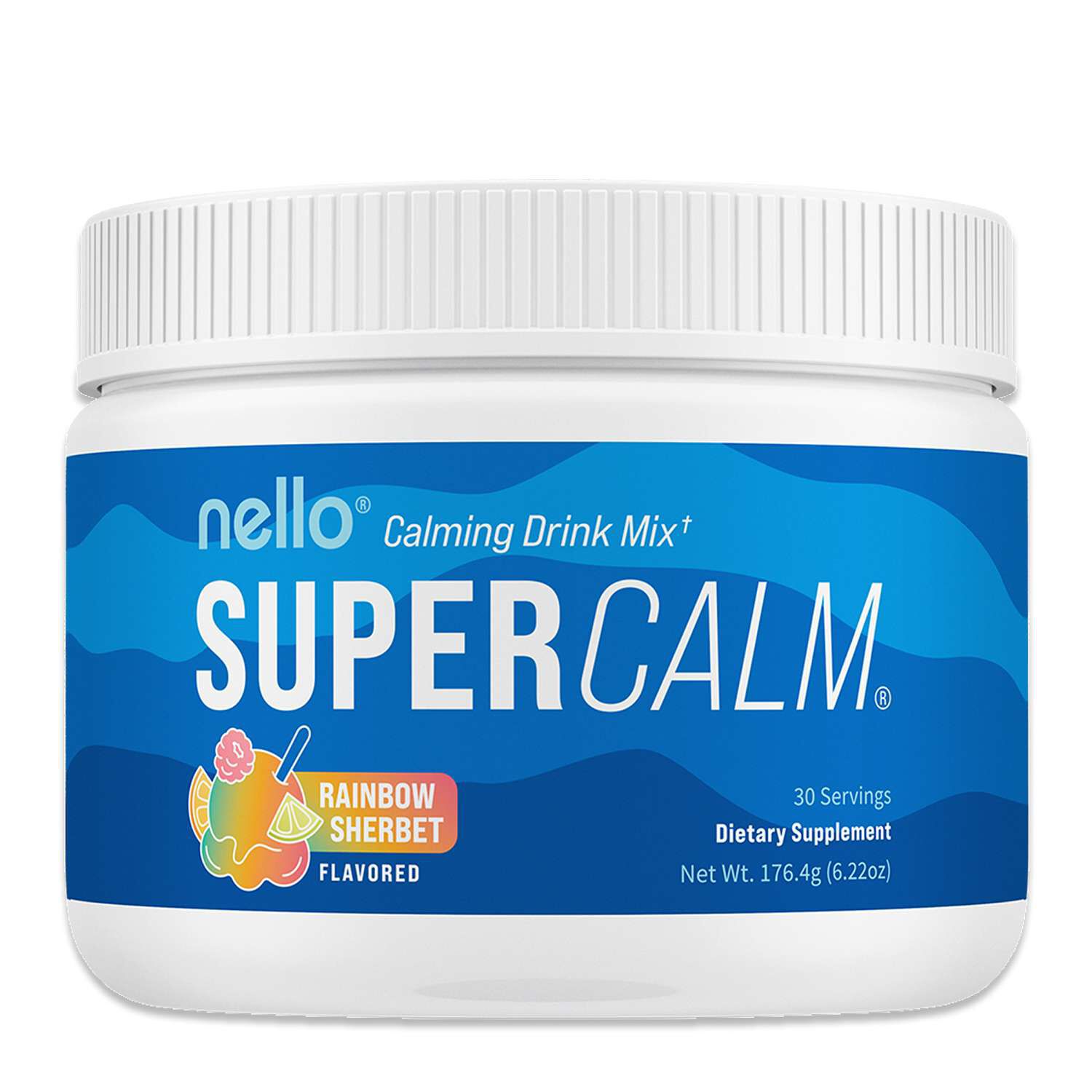


Magnesium Glycinate Capsules With No Shellfish
(0 Results)
Magnesium glycinate capsules with no shellfish offer a convenient way to add magnesium to your daily routine. Many people look for options that align with their dietary preferences, and these capsules are crafted without the use of shellfish ingredients. Explore a range of magnesium glycinate capsules with no shellfish that may fit seamlessly into your wellness journey.
-

-
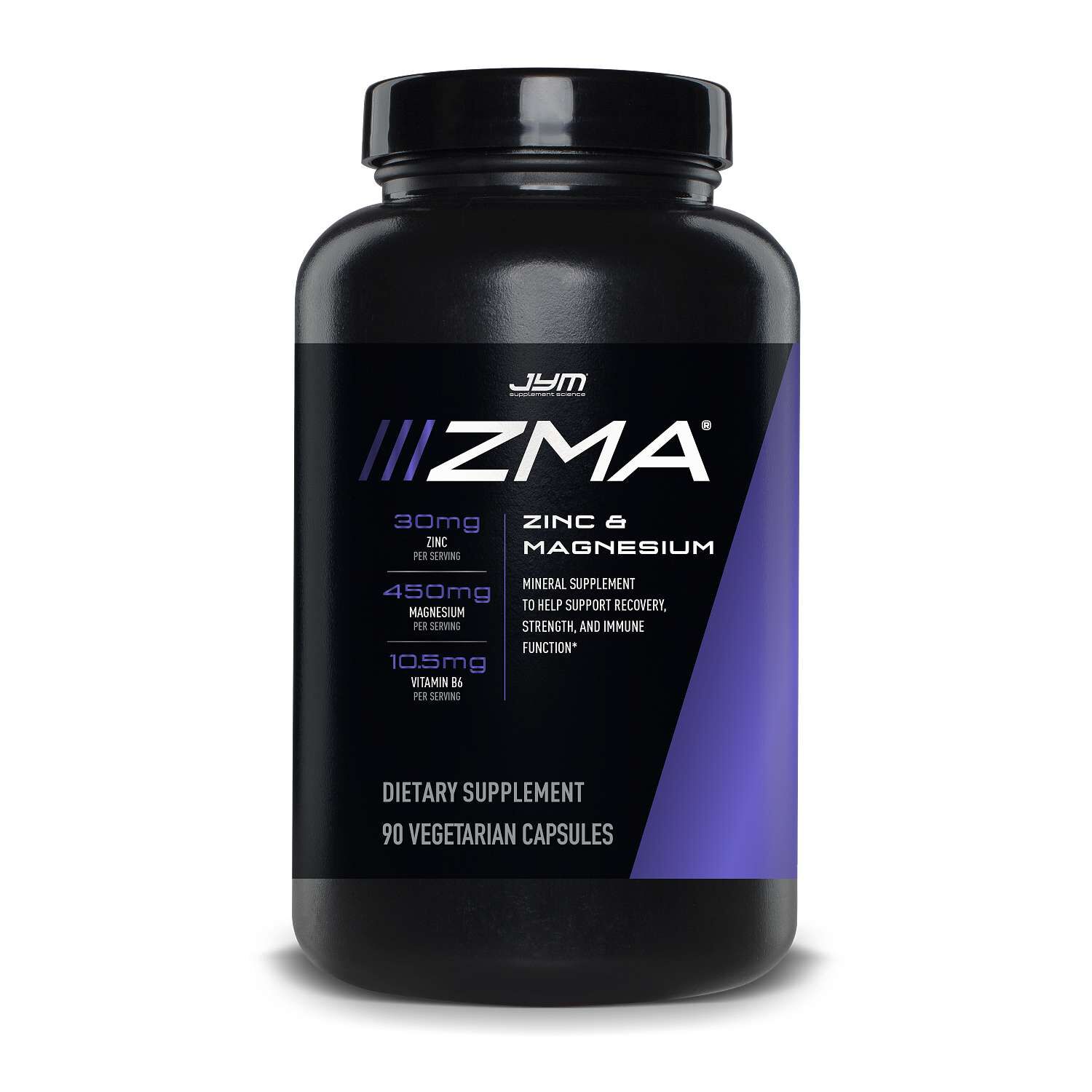
-

-

-

-

-

-

-
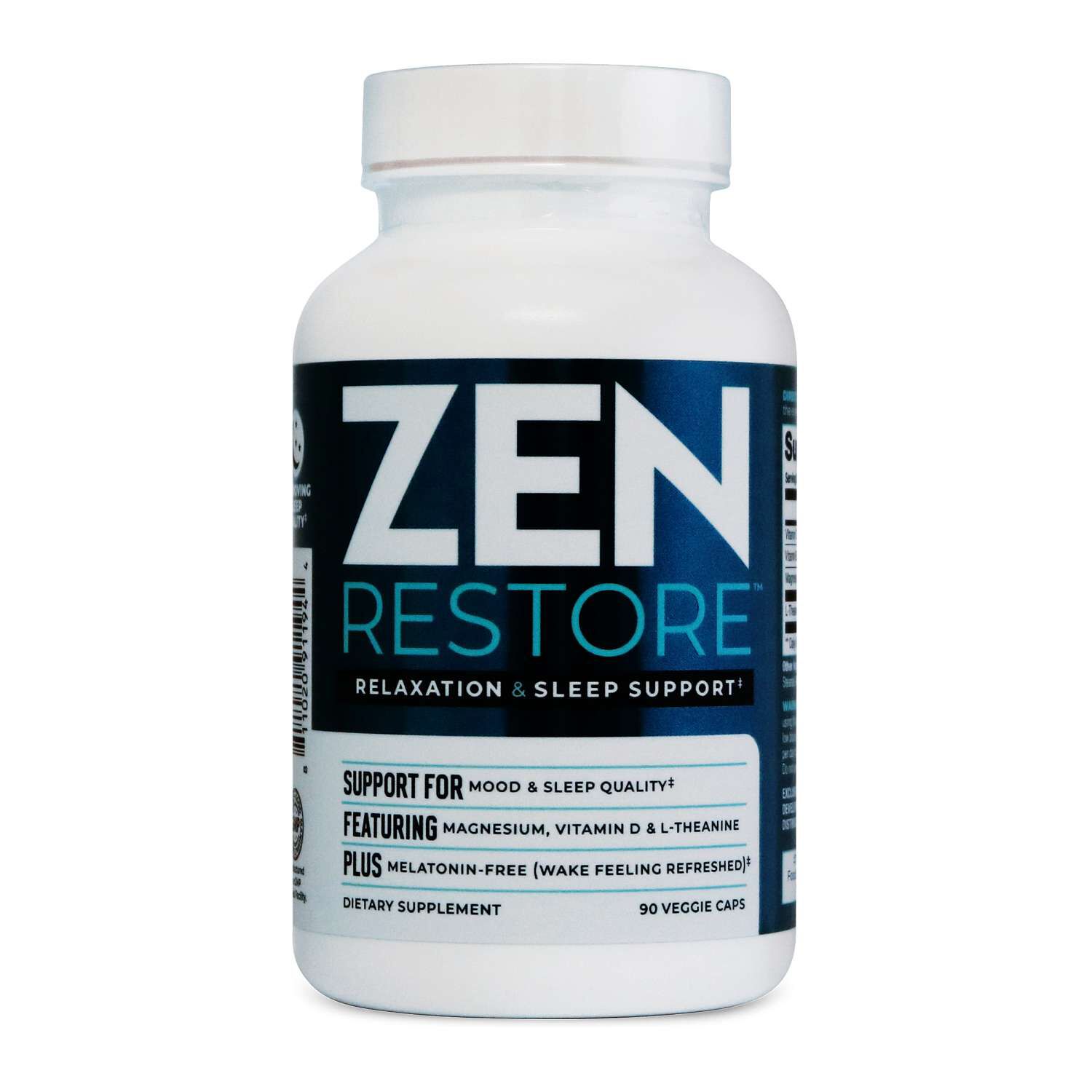 $29.99
Magnesium glycinate capsules with no shellfish are dietary supplements that pair magnesium with the amino acid glycine and are formulated without shellfish ingredients. Magnesium glycinate does not inherently require a shellfish source, but the status of a finished capsule depends on its ingredients, sourcing, and manufacturing practices. That distinction matters: the name of the magnesium form alone does not establish whether a supplement meets a particular dietary preference. The Supplement Facts panel identifies the dietary ingredients, while the Other Ingredients section describes components such as the capsule shell, fillers, and manufacturing aids. Separate allergen statements can provide additional context about ingredients or shared production equipment. A statement that a formula contains no shellfish ingredients addresses a different detail than a statement about how the product is manufactured. Likewise, the absence of a shellfish reference on a label is not the same as an explicit exclusion statement. For shoppers comparing this category, clear, product-specific wording is more useful than a broad assumption about magnesium supplements. Fish and shellfish are distinct ingredient categories, so a statement about one does not automatically address the other. Shellfish terminology also deserves attention: shrimp, crab, and lobster are crustaceans, while clams, oysters, and mussels are mollusks. Some package statements refer specifically to crustacean shellfish rather than using broader language. The exact wording helps distinguish those descriptions without treating every marine ingredient as interchangeable. A formula made without shellfish does not, by itself, establish whether it contains milk, soy, wheat, or other ingredients a shopper might prefer to avoid. Those are separate formulation details. In a household where several people have different ingredient preferences, the useful comparison is the entire label rather than a single phrase on the front of the bottle. Ingredient lists, allergen statements, and manufacturer sourcing information together offer a clearer picture of what a capsule contains and how its shellfish exclusion is described.
Capsule construction is another meaningful difference within this category. The outer shell holds the powdered ingredients, and its composition is separate from the magnesium compound inside. Some shells use plant-derived cellulose materials; others use gelatin, whose source can vary. A vegetarian capsule description concerns the shell or formulation, but it does not independently verify shellfish exclusion or manufacturing conditions. Familiar supporting ingredients, such as rice flour, silicon dioxide, or magnesium stearate, may also appear in the Other Ingredients section. Their presence varies by formula, so two bottles labeled magnesium glycinate can have different ingredient lists even when their front labels look similar. The magnesium amount also needs context. The quantity listed for magnesium in Supplement Facts generally refers to elemental magnesium, not the weight of the entire magnesium-and-glycine compound. A larger number elsewhere on the package may describe the compound rather than the magnesium amount itself. Serving size connects those figures to the number of capsules: a listed serving might consist of one capsule or several. Bottle count and serving count therefore describe different things, an important distinction when comparing packaging for a daily routine. Some formulas include more than one magnesium source, making the ingredient names relevant alongside the prominent glycinate wording. None of these details establishes that a larger capsule or a higher listed amount is a better match for every shopper. Physical size, the number of capsules per serving, and the intended audience stated on the package all shape the format’s practical fit. Capsules may appeal to adults who prefer a contained format rather than mixing a powder into a drink or choosing a chewable supplement. Flavoring is a separate consideration from shellfish exclusion. Shoppers comparing both attributes can also browse Magnesium Glycinate Capsules With No Artificial Flavors, while recognizing that a flavoring description does not establish the status of other ingredients or shared manufacturing equipment.
The intended use of magnesium glycinate capsules is as a dietary supplement, with serving instructions and any use restrictions provided on the individual package. Magnesium is also present in foods such as beans, nuts, seeds, and leafy vegetables; a capsule is a distinct supplement format, not a replacement for a varied diet. Adults who prefer capsules may value the contained powder and the absence of a drink to prepare, whether their routine centers on breakfast at home or a carefully organized work bag. Those practical preferences do not establish a product’s effects, and shellfish exclusion describes an ingredient attribute rather than an expected outcome. A useful match between a shopper and a formula depends on the details that remain consistent from the first serving to the last: readable labeling, an understandable serving size, a suitable capsule format, and clear ingredient information. Packaging care helps preserve that information as well as the condition of the capsules. The original bottle keeps the ingredient list, directions, lot number, and expiration date together, which is particularly helpful when several supplements share a cabinet. A closed lid and storage according to the package directions help protect the contents from moisture and unsuitable conditions. A shelf away from sink splashes is a more practical setting than a damp bathroom counter, and a bottle carried in a bag benefits from separation from toiletries that might leak. Capsule shells can be affected by moisture, so the condition of the container matters throughout use. An expiration date belongs to the specific package and its stated storage conditions; capsule form alone does not establish shelf life. For travel or a busy household, keeping the identifying label with the contents also avoids confusion between similar-looking capsules. When a bottle is replaced, its current label remains the relevant reference because formulations and packaging descriptions can change. The defining feature of this category is a magnesium glycinate capsule formulation without shellfish ingredients, supported by clear labeling rather than assumptions about the mineral, capsule material, or product format.
Best Sellers
-
 Rho Nutrition
 -
 Qualia Life Sciences