





Magnesium Powders For Cell Function
(0 Results)
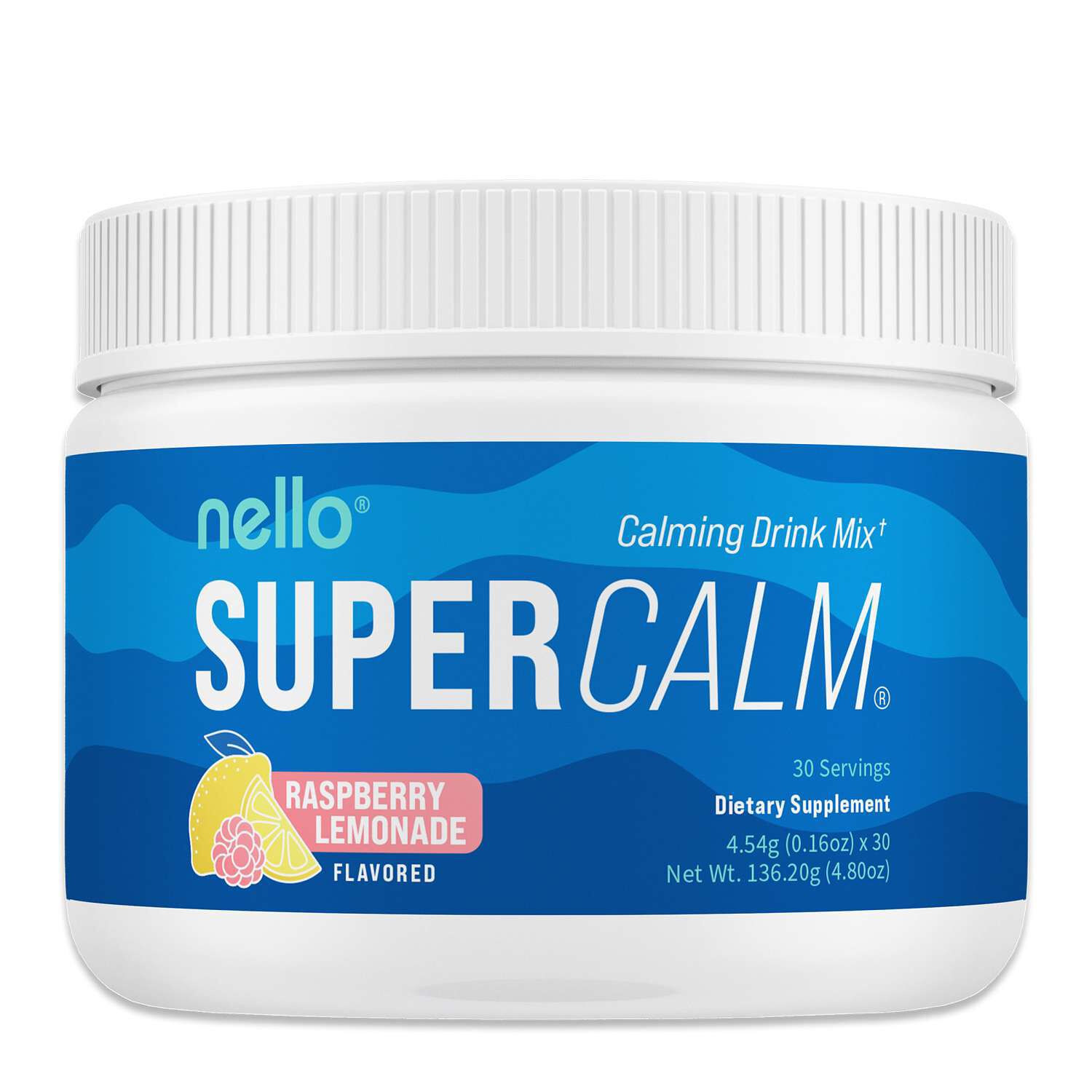
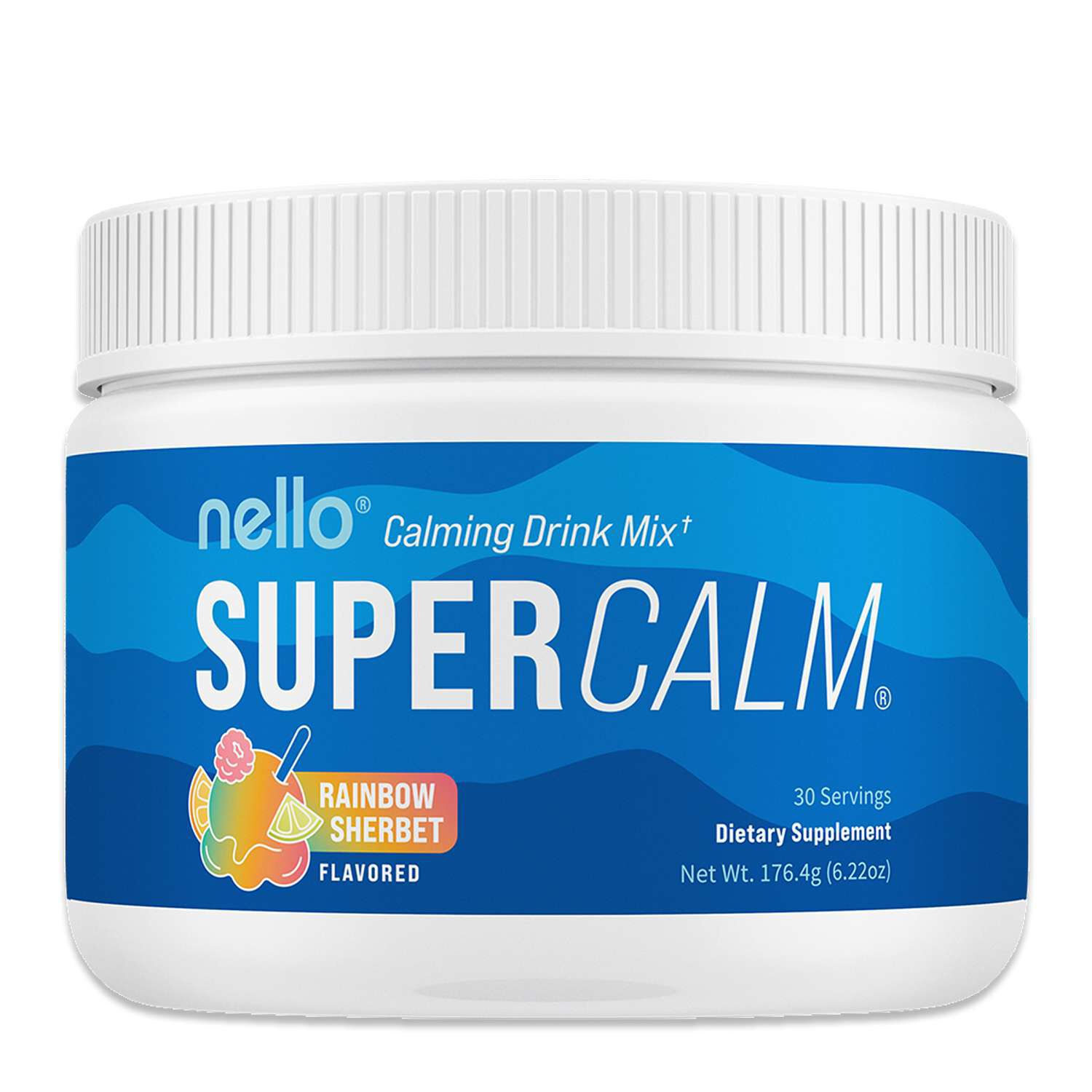
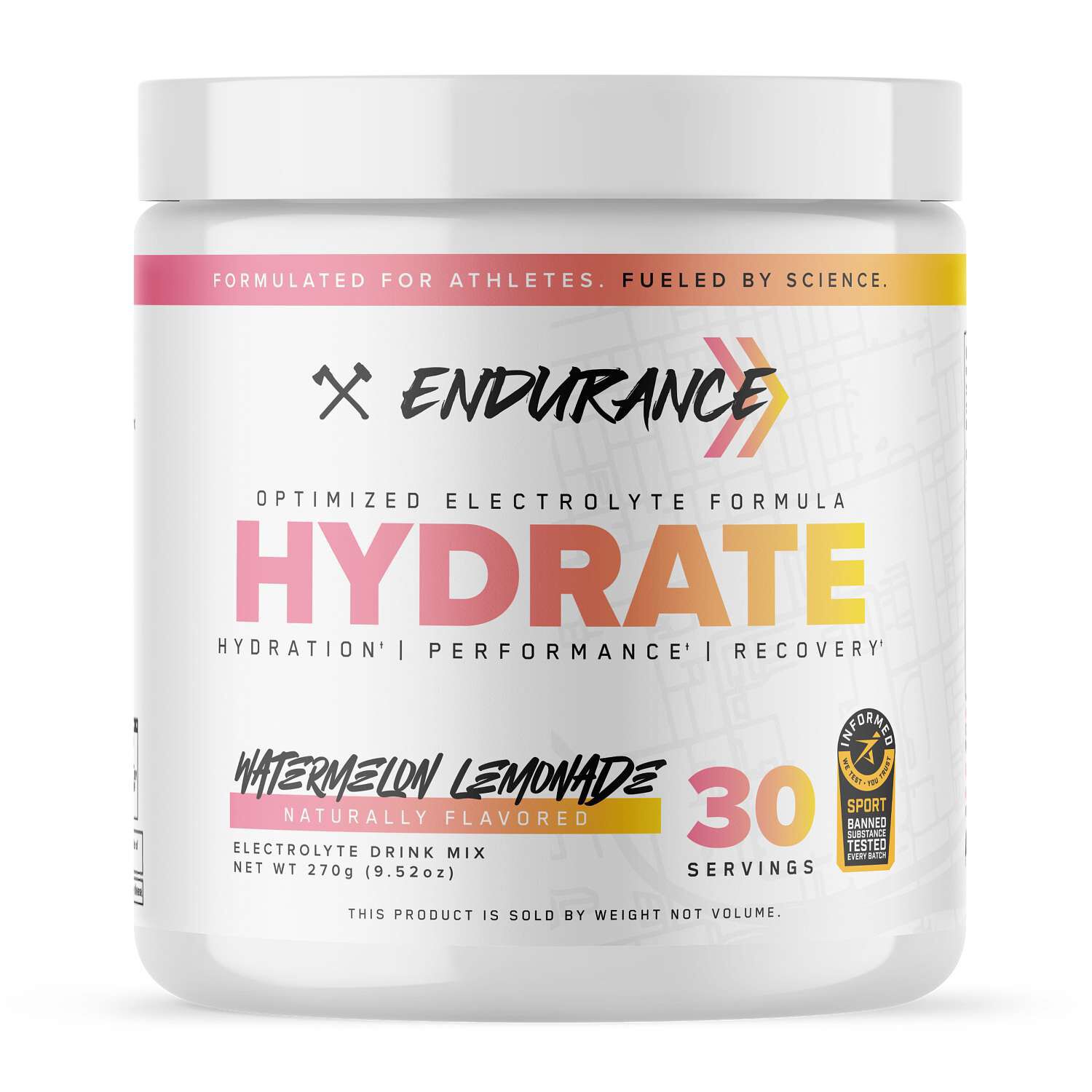
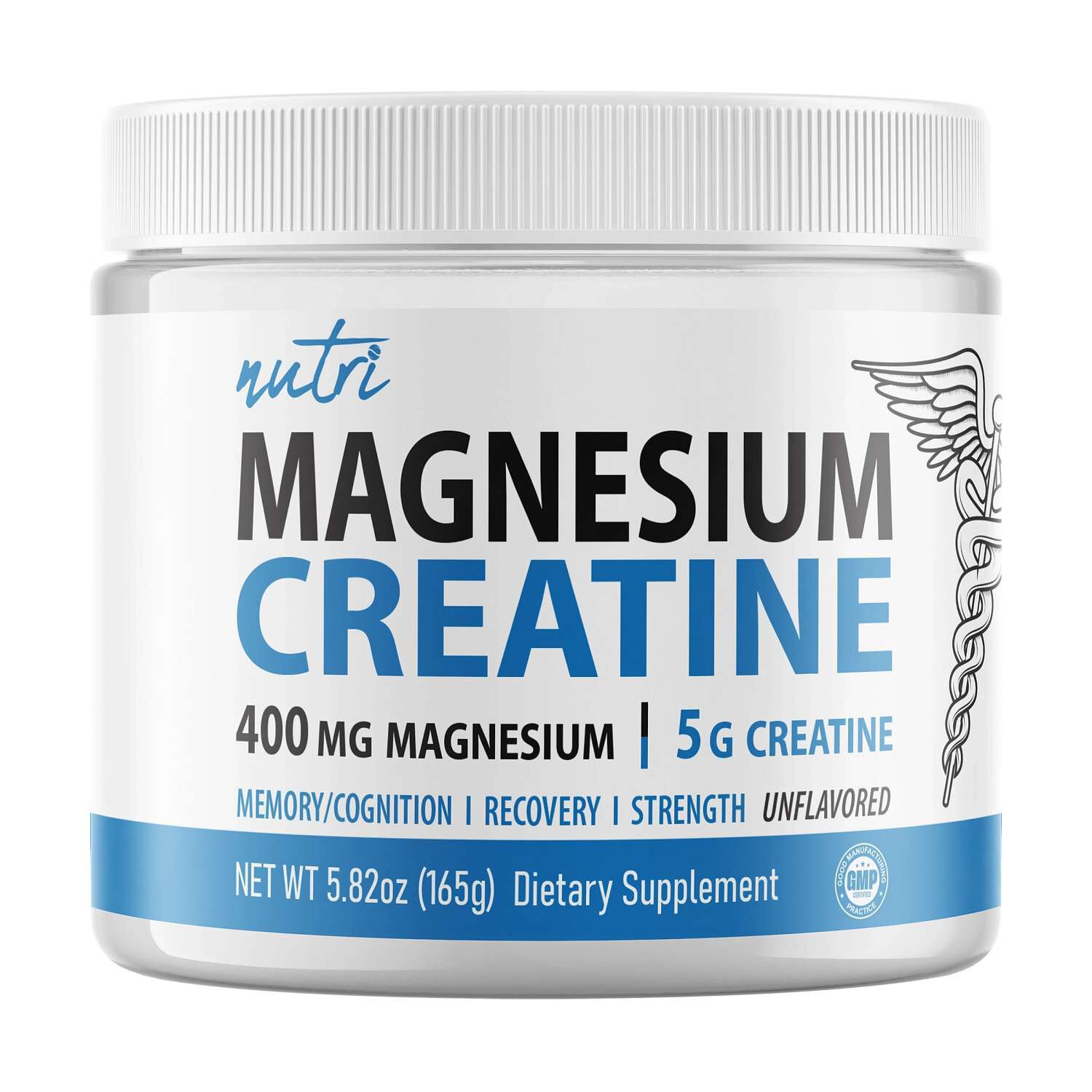
Magnesium powders for cell function offer a convenient way to support your daily wellness routine. These versatile supplements are designed to easily mix into water, smoothies, or your favorite beverages, making it simple to fit magnesium into your lifestyle. With a variety of flavors and formulations available, magnesium powders for cell function may be an ideal choice for those looking to prioritize their overall well-being and nutritional balance. Explore options that could help you meet your wellness goals and support your body's natural processes.
-

-
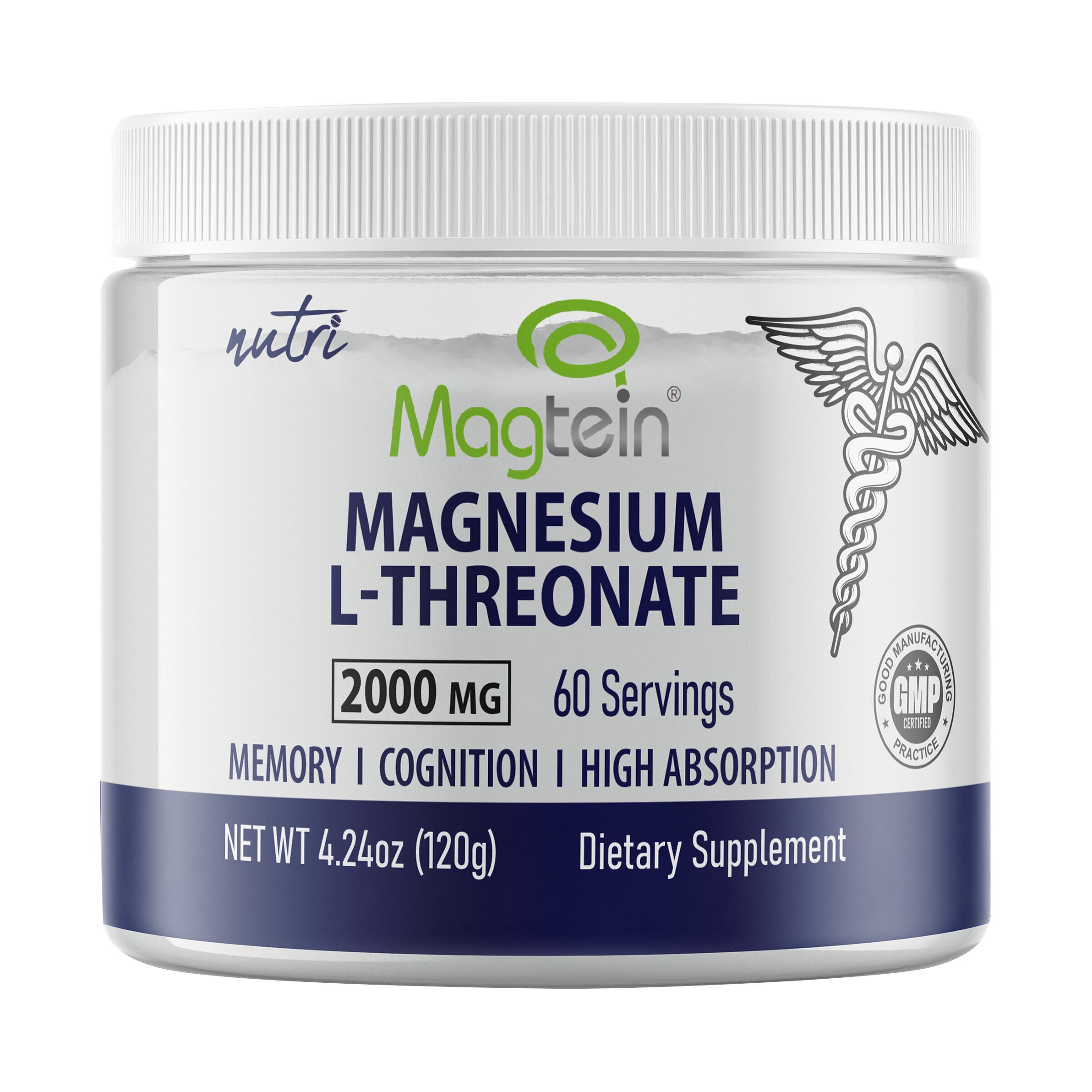
-
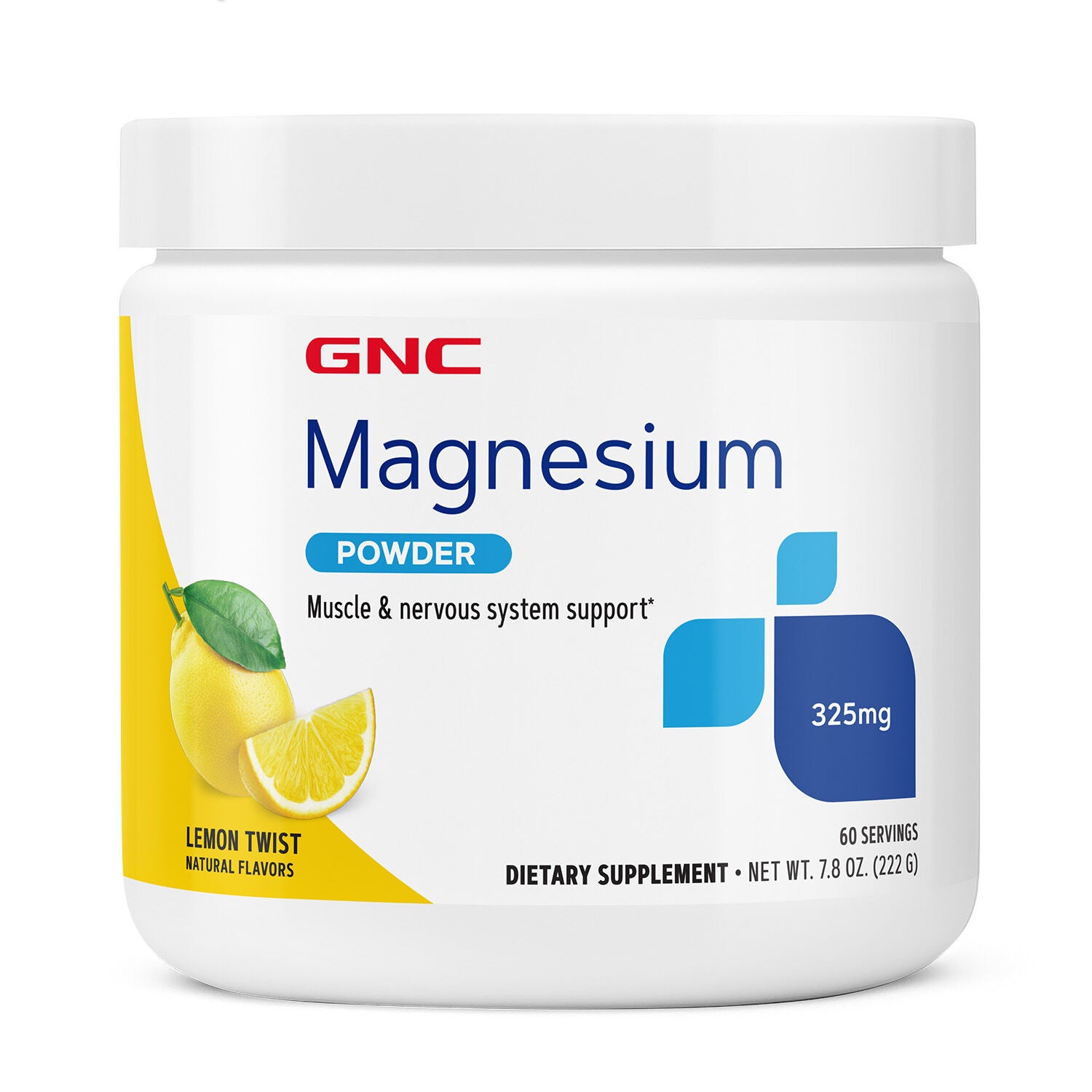
-
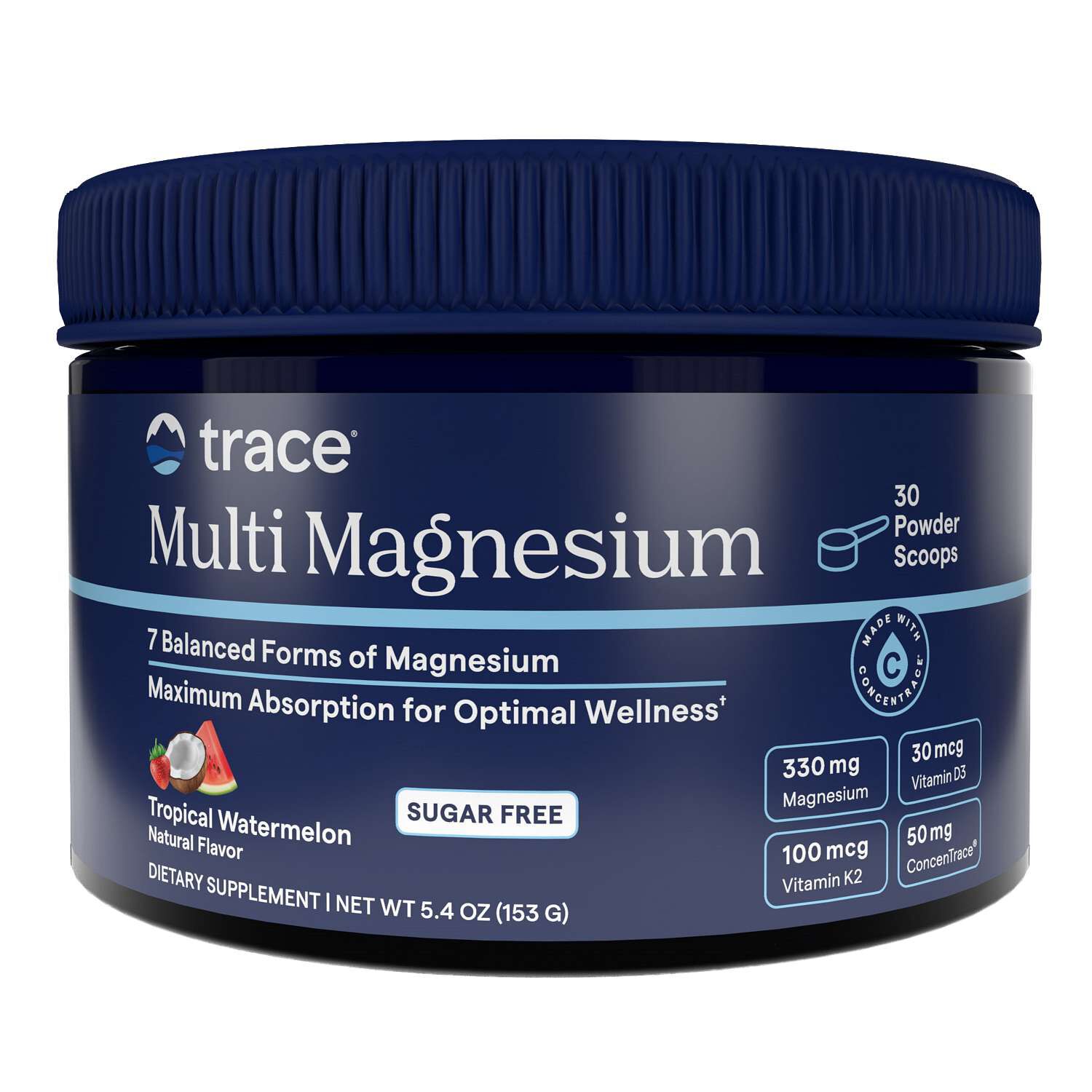
-
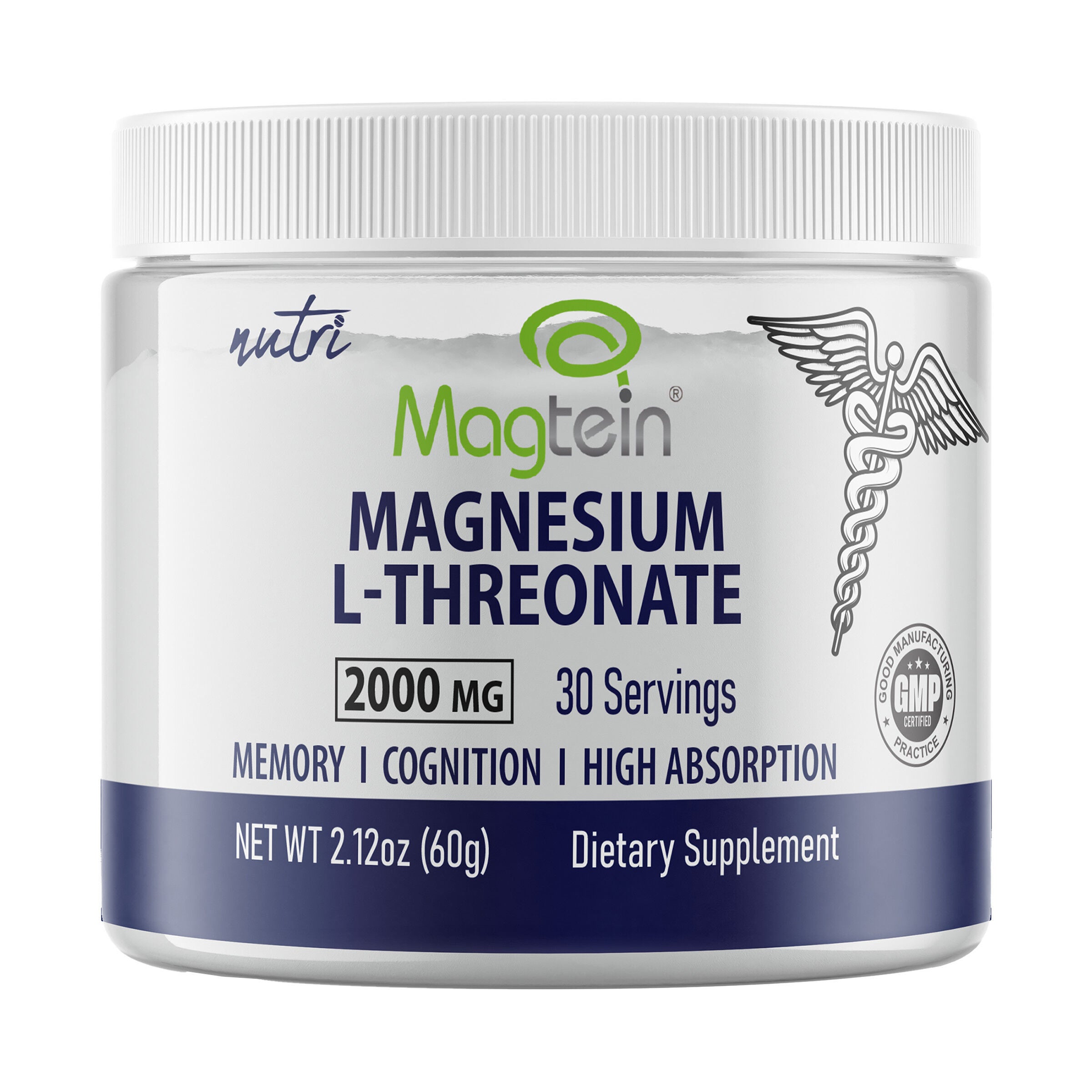
-
-
-
 Axe & Sledge Supplements$29.99
-
 Nature's Fusions$29.99
-
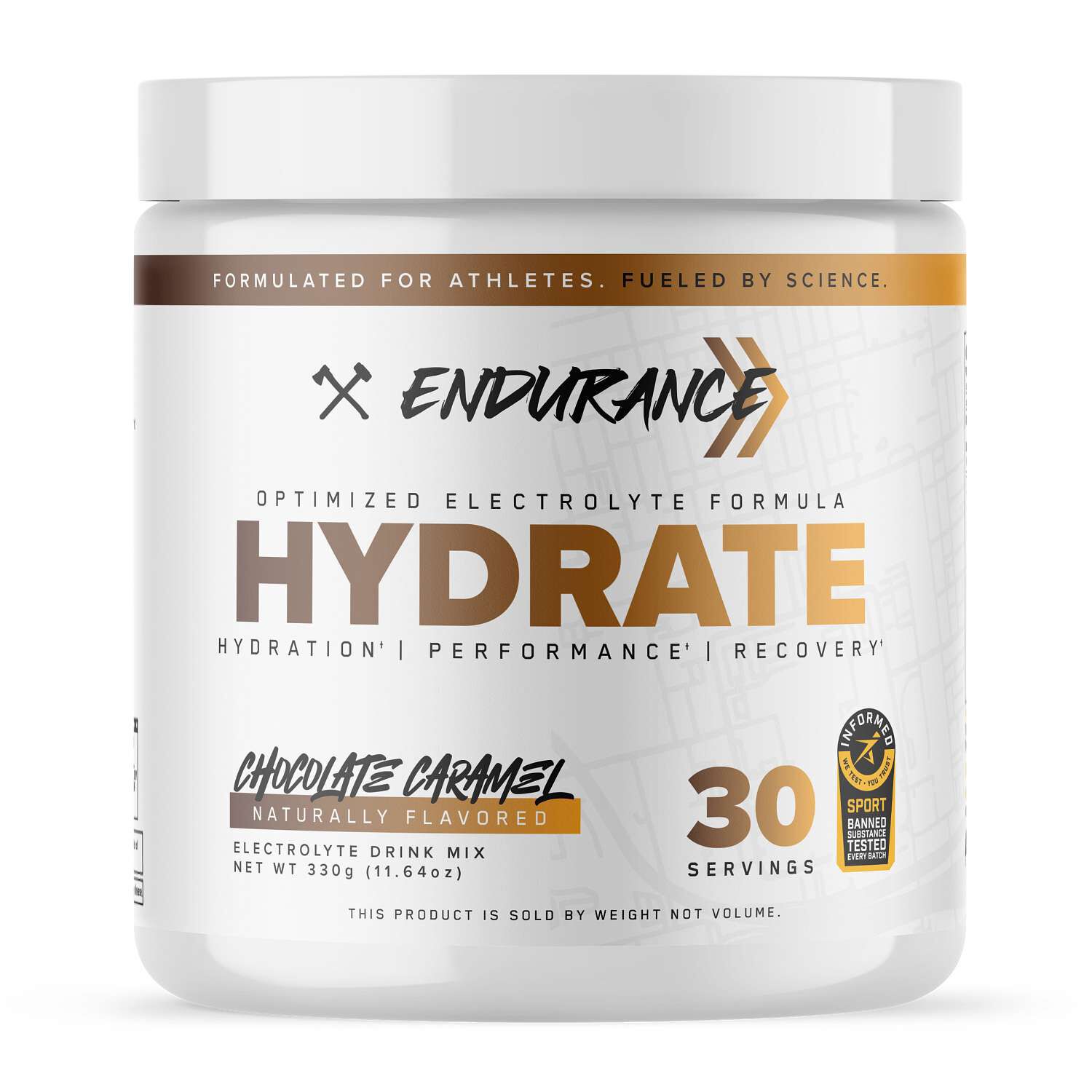 Axe & Sledge Supplements$29.99
Magnesium powders for cell function offer a drinkable format for including this mineral in a daily nutrition routine. Magnesium may help support normal cellular activity through its involvement in energy metabolism, protein synthesis, and the work of many enzymes. One useful point of context is adenosine triphosphate, usually shortened to ATP: a molecule cells use to transfer energy for everyday processes. Magnesium binds with ATP within cells, which helps explain why the mineral appears in conversations about cellular nutrition. That connection concerns normal biological activity, not a suggestion that a serving will create an immediate burst of energy or change how someone feels. Powders in this category are nutritional supplements, with their intended use and preparation described on their labels. A powder mixed into water may suit an adult who prefers a beverage to another capsule, while a measured serving could fit beside breakfast or another established routine. The format itself does not determine the amount of magnesium, the form of the mineral, or the other ingredients in a serving. Those distinctions matter more than the size of a tub or the appearance of the powder. Foods such as beans, nuts, seeds, whole grains, and leafy greens also contribute magnesium, giving the mineral a place in ordinary eating patterns as well as supplement routines. A supplement may complement dietary intake, but the presence of magnesium on a label does not describe the nutritional value of an entire day of meals. For shoppers exploring magnesium powders for cell function, relevant details include the magnesium source, the amount supplied per labeled serving, and whether the formula suits the intended use. A straightforward powder and a flavored blend can look quite different on an ingredient list even when both feature magnesium. Comparing those details creates a clearer picture than choosing by container size, flavor name, or the number of ingredients alone.
Magnesium forms are an important distinction within powdered supplements. Magnesium citrate is a magnesium salt of citric acid, while magnesium glycinate combines magnesium with glycine, an amino acid. Magnesium malate is associated with malic acid. These names identify different chemical forms; they do not, by themselves, establish which formula will best suit a particular person. Blended formulas may include more than one magnesium source, making both the Supplement Facts panel and the ingredient list relevant to a comparison. The magnesium amount declared on the Supplement Facts panel refers to elemental magnesium, meaning the magnesium itself rather than the weight of the entire magnesium-containing compound. This distinction matters because a large number elsewhere on a label may refer to a compound or blend rather than the amount of magnesium supplied. Serving sizes also differ, so a scoop from one container is not a useful measuring reference for another. The supplied measuring tool and labeled serving information belong together. Beyond the mineral source, flavor and supporting ingredients may shape the everyday experience of using a powder. Someone who enjoys a citrus-style drink may prefer a flavored formula, while someone seeking a simpler ingredient list may look more closely at an unflavored option. An unflavored description does not necessarily mean a powder has no taste; minerals can contribute their own character. Sweeteners, acids, colors, and other nutrients are additional points of comparison, especially for shoppers with established dietary preferences. Ingredient and allergen statements provide more specific information than a short description on the front of a package. Mixing directions matter as well, since the suggested liquid quantity, preparation method, and serving size influence how a beverage is prepared. A powder intended for a full glass of water may not have the same taste or consistency when stirred into a much smaller amount. These practical differences are separate from the mineral’s nutritional role, but they may influence how comfortably a format fits into an ordinary day.
The most useful magnesium powder for a routine is not necessarily the one with the longest ingredient list or the largest serving. A clear label, an understandable formula, and preparation that suits the intended setting provide more meaningful points of comparison. An adult who keeps supplements beside breakfast dishes may value a container that closes securely and a measuring scoop that is easy to find. Someone preparing a drink away from home may place more importance on packaging dimensions, a readable label, and having the appropriate mixing vessel nearby. These are practical considerations rather than indicators of nutritional performance. Storage also deserves attention with a powdered format. Moisture can affect texture, so the package’s storage directions, a securely closed lid, and a dry measuring tool are useful details to keep in mind. Leaving a container open near a sink or handling a scoop with wet hands can introduce moisture that changes how the powder pours. The labeled date and packaging condition provide additional context for care, while transferring powder into an unmarked container can separate it from its serving information and ingredient details. For shoppers considering everyday nutrition across adulthood, Magnesium Powders For Healthy Aging offers a related category to explore without changing the importance of those same label comparisons. Age-focused wording does not replace an examination of the magnesium form, serving amount, or additional ingredients. Likewise, a cell-function focus describes a nutritional context rather than a visible result that can be judged from the first drink. Magnesium may support normal cellular processes, while the suitability of a particular powder depends on its composition and intended use. Keeping those distinctions clear makes room for a measured comparison: the mineral’s role in everyday biology, the formula’s labeled contents, and the small preparation details that may make a powdered format a practical part of an established nutrition routine.
Best Sellers
-
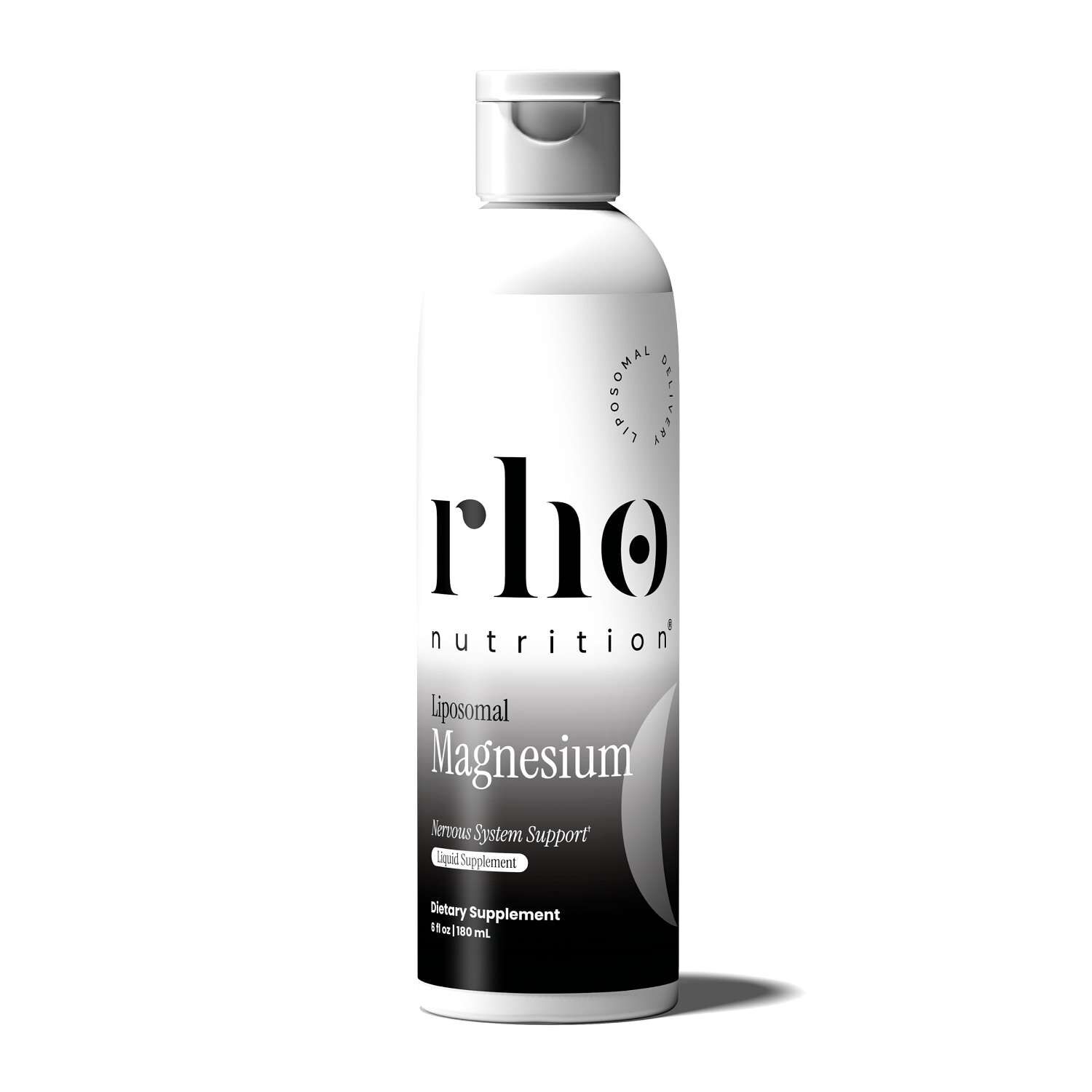 Rho Nutrition
-
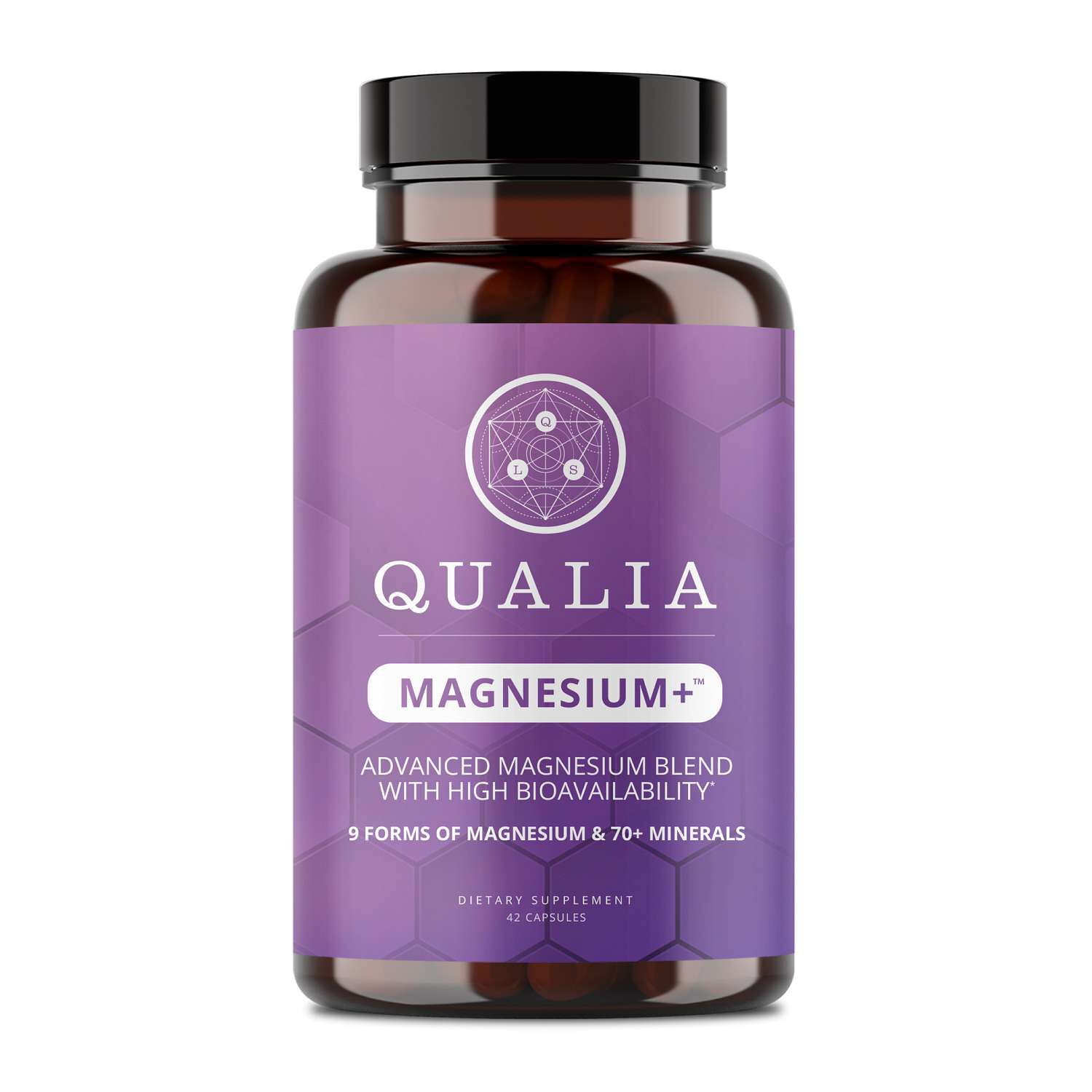 Qualia Life Sciences
Related Pages

Top Collections
- Joint Mobility Supplement Packs
- Daily Collagen Supplements | Top Brands & Deals | GNC
- GLP 1 Support For Adults
- Zinc Supplements | Top Brands at Great Prices | GNC
- Supplements For Yoga Joint Flexibility
- Supplements For Balance
- Capsule Supplements For Energy And Stamina
- Adult Mobility Supplements
- Chronic Fatigue Supplements
- Vitamins For Hair Loss