

Male Brain Supplements
(0 Results)
Discover the potential benefits of male brain supplements designed to support cognitive health and mental clarity. Whether aiming to maintain focus during a busy workday or seeking to improve memory retention, these supplements could offer the support you need. Explore a variety of options that may help nurture brain function and overall wellness. From enhancing concentration to potentially boosting mood, male brain supplements might be an excellent addition to your daily routine.
-
-

-
-
-
-
-
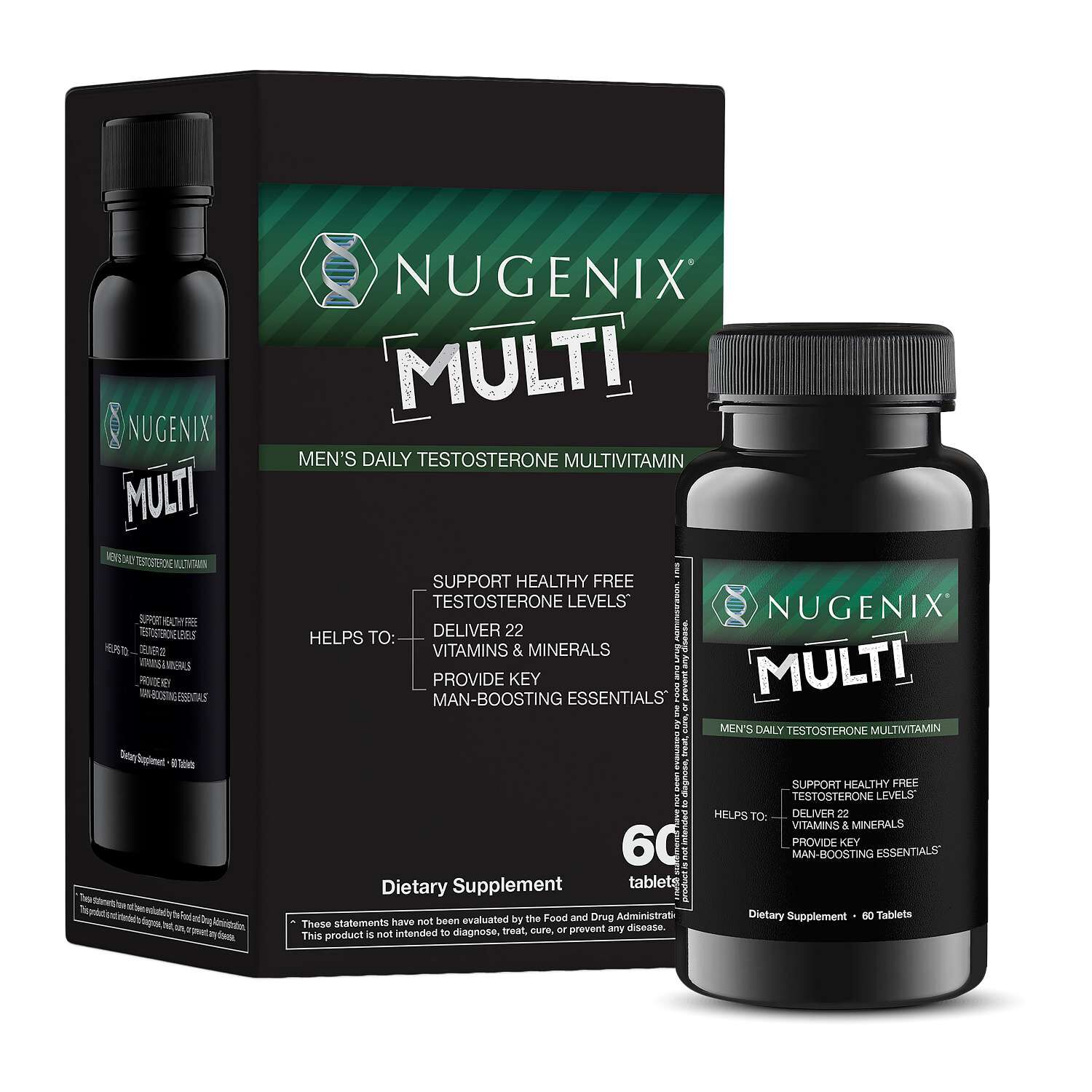
-
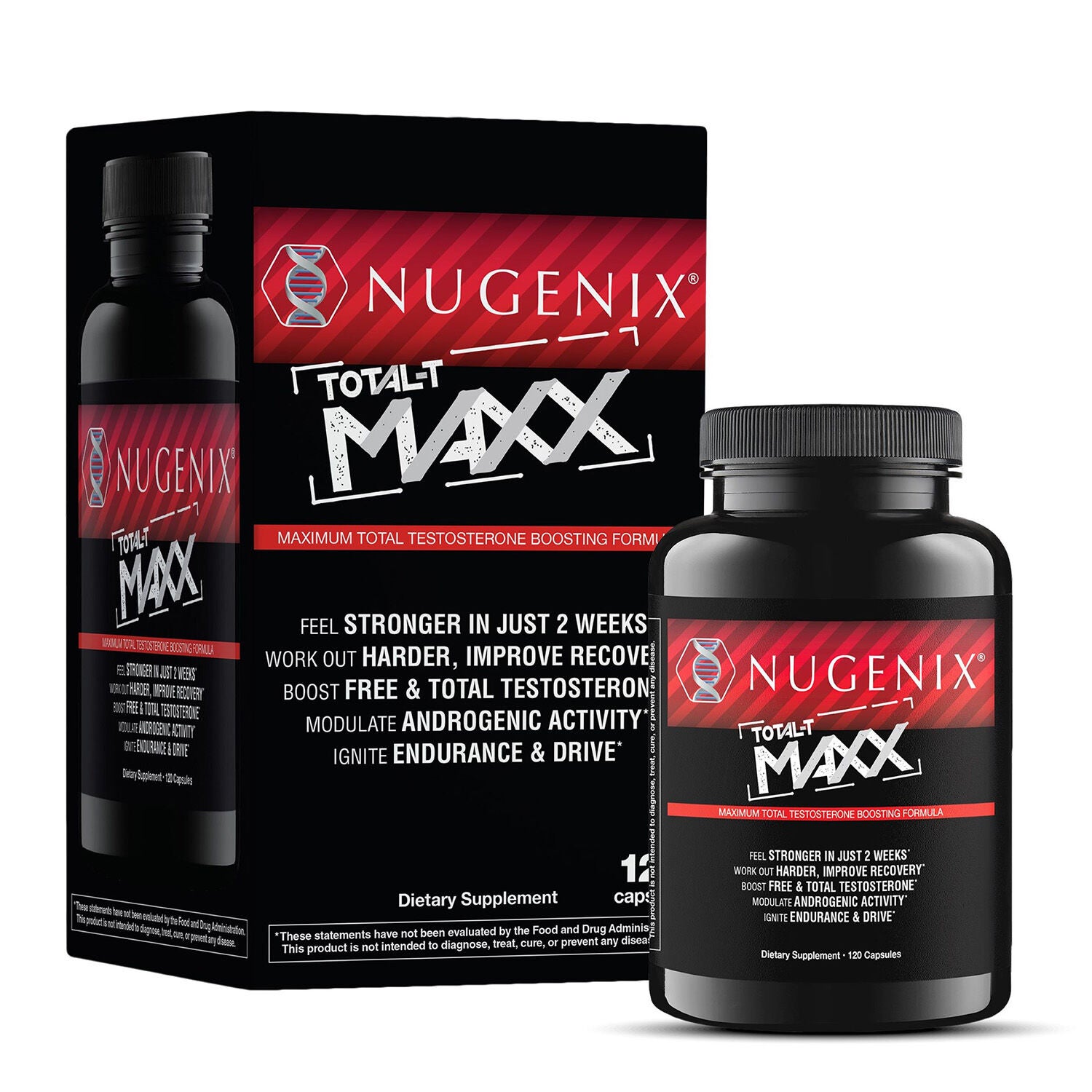
-

-

-
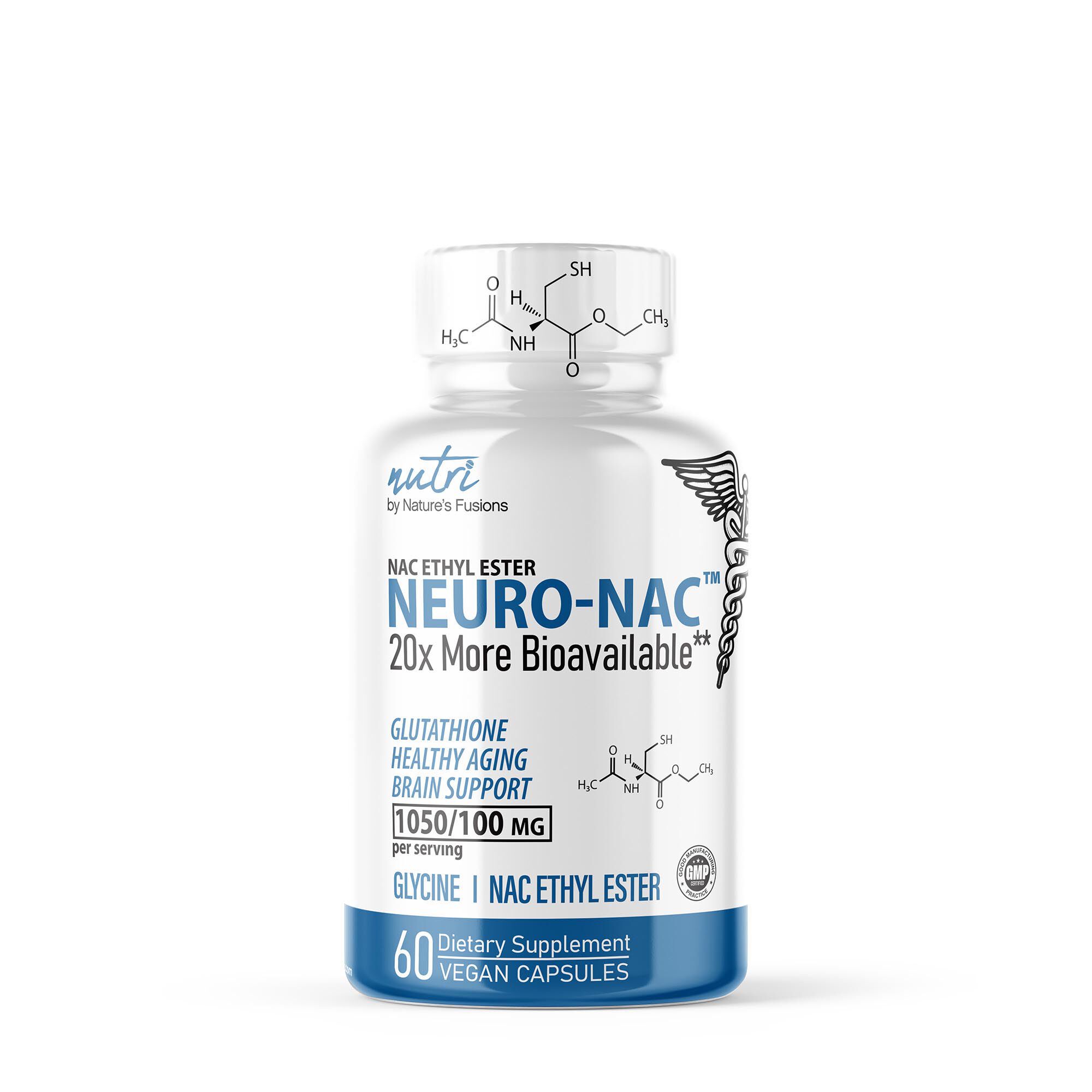
-

-
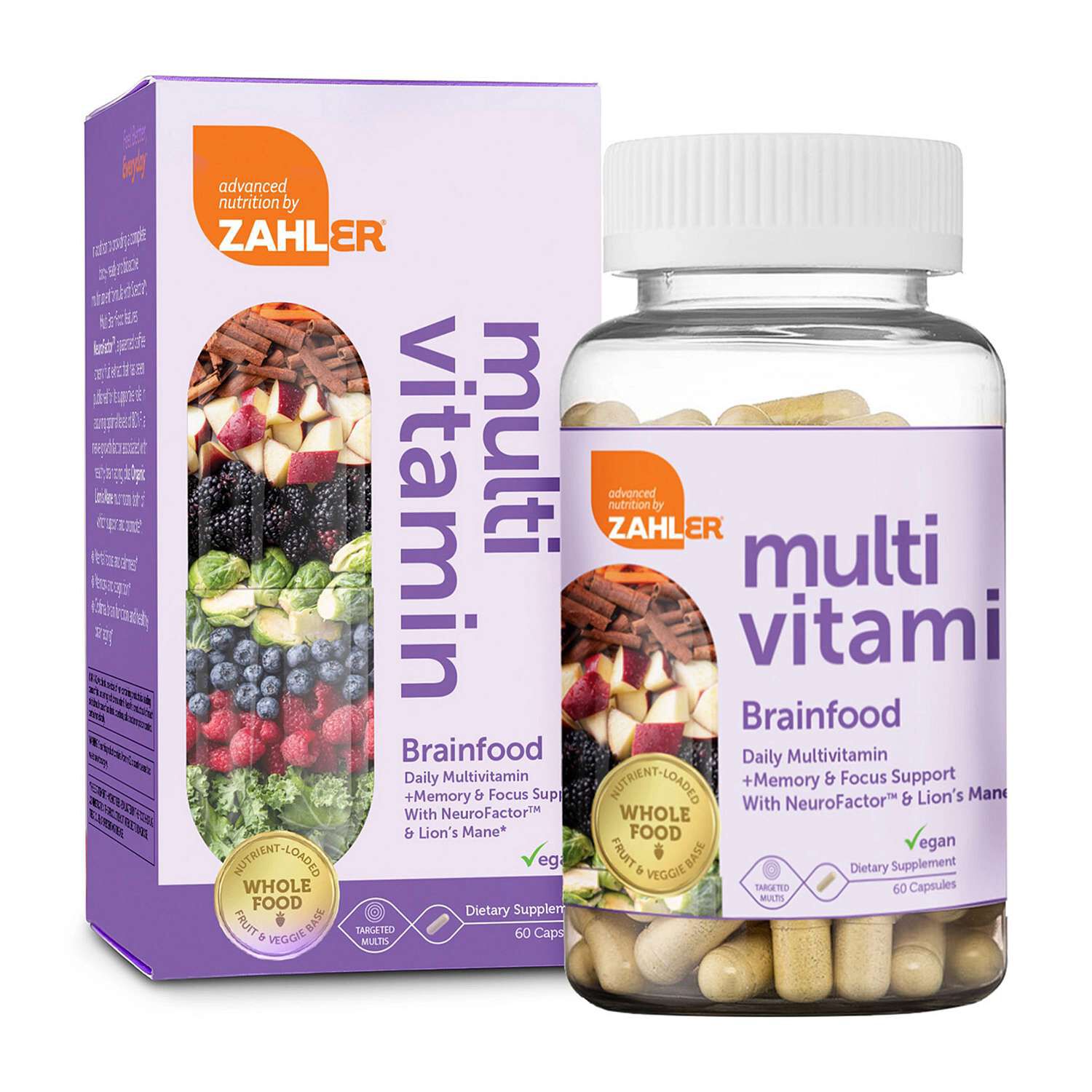
-
-

-
-

-
-

-
-

-
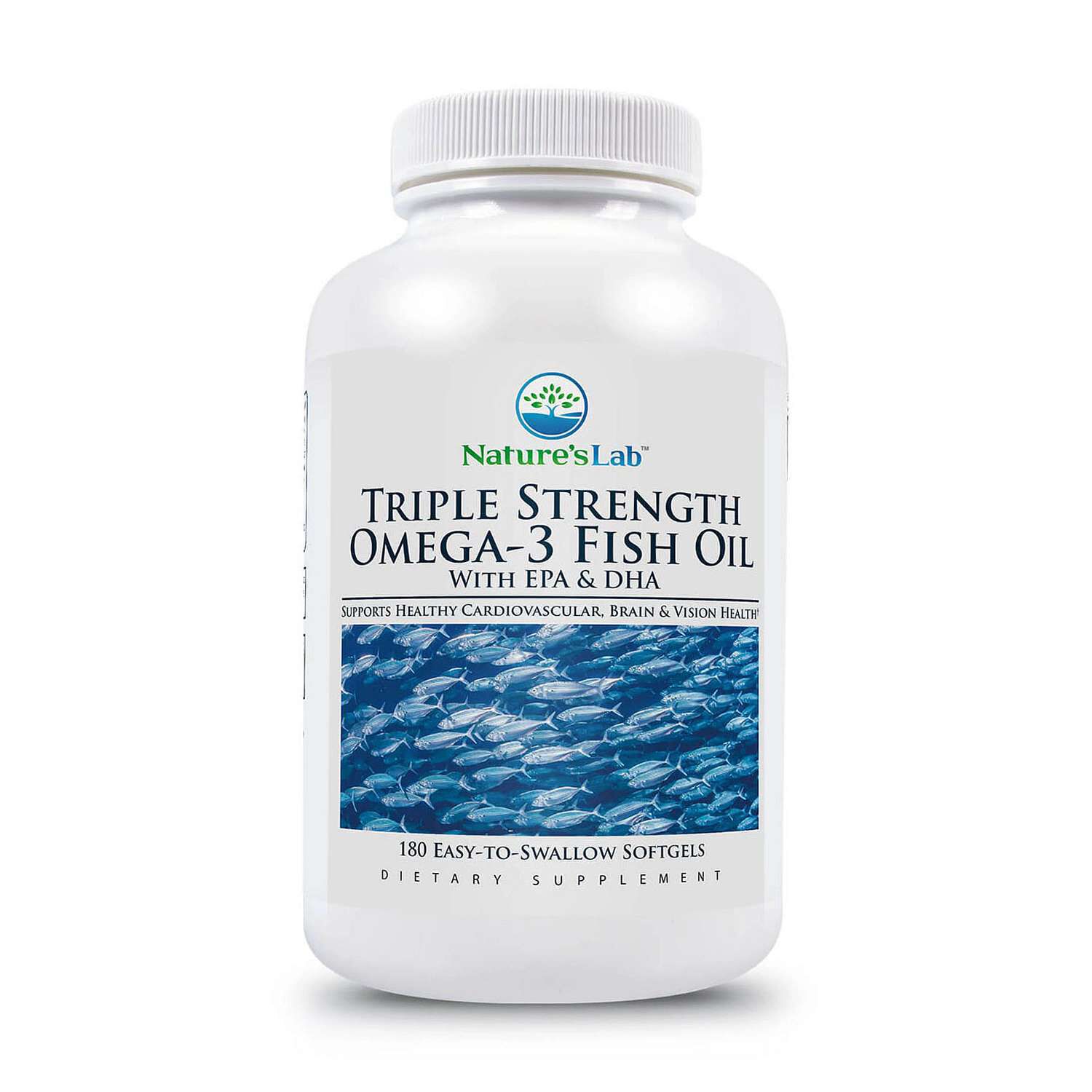 $24.99
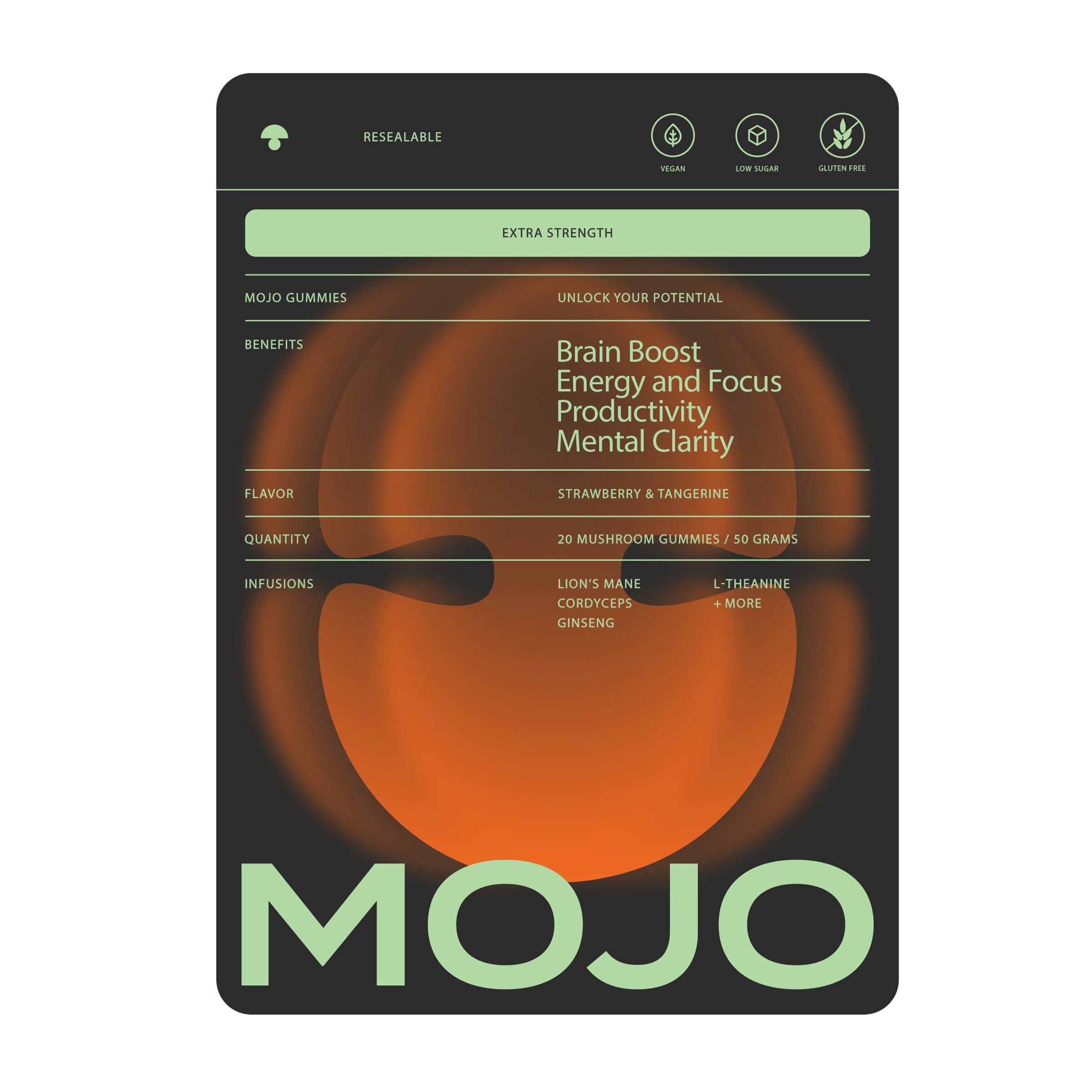

Male brain supplements are dietary supplements marketed around men’s interest in memory, focus, and everyday mental performance. The category can include vitamins, minerals, omega-3 fatty acids, botanical extracts, and blends that combine several ingredients in one serving. Some formulas are positioned specifically for men, while others are intended for adults more broadly; a men’s label alone does not establish a distinct cognitive benefit. For someone moving between detailed spreadsheets, afternoon meetings, and an evening class, the appeal may be a supplement that fits an existing routine without adding much preparation. Still, the distinction between a product’s positioning and its supporting evidence matters. Research findings differ by ingredient, amount, study population, and the outcome being measured, and a study of one ingredient does not establish the performance of every formula containing it. Evidence about nutrition also should not be treated as proof that a capsule will improve memory or concentration in an otherwise well-nourished adult. Male brain supplements are not substitutes for varied meals, regular sleep, physical activity, or time away from demanding tasks. They are better understood as optional additions to a broader wellness routine, with individual preferences and expectations shaping the choice. The phrase “brain supplement” describes a shopping category rather than a single standardized formula, so two bottles with similar front-label wording can have very different contents. One might center on a small group of vitamins, another on an oil-based ingredient, and another on a blend of plant extracts and other compounds. Those differences make the Supplement Facts panel more informative than a name suggesting sharpness or productivity. Ingredient identity, the amount per serving, and the number of capsules or tablets in that serving provide concrete points of comparison. A longer ingredient list is not, by itself, evidence of a better match or a more meaningful result. Clear labeling makes it easier to distinguish what a formula actually contains from what its presentation invites a shopper to imagine.
Ingredients commonly associated with this category include B vitamins, omega-3s, choline, and a range of botanicals, but they are not interchangeable. B-vitamin formulas may list B6, folate, and B12 individually, with different amounts and forms across products. Their presence should not be read as evidence that taking more will produce better mental performance. Omega-3 supplements can come from fish oil or algae, and labels may identify DHA and EPA separately rather than leaving shoppers to compare only the amount of oil in a serving. That distinction helps describe the composition of the product without establishing what a particular person will experience. Choline-containing formulas also vary in ingredient form and serving amount. Botanical labels may identify the plant species, the plant part used, and details about an extract; those particulars can matter when comparing a label with published research. A blend name alone offers less information than a panel that lists each ingredient and its amount. Some formulas include caffeine, while others do not, making caffeine content a practical point of distinction for someone whose day already includes coffee, tea, or another caffeinated beverage. The relevant comparison is the stated amount per serving, not simply whether the packaging uses language associated with concentration. Evidence for one outcome should also remain separate from evidence for another: a study measuring a short task is not necessarily evidence about everyday memory, sustained attention through a workday, or long-term cognitive performance. Likewise, findings in one age group or nutritional context may not apply to every adult man. These limitations do not make all formulas identical; they make precise descriptions more useful than sweeping benefit statements. For shoppers comparing adjacent wellness categories, Male Energy Support Supplements offers a related browsing category, though energy-oriented positioning and brain-oriented positioning are not the same thing. Ingredients may overlap, but each formula still merits its own label comparison. A product name cannot replace ingredient details, and neither category should be assumed to offer the same experience for everyone.
Format, packaging, and everyday handling can be just as relevant to a purchase as the ingredient list. Capsules and tablets offer a measured format with little preparation, although their dimensions, coatings, and serving counts differ. A serving may consist of more than one piece, so the number printed on the front of the bottle does not always describe how many servings it contains. Softgels are another format often associated with oil-based ingredients; their shells may contain gelatin or other materials that matter to personal dietary preferences. Gummies introduce flavor, texture, sweeteners, and additional ingredients, while powders involve measuring, mixing, and a beverage whose taste may change after preparation. Someone who keeps a morning routine brief may prefer a format that requires no mixing, while someone who already prepares a daily drink may be comfortable with a powder. Neither preference establishes a stronger effect; it describes how a product fits into ordinary life. The other-ingredients list can clarify capsule materials, colors, flavorings, and sweeteners, and allergen statements can help shoppers identify differences that are not apparent from the product name. Dietary designations are most useful when they are stated clearly rather than inferred from the main ingredient. Packaging deserves similar attention: a closure that is easy to secure, readable serving directions, and a legible expiration date make routine handling more straightforward. Label-specific storage directions take priority, and the original container keeps the ingredient panel, lot information, and directions together. Powders also involve keeping the measuring utensil clean and dry and securing the lid after use. For a shared household, a designated storage location away from children helps separate adult supplements from everyday snacks and beverages. As a gift, this category is more personal than general workout accessories or a shaker bottle; an adult recipient’s stated preferences are more useful than assumptions about age, occupation, or workload. Whether the shopper is a student, a professional, or someone comparing options for an established wellness routine, the most meaningful distinctions remain concrete: transparent ingredients, understandable serving information, a suitable format, and expectations that reflect the limits of the evidence.