





Mango Supplements
(0 Results)
Discover a burst of tropical goodness with our Mango Supplements! Packed with essential nutrients and a delicious mango flavor, these supplements are a convenient way to support your overall health and wellness. Whether you're looking to boost your immune system, enhance your skin's radiance, or simply enjoy a tasty daily supplement, our Mango Supplements offer a flavorful twist to your daily routine. Explore our selection of mango-infused supplements and experience a fruity delight with every dose.
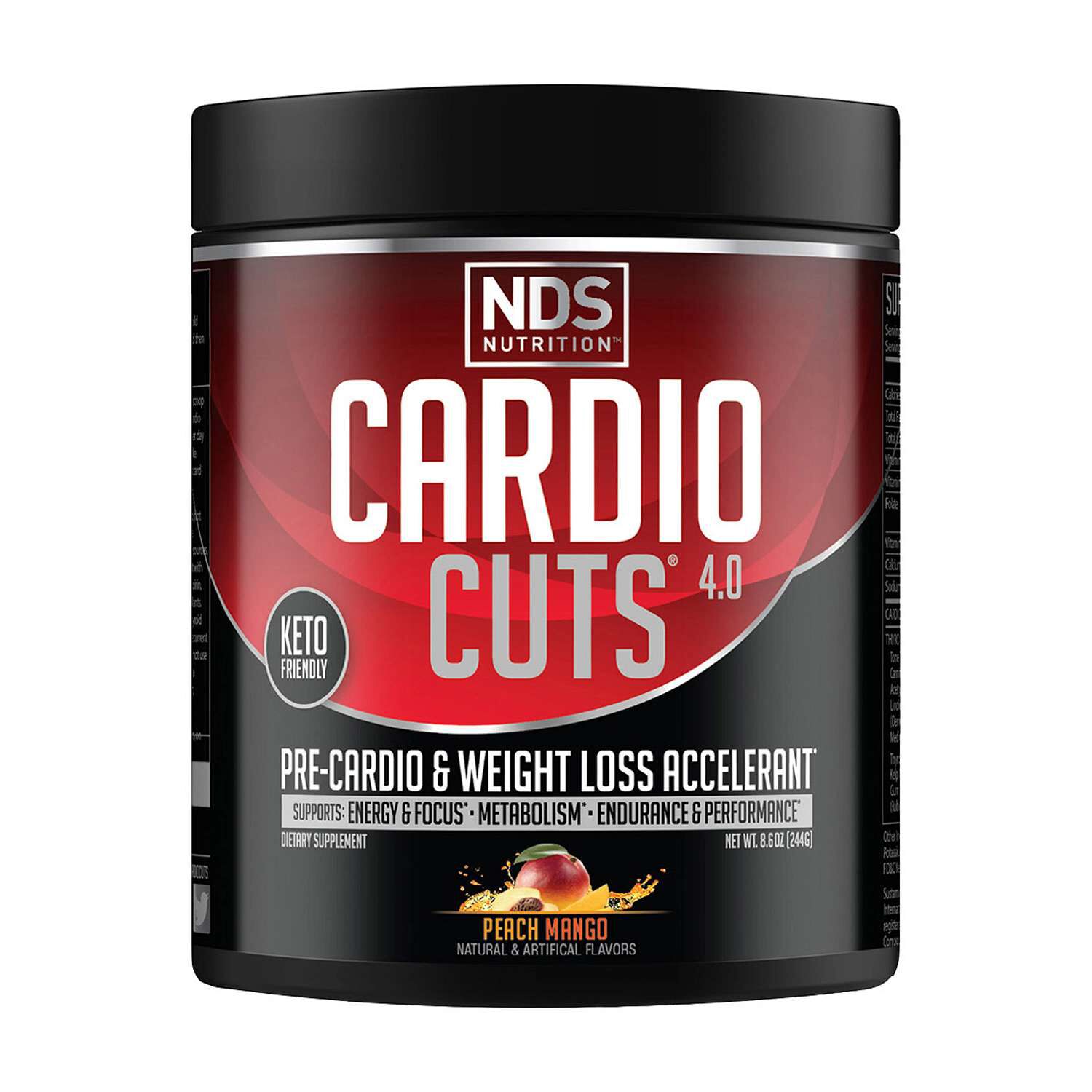

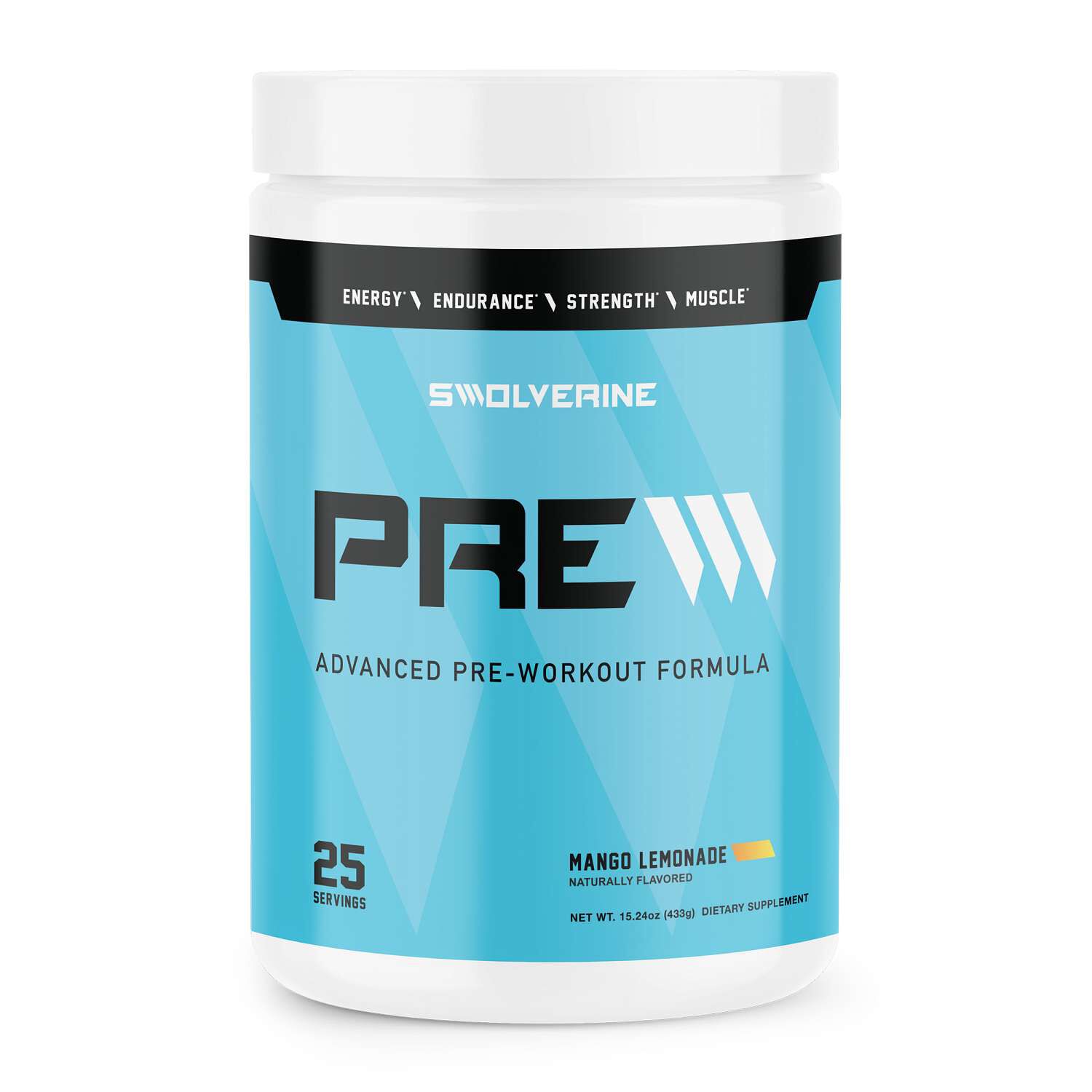
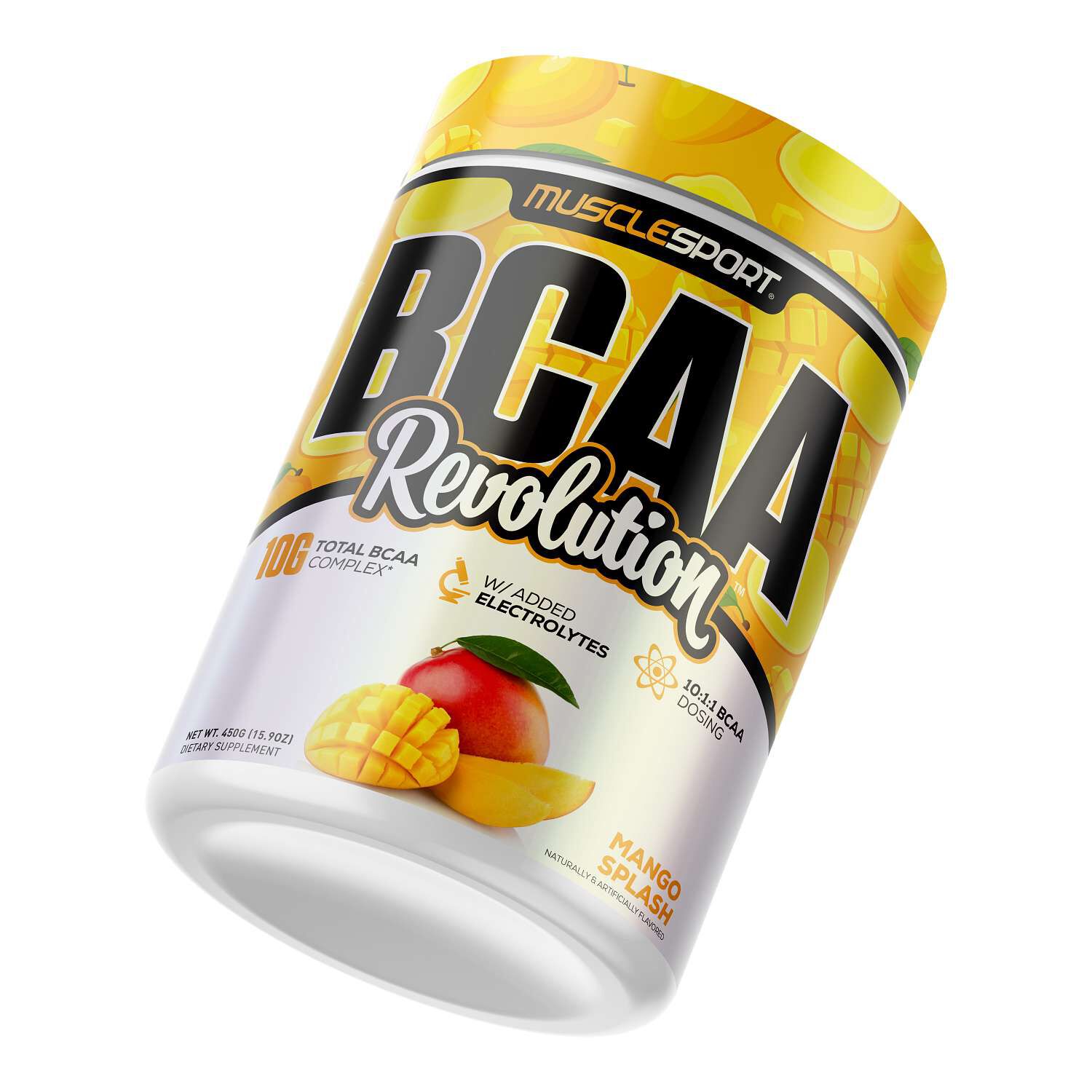
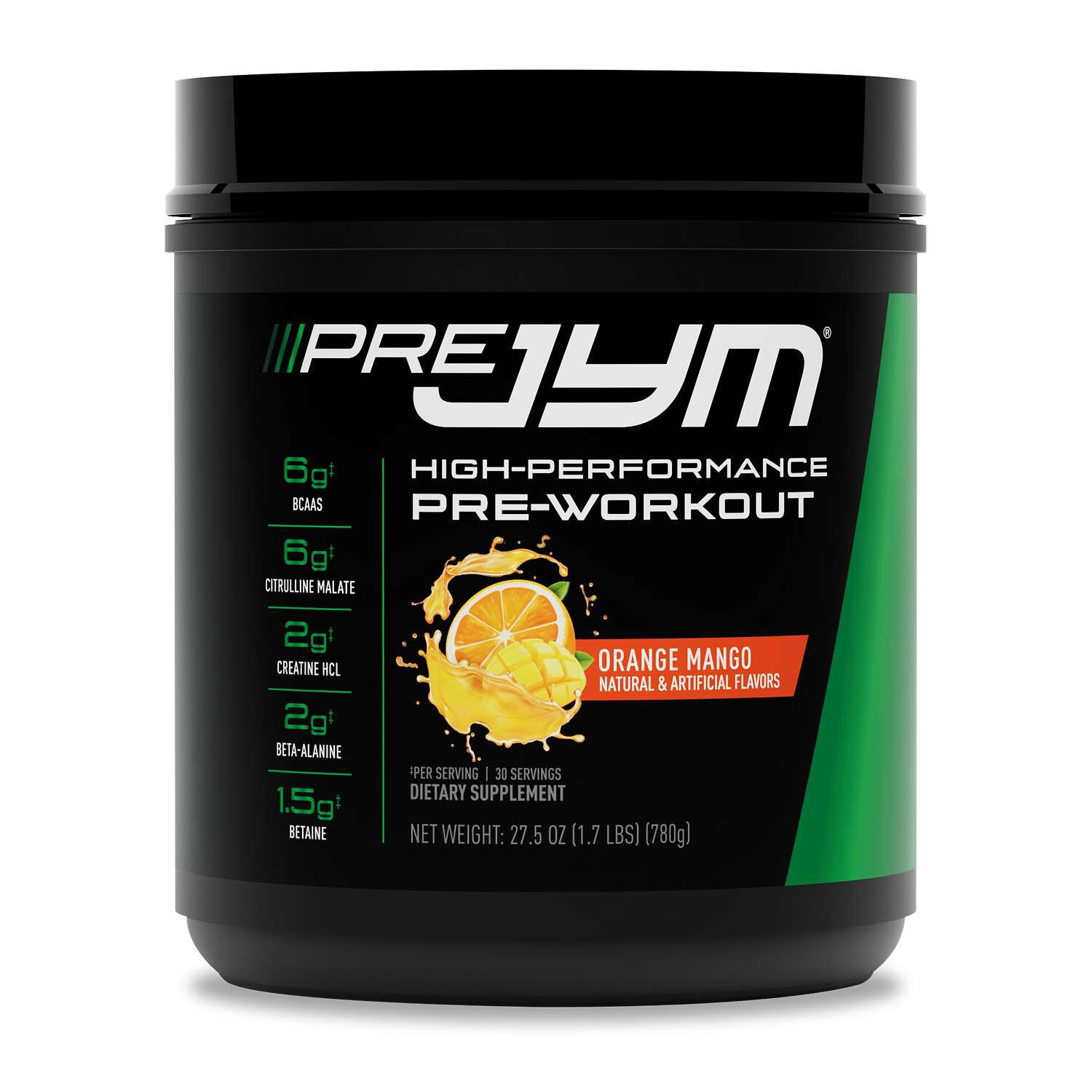


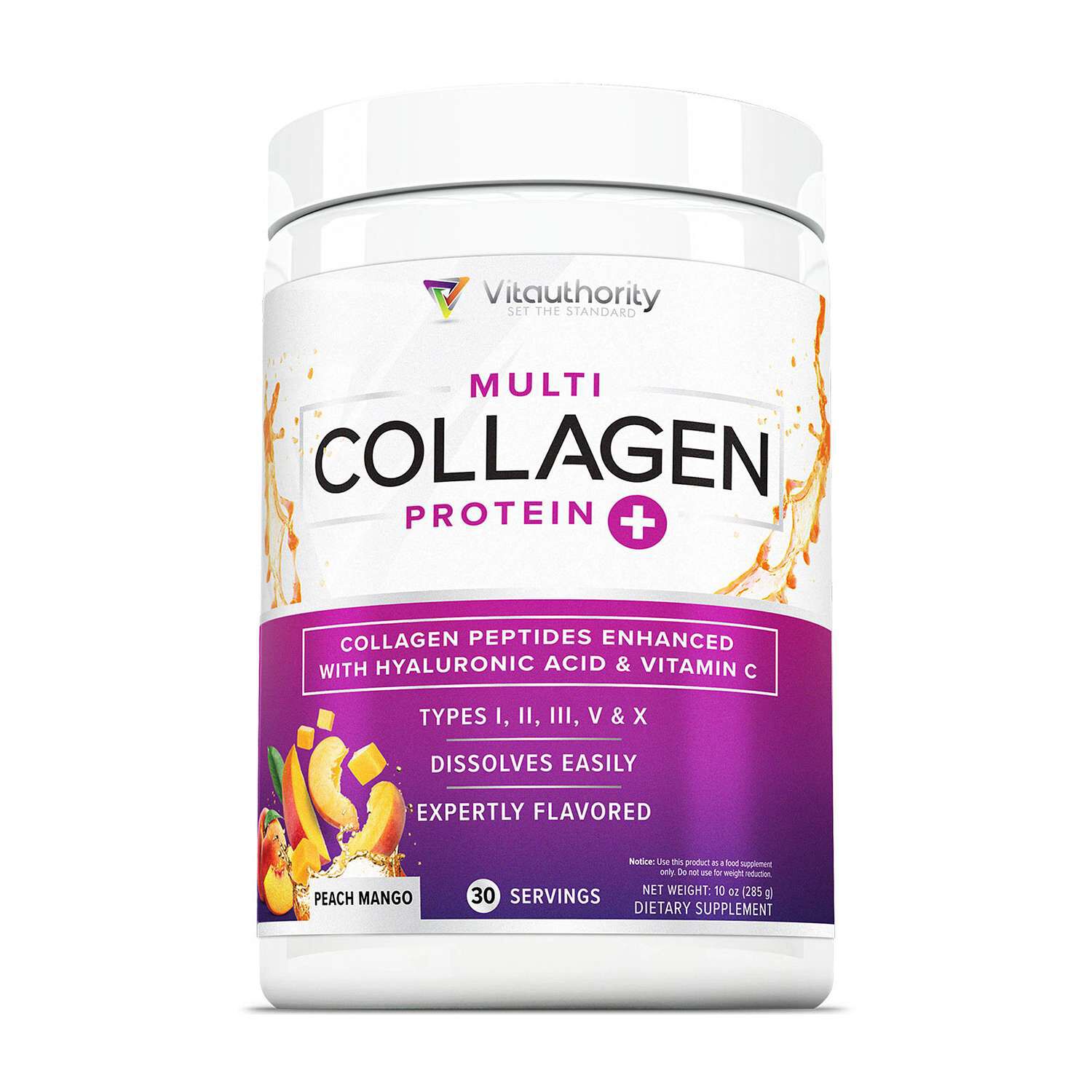


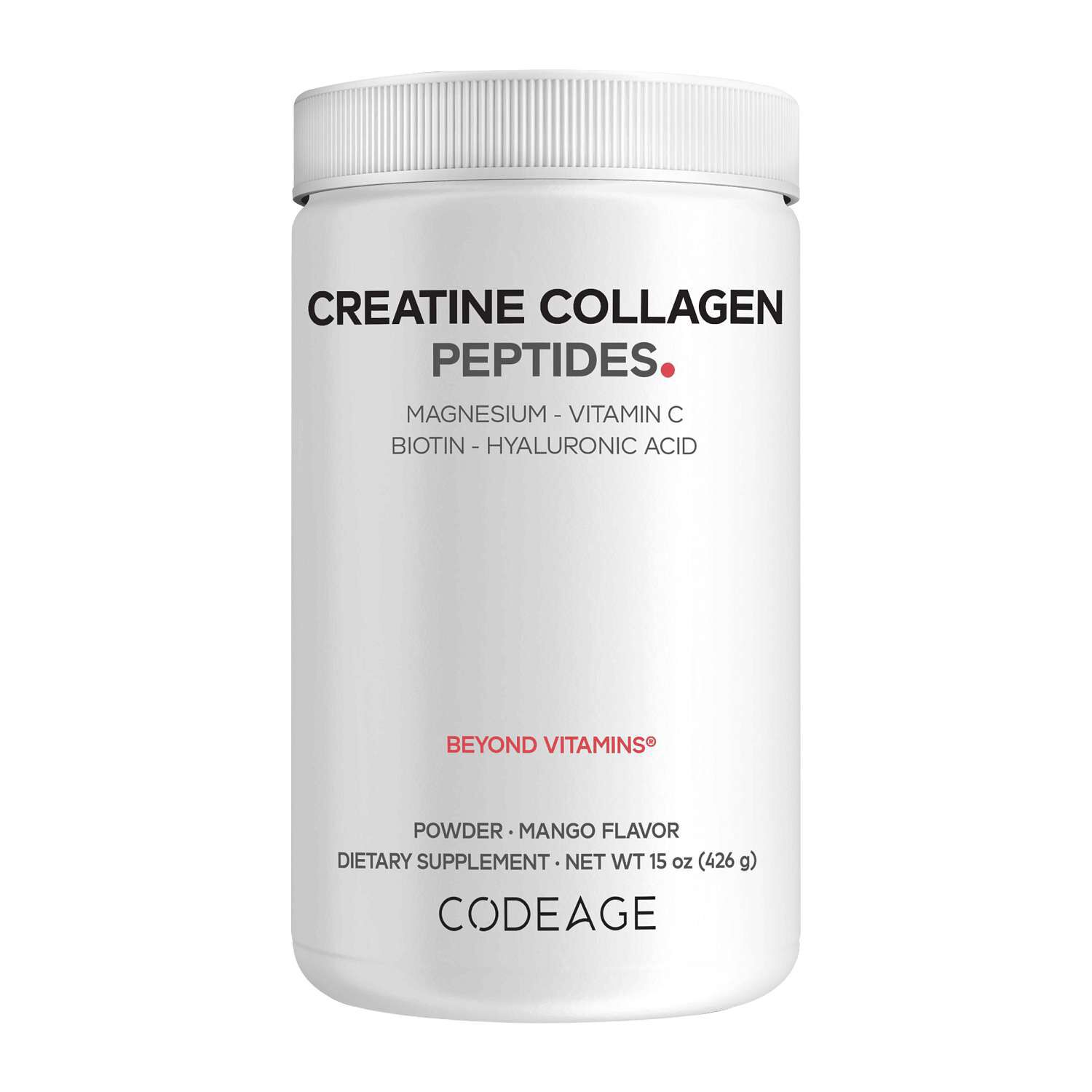
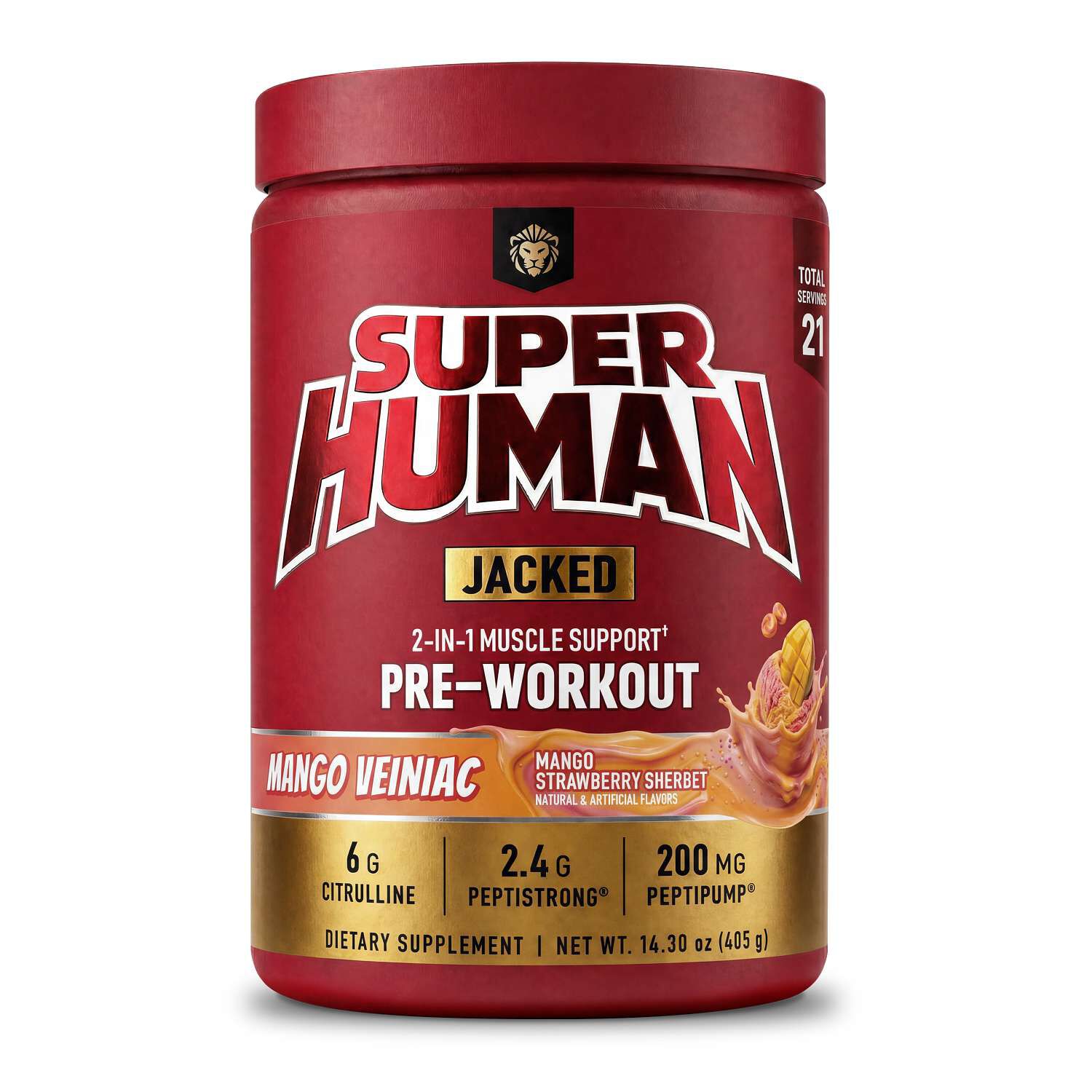
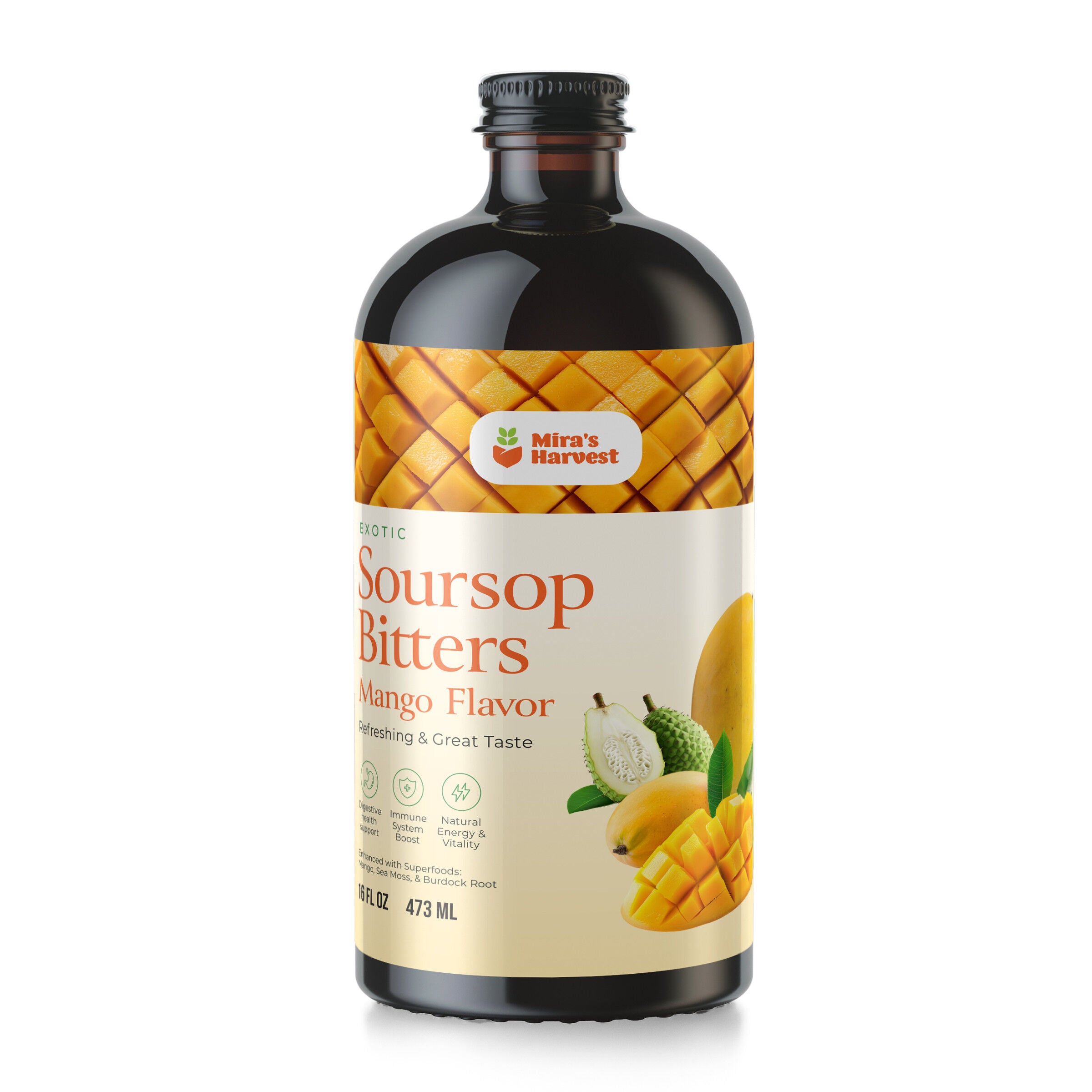
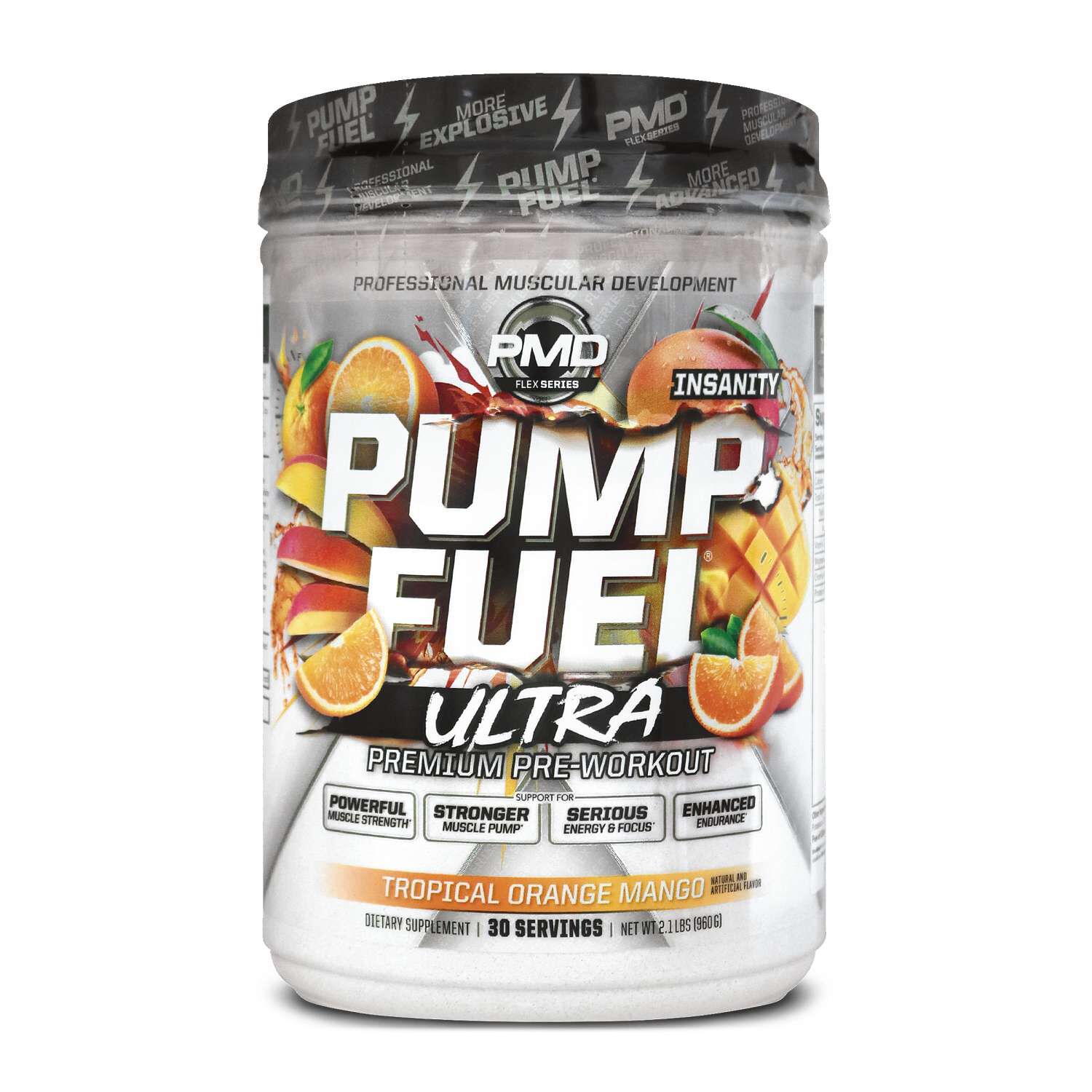
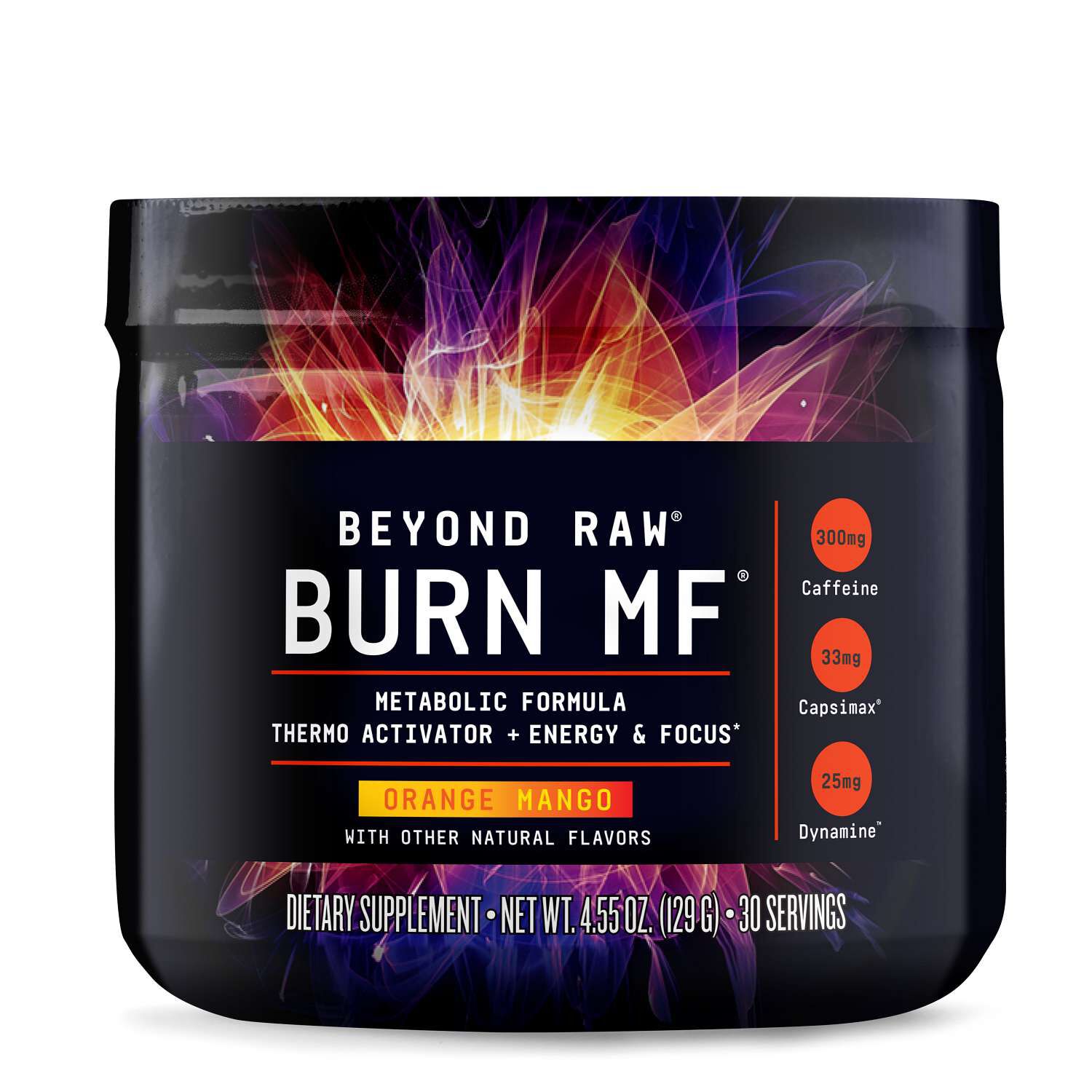


Mango supplements encompass several distinct categories: African mango seed extracts, extracts from the common mango tree, and supplements flavored to taste like mango. Those distinctions matter because a tropical flavor name does not identify a botanical ingredient. African mango, Irvingia gabonensis, is a tree native to West and Central Africa. Supplements bearing this name typically feature an extract from the seed, sometimes described as the kernel or nut, rather than the sweet fruit flesh. African mango seed extract appears in some weight-management formulas, although that intended use does not establish an outcome. The familiar mango eaten fresh is a different plant, Mangifera indica. Supplements made from this species may use the leaf or fruit, and some extracts identify mangiferin, a naturally occurring plant compound, on the label. Neither the common name nor a picture of a sliced mango reveals which plant part a formula contains. Mango-flavored protein powders, drink mixes, and other sports nutrition supplements represent another category altogether. Their mango character may come from flavoring ingredients rather than an African mango seed extract or a common mango leaf extract. A mango beverage powder and an African mango capsule therefore need not share their primary ingredient, intended use, or serving format. The botanical name, plant part, and ingredient description are the clearest points of distinction. A label that identifies Irvingia gabonensis seed extract conveys different information from one that lists Mangifera indica leaf extract, mango fruit powder, or mango flavor. Fruit powders and extracts also differ in composition, so the amount of one cannot be treated as equivalent to the same amount of another. The category is best understood through these ingredient identities rather than assumptions drawn from the word mango. Even the presence of actual mango fruit does not make a supplement nutritionally interchangeable with a serving of fresh mango; the ingredient amount, preparation method, and surrounding formula all matter.
The format adds another layer of practical detail to mango supplements. Capsules contain a measured portion in a shell that may be made from gelatin or a plant-derived material such as cellulose. Tablets are compressed preparations and may include binding or coating ingredients. Powders may contain a single botanical ingredient or a blend with flavors, sweeteners, and other components, while liquid preparations have their own serving measurements and storage directions. These differences matter to shoppers with ingredient preferences, established routines, or limited space in a kitchen cabinet. Capsule dimensions, the number of capsules per serving, and the amount of powder or liquid specified for a serving describe different aspects of the experience. A serving listed as two capsules is not the same as an amount listed for each capsule, and a scoop is a measuring tool rather than a universal unit shared by every powder. Botanical labels may also describe an extraction ratio or a specified proportion of a named plant compound. An extraction ratio describes the relationship between the starting botanical material and the resulting extract; it does not, by itself, establish how two formulas compare in use. Likewise, the weight of an extract is not automatically equivalent to the weight of whole seed, leaf, or fruit powder. Blend formulas introduce additional considerations because mango-derived ingredients may appear alongside several other botanicals or nutrients. The ingredient panel shows whether individual amounts are stated or whether multiple ingredients are grouped within a blend. Other ingredients, allergen statements, capsule materials, and preparation directions round out the description beyond the front label. For flavored powders, the listed serving size, sugar content, and sweetener ingredients help describe the finished drink. A brightly colored fruit illustration says little about those details. Clear labeling makes it easier to distinguish the character of the formula from the taste suggested by its name, especially when several different kinds of mango supplements appear together.
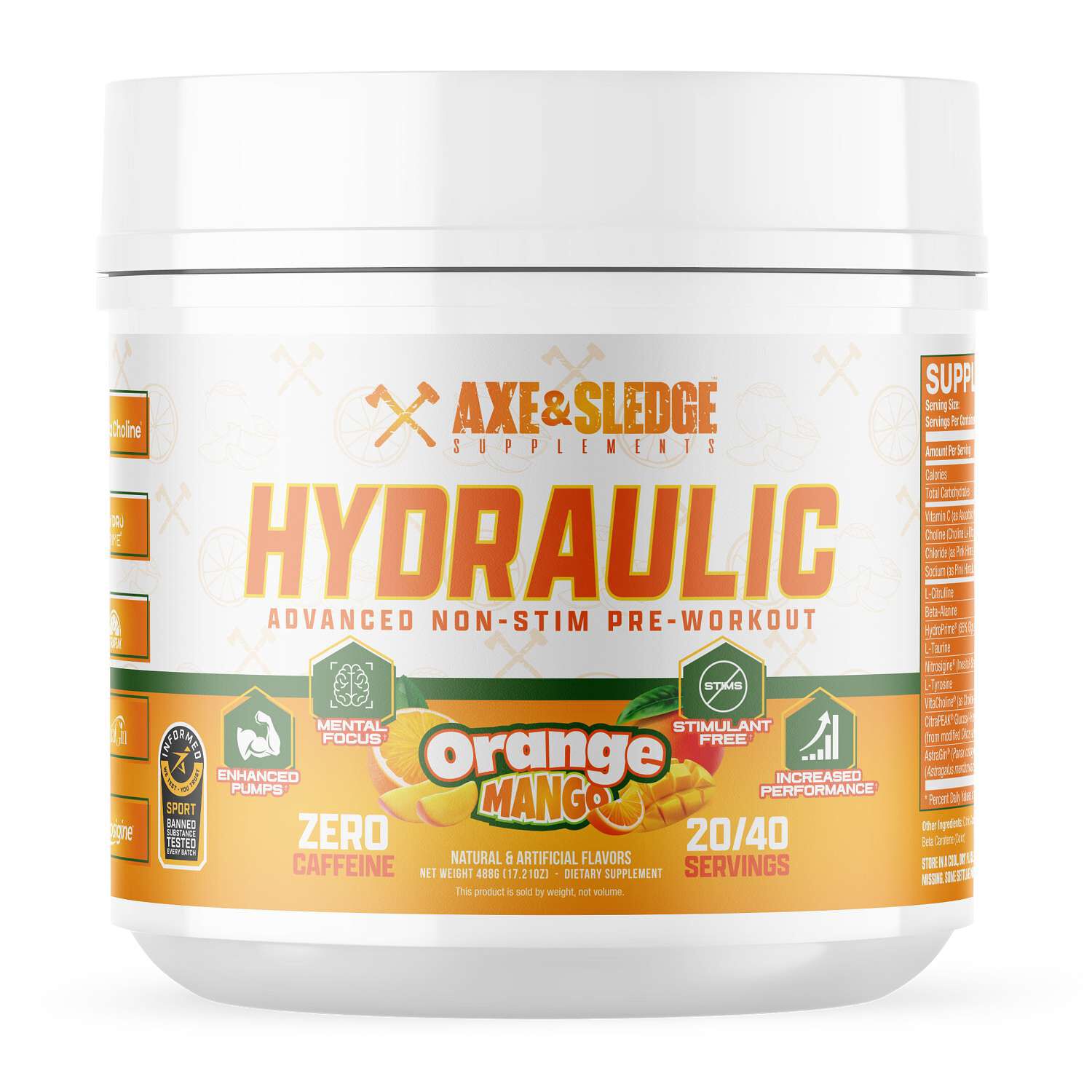
Everyday use often comes down to details that are less conspicuous than the mango name on the container. Someone who already has a shake routine might prefer a mango-flavored powder, while someone seeking a particular botanical ingredient may focus on the species and plant part instead of flavor. A capsule does not provide the same sensory experience as a fruit-flavored drink, and a drink’s sweetness does not indicate its botanical content. Mango flavors can range from mellow and nectar-like to tangy, with citrus or other fruit notes depending on the formula. Water and milk-based preparations may also produce different textures when both are permitted by the product’s directions. Shoppers interested specifically in mango-flavored exercise supplements can explore Mango Pre Workouts, a related category defined by flavor and intended use rather than by African mango seed content. In that category, caffeine content, other listed ingredients, serving directions, and beverage volume are relevant distinctions; the mango flavor alone does not describe the formula. Packaging matters across the broader category as well. A bottle, resealable pouch, or individually portioned packet creates a different storage and handling routine. Powders require the preparation described on the package, and a dry measuring utensil helps avoid introducing moisture into the container. Storage requirements vary, so the label is the reference for placement, temperature, and any instructions that apply after opening. Original packaging keeps the ingredient information, lot details, and expiration date with the supplement, which is useful when similar-looking containers share a cabinet. Container size and serving count also describe different things: a larger package does not necessarily contain more servings if the serving amount differs. For a shared household, clear separation between botanical capsules and flavored nutrition powders may make everyday organization simpler. Across these formats, the most meaningful distinctions remain the same: what the mango name refers to, which ingredients are actually present, how the serving is measured, and how the preparation fits an established routine.
Best Sellers


Related Pages
Top Collections
- Joint Mobility Supplement Packs
- Daily Collagen Supplements | Top Brands & Deals | GNC
- GLP 1 Support For Adults
- Zinc Supplements | Top Brands at Great Prices | GNC
- Supplements For Yoga Joint Flexibility
- Supplements For Balance
- Capsule Supplements For Energy And Stamina
- Adult Mobility Supplements
- Chronic Fatigue Supplements
- Vitamins For Hair Loss