Maximum Strength Weight Loss Supplements
(0 Results)
Maximum strength weight loss supplements are designed for those seeking support on their wellness journey. With a range of carefully formulated options, these supplements may complement your active lifestyle and balanced nutrition plan. Whether you're looking to enhance your routine or explore new possibilities, discover how maximum strength weight loss supplements could fit into your goals.

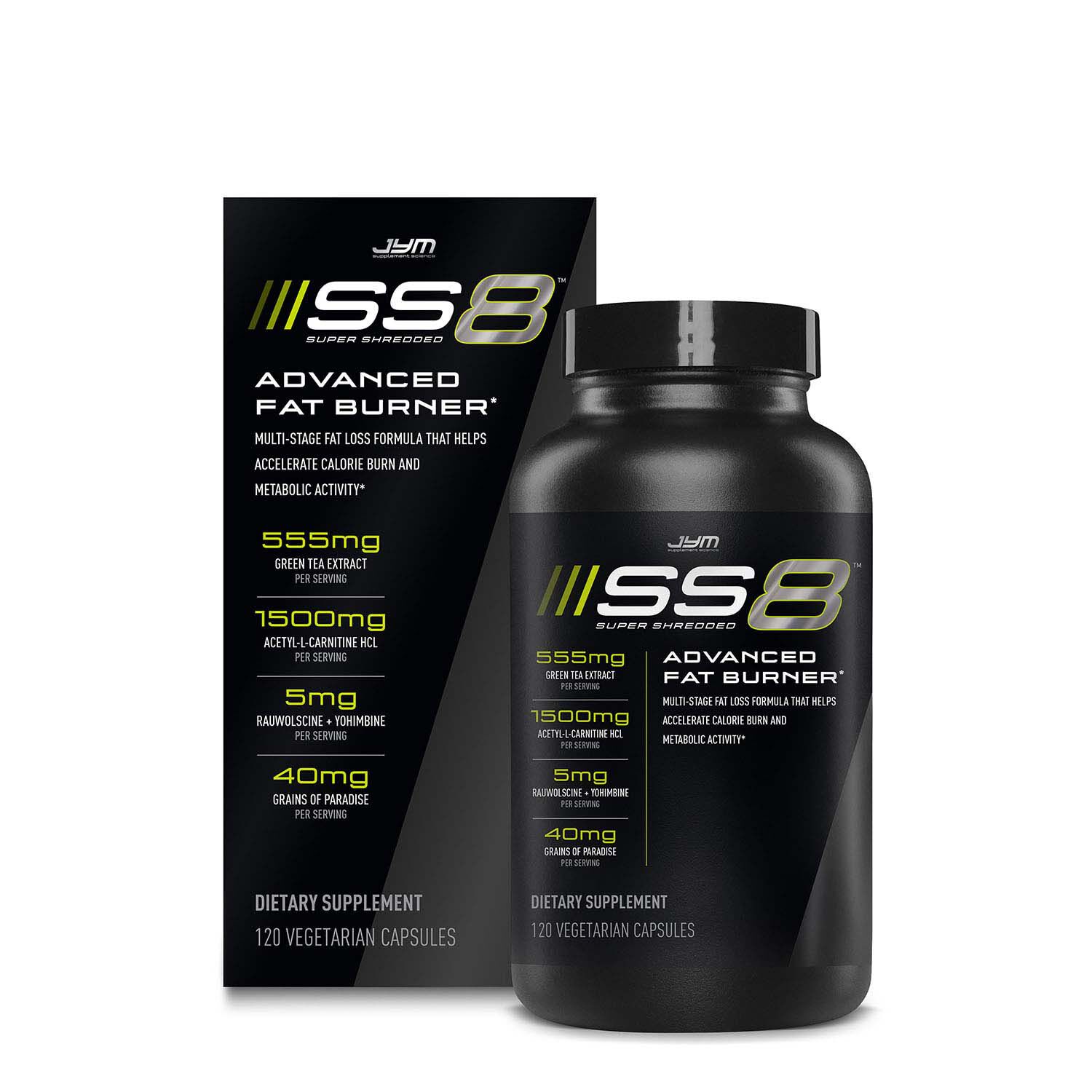
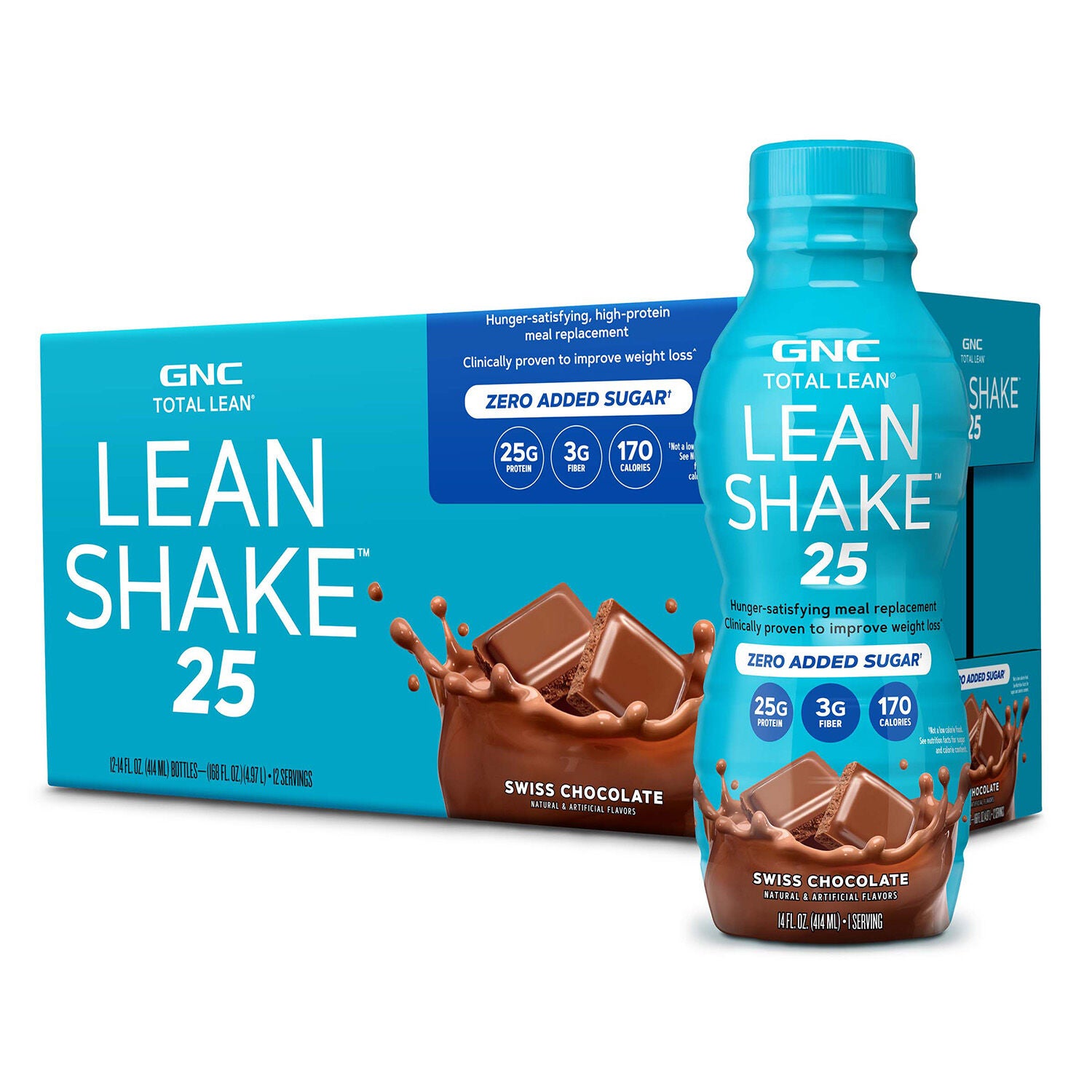
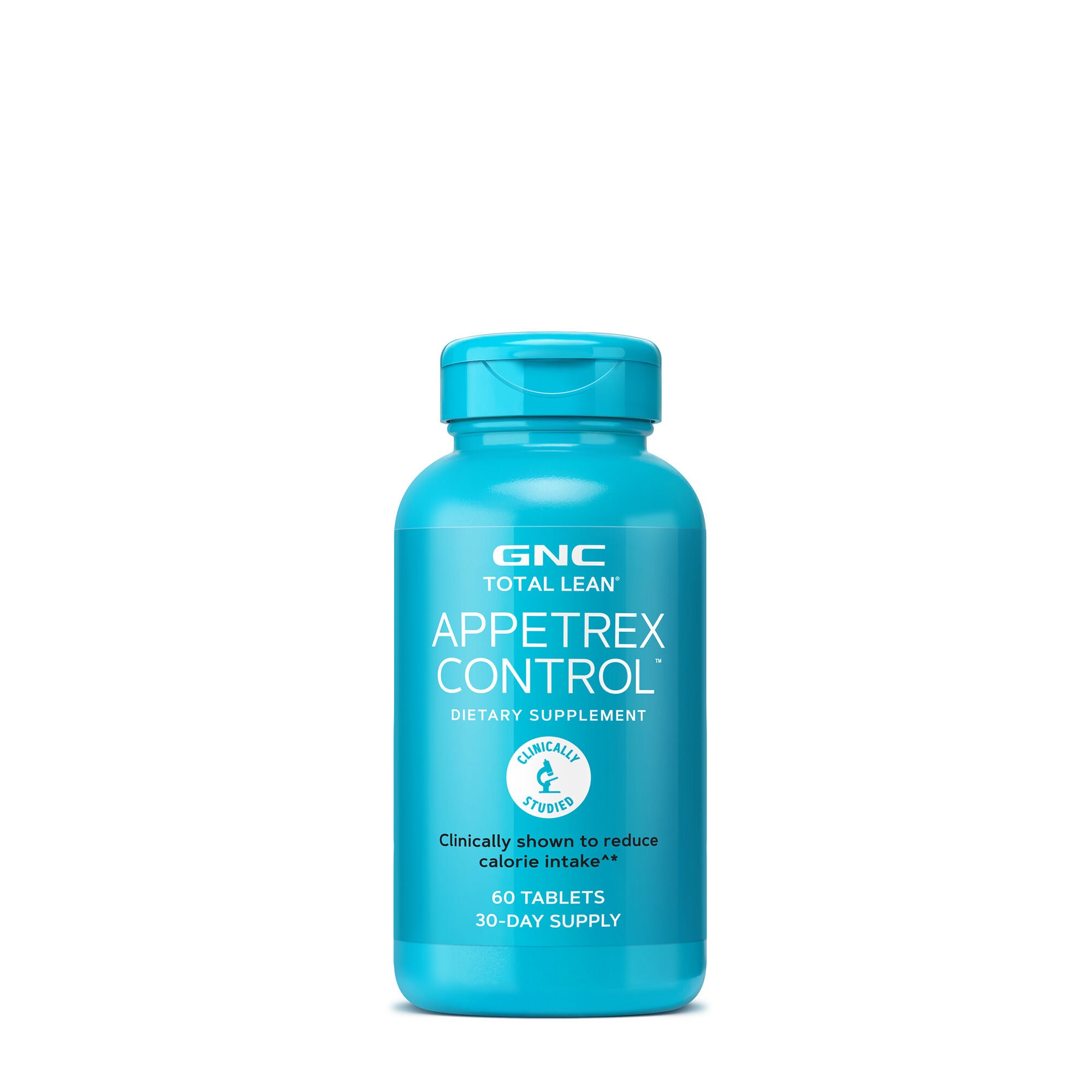


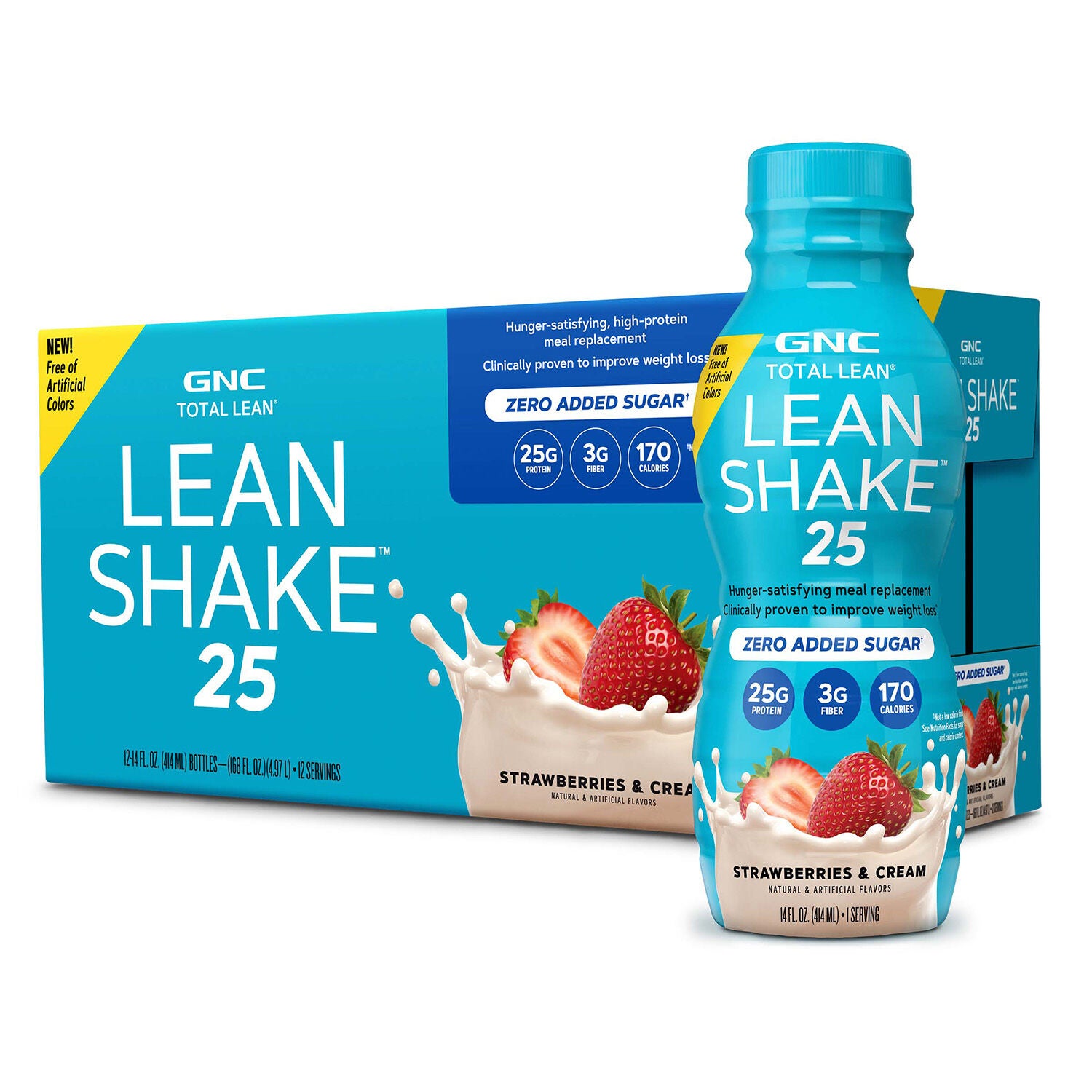
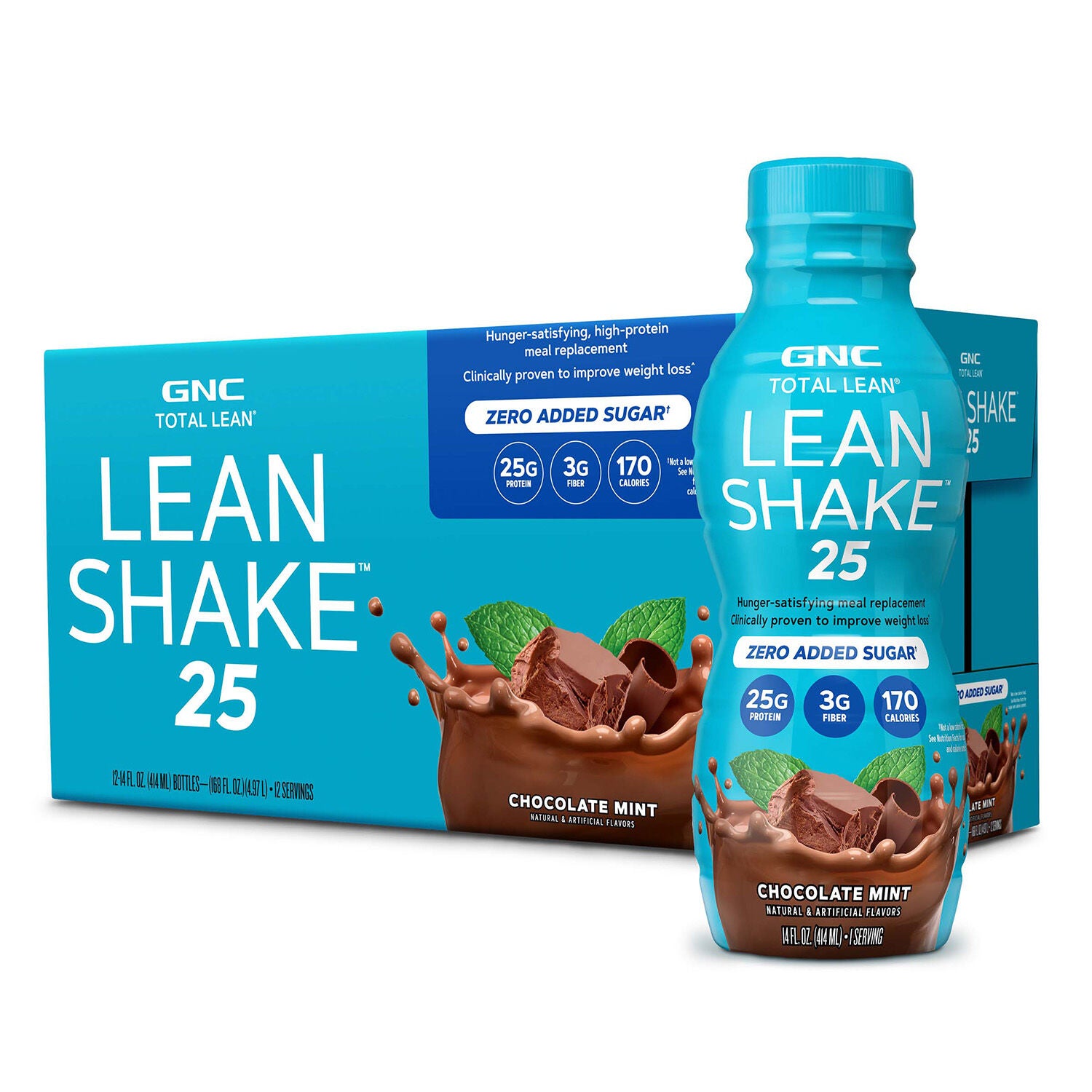
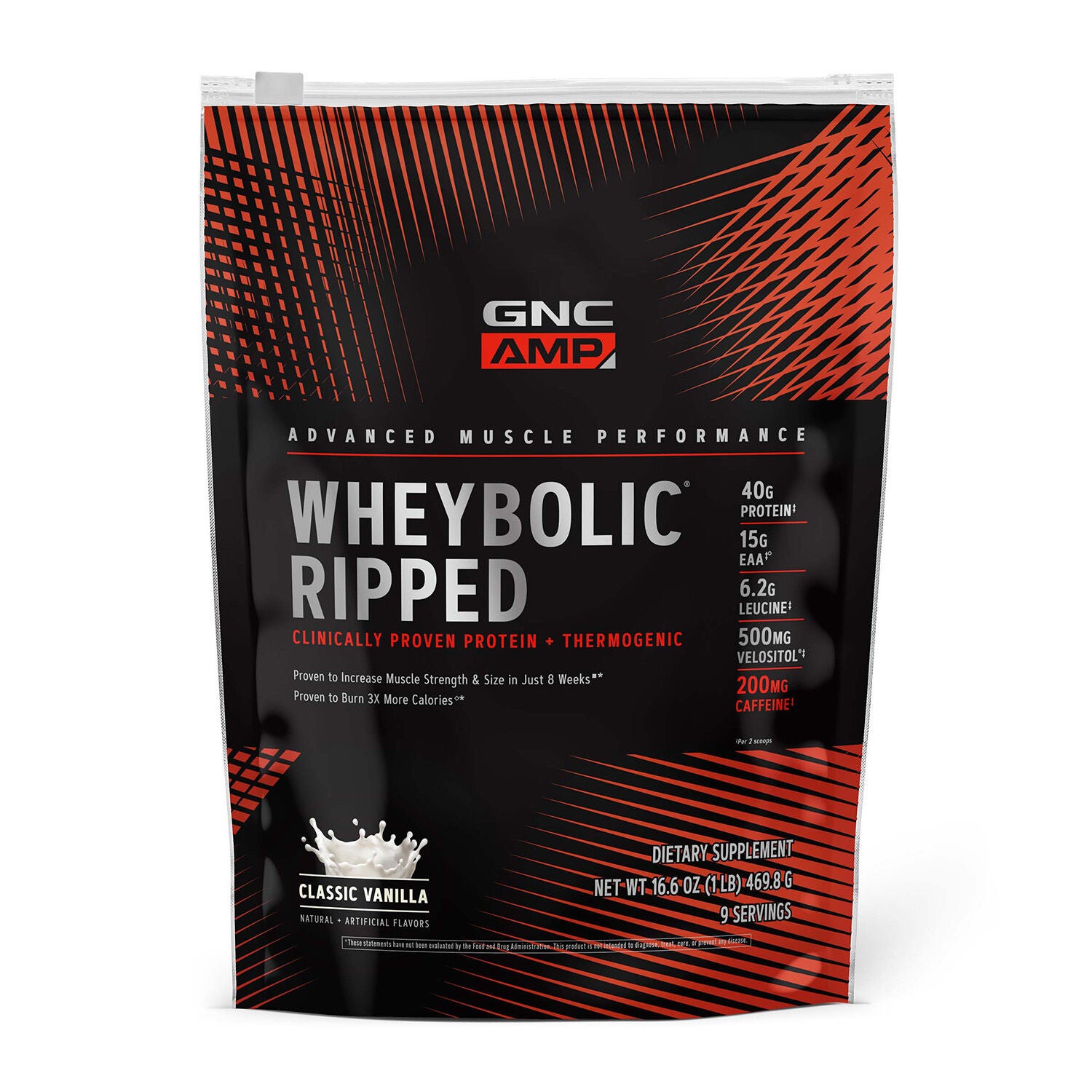

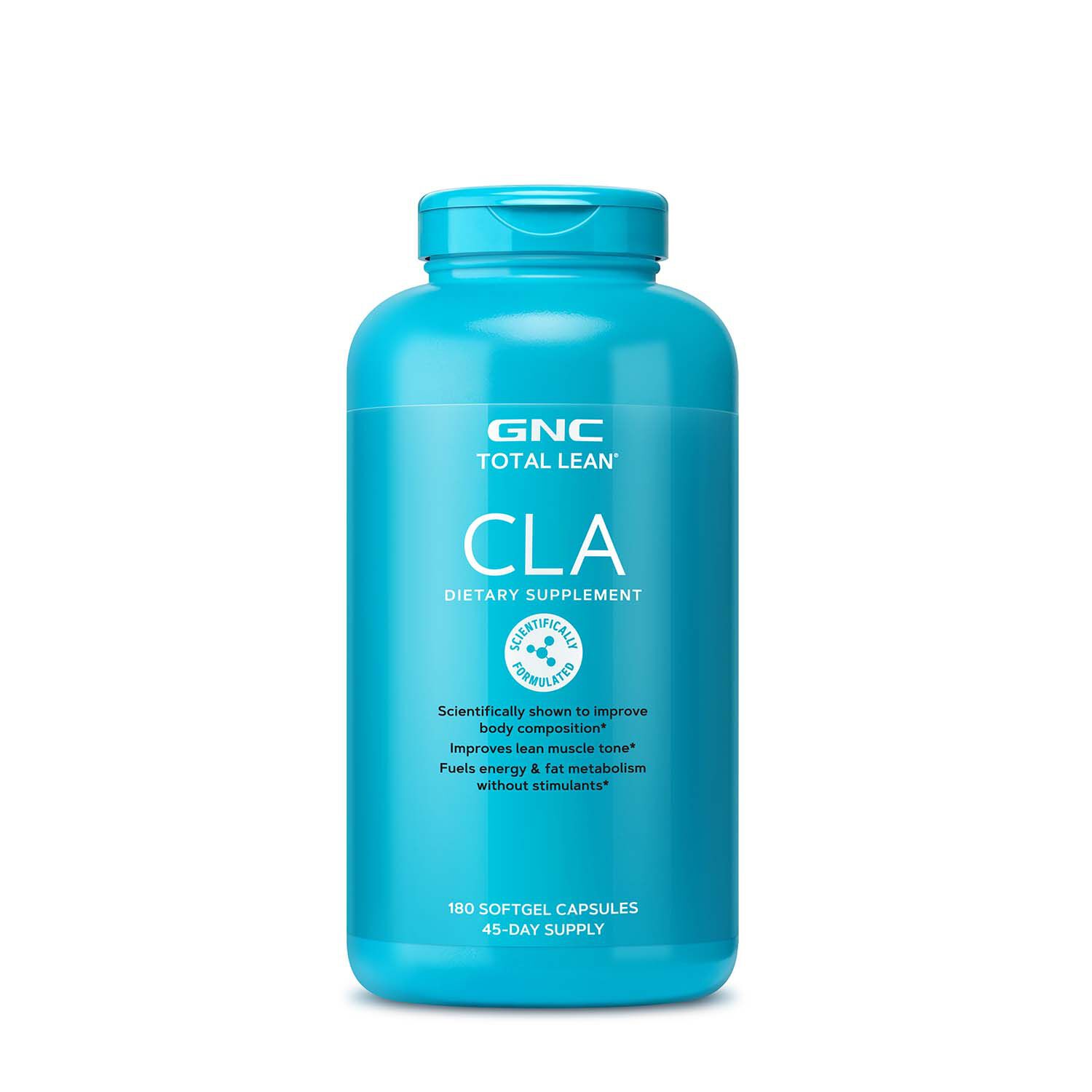


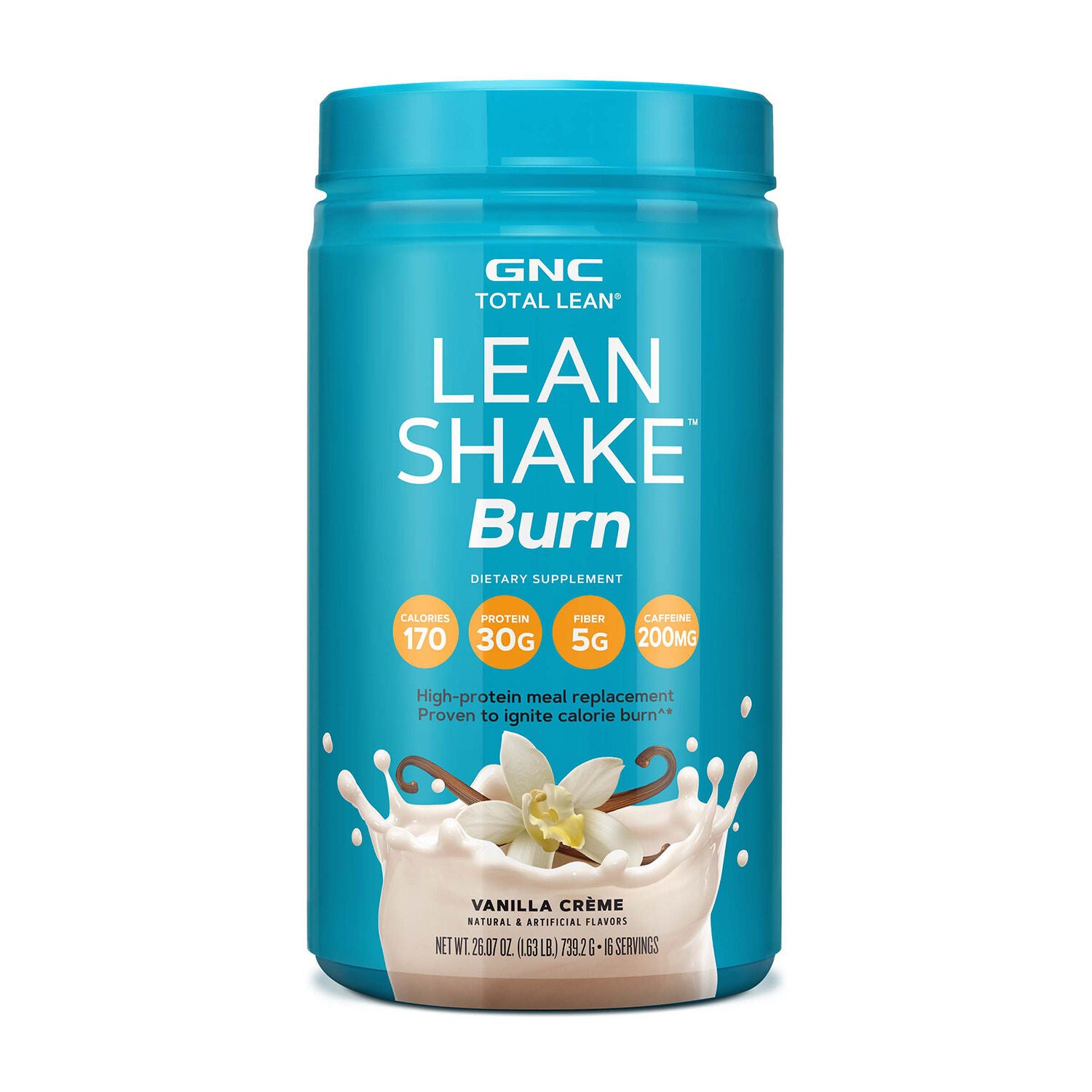

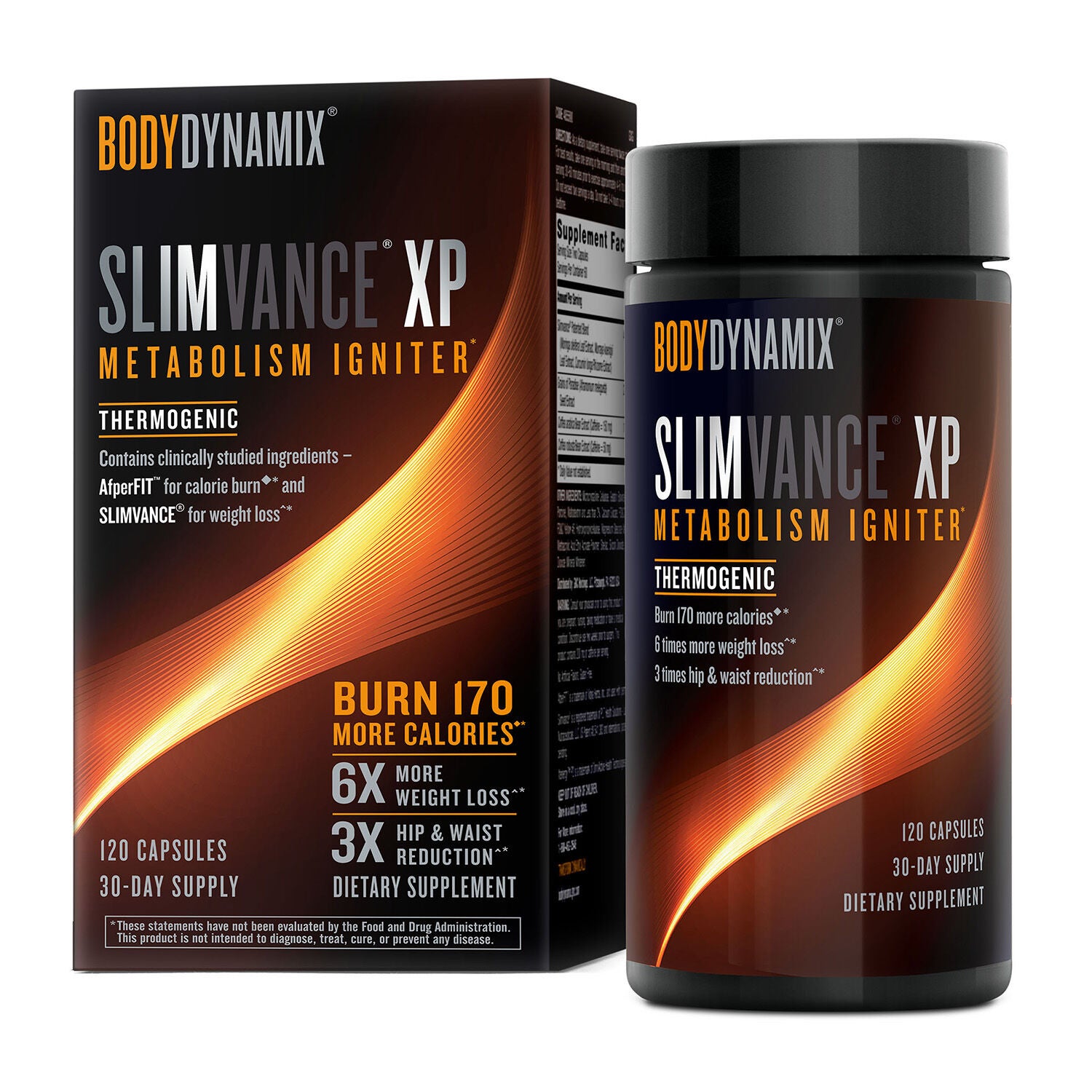


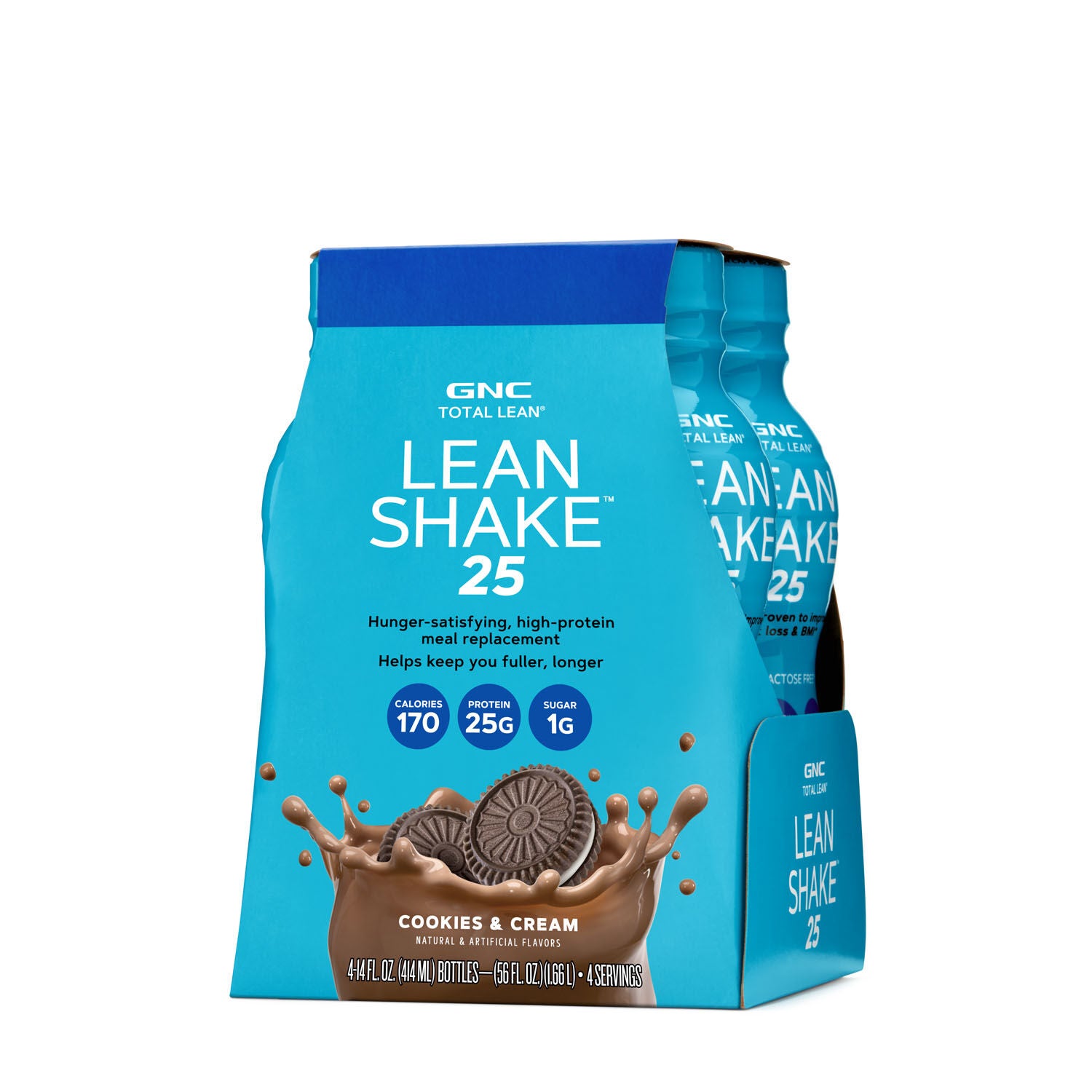
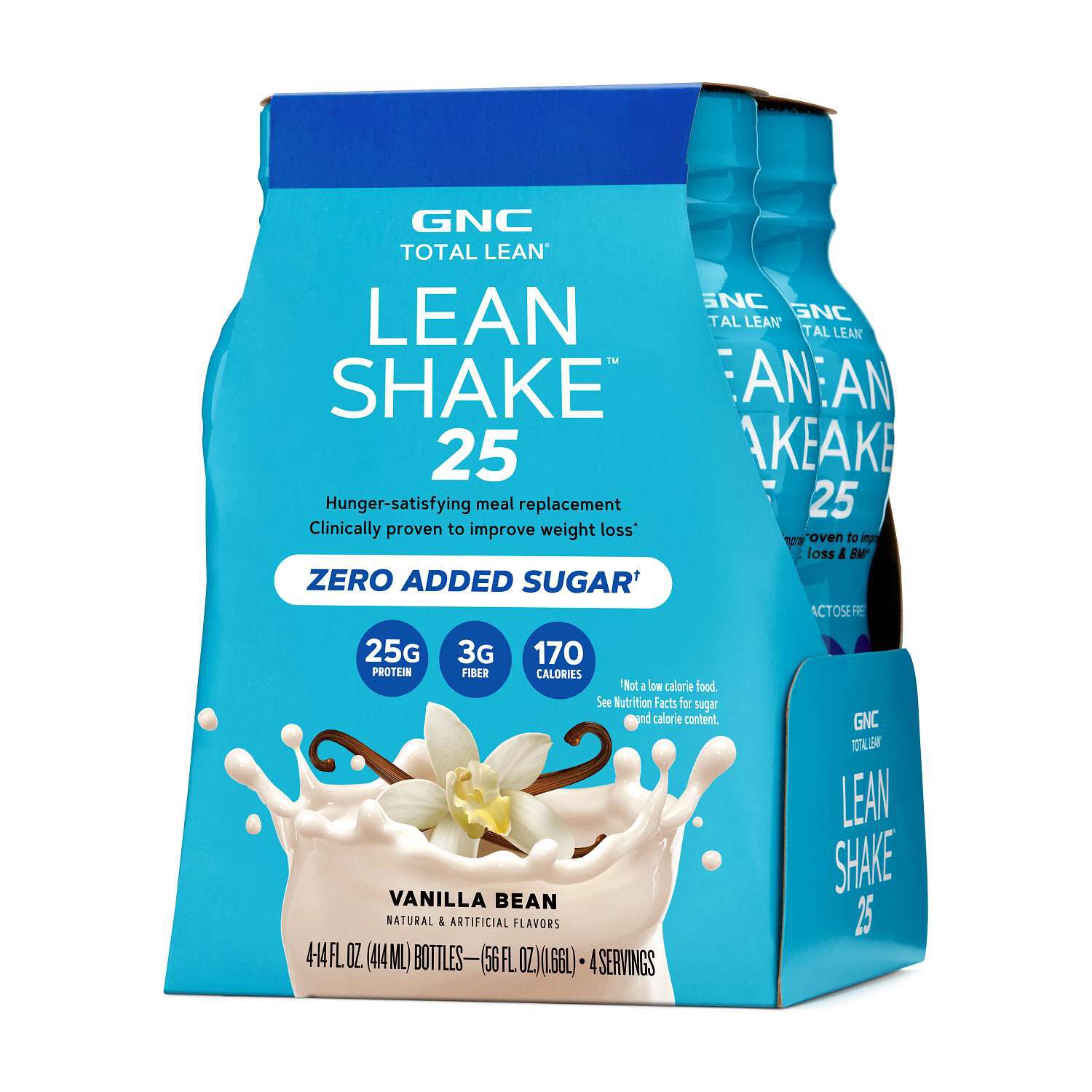
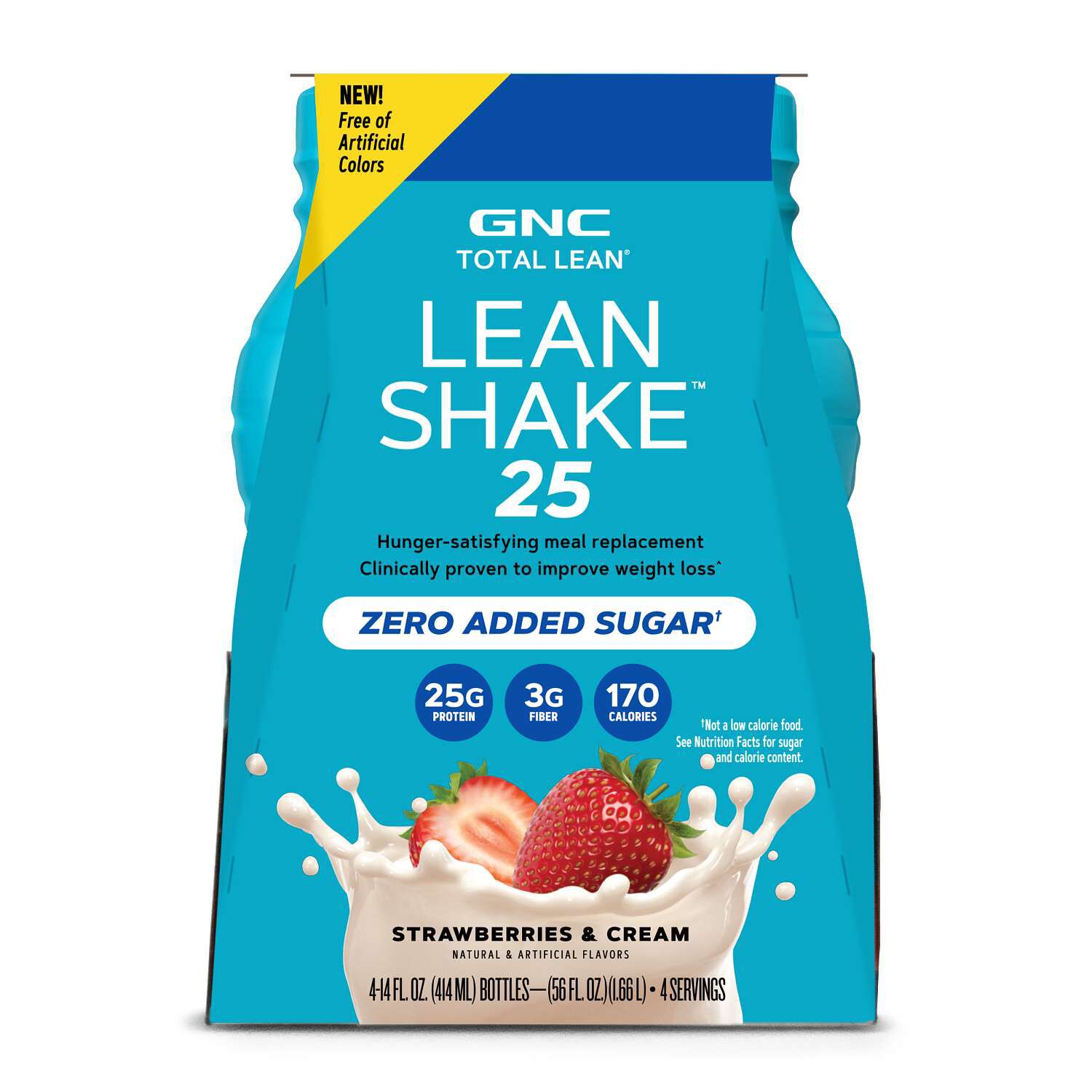
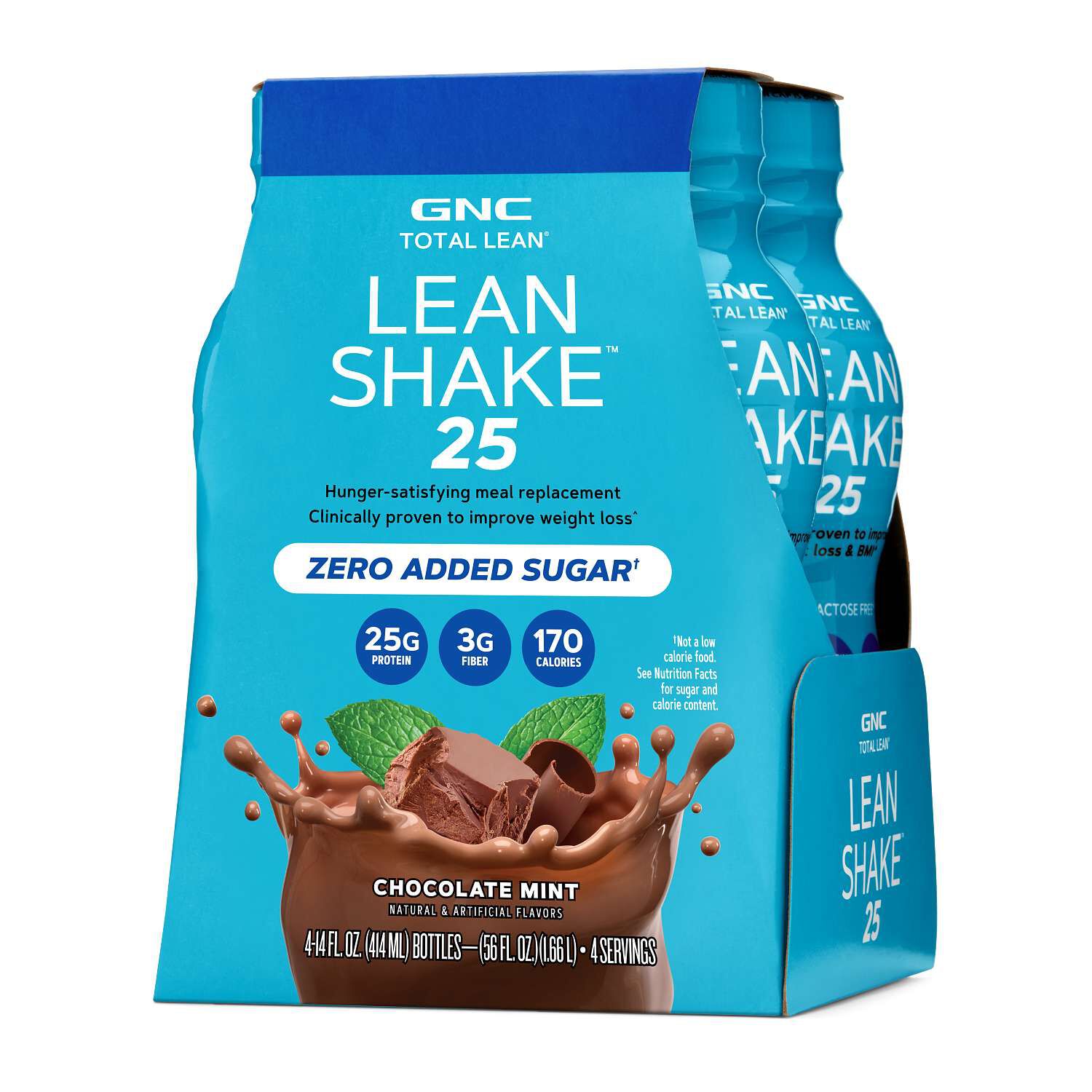
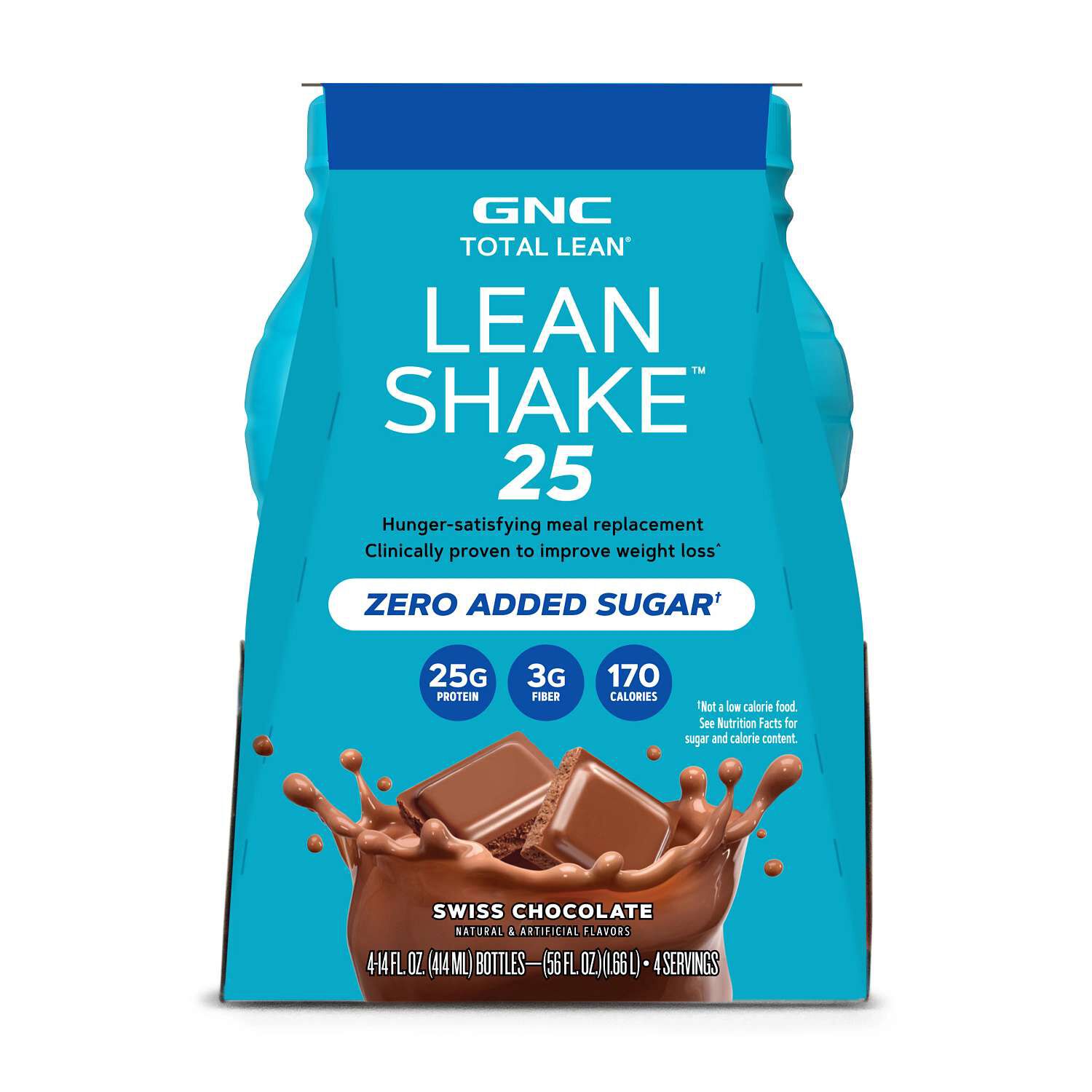
Maximum strength weight loss supplements are dietary supplements marketed for weight management, often with language that emphasizes ingredient concentration or serving size. “Maximum strength” is not a standardized designation across the supplement industry, so the phrase alone does not establish how one formula compares with another. A larger amount of an ingredient, a longer ingredient list, and a more concentrated extract are different characteristics, not interchangeable measures of effectiveness. Evidence for meaningful, sustained weight loss from dietary supplements is limited, and a strong-sounding product description is not evidence of substantial or lasting results. The FDA does not approve dietary supplements for safety or effectiveness before they are marketed. That distinction matters when comparing this category with products that undergo a different regulatory review. Within the category, formulas may feature caffeine, green tea extract, fiber, botanical ingredients, or combinations of several ingredients. Some are described as thermogenic, while others are positioned around fullness, metabolism, or an active lifestyle; those descriptions communicate the intended use rather than establish an outcome. Ingredient research also needs context: findings about an individual ingredient do not necessarily describe a finished formula with different amounts or combinations. The most informative details are usually less dramatic than the wording on the front of the package. Ingredient amounts per serving, extract descriptions, caffeine content, serving directions, and clearly stated cautions provide a more concrete picture of what a formula contains. Two bottles with similar front-label language can have substantially different compositions, making side-by-side label comparisons more useful than comparing the word “strength.” These supplements are generally presented for adult weight-management routines, with the intended audience and restrictions identified on each label. They are not meal replacements simply because they are marketed for weight management. Their intended place is alongside everyday routines involving meals, movement, and rest, rather than as evidence that any particular body-weight outcome will follow. A clear description of composition and use is more meaningful than dramatic language about transformation.
The format of a supplement can matter just as much as its ingredient profile when considering how it fits into an ordinary day. Capsules and tablets are compact formats, but serving sizes can range from one unit to several, so the number printed on a bottle is not necessarily the number of servings inside. Capsule materials also vary, including gelatin and plant-derived alternatives, while tablets may contain binders, coatings, and other ingredients listed outside the Supplement Facts panel. Powders involve measuring and mixing, with texture, flavor, and preparation directions forming part of the experience. Gummies and chewable formats have their own serving counts and may contain sweeteners, sugars, flavorings, or coloring ingredients. Liquid formats differ in concentration and measuring method, making the stated serving volume an important comparison point. None of these formats establishes greater effectiveness on its own; the distinction is primarily about composition, preparation, and intended use. For someone who spends much of the day commuting or moving between appointments, the practical details might include a secure container, readable directions, and a format that does not require mixing. Someone who already prepares a drink at home may be more familiar with a measured powder, although familiarity does not make two powders interchangeable. Caffeine deserves particular attention in formula comparisons because it may appear as a named ingredient or within botanical sources such as guarana or green tea. Coffee, tea, and other beverages add another consideration when reviewing the amount shown on a supplement label. Products made without caffeine are a separate formulation choice, not evidence of superior effectiveness or suitability for every person. Fiber-containing options may include specific preparation and fluid directions, while multi-ingredient blends can differ in how much detail they disclose about individual components. A blend’s combined weight is not the same information as separate amounts for each ingredient. The distinction becomes especially useful when two labels feature many of the same ingredient names but organize their serving information differently. Clear labeling makes those differences easier to recognize without relying on package imagery or marketing descriptions.
Packaging, storage, and quality information provide another layer of context for maximum strength weight loss supplements. The relevant materials extend beyond the capsule shell or tablet coating to the bottle, closure, inner seal, measuring tool, and any moisture-control component included by the manufacturer. Unlike durable equipment, a supplement has a dated shelf life and storage conditions that affect how it should be handled. A container left beside a steamy shower or in a hot car presents a different storage environment from a dry cabinet, and the package’s storage directions identify the conditions intended for that formula. A securely closed original container keeps the ingredient list, serving directions, date information, and lot number together, which can be useful throughout the period of use. For powders, the included scoop and preparation instructions belong to that particular formula; scoop sizes are not universal across containers. Packaging condition also matters, including whether the closure and any tamper-evident seal appear intact. Quality information can include manufacturer contact details, ingredient sourcing descriptions, and clearly identified independent testing or certification. Such information may address identity, composition, or manufacturing practices, but it is not evidence that a supplement will produce weight loss. An ingredient’s botanical origin likewise does not establish suitability for every shopper. Label cautions and intended-use statements remain relevant regardless of whether a formula is described as plant-based, concentrated, or maximum strength. Across this category, the most useful comparison is between the actual contents and the practical requirements of use: serving size, preparation, caffeine content, capsule materials, flavor, storage, and the clarity of the accompanying information. Those details distinguish formulas in ways that broad marketing language cannot. The related Winter Weight Loss Supplements category provides another browsing context for comparing ingredient profiles and formats. Wherever a comparison begins, the defining information remains the same: what is in the formula, how the serving is described, whom the label identifies as the intended user, and what evidence exists beyond the product’s strength designation.