





Memory And Attention Supplements For Seniors
(0 Results)
Memory and attention supplements for seniors could offer support for those looking to maintain cognitive wellness as they age. With a variety of options available, these supplements may help promote mental clarity and focus as part of a healthy lifestyle. Explore memory and attention supplements for seniors to discover choices that could fit your daily routine and wellness goals.
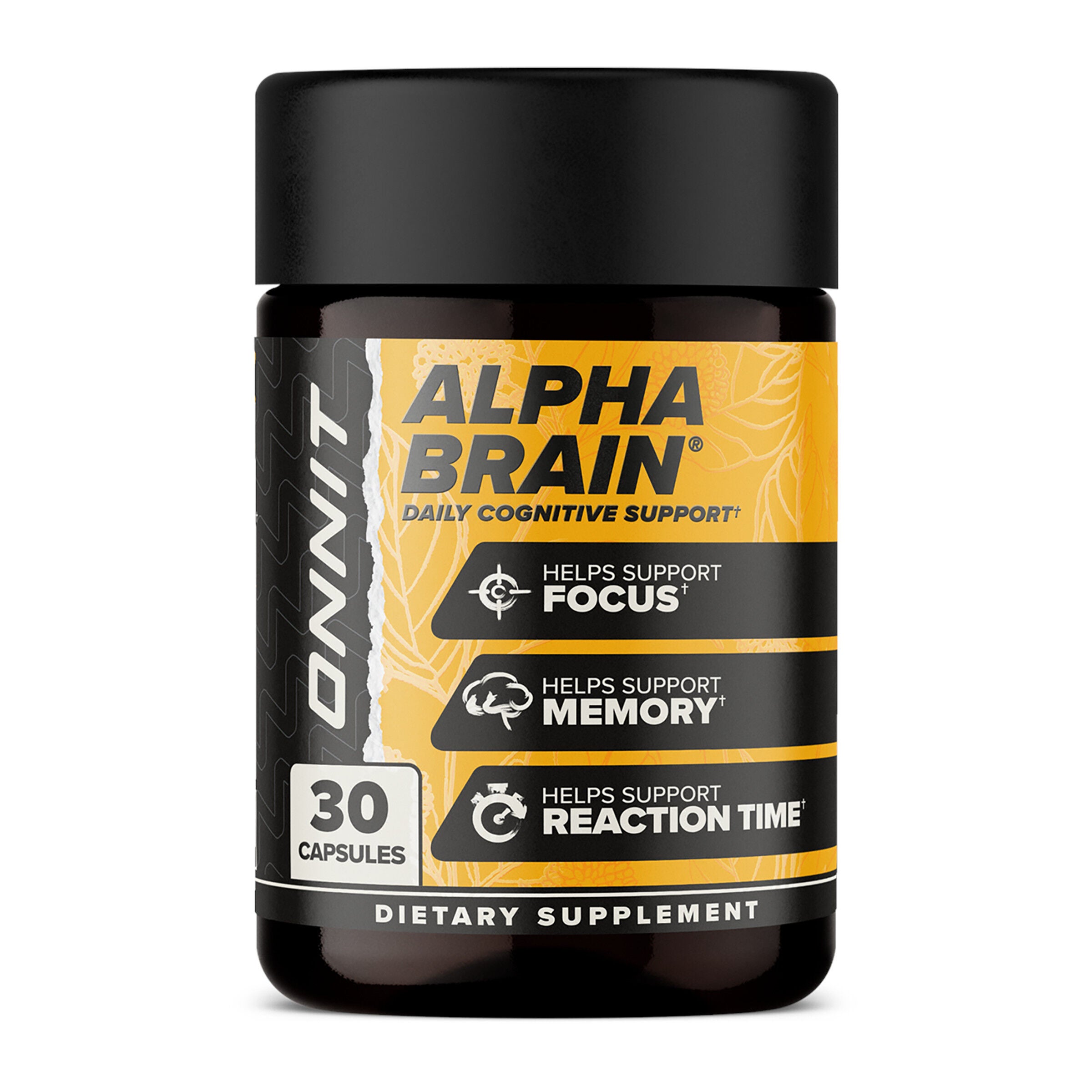
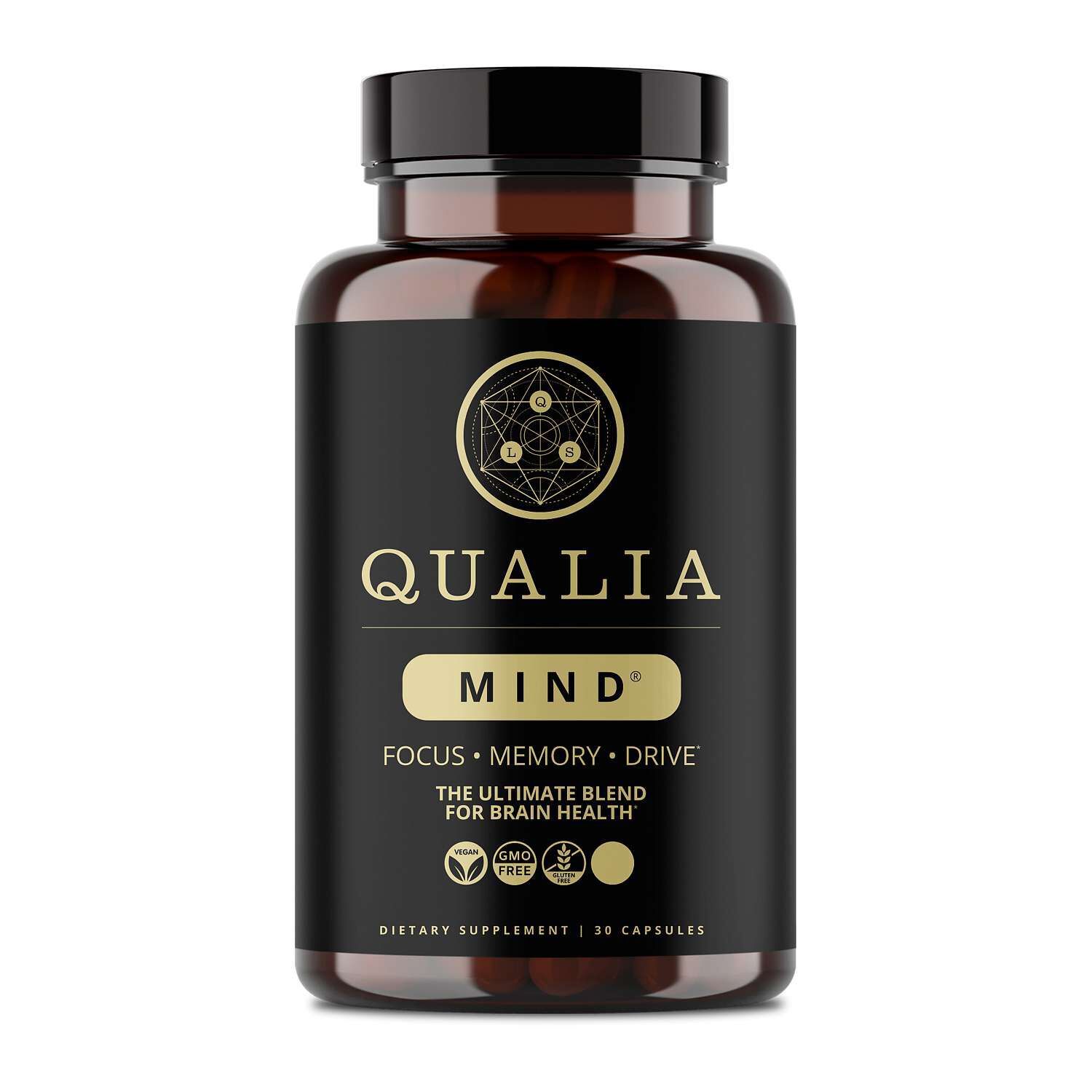

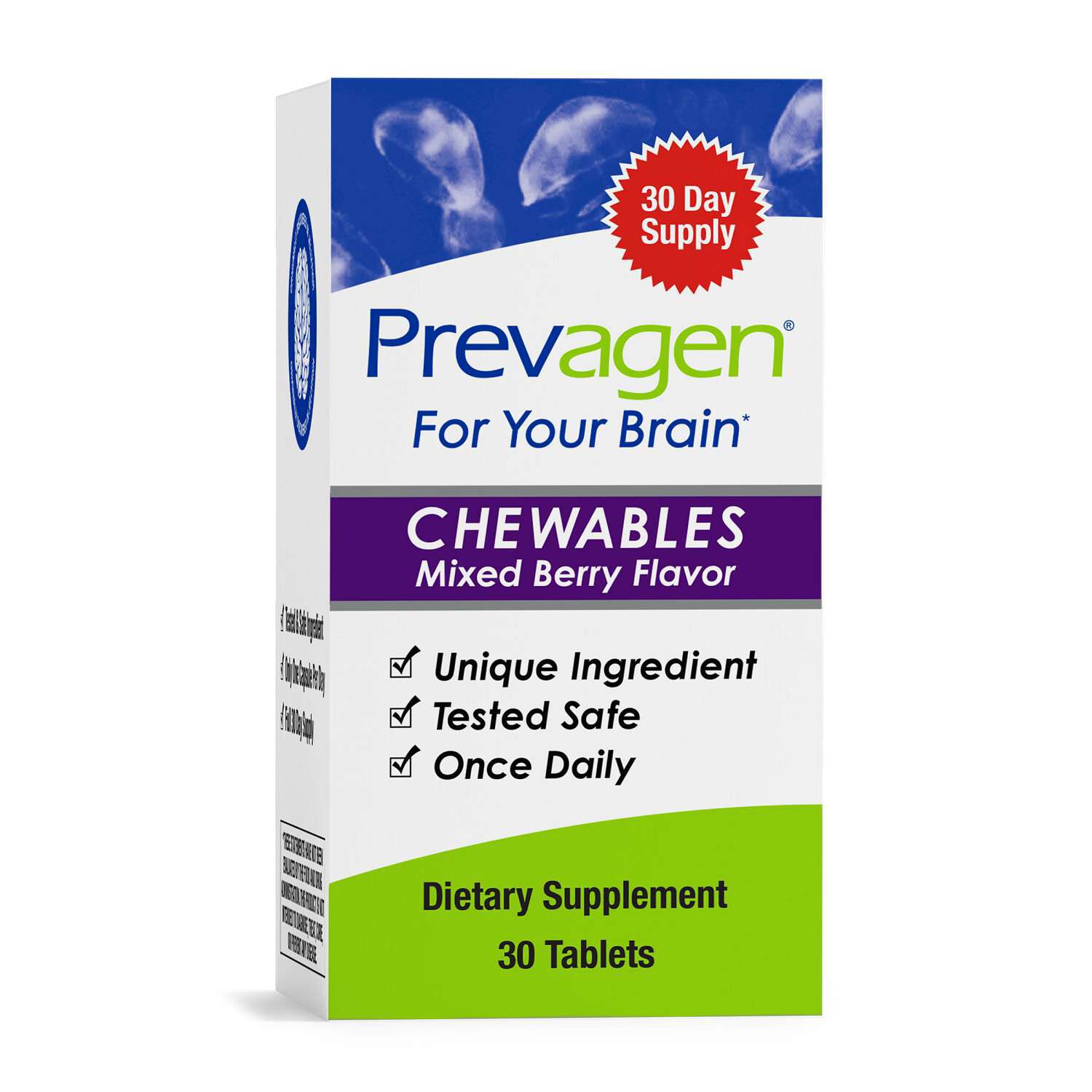
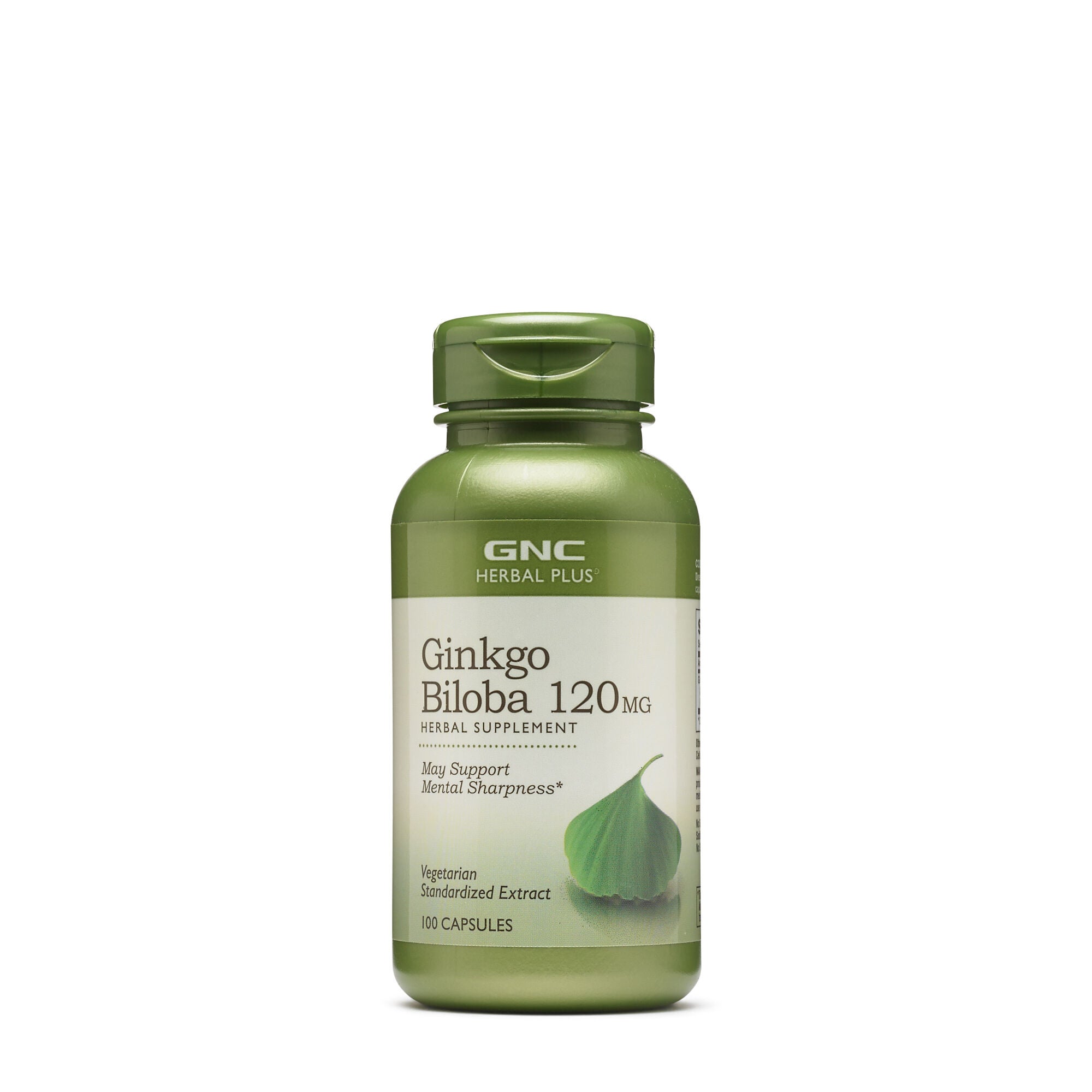
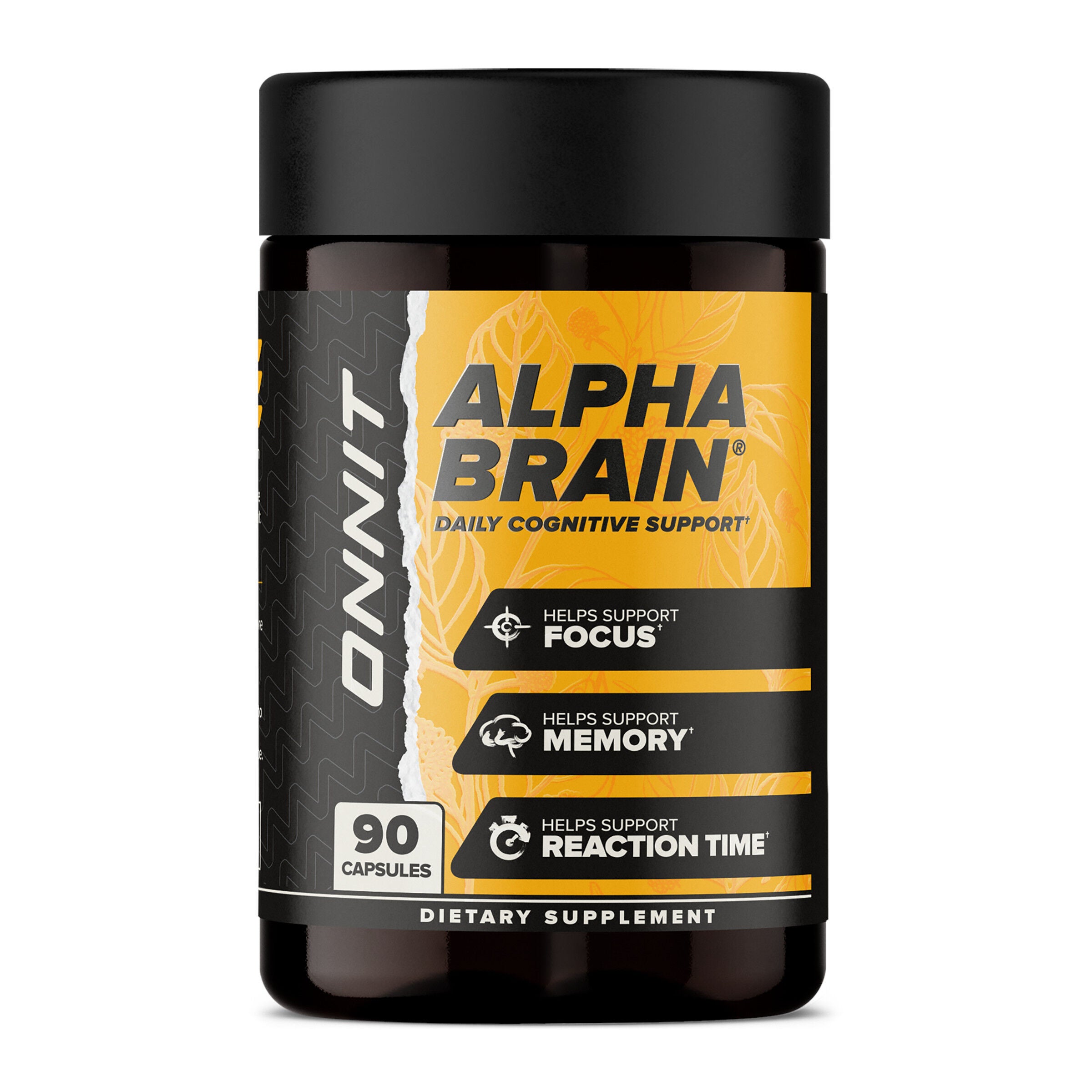

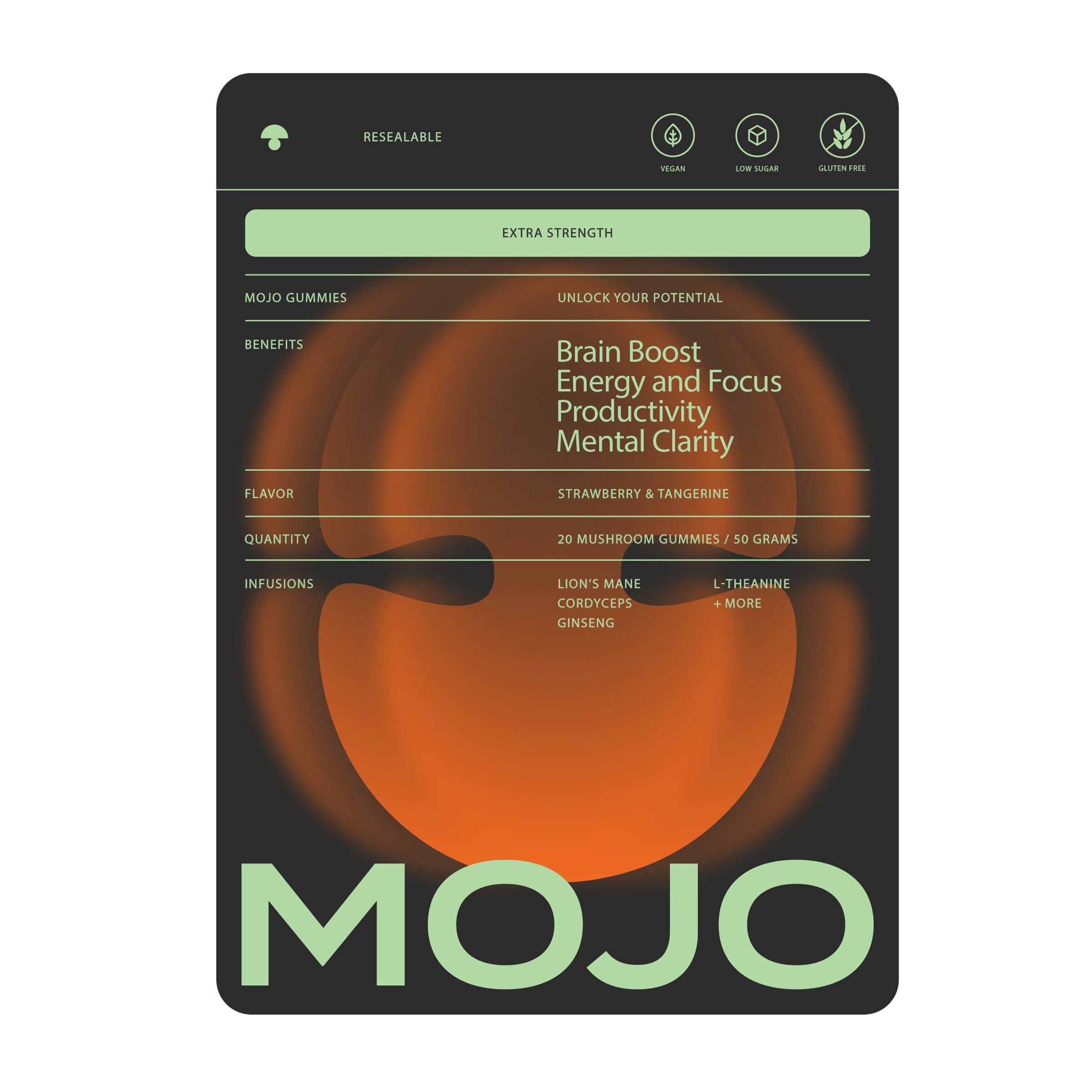
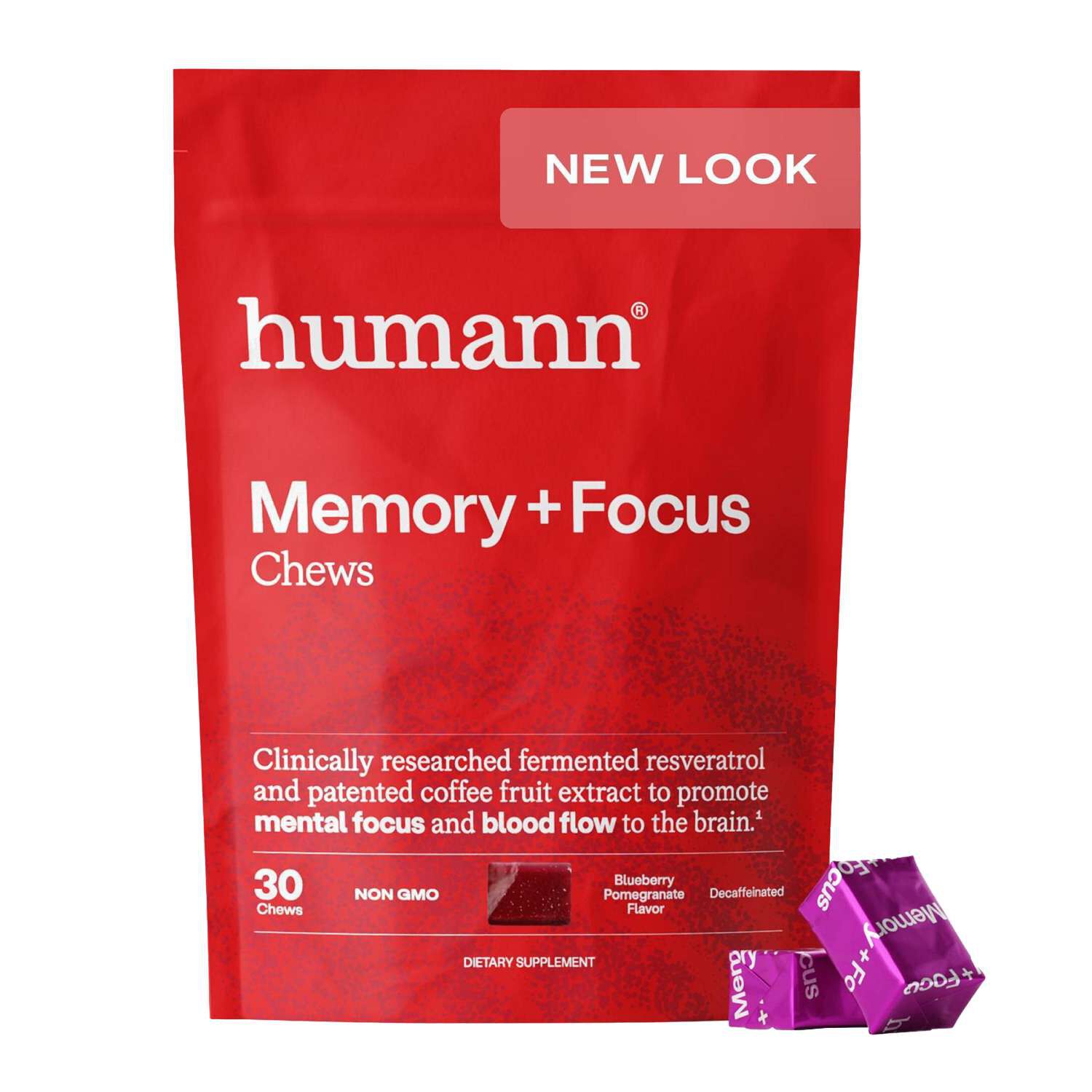

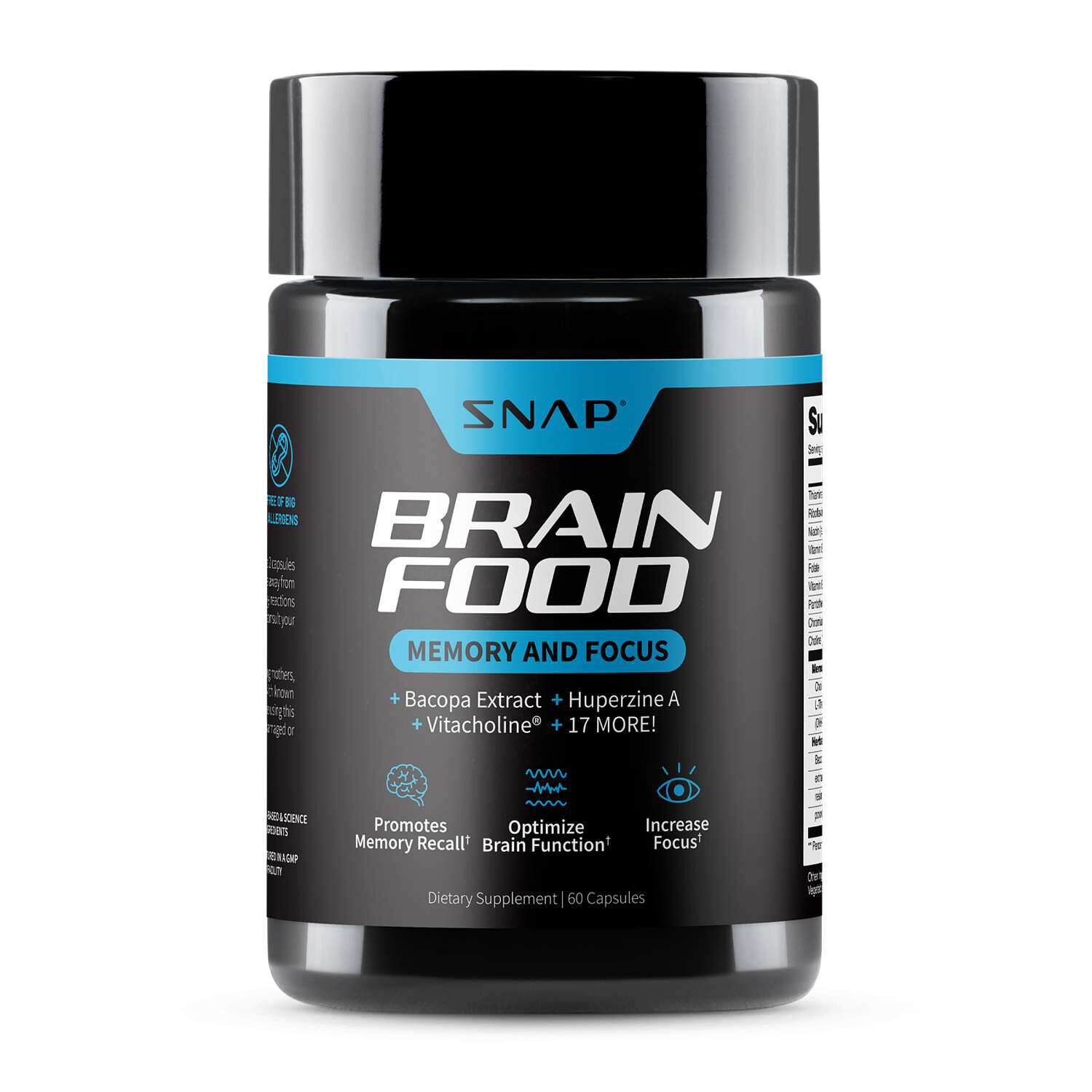
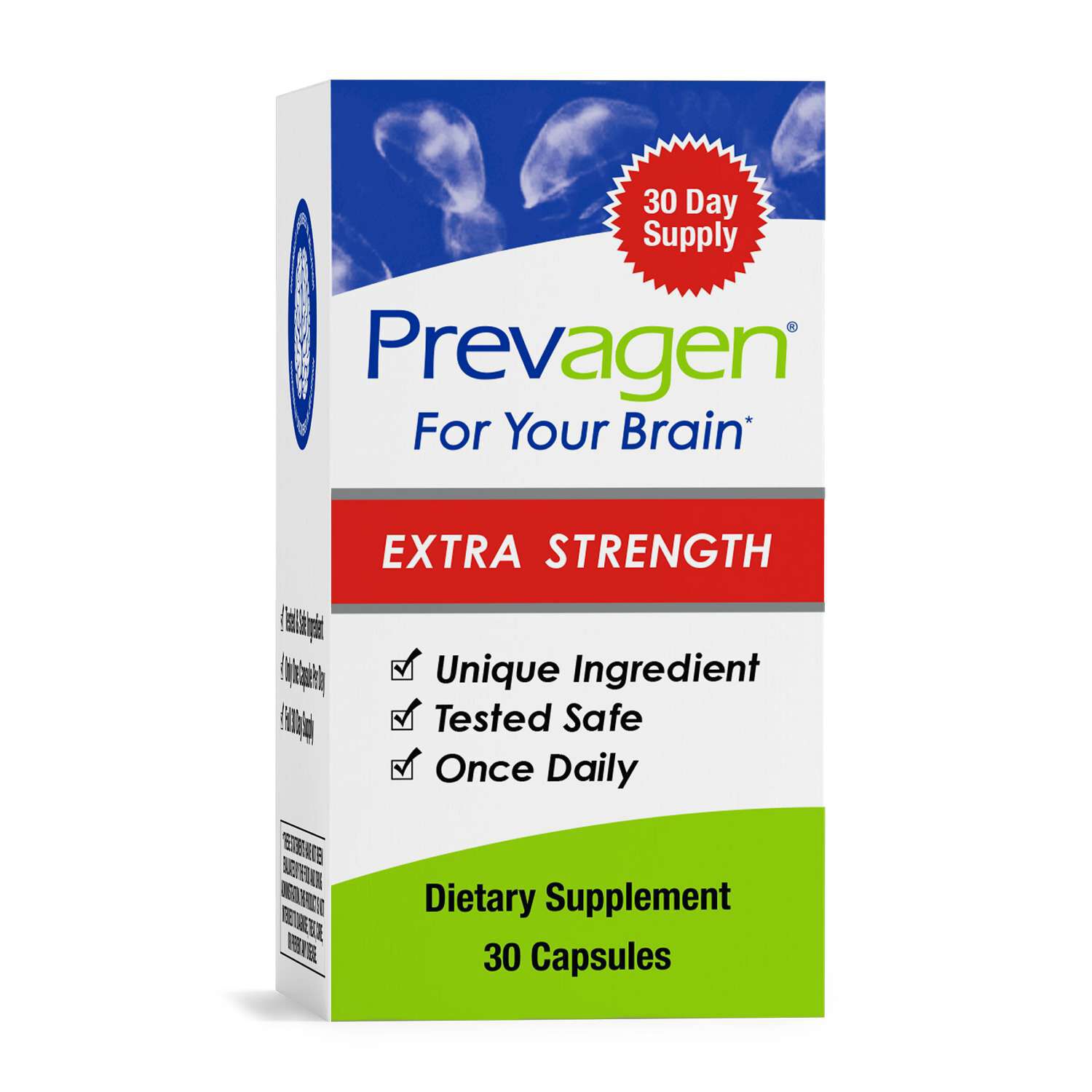
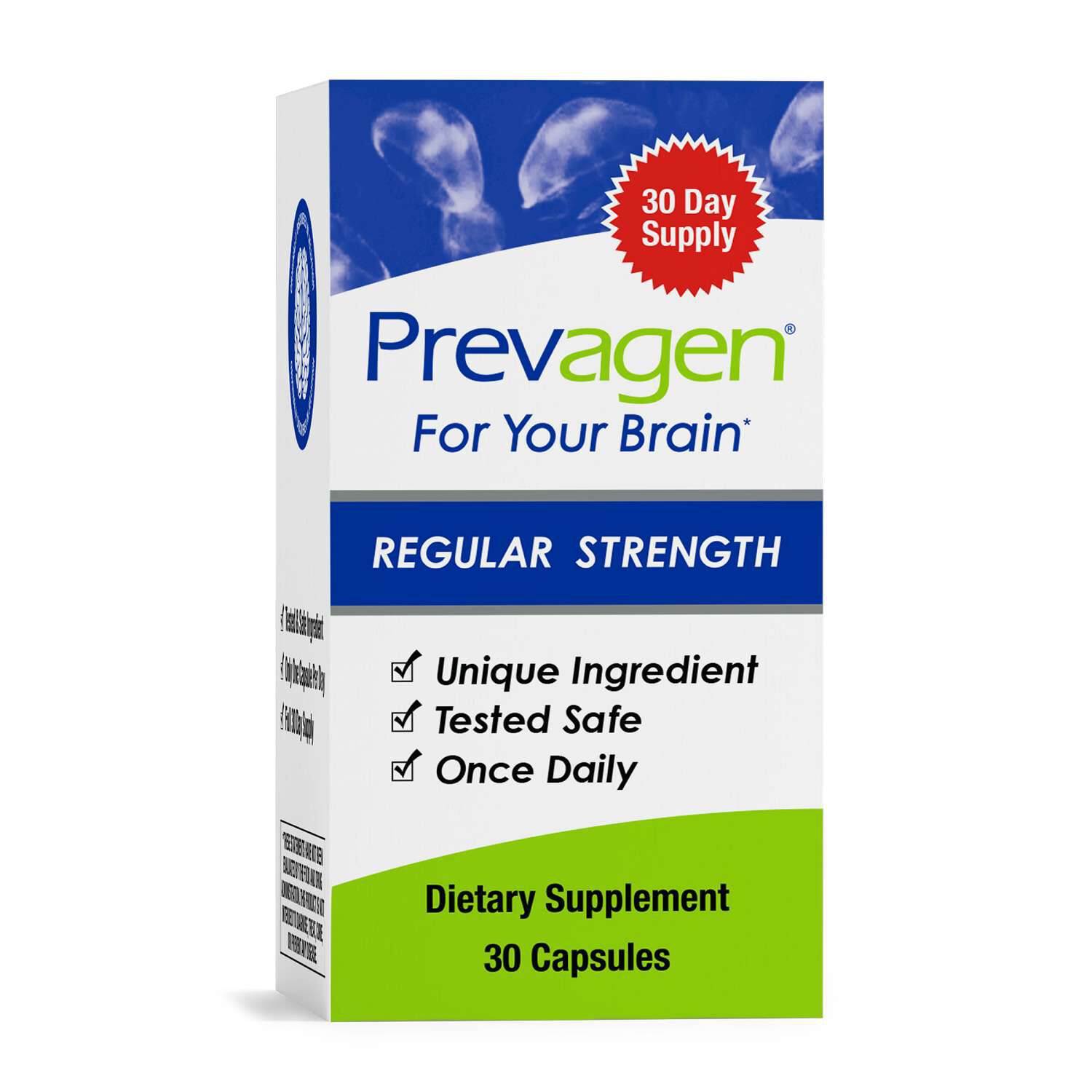

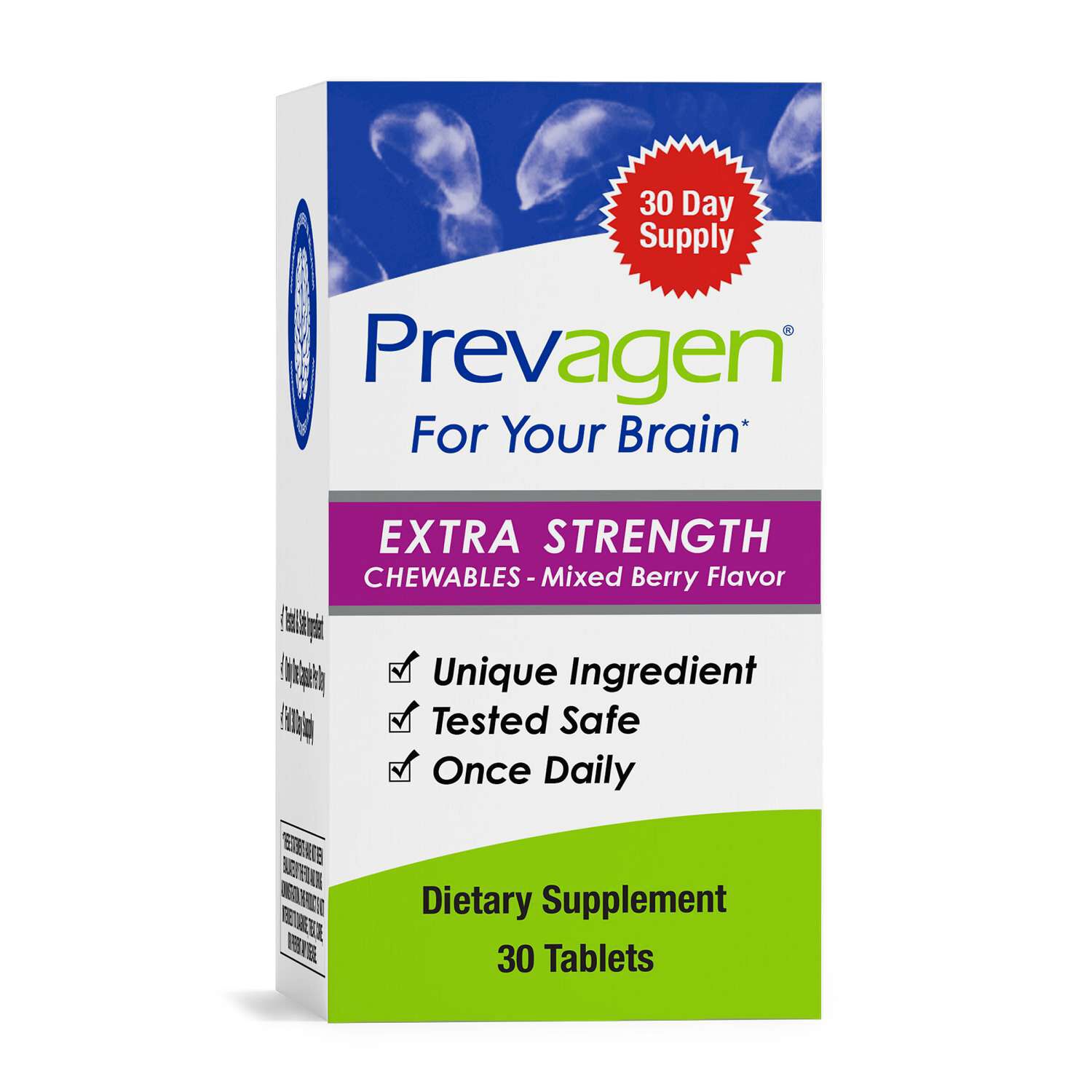
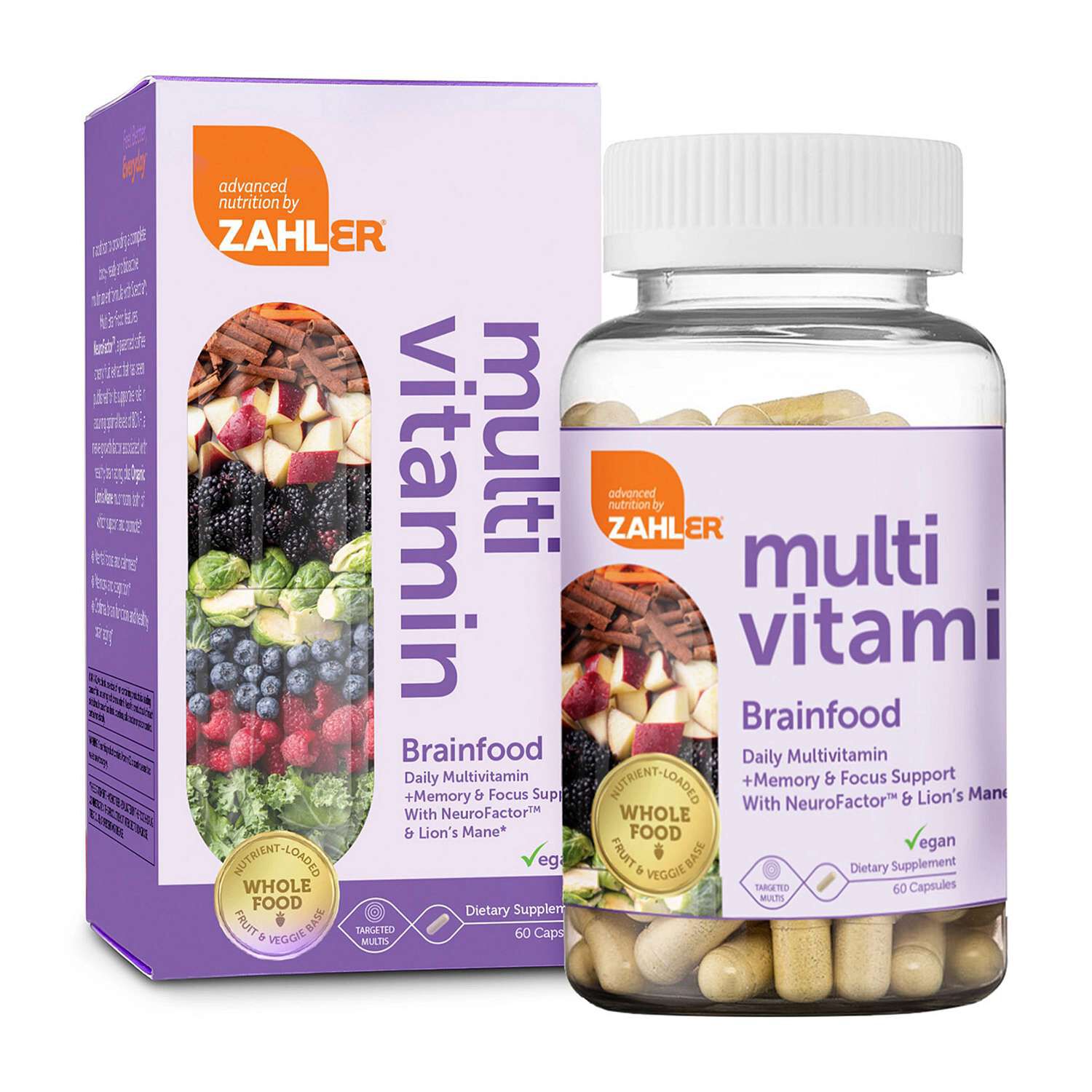
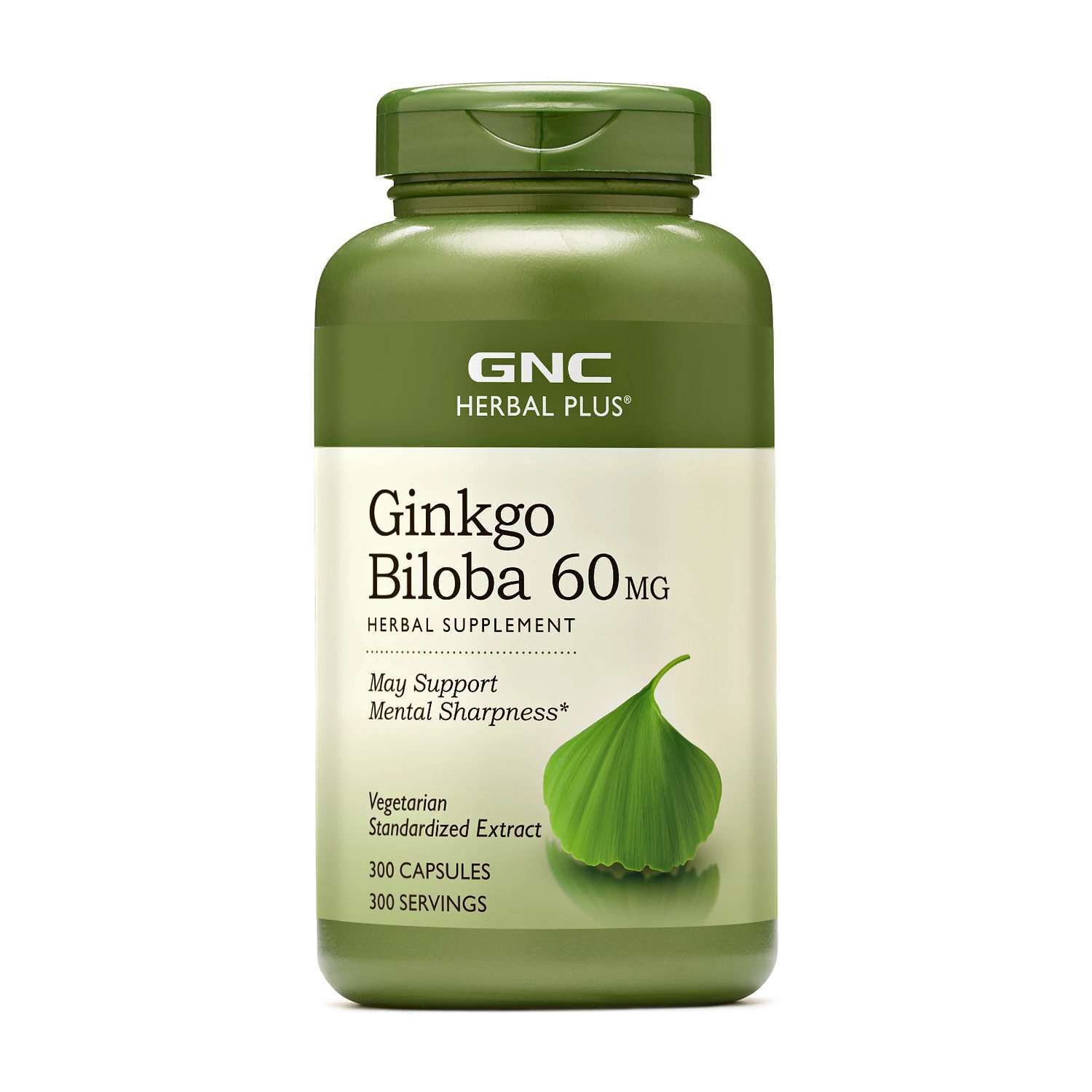
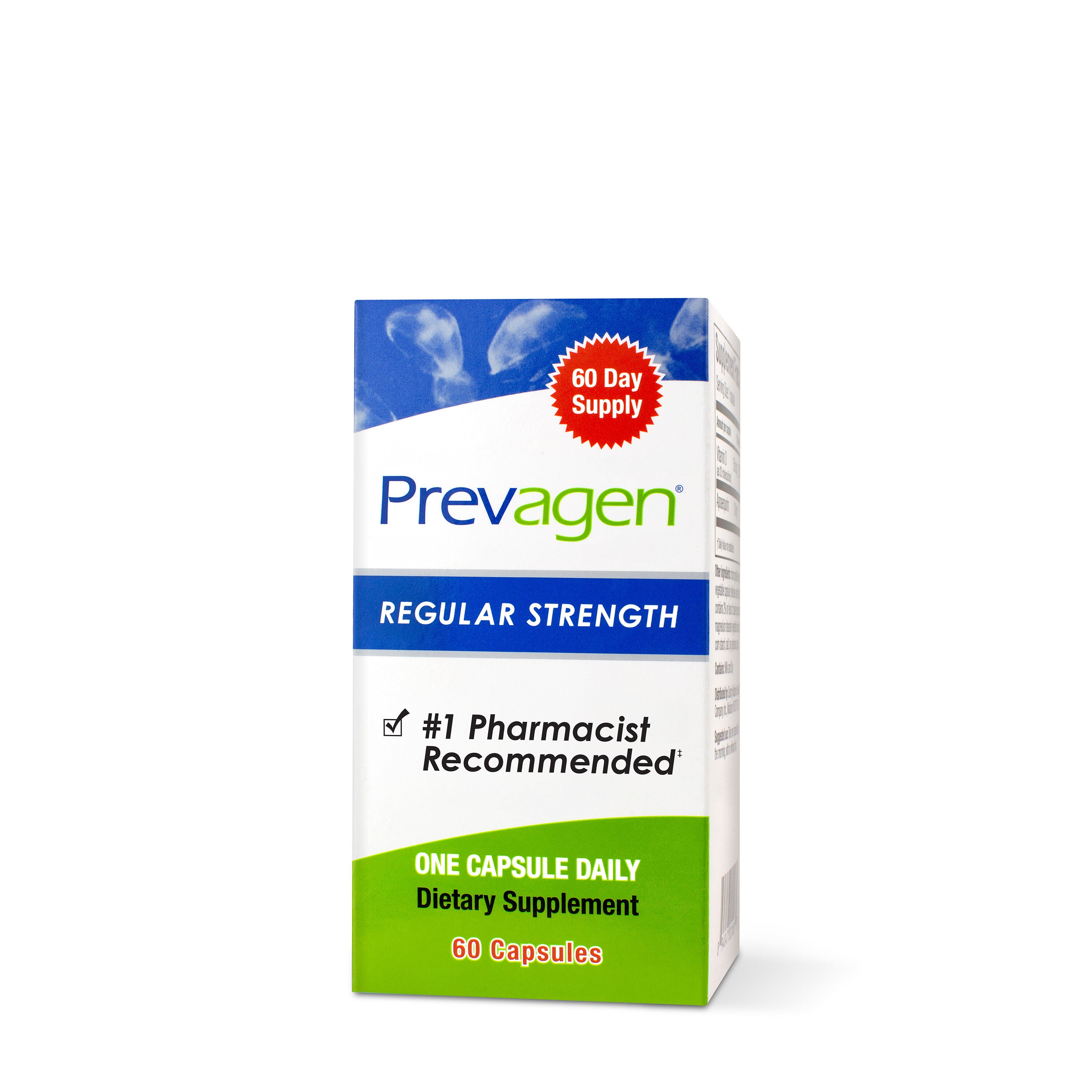
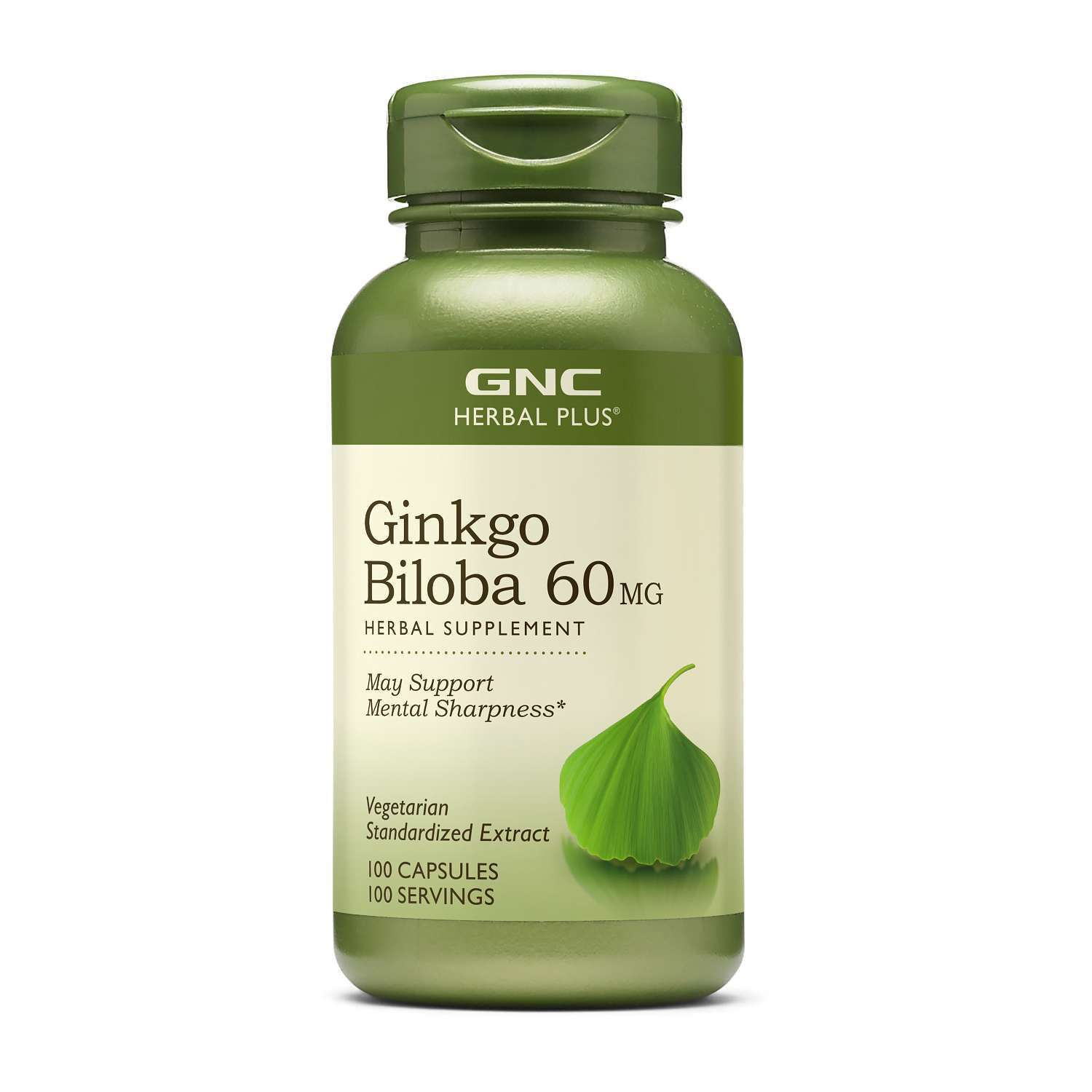
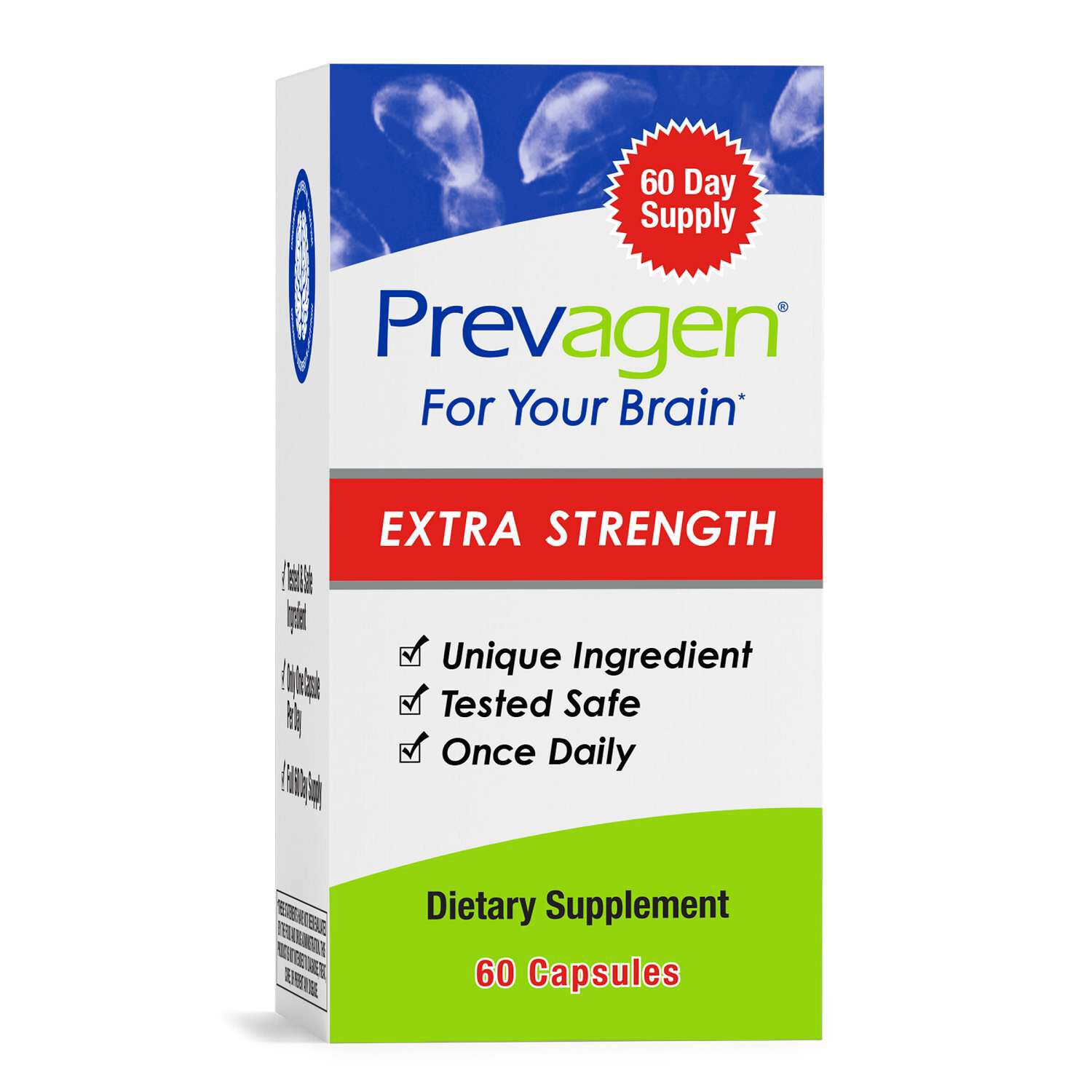

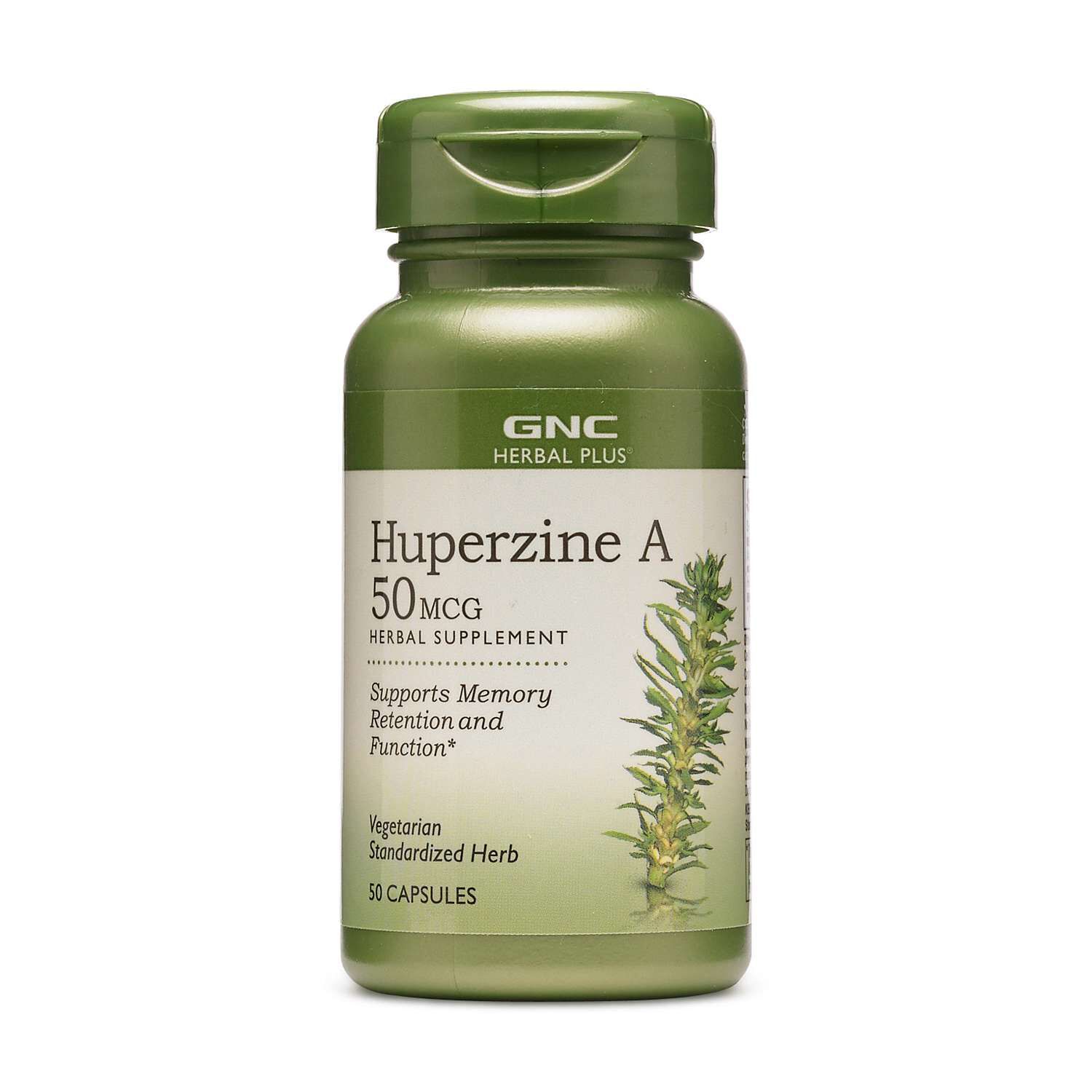


Memory and attention supplements for seniors are often chosen by adults who want to maintain a thoughtful wellness routine, by family members looking for a considerate gift, or by caregivers helping organize a practical selection for an older loved one. These products may include multivitamins, nutrients such as vitamin B12 and vitamin D, omega-3 fatty acids, and botanical blends marketed for cognitive wellness. Their role is best viewed as part of a broader routine rather than a stand-alone answer to changes in memory, concentration, or everyday focus. Research on over-the-counter products in this category remains mixed, and there is no strong proof that these supplements improve memory in every older adult. A multivitamin may modestly support memory over time for some older adults, while nutrients such as vitamin B12, vitamin D, or omega-3 fatty acids may be most useful when a person has a documented dietary gap. Since needs vary with age, diet, health history, and prescribed treatments, a conversation with a physician or pharmacist can help identify appropriate options. This is especially important when a person takes several prescriptions, follows a restricted diet, has recently experienced a change in memory, or is already using other vitamins. A pharmacist may also help review serving directions, ingredient lists, and the best time of day for taking a product. For a gift, a thoughtfully selected supplement can accompany a handwritten note, a nourishing meal, or time spent together, while keeping the focus on care and daily well-being rather than on making promises about results. Shoppers may wish to compare formulas by reading the Supplement Facts panel, checking serving size, noting the amount of each nutrient, and choosing packaging that is easy to open and store. Some older adults prefer a once-daily format, while others may find a smaller capsule, tablet, liquid, or chewable form easier to include in an established routine.
A useful way to approach this category is to begin with the person’s everyday habits and goals. Someone who already eats a varied diet may be looking for a simple multivitamin to help fill occasional nutritional gaps, while a person who eats little fish may consider an omega-3 formula as one option to discuss with a health professional. An older adult who spends much of the cooler months indoors may want to ask about vitamin D, particularly if a clinician has identified a need. Vitamin B12 can also be worth discussing for people whose eating patterns, age, or prescribed treatments may affect intake or absorption. These examples do not mean that a particular nutrient is right for everyone, and taking more is not automatically better. Product labels can differ widely, especially when several ingredients are combined in one formula, so comparing the full list rather than relying on a front-label phrase may make shopping easier. It can help to keep a written record of current vitamins, supplements, and prescriptions before selecting a new product. A physician or pharmacist can review that list and discuss whether a supplement fits the person’s situation. If memory changes are new, become more noticeable, or interfere with familiar tasks, professional guidance is more appropriate than self-selection alone. Many families find that the most helpful routine is simple: placing a product beside a regular meal, using a dated organizer, and checking the label each day. A trusted relative may assist with reminders, but the older adult should remain involved in the choice whenever possible. Alongside supplements, everyday habits may contribute to a supportive setting for brain wellness. Meals featuring leafy greens, beans, fruit, nuts, fish, and other nourishing foods may provide a broad range of nutrients. Regular movement, restful sleep, time with friends, reading, music, hobbies, and conversation may also fit into a well-rounded routine. These habits can make the day feel more connected and purposeful, whether the setting is a bright kitchen table, a neighborhood walk, or a quiet afternoon with a favorite book.
For shoppers who want to browse a wider selection, Brain Health Supplements For Seniors offers a starting point for comparing product types and ingredient profiles. Before choosing, consider the person’s age, eating pattern, preferred format, serving schedule, and any guidance already provided by a healthcare professional. It may be useful to select a product with a clear label, straightforward directions, and an ingredient list that can be easily reviewed. Seniors who have difficulty swallowing may prefer a chewable or liquid option, while those who appreciate a familiar routine may favor a capsule or tablet that fits alongside breakfast. A gift selection can be made more personal by considering practical details such as storage space, ease of opening, and whether the recipient prefers a compact container for travel or a larger supply for home use. During the transition from warmer days into cooler weather, routines often shift as outdoor time, meal schedules, and social plans change. Keeping supplements in a consistent, visible location may help them fit naturally into the day, though products should be stored according to label directions and kept away from children or anyone who might take them by mistake. It is also wise to avoid combining several products with overlapping nutrients unless a professional has reviewed the full routine. No supplement should be presented as a substitute for medical evaluation, balanced meals, physical activity, sleep, or meaningful social contact. A careful, informed approach can make shopping feel less confusing: identify the goal, review the label, consider dietary needs, check for compatibility with current prescriptions, and ask a physician or pharmacist about anything uncertain. With those steps in place, memory and attention supplements may serve as one modest part of a considerate wellness plan for an older adult.
