Milk Thistle Supplements For Fall Detox
(0 Results)
Milk thistle supplements for fall detox might be a thoughtful addition to your seasonal wellness routine. As the seasons change, many look for ways to support their natural cleansing processes and maintain balance. Milk thistle has long been valued by those seeking plant-based options during times of transition. Explore a variety of milk thistle supplements for fall detox and discover options that could complement your autumn self-care goals.
-
-
-
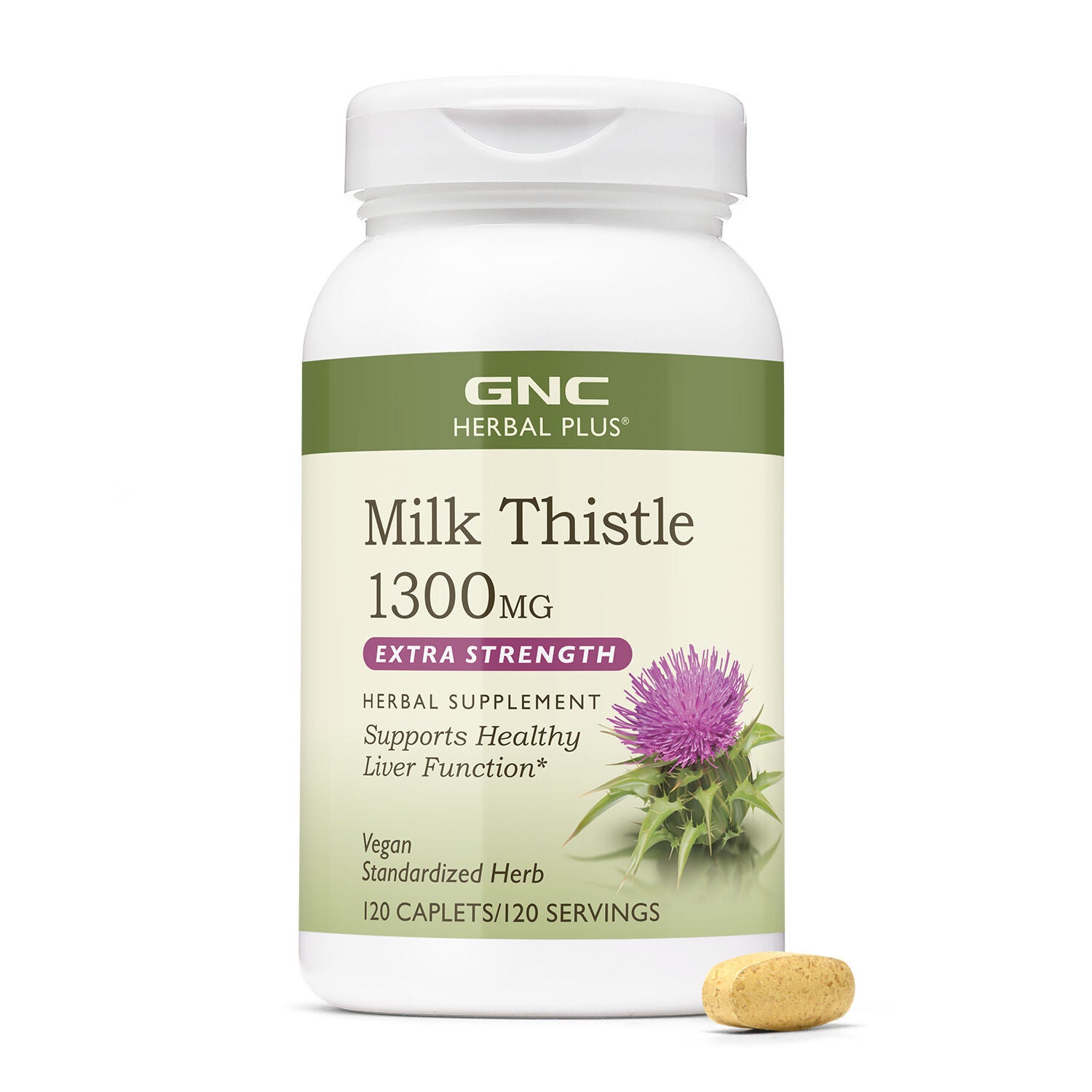
 GNC Herbal Plus$49.99
-
-
-
 GNC Herbal Plus$24.99
Milk thistle supplements for fall detox bring a familiar botanical into a seasonally focused supplement collection. Milk thistle, also known by its botanical name Silybum marianum, is a flowering plant recognizable by its purple blooms and white-marked leaves. Supplement preparations commonly use extracts from its fruit, often described on packaging as seeds. Silymarin is the name for a group of naturally occurring compounds found in milk thistle; it is not another name for the whole plant. That distinction matters when comparing labels, because the amount of milk thistle extract and the amount of silymarin are different measurements. A label listing an extract weight does not necessarily describe how much silymarin that serving contains. Some formulas identify a standardized silymarin percentage, while others describe the botanical ingredient without that additional detail. These differences make the Supplement Facts panel more informative than the seasonal wording on the front of a bottle. In this category, “fall detox” describes a shopping theme, not a demonstrated outcome or a required seasonal practice. The term alone does not establish what a supplement does, and a botanical ingredient should not be mistaken for evidence of a cleansing effect. For adults who already include botanical supplements in their personal routines, the practical appeal may lie in finding a clearly labeled format that suits everyday preferences. Fall is often associated with a return to familiar schedules, from packing weekday lunches to organizing a kitchen cabinet after travel. That setting gives seasonal supplement shopping its context without making the calendar a reason to expect a particular result. A thoughtful comparison starts with what is actually inside the container: the plant preparation, the serving size, the other ingredients, and the information supplied about its manufacture. Those details remain relevant whether a bottle is being considered for an autumn routine or kept in a cabinet into winter.
The main differences among milk thistle supplements are often more tangible than the language used to describe them. Capsules and tablets offer distinct formats, and the serving size may involve one unit or several. A bottle’s capsule count is therefore not always the same as its number of servings. For someone arranging a small cabinet or packing an overnight bag, container dimensions and the number of units per serving may matter as much as the front-label extract amount. Capsule shells may contain gelatin or plant-derived materials such as cellulose, while tablets may include ingredients used to hold their shape. Liquid preparations have their own ingredient lists, which may include water, glycerin, flavorings, or other carriers. Dietary preferences are best compared against the actual ingredient statement rather than assumptions about what a botanical supplement contains. Milk thistle is a plant, but that does not mean every finished formula uses exclusively plant-derived ingredients. Single-botanical formulas keep the ingredient comparison relatively narrow; combination formulas introduce additional botanicals or nutrients, each with its own listed amount or place within a blend. A longer ingredient list is not, by itself, a measure of suitability. Likewise, a larger number printed on the front of a package may refer to a different serving size or preparation than the number on another label. Comparing like measurements gives those figures context. Extract weight, botanical equivalent, and standardized constituent content should not be treated as interchangeable. An extract ratio describes a relationship between the starting botanical material and the resulting extract, rather than a demonstrated personal outcome. Clear labeling makes these distinctions easier to understand. Quality information also deserves attention: an identifiable manufacturer, readable lot information, and specific testing statements offer more useful detail than broad descriptive language. When independent certification is stated, the scope of that certification matters, since checks for ingredient identity or manufacturing practices do not establish a cleansing effect.
Everyday fit extends beyond the formula to the container, storage requirements, and the setting in which a supplement will be kept. A tightly closing bottle, legible label, and intact packaging are practical considerations for something that may spend weeks on a pantry shelf. Storage directions vary, so the package is the appropriate reference for temperature, moisture, and light requirements. A bathroom shelf exposed to shower steam or a kitchen ledge beside the stove may not match those directions. Keeping the original container also preserves access to the ingredient list, serving information, and date markings, rather than separating the contents from the details needed to identify them. For travel, a securely closed container and a readable label may be more useful than decorative packaging. Someone choosing a liquid format may place particular value on a clearly marked measuring device and straightforward closure, while someone comparing capsules may focus on shell ingredients and serving count. These are ordinary usability differences, not reasons to expect one format to deliver a better outcome. Milk thistle supplements are also a personal purchase rather than an automatic choice for a seasonal gift basket. A recipient’s expressed preferences matter more than a fall-themed label, especially when the giver does not know which ingredients or formats that person prefers. For a broader view of the same botanical category, Milk Thistle Supplements for Seasonal Wellness offers a related shopping focus beyond fall-specific wording. Across either theme, useful product comparisons return to the same concrete details: botanical identity, preparation type, clearly stated amounts, capsule or tablet composition, and packaging information. Seasonal language can help organize a collection, but it cannot substitute for those facts. A bottle that fits neatly beside a breakfast bowl or inside a travel pouch still deserves the same careful label comparison as any other supplement. The most grounded way to approach milk thistle for a fall routine is to distinguish the botanical and its format from the expectations attached to the word “detox,” keeping attention on transparent information and personal preferences rather than dramatic seasonal claims.
Best Sellers
-
GNC Herbal Plus
-
Doctors' Preferred
-
GNC Herbal Plus