Multivitamin Capsules For Back To School Adults
(0 Results)
Multivitamin capsules for back to school adults offer a convenient way to support your wellness routine as you transition into a busy academic season. Balancing classes, work, and life commitments might feel overwhelming, but adding multivitamins to your daily regimen could help you stay on track with your health goals. Explore a variety of options designed to fit your needs and make the start of the school year feel energized and organized.
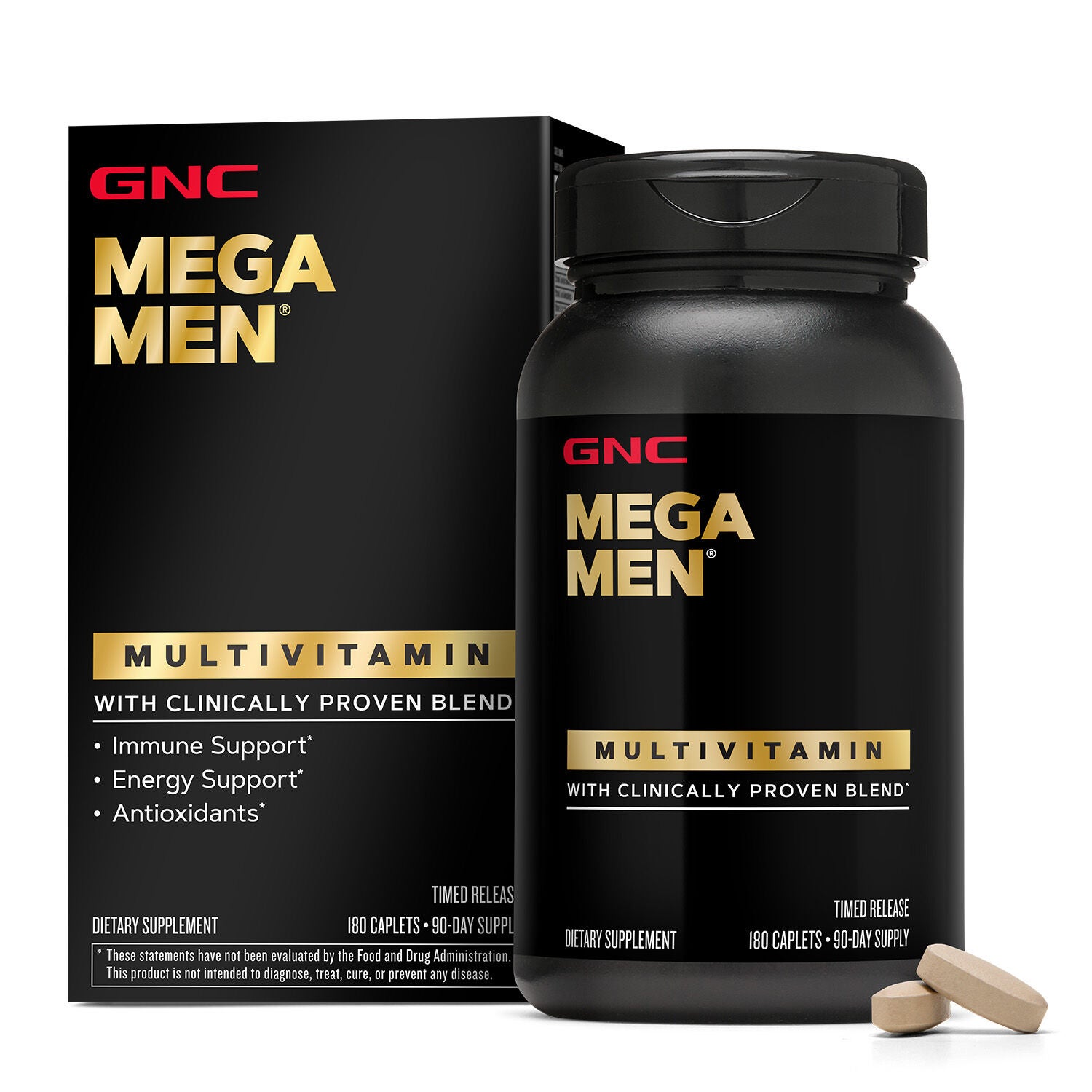
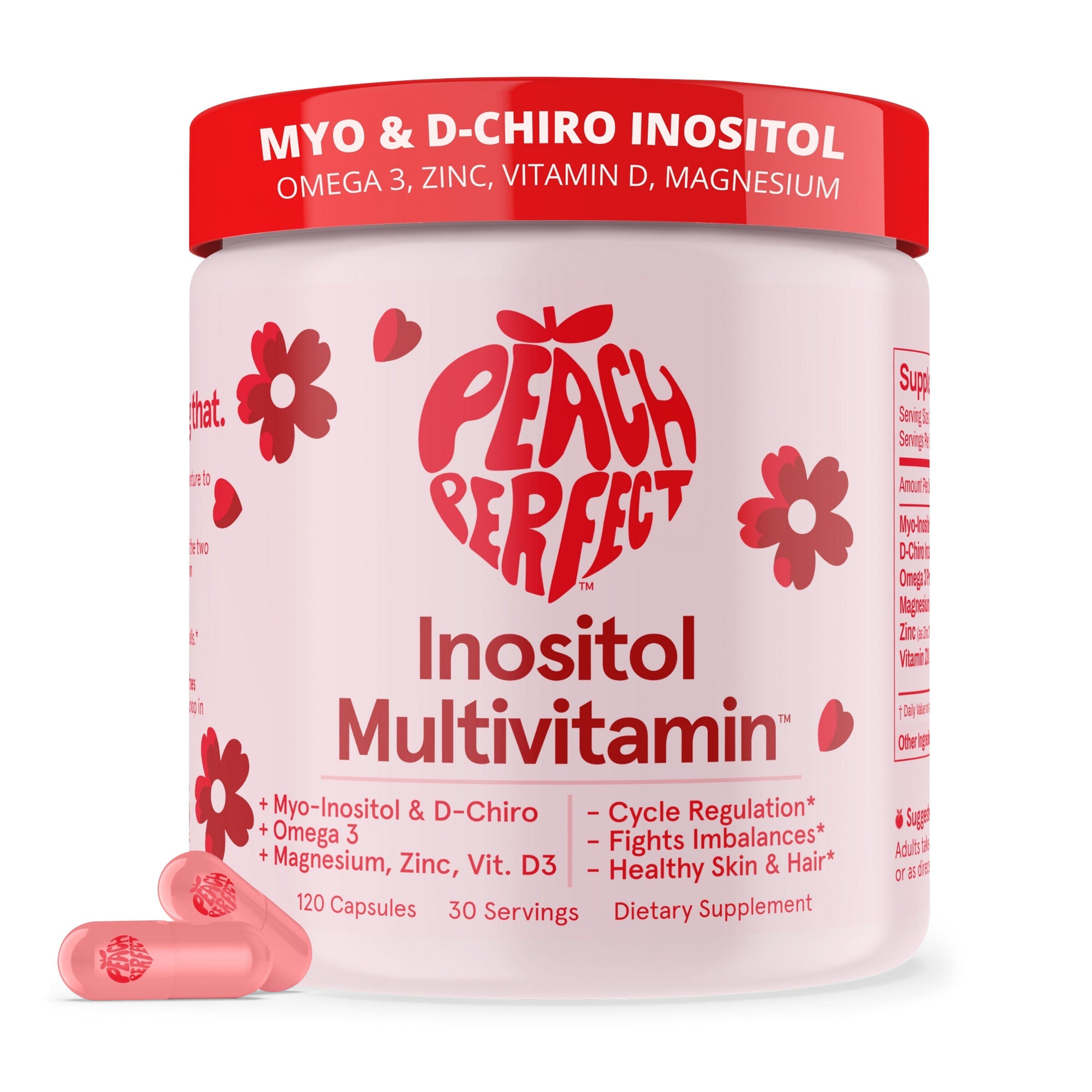
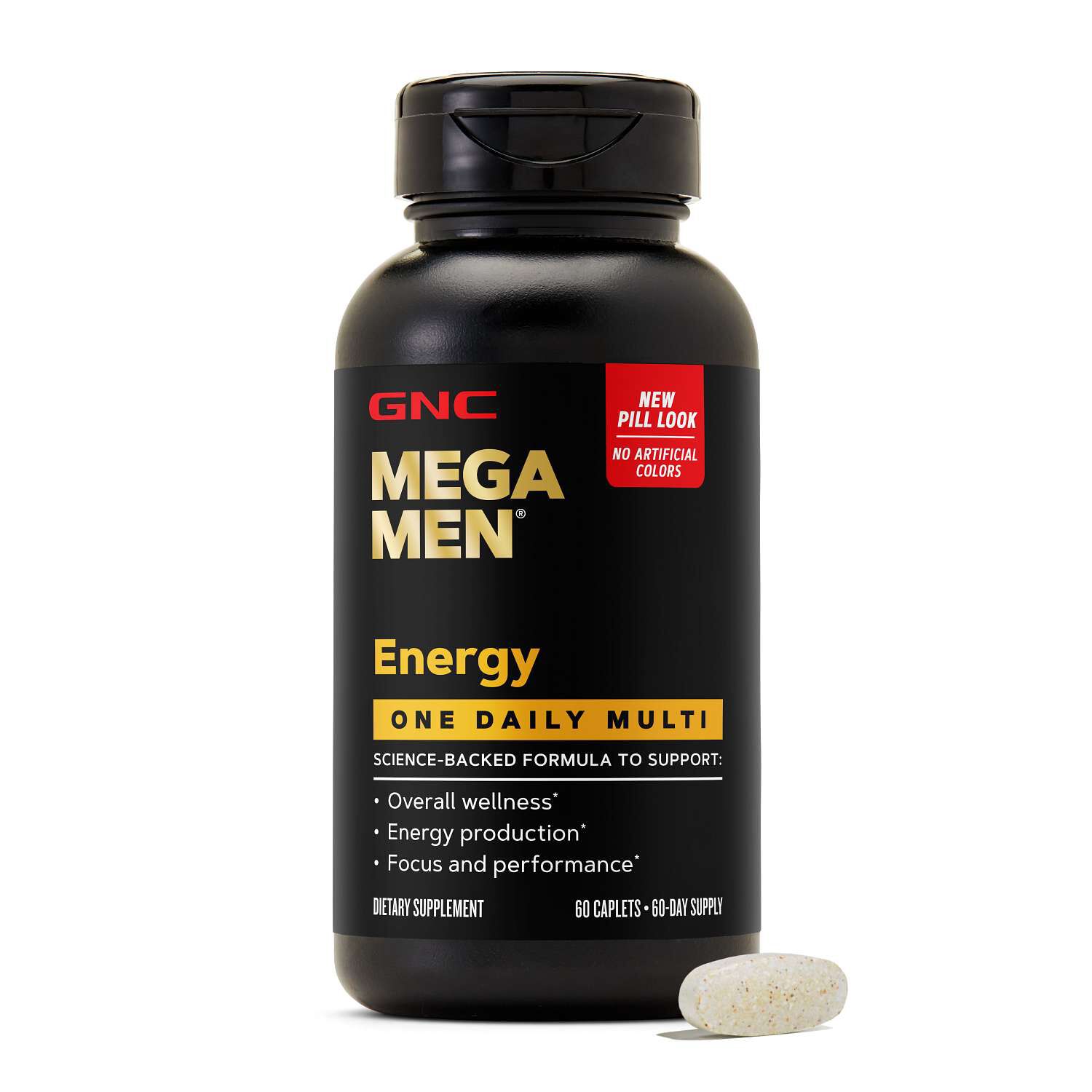
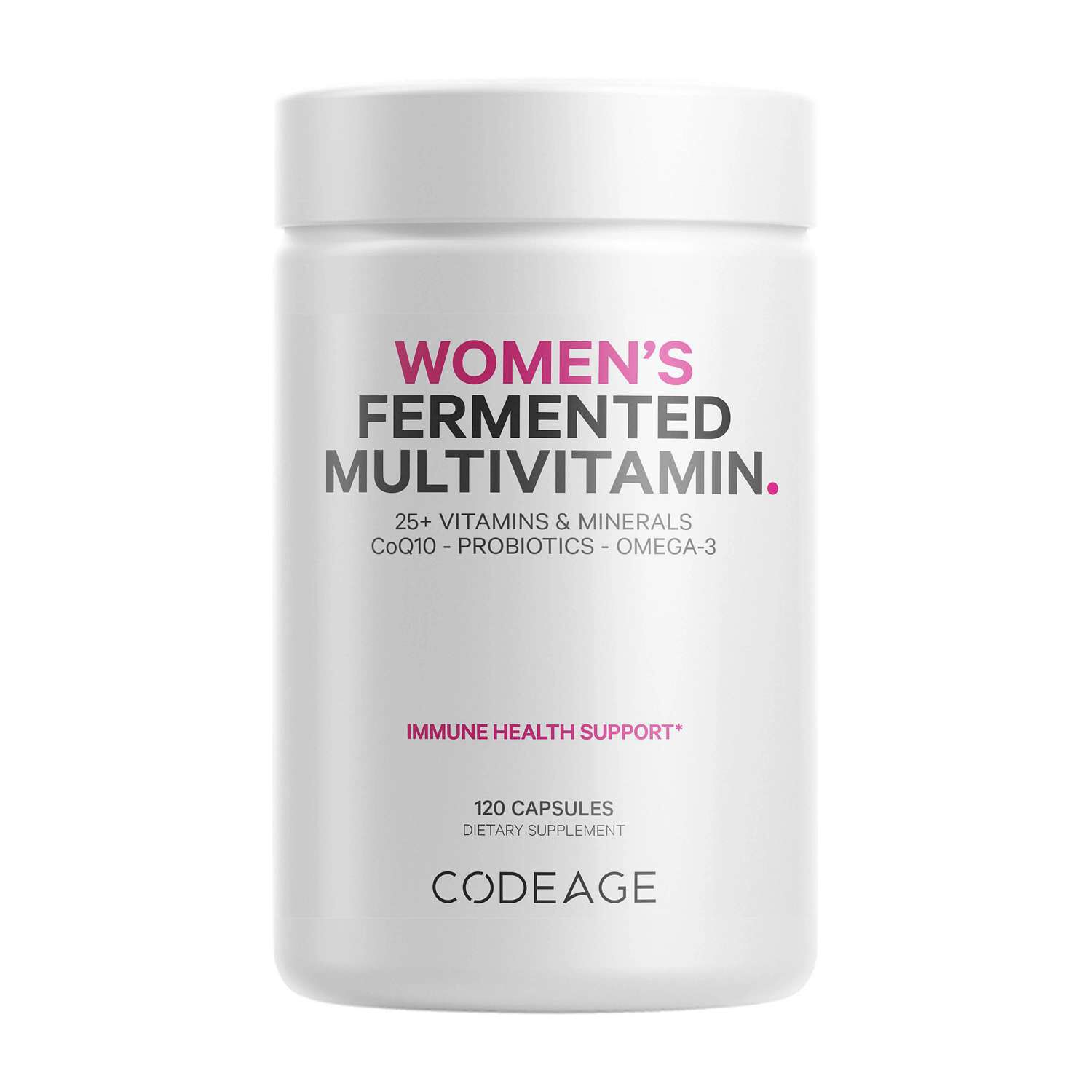

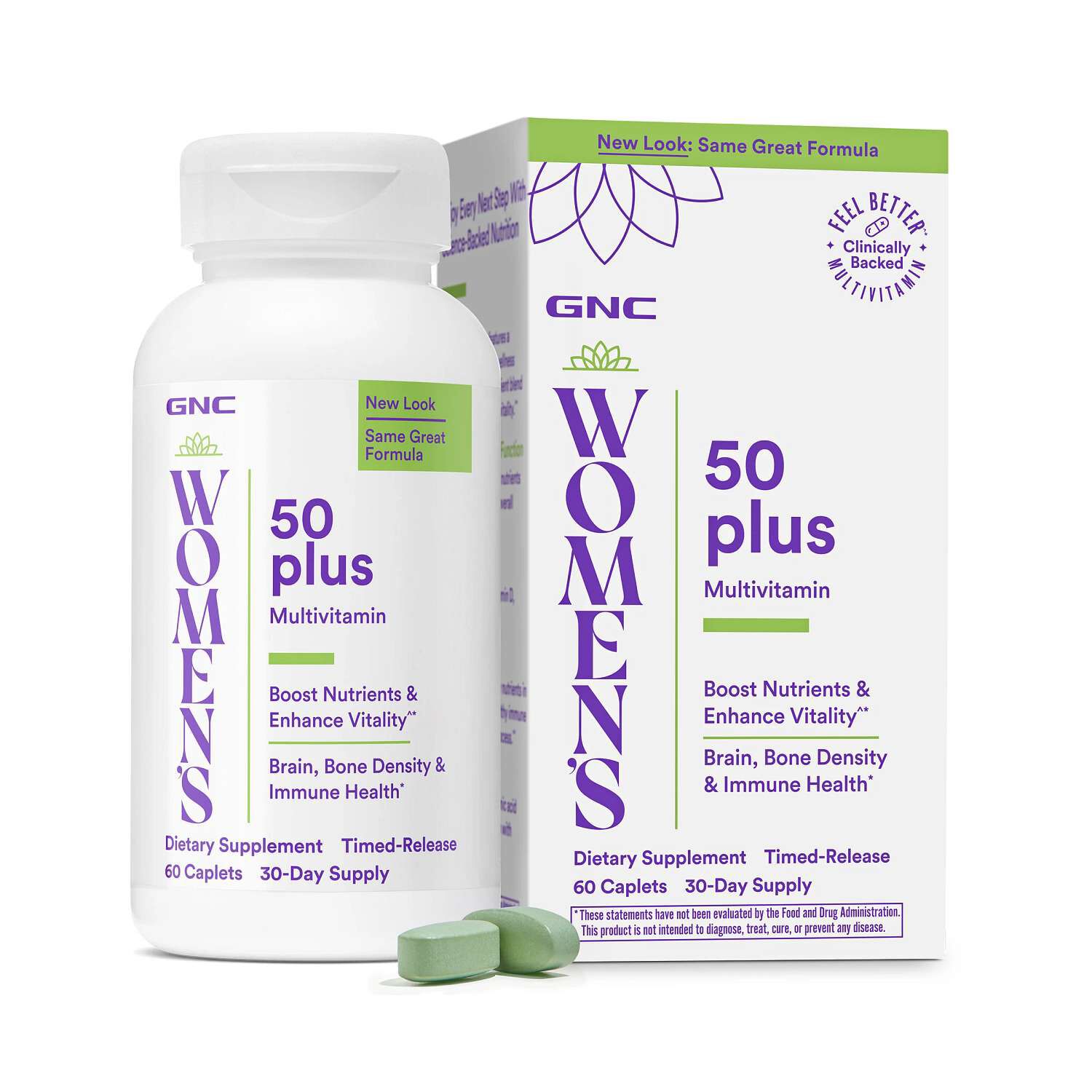






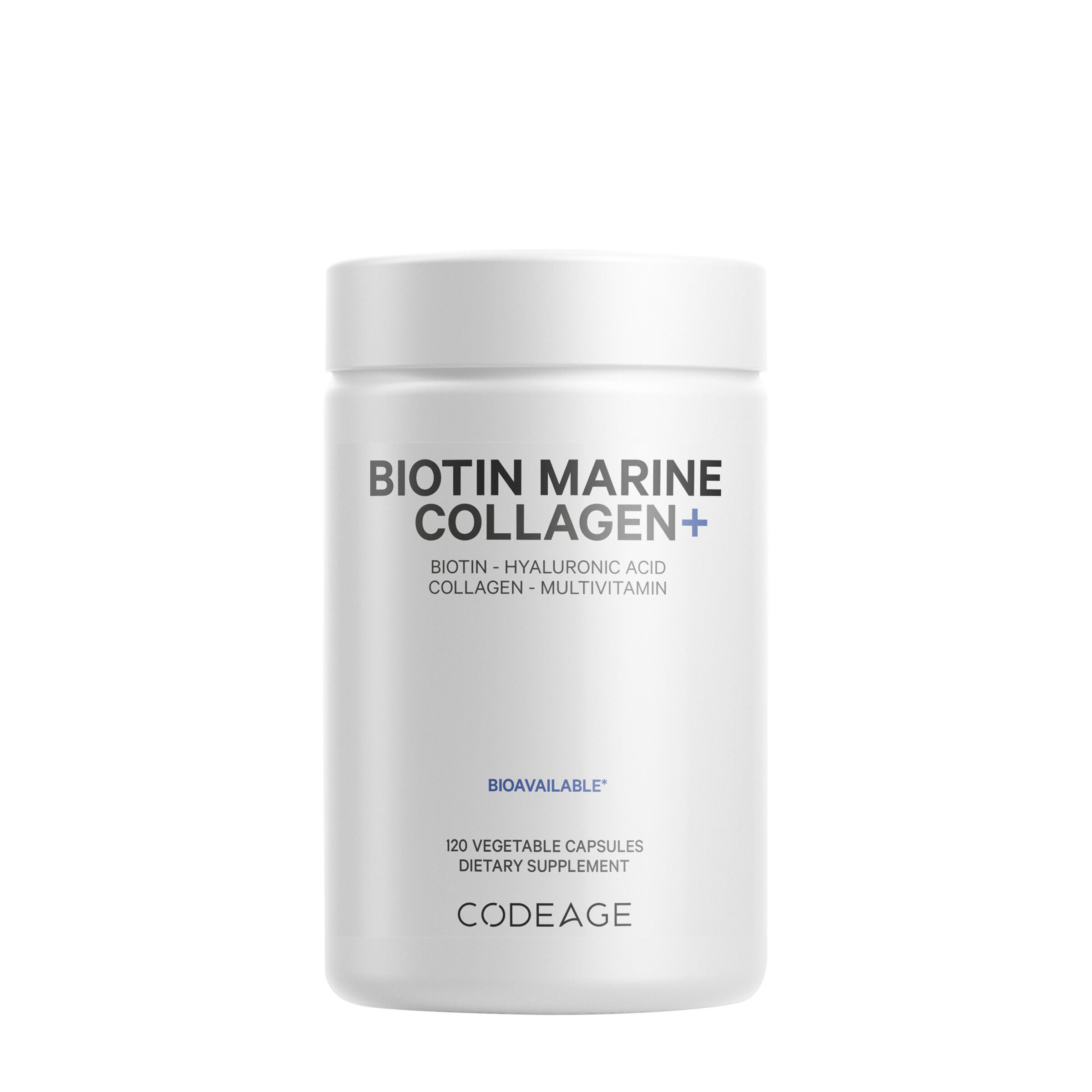




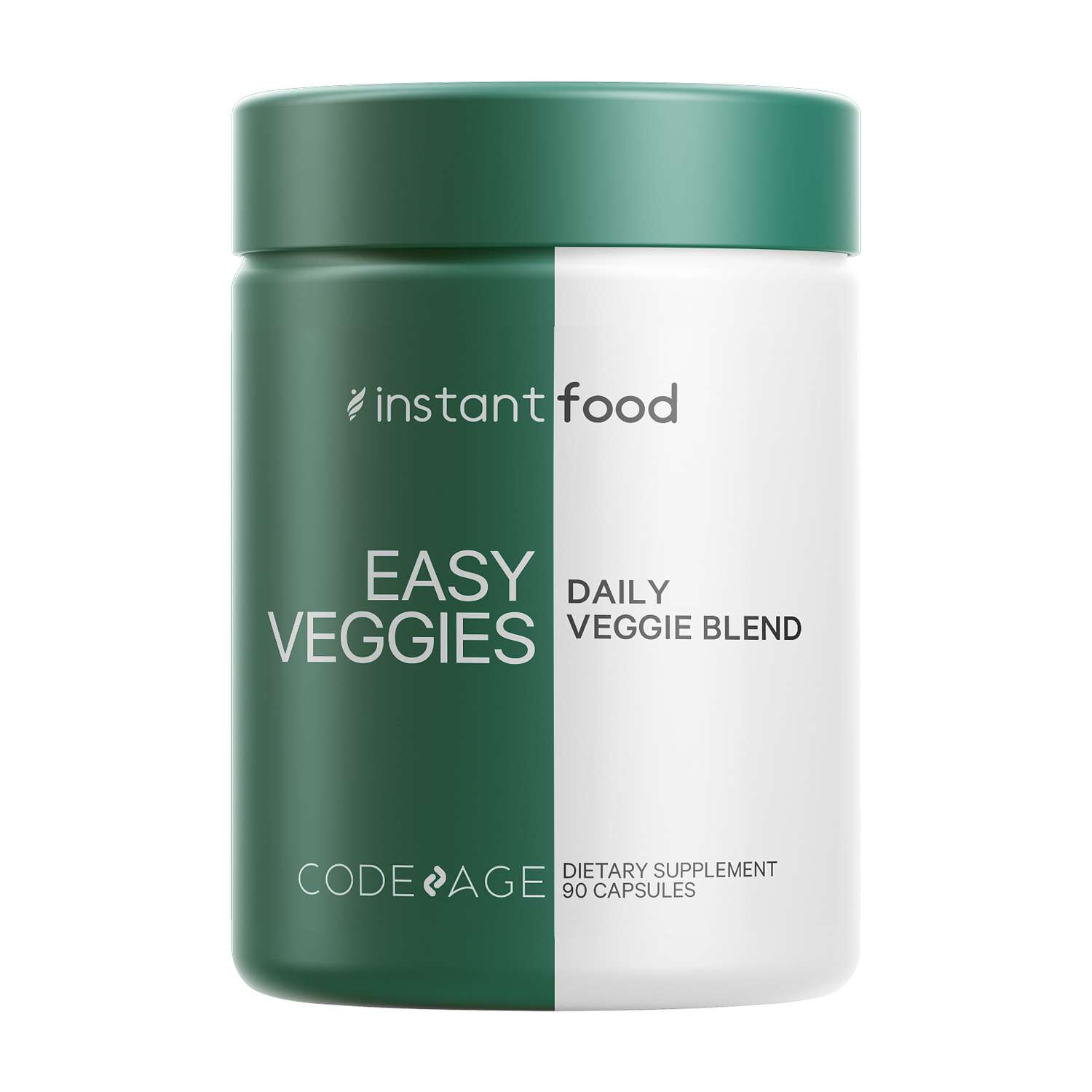
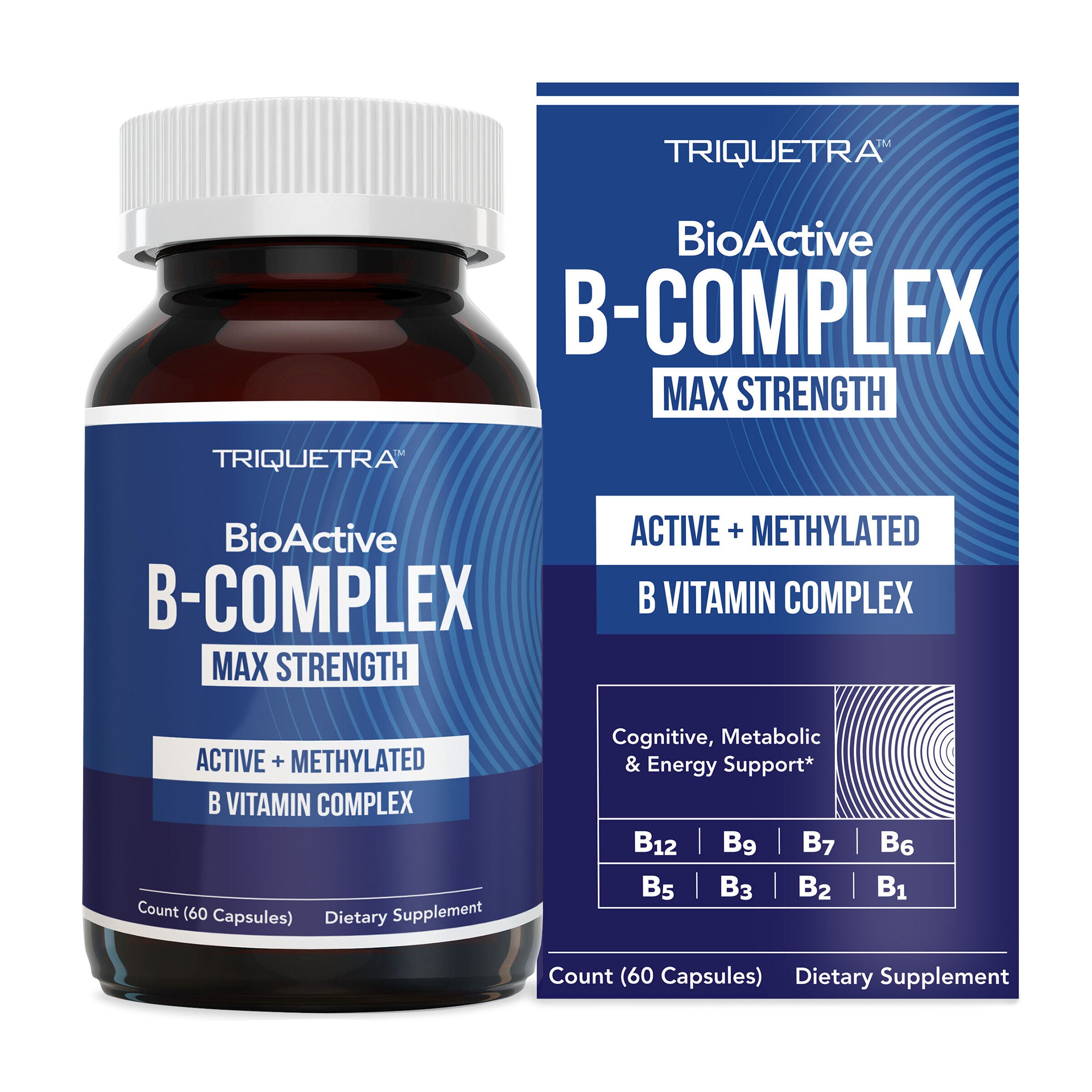

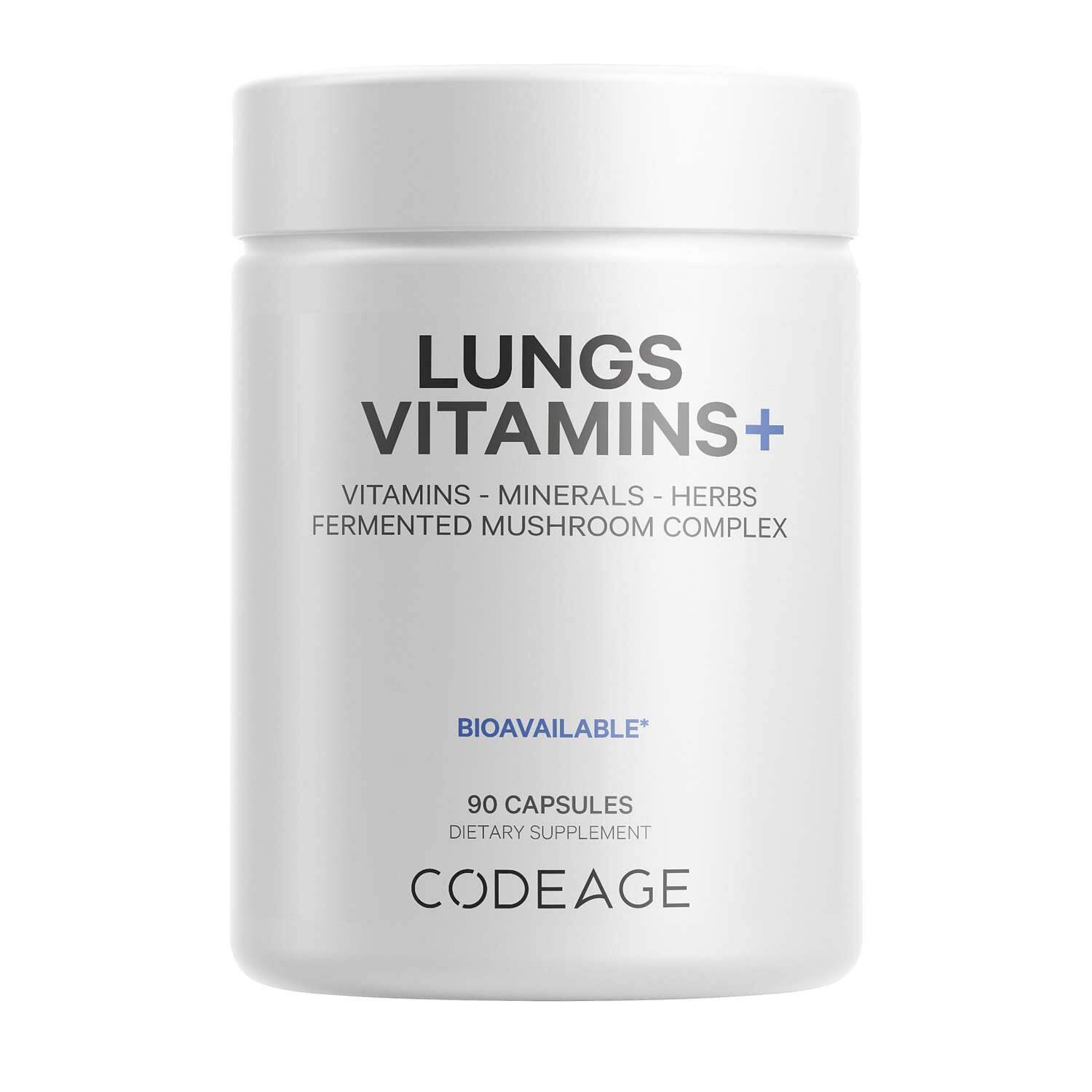
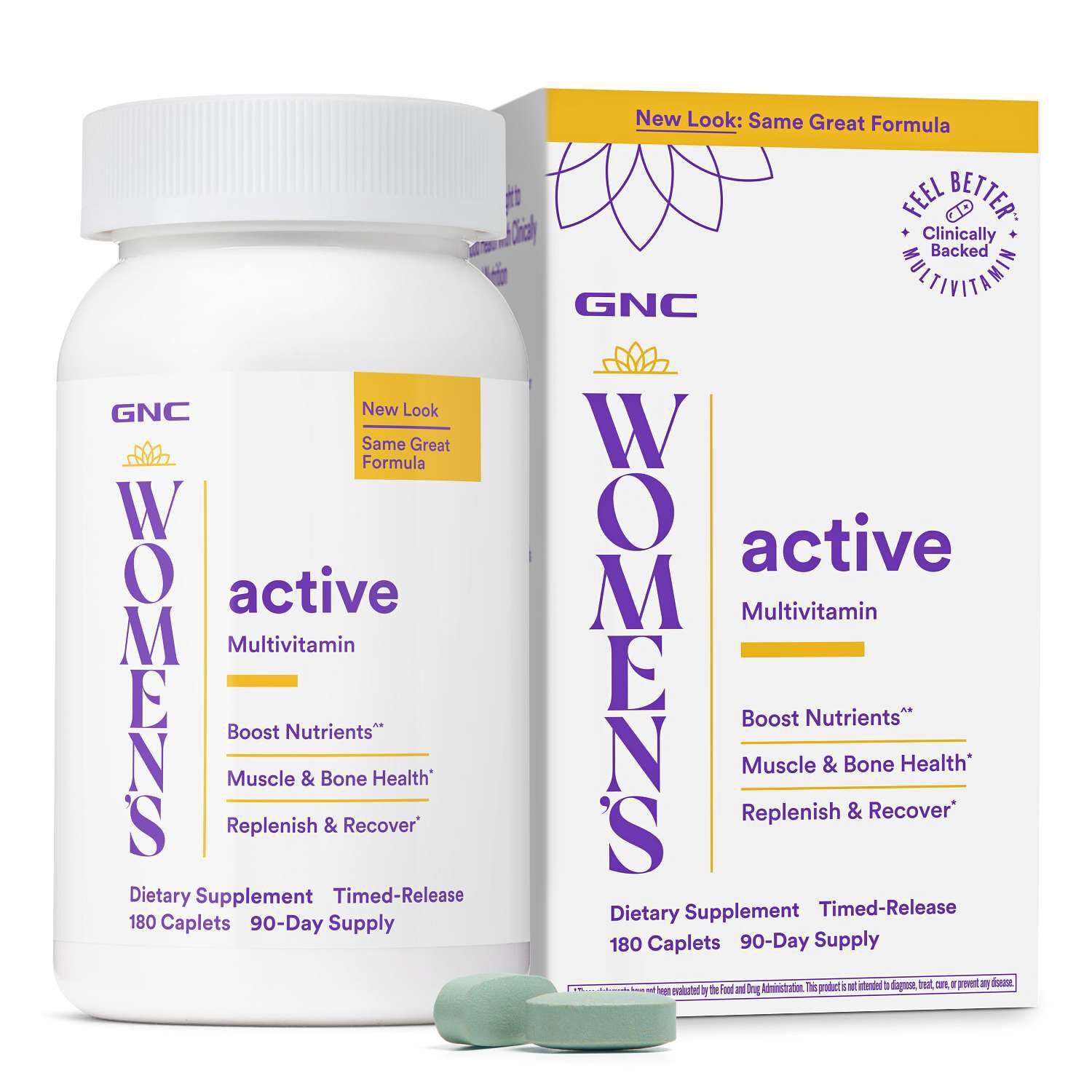
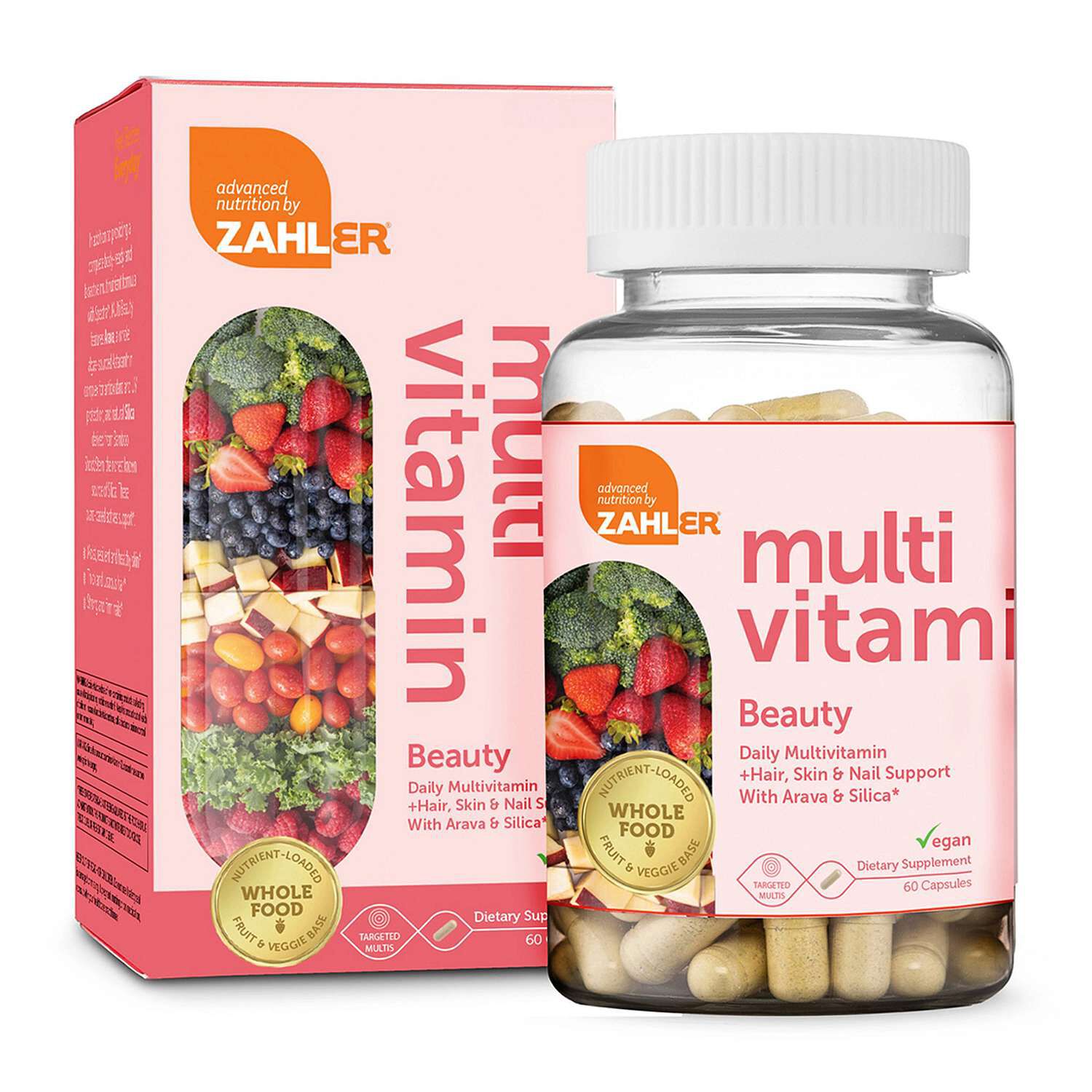

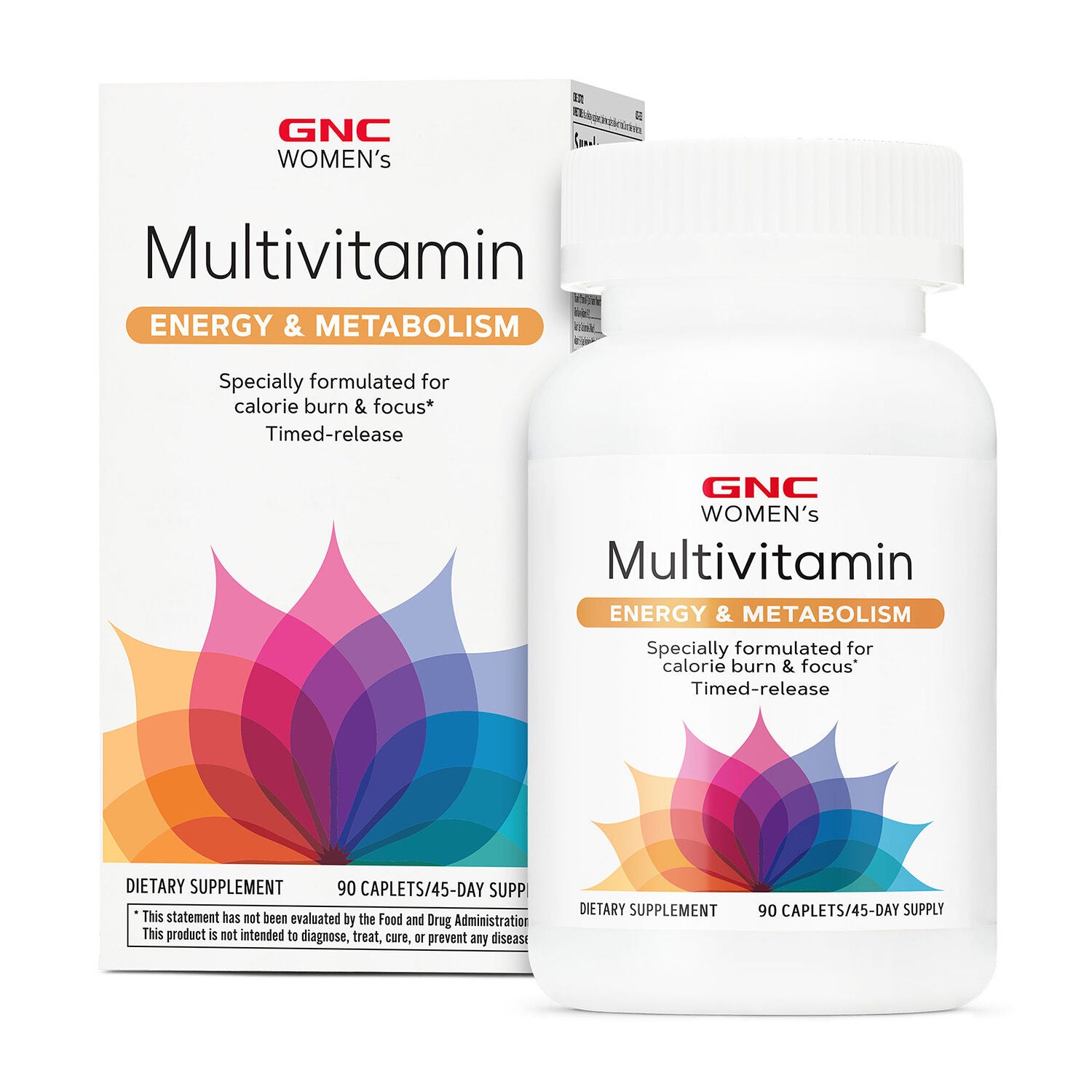
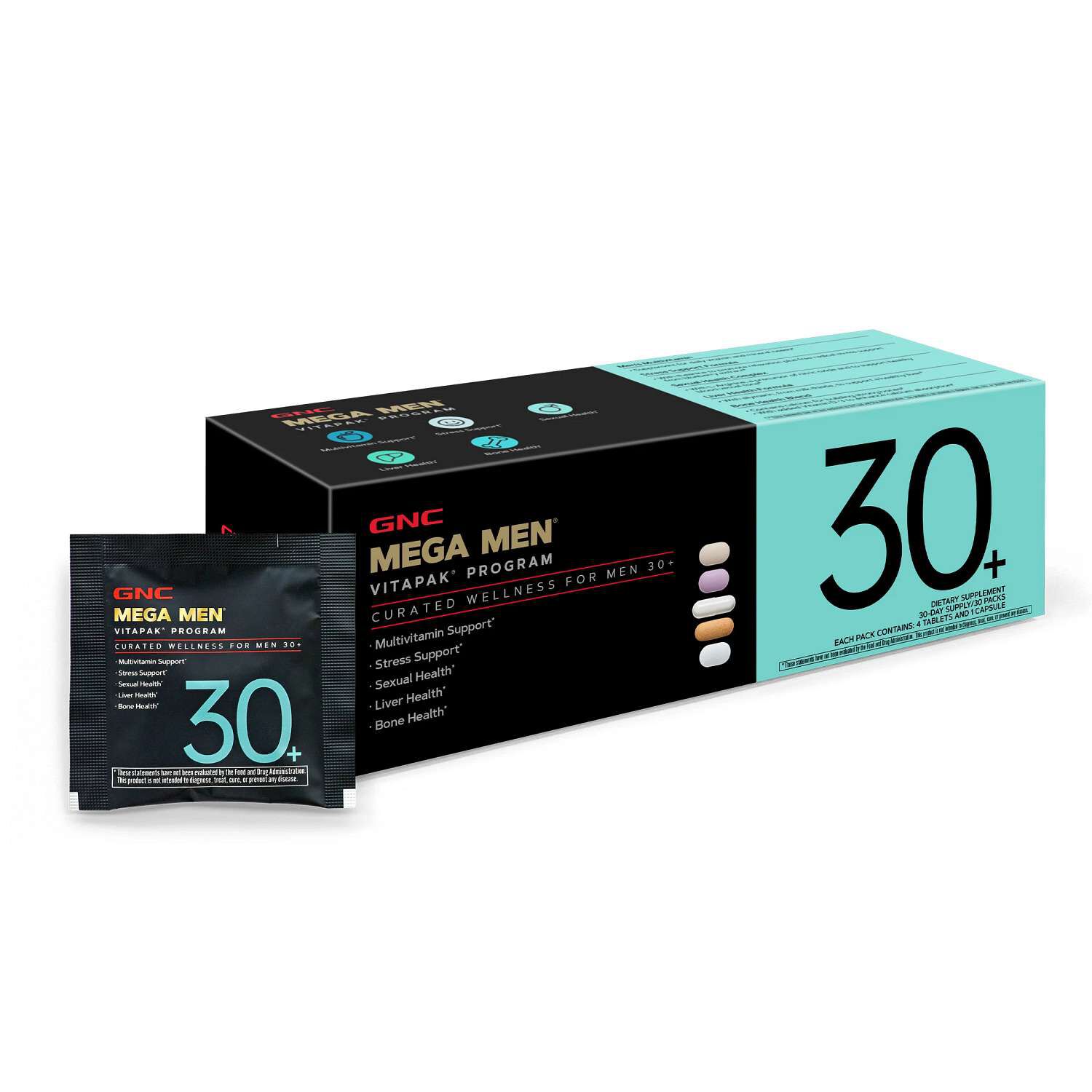
Multivitamin capsules for back-to-school adults bring a familiar supplement format into routines shaped by class schedules, lesson planning, campus commutes, and family responsibilities. This category is relevant to college students, graduate students, teachers, school staff, and parents whose days revolve around the academic calendar. An adult multivitamin generally combines several vitamins, often alongside minerals, in a capsule intended for use according to its label. Depending on the formulation, the ingredient list may include vitamins A, C, D, and E, several B vitamins, and minerals such as zinc or selenium. The ingredients and amounts differ across formulas, so the word “multivitamin” does not describe one fixed nutrient combination. A capsule may complement a varied eating routine, but it is not a replacement for meals, snacks, or the range of foods that make up an everyday diet. For someone eating breakfast before an early lecture or packing lunch before the school bus arrives, the appeal is often a format that fits an existing routine rather than adding another elaborate task. Capsule count, serving size, ingredient preferences, and storage requirements all contribute to that fit. A bottle containing many capsules may represent fewer daily servings than its front label first suggests, because some formulas use more than one capsule per serving. The Supplement Facts panel provides that distinction, along with nutrient amounts and the serving information needed to compare similar options. Back-to-school shopping also spans different adult life stages: a younger student living with roommates may have different preferences from a parent attending evening classes or an educator preparing for a new term. Adult labeling and the formulation’s stated audience provide more useful context than a school-themed description alone. Capsule dimensions also matter to someone who already has a preferred supplement format, though size information may require a closer look at the package description. The practical match is about the person using the supplement, not simply the occasion that prompted the search.
Capsule construction is another meaningful difference within adult multivitamins. Many capsule shells are made with gelatin or plant-derived materials such as cellulose, while the enclosed formula commonly contains powdered ingredients. A plant-derived shell does not, by itself, establish that every ingredient in the formula meets a particular dietary preference; the full ingredient statement and any relevant labeling provide that context. Shell material, listed allergens, and other ingredients may be especially important for adults who already make purchasing decisions around vegetarian eating or ingredient exclusions. Capsules are also distinct from tablets and gummies in their structure and presentation, although the format alone does not establish the suitability of a particular nutrient combination. Two capsule formulas can look similar while containing different minerals, different amounts of individual vitamins, or different serving sizes. Some adult formulas include iron, while others do not, and the presence of additional botanical ingredients varies as well. Those differences belong in a side-by-side label comparison rather than an assumption that a longer ingredient list is a better match. Nutrient amounts appear in specific units, and percent Daily Value offers another reference point for many listed nutrients. That percentage is label context, not a personalized target for every shopper. Someone who already uses other supplements may also notice repeated nutrients across the labels, making the full set of ingredient panels relevant to the purchase. Third-party certification marks, where present, offer another point of comparison. Their meaning depends on the certifying organization and the scope of its program; a mark is not a prediction of an individual’s experience. Clear serving directions, readable ingredient information, and recognizable certification details can make the differences between formulas easier to understand. For adults balancing coursework with recreational sports, walking commutes, or regular gym visits, Multivitamin Capsules For Active Adults offers a related category to explore alongside the school-focused assortment. The overlap is a busy adult routine, while the label remains the basis for understanding each formula. Preferences may center on a shorter ingredient list, a particular shell material, or a serving format that feels familiar, rather than an academic or athletic label.
The everyday setting matters just as much as the package description when considering multivitamin capsules for a back-to-school routine. A teacher may have a predictable breakfast at home but little time between arriving at school and greeting students. An adult student might move from a morning seminar to a work shift, while a parent taking online courses may study after the household settles down. These are different schedules, and none requires a supplement routine built around another person’s timetable. Label directions provide the product-specific instructions, including whether food is mentioned and how a serving is defined. A designated place at home can make the bottle easier to locate without turning it into another object carried between classrooms, offices, and vehicles. Storage instructions deserve attention because capsules and their contents are not intended for every environment a school day might involve. A parked car, a damp gym bag, or a spot beside a steamy kitchen appliance may not match the conditions printed on the package. The original container also keeps the ingredient panel, directions, date information, and identifying details together. Bottle closure and packaging condition matter during ordinary handling, particularly in a shared home where supplements need a distinct storage location away from children. A container’s size may influence where it fits in a cabinet, but serving information gives a clearer picture of how it relates to the expected routine. For someone preparing for a semester, those small practical details can matter more than an ambitious plan to change several habits at once. Breakfast at the kitchen counter, lunch packed the night before, and a consistent place for everyday supplies create a recognizable setting for an optional supplement. Adult multivitamin capsules belong in that broader context of food, personal preferences, and manageable routines. The back-to-school connection is ultimately about choosing a format and formulation suited to adult life around an academic schedule, with clear labeling and practical handling details that remain relevant well beyond the first day of class.