Multivitamin Supplements With Biotin And Silica
(0 Results)
Multivitamin supplements with biotin and silica may offer a convenient way to support your daily wellness routine. These formulas typically combine a variety of vitamins and minerals with biotin and silica, ingredients often chosen for their potential benefits. Whether you’re looking to complement your nutrition or seeking an easy addition to your daily regimen, multivitamin supplements with biotin and silica could be a great option to explore as part of your overall wellness journey.
-
-

-
-

-
 $18.99
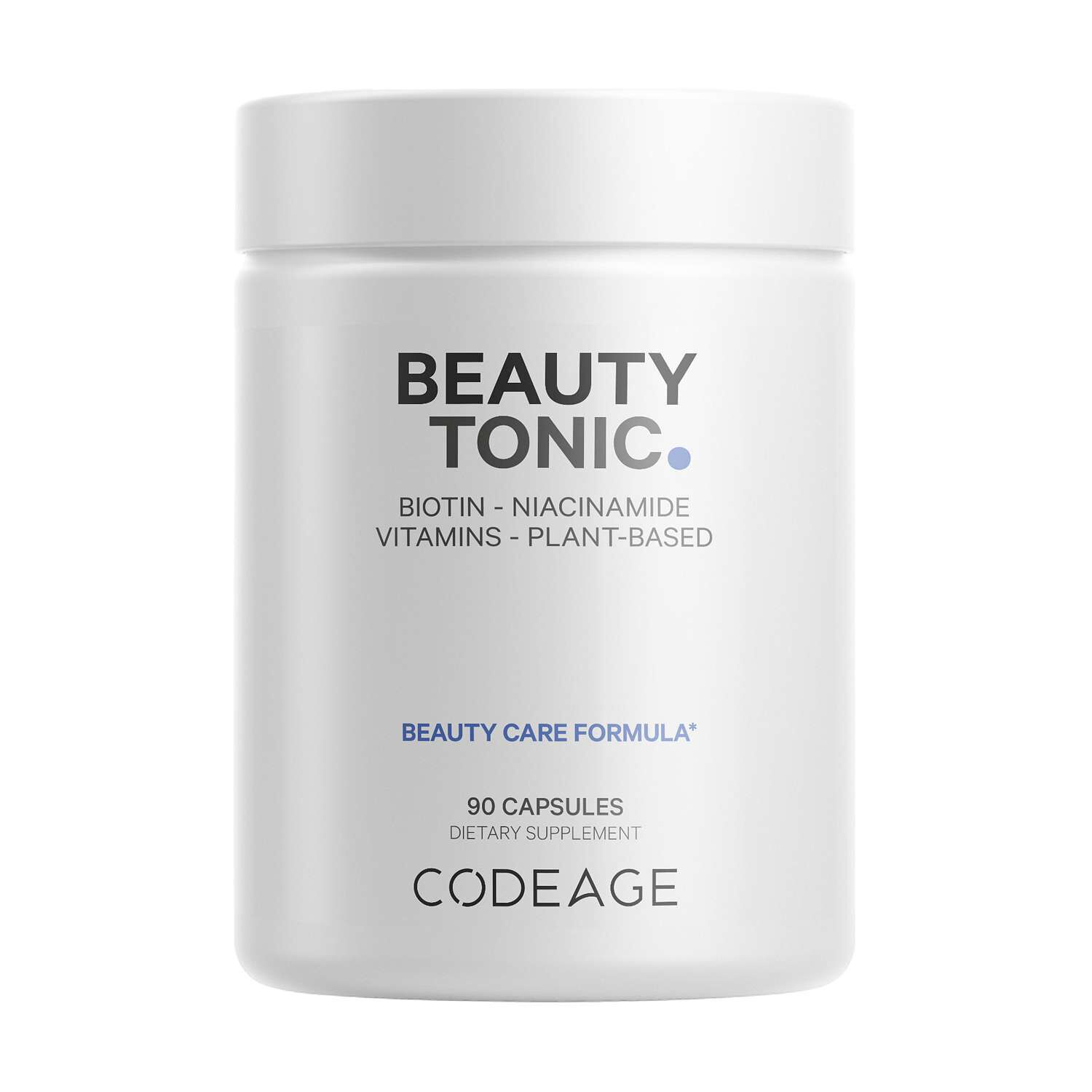
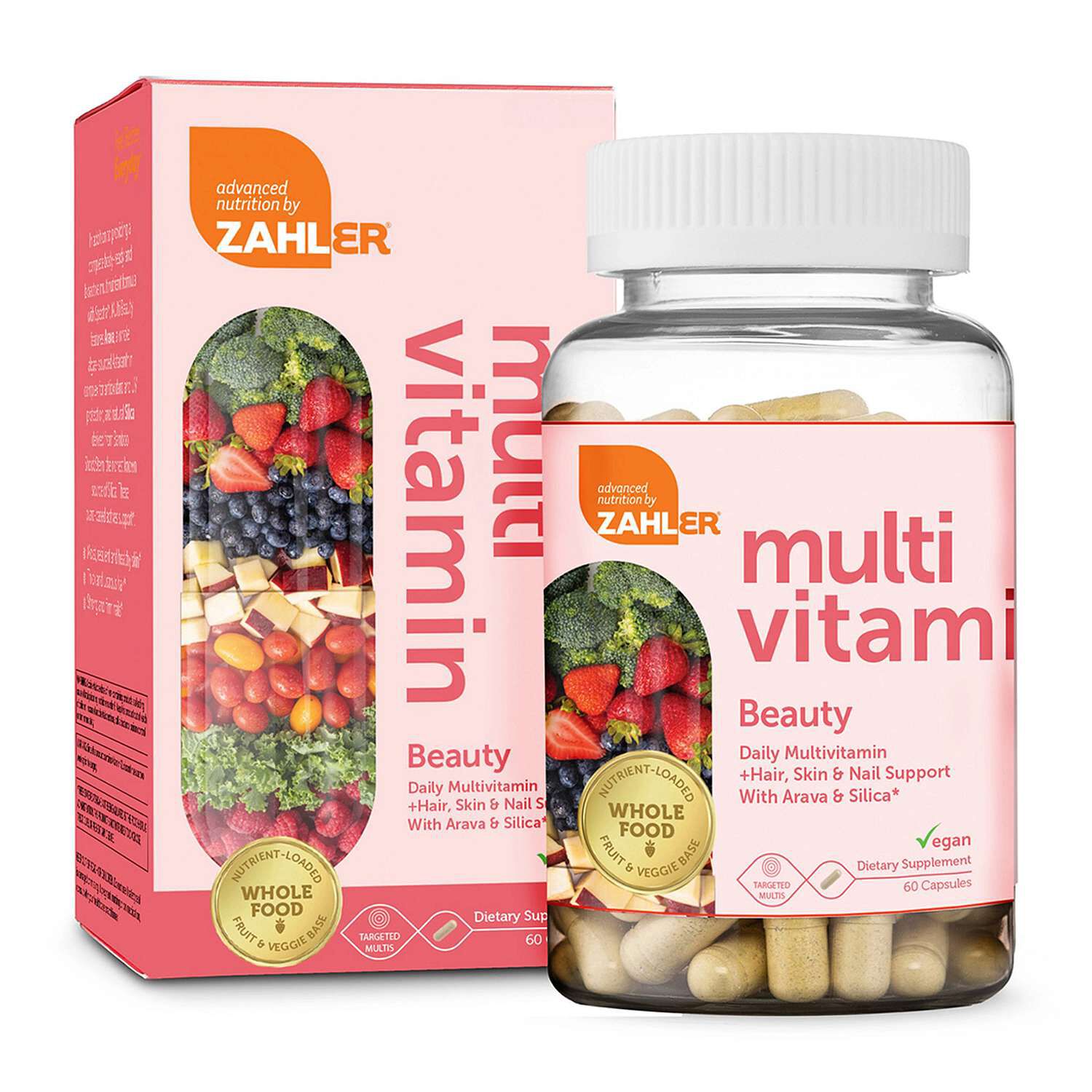
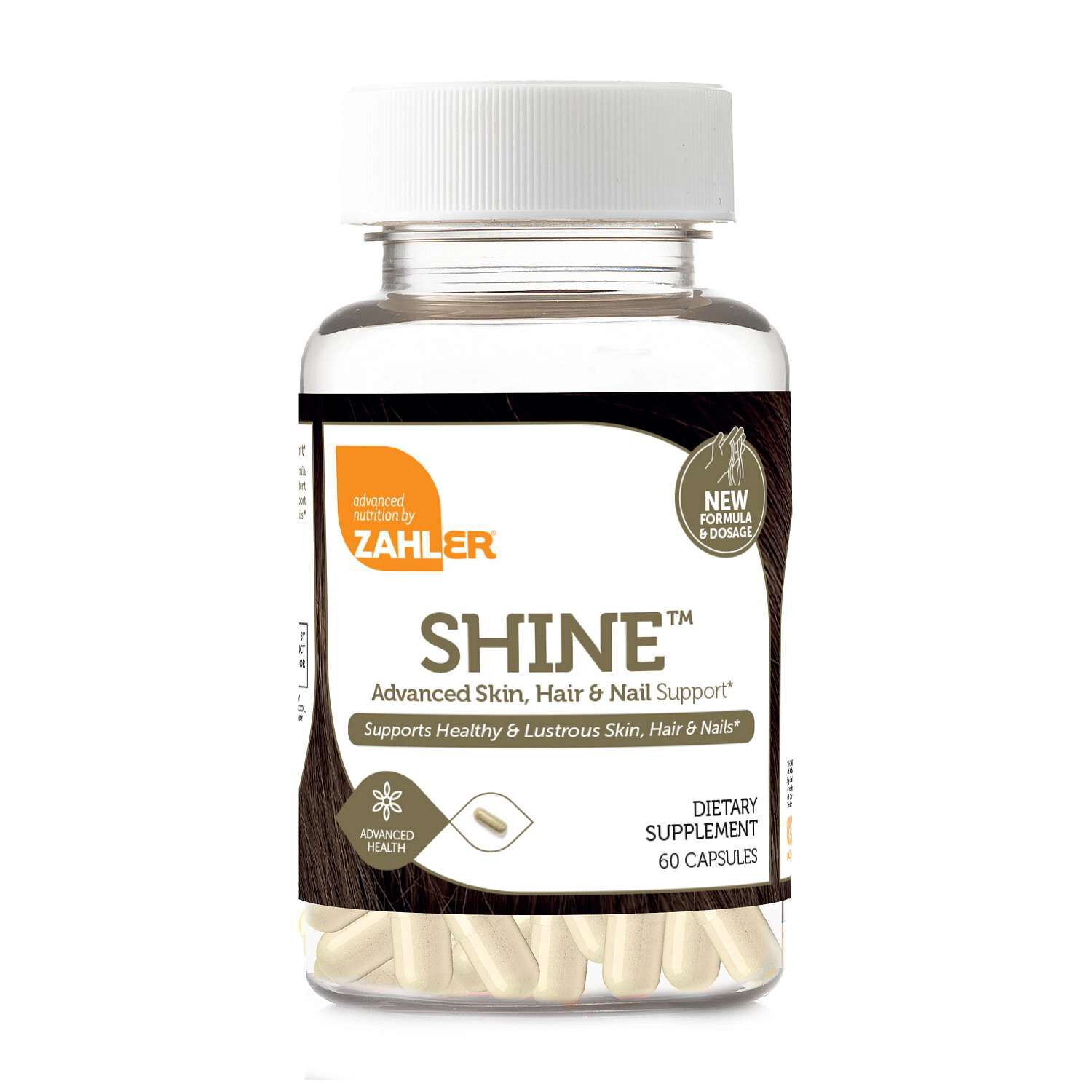
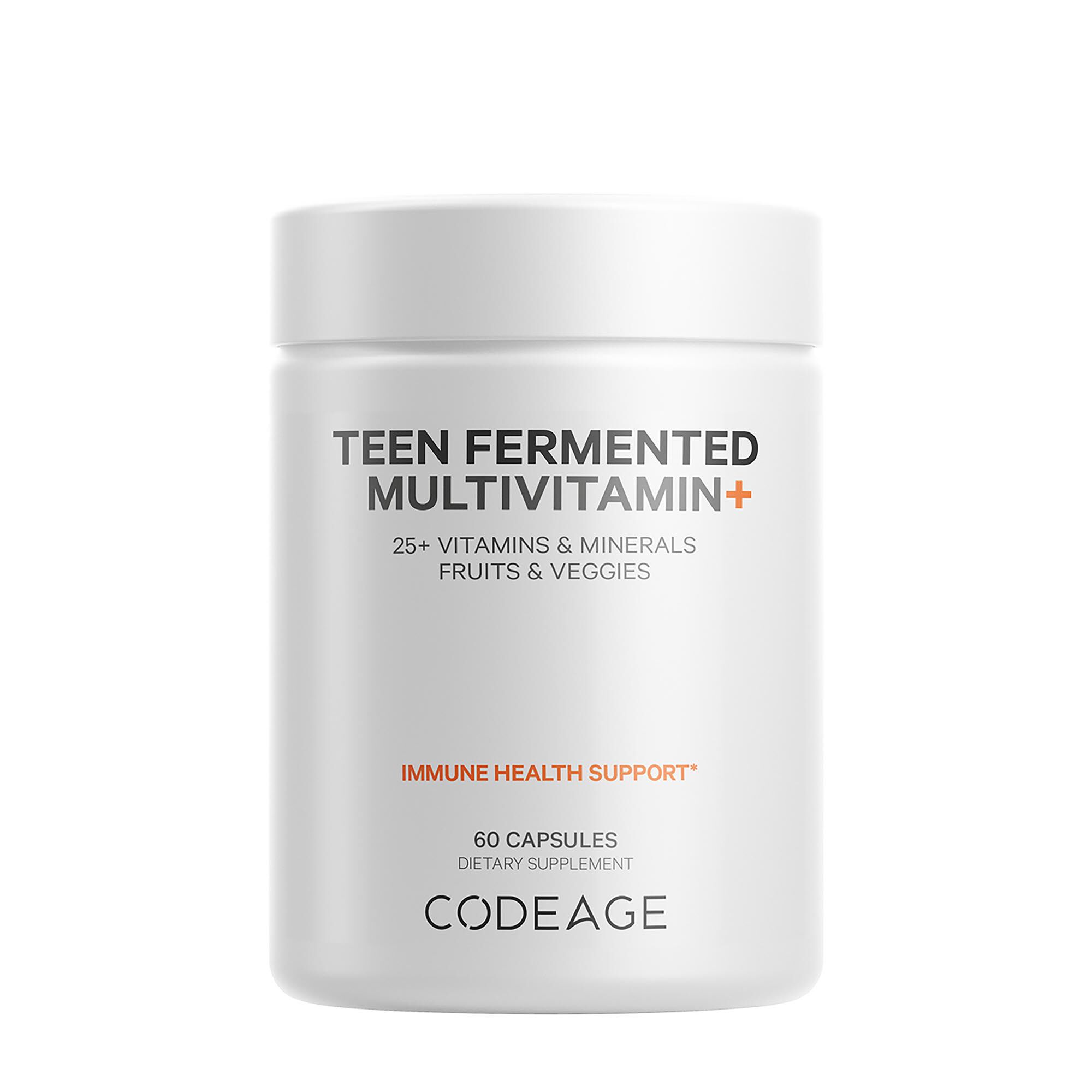
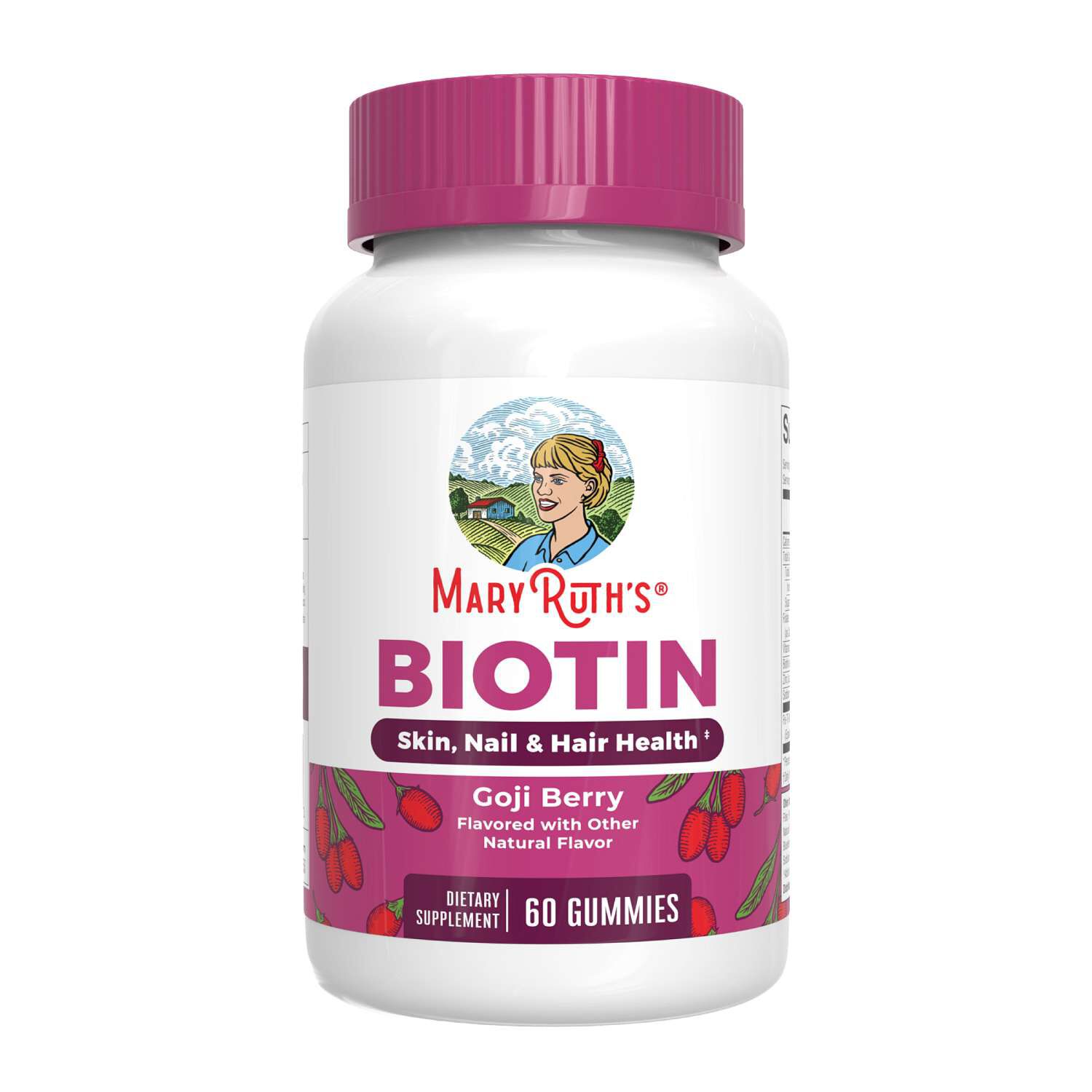
Multivitamin supplements with biotin and silica combine a broader vitamin and mineral formula with ingredients often associated with hair, skin, and nail care. These supplements may support healthy-looking hair, skin, and nails while fitting into an everyday nutrition routine. Biotin, also known as vitamin B7, belongs to the B-vitamin family and is a water-soluble vitamin. Silica is a compound containing silicon and oxygen; supplement labels may identify it directly or list a botanical source, such as bamboo extract or horsetail extract. Although biotin and silica frequently appear together in beauty-oriented supplements, they are different ingredients, and their amounts and sources vary by formula. The distinction between a multivitamin and a more narrowly focused beauty supplement matters, too. A multivitamin generally contains a wider assortment of vitamins and minerals, while a hair, skin, and nail formula may emphasize a smaller group of ingredients. Some formulas combine both approaches, placing biotin and silica alongside nutrients such as vitamins A, C, D, and E, zinc, or selenium. The Supplement Facts panel provides a clearer picture than the front label alone, showing which nutrients are included and how much appears in a serving. Ingredient names also deserve a closer look: the weight of a plant extract is not necessarily the same as the amount of silica it supplies. A label that lists both the extract amount and its silica content offers more detail for comparison. For shoppers interested in a multivitamin with biotin and silica, the most useful distinction is the formula as a whole, not simply whether those two ingredients appear on the package. A beauty-oriented name does not establish the breadth of the vitamin and mineral blend, just as a long ingredient list does not establish how well a formula matches a particular routine. Clear labeling makes these differences easier to understand without relying on appearance-focused packaging or assuming that similarly named supplements have the same composition.
Format is another meaningful part of choosing multivitamin supplements with biotin and silica, particularly for something intended to become part of a regular routine. Tablets, capsules, gummies, and other chewable formats have different textures, sizes, and ingredient profiles. A shopper who prefers a straightforward capsule may place more importance on capsule material and serving count, while someone who prefers a chewable format may pay closer attention to flavor, texture, and sweeteners. Neither format tells the whole story about the nutrients inside. Two containers with similar front-label descriptions may have different serving sizes, and one serving may consist of more than one tablet, capsule, or gummy. Comparing amounts per serving rather than per individual piece helps make those differences visible. Biotin may be listed in micrograms or milligrams, so matching the units is also part of an accurate comparison. Beyond the vitamin and mineral panel, the other-ingredients list describes components such as capsule shells, coatings, colors, flavors, and binding agents. Gelatin and plant-derived capsule materials may matter to shoppers with particular dietary preferences, while allergen statements provide another point of distinction. These details are especially relevant when choosing between a familiar format and something new: a pleasant flavor, a manageable tablet size, or a preferred capsule material could make a supplement a more comfortable fit for an established routine. Care and storage deserve similar attention. The package’s storage directions provide the reference for handling the formula, and a securely closed original container keeps the label, serving information, and date markings together. Moisture and excess heat may affect the texture or condition of some formats, particularly gummies and tablets. A designated storage spot that follows the package directions is more suitable than an open container beside a steamy sink or a bottle left in a parked car. Packaging, texture, and handling are practical considerations alongside the ingredient list, rather than details separate from the shopping decision.
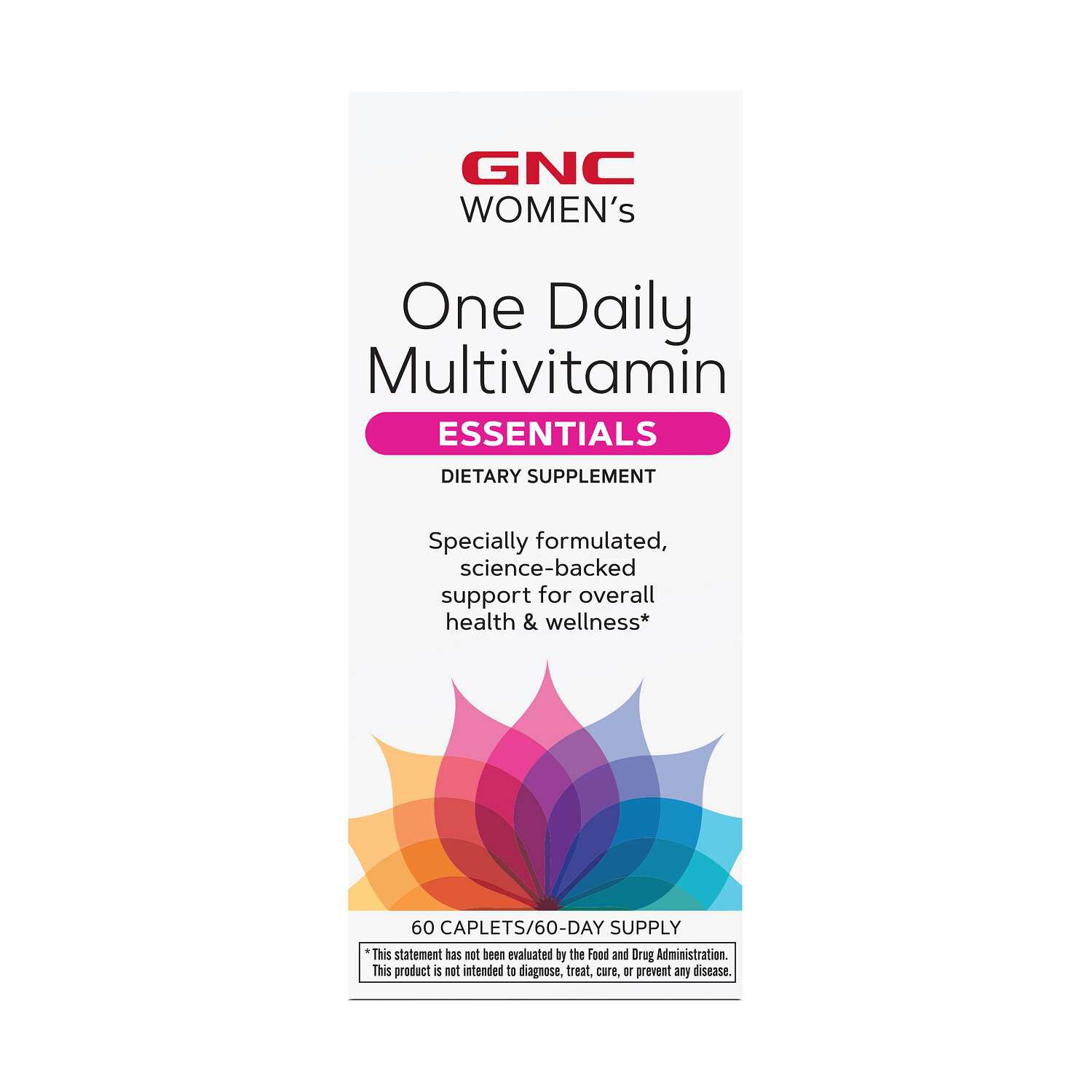
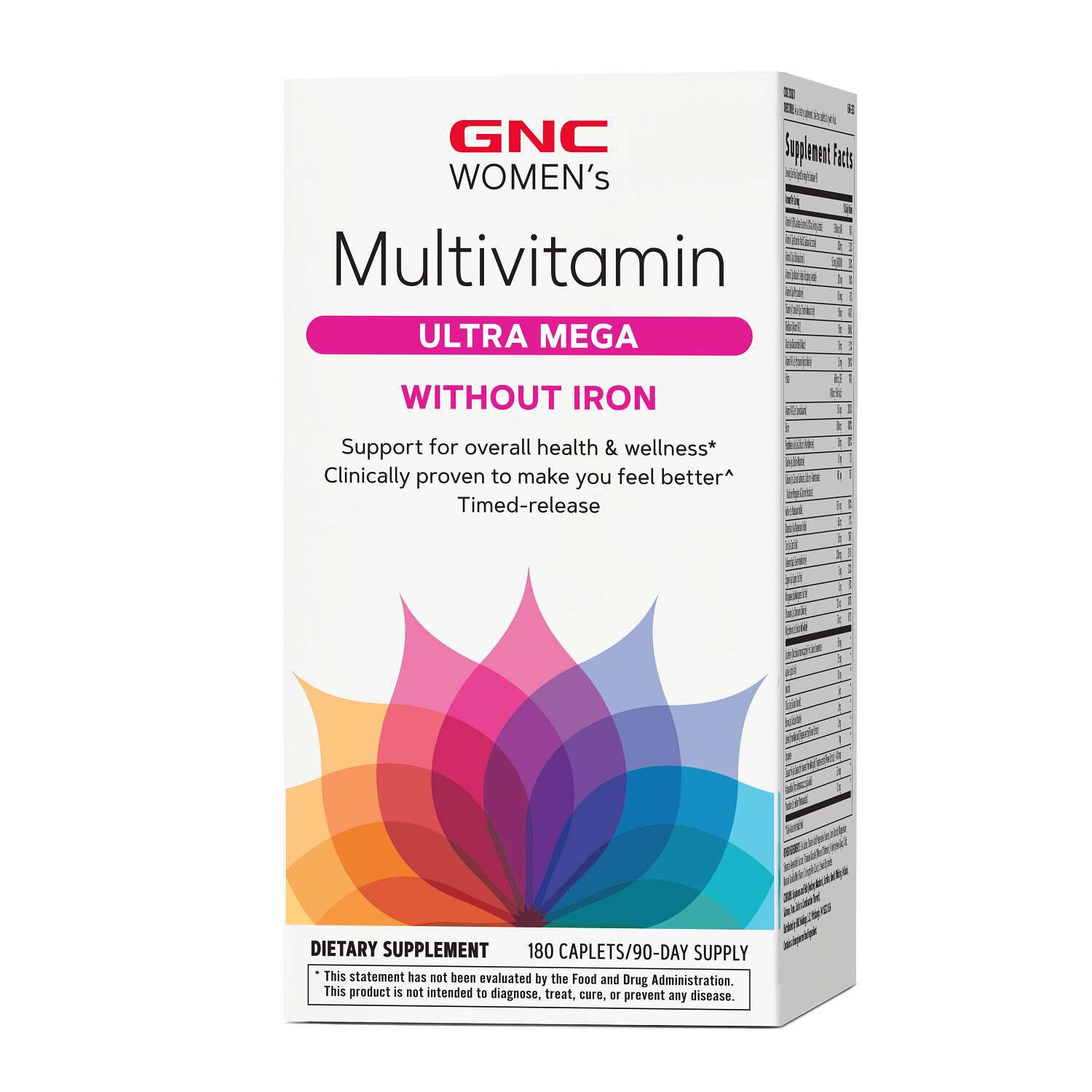
Adults shopping for a multivitamin with biotin and silica may be interested in bringing a beauty-focused supplement preference into a broader daily nutrition routine. Someone who already keeps a simple personal-care lineup may prefer a formula with a clearly presented vitamin and mineral blend, while another shopper may be more interested in the source of the silica or the amount of biotin per serving. These are different priorities, and they do not necessarily point to the same formula. For shoppers comparing options labeled for women, Multivitamins With Biotin For Women offers a related category to explore alongside formulas that also include silica. A women’s designation does not mean every formula contains the same nutrients or amounts; ingredients such as iron, calcium, vitamin D, and the B vitamins may differ across labels. Age designations and intended-use statements add context, particularly when two packages look similar but describe different audiences. Existing supplement habits also shape a meaningful comparison. A multivitamin, a separate biotin supplement, and a beauty blend may contain overlapping ingredients, so considering each label together gives a clearer account of what the routine includes. A higher biotin amount or a longer list of botanical extracts is not, on its own, a reason to prefer one formula over another. Appearance-related goals are personal, and a supplement should not be presented as a substitute for food, grooming, or ordinary personal care. Biotin and silica formulas may complement those routines, but visible changes are not assured, and a package cannot establish an individual outcome. For everyday shopping, the strongest points of comparison remain concrete: the vitamin and mineral selection, the listed biotin and silica amounts, ingredient sources, serving size, format, and dietary details. Together, those features distinguish a broadly focused multivitamin from a narrower beauty formula and help clarify which approach aligns with a shopper’s preferences. The result is a category defined by both its featured ingredients and the practical details that make each formula different.