Multivitamins With Omega 3
(0 Results)
Discover the potential benefits of multivitamins with omega-3, a powerful combination that could support overall wellness and vitality. These supplements might offer a convenient way to incorporate a range of vital nutrients into your daily routine, possibly enhancing your nutritional intake. Whether aiming to support your immune system, promote healthy brain function, or maintain cardiovascular health, multivitamins with omega-3 may be an excellent addition to your diet. Explore the possibilities and find the perfect supplement that aligns with your health goals today.
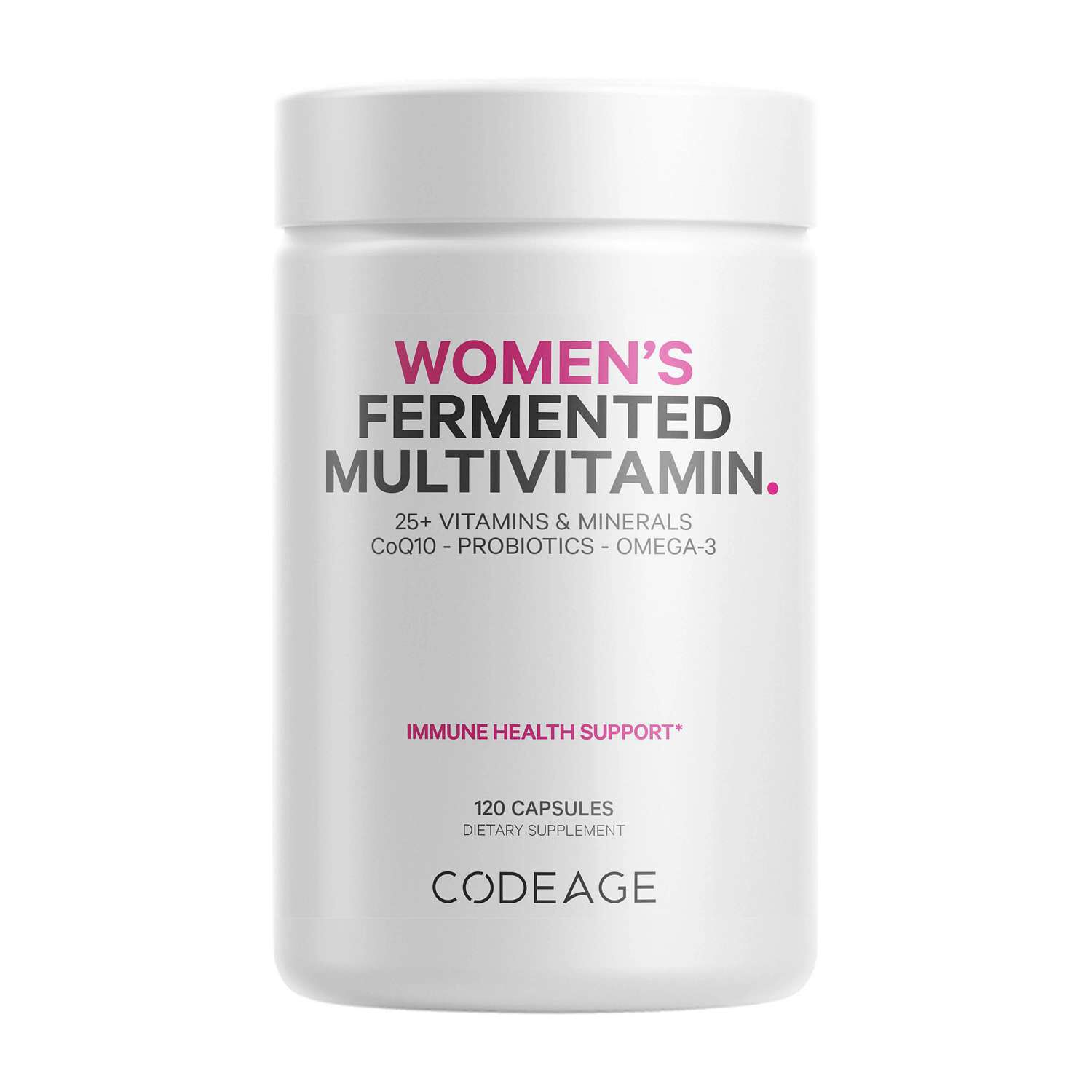


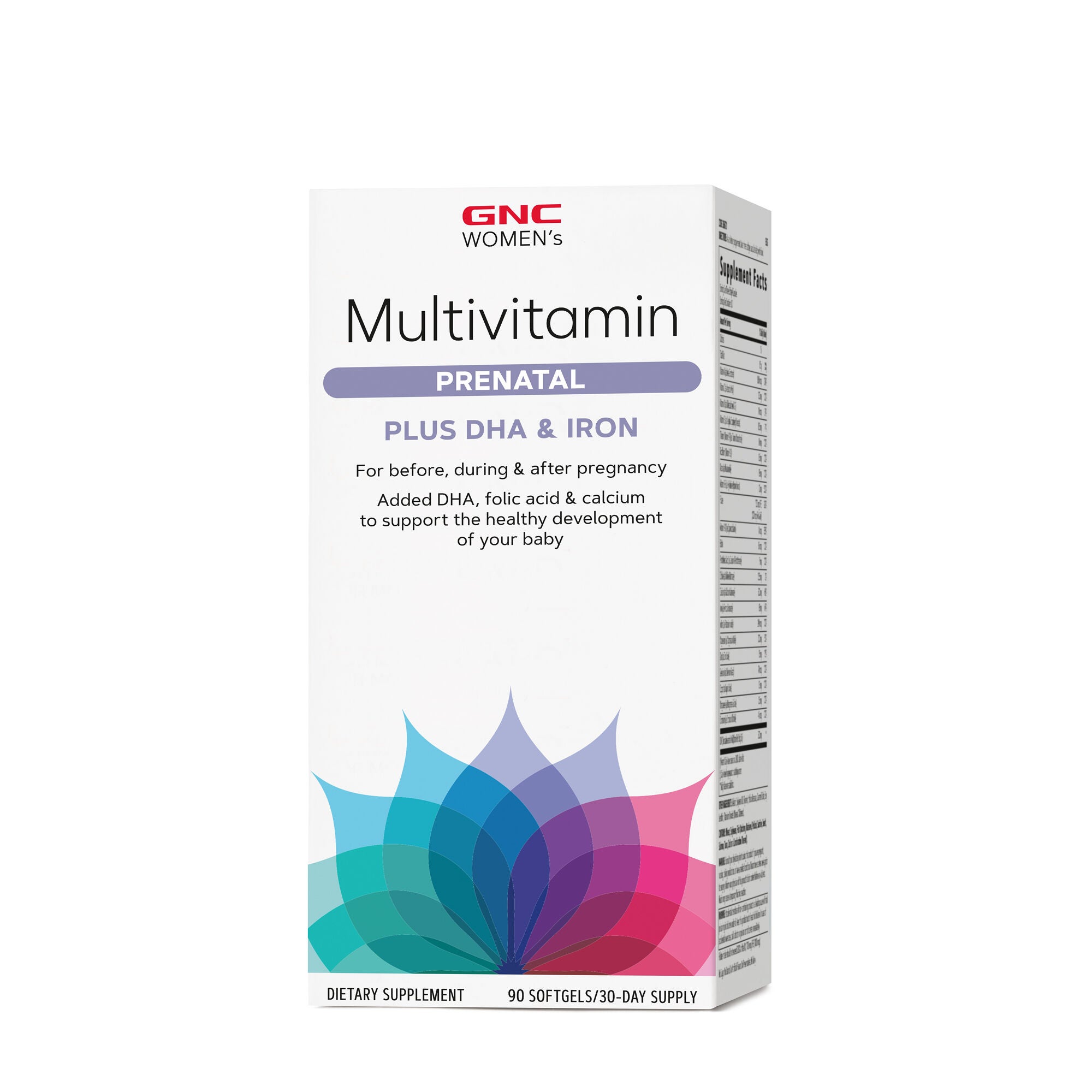


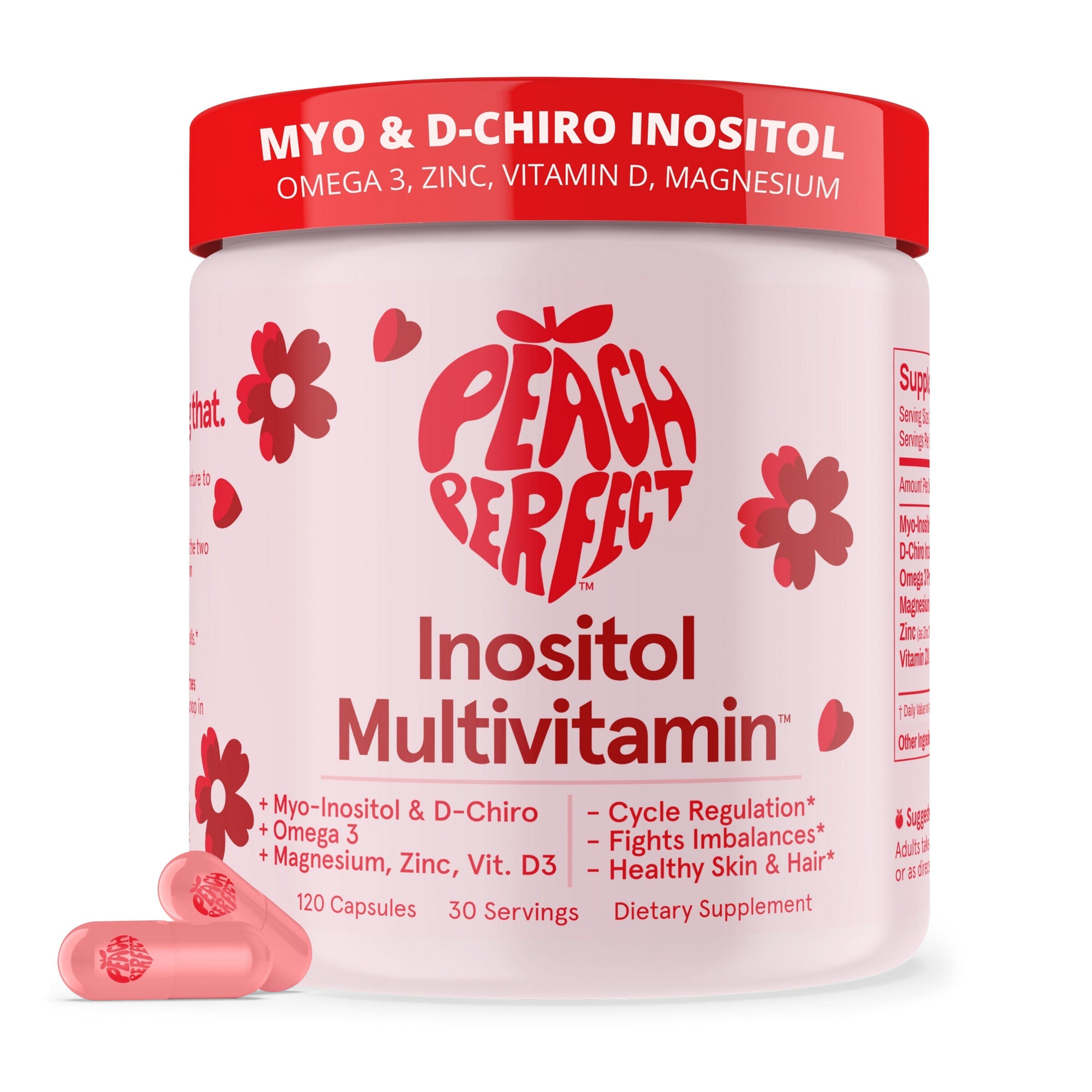



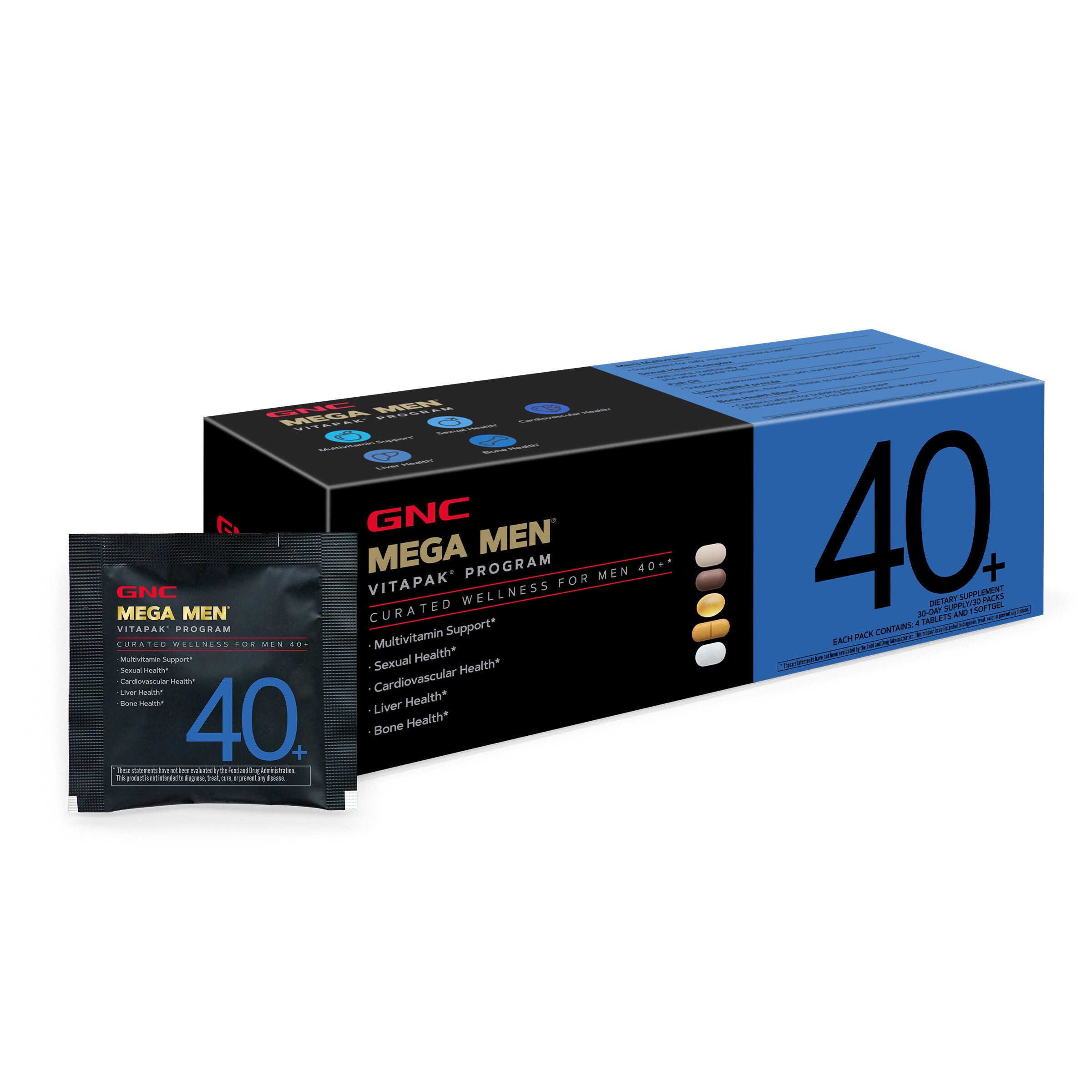
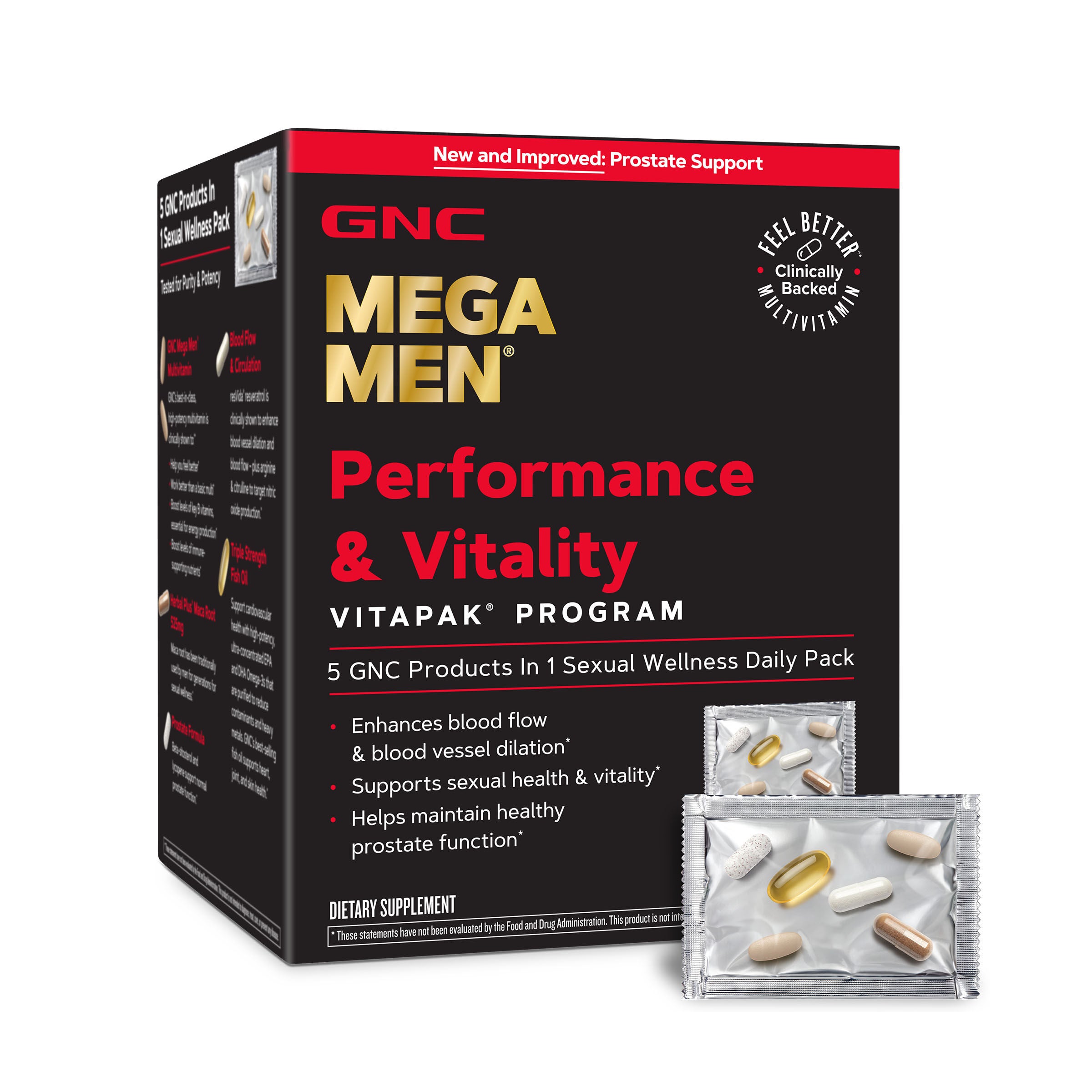
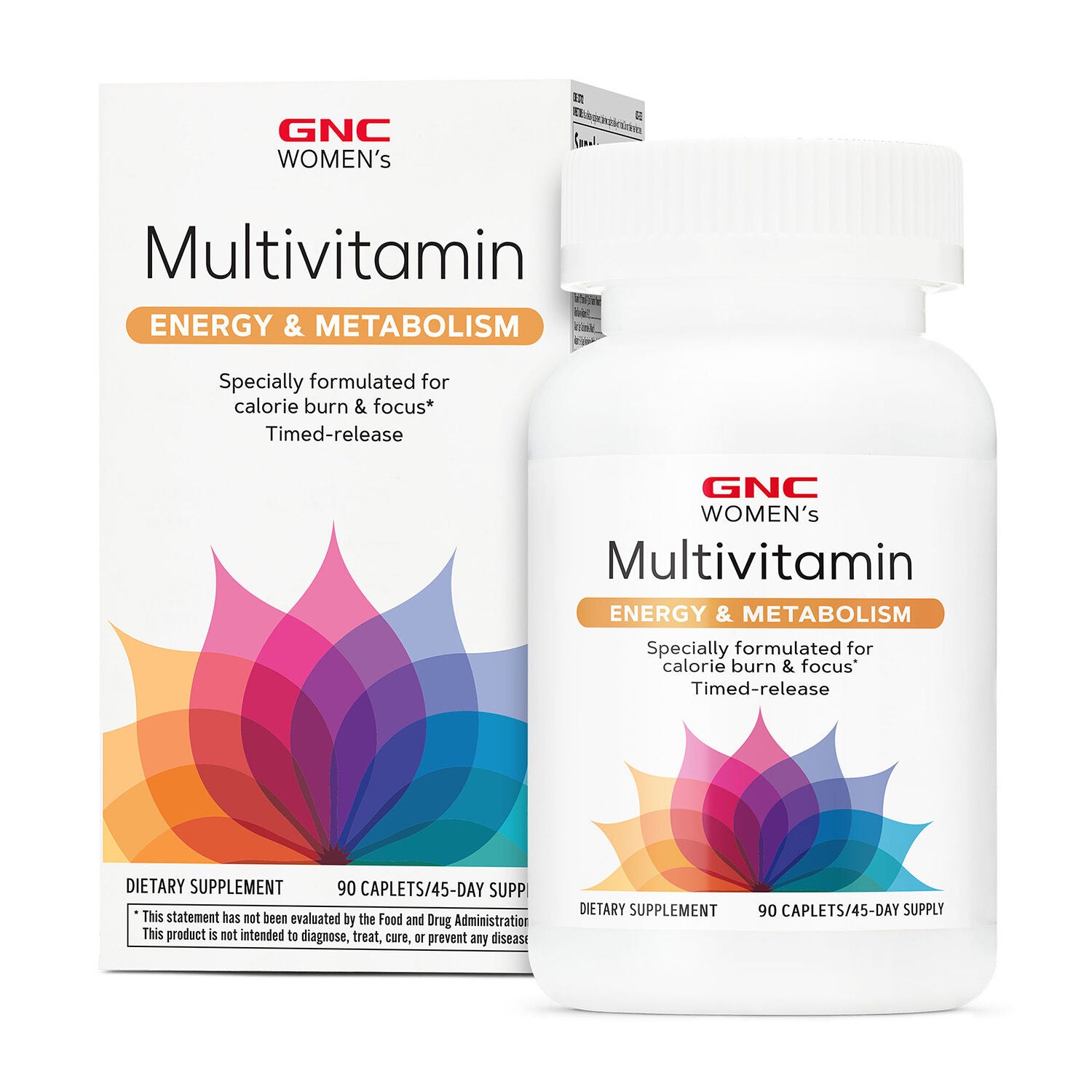
Multivitamins with omega 3 combine a selection of vitamins and minerals with omega-3 fatty acids in one supplement formula or a coordinated serving. The category brings together nutrients that are often sold separately, making ingredient selection, serving size, and format useful points of comparison. A multivitamin portion may include vitamins A, C, D, and E, B vitamins such as B6 and B12, and minerals such as zinc or iodine. Not every formula includes the same nutrients, and some contain fewer minerals than others. The omega-3 portion commonly comes from fish oil or algal oil, with the source and amounts identified on the label. EPA, short for eicosapentaenoic acid, and DHA, short for docosahexaenoic acid, are two omega-3 fatty acids found in these ingredients. Some plant ingredients instead provide ALA, or alpha-linolenic acid, which is a different omega-3 fatty acid. These distinctions matter when comparing formulas because the words “omega 3” alone do not describe the entire ingredient profile. Likewise, the amount of fish oil listed on a package is not necessarily the amount of EPA and DHA in a serving. A label might list the oil amount separately from the amounts of individual omega-3 fatty acids. Reading those entries together gives a clearer picture of what each serving contains. The Supplement Facts panel also identifies the vitamin and mineral quantities, their units of measurement, and the serving size used for those numbers. Percent Daily Value provides another reference for many vitamins and minerals, although that percentage is not established for every ingredient. Multivitamins with omega 3 are intended to supplement food choices, not replace meals or provide every nutrient in a balanced diet. For adults comparing everyday supplements, the most meaningful differences are often the actual nutrient selection, the omega-3 source, and how the labeled serving fits into an existing routine rather than the wording on the front of the bottle.
Format shapes the everyday experience of using a multivitamin with omega 3. Gummies offer a chewable format, often with fruit flavors, while softgels typically enclose an oil-containing formula in a smooth outer shell. Capsules and tablets have different textures and dimensions, and some combination packages contain more than one format within a serving. A single package does not always mean a single gummy, capsule, or softgel each day. Serving counts deserve attention, especially for someone who prefers fewer pieces or uses a divided supplement organizer. A bottle containing sixty gummies, for example, represents thirty servings when the labeled serving is two gummies. The physical size of a softgel also matters to someone with a strong preference for smaller formats. Gummies bring their own considerations, including sweetness, texture, added sugars, and the ingredients used to create their shape. Pectin and gelatin are common gelling ingredients, but their presence varies by formula. Capsule and softgel shells can also contain animal-derived ingredients, so the omega-3 source alone does not establish whether the entire supplement suits a vegetarian or vegan preference. Algal oil is a non-fish source of omega-3 fatty acids, but individual formulas differ in whether they provide DHA, EPA, or both. Fish-derived formulas may identify particular fish sources, and allergen statements offer additional information about their composition. Flavorings, color ingredients, and other components appear outside the main nutrient listing and are part of a thorough comparison. Someone who dislikes a noticeable fish taste may place more emphasis on flavor descriptions and format, while someone who prefers an unflavored supplement may focus on capsules or softgels. Neither taste nor texture reveals the quantity of omega-3 fatty acids or vitamins in a serving. A gummy and a softgel can have very different ingredient amounts even when their front labels describe a similar combination. Looking at format and nutrient content side by side keeps practical preferences connected to the details that distinguish each formula.
Audience and intended use provide another way to narrow the category without assuming that every multivitamin with omega 3 is interchangeable. Adult formulas, women’s formulas, men’s formulas, and age-specific formulas can differ in nutrient selection and serving instructions. Iron, calcium, vitamin D, and B12 are examples of nutrients whose listed amounts may vary across these groups. A women’s label does not automatically indicate that a formula contains iron, just as an adult label does not indicate a particular EPA or DHA amount. For a closer look at that combination, the Women's Multivitamin With Fish Oil page focuses on multivitamin formulas paired with fish-derived omega-3 ingredients. Across the broader category, a useful comparison considers the full ingredient panel rather than relying on an audience label alone. Existing supplement routines also create practical differences: someone already using a separate multivitamin or fish oil supplement has a different starting point from someone comparing combination formats for the first time. Listing the nutrients in each existing supplement alongside a combination formula makes overlapping ingredients easier to recognize without treating more ingredients as inherently preferable. Packaging and storage matter as well. An original container preserves access to serving directions, ingredient information, the lot number, and the expiration date. Keeping the closure secure and following the package’s storage instructions are part of routine care, particularly for oil-containing softgels and gummies whose texture may change with unsuitable storage. Supplements belong out of children’s reach, including chewable formats that resemble candy. For someone packing a work bag or preparing for a trip, container size and clearly labeled packaging may be more relevant than decorative bottle design. For someone keeping supplements alongside a breakfast routine, the labeled directions and number of pieces per serving may be the deciding details. The category offers several ways to combine multivitamin ingredients and omega-3 fatty acids, but the clearest comparison remains grounded in identifiable sources, readable nutrient amounts, appropriate audience labeling, and a format suited to the intended user.
Best Sellers
-
 Universal Nutrition
-
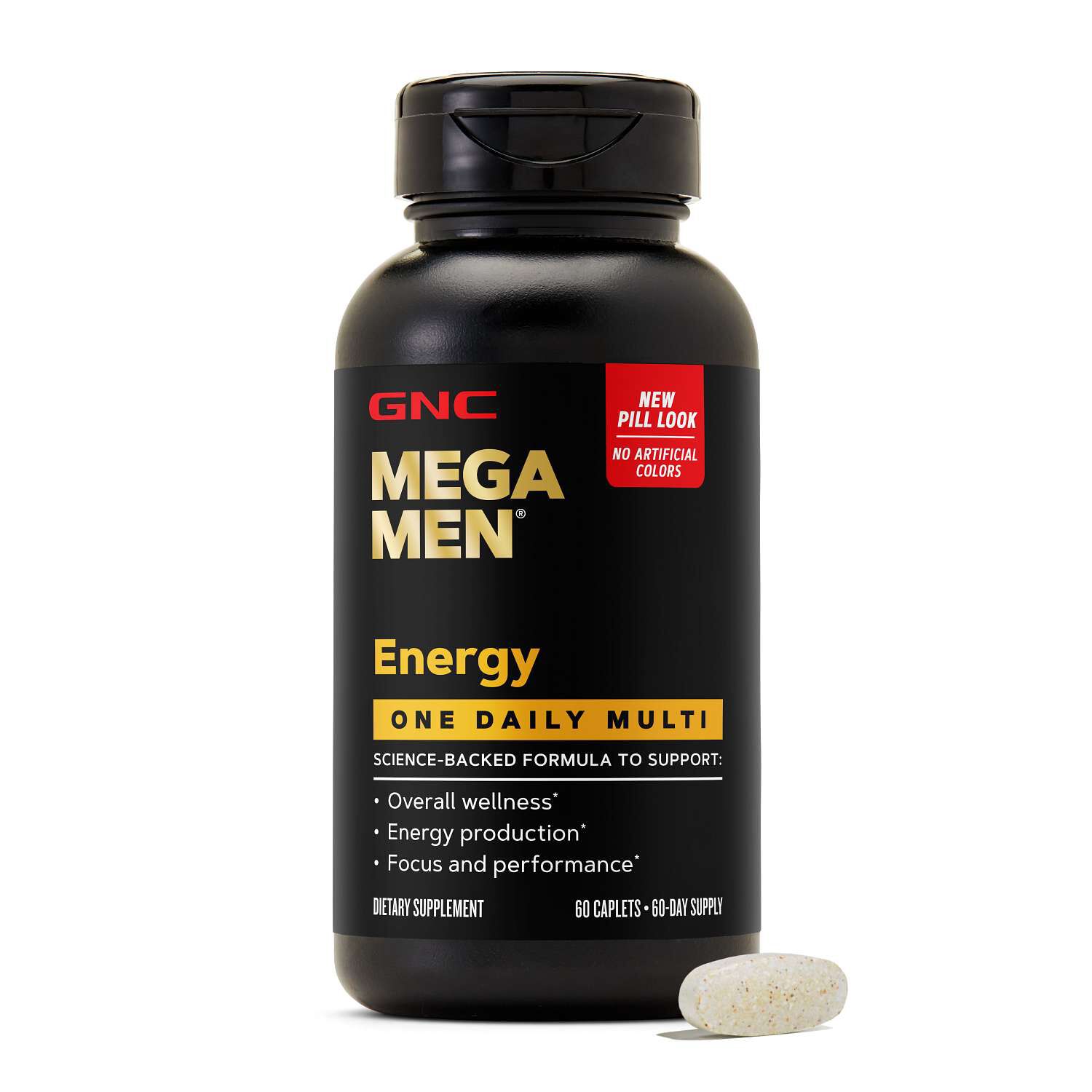 GNC Mega Men
-
 GNC Mega Men