Women's Multivitamin With Fish Oil
(0 Results)
Discover a range of women's multivitamin with fish oil options designed to support your wellness routine. These convenient formulas combine essential vitamins and minerals with the benefits of fish oil, offering a simple way to help fill potential nutrient gaps in your diet. Whether you're looking to maintain daily balance or complement an active lifestyle, explore selections that could fit your unique needs and preferences.
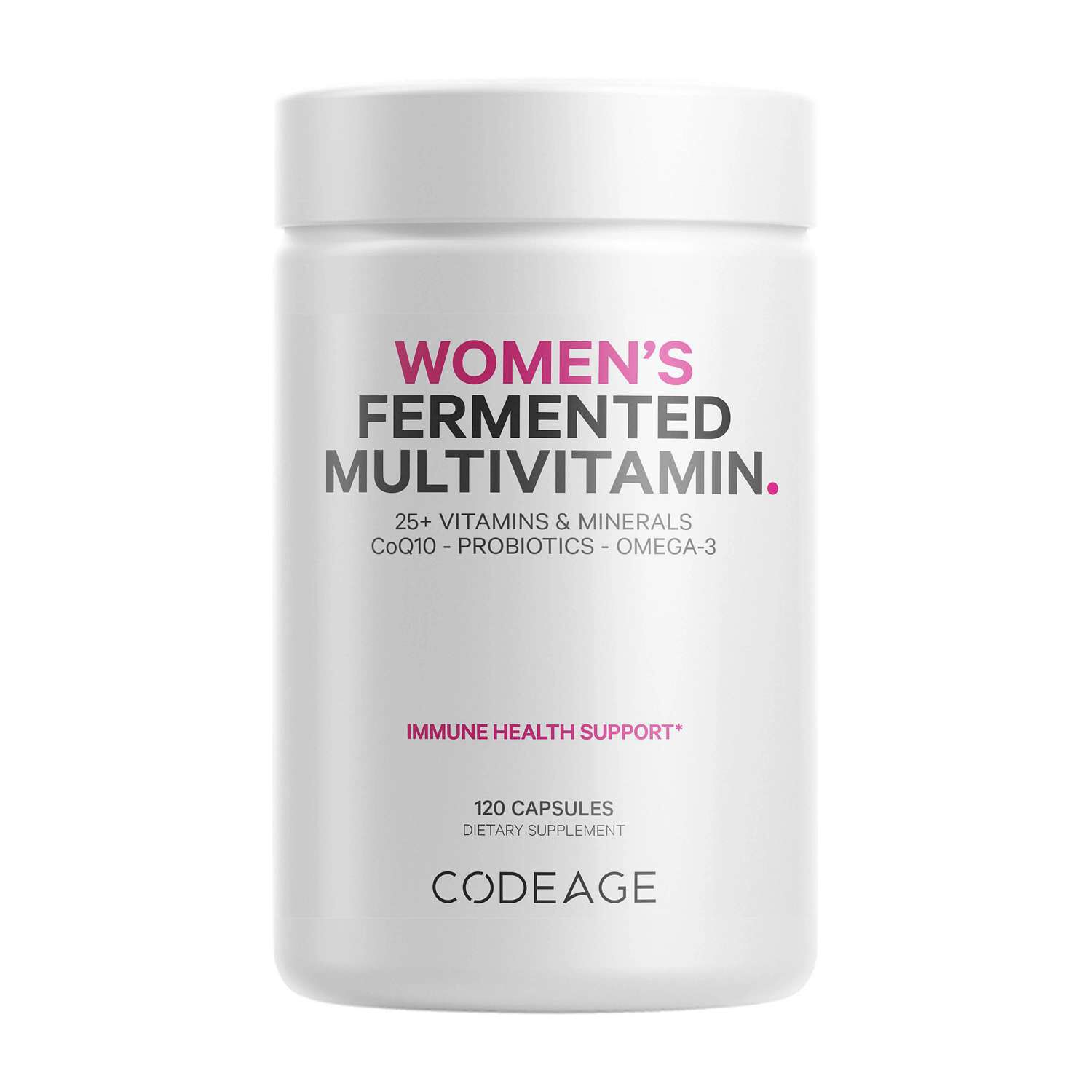

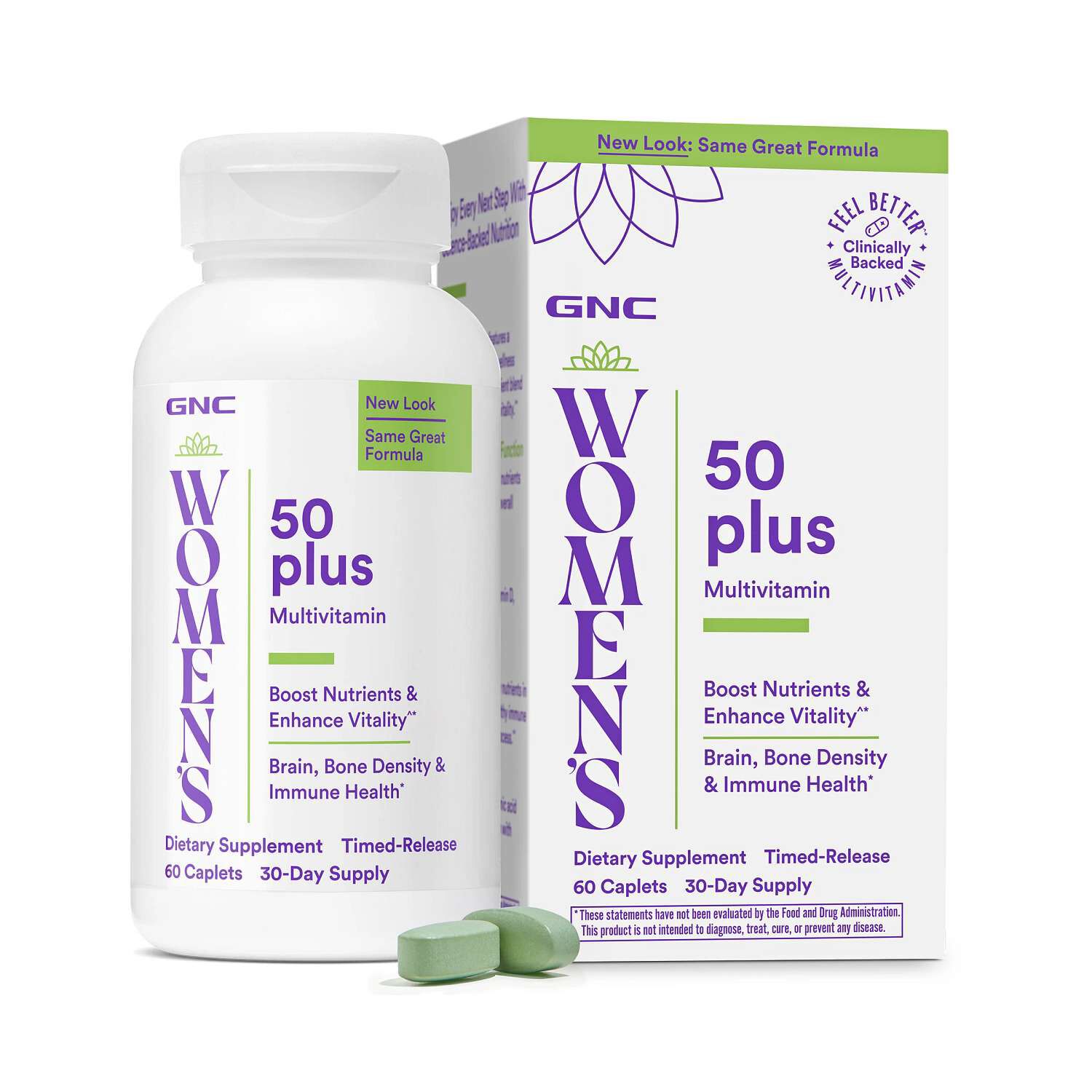
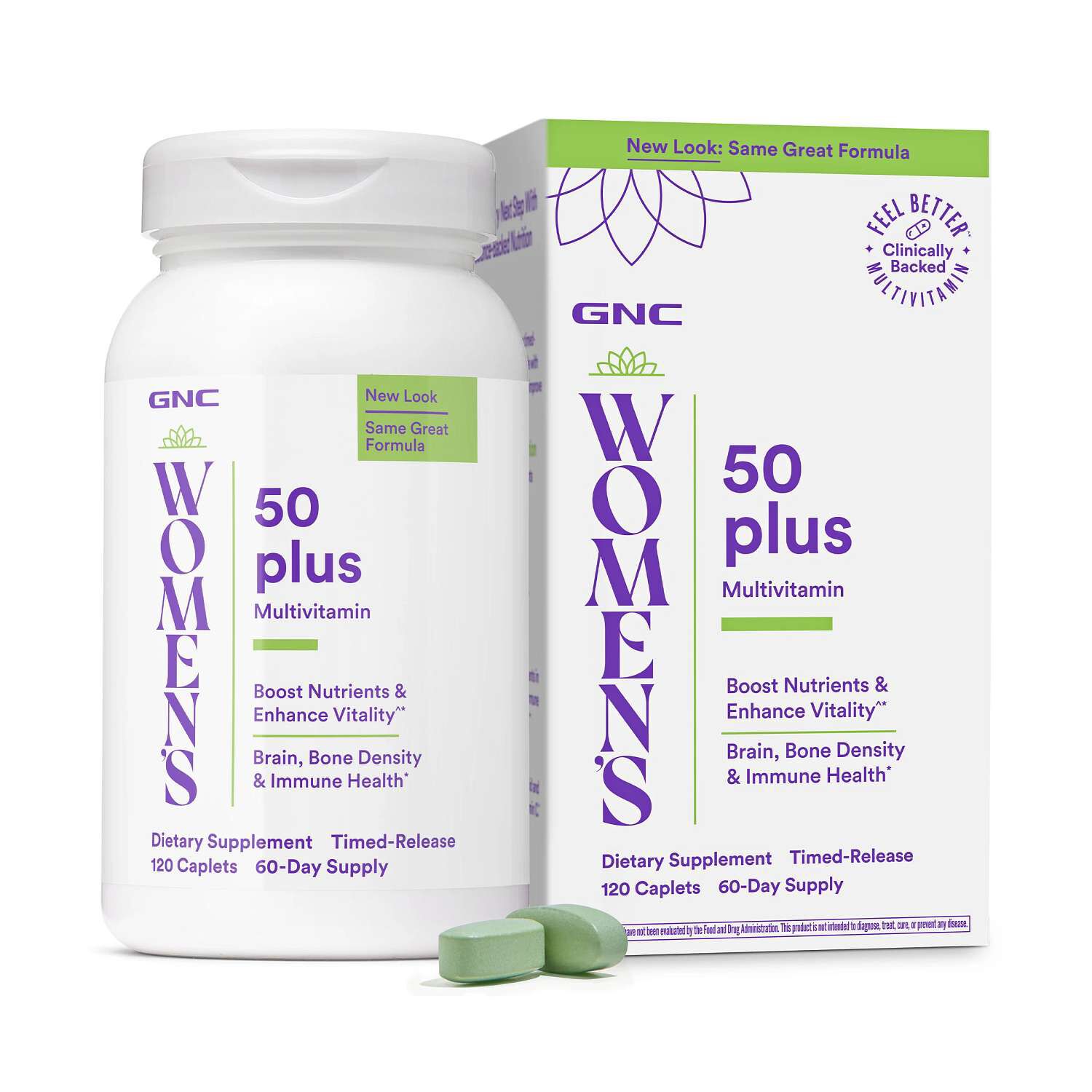
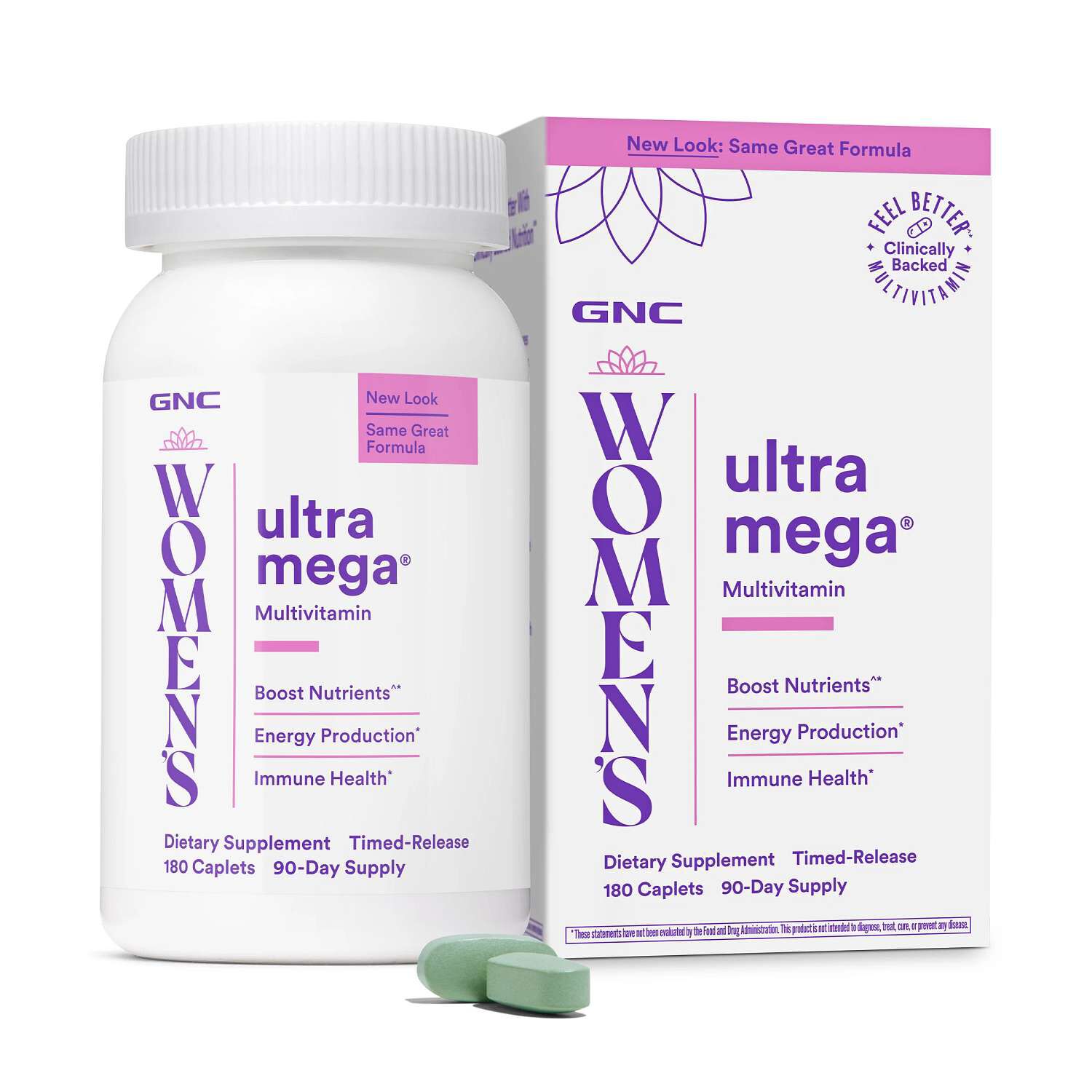
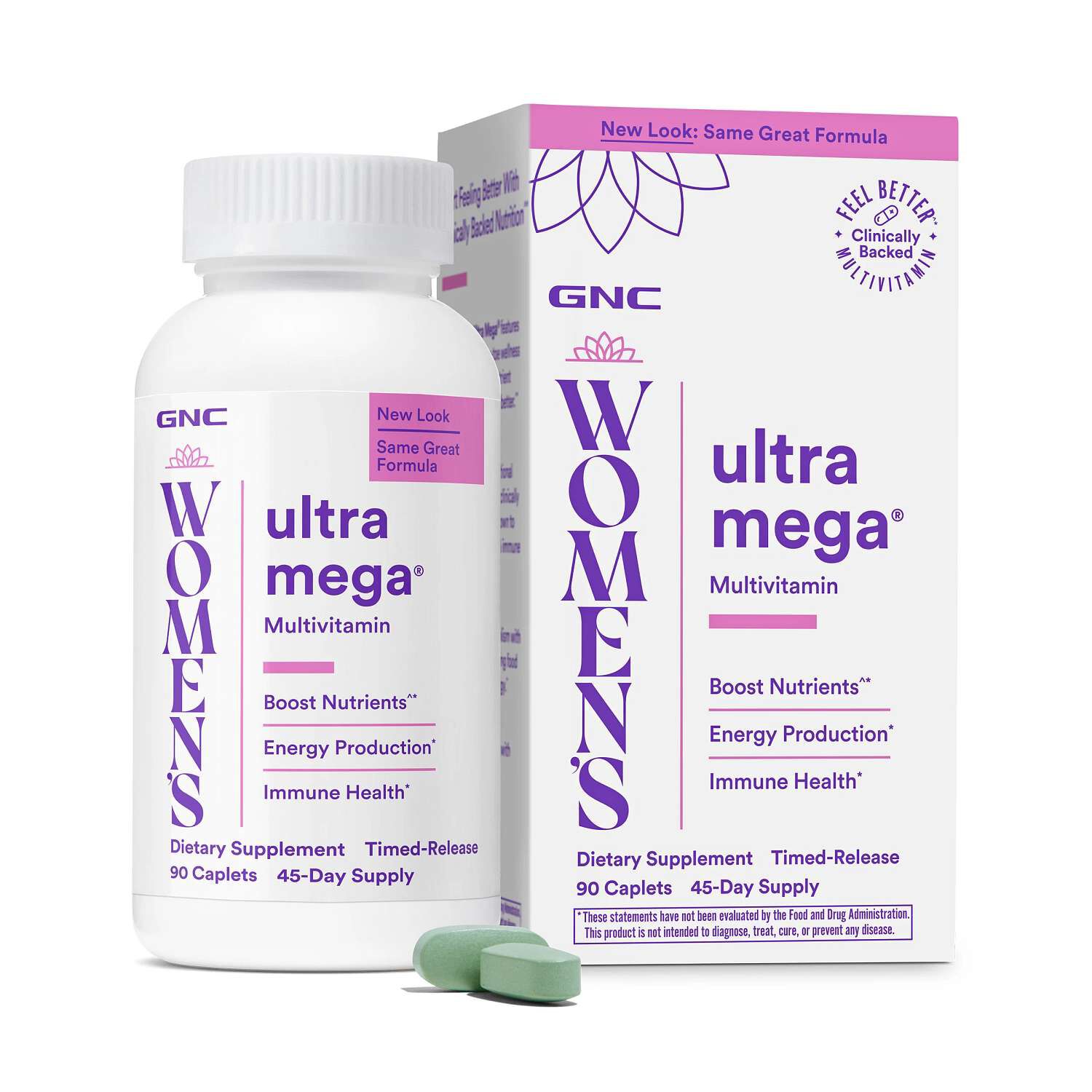

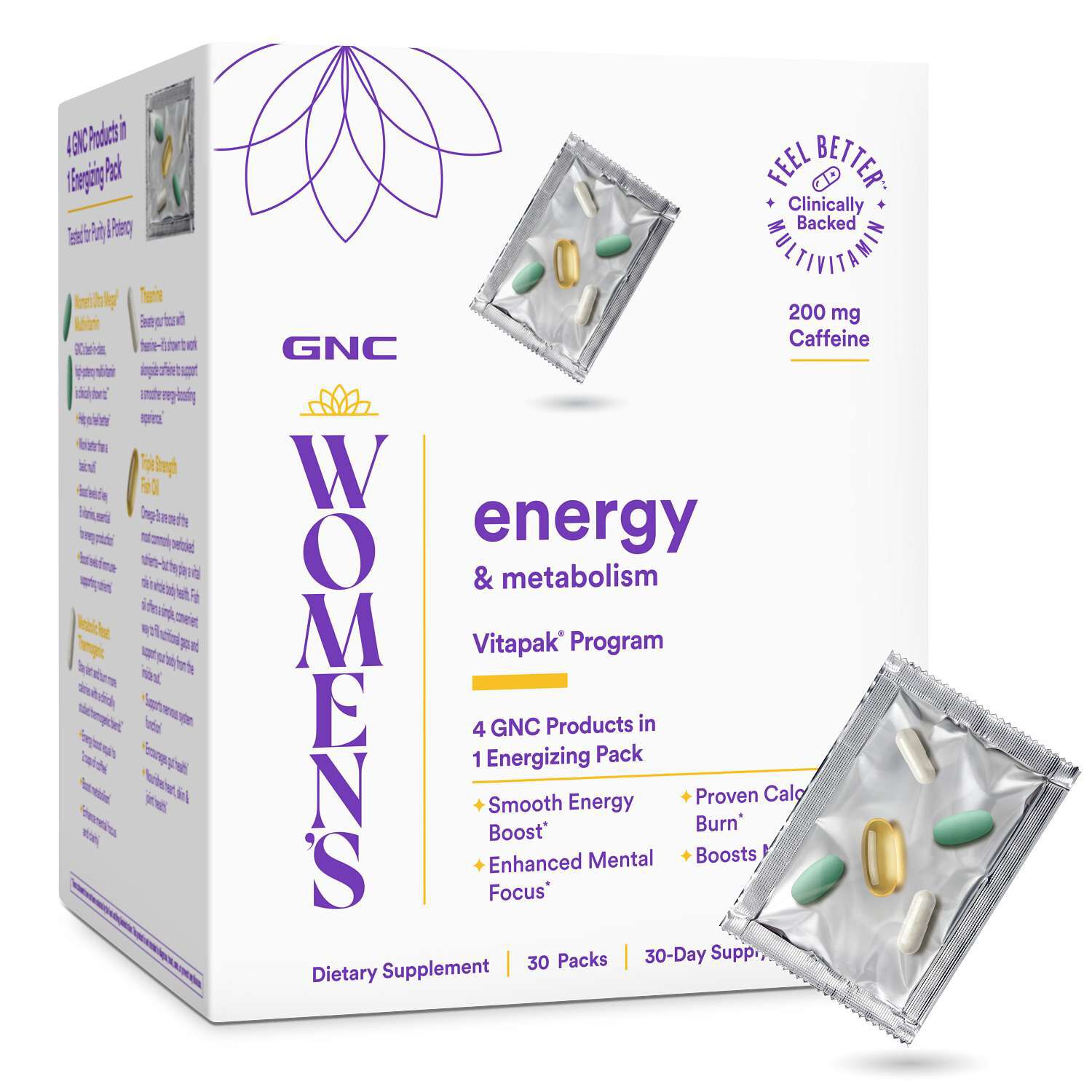
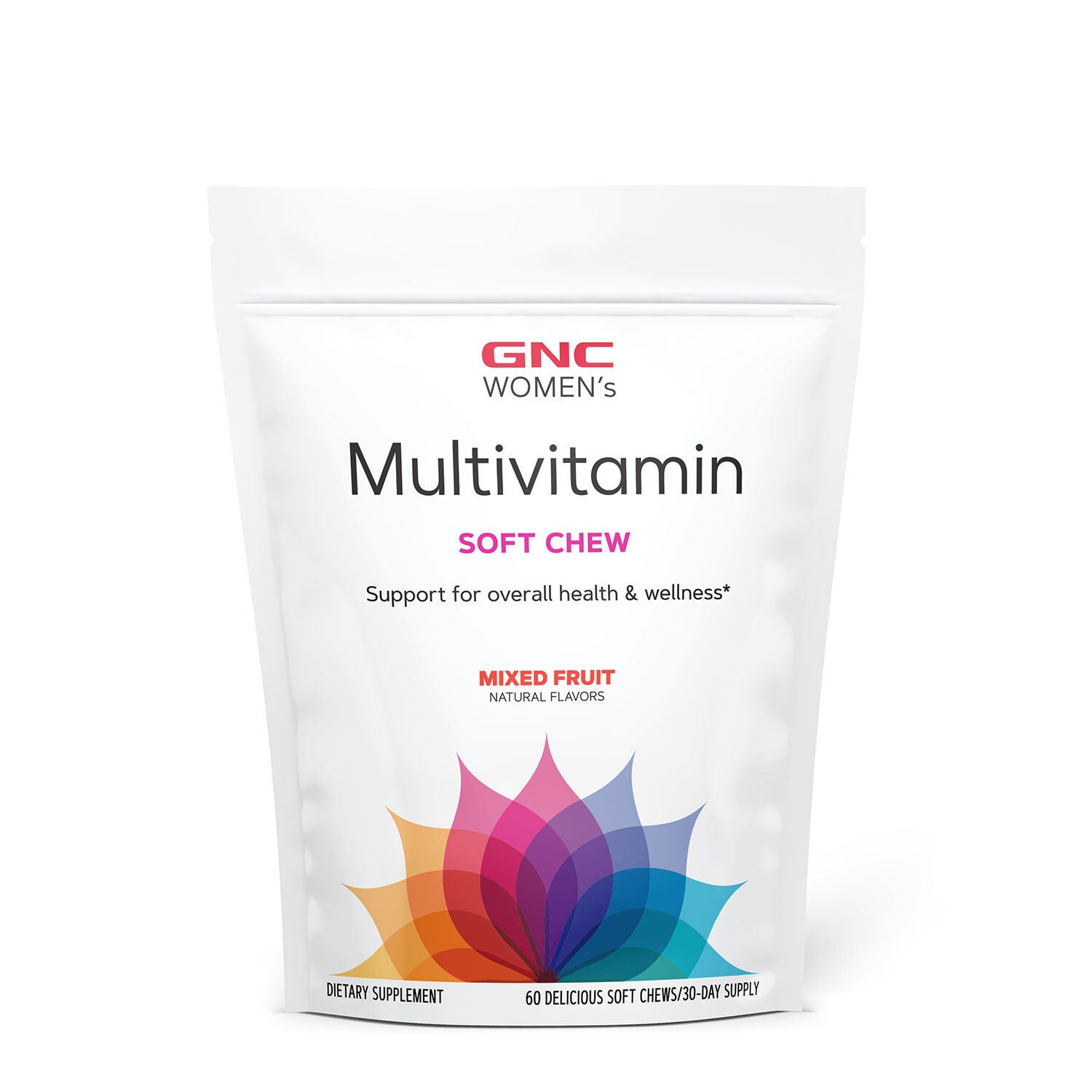


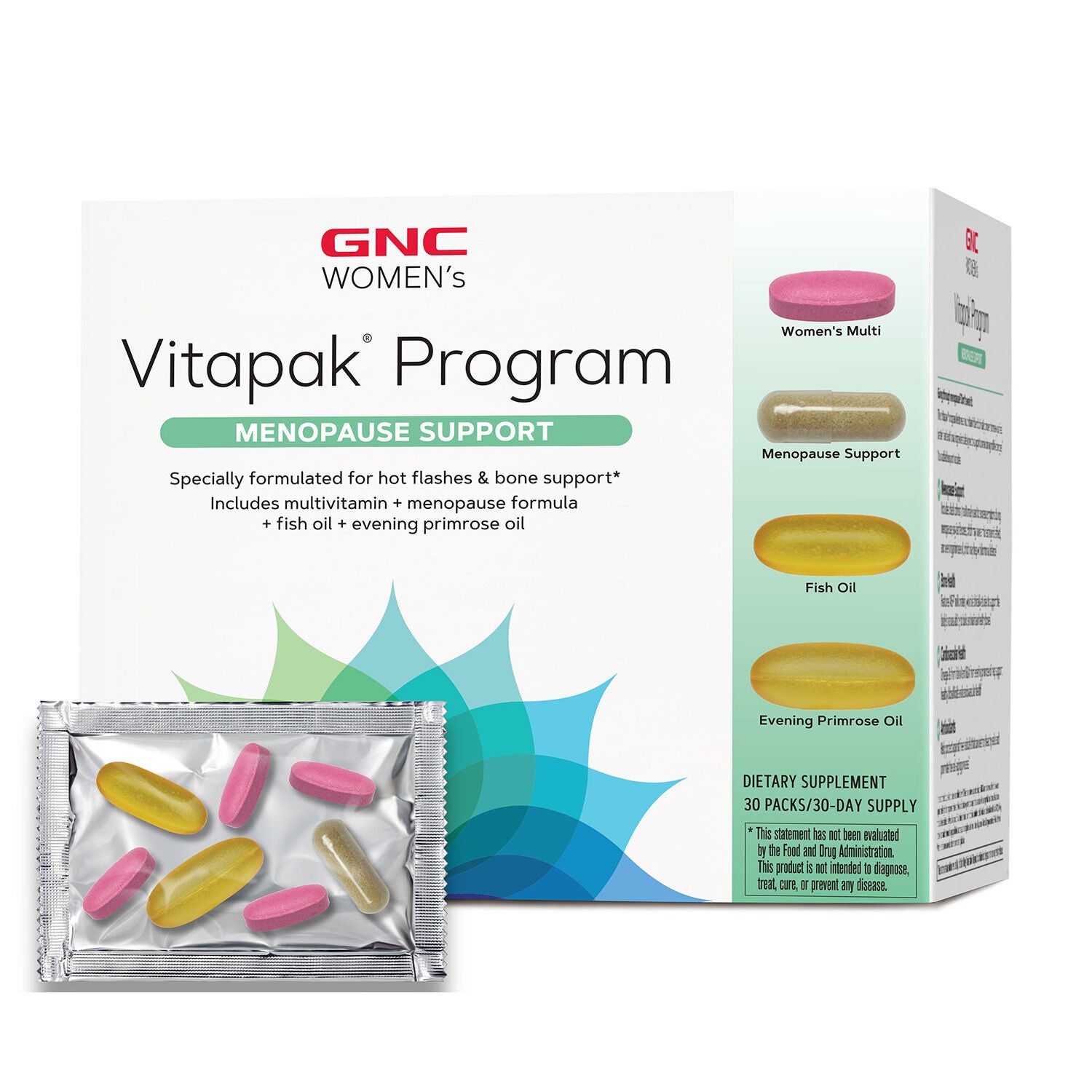
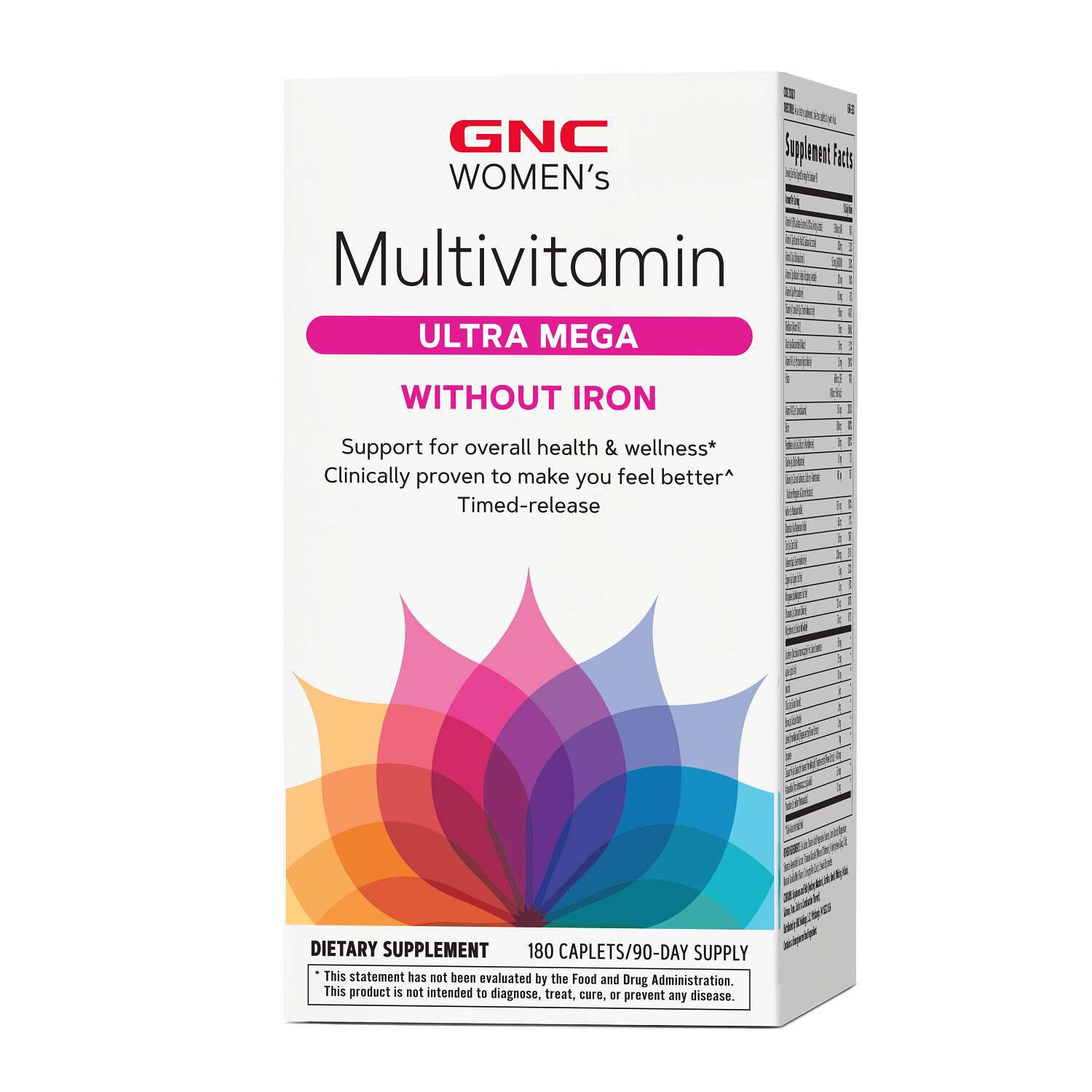
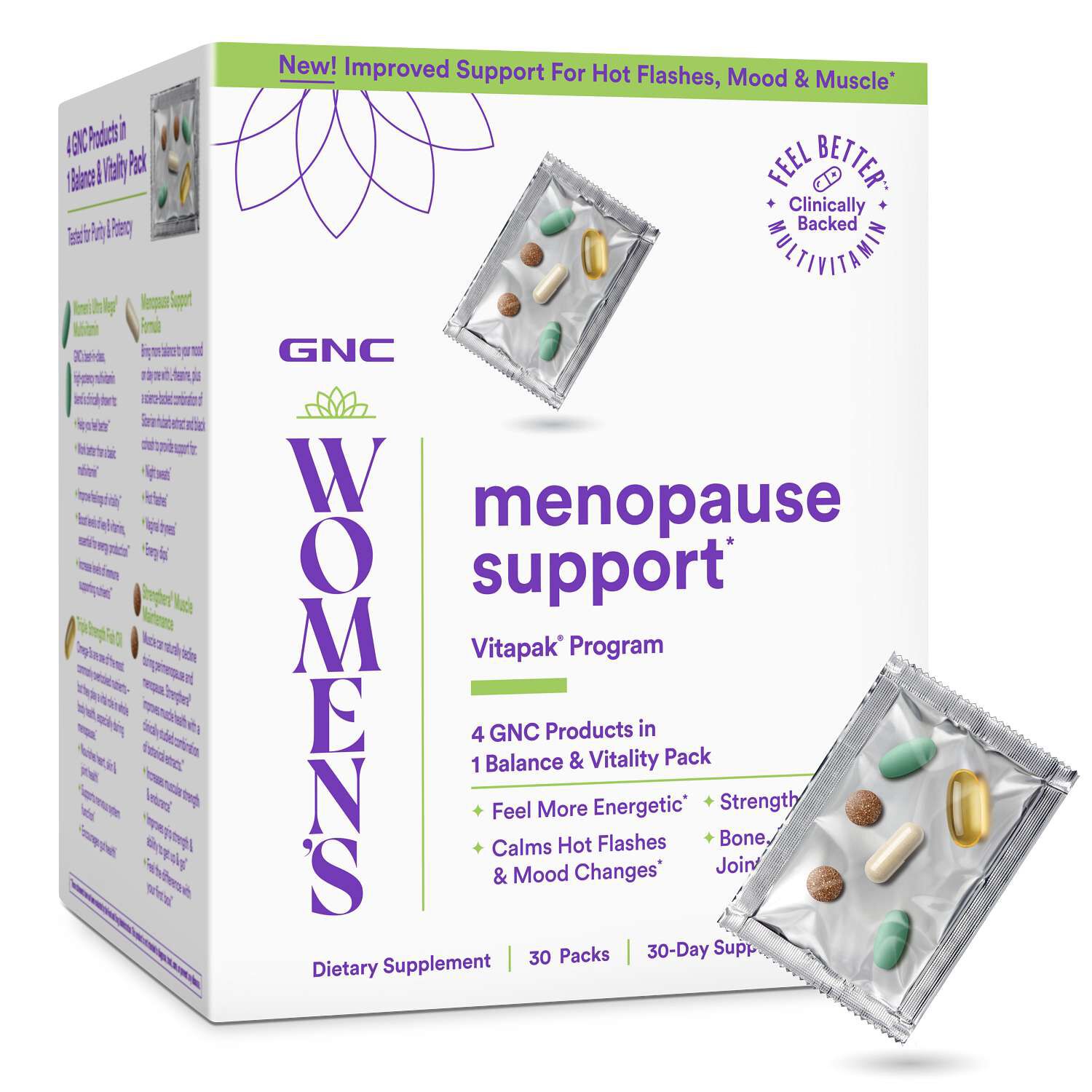

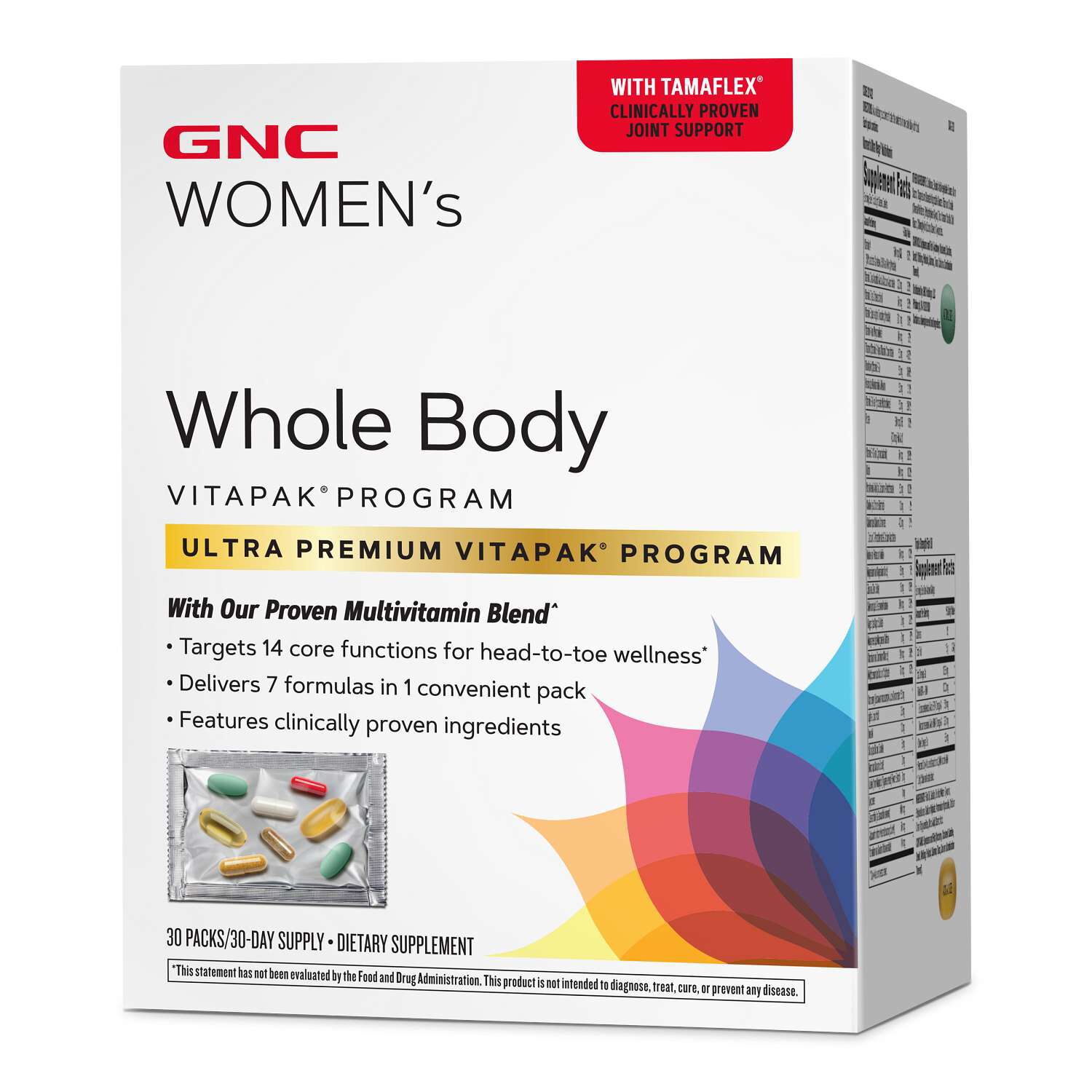



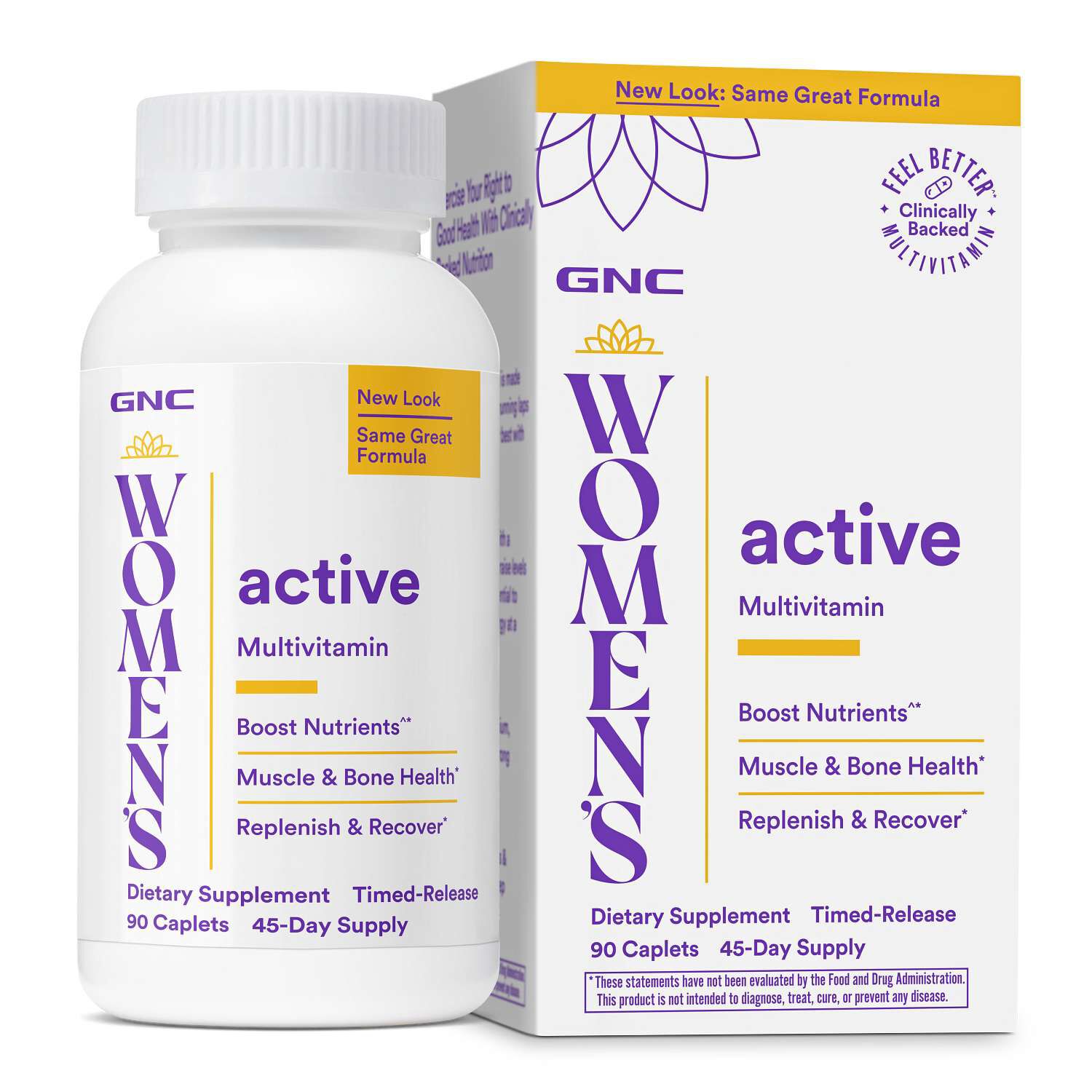
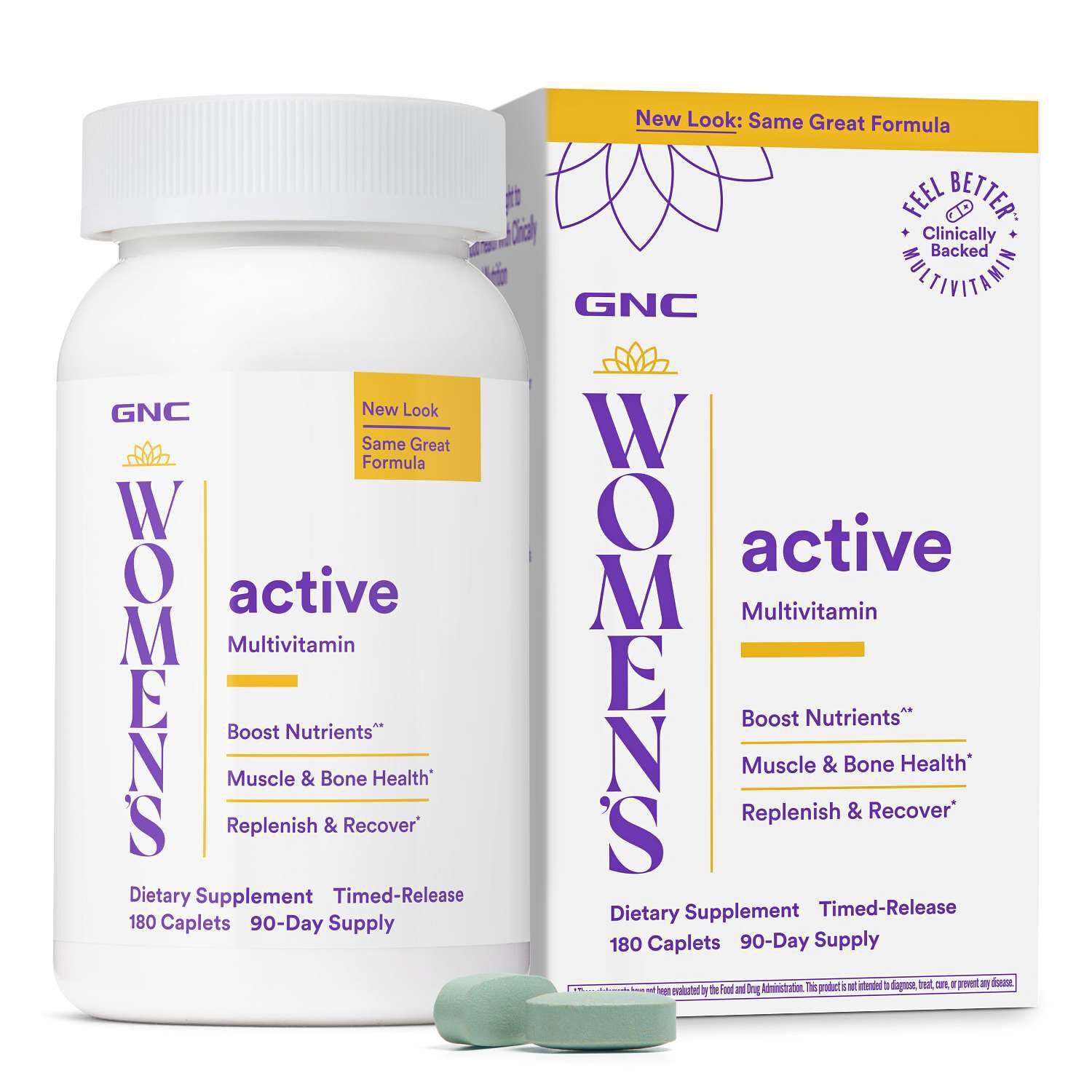
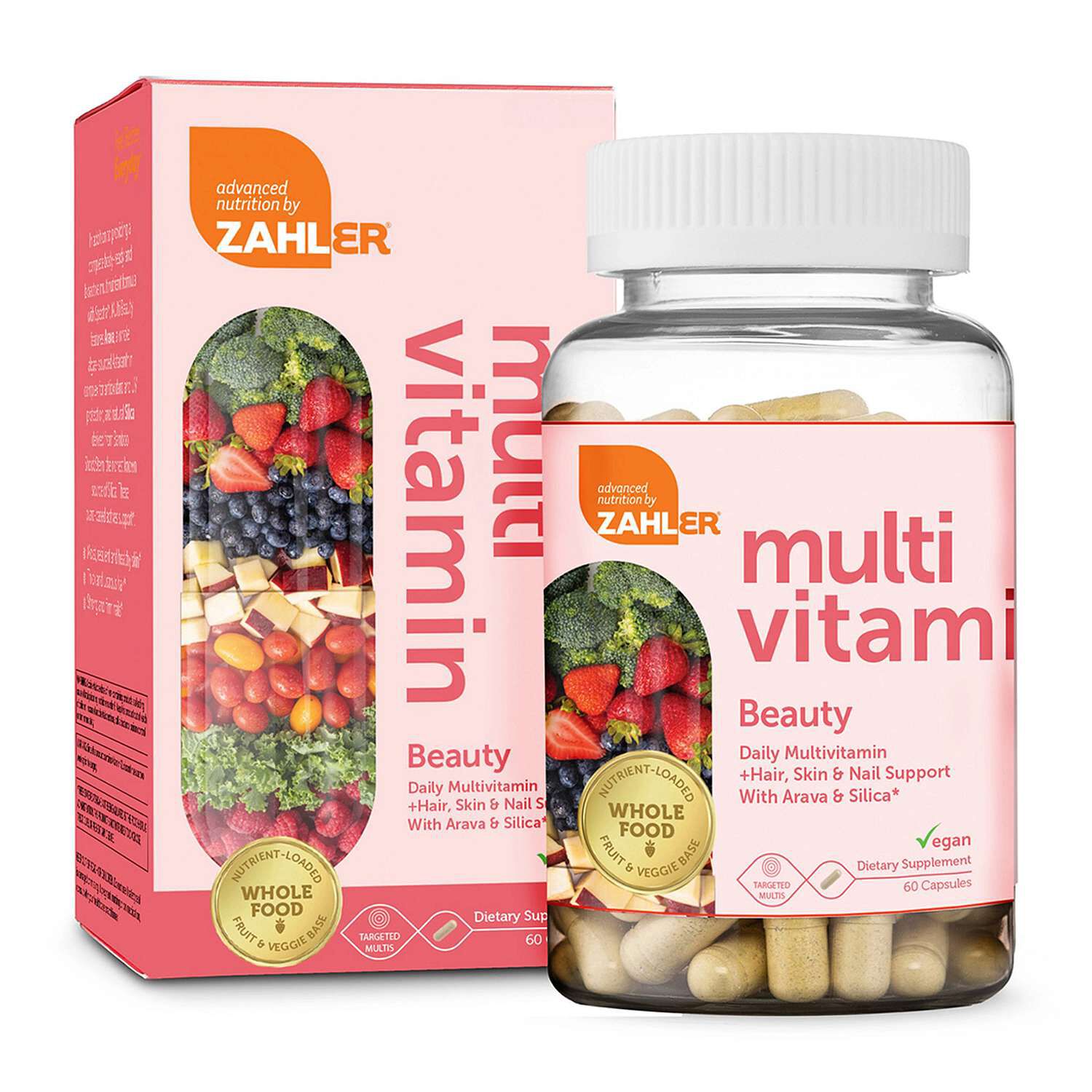
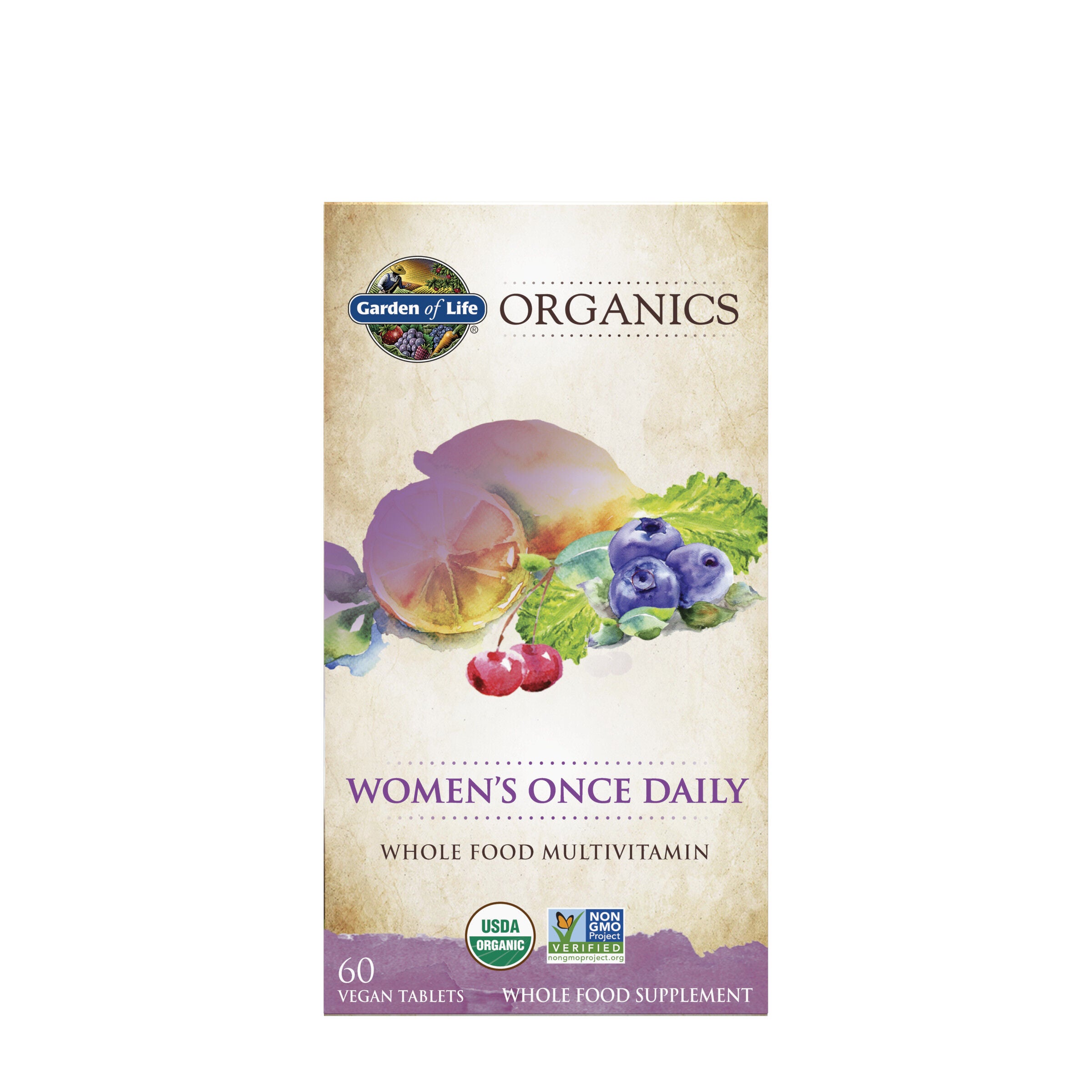
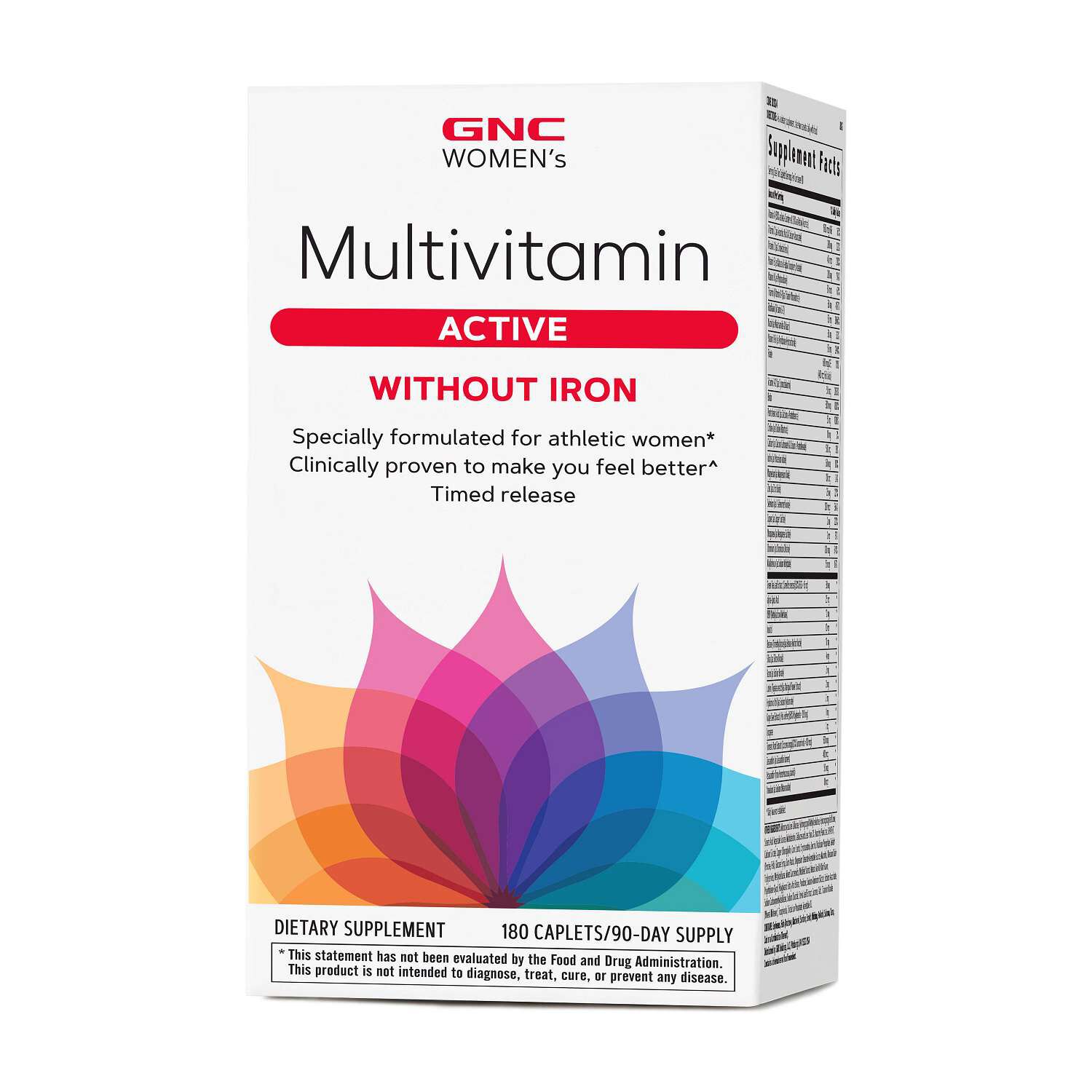
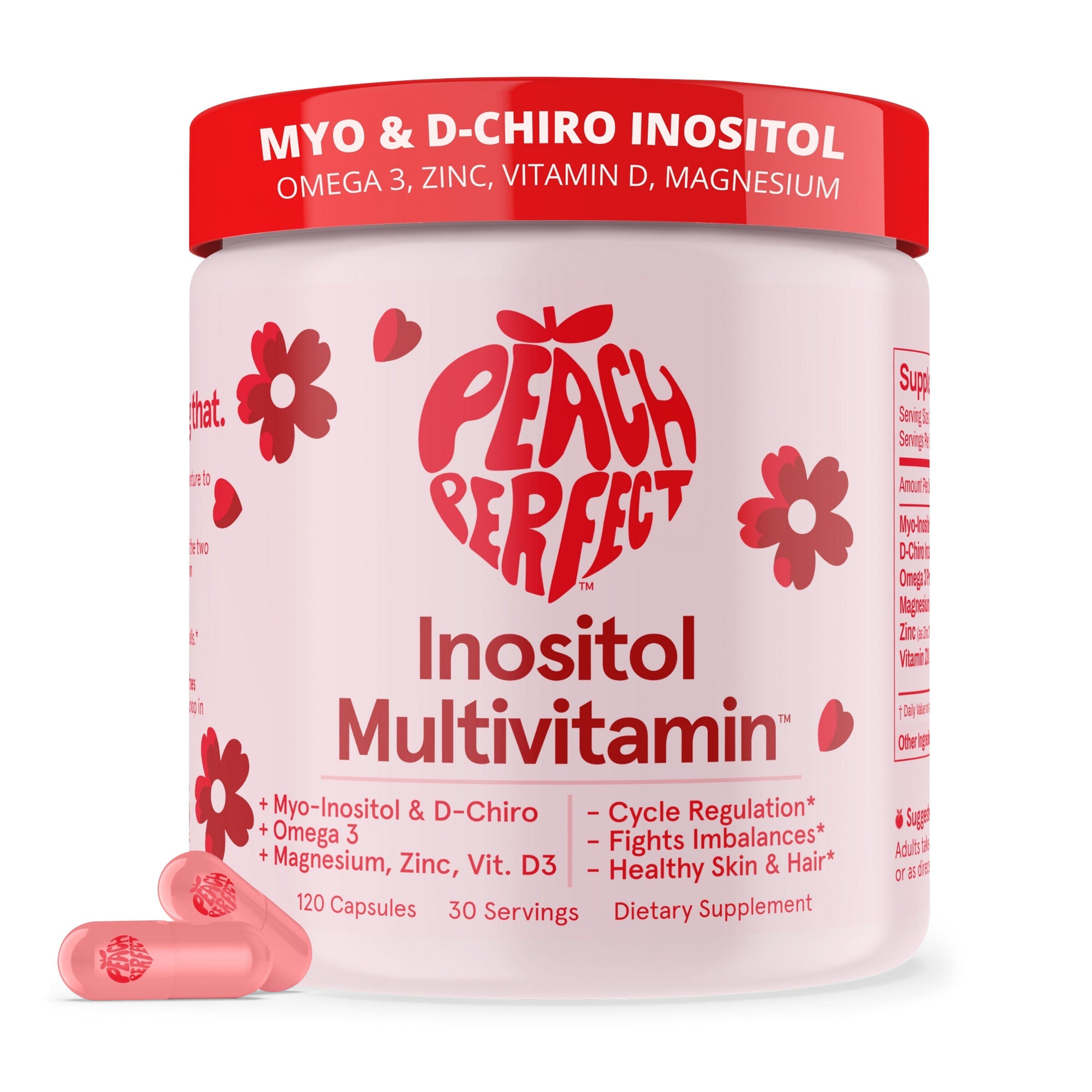
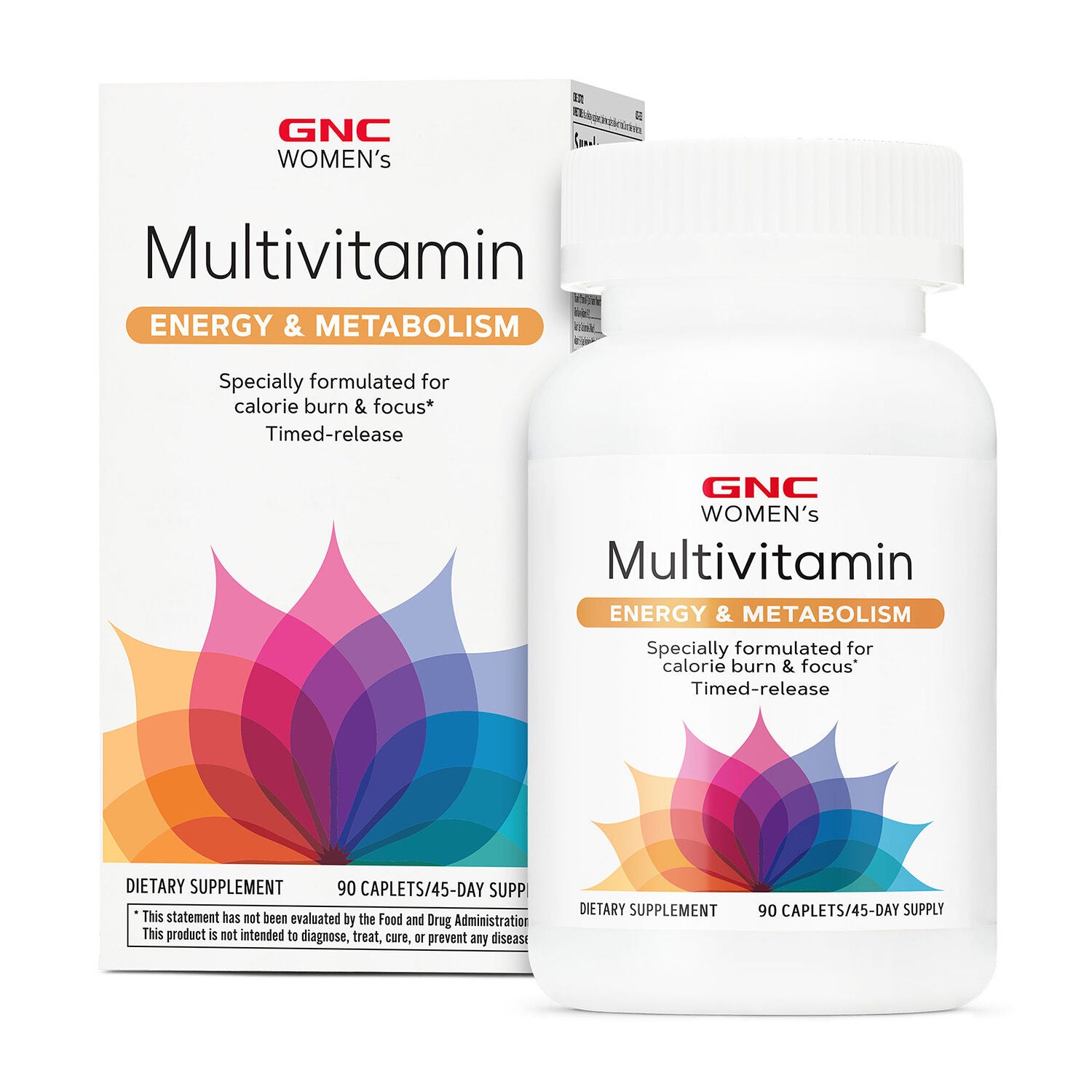
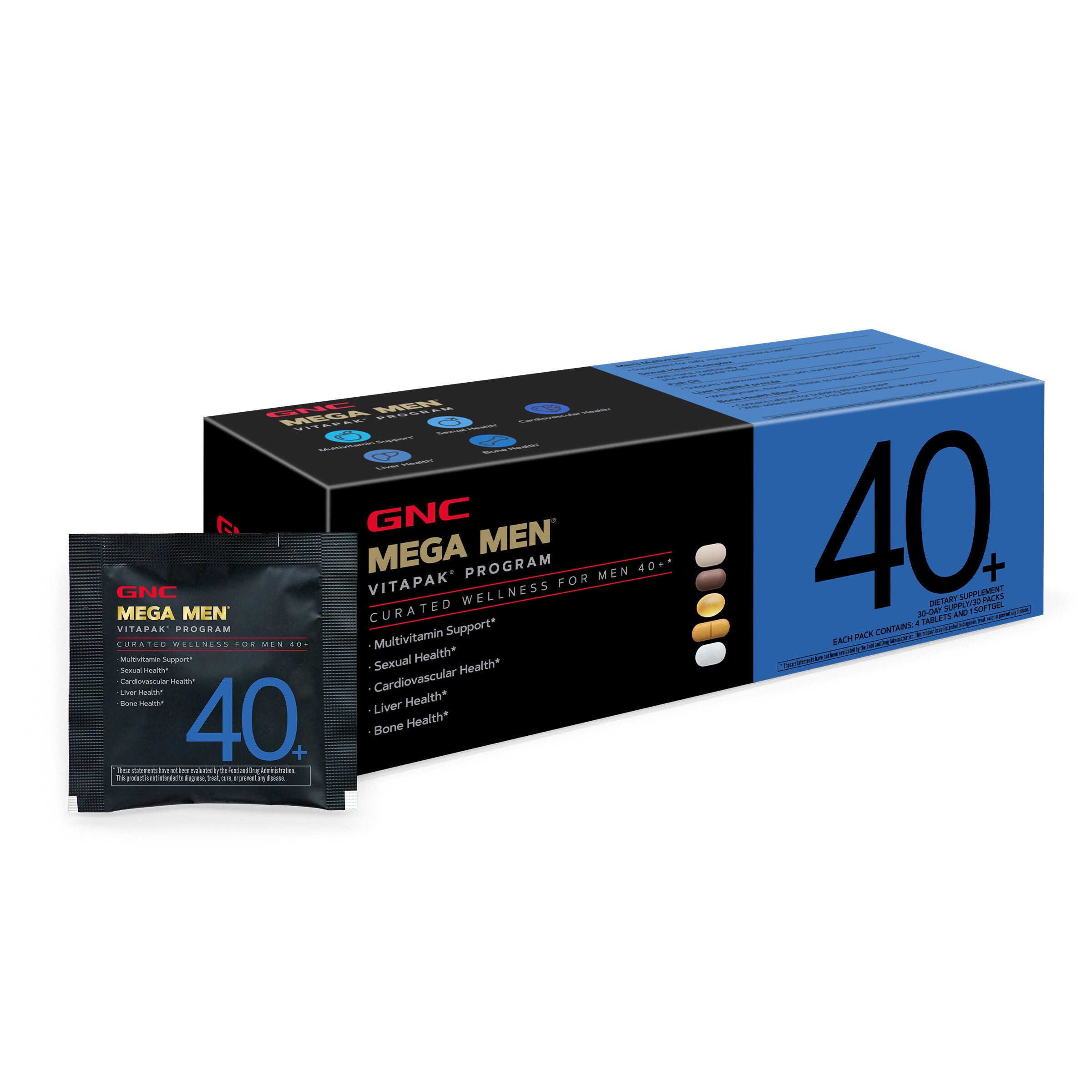
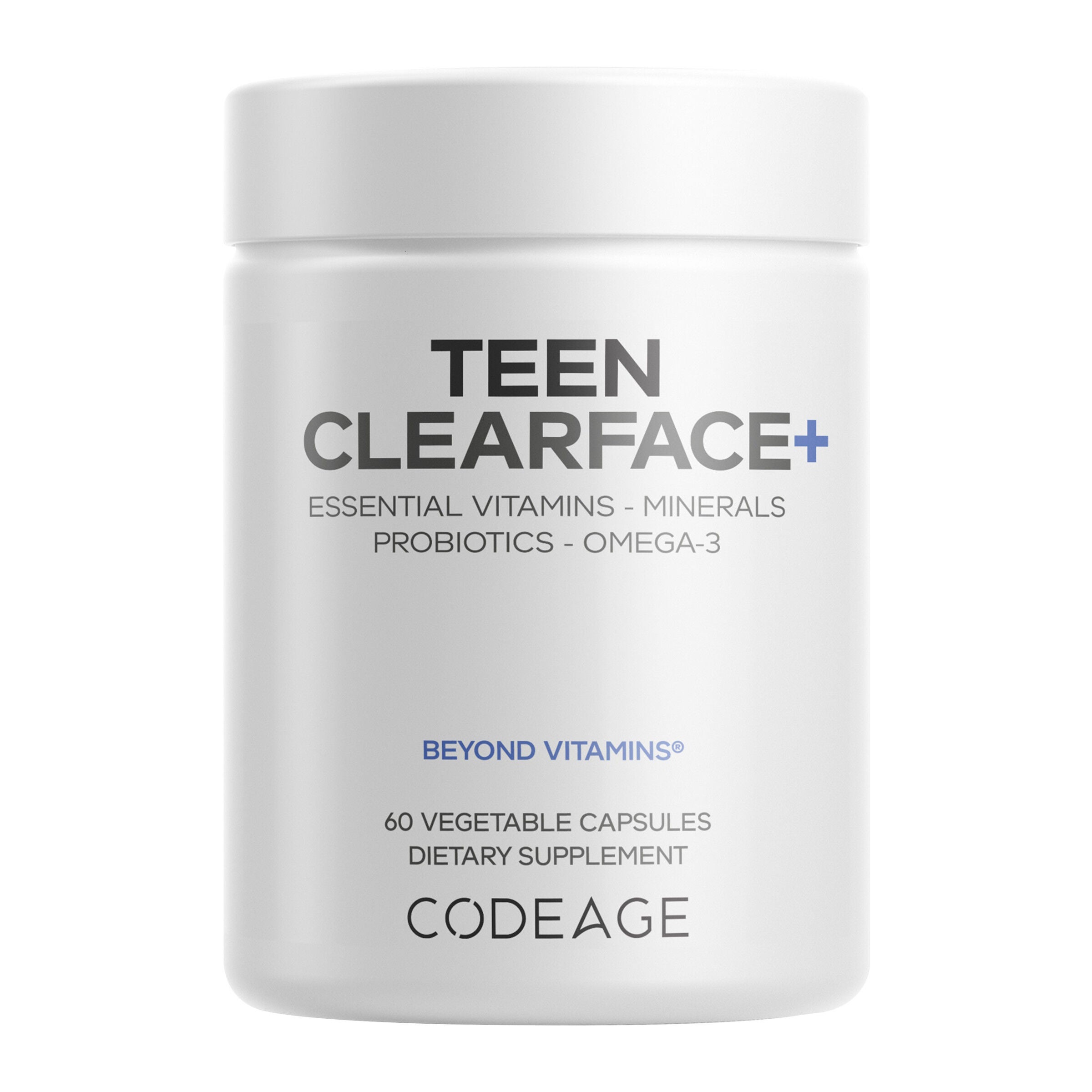
Women's multivitamins with fish oil bring two familiar supplement categories into one daily routine: a women's vitamin-and-mineral formula and fish-derived omega-3 fatty acids. Depending on the format, those ingredients may appear in the same softgel or gummy, in separate capsules within a daily packet, or as coordinated portions of a supplement program. The distinction matters when comparing how many pieces make up a serving and what each portion contains. A women's multivitamin commonly includes nutrients such as vitamins A, C, D, E, and B12, along with minerals such as zinc; biotin and other B vitamins also appear in many formulas. Iron is included in some options and omitted from others, so the word “women's” alone does not describe the entire nutrient profile. Fish oil supplies fatty acids, including EPA, or eicosapentaenoic acid, and DHA, or docosahexaenoic acid. These names are useful label details rather than interchangeable descriptions of the amount of oil. The milligrams of fish oil listed for a serving are not necessarily the same as the combined milligrams of EPA and DHA. Fish oil can contain additional fatty acids alongside those two components, and the proportions differ. Reading the Supplement Facts panel alongside the serving size gives a clearer picture than comparing the front-label fish oil amount alone. The Daily Value percentages for vitamins and minerals are another separate measurement, not a description of the fish oil portion. For women who already keep both a multivitamin and a fish oil bottle on the counter, a combined format may make the routine feel more organized. For someone choosing a first combination formula, a useful comparison starts with what is actually included: the named nutrients, their amounts per serving, the EPA and DHA listing, and whether the vitamin and oil portions share one format or arrive separately. These details distinguish a single-formula combination from a packet containing several individual supplements without assuming that every format has the same composition.
The physical format deserves as much attention as the nutrient list, especially for something intended for regular use. Softgels have a smooth outer shell and contain a liquid or oil-based filling, while tablets are compressed solids and gummies offer a chewable texture. A combined formula is not necessarily a single-piece serving; two or more gummies or softgels may make up the portion described on the label. Daily packets can contain pieces of different sizes, so the packet count and the number of individual capsules are separate considerations. Someone who dislikes large capsules may prefer to look closely at product images and format descriptions rather than judge size from the bottle alone. A woman who prefers a chewable option may place more importance on texture, flavor, and the listed amount of added sugar. Gummy ingredients can include sweeteners, colors, flavorings, and gelling agents, while softgel shells can include gelatin, glycerin, and other ingredients. Those details appear outside the main vitamin-and-mineral list and deserve a separate read. Fish sources can also differ, with anchovy, sardine, and other species identified on some labels. The source of the oil and the source of the capsule shell are distinct details; a fish oil formula does not automatically describe every ingredient used in its outer shell. Fish-derived ingredients are not suitable for a vegan or vegetarian preference, and the allergen statement provides important information about the formula's contents. Flavor descriptions and coatings may influence the taste experience, but they do not establish the amount of EPA or DHA. Likewise, a larger capsule does not by itself establish a larger serving of any particular nutrient. For a useful side-by-side comparison, consider the serving count, the number of pieces per serving, the ingredients in each piece, and the format that best matches personal preferences. The most appealing combination is not necessarily the one with the longest ingredient list, but one whose composition and presentation are easy to understand.
Everyday use also depends on how a women's multivitamin with fish oil fits alongside meals, other supplements, and household routines. A combined supplement may offer a convenient option for someone who prefers fewer separate bottles, while individually packaged daily portions may appeal to someone who likes a clearly organized presentation. Neither arrangement changes the importance of reading the suggested-use information, including whether the label describes taking the serving with food. A multivitamin and fish oil combination is intended to complement a varied diet, not replace meals or reproduce all the nutrients found in foods. It also should not be assumed to match a prenatal formula or every age-specific women's formula simply because the packaging uses similar language. When comparing categories, Multivitamins With Omega 3 offers a broader context for vitamin-and-omega combinations; the ingredient panel remains the place to identify whether the omega-3 source is fish oil and how the serving is structured. For someone who already uses separate vitamin D, iron, or another multivitamin, the overlapping nutrients are another label detail worth reviewing rather than assuming that a combination replaces each existing supplement in equal amounts. Storage and packaging matter, too. Follow the container's storage directions, keep the closure secure, and retain the original label so serving information and ingredient details remain accessible. A dry cabinet away from direct sunlight may be appropriate when it matches the stated storage conditions; a bathroom shelf exposed to frequent moisture may not. For travel, original packaging or clearly labeled daily packets may make the routine easier to identify than a collection of loose, similar-looking capsules. Check the date and packaging condition before use, and keep supplements out of children's reach. Thoughtful comparisons come down to concrete details: a readable nutrient panel, a clearly identified oil source, a manageable serving format, and packaging suited to the intended routine.