





Prenatal Vitamins With Omega 3 Fatty Acids
(0 Results)
Prenatal vitamins with omega-3 fatty acids could be an important addition to your daily wellness routine during pregnancy. These supplements are designed to support the unique nutritional needs of expectant mothers, offering a convenient way to incorporate essential nutrients into your diet. With a range of options available, finding prenatal vitamins with omega-3 fatty acids may help you take proactive steps toward supporting overall health and well-being throughout every stage of your pregnancy journey.
-

-

-
-

-

-
-

-
-

-

-

-
-
-
 Portions Master$24.99

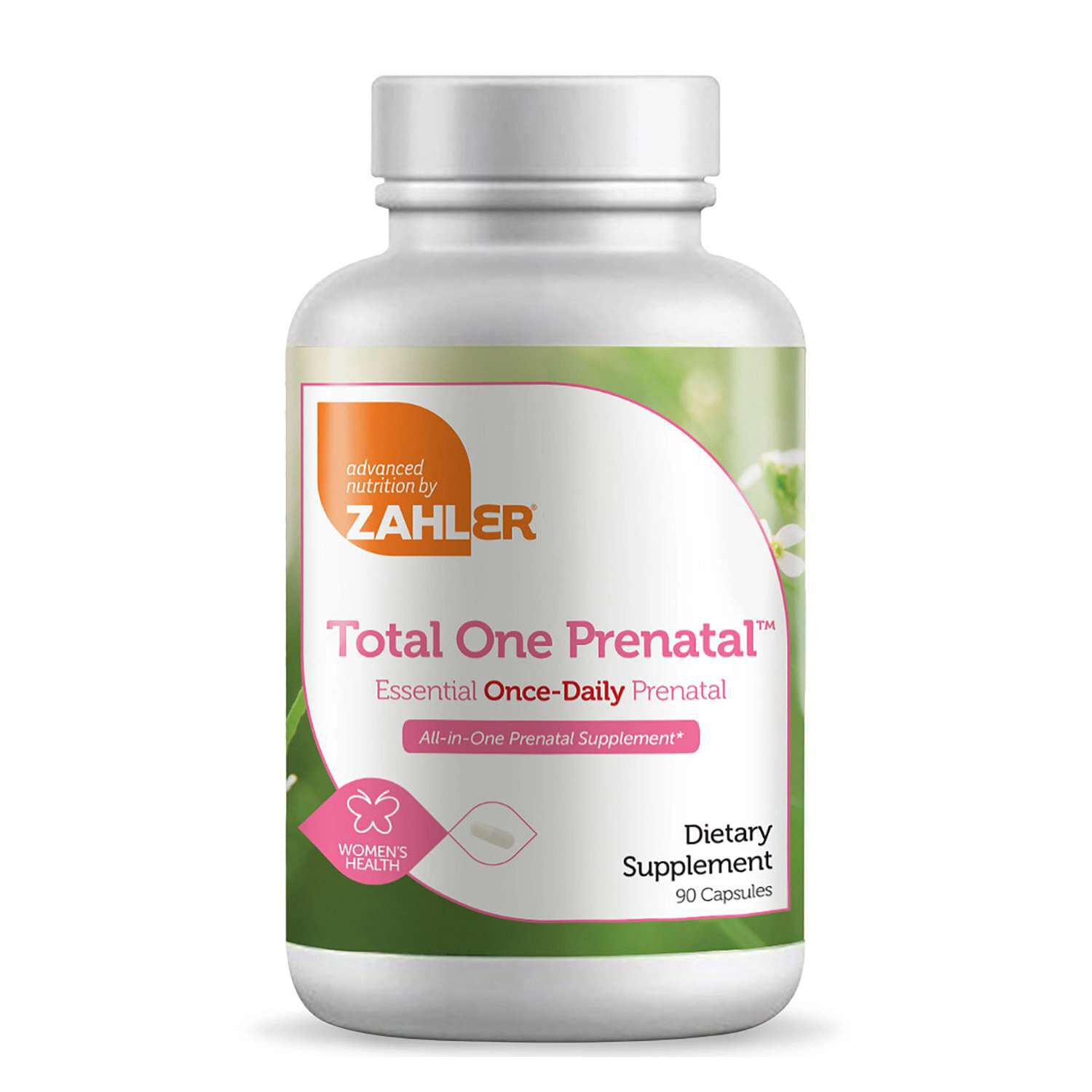
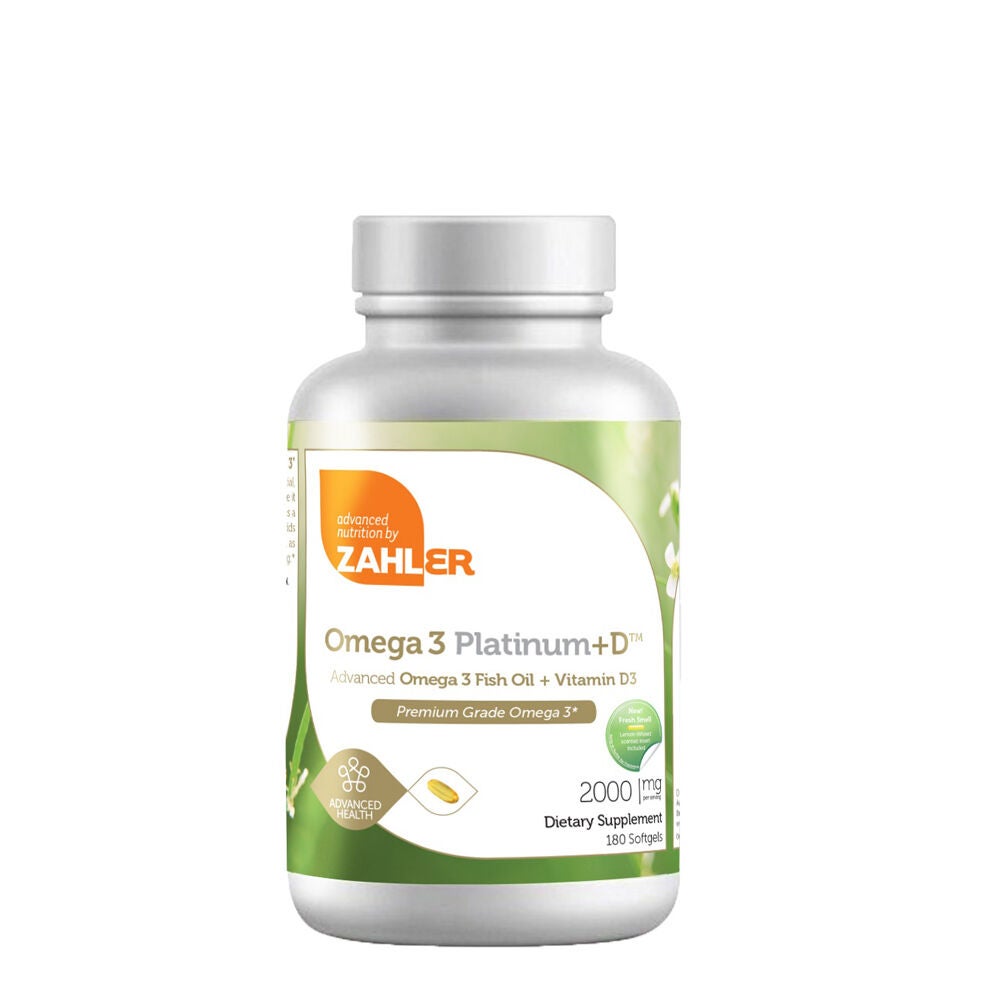
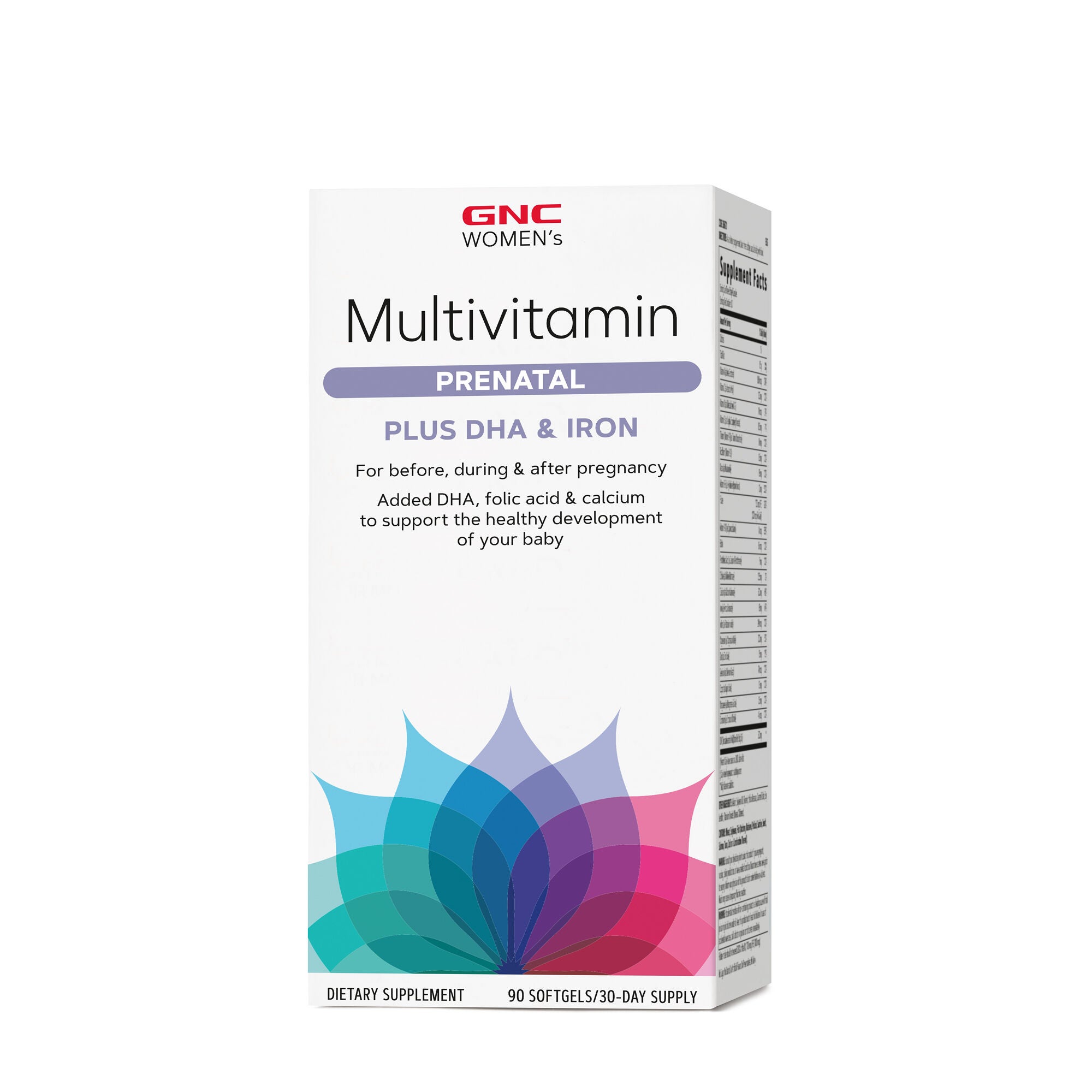
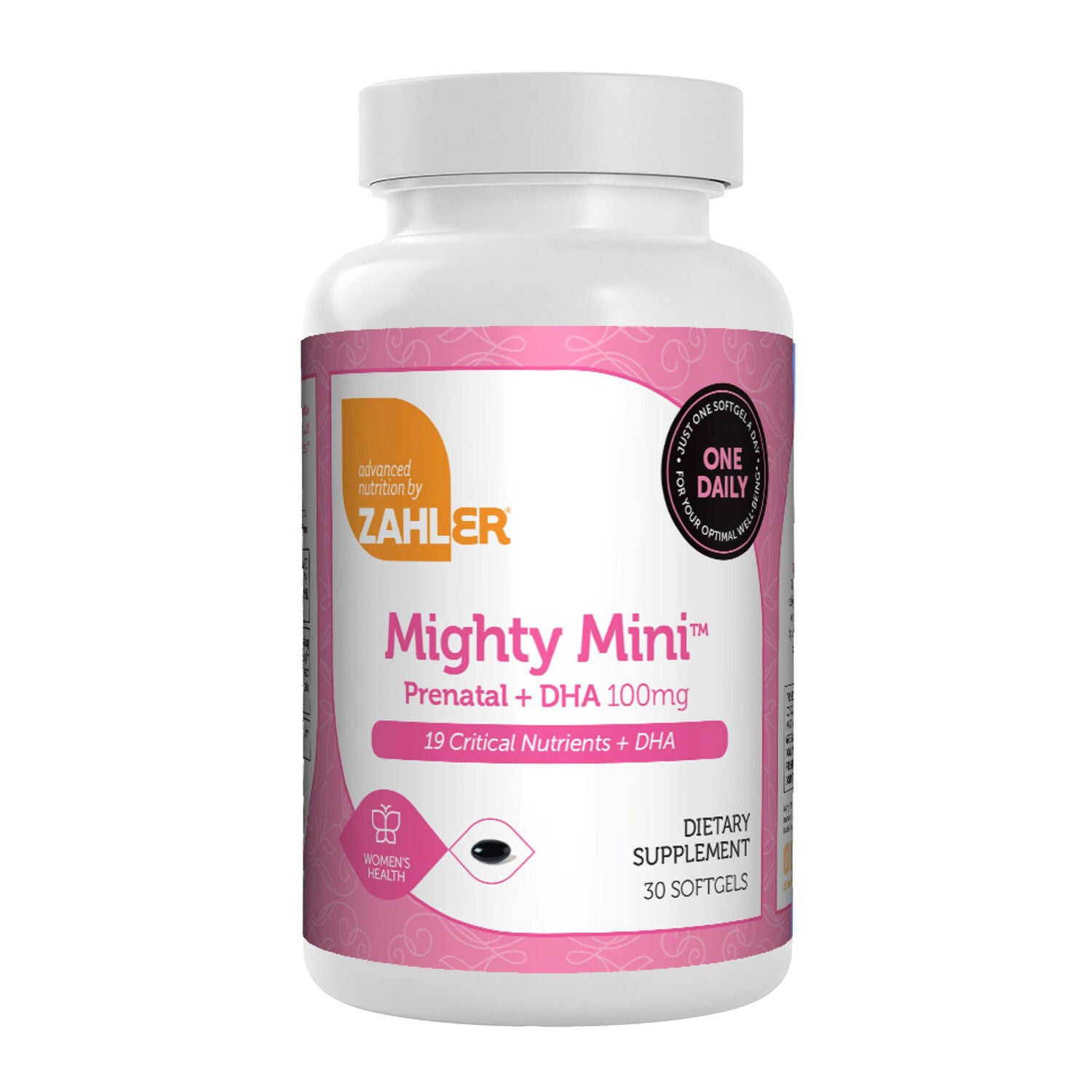
Prenatal vitamins with omega-3 fatty acids combine vitamins and minerals with omega-3 fats in products intended for people planning a pregnancy or shopping for pregnancy-related nutrition. Some formulas are also labeled for postpartum use, so the intended stage is worth distinguishing when comparing options. The defining feature of this category is the inclusion of omega-3 ingredients alongside a prenatal nutrient blend, whether in one serving format or in separate capsules packaged together. DHA, short for docosahexaenoic acid, and EPA, short for eicosapentaenoic acid, are two omega-3 fatty acids that may appear on the Supplement Facts panel. They are fats rather than vitamins, and their amounts are listed separately from nutrients such as folate, vitamin D, and iron. Not every formula contains both DHA and EPA, and products that feature the same ingredients can differ considerably in their proportions. Fish oil and algal oil are common sources to look for in ingredient descriptions; the source identifies where the omega-3 portion comes from, while the nutrient panel describes what a serving contains. A prenatal multivitamin does not automatically include omega-3s, and an omega-3 supplement does not automatically contain a prenatal vitamin and mineral blend. That distinction matters when browsing a collection that brings these features together. A bottle’s front label offers a starting point, but the details usually sit in the serving size, nutrient amounts, and ingredient list. For example, a prominently displayed quantity of fish oil is not necessarily the quantity of DHA in a serving. The oil can contain several fatty acids, with DHA and EPA representing particular portions. Reading those entries individually makes comparisons more precise without assuming that a larger number on the front of a package means the same nutrient composition. This category is best understood through those concrete differences: the prenatal ingredients included, the omega-3 source, the amounts declared per serving, and the physical format of the product.
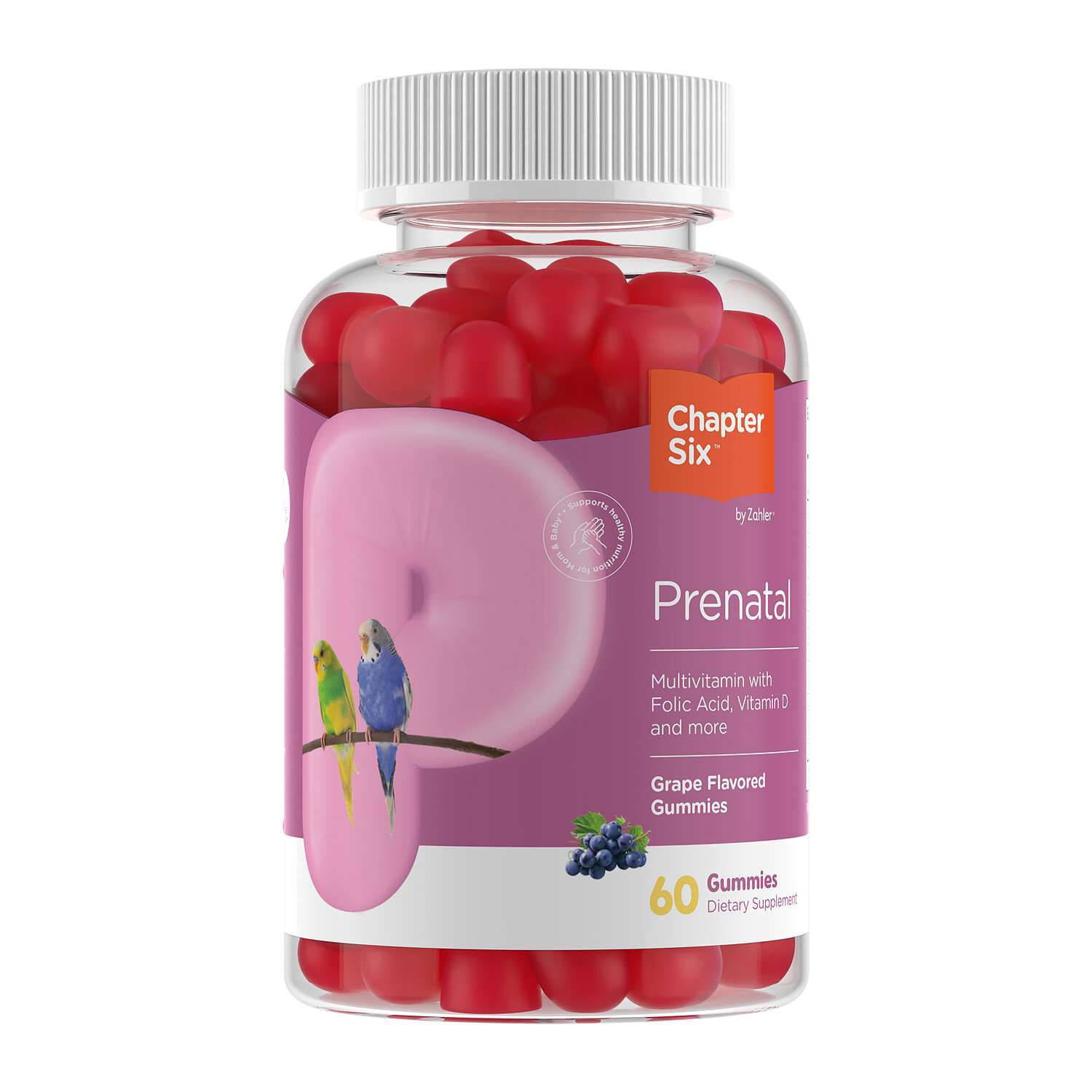
Format is another meaningful distinction among prenatal vitamins with omega-3 fatty acids. Softgels, capsules, gummies, and combination packs offer different textures and serving arrangements, and each deserves a closer look beyond its general name. A softgel typically encloses an oil-based filling in a smooth shell, while a combination pack may pair a prenatal tablet or capsule with a separate omega-3 softgel. Gummies have a chewable texture and often include flavoring, sweeteners, and ingredients that give them their shape. Their nutrient profiles can differ from those of tablets or capsules; iron, for instance, is not included in every gummy prenatal formula. Nor does a gummy format necessarily mean that the omega-3 ingredient is plant-derived. Someone who prefers a chewable product may also care about its coating, flavor, serving count, and source ingredients, while someone comparing capsules may be more interested in dimensions or whether the serving involves several pieces. Those details can be especially relevant when a bottle needs to fit into an already busy household routine. A package containing thirty softgels is not necessarily thirty servings, so the number of pieces per serving deserves attention alongside the bottle count. Shell materials also vary. Gelatin can be used in softgels or gummies, and pectin appears in some gummy formulations. An algal oil ingredient alone does not establish that the finished product is vegan, because the shell and other ingredients also matter. Similarly, a flavor description does not establish the absence of fish-derived ingredients. The ingredient list, allergen information, and any clearly stated dietary certifications provide a more useful picture than assumptions based on color, shape, or flavor. For shoppers who prefer fewer separate containers, a combined formula could make organization simpler; for those who like a clearly divided arrangement, a paired format could make the components easier to identify. Neither arrangement describes the nutrient content by itself. The contents of the labeled serving remain the most reliable basis for comparing otherwise similar formats.
Beyond the omega-3 portion, prenatal formulas vary in their selection of vitamins and minerals. Folate may be listed as folic acid or another named form, while iron, iodine, choline, and vitamin D may appear in different amounts or may not all be included. A long ingredient list does not establish that two formulas are interchangeable, and matching front-label descriptions can conceal differences in the nutrient panel. Shoppers comparing vitamin D alongside omega-3 ingredients can also explore Prenatal Vitamins With Vitamin D for another view of prenatal formulas organized around a particular nutrient. Across these categories, units deserve careful attention: milligrams and micrograms are different measurements, and the amount printed beside one ingredient should not be compared directly with a differently measured ingredient. Percent Daily Value is another label entry, distinct from the quantity of an ingredient by weight. Together, these details describe the formula more clearly than broad front-label language. Packaging and storage information round out the comparison. A screw-top bottle, individual blister compartments, and a paired-product carton each have different footprints, opening methods, and ways of keeping the contents organized. Someone with limited cabinet space may prefer a compact container, while someone who travels often may appreciate individually enclosed servings with their identifying information intact. Original packaging preserves access to the ingredient panel, directions, lot information, and expiration date. Manufacturer storage instructions also matter for oil-filled capsules and chewable products, whose handling requirements can differ. A tightly closed container and storage away from moisture are common label directions, but the instructions on the particular package take precedence over assumptions about the format. These are generally personal purchases rather than casual gifts, since ingredient preferences and the intended stage of use are specific to the person receiving them. When a prenatal supplement is requested as a gift, the recipient’s exact selection is more useful than choosing by package appearance. Thoughtful comparison centers on the labeled composition, source materials, serving format, and packaging—not on an expectation that every prenatal vitamin with omega-3 fatty acids offers the same combination.