





Multivitamins With Vitamin B6
(0 Results)
Explore the world of multivitamins with vitamin B6, where wellness meets convenience in a single supplement. These versatile vitamins may support various bodily functions, potentially enhancing energy metabolism and promoting overall health. Whether you're looking to fill nutritional gaps or simply aiming for a balanced lifestyle, multivitamins with vitamin B6 could be an excellent addition to your daily routine. Dive into the options available and discover how these supplements might complement your health journey.
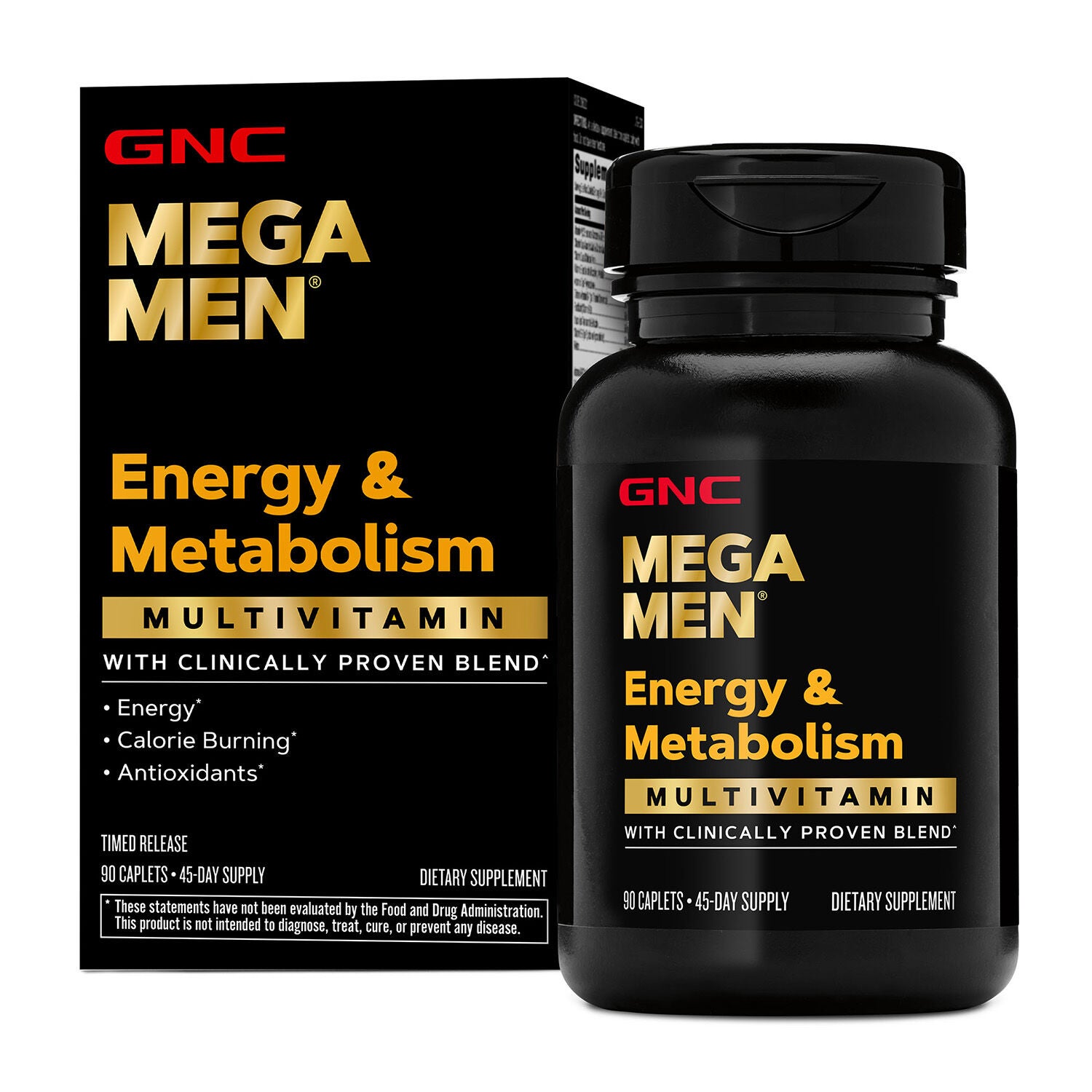
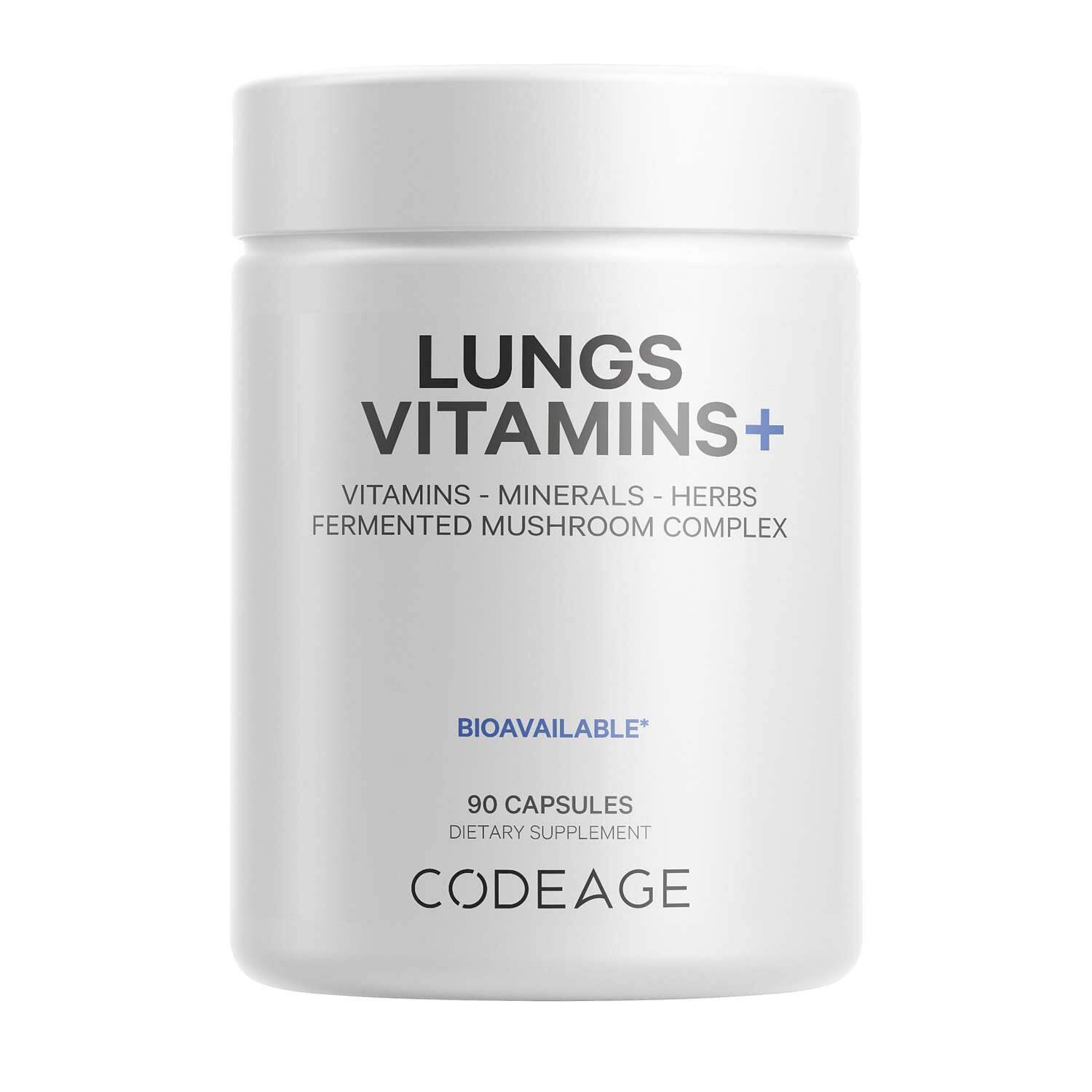
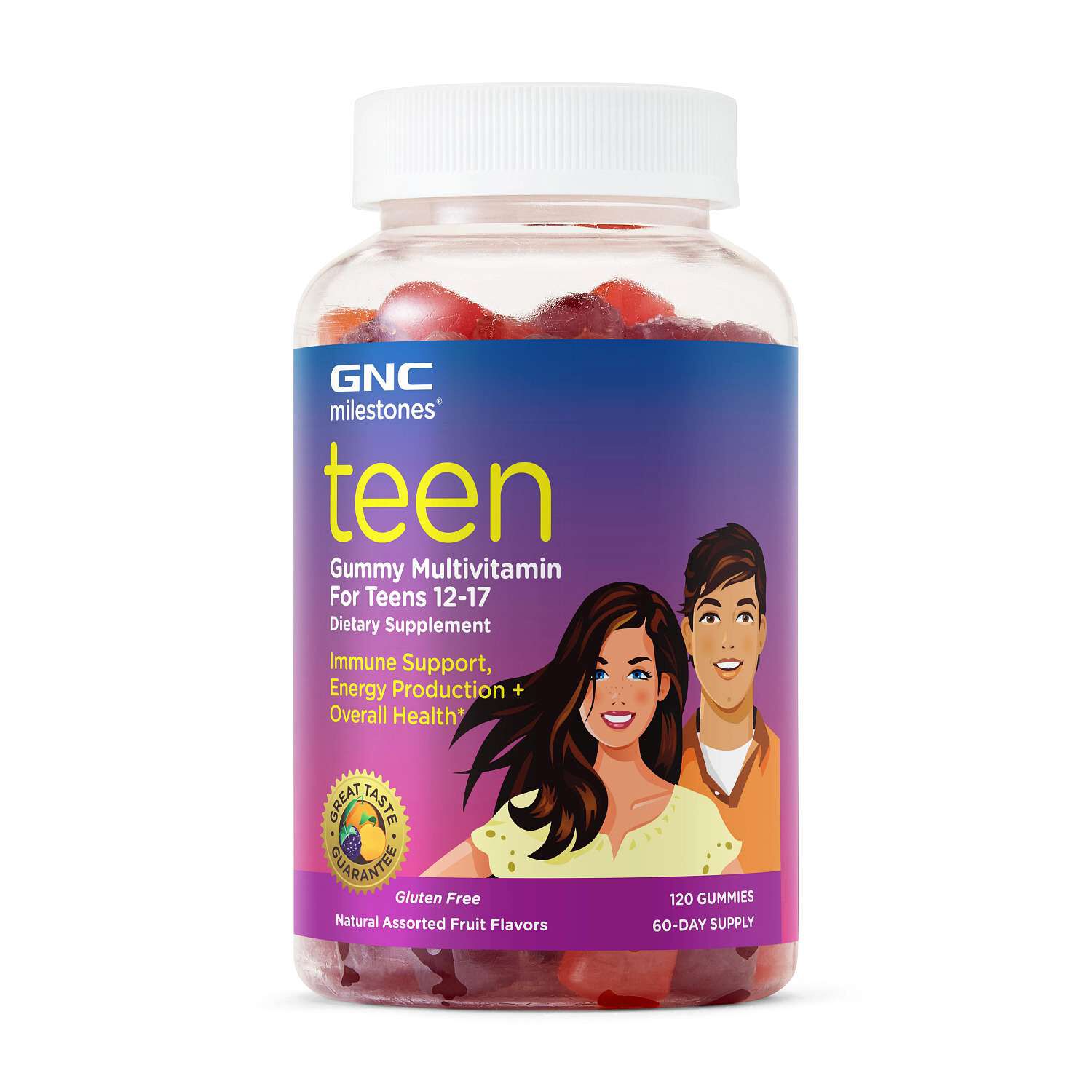



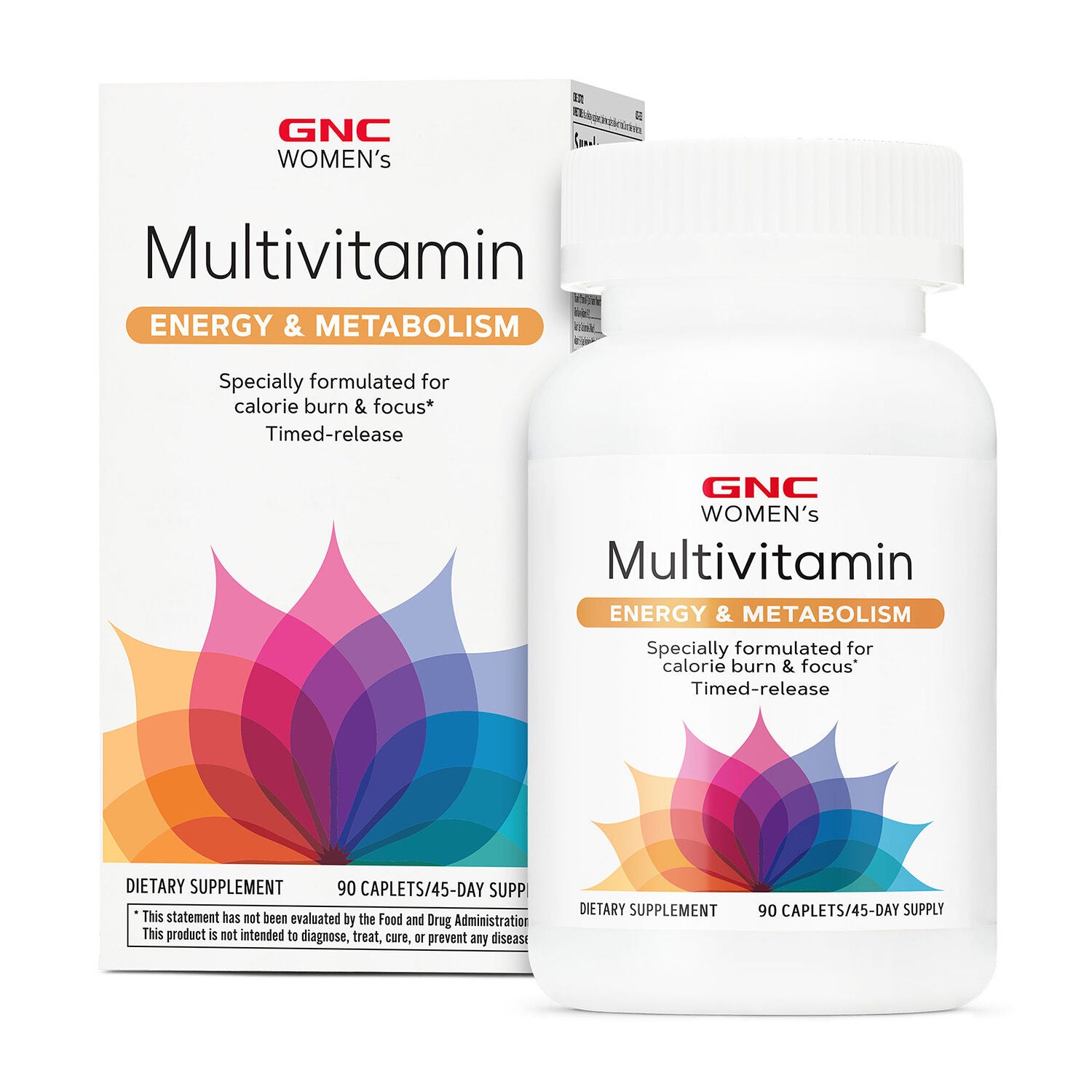

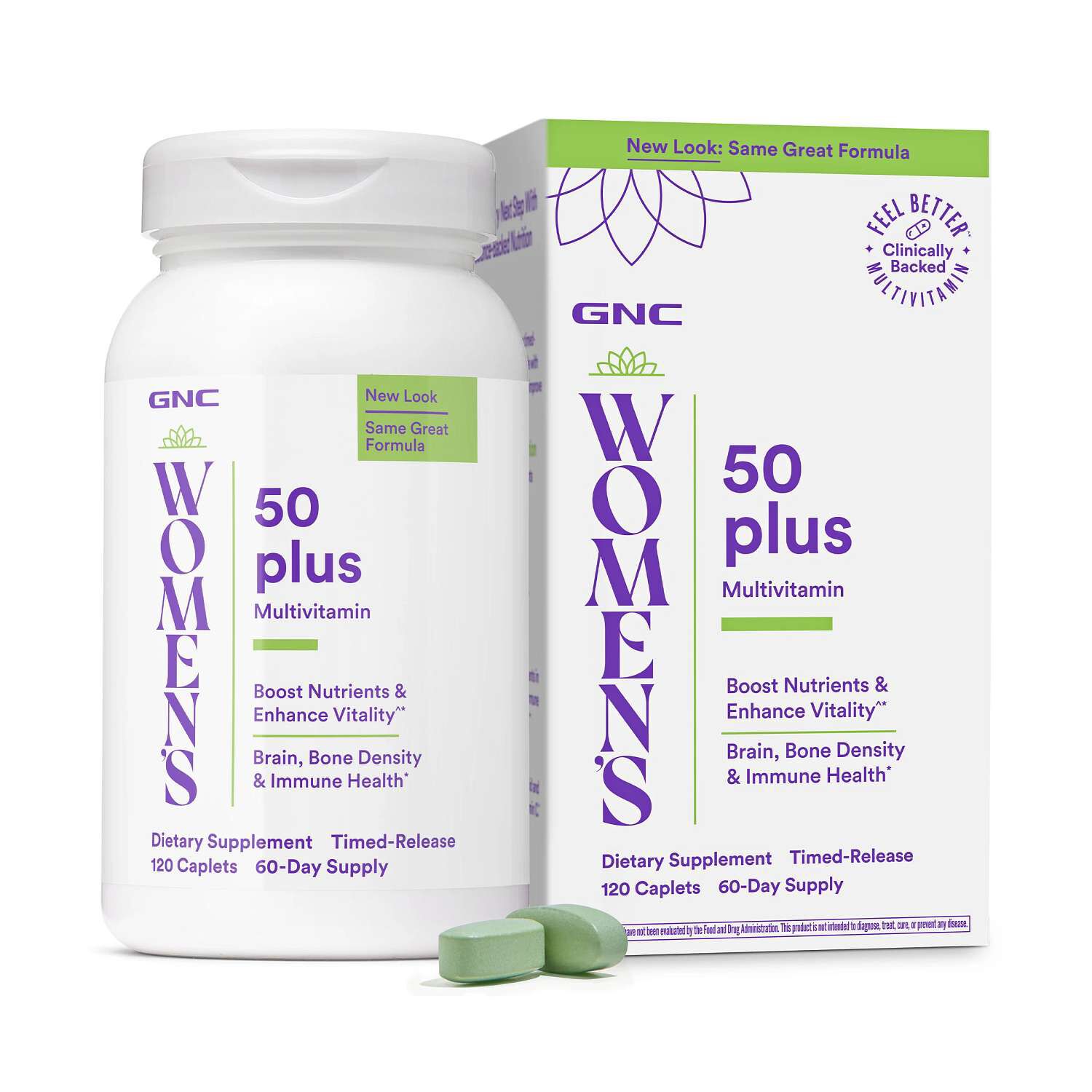
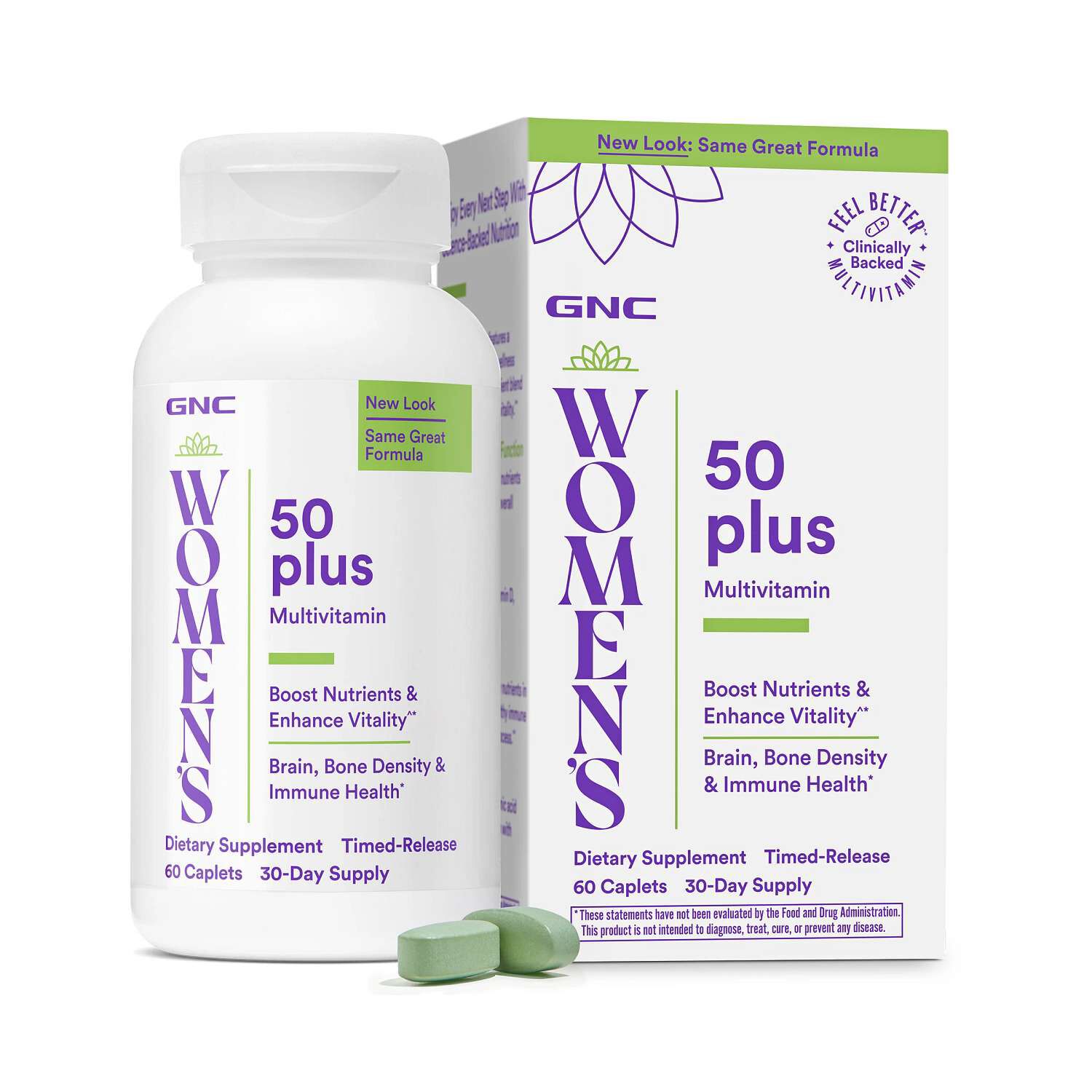


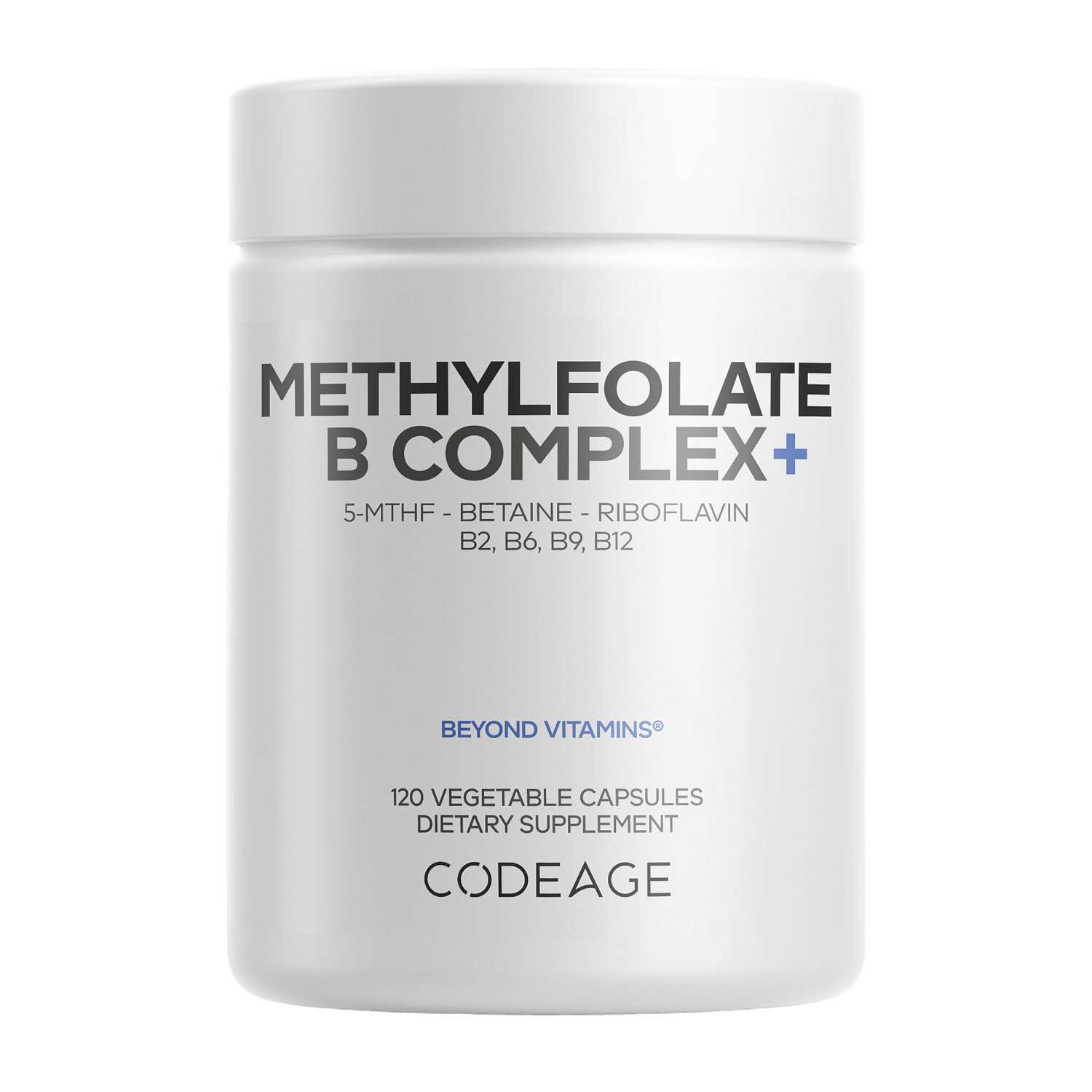
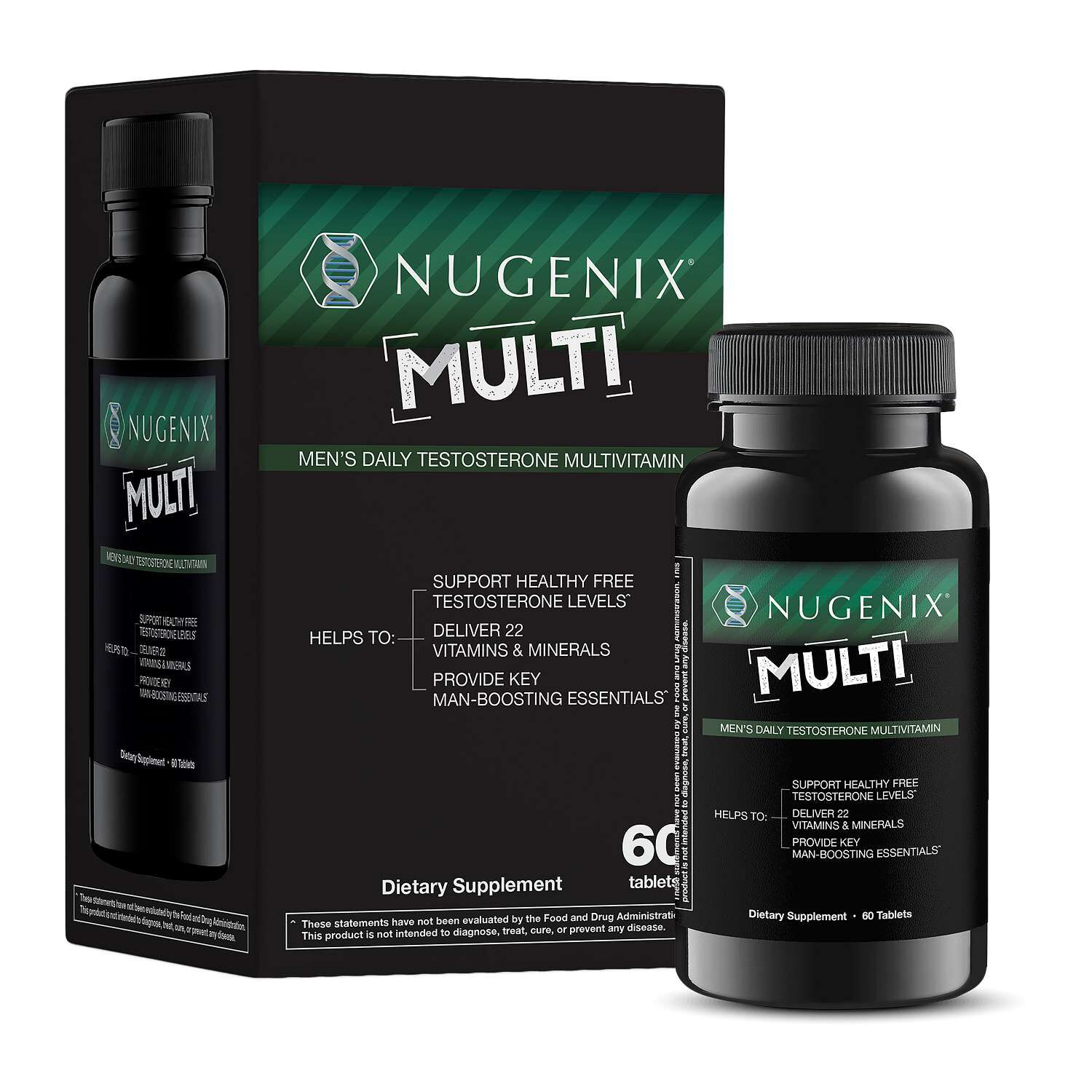


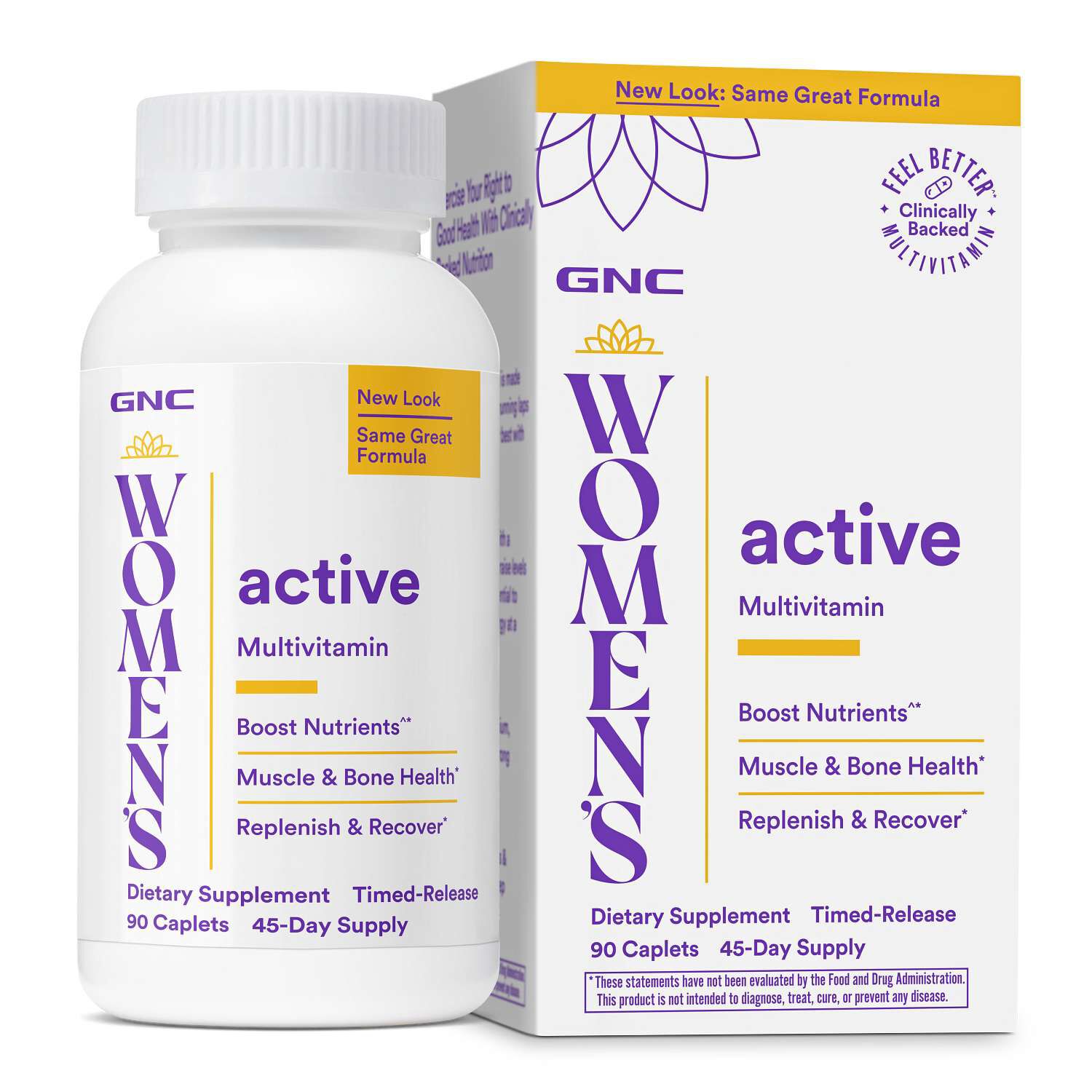
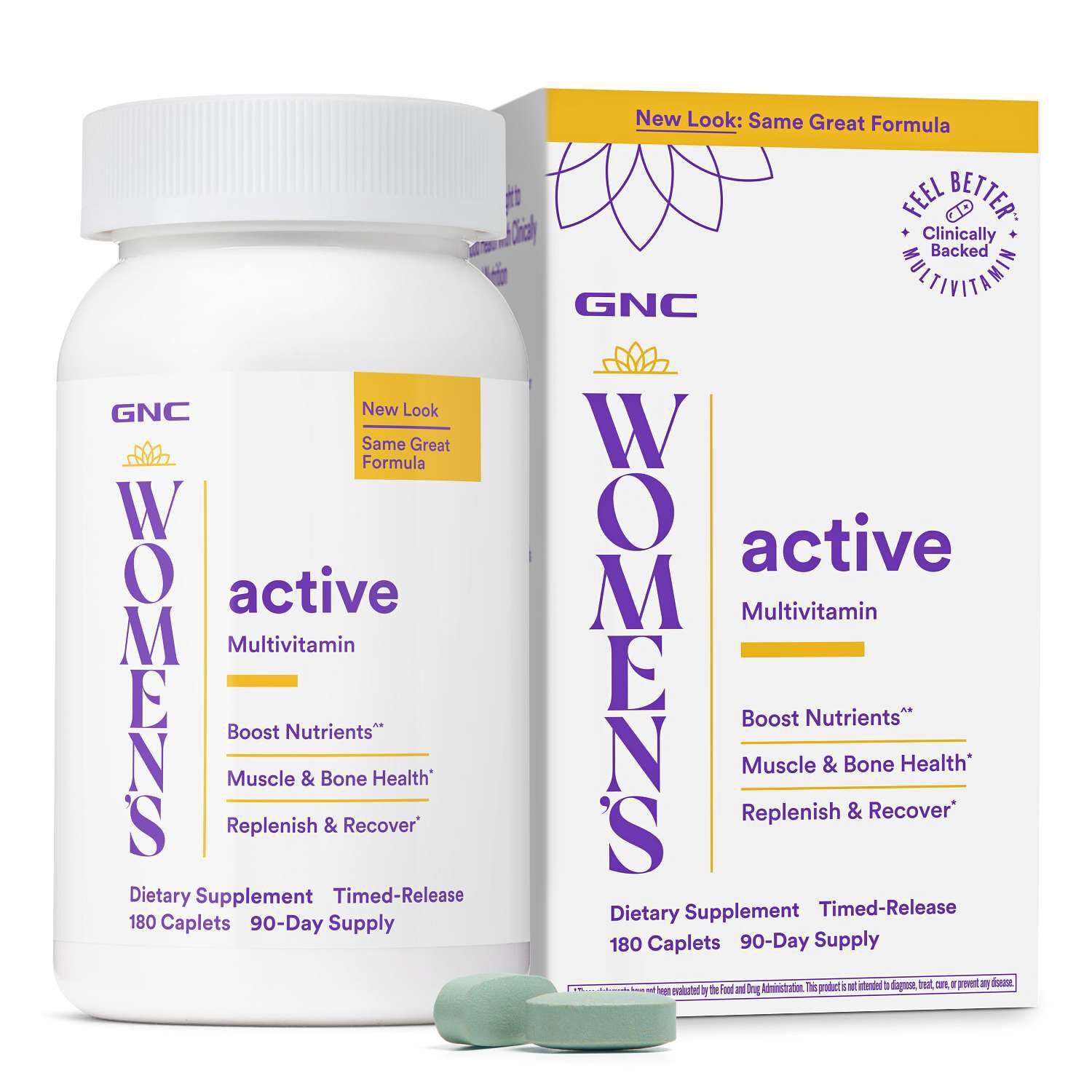
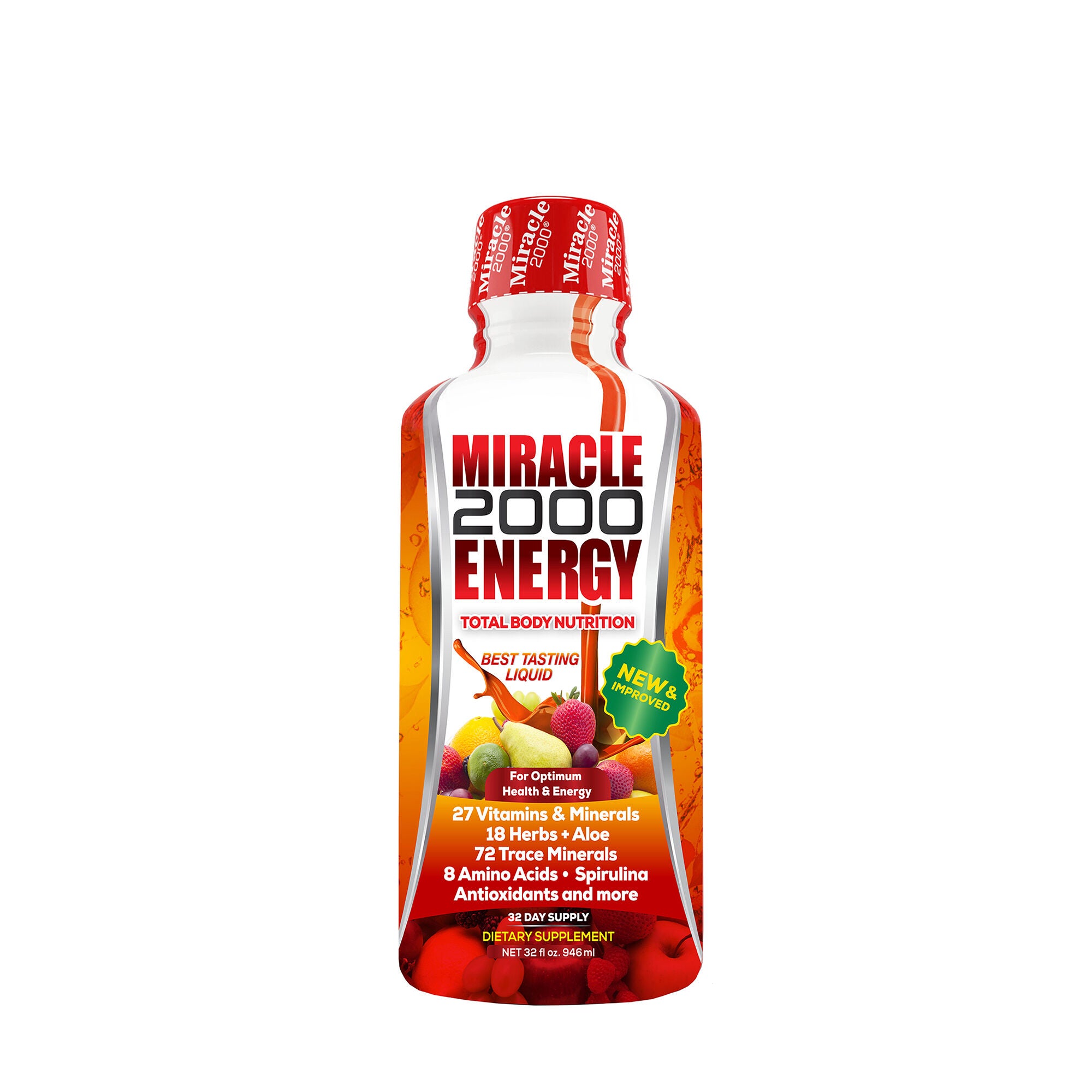
A multivitamin with vitamin B6 is a dietary supplement that combines B6 with other vitamins and, in many formulas, minerals. Vitamin B6 is a water-soluble vitamin found in foods such as chickpeas, poultry, fish, potatoes, and bananas. It may support normal energy metabolism and the body’s use of nutrients from food, including protein and carbohydrates. In a multivitamin, B6 appears as one ingredient within a broader nutritional formula rather than as the sole nutrient. Supplement Facts panels may list it as vitamin B6, with an ingredient form such as pyridoxine hydrochloride or pyridoxal-5-phosphate noted alongside it. These names identify the form used; the amount per serving is listed separately, usually in milligrams. That distinction matters when comparing multivitamins with vitamin B6, because two bottles with similar front labels can have different serving sizes, nutrient amounts, and ingredient combinations. One formula might pair B6 with several other B vitamins, while another includes vitamins A, C, D, and E along with minerals such as zinc or iodine. The category also includes formulas labeled for different adult age groups or intended audiences, so the presence of B6 is only one part of the selection. A useful comparison includes the full nutrient list, the stated serving size, and the intended use described on the package. The Daily Value percentage provides another reference point on the label, but it is different from the amount expressed in milligrams. A percentage alone does not describe the rest of the formula or determine whether it matches someone’s preferences. For shoppers interested in a daily multivitamin rather than a separate B6 supplement, this category brings those combined formulas into focus. The most meaningful differences are often in the label details: which nutrients are included, how much is supplied in a serving, and whether the format fits comfortably into an established routine. A longer ingredient list or a larger number on the front of a bottle is not, by itself, a reason to choose one formula over another.
Format is another practical distinction among multivitamins containing vitamin B6. Tablets, capsules, softgels, chewables, and gummies offer different textures, sizes, and ingredient profiles. Tablets may have a smooth coating or a more compact shape, while capsules have shells made from materials such as gelatin or plant-derived ingredients. Softgels generally have a smooth outer shell, and their ingredients can differ from those in a dry tablet. Chewables and gummies introduce flavor and texture into the choice, with sweeteners, colors, and other ingredients listed outside the Supplement Facts panel. Those details can matter to someone who prefers a less sweet option, avoids certain animal-derived ingredients, or wants a format consistent with other products already in the cabinet. A serving is not always one tablet, capsule, or gummy, so the number of pieces listed on the package deserves as much attention as the amount of B6. Bottle count and serving count describe different things, and comparing them helps clarify how each package is organized. Physical dimensions also matter: a shopper accustomed to a small capsule may have different preferences from someone who favors a chewable with a fruit flavor. Packaging and storage instructions are part of the product’s everyday fit as well. Bottles, lids, seals, and individual packaging vary, and the manufacturer’s directions describe the storage conditions intended for that formula. A tightly closed original container keeps the product identification, ingredient list, and expiration information together. A countertop beside a steamy sink or a bag left in direct sunlight presents different conditions from a dry cupboard, making the package’s storage language relevant to where the bottle will live. For someone who travels regularly or moves between home and an office, container size and closure design can be practical considerations without changing the labeled directions. These are small details, but they shape the experience of owning a multivitamin: the space it occupies, the way it opens, the texture of the serving, and how clearly the information remains accessible throughout use.
Choosing among multivitamins with vitamin B6 also involves looking beyond a single nutrient to the wider context of food, other supplements, and personal preferences. Someone who already uses a separate B-complex product may want to compare its ingredient list with the multivitamin label, while someone beginning with a general adult formula may be more interested in a straightforward nutrient panel and a familiar format. Fortified foods and beverages can also list B6, so the vitamin is not limited to the supplement aisle. Reading these labels together provides a clearer picture of where the same nutrient appears, without assuming that a larger amount is the better choice. Vitamin B6 and vitamin B12 are distinct nutrients, even though both often appear in the same multivitamin. Their names can look similar at a glance, but they have separate entries on the Supplement Facts panel, and B12 is commonly measured in micrograms rather than milligrams. The related selection of Multivitamins With Vitamin B 12 offers another way to browse formulas by a named B vitamin while keeping the broader ingredient profile in view. Within either category, a formula’s intended audience, serving instructions, and additional ingredients remain important points of comparison. For a household with several supplement users, clearly labeled original bottles can make it easier to distinguish an adult multivitamin from another person’s separate nutrient product. For an individual with a familiar breakfast routine, the preferred choice may be a simple tablet format; another shopper may value a chewable texture or a capsule made without gelatin. Neither preference requires a more elaborate formula. Dietary supplements are intended to supplement the diet, not replace the variety of foods that make up everyday meals. A considered selection rests on concrete details rather than broad language on the front label: the listed B6 amount, the other nutrients present, the number of pieces in a serving, and the ingredients that determine texture and format. Together, those details make this category easier to compare on its own terms.
Best Sellers
-
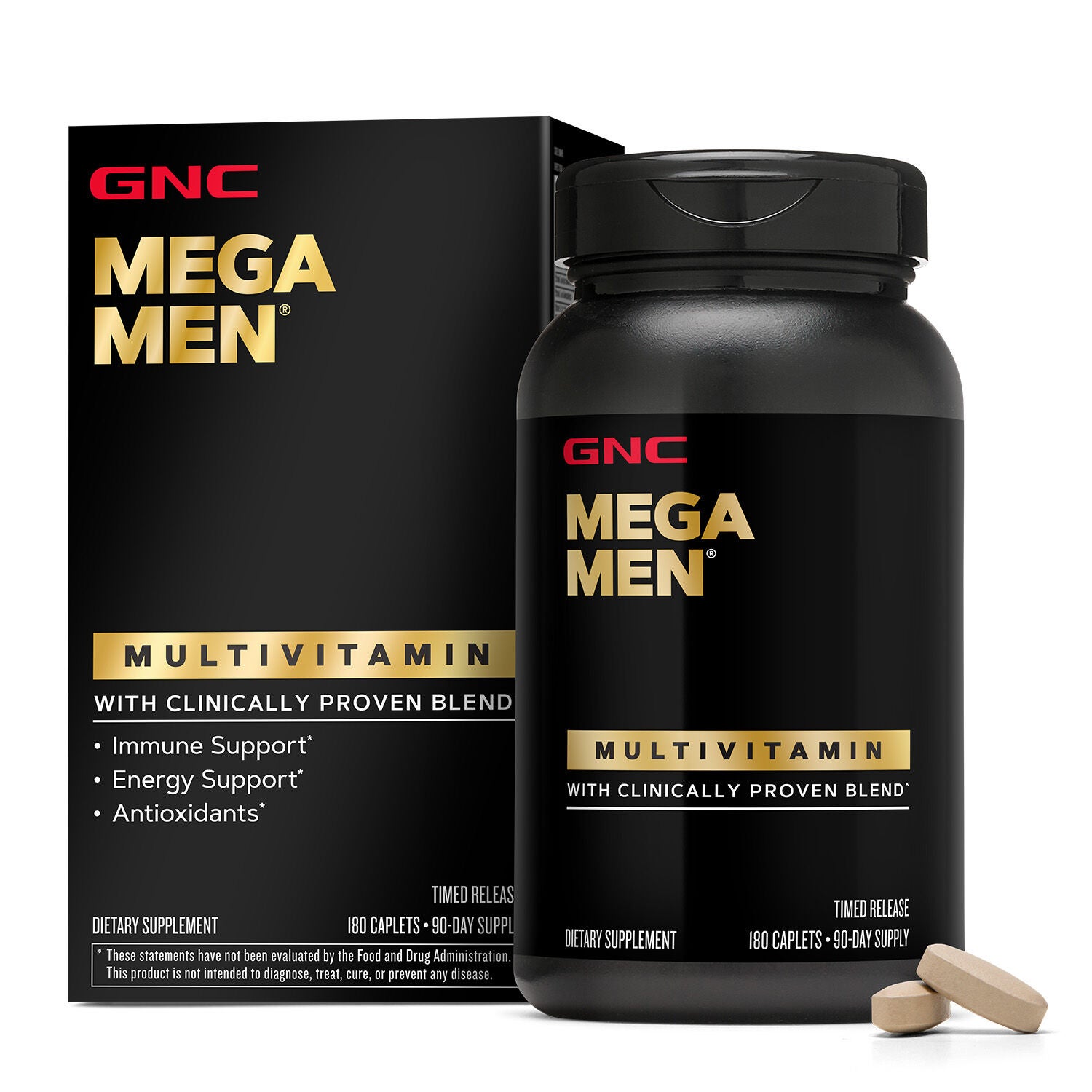 GNC Mega Men
-
 GNC Mega Men
-
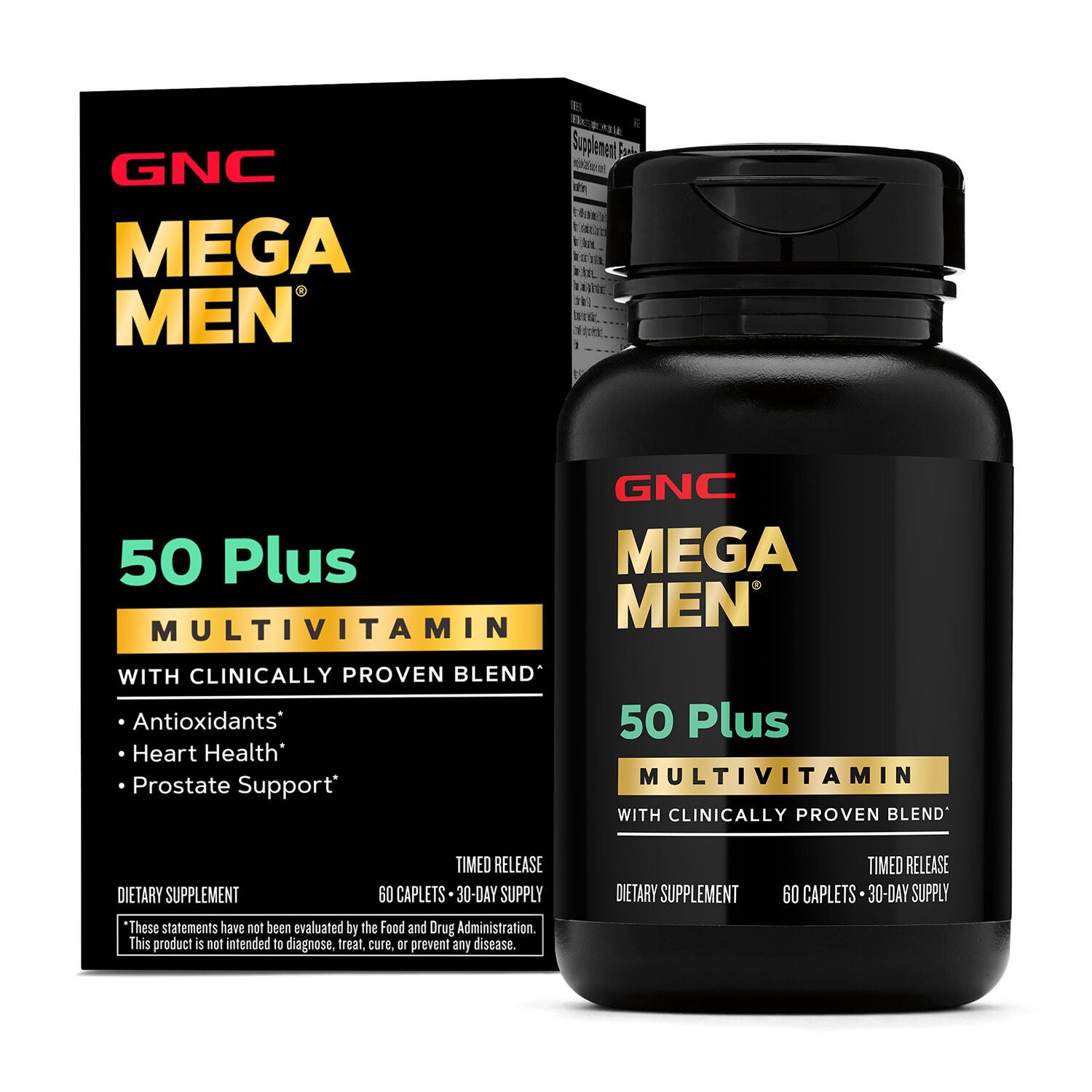 GNC Mega Men
-
 GNC Mega Men
