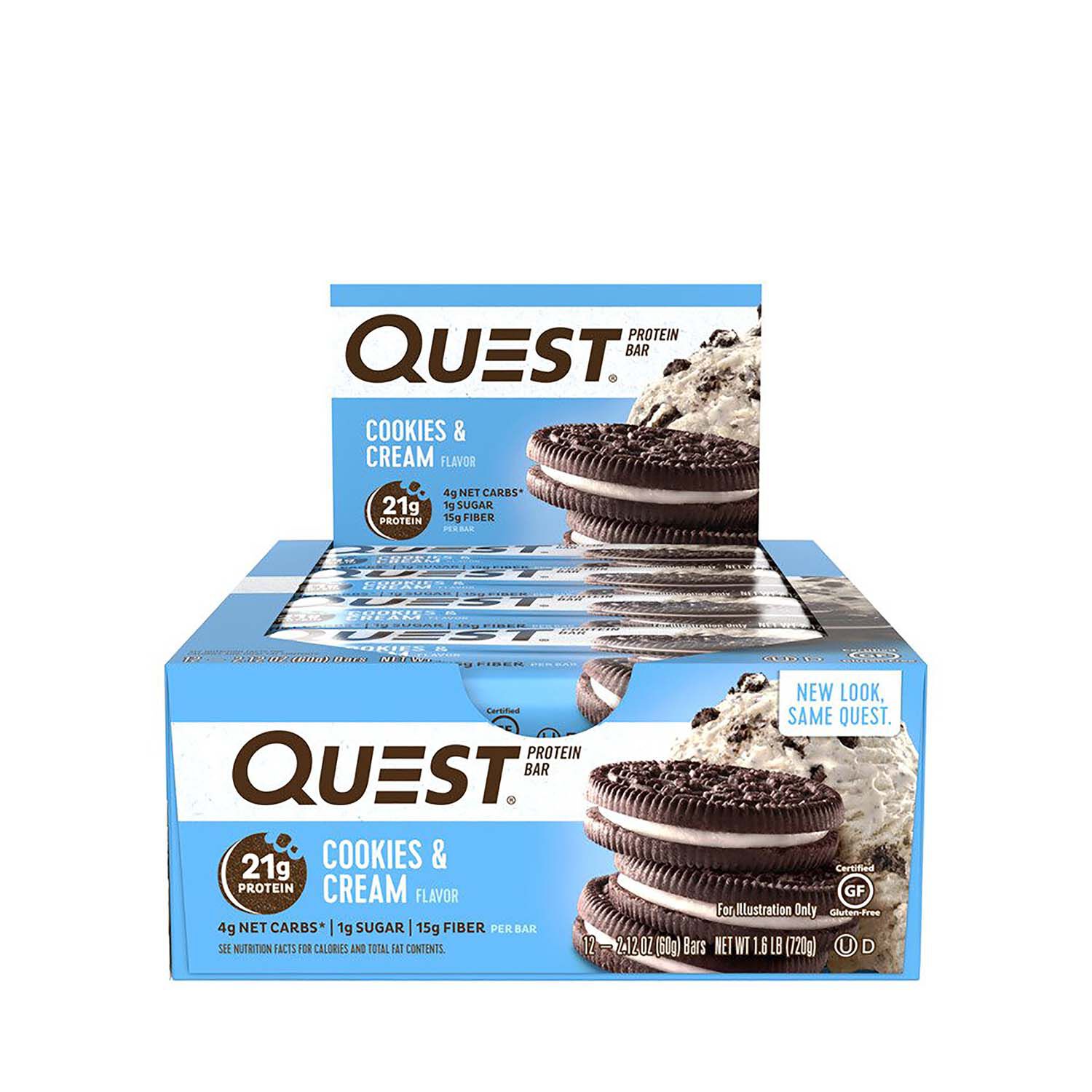
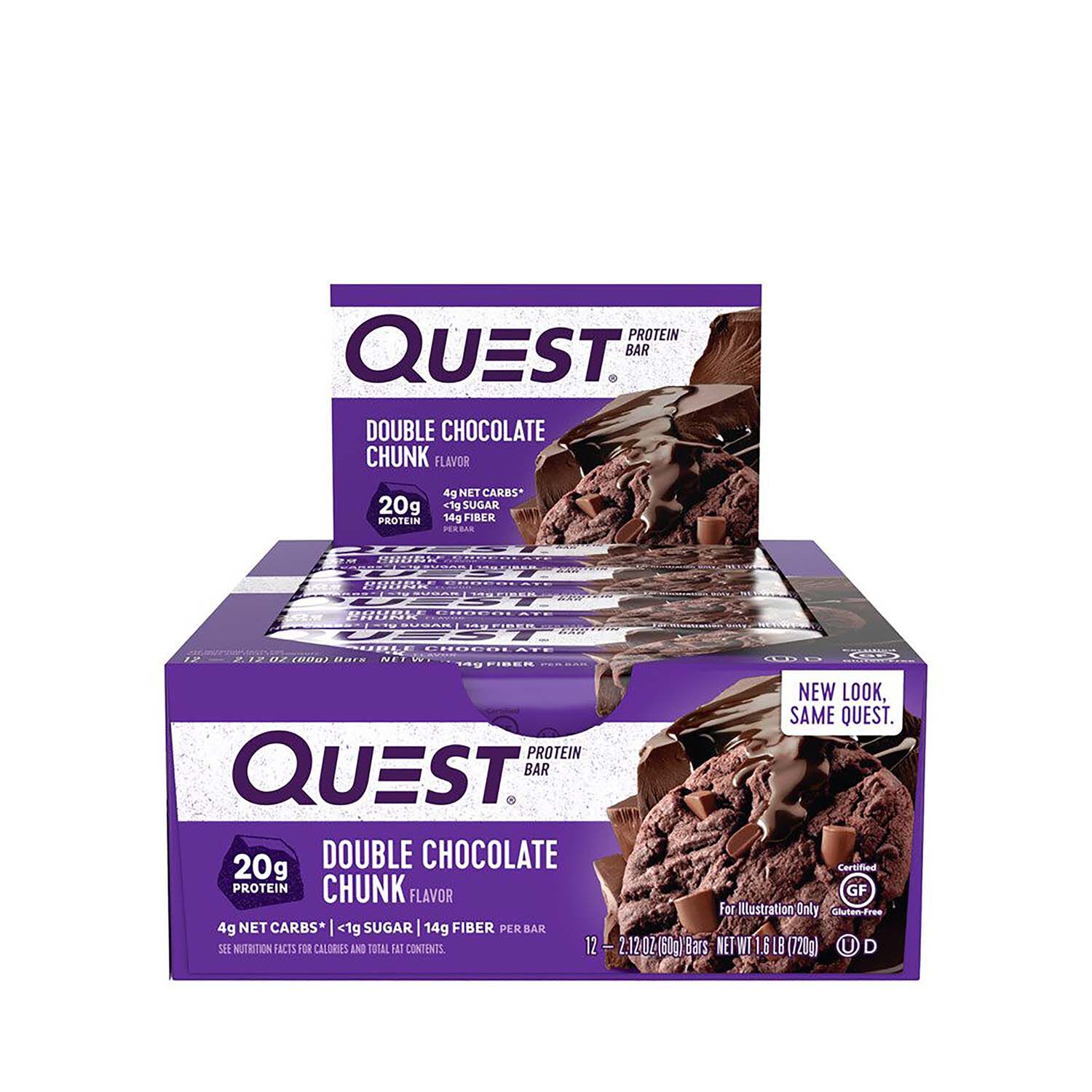
Muscle Building For Men
(0 Results)
Unlock your body's potential with a range of supplements designed to support muscle building for men. Whether you're a seasoned athlete or just starting your fitness journey, these products may help fuel your workouts and assist in muscle recovery. Explore options that might aid in enhancing strength, boosting endurance, and promoting lean muscle growth. With a focus on quality ingredients and expert formulations, these supplements could be your next step towards achieving those fitness goals. Dive into a world of possibilities where every rep counts and every supplement might bring you closer to your desired physique.
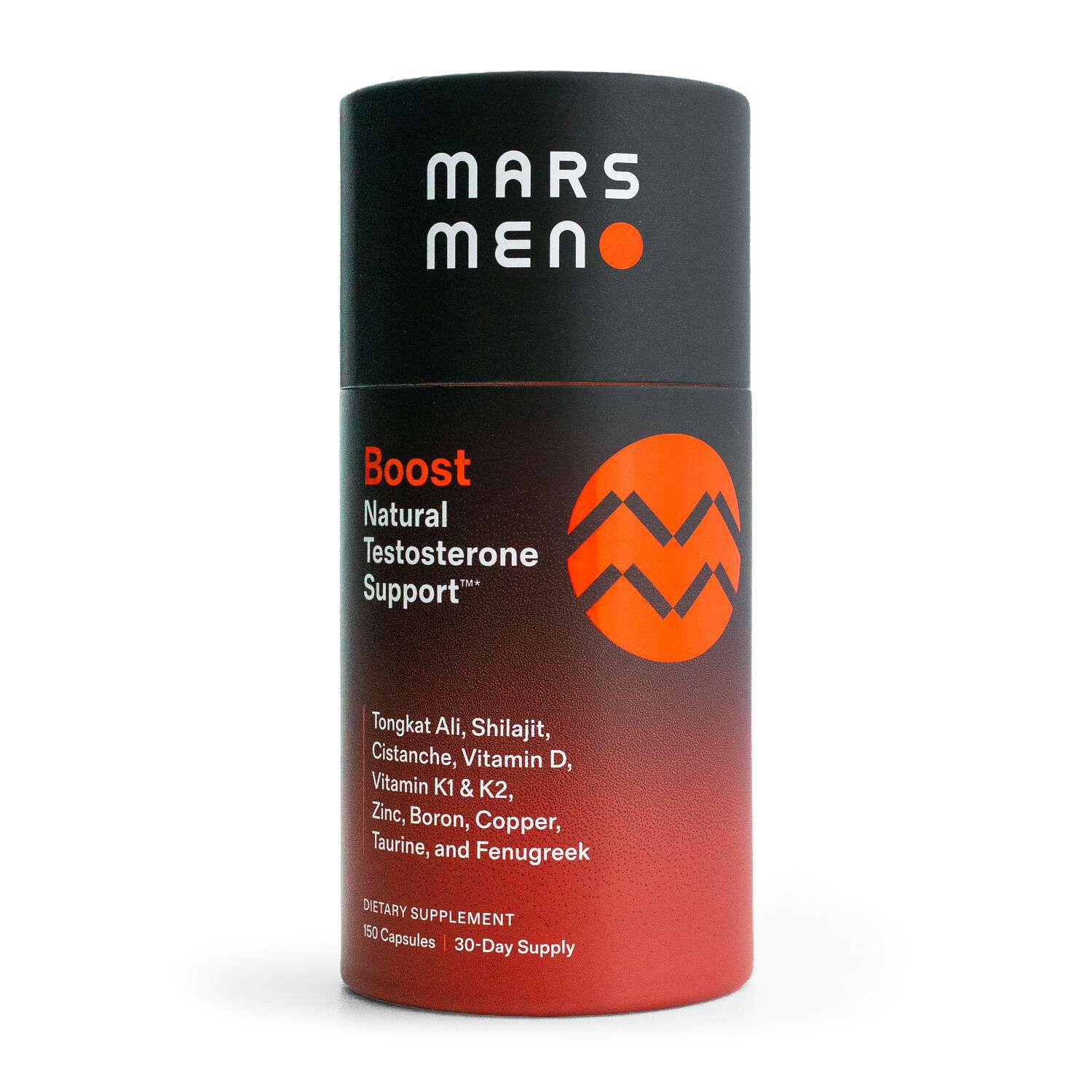

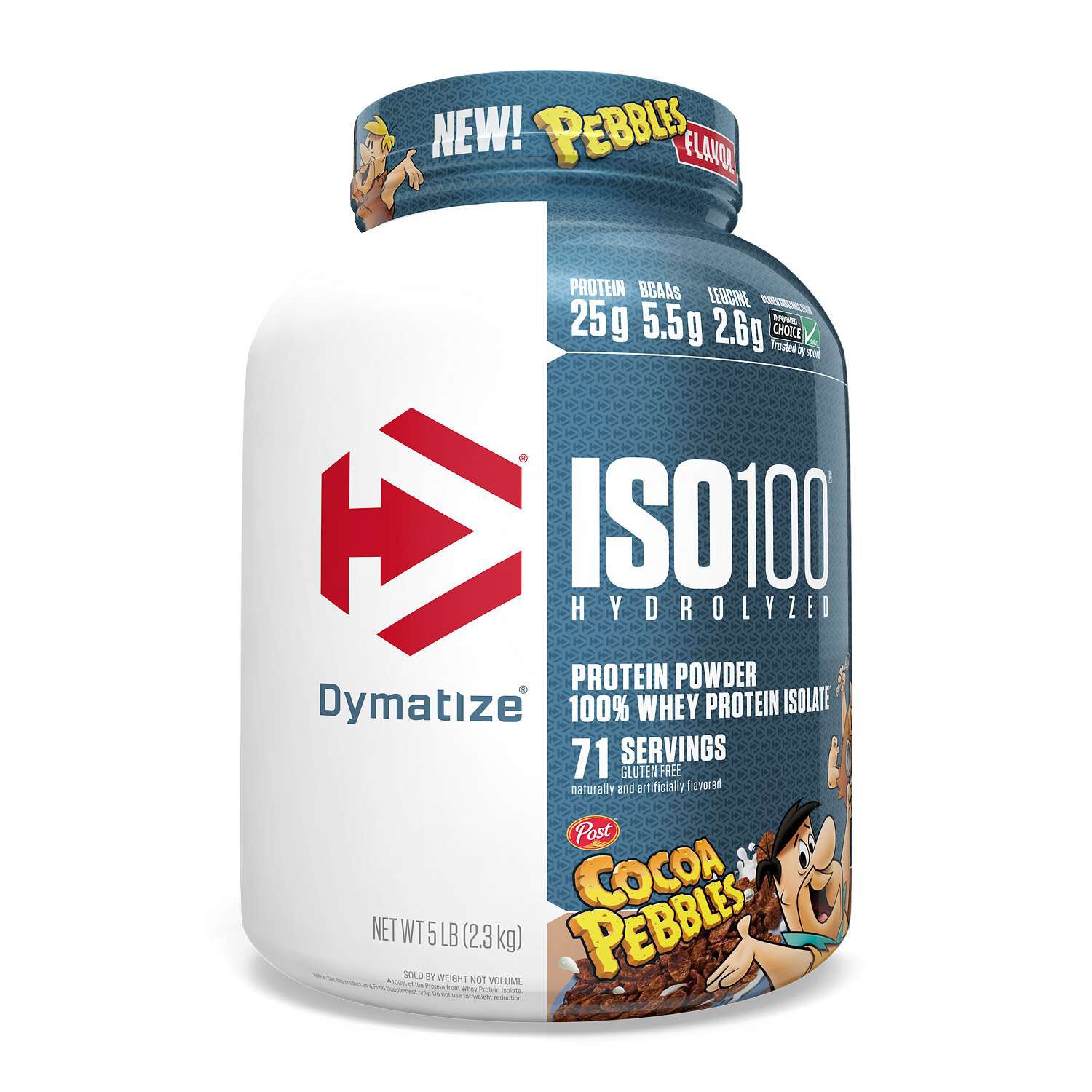

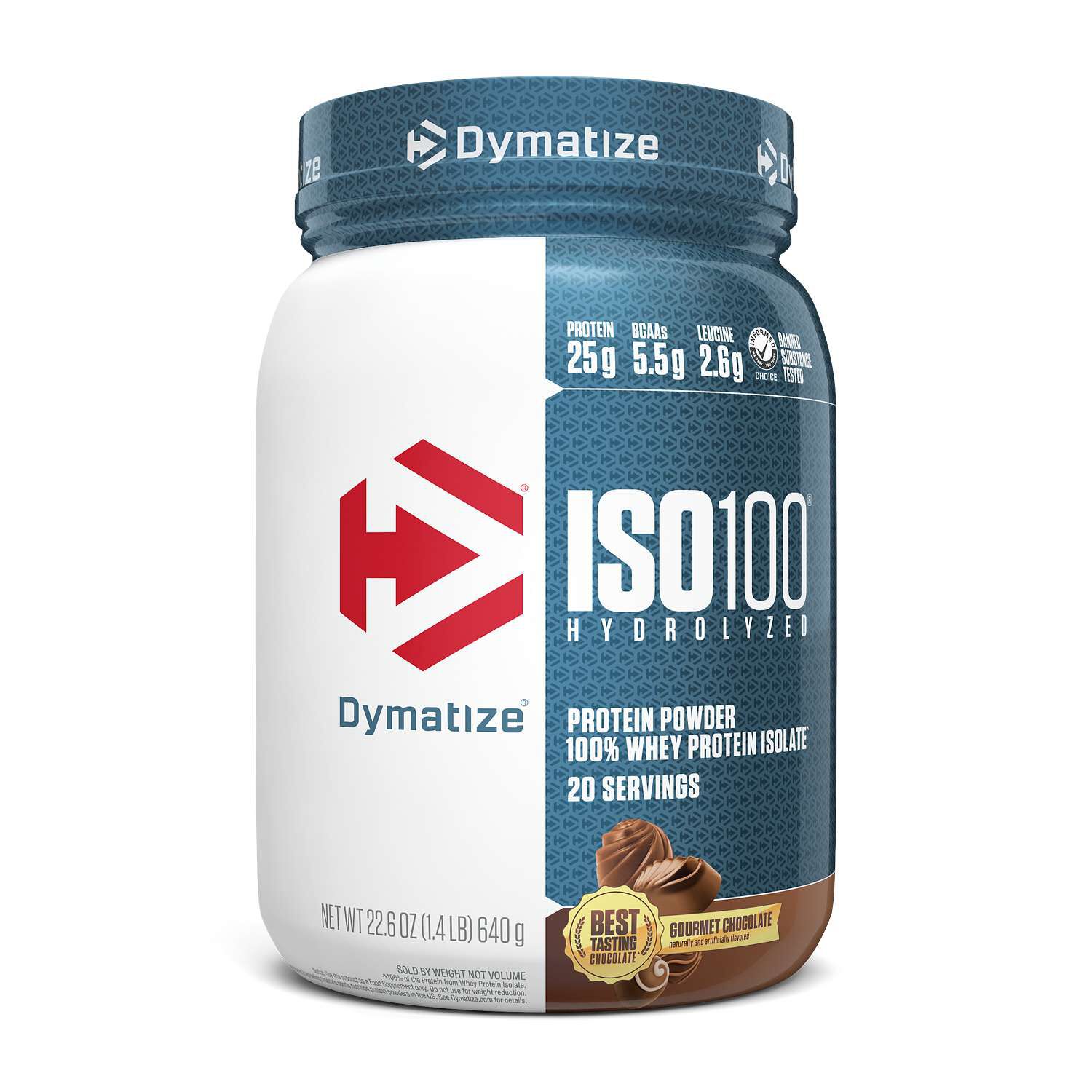
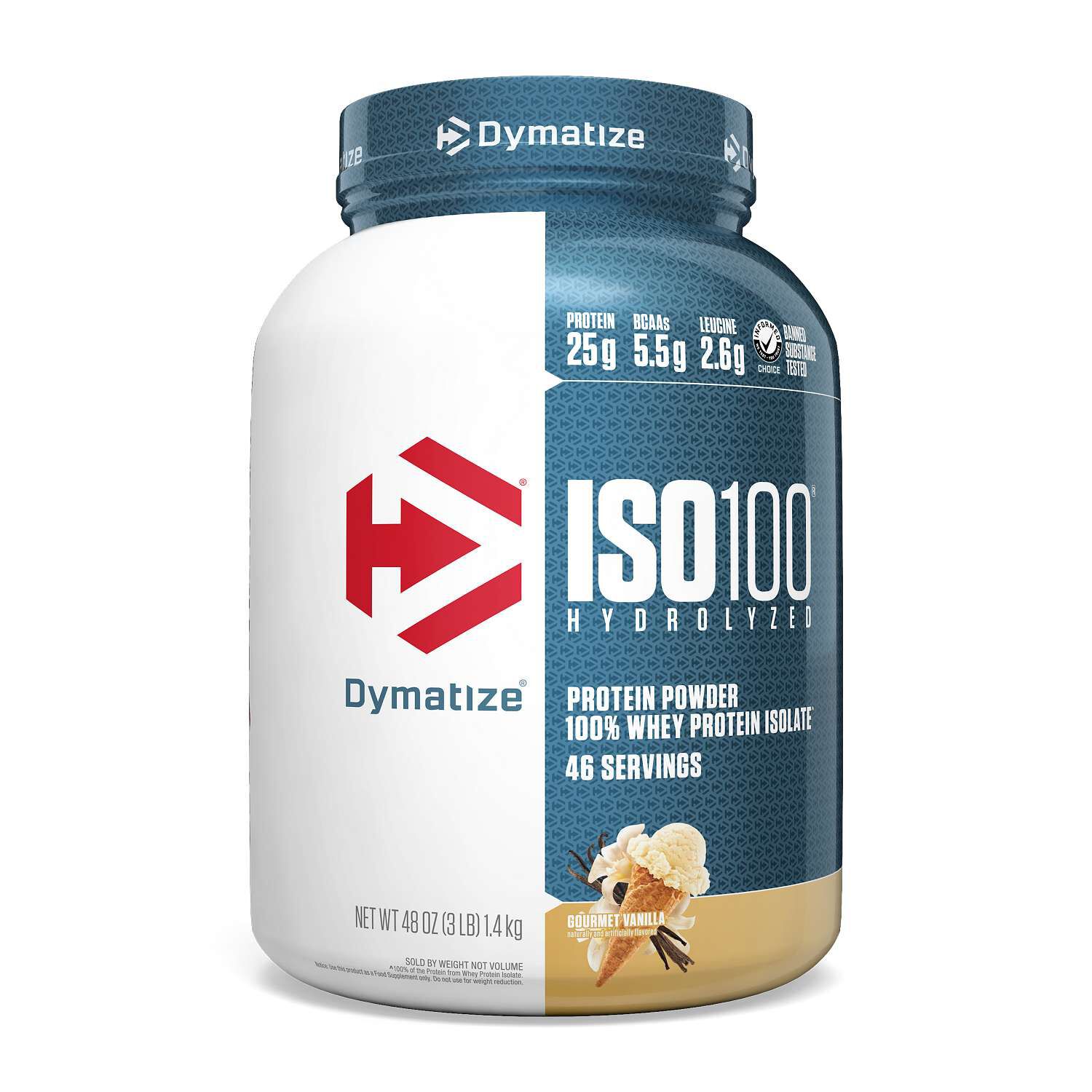
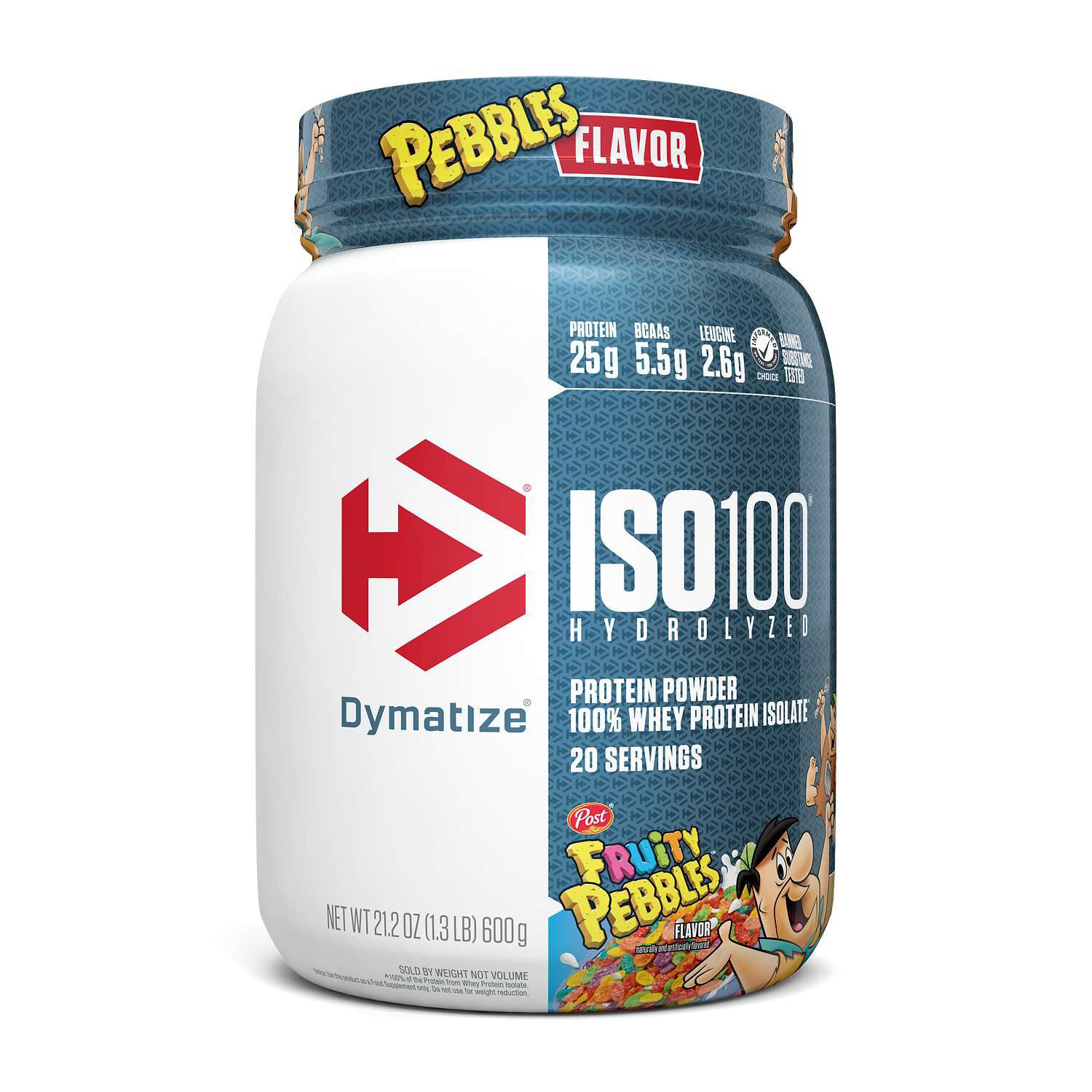
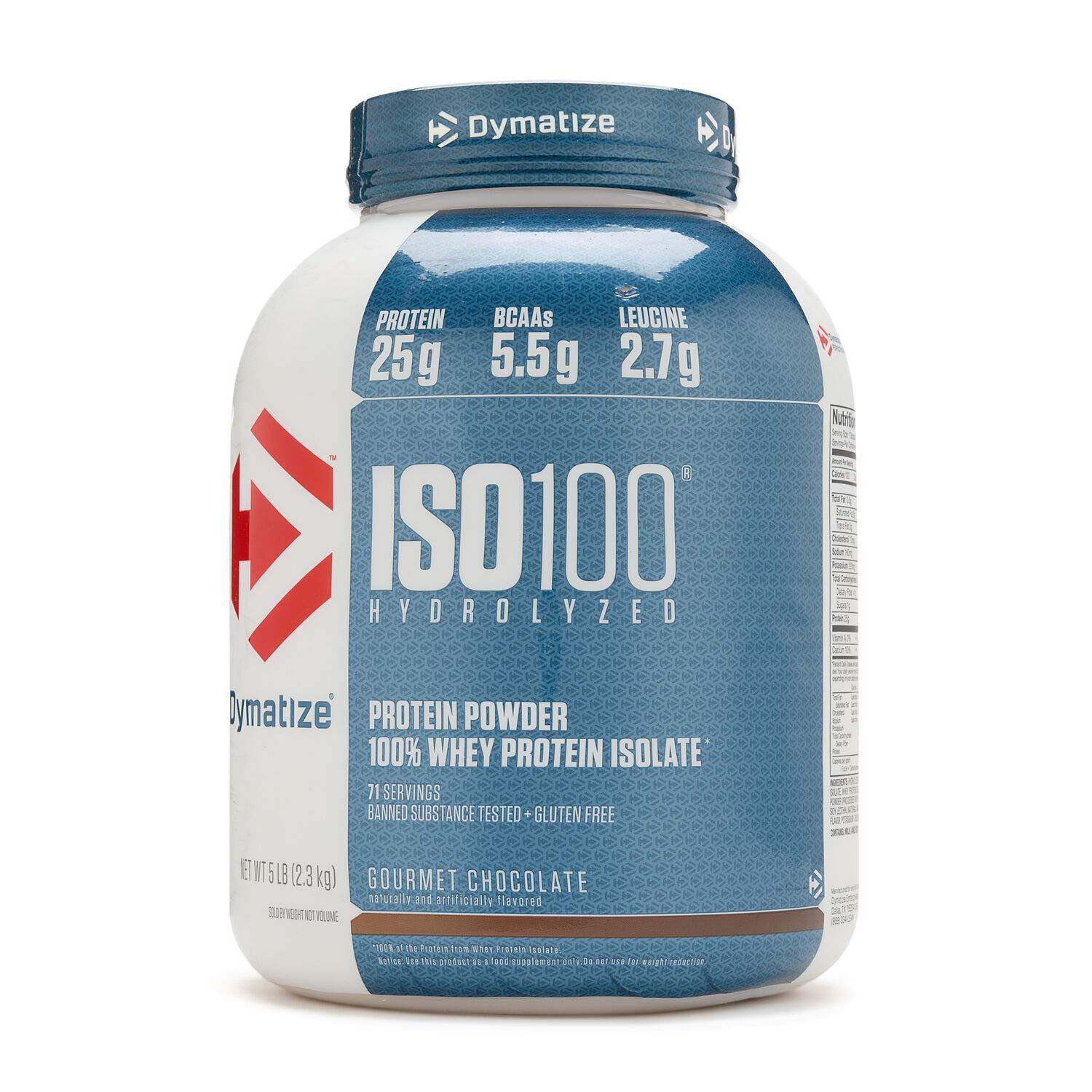


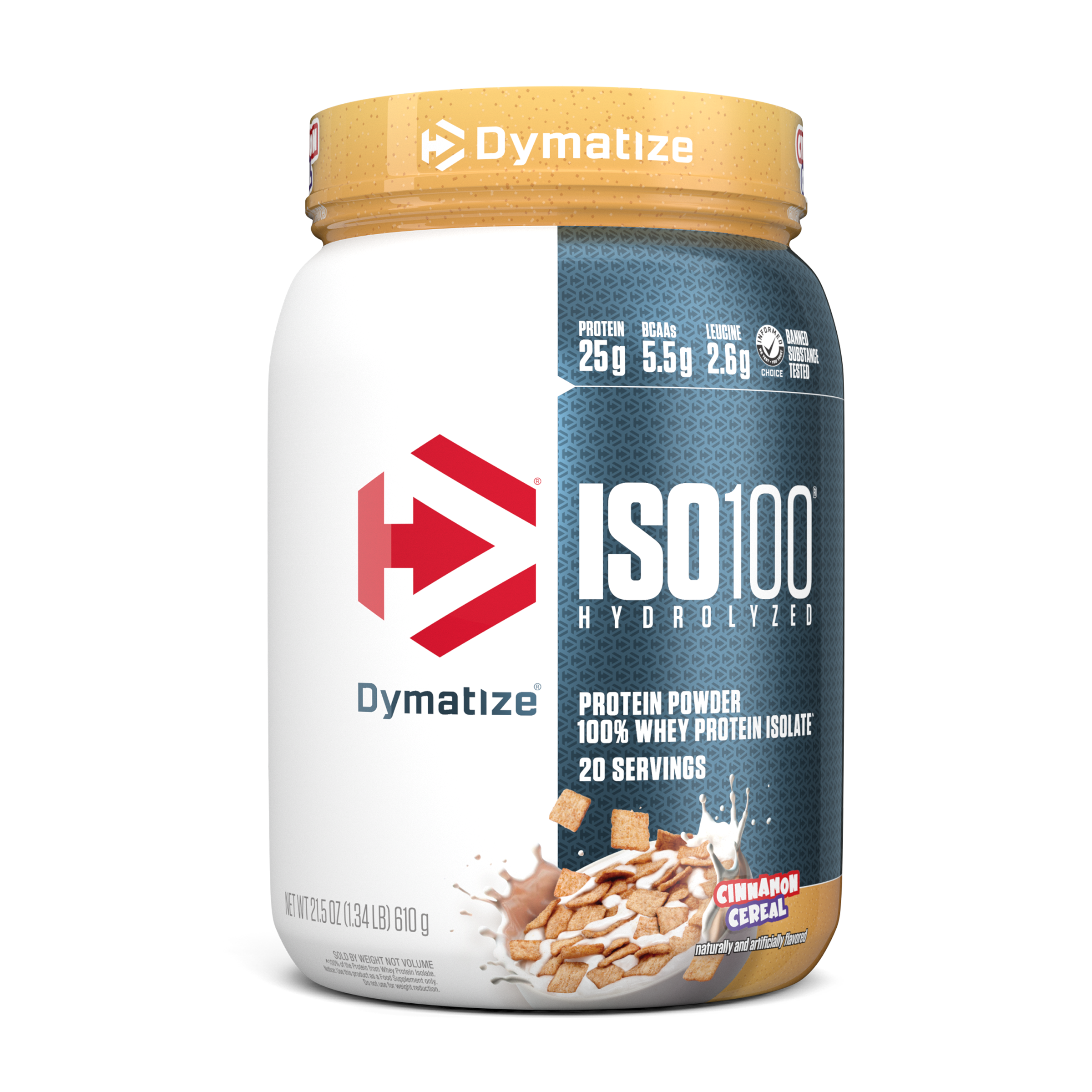

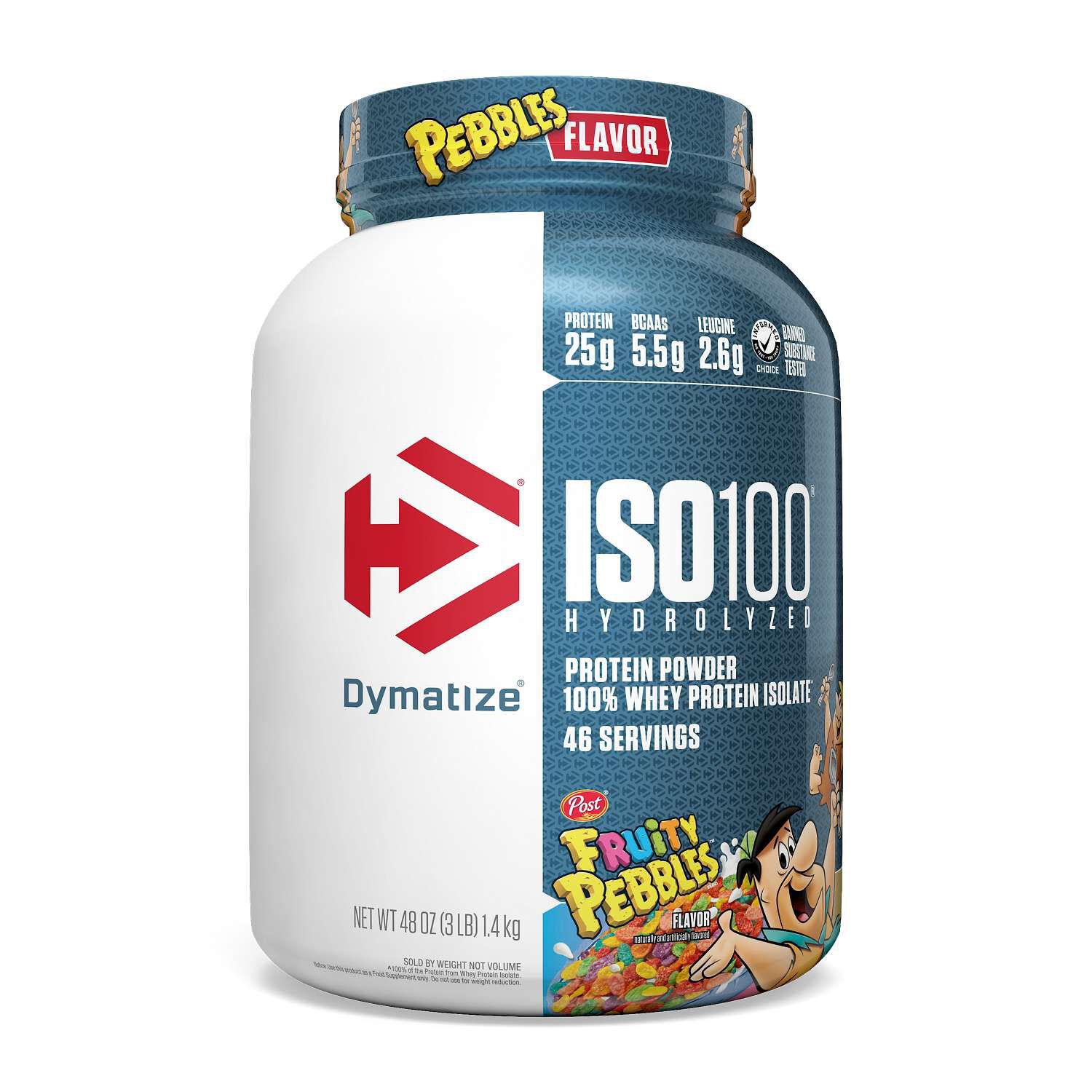
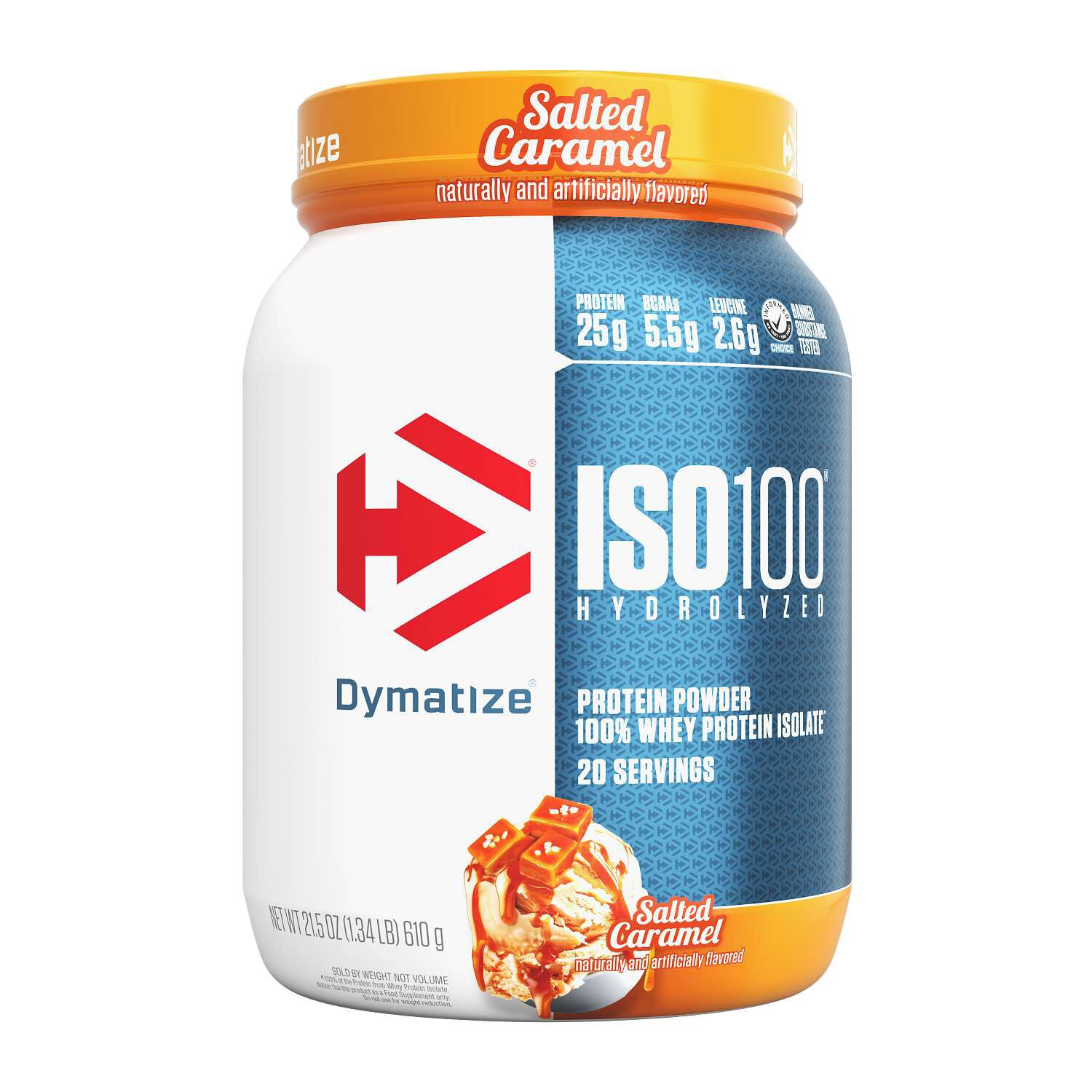
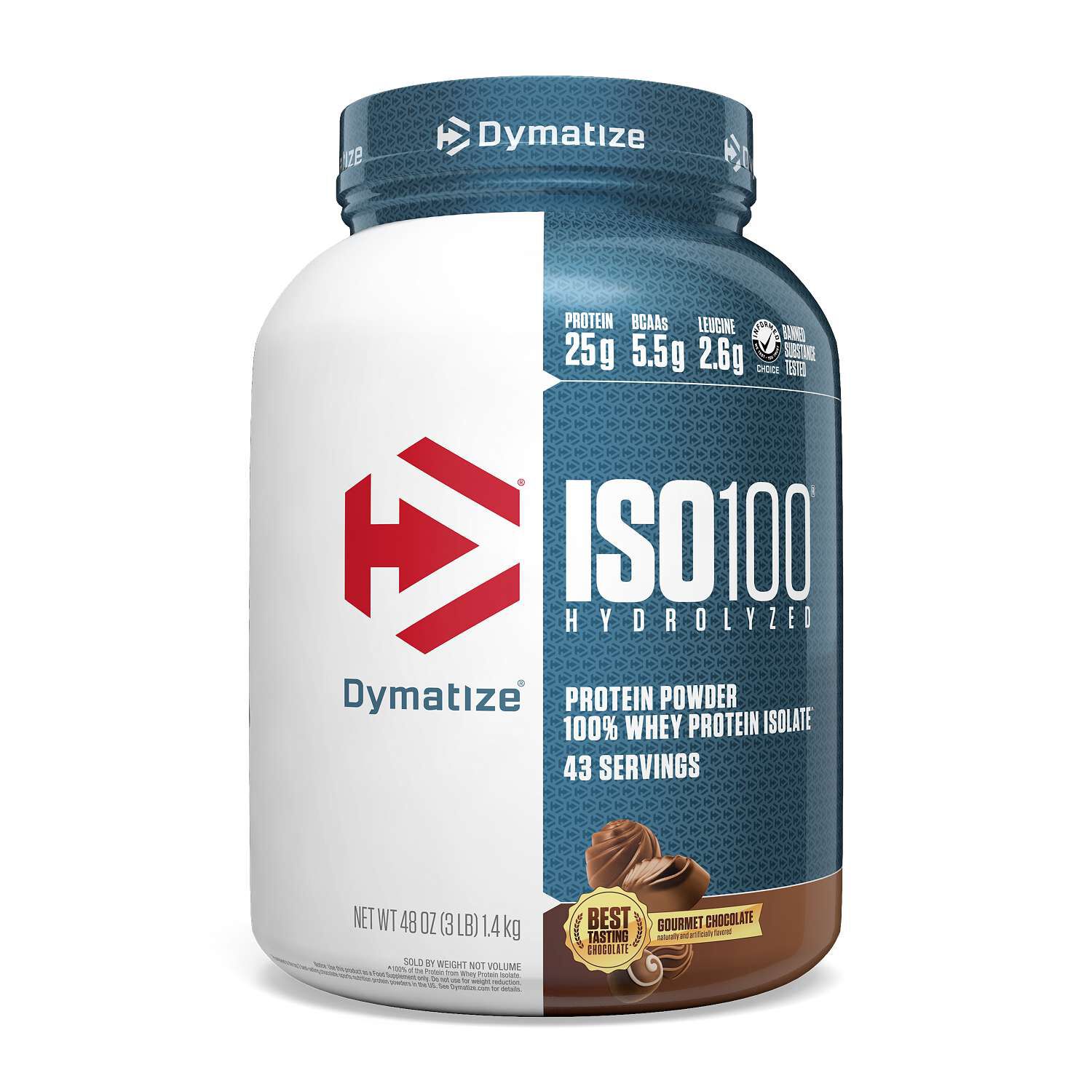
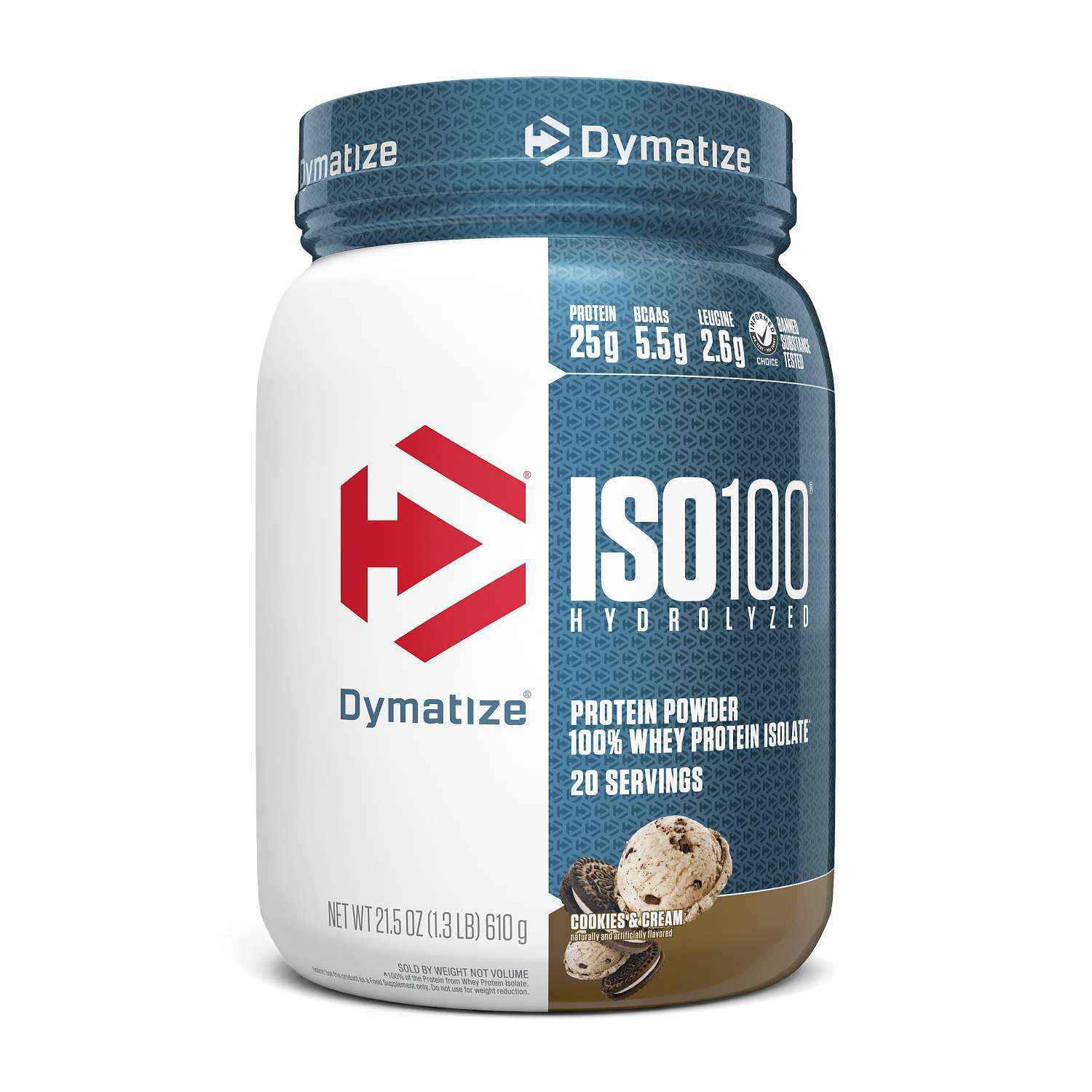
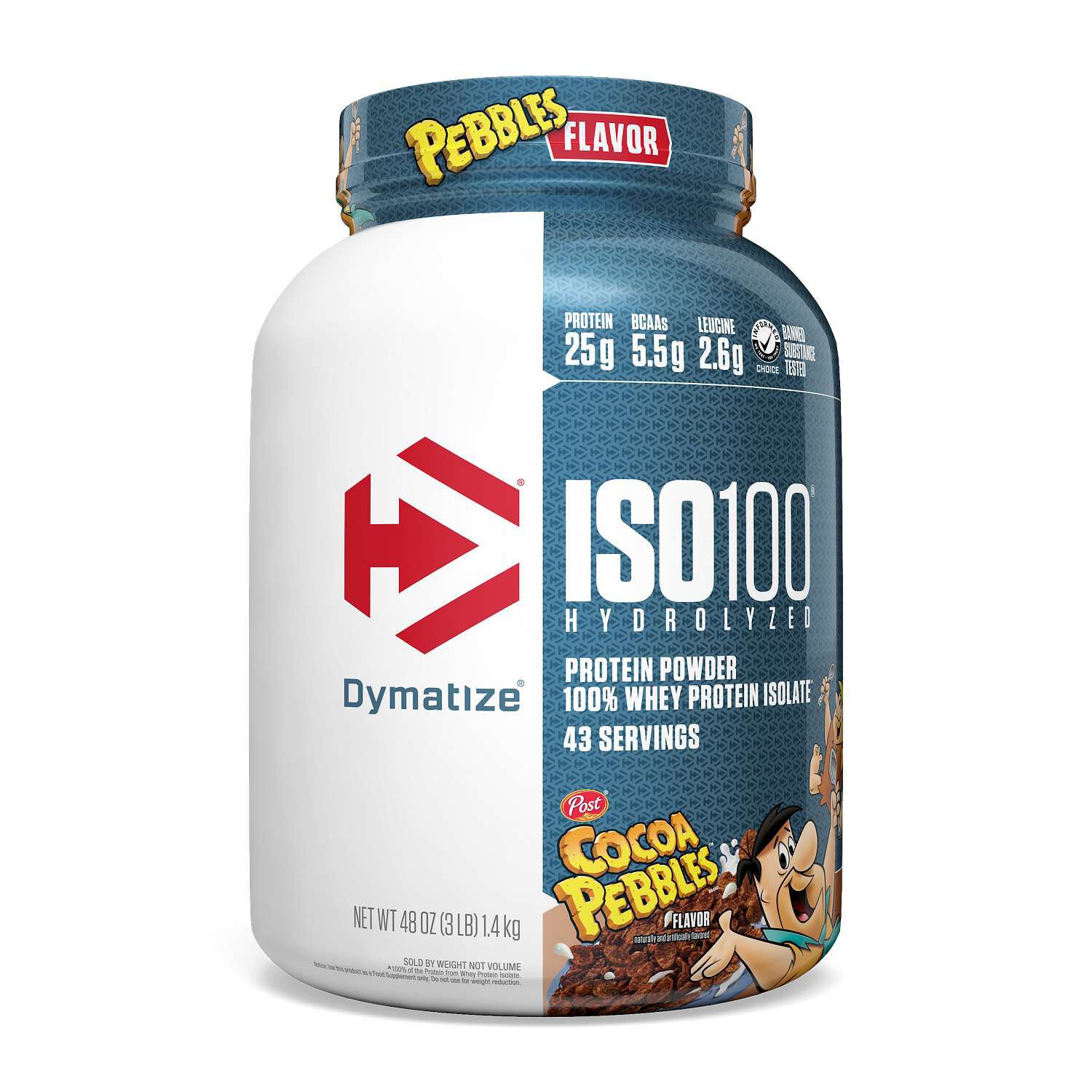
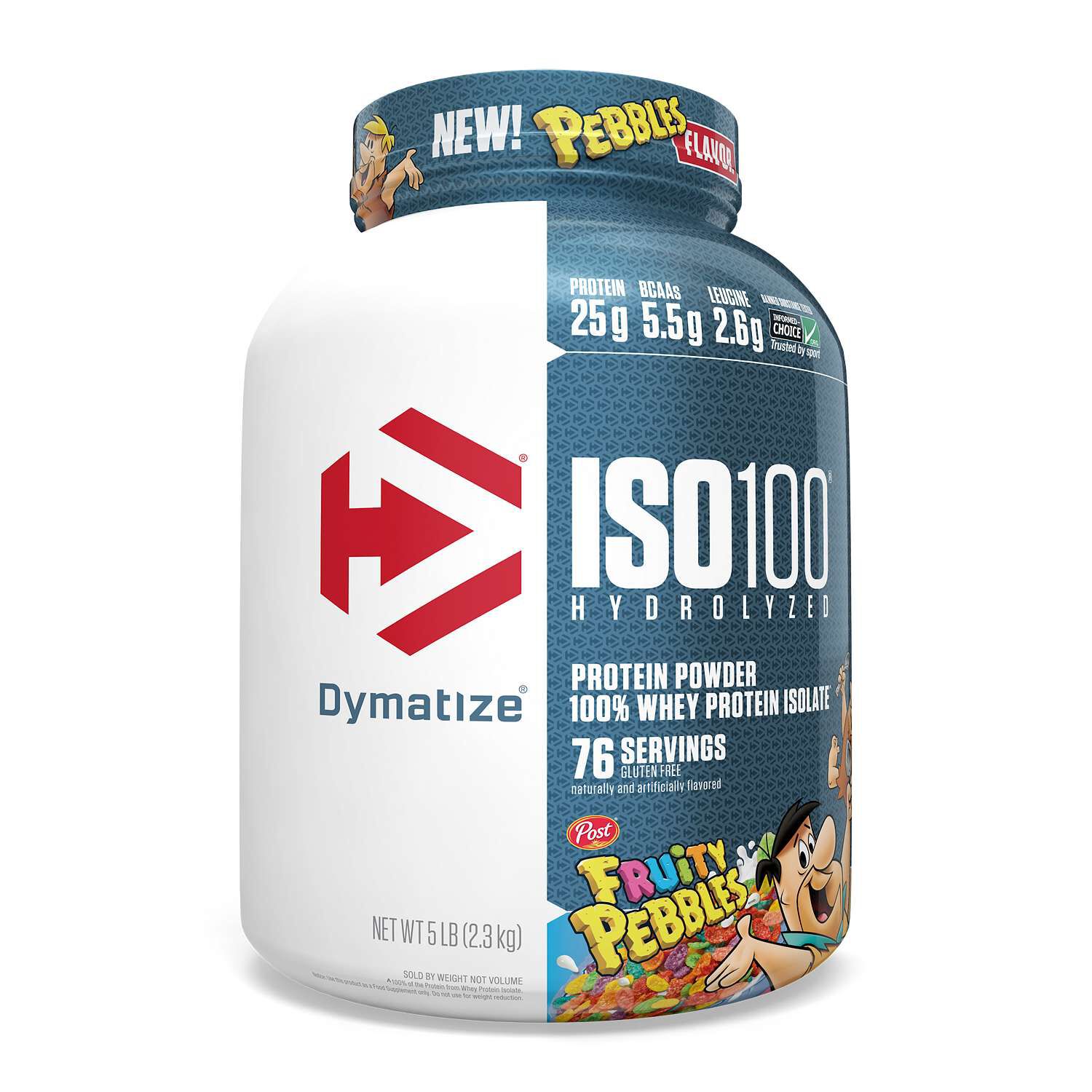
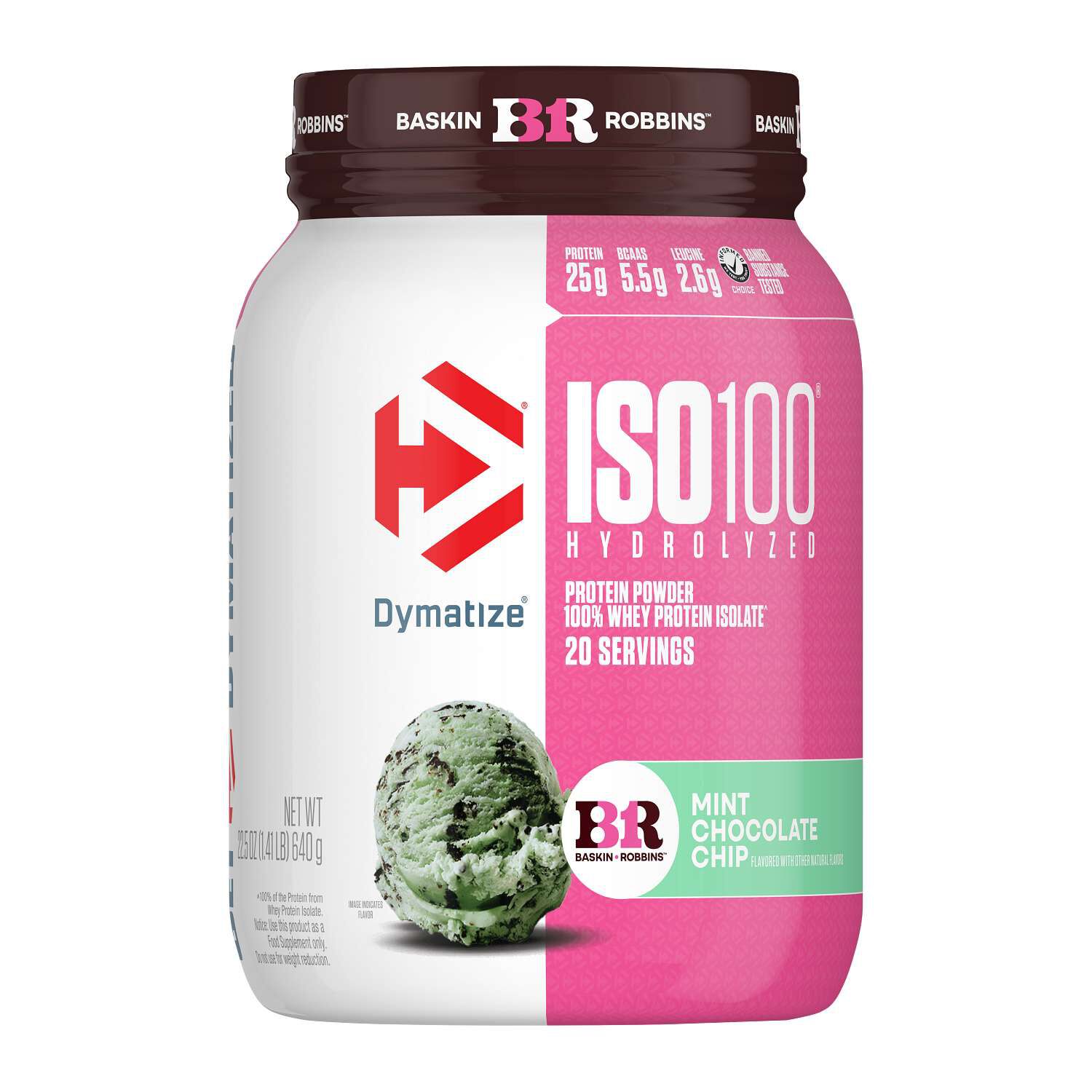


Muscle building for men brings together resistance training, everyday nutrition, and time to recover, with sports nutrition products offering a convenient way to complement that routine. Protein powders, higher-calorie blends, creatine supplements, and ready-to-drink shakes serve different purposes, so the most useful comparison starts with intended use rather than the size of the container. A man fitting an early workout into a busy workday may value a shake that mixes easily with water, while someone with a larger appetite and a demanding lifting schedule may prefer a powder that adds protein and carbohydrates to an afternoon snack. Dietary protein supplies amino acids, and protein supplements may support muscle growth and recovery when paired with consistent resistance exercise and adequate food intake. They are not a substitute for meals, progressive training, or rest, and results vary with experience, eating habits, and consistency. Whey, casein, egg, soy, and other plant-based proteins offer different ingredient profiles, textures, and preparation options. Whey powders often suit a simple shaker-bottle routine, while casein tends to produce a thicker drink. Plant-based blends may appeal to shoppers whose food preferences exclude dairy, although ingredients and allergen statements remain important points of comparison. The amount of protein per serving matters, but so do serving size, calories, carbohydrates, fats, and the ingredients that create flavor and texture. A smaller scoop is not necessarily comparable to a larger one, and a serving may call for more than one scoop. For men comparing larger containers for regular use, Bulk Protein Powders For Men offers a related category to explore alongside everyday sports nutrition choices. Package size works best as a practical consideration: how often the powder will be used, where it will be stored, and whether the same flavor will remain appealing after repeated servings. A familiar chocolate or vanilla profile may fit a regular routine more comfortably than a flavor chosen only for novelty.
Beyond protein, muscle-building supplements for men include formulas with creatine, carbohydrate powders, amino acid blends, and combinations intended for use around exercise. Creatine monohydrate may support performance during repeated, high-intensity efforts, such as resistance-training sets, and may complement a strength-focused routine. That purpose differs from protein powder, which offers a concentrated dietary protein source, or a higher-calorie shake, which combines nutrients in a larger serving. Products described as mass gainers commonly contain substantial amounts of carbohydrates alongside protein, making the nutrition panel especially relevant when comparing them with a standard protein powder. A thick shake blended with milk has a different nutritional profile from the same powder mixed with water; add-ins such as oats, yogurt, or nut butter change the finished drink again. For someone who already enjoys substantial meals, a simpler protein formula may be a closer match than a large, multi-ingredient blend. For someone who finds a packed schedule leaves little room for a sit-down snack, a drinkable option may offer a convenient addition. Neither format determines the outcome on its own. Ingredient transparency, taste, digestive preferences, and preparation requirements all influence how comfortably a product fits daily life. Unflavored powders offer flexibility for mixing into foods, though they can still affect texture and taste. Sweetened powders vary in sweetness and aftertaste, and some formulas include sugar alcohols, gums, or added fibers that shoppers may prefer to include or avoid. Products intended for use before exercise may contain caffeine, so the amount per serving and the presence of other caffeinated ingredients deserve attention, especially for an evening gym routine. Amino acid products also differ from protein powders in composition and intended use; a longer ingredient list does not automatically make one formula a better match. Clear labeling makes it easier to distinguish a straightforward ingredient from a blend with several overlapping components. For athletes who participate in organized competition, independent sport-focused testing is another relevant selection factor, with the certification details on the package providing more useful information than a broad marketing description.
The everyday experience of using muscle-building nutrition often comes down to details that are easy to overlook while comparing nutrition panels. Mixability matters when the only equipment on hand is a shaker bottle in a locker room. A powder that works well in a blender with frozen fruit may feel different when stirred into a glass, and a dense formula may need more liquid than a lighter one. Ready-to-drink formats avoid measuring and mixing, while powders offer more control over portion preparation within the label directions. Resealable pouches take up space differently from rigid tubs, and either format needs a storage spot that follows the package instructions. A dry scoop, a securely closed lid, and protection from moisture help keep powder handling tidy; refrigeration requirements for opened beverages depend on their labels. Best-by dates and serving counts are useful when considering a larger package, particularly for someone who alternates shakes with food-based snacks. Shaker bottles and storage accessories bring their own material and care considerations, including lid fit, ease of cleaning, dishwasher suitability, and whether the shape fits a gym bag or cup holder. These practical features may make a routine easier to maintain through busy workweeks and cooler-weather training. Men new to resistance exercise may prefer uncomplicated formulas with clearly stated serving information, while experienced lifters may compare ingredient amounts against the nutrition products they already use. The relevant distinction is the routine, not simply age, body size, or the word “men” on a label. A nutrition gift is most personal when it reflects a recipient’s established flavor preferences, dietary choices, and training interests rather than assumptions about how his body should look. Across powders, shakes, and supporting accessories, thoughtful selection centers on a manageable fit: a taste that remains enjoyable, preparation that suits the setting, and ingredients that make sense alongside regular meals. Muscle-building products may support a consistent training lifestyle, but the strongest foundation remains the repeatable pattern of resistance exercise, sufficient nutrition, and recovery rather than any single scoop or serving.