Muscle Building For Athletes
(0 Results)
Achieving peak performance and enhancing muscle growth can be crucial for athletes aiming to excel in their sport. Incorporating targeted supplements into a well-rounded fitness routine may provide essential nutrients that support muscle recovery, strength, and endurance. From protein powders to amino acids, these products could help fuel workouts and optimize results. Whether you're training for a competition or simply looking to improve your personal best, exploring options tailored for muscle building might be a game-changer in reaching your athletic goals.


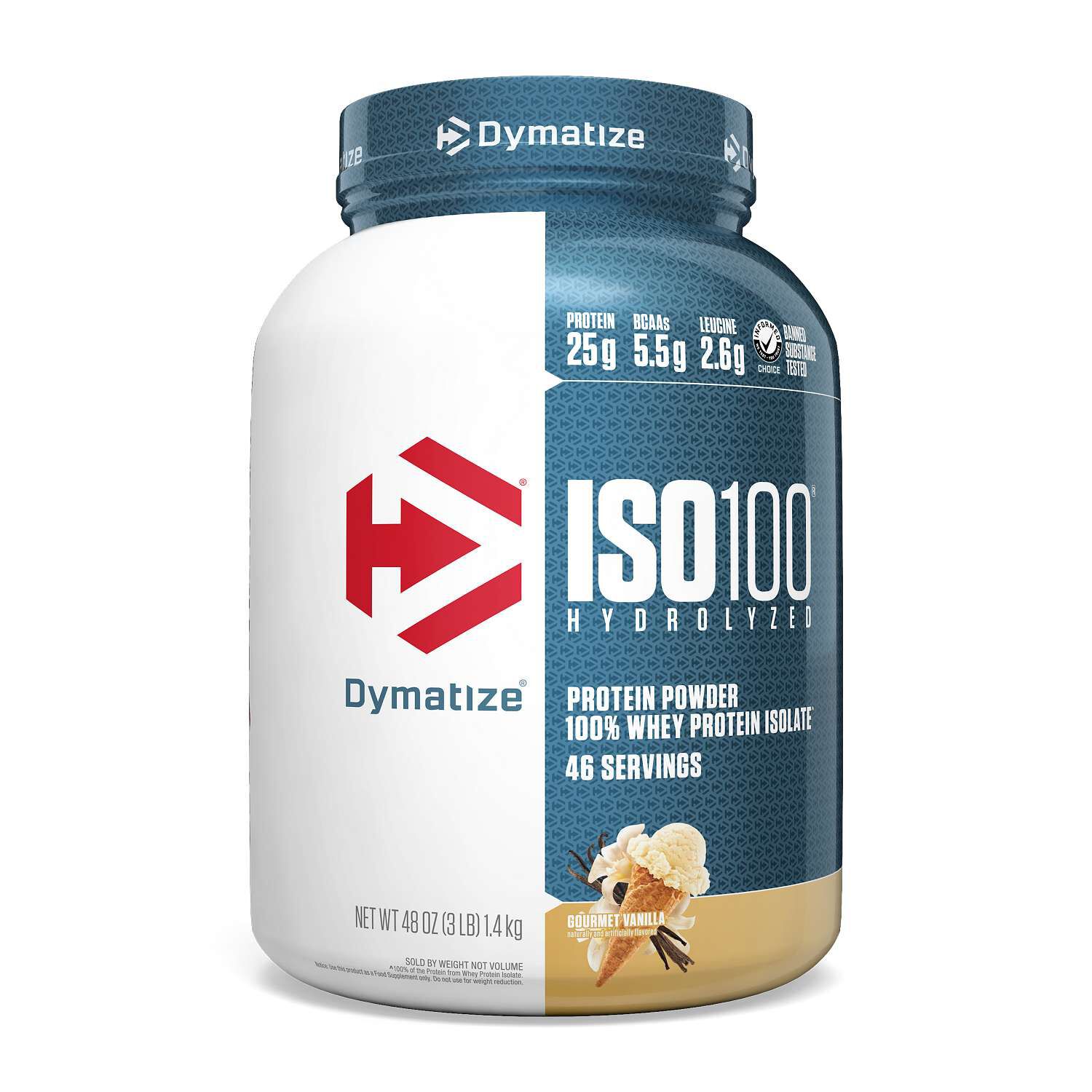
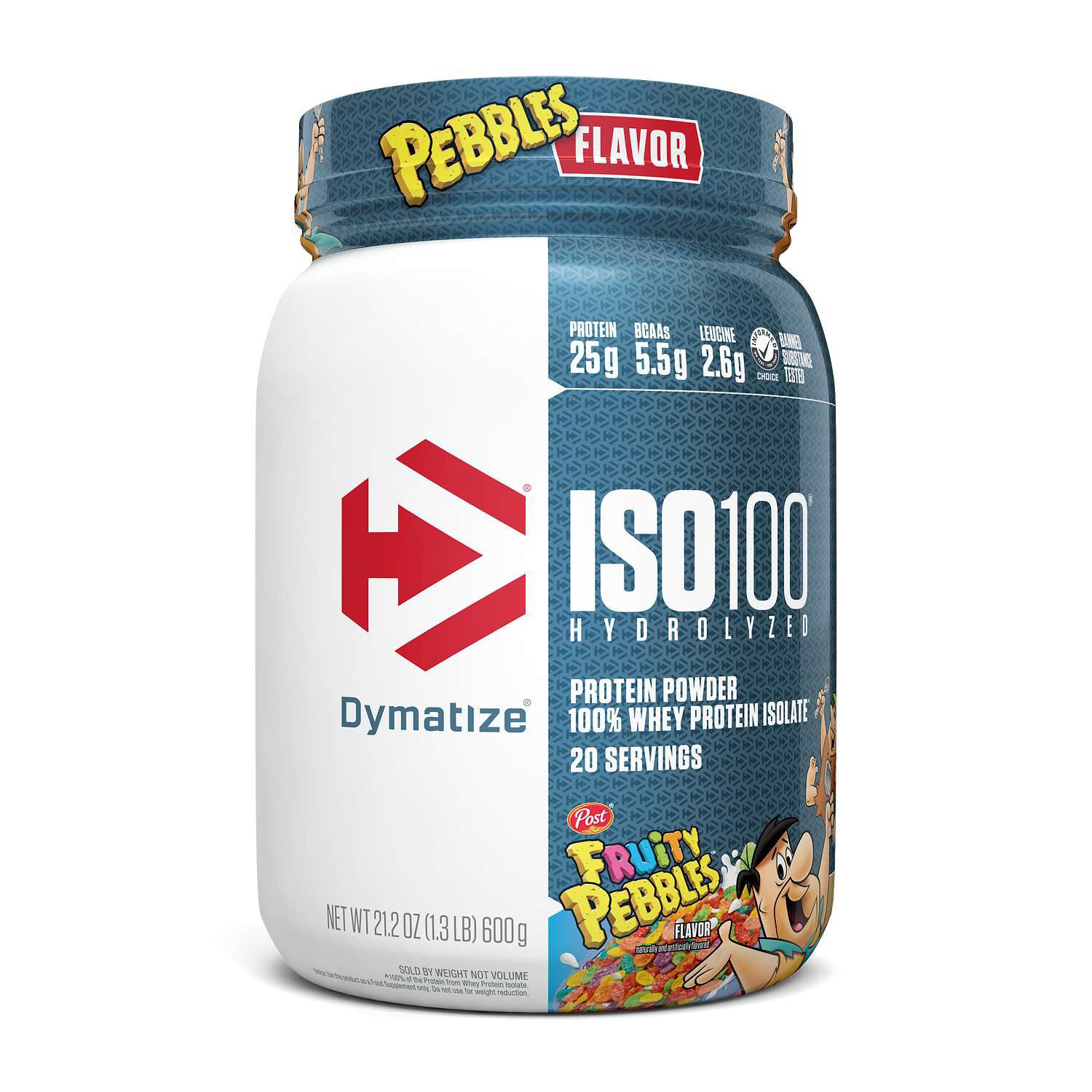
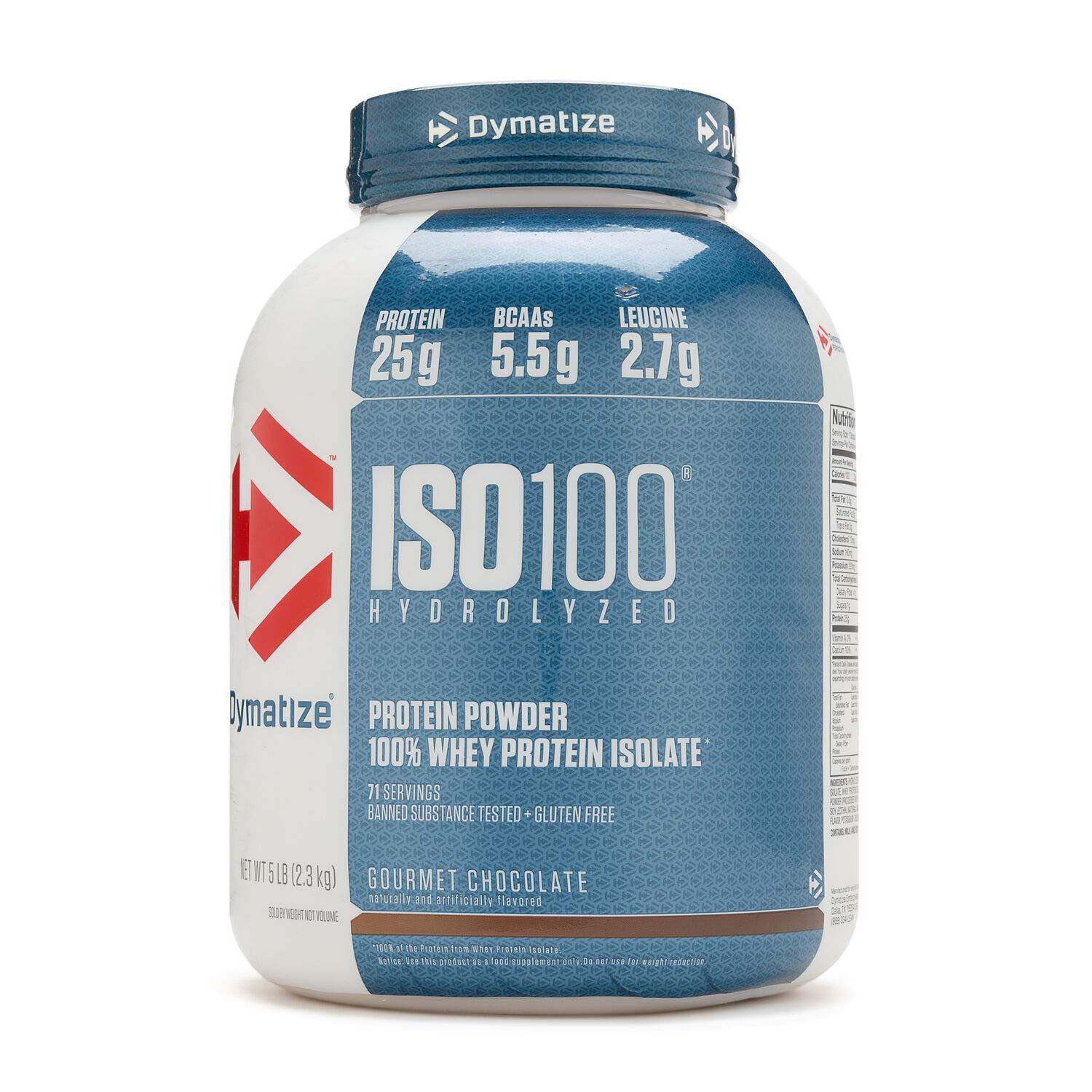


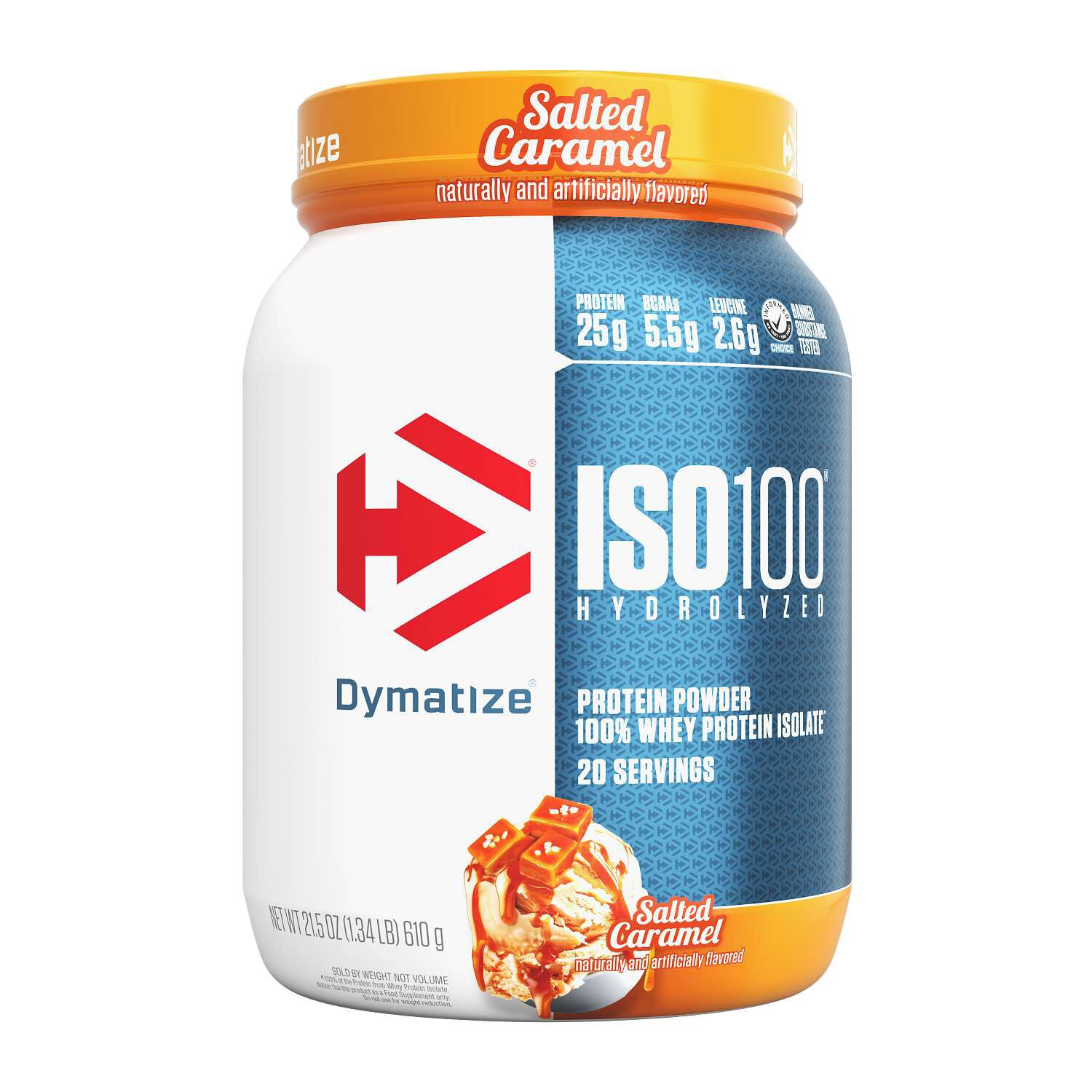
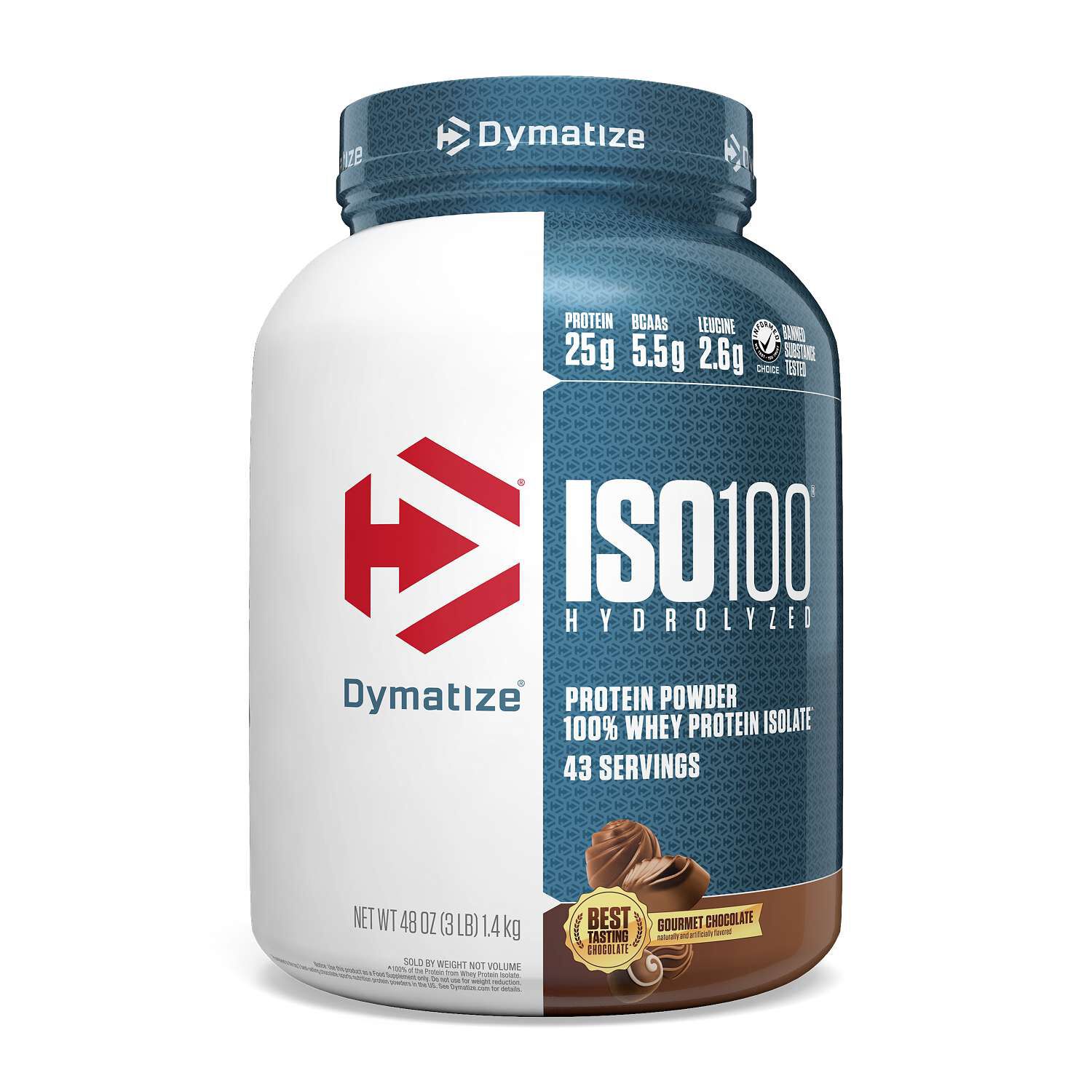
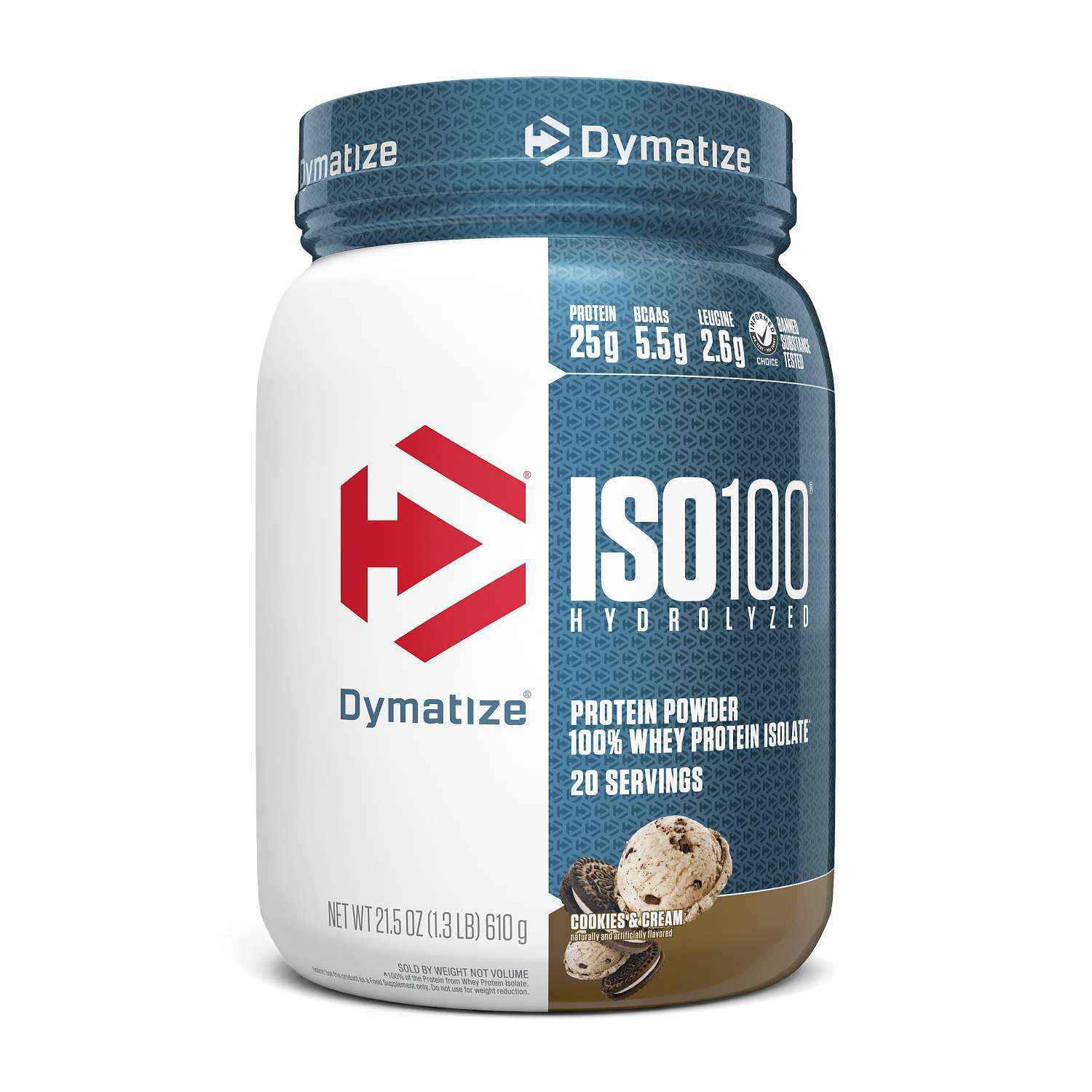
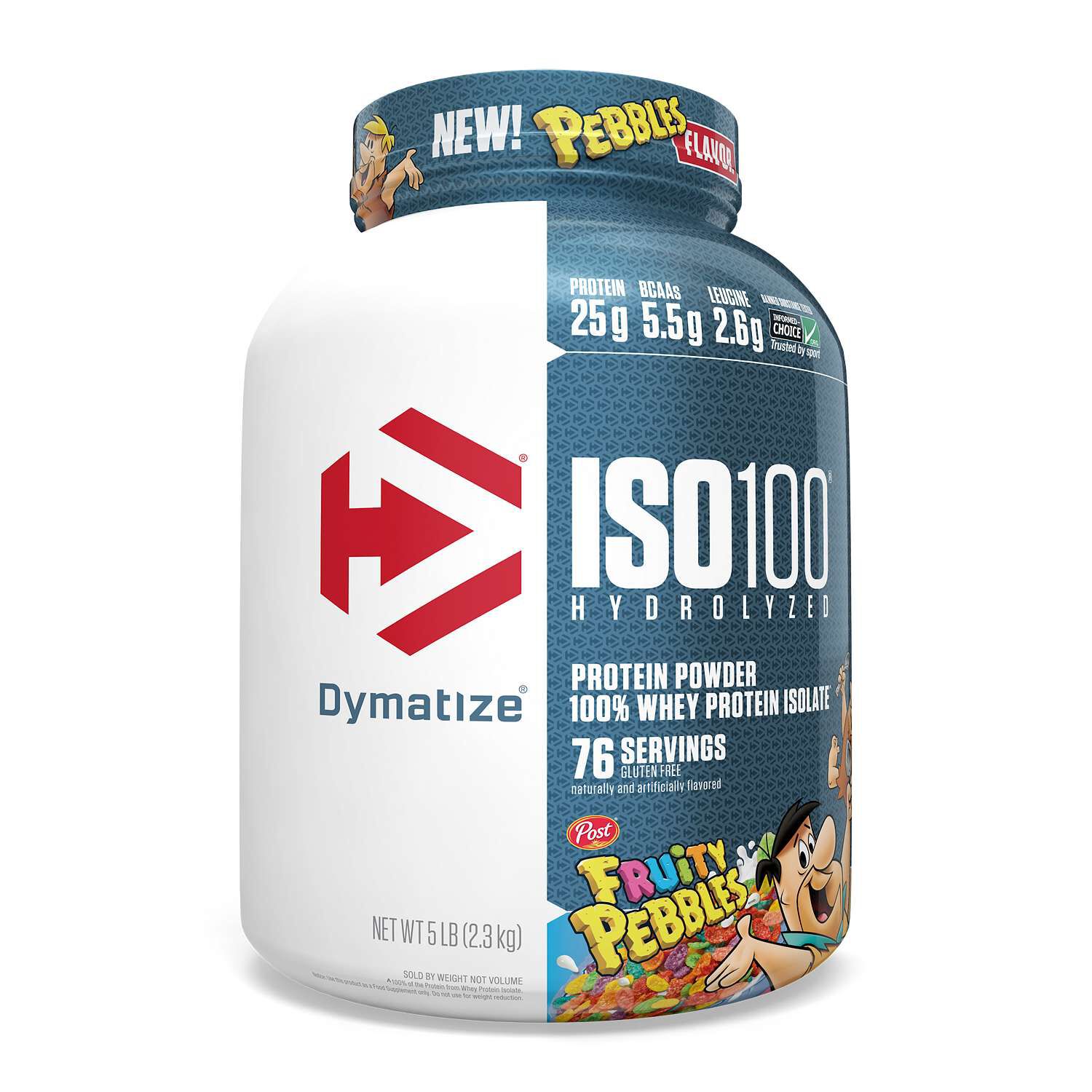


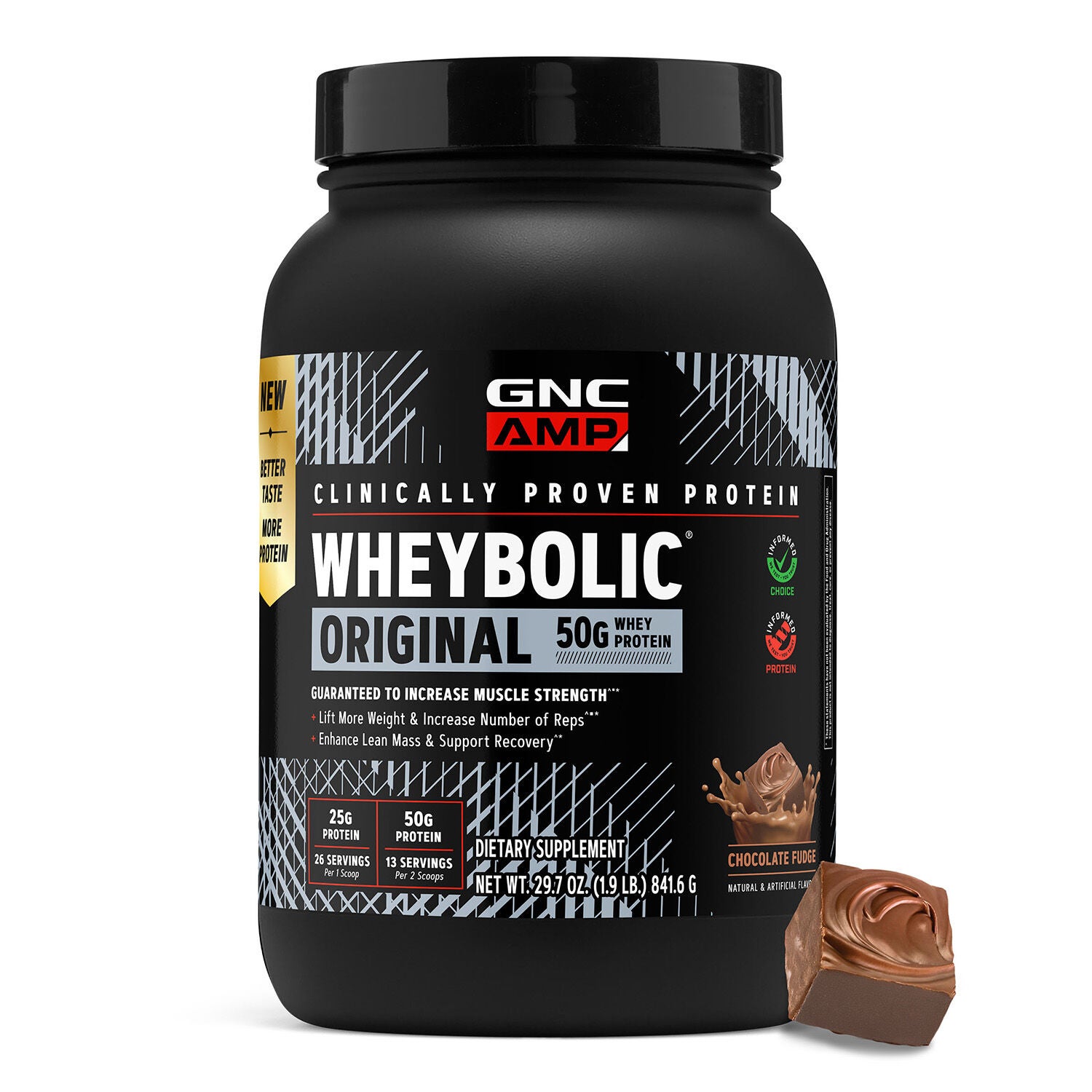
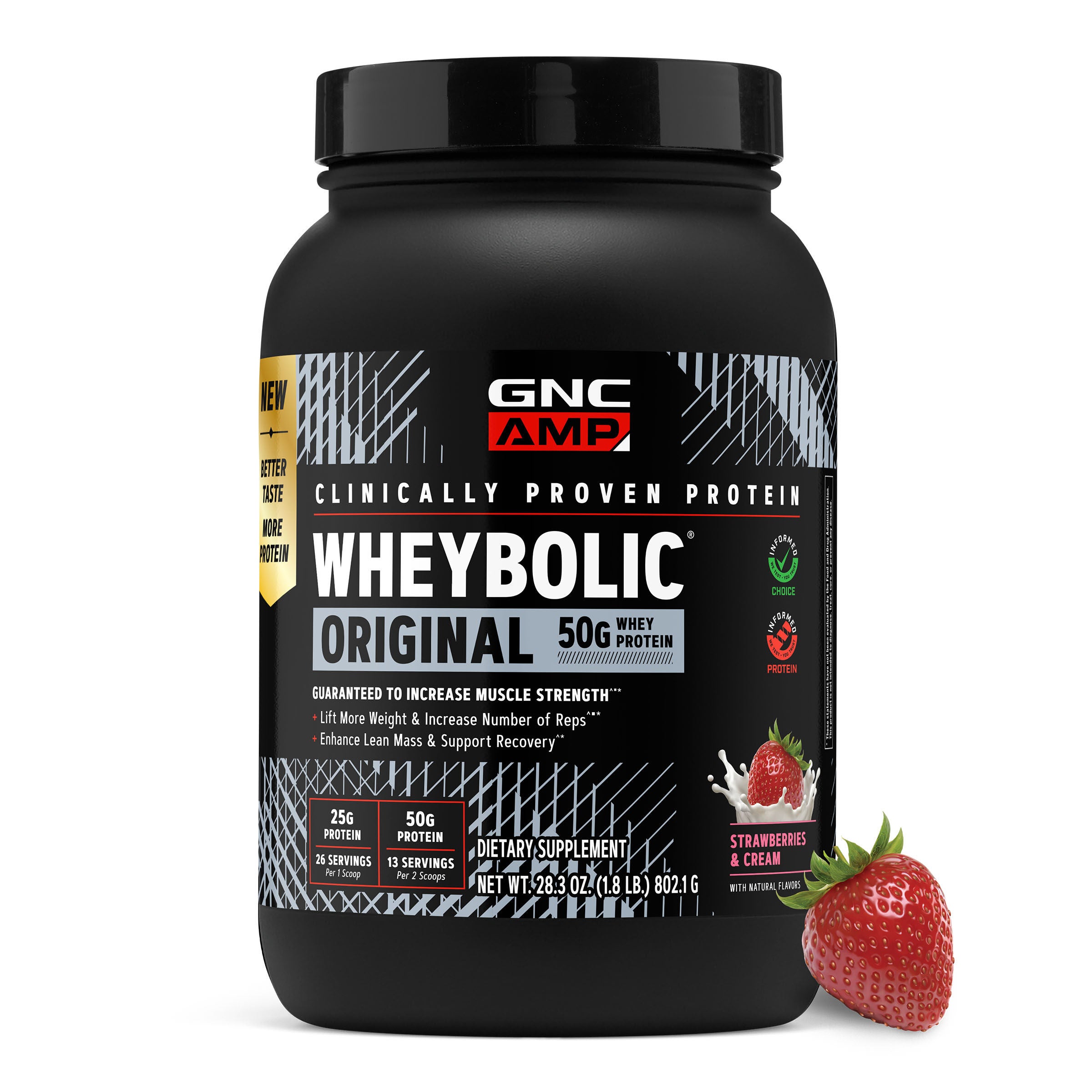


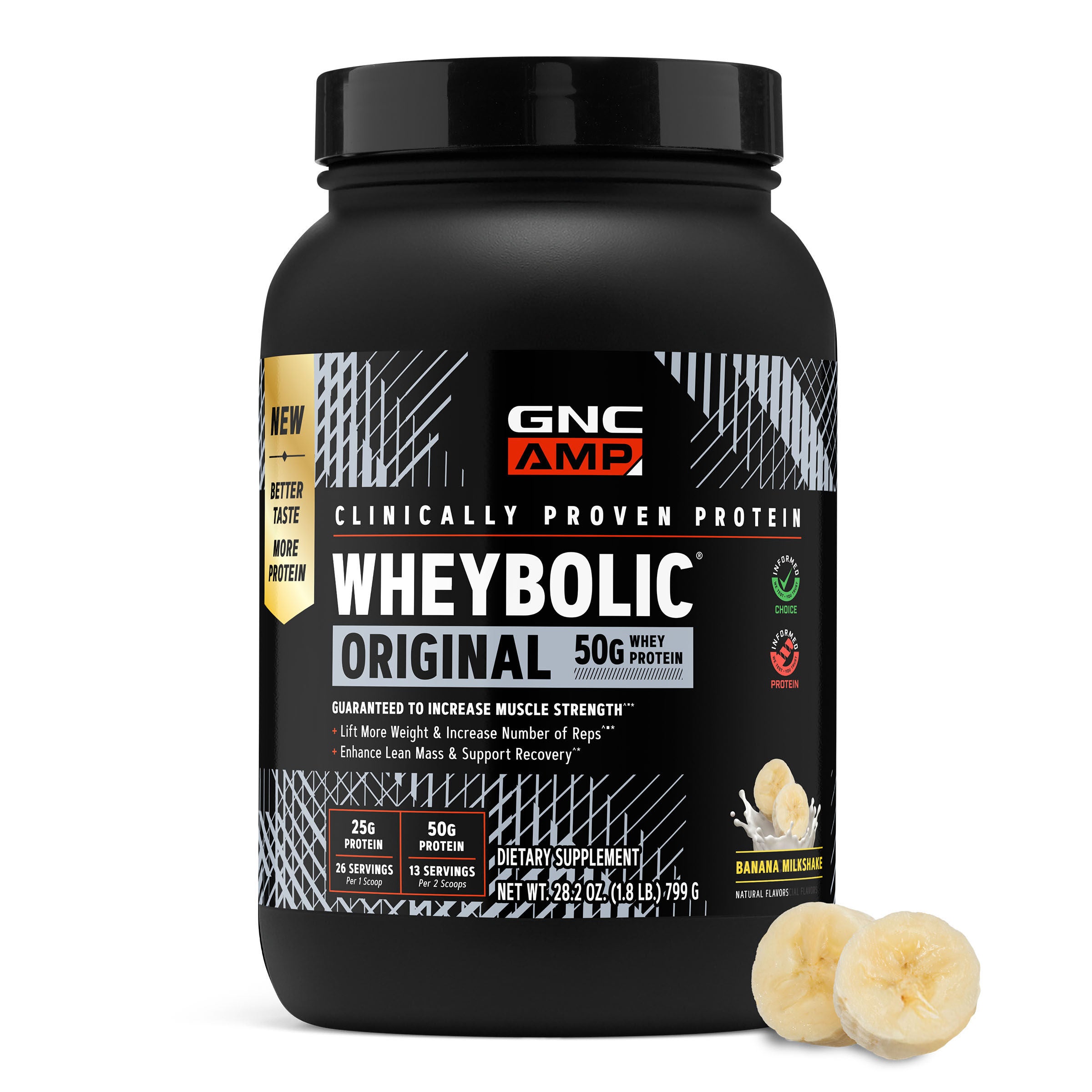

Muscle building for athletes brings together strength training, everyday nutrition, and recovery, with sports nutrition products offering practical options for busy schedules. For an athlete, adding muscle often sits alongside other goals: moving efficiently on the court, staying agile on the field, or handling a demanding practice schedule. The focus is not simply a more muscular appearance, but a routine that fits the demands of a particular sport. Protein powders, ready-to-drink shakes, creatine supplements, and carbohydrate-containing formulas are categories athletes may consider as part of that routine. Protein supplements may support muscle growth and recovery when paired with resistance training and adequate food intake, while their formats suit different settings. A powder mixed at home fits a different moment than a sealed shake tucked into a lunch bag for the stretch between work and an evening lifting session. Whey, casein, and plant-based protein blends also offer different ingredient profiles, textures, and preparation options. Whey comes from milk and commonly appears in shakes intended for use around training; casein is another milk-derived protein, often with a thicker texture. Plant-based formulas may include sources such as pea, rice, or soy, with blends offering another way to match personal eating preferences. The amount of protein per serving, the serving size itself, and the other ingredients all provide useful context when comparing formulas. A scoop is not a standardized amount across powders, so the nutrition panel matters more than the apparent size of the container or scoop. Flavor deserves attention, too: a rich chocolate shake after an indoor workout creates a different experience from a lightly flavored drink alongside lunch. The most suitable format depends on how it fits into meals, training, and ordinary days away from the gym, rather than on a single ingredient or a dramatic description on a label.
Athletic muscle-building supplements serve different purposes, even when they appear together in the same shopping category. A protein-focused formula differs from a higher-calorie powder containing substantial carbohydrates and fats. The latter may suit athletes looking for a convenient way to add nourishment around a packed schedule, while a simpler protein powder may fit someone whose usual meals already cover most of their energy needs. Comparing calories, protein, carbohydrates, and fats per serving makes those distinctions clearer without treating every athlete’s goals as interchangeable. A field-sport athlete juggling lifting and conditioning has a different daily rhythm from a strength athlete organizing the day around a single training session. Creatine is another common consideration in sports nutrition. Creatine monohydrate may support performance during repeated, short periods of high-intensity effort, and it may support muscle-building goals alongside resistance training. It is not a protein source, which makes the distinction between these categories important. Plain powders and flavored blends also present different mixing experiences; a straightforward ingredient panel may appeal to someone who prefers to keep each part of a routine separate. Amino acid formulas occupy another part of the category, though the presence of additional amino acids does not by itself establish that a formula is a better match than a protein powder. Looking at the full ingredient panel helps distinguish meaningful differences from similar-looking packaging. For athletes who participate in organized competition, independent sport-focused certification is another consideration. Certification programs differ in their testing criteria, and the exact designation on the package matters more than a broad reference to testing. Team or governing-body requirements provide further context for those comparisons. Muscle-building nutrition also belongs within the larger picture of regular meals, progressive resistance training, and time set aside for rest. Supplements may help with convenience or particular nutrition goals, but they are not substitutes for the training itself. An athletic routine has room for both challenging sessions and quieter recovery days, with product choices reflecting the demands of each.
Everyday usability often separates an appealing purchase from something that genuinely fits an athlete’s routine. Mixing directions, liquid volume, texture, and packaging all deserve a close look. A powder intended for a shaker bottle may fit a gym bag more naturally than one preferred in a blender with oats and fruit. Some athletes favor an unflavored option for mixing into familiar foods, while others enjoy a distinct flavor as part of their post-workout routine. Milk-derived ingredients, soy, sweeteners, and other dietary considerations are worth checking on the package rather than inferring from a flavor name or a front-label description. Storage instructions matter as well, especially when products travel between home, a locker room, and a car. Keeping powders closed and dry, following package temperature guidance, and observing refrigeration directions for beverages are practical parts of product care. Durable packaging, a secure lid, and readable serving information can matter just as much during a long day as they do on a kitchen counter. For products used before training, Preworkout For Athletes offers a related category to explore alongside muscle-building nutrition. Preworkout formulas vary in their ingredients and intended use, and those containing caffeine warrant attention to the labeled amount, other caffeinated drinks, and the timing of a session. An early practice and a late-evening workout create different shopping considerations, particularly when rest is part of the broader routine. During the cooler months, when more training may move indoors, familiar preparation habits can make the transition between a workday, a weight room, and dinner feel less cumbersome. These categories may also appeal to recreational lifters, collegiate competitors, and experienced athletes refining an established routine. As gifts, nutrition products are most personal when the recipient’s preferred format, dietary preferences, and familiar flavors are already known. Thoughtful selection comes down to intended use: what the product contains, how it is prepared, and where it belongs within an athlete’s actual day. That practical match keeps the focus on consistent habits rather than an overflowing shelf.