NAC Respiratory Health Supplements
(0 Results)
Explore a variety of NAC respiratory health supplements designed to support your wellness routine. NAC, or N-acetylcysteine, is a popular ingredient that may be included in supplements for those looking to prioritize their respiratory well-being. Discover options that fit your lifestyle and wellness goals with our selection of NAC respiratory health supplements.
-
 Nature's Fusions$14.99
-

-
-

-

-
-

-

-
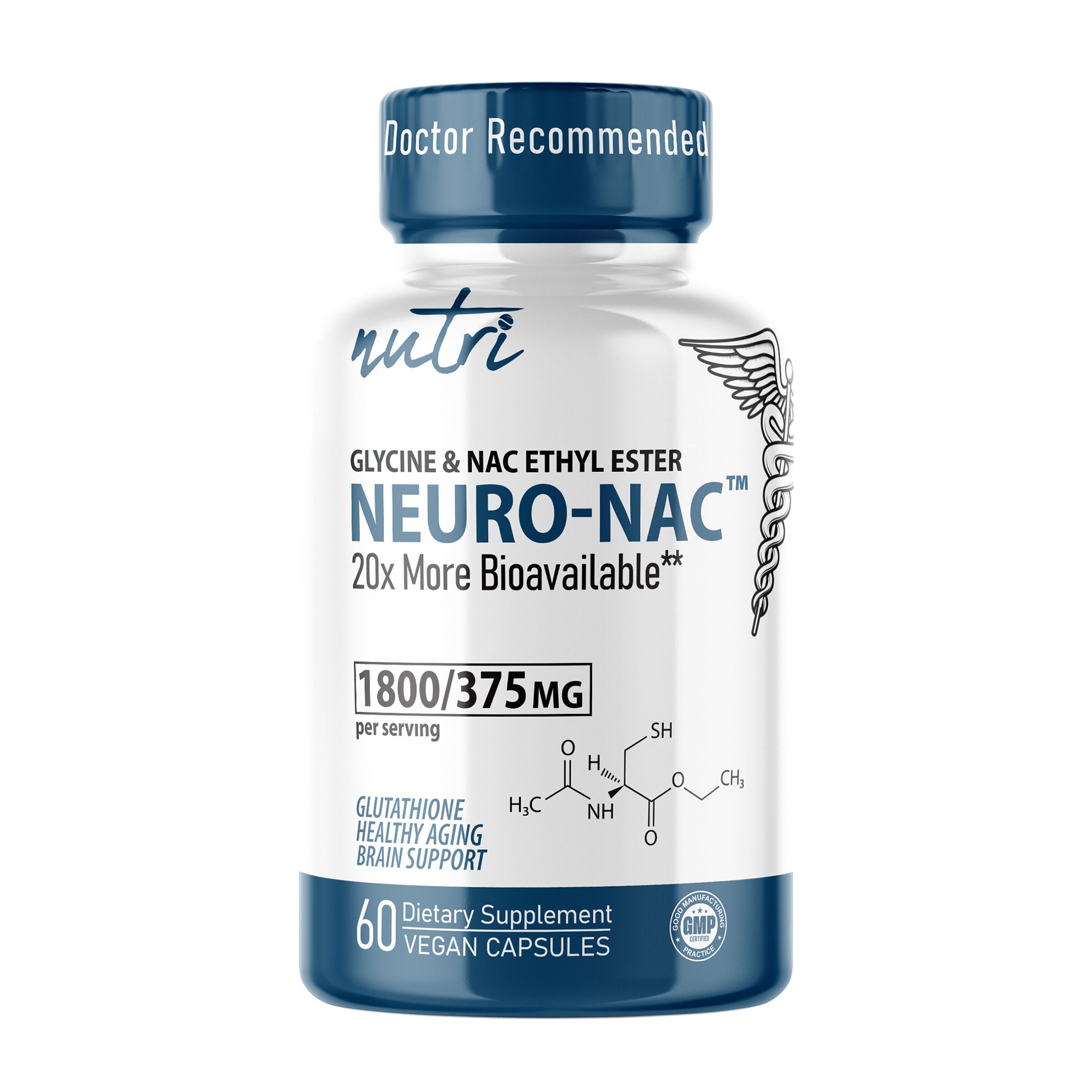
-
 $24.99
-
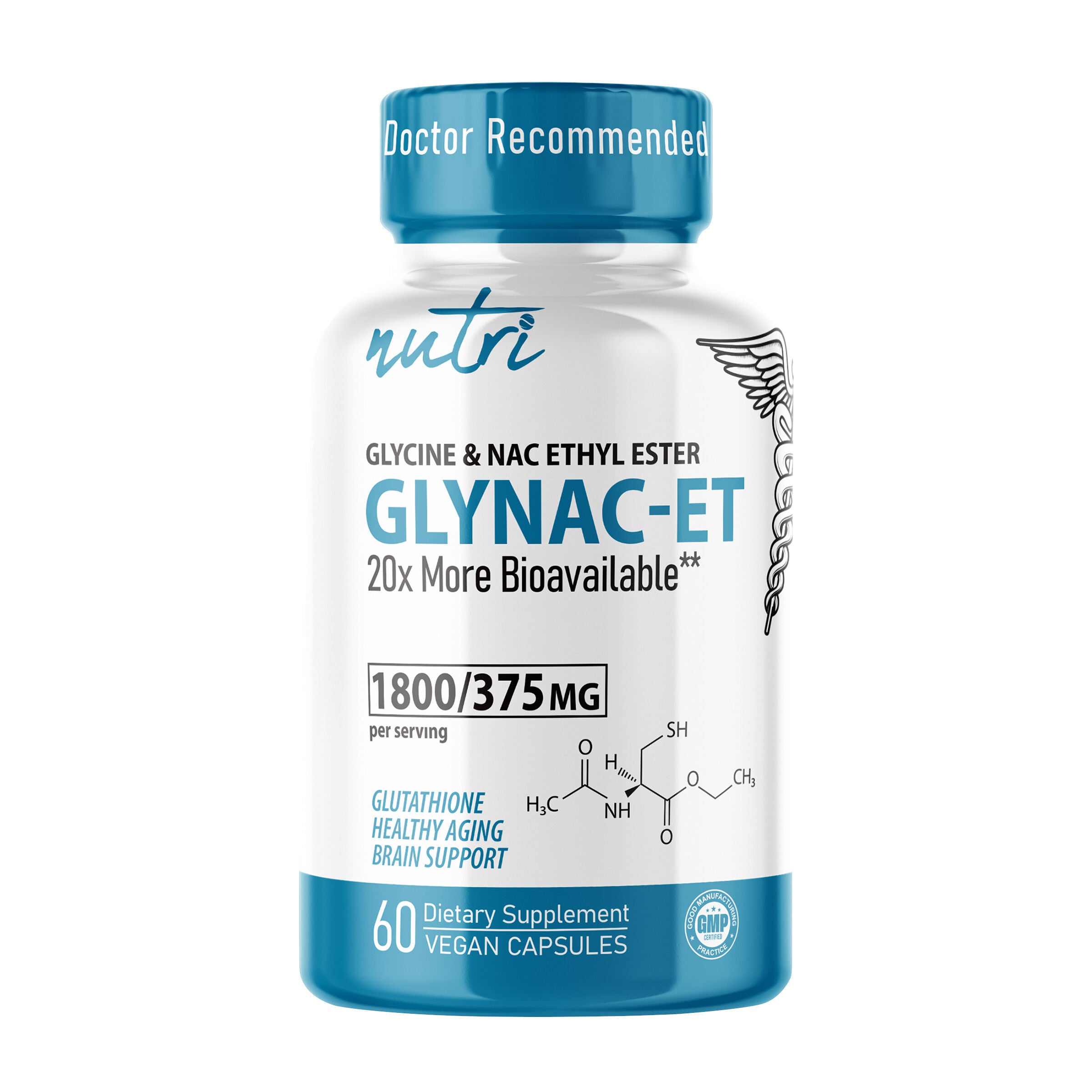 Nature's Fusions$39.99
-
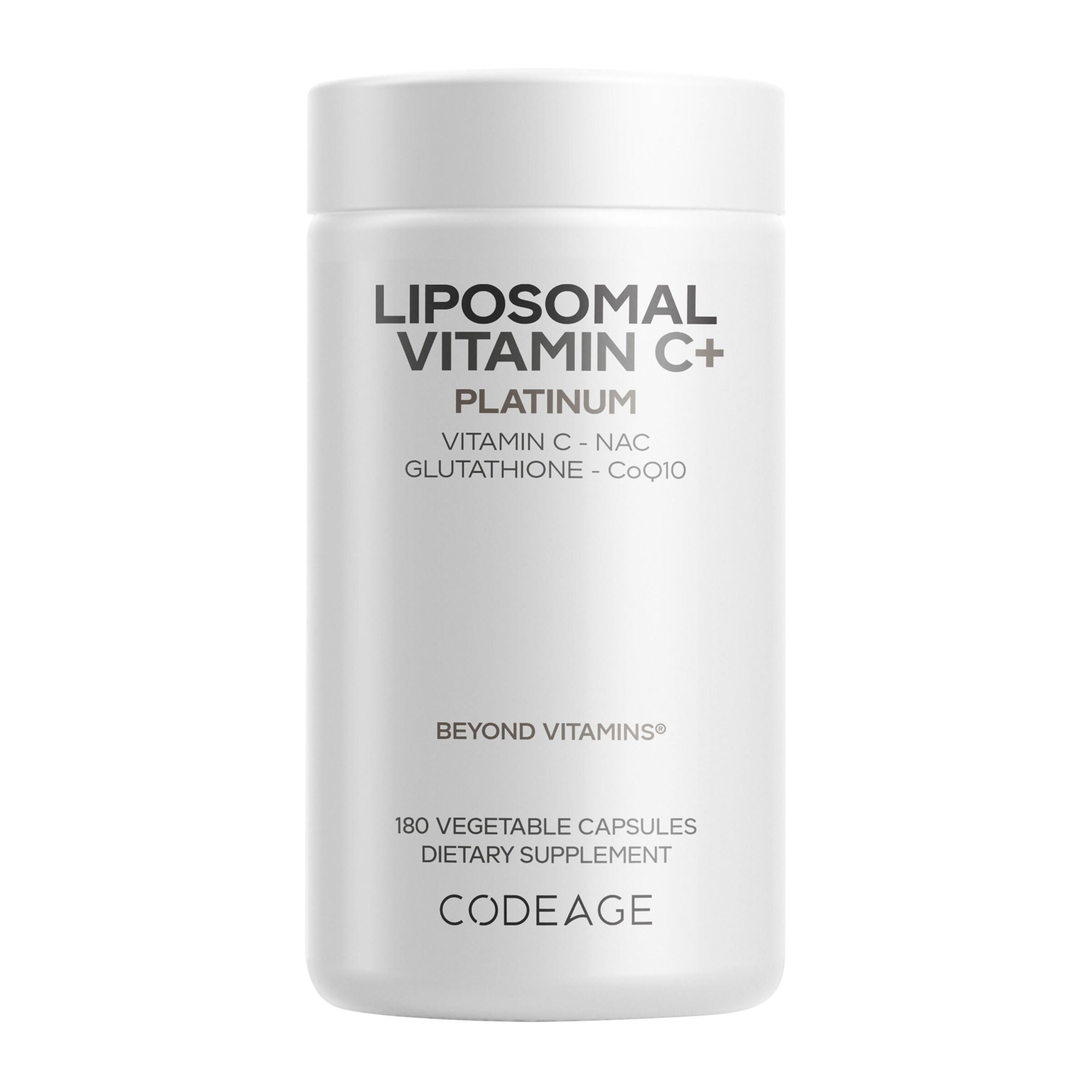 Codeage$69.99

NAC respiratory health supplements feature N-acetylcysteine, also written as N-acetyl-L-cysteine, in formulas intended for adult supplement routines. NAC is a derivative of L-cysteine, an amino acid found in proteins. Cysteine is also one of the three amino acids the body uses to make glutathione, a naturally occurring antioxidant. This biochemical connection provides background for NAC’s place in antioxidant nutrition and respiratory wellness categories, without making every formula interchangeable. The ingredient name identifies the featured compound, while the Supplement Facts panel explains the amount in a serving and any accompanying dietary ingredients. A formula centered on NAC has a different composition from a blend containing NAC alongside vitamins, minerals, or botanical ingredients. Neither approach describes every shopper’s preference: some adults want a straightforward ingredient list, while others prefer a combination that fits the rest of their supplement routine. The distinction between a featured ingredient and a finished formula matters here. Even a product described as single-ingredient generally includes other materials needed to create the capsule or tablet, so the dietary ingredient panel and the other ingredients list provide different information. NAC is not an herb, and its presence in a plant-based capsule does not turn it into a botanical ingredient. Its name can appear in several familiar spellings, but the labeled identity remains the starting point for understanding what is inside. For adults browsing NAC supplements with respiratory wellness in mind, useful product context comes from the formula’s composition, labeled purpose, serving format, and suitability for personal dietary preferences. The category name alone does not describe the contents of every bottle or establish a particular experience. Clear labeling makes it easier to distinguish a focused NAC formula from a broader antioxidant blend and to understand how each is presented for its intended use.
Capsules and tablets are familiar formats for NAC supplements, with differences in dimensions, shell materials, coatings, and the number of units in a labeled serving. A serving might consist of one capsule or several, so the amount printed prominently on a package needs the context of the serving-size statement. Bottle count and serving count also describe different things: a container with multiple capsules per serving will have fewer servings than its capsule count suggests. These details matter to someone organizing a daily supplement case or choosing a format that fits an established routine. Capsule materials deserve a closer look for shoppers with dietary preferences. Some shells use gelatin, while others use cellulose-based materials; the shell alone does not establish the dietary status of every ingredient in the formula. Vegan or vegetarian labeling, allergen statements, and the other ingredients list offer additional context. Tablets may contain binders, coatings, or other ingredients used in manufacturing, and a shorter list is not automatically a measure of overall quality. Powders and liquids involve different measuring methods, textures, and storage requirements, making their package directions particularly relevant when comparing formats. For any form, the amount of NAC per serving is separate from the amount of a blend that contains NAC. A blend’s combined weight does not necessarily identify the quantity of each component unless those amounts are disclosed individually. Quality information is similarly specific. A third-party testing statement may address ingredient identity, selected contaminants, or other defined criteria, depending on the testing program. Documentation that explains what was assessed provides more context than a broad quality phrase by itself. A clearly printed lot number, expiration date, intact closure, and readable directions add practical details that matter beyond the front label. Together, these features give NAC respiratory health supplements a more tangible identity than a large ingredient name or a prominent milligram figure alone.
The everyday fit of a NAC supplement extends from its formula to the way its packaging works at home or on the go. Someone who keeps supplements in a kitchen cabinet may value a clearly labeled bottle that is easy to distinguish from similar containers, while a frequent traveler may pay closer attention to closure design and package dimensions. An adult who uses a weekly organizer may also find that capsule size and the labeled number of capsules per serving affect how comfortably the product fits into that system. Original packaging preserves access to directions, ingredient information, and identifying details that can be lost when capsules are moved into an unmarked container. Storage conditions matter for package care: the label provides the relevant requirements, and a dry cabinet away from a steamy shower presents a different environment from a bathroom shelf exposed to repeated moisture. A secure closure and packaging kept in good condition help maintain the intended storage setup. Because NAC contains sulfur, some formulas may have a noticeable sulfur-like scent; scent alone is not a reliable way to assess identity, freshness, or quality. Printed dates, storage instructions, and package condition remain more useful reference points. For a broader look at the category beyond its respiratory wellness focus, NAC Supplements for Year Round Health offers another way to explore NAC-centered formulas. Across the category, the most useful distinctions remain concrete: the named form of NAC, its amount per labeled serving, accompanying ingredients, capsule or tablet materials, and the information supplied about testing and storage. A simple formula may appeal to someone who prefers fewer featured ingredients, while a combination formula may suit a preference for several dietary ingredients in one format. Those preferences are personal rather than a ranking of one format over another. Thoughtful product selection starts with these visible, verifiable details, keeping the focus on what a formula contains and how its labeled use fits an adult supplement routine.
Best Sellers
-
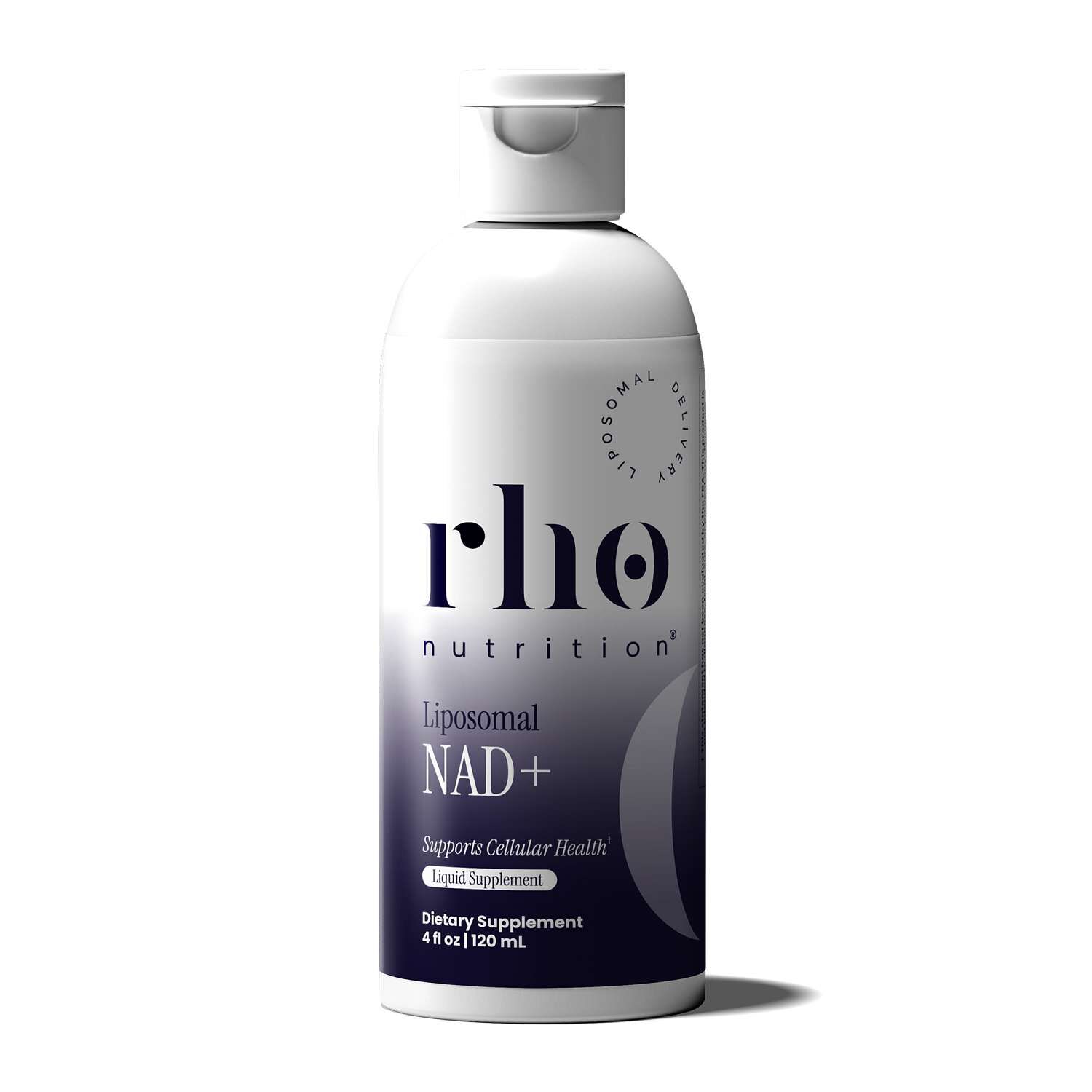 Rho Nutrition
-
 Rho Nutrition
-
 Doctors' Preferred