NAD+ Supplement Tablets
(0 Results)
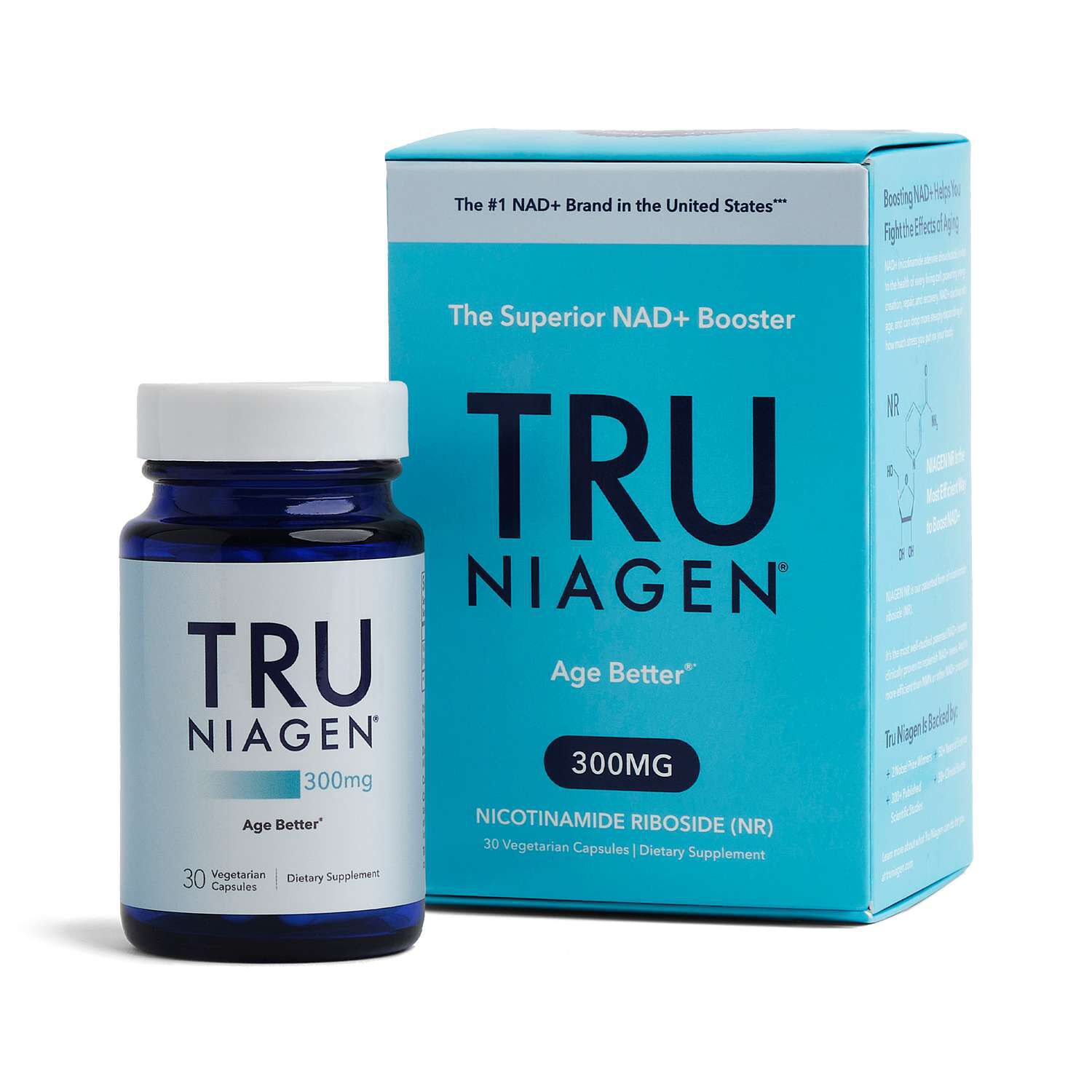
NAD+ tablets are a powerhouse supplement designed to support cellular health and energy production. With age, our body's natural NAD+ levels decline, impacting various bodily functions. These tablets contain key ingredients to help replenish NAD+ levels, promoting overall well-being and vitality. Discover how NAD+ tablets can enhance your daily routine and support your wellness goals.
-

-

-
-
 $44.99
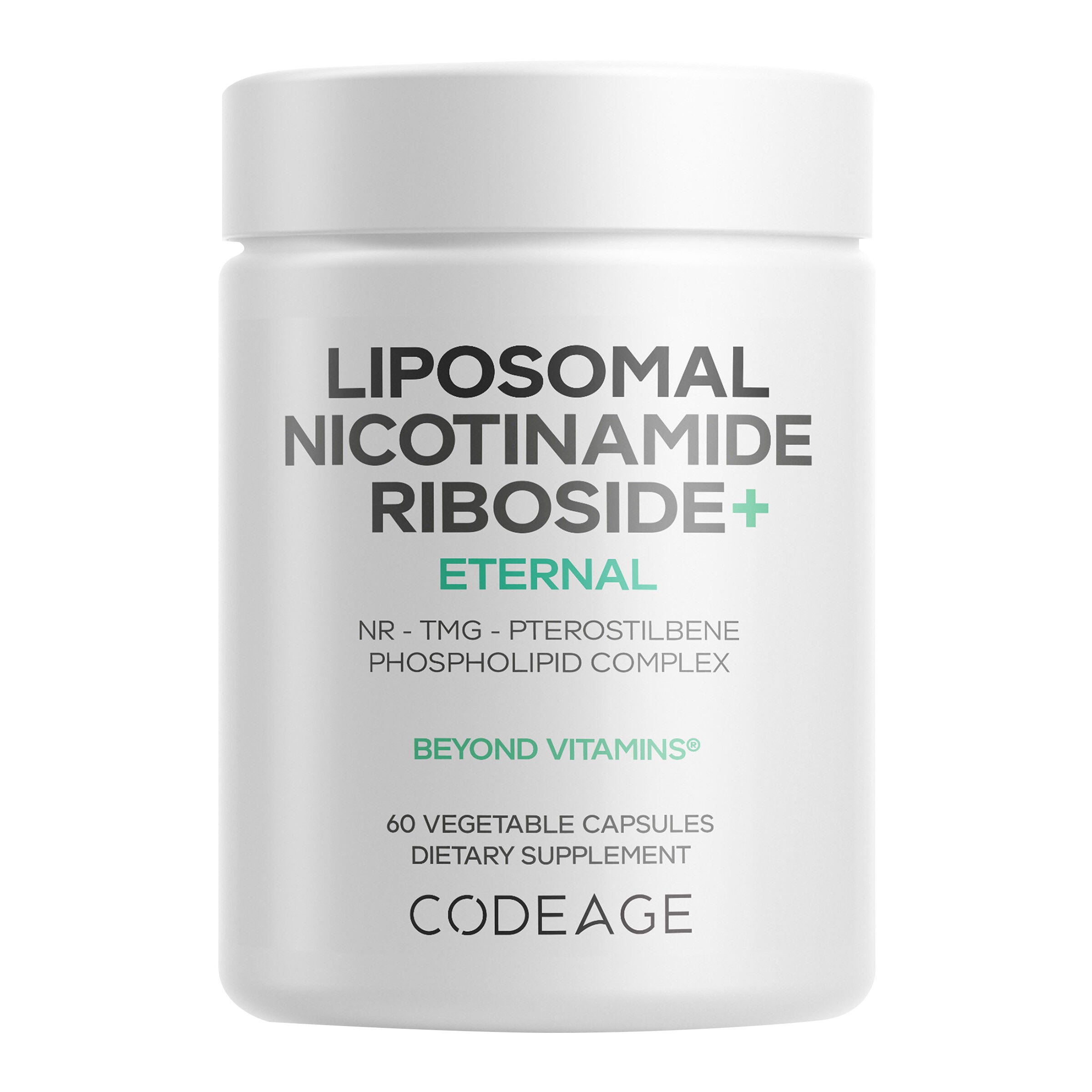
NAD+ supplement tablets are dietary supplements in a solid oral format, with formulas that may contain NAD+ itself or related ingredients the body uses to make it. NAD+ stands for nicotinamide adenine dinucleotide, a coenzyme naturally present in the body. A coenzyme works alongside enzymes in biochemical processes; NAD+ participates in processes involved in converting nutrients into usable cellular energy. That background explains the interest in NAD+ supplements, but it does not establish what a particular tablet may do for an individual. The category includes different ingredient approaches, making the Supplement Facts panel more informative than the category name alone. Some formulas feature nicotinamide riboside, often abbreviated NR, while others feature forms of vitamin B3, such as niacin or nicotinamide. These names describe distinct ingredients, not interchangeable names for the same substance. A precursor is a starting material the body can use to produce another compound, so an NAD+ precursor tablet is different from a tablet listing NAD+ as an ingredient. Clear ingredient identification helps distinguish those approaches without assuming that every formula has the same composition. The listed amount also needs context: an amount per serving may refer to one tablet or several, and a blend may present its components differently from a single-ingredient formula. The number on a label describes the formula rather than a measured result for the person using it. Research on NAD-related ingredients varies in the compounds studied, the amounts used, and the people participating. Findings about one ingredient do not automatically describe another ingredient or every finished tablet containing it. For shoppers interested in cellular nutrition, NAD+ supplement tablets offer a category to explore through ingredient names, serving information, and clearly stated intended use. The most useful background connects the terminology to the actual formula while keeping the role of naturally occurring NAD+ separate from expectations about a supplement.
The tablet format brings practical considerations beyond the featured nutrient. Unlike a powder that requires measuring and mixing, a tablet is a preformed solid with its amount established during manufacturing. Tablet size, thickness, shape, and surface finish can differ substantially, even among formulas with similar ingredient descriptions. A small round tablet and a longer oval tablet may occupy different amounts of space in a container and feel different to handle. Product descriptions sometimes provide dimensions or images that make those differences easier to assess. Tablets also contain more than their featured dietary ingredients: binders help hold the compressed material together, and other formulation ingredients assist with manufacturing or provide a surface coating. Cellulose-based ingredients, for example, may serve a structural purpose rather than acting as the featured nutrient. A coating may create a smoother exterior, but its presence alone does not establish a particular absorption pattern or supplement outcome. Dietary preferences belong in this comparison as well. A tablet’s appearance does not reveal the source of every ingredient, and ingredient lists or clearly stated dietary attributes provide more useful information than color or shape. Serving size is another practical detail. A bottle containing many tablets may represent fewer servings when the labeled serving calls for more than one tablet, so tablet count and serving count describe different things. For an adult who organizes a morning routine around breakfast, or someone who packs personal-care items for an overnight trip, those distinctions may affect how the format fits into everyday plans. Packaging and storage matter because tablets remain exposed to their surroundings whenever a container is opened. The original bottle keeps the ingredient panel, directions, date information, and storage instructions together. A securely closed container and storage consistent with the label may help preserve the tablets’ condition. Leaving a bottle beside a steamy shower or in a damp gym bag introduces moisture that the packaging was not necessarily designed to accommodate. Keeping the printed information accessible is useful when routines involve several supplements with similar-looking containers.
NAD+ supplement tablets may appeal to adults who prefer a tablet format and want to examine NAD-related ingredients as part of their nutrition shopping. The intended audience and usage directions depend on the formula, rather than on the category name alone. Some shoppers prioritize a short ingredient list; others want a formula that includes additional nutrients and clearly identifies each one. Neither a longer list nor a larger printed amount, by itself, establishes a more suitable choice. Additional ingredients create more details to compare, including whether those nutrients also appear in other supplements a person already uses. Someone with an established multivitamin routine, for example, may pay particular attention to vitamin B3 appearing in more than one ingredient panel. Someone comparing tablets with other formats may focus instead on serving count, container size, and whether any preparation is involved. Related terminology also deserves a clear distinction. NADH is the reduced form of the same coenzyme pair, while NAD+ is the oxidized form; the names refer to different chemical forms rather than two spellings of one ingredient. The related collection, NADH Supplements for Active Adults, provides another category for shoppers exploring those distinctions. An interest in an active lifestyle does not make NADH and NAD+ formulas interchangeable, and neither name alone describes how a finished supplement may affect daily activity. The useful comparison remains grounded in the labeled ingredient, formulation, serving information, and intended use. Everyday suitability is often practical: a readable label, a format that matches personal preferences, and packaging that fits an organized routine. A bottle kept alongside other labeled supplements on a dry cabinet shelf presents a different handling situation from one carried between a desk, a travel bag, and a gym locker. Those ordinary details deserve attention alongside the scientific vocabulary. NAD+ supplement tablets are best understood as distinct formulations within a broader nutrition category, with product information providing the basis for comparison rather than broad assumptions about energy, age, or personal results.