Natural Flavor Proteins
(0 Results)
Discover the delicious and wholesome world of natural flavor proteins. Crafted to provide a clean and enjoyable taste experience, these proteins might be the perfect addition to your daily nutrition routine. Whether you're looking to support your fitness goals or simply seeking a nutritious snack, natural flavor proteins offer a variety of options to suit your needs. Explore the range of flavors and find the one that complements your lifestyle while potentially enhancing your wellness journey.
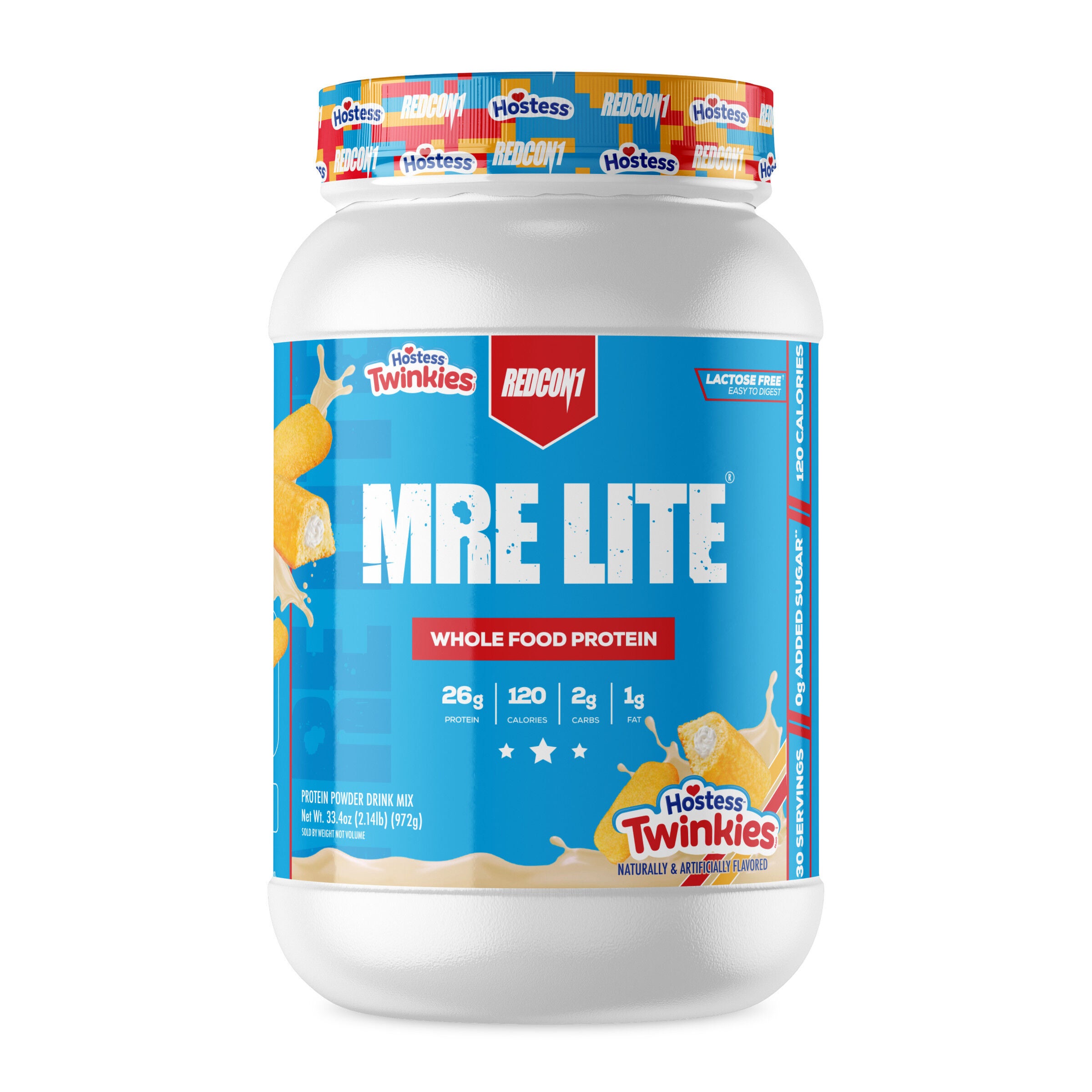


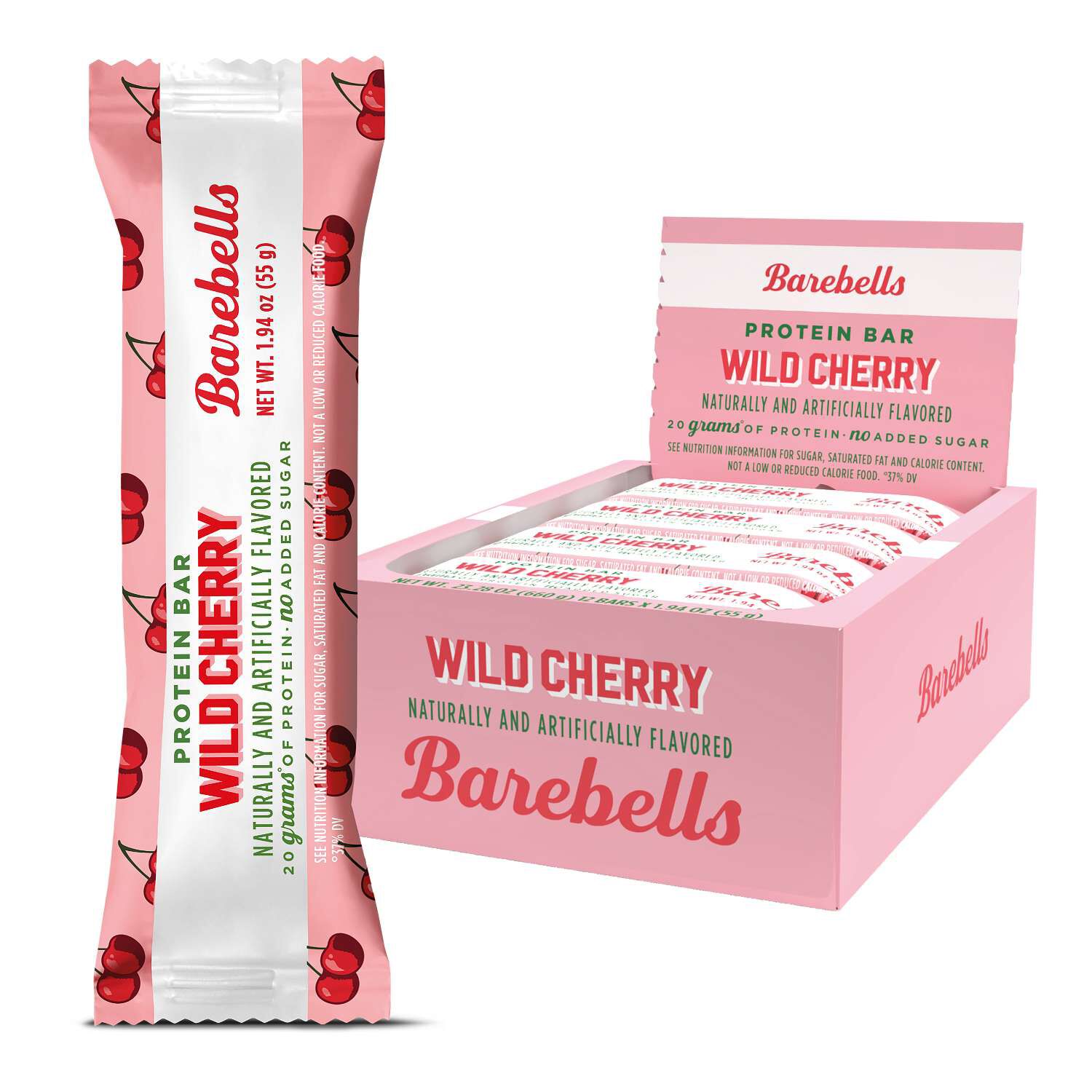

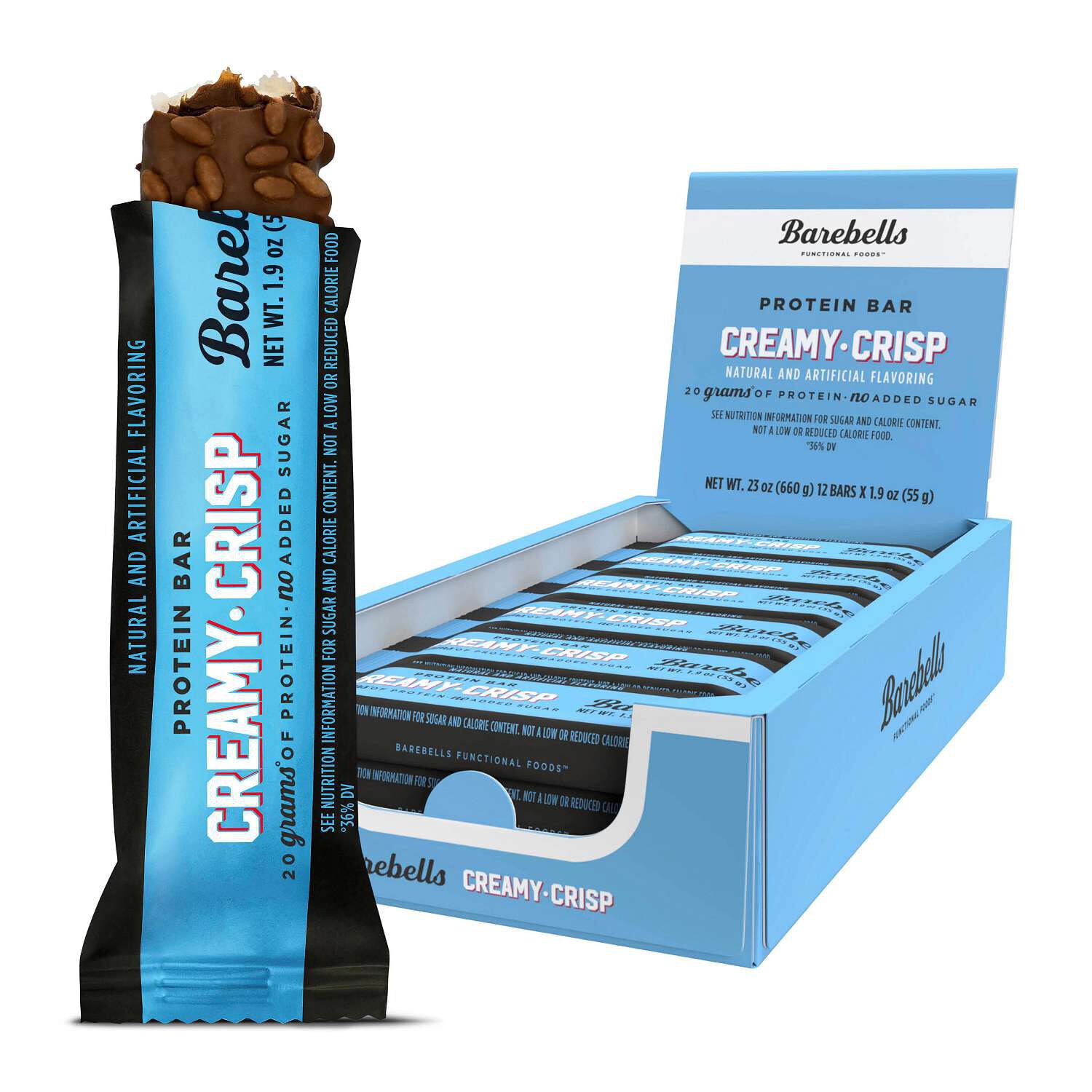

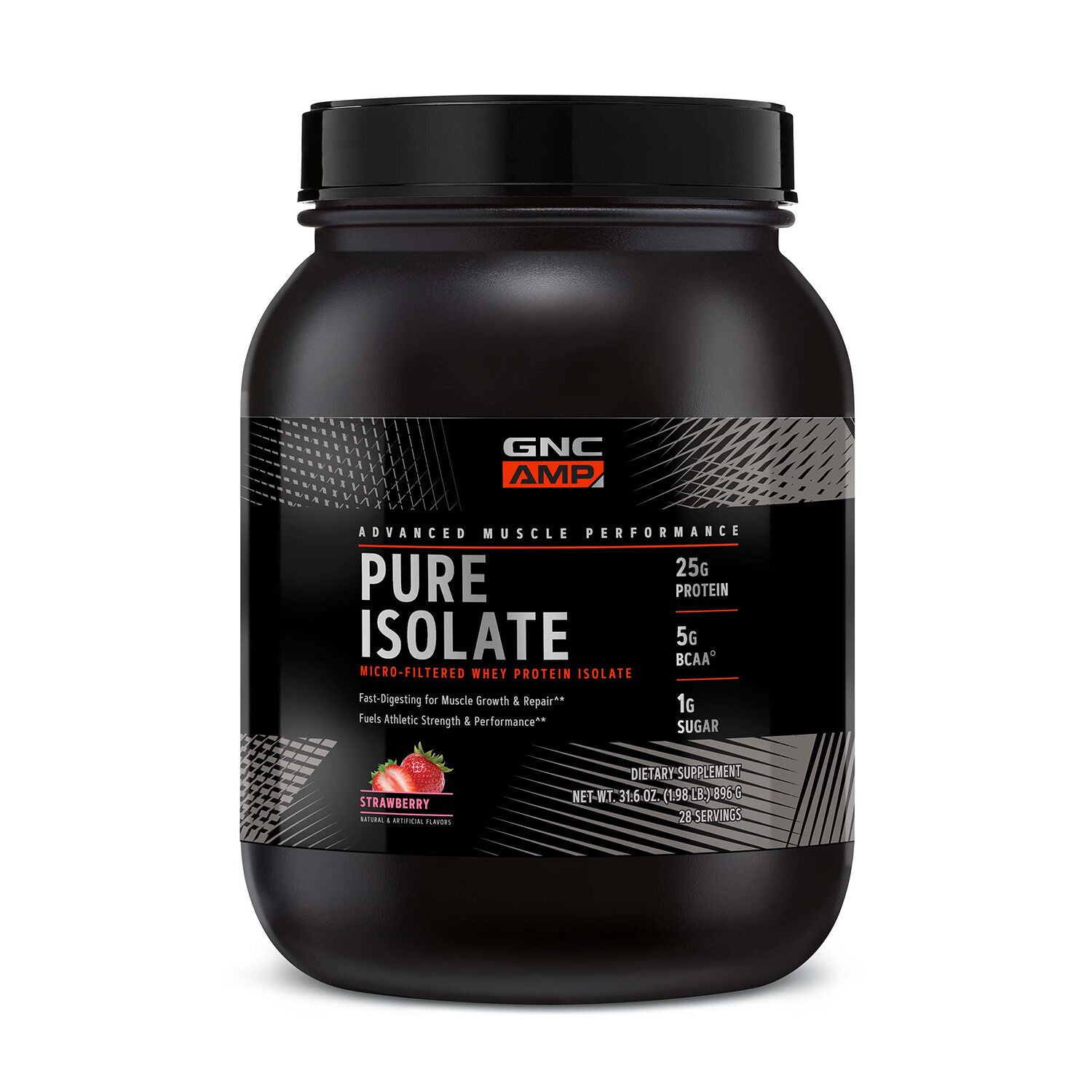
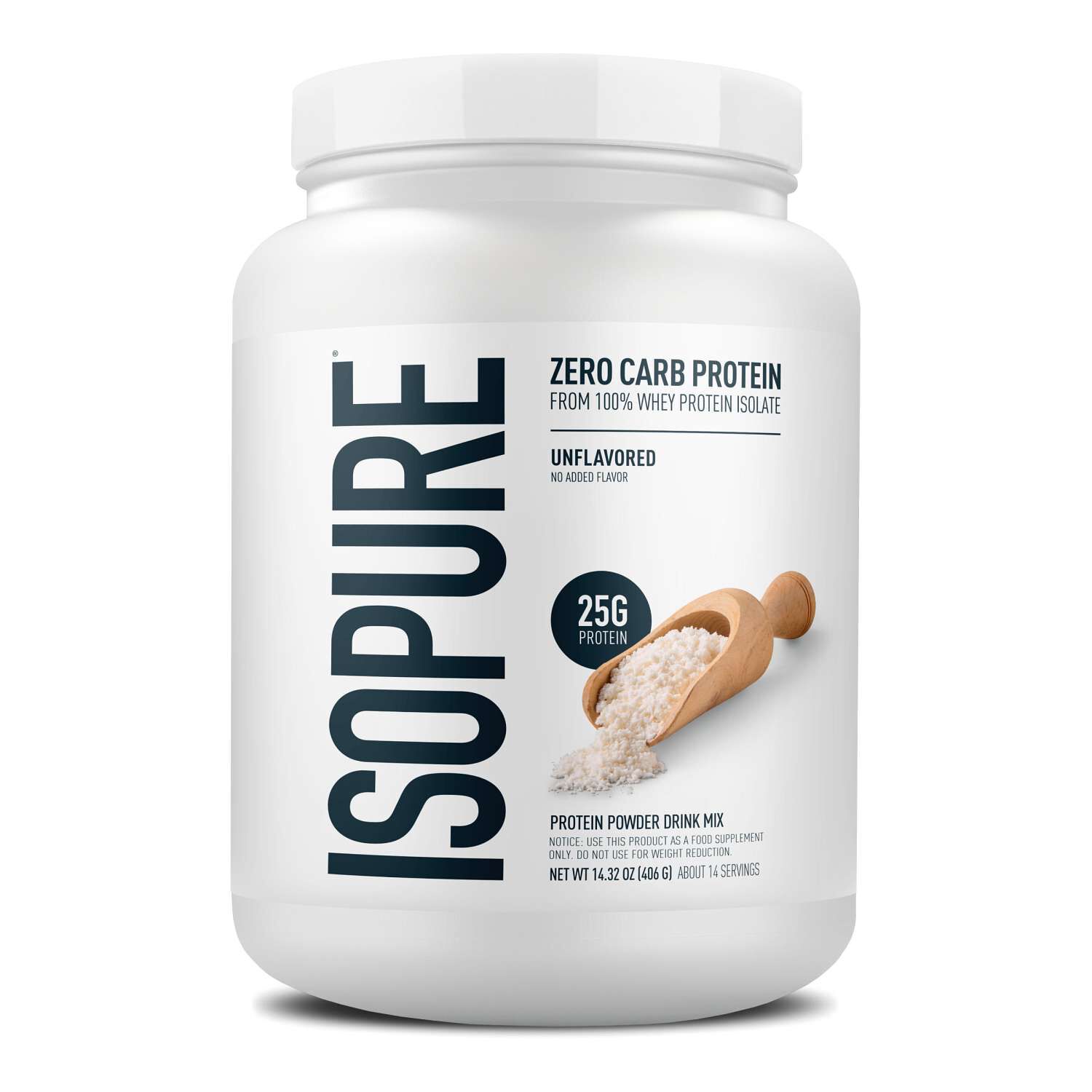
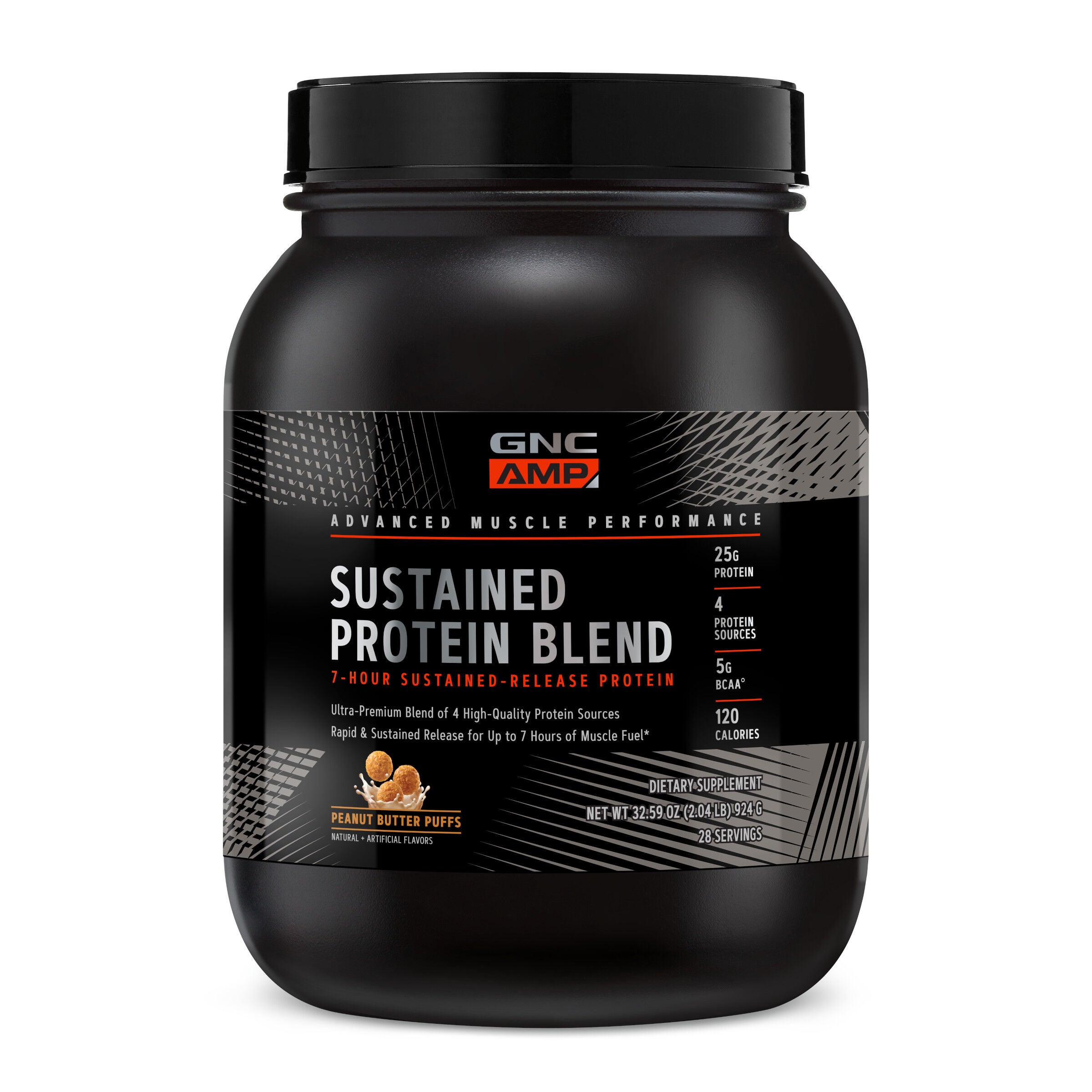

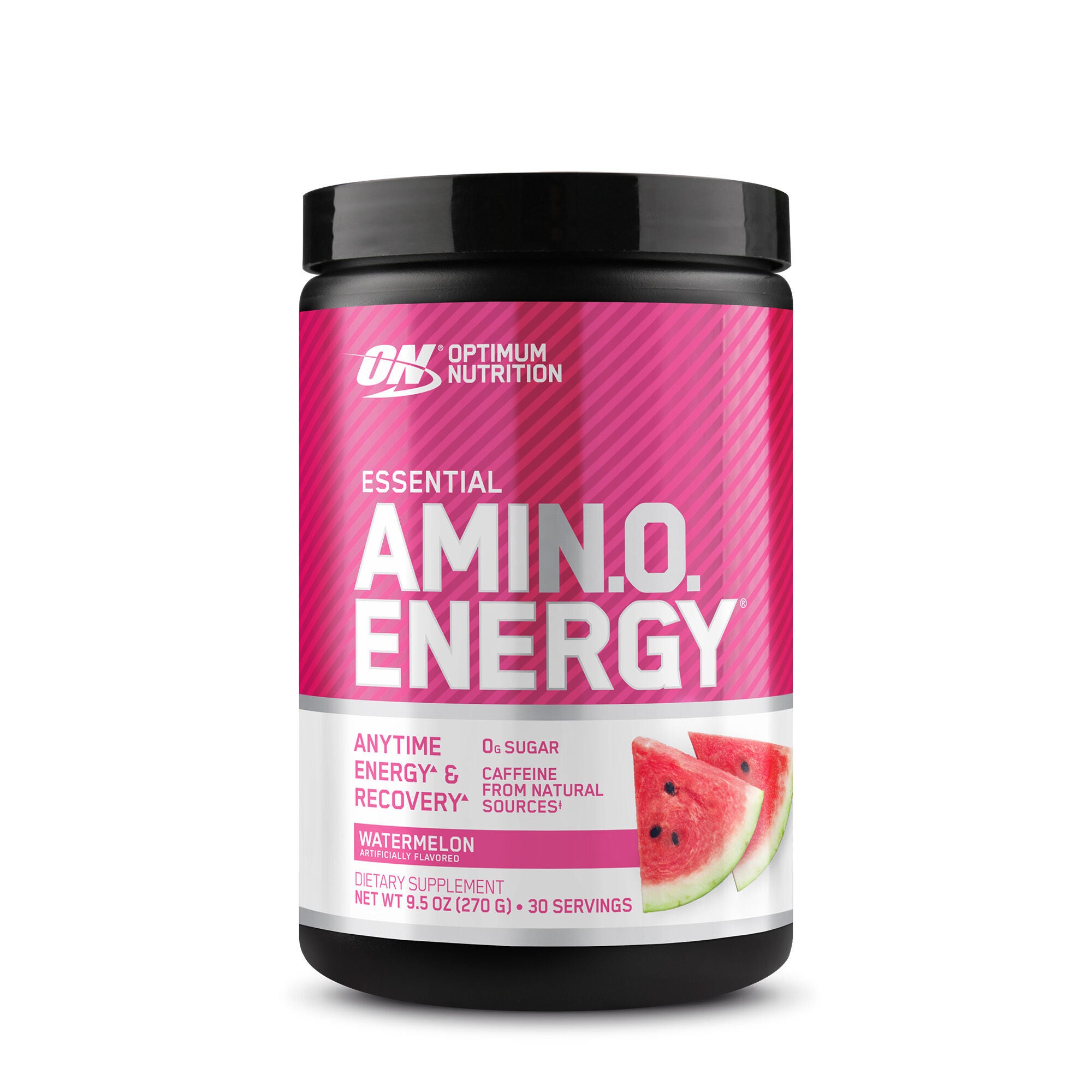
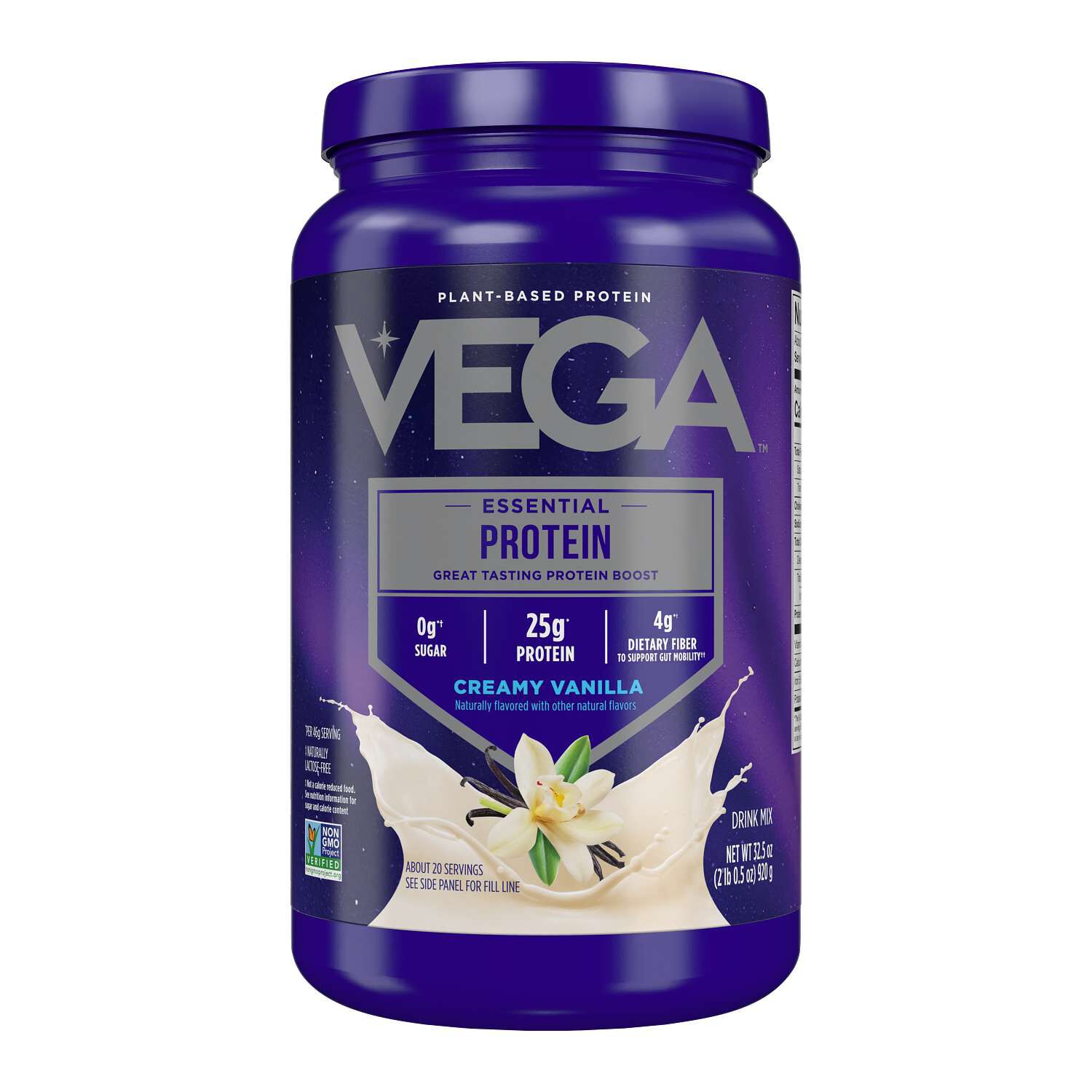

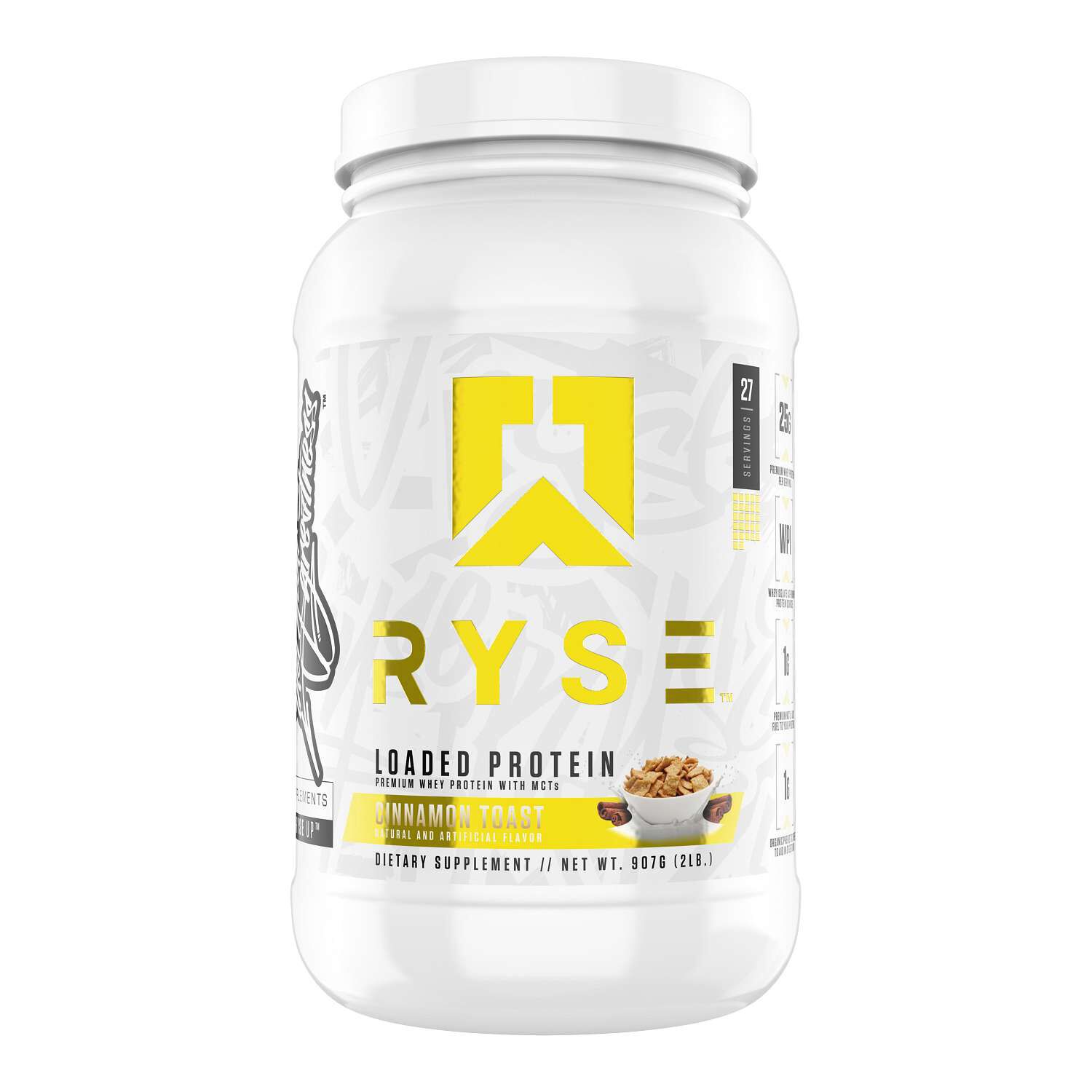
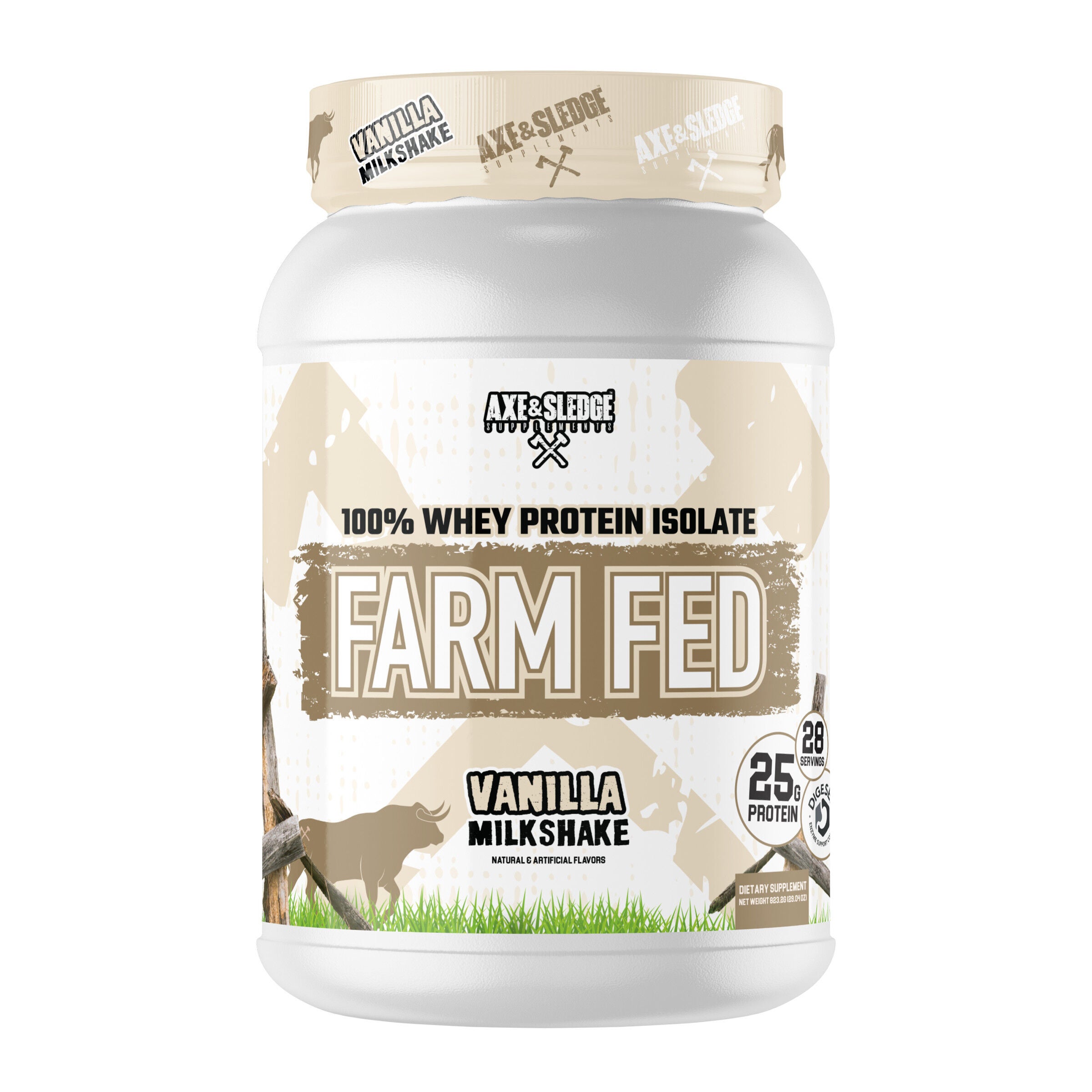


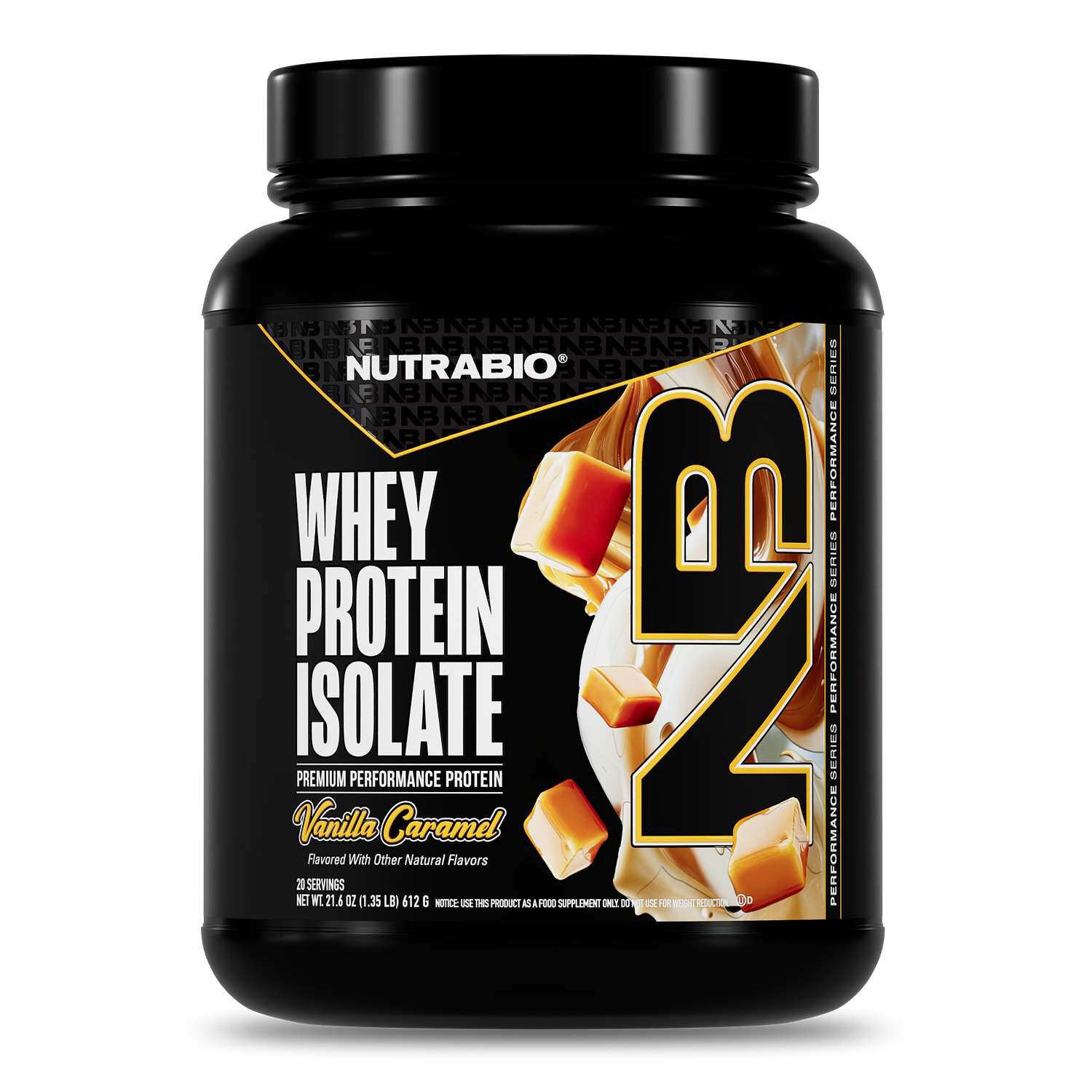
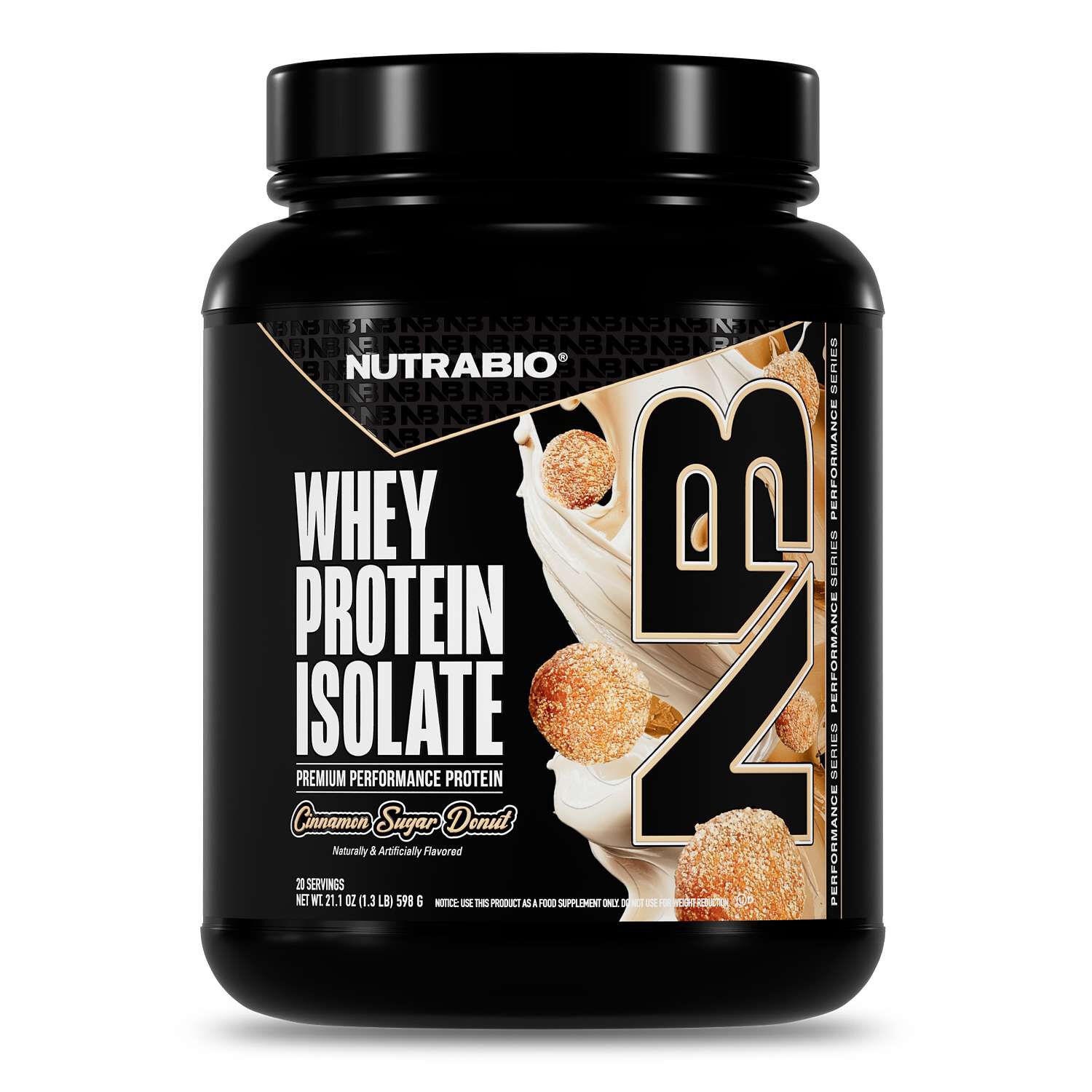

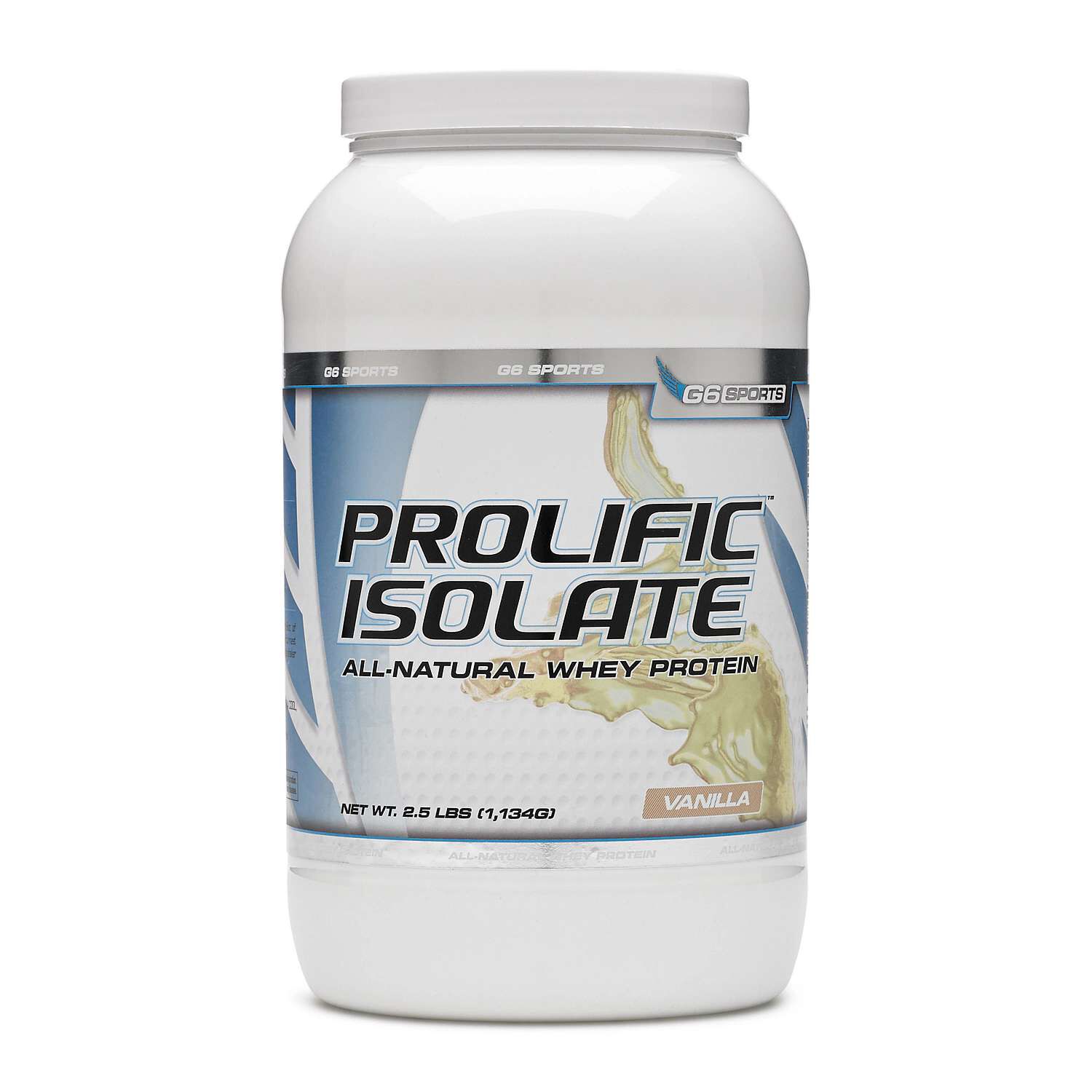
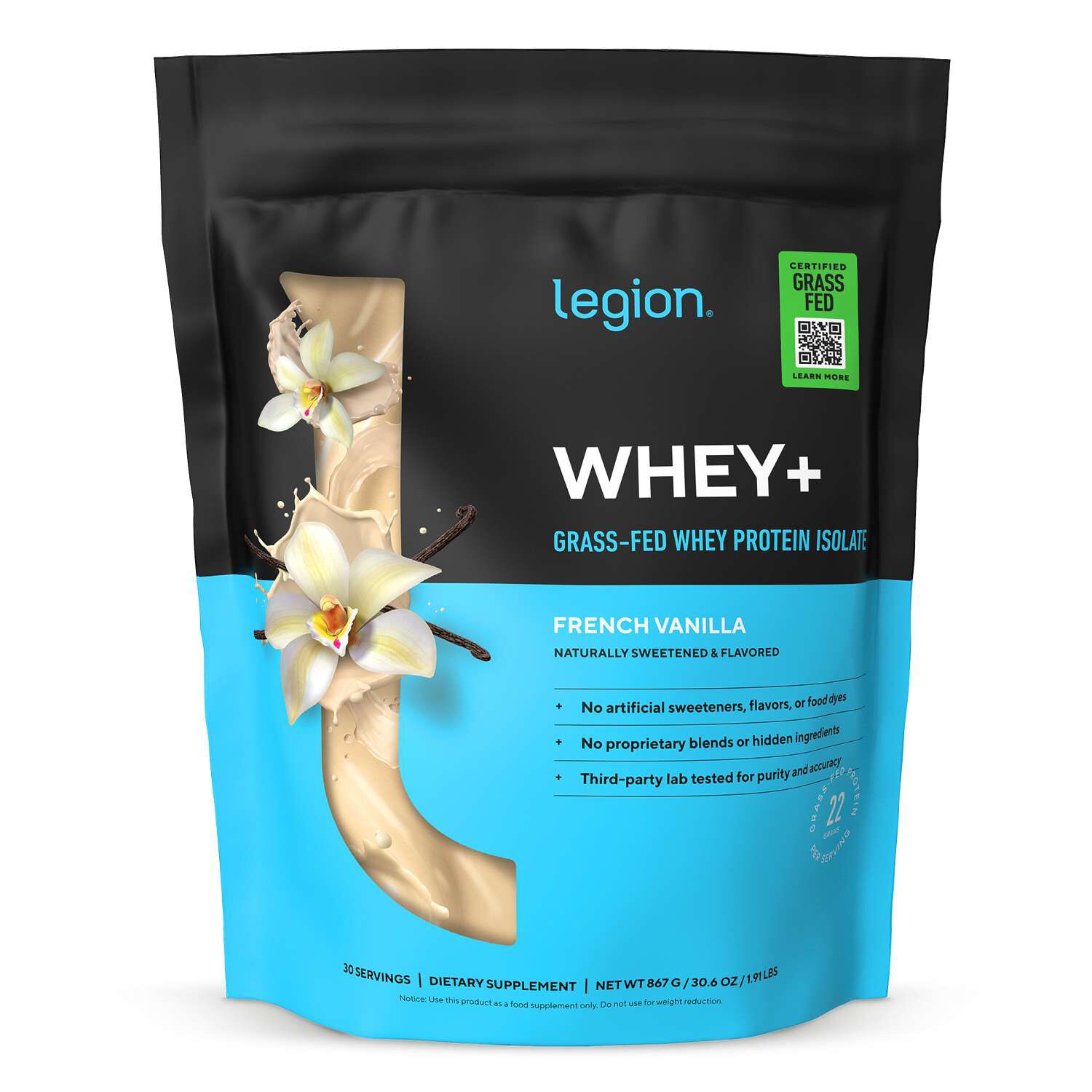
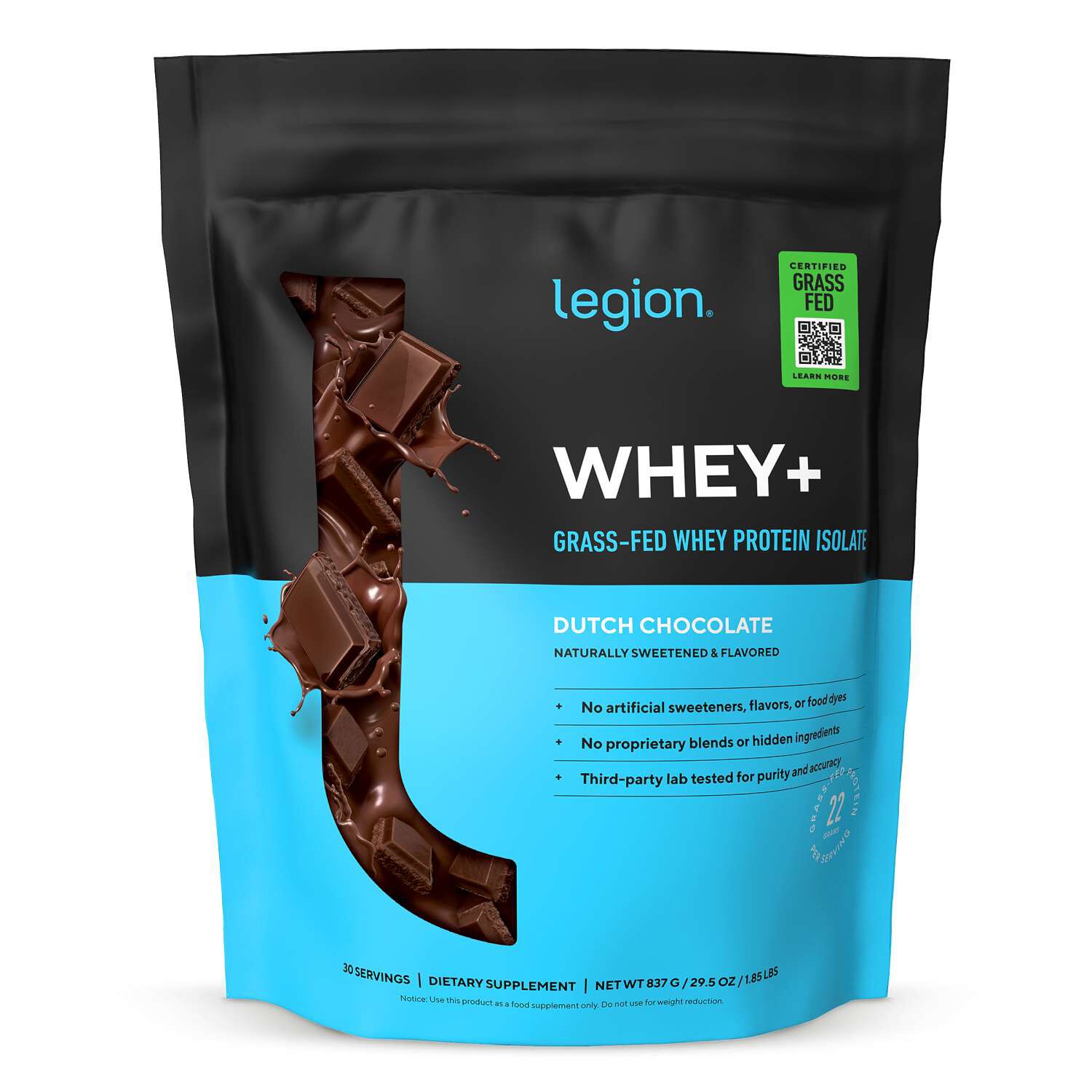
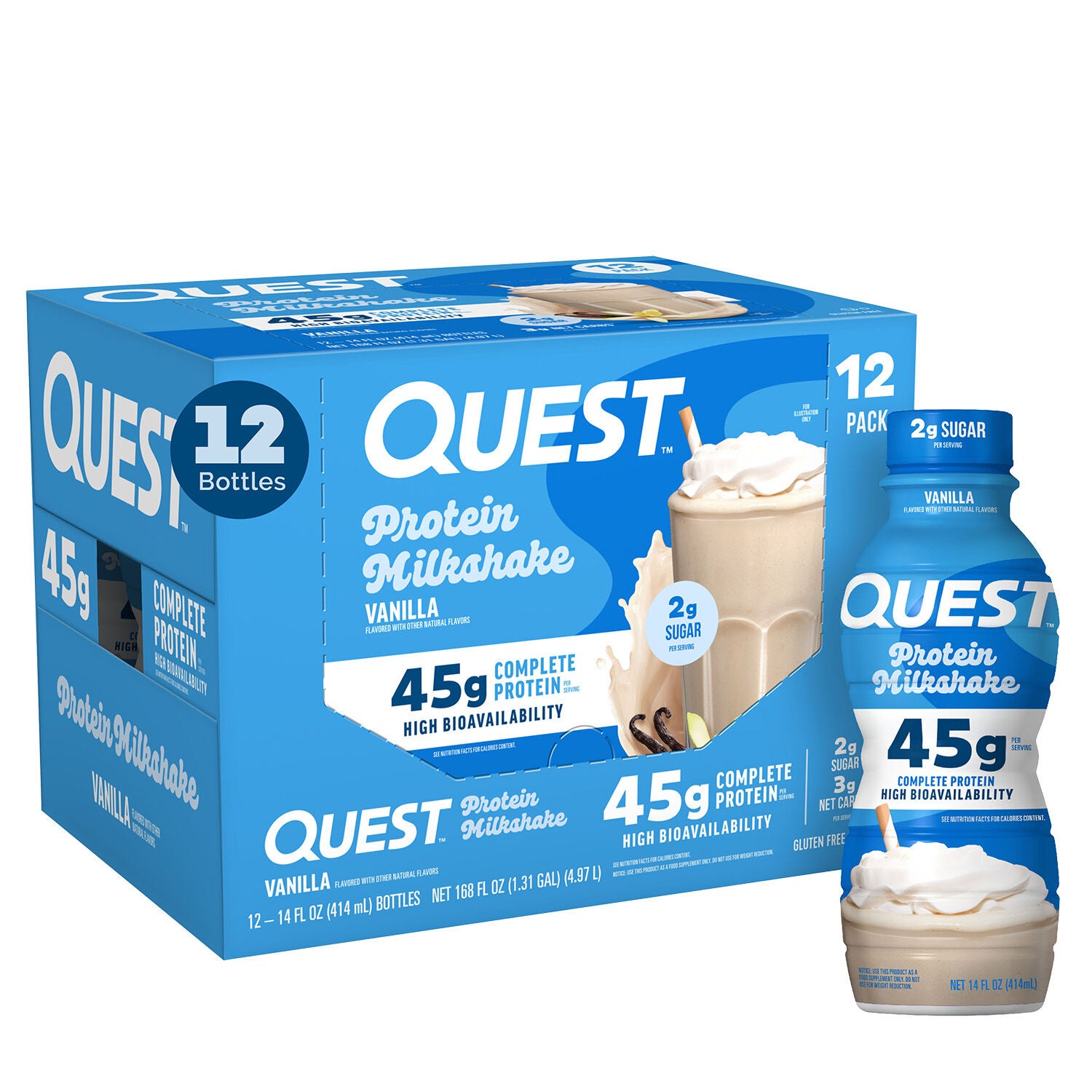
Natural flavor proteins are protein powders and related protein products made with flavoring ingredients derived from plant or animal sources. In protein powders, these ingredients are used primarily for taste rather than for their nutritional contribution. Under the U.S. definition, natural flavors may come from sources such as fruits, vegetables, spices, herbs, roots, meat, eggs, or dairy, with processing methods that include extraction, distillation, or fermentation. The term describes the origin and function of the flavoring; it does not mean that the entire formula is unprocessed, organic, plant-based, or made only from the food pictured on the package. A vanilla-flavored protein powder, for example, does not necessarily contain visible vanilla bean, and a fruit-inspired flavor does not establish how much fruit is in a serving. Natural flavor also means something different from unflavored. An unflavored powder generally has no added flavoring, but its protein source still has a characteristic taste, whether milky, earthy, or slightly nutty. Naturally flavored protein powders are intended for shoppers who want a defined taste alongside a concentrated source of protein, with options suited to shakes, smoothies, and other food preparations. Common flavor families include vanilla, chocolate, and fruit, although sweetness, aroma, and richness differ from one formula to another. Cocoa, fruit powders, and other named ingredients may contribute to the flavor alongside ingredients listed simply as natural flavors. Sweeteners are a separate consideration: a natural flavor statement does not establish which sweeteners a product contains or how much sugar is in each serving. It also does not, by itself, establish that artificial flavors are absent elsewhere in the formula. For a related selection focused on that distinction, explore Protein Powders Without Artificial Flavors. The ingredient list and package statements provide more useful detail than a flavor name alone, especially when comparing powders with similar names but different protein sources, sweeteners, and serving sizes.
The protein base is another important distinction within natural flavor proteins. Whey and casein come from milk, while plant-based powders may use peas, rice, soy, pumpkin seeds, or blends of several sources. Egg white is another protein ingredient found in this broader category. Flavor origin and protein origin are separate matters, so the words natural flavors alone do not establish whether a powder suits a vegan eating pattern. A milk-derived powder remains dairy-based regardless of whether its flavor comes from a plant. For shoppers with food allergies, the allergen declaration and any manufacturer information about shared equipment deserve close attention; the natural flavor description is not a substitute for those details. Beyond the ingredient source, serving size is useful context for any comparison. One scoop is not a standardized measure across containers, and the weight of a serving may differ substantially between formulas. Reading the serving weight alongside grams of protein, sugar, fat, and other listed nutrients gives a clearer picture of what each prepared portion contains. The scoop is a measuring accessory, while the label defines the intended serving. Ingredient order also offers context because ingredients generally appear in descending order by weight. A short list may appeal to someone who prefers a straightforward recipe, while a longer list may include ingredients intended for texture, sweetness, or mixing. Neither length alone establishes nutritional suitability. The most practical choice depends on the intended use: a straightforward shake after a workout, a smoothie alongside breakfast, or a measured addition to a recipe. Adults who regularly use protein powders may prefer different formats for a kitchen counter, an office drawer, or a gym bag. Resealable containers suit repeated preparation in one place, while individual packets offer premeasured portions for carrying elsewhere. Package size matters less than whether the flavor, serving format, and preparation requirements fit a person's actual routine. A familiar flavor used consistently may be a more comfortable choice than a complex dessert-inspired profile chosen only for its name.
Taste and texture are especially relevant when a protein powder becomes part of an everyday food routine. A vanilla profile may pair well with oats, banana, or cinnamon, while chocolate may suit a blend with nut butter or coffee. Fruit-forward flavors may be more appealing in a simple shake or a smoothie with berries than in a savory recipe. These combinations are matters of preference rather than evidence that one flavor is nutritionally better than another. The liquid matters, too: water, milk, and plant-based beverages each bring different ingredients and nutritional values to the finished serving. A powder mixed with water may have a lighter mouthfeel, while the same portion prepared with milk may taste richer. The preparation directions offer a starting point for liquid quantity and mixing method. A shaker bottle is convenient for a basic powder-and-liquid drink; a blender is better suited to preparations containing fruit, oats, or nut butter. Some formulas may leave a little sediment or foam, and texture preferences often become clearer through the way the powder is actually prepared. For recipes, added sweetness and flavor strength deserve consideration before a full serving goes into a bowl of yogurt or a batch of batter. Protein powders are not direct replacements for flour, and substitutions may change moisture, browning, and texture. Recipes written for the intended protein type provide a more dependable starting point than an equal-volume swap. Storage and handling also matter for a powder used over many servings. Follow the package directions, close the container securely after each use, and keep the scoop dry. Moisture introduced by a wet utensil may cause clumping, while an open lid may expose the powder to surrounding odors. The printed date and any instructions for handling a prepared drink remain relevant after purchase. With attention to flavor ingredients, protein source, serving information, preparation, and storage, natural flavor proteins offer a category to compare around real preferences: the taste of a morning smoothie, the convenience of a shaker, and the ingredients that belong in an everyday routine.