No Artificial Color Ginseng Supplements
(0 Results)
Discover a selection of no artificial color ginseng supplements designed for those who prefer a cleaner approach to their wellness routine. Ginseng has long been valued in traditional practices, and these options may fit seamlessly into your daily regimen. Explore no artificial color ginseng supplements that could support your lifestyle goals while aligning with your preferences for ingredient transparency.
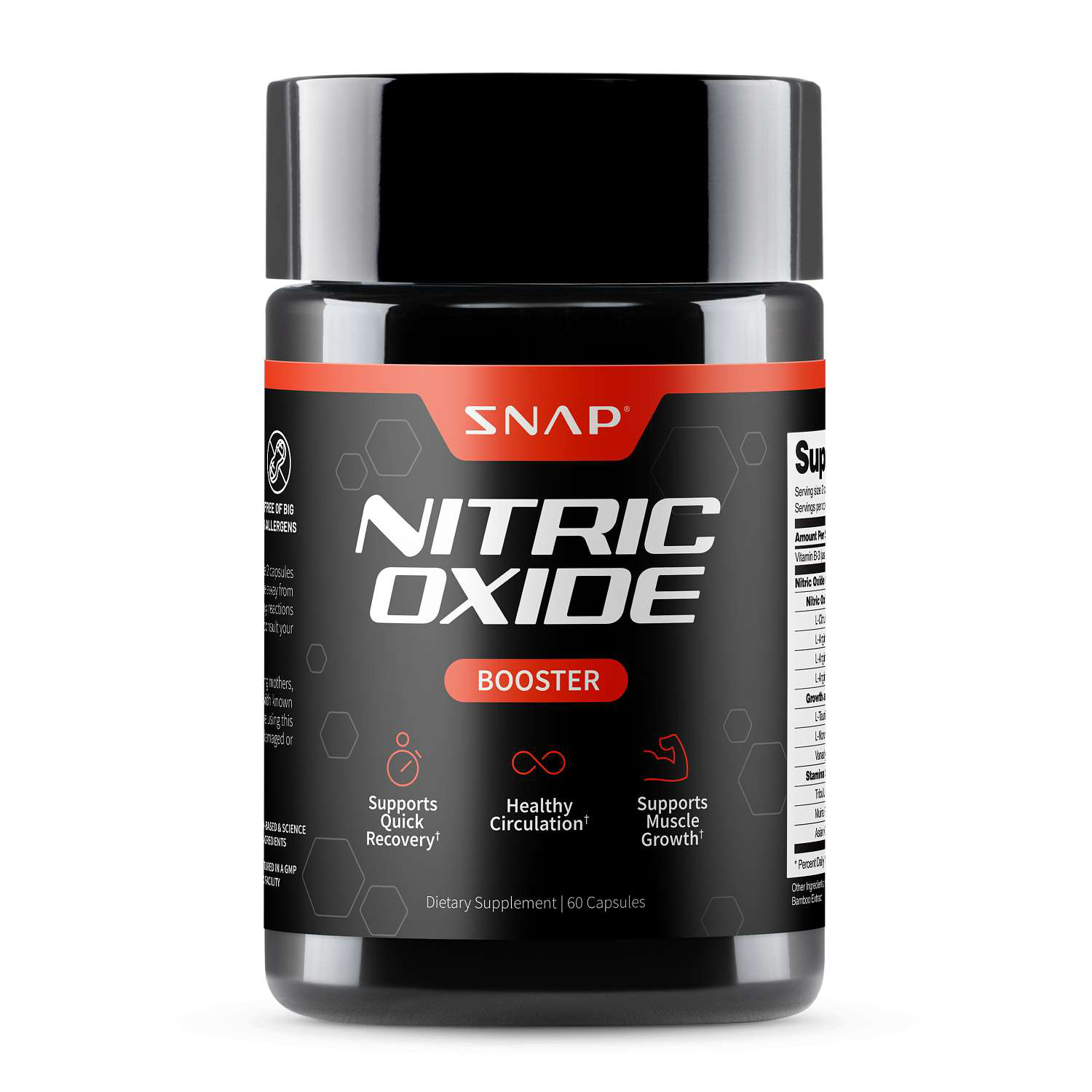
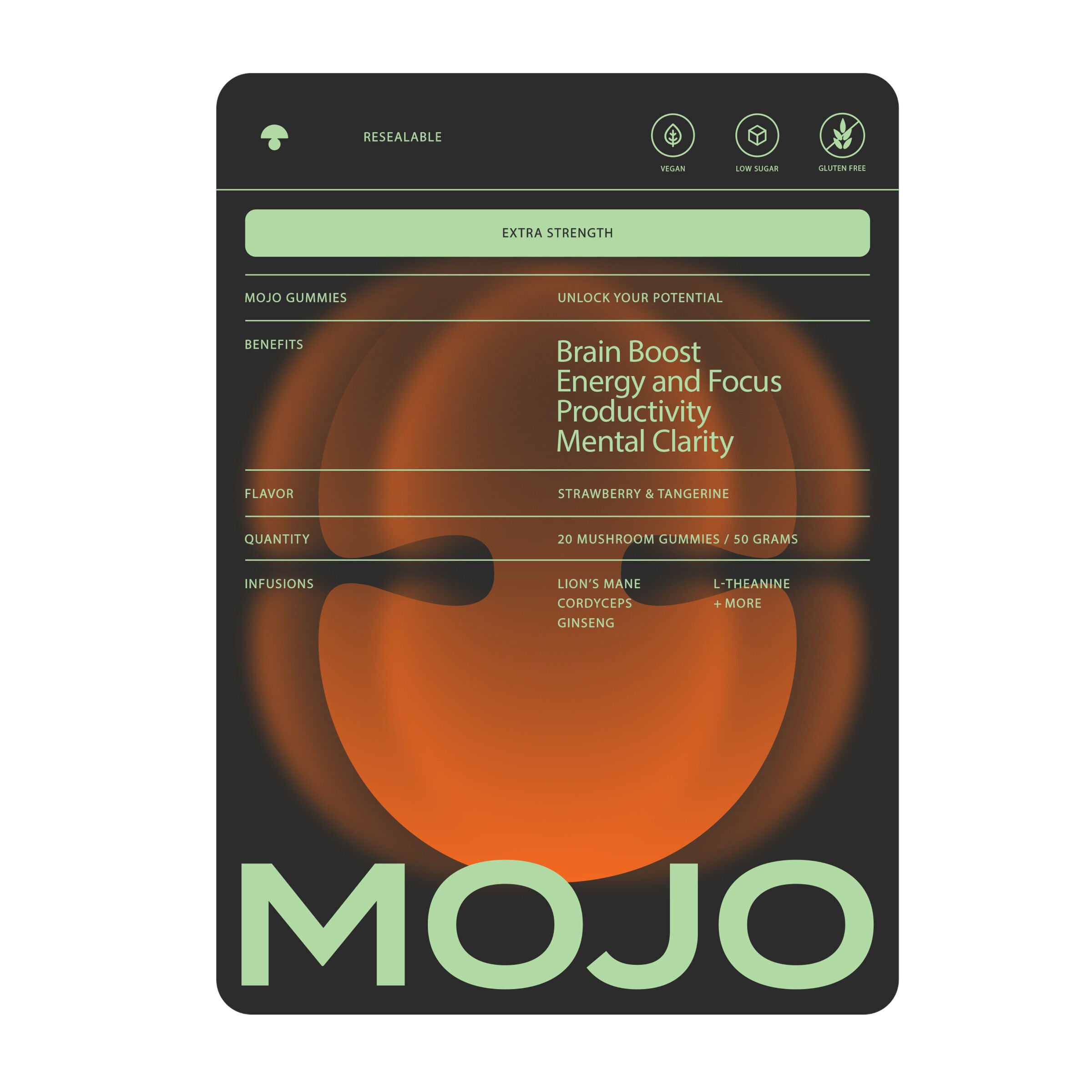
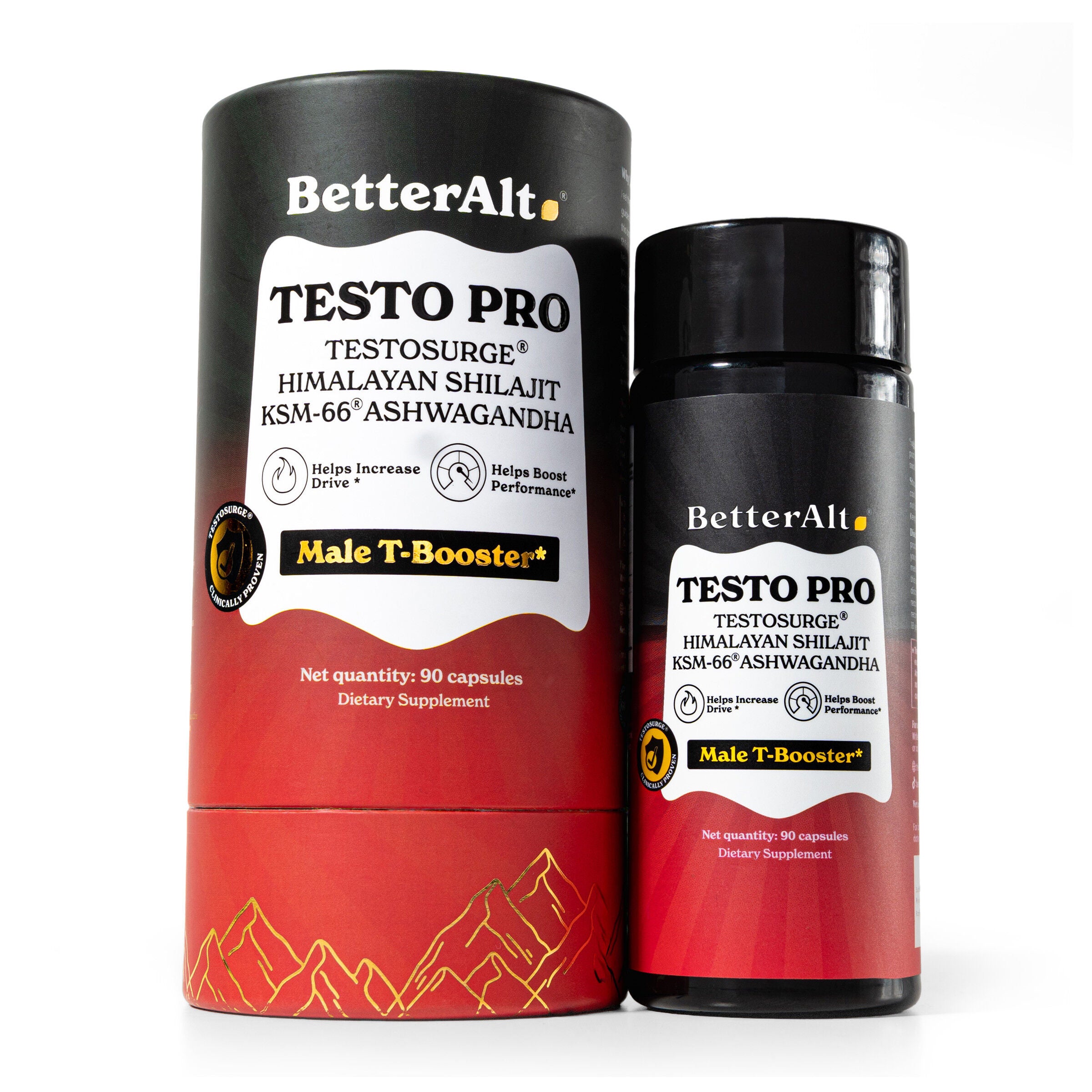
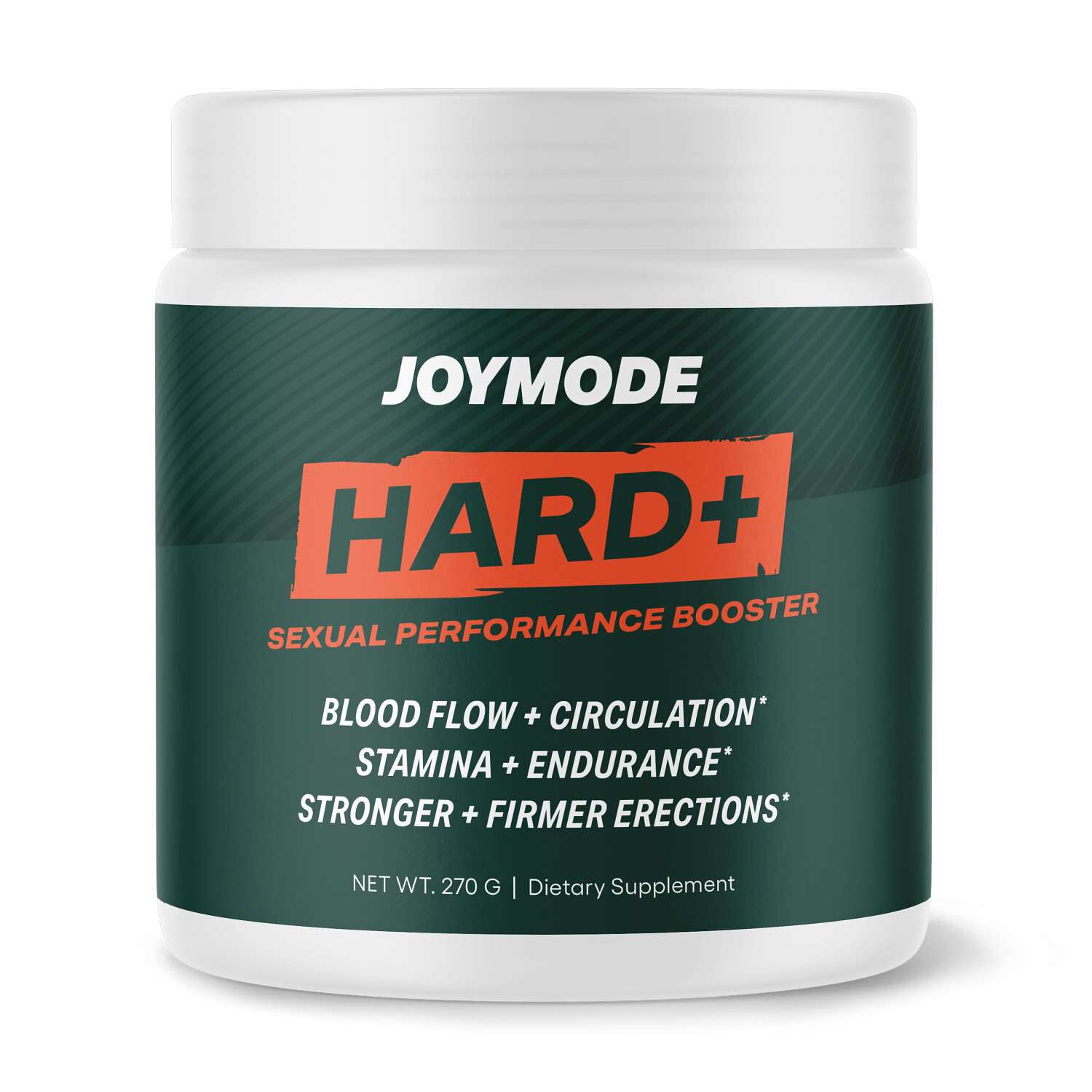

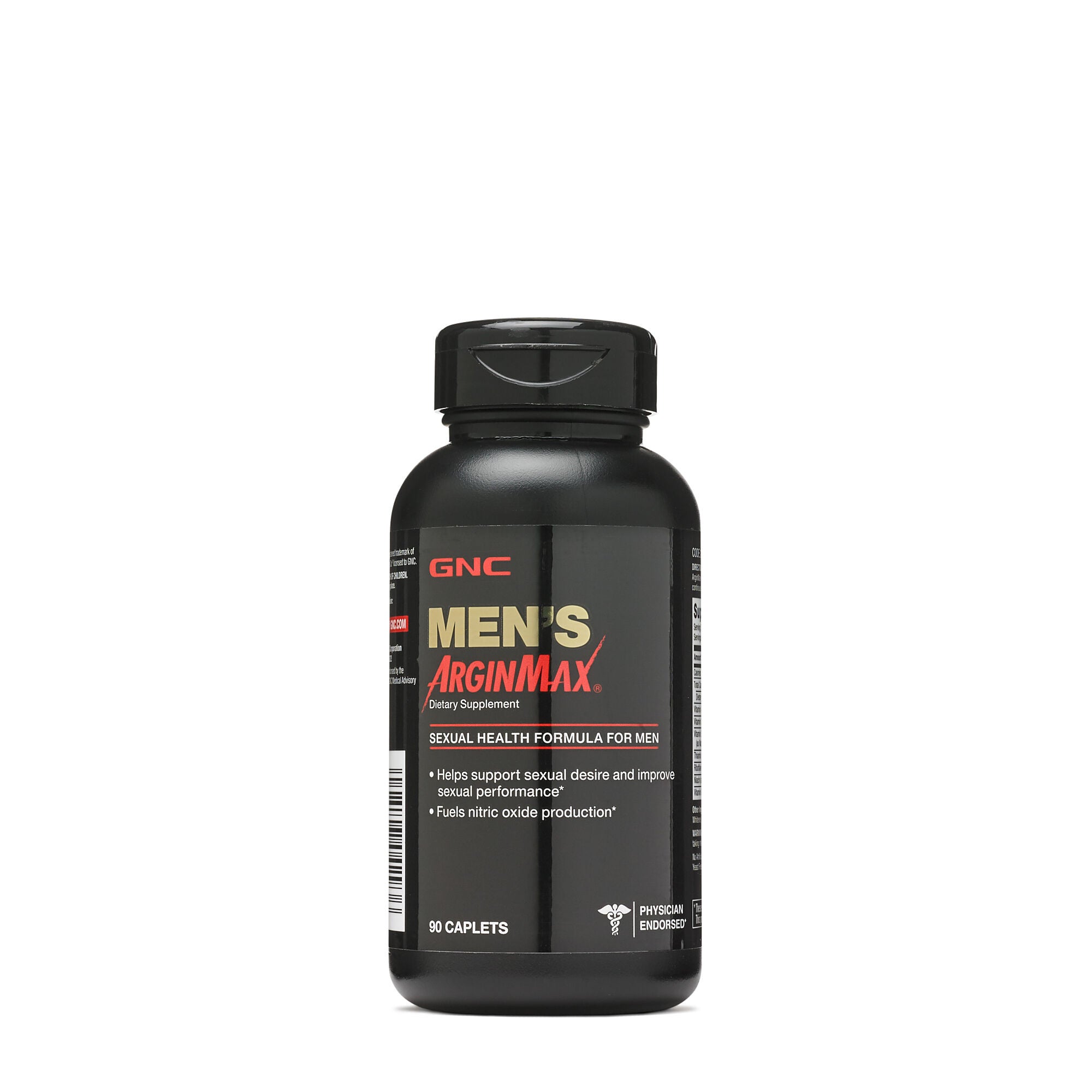


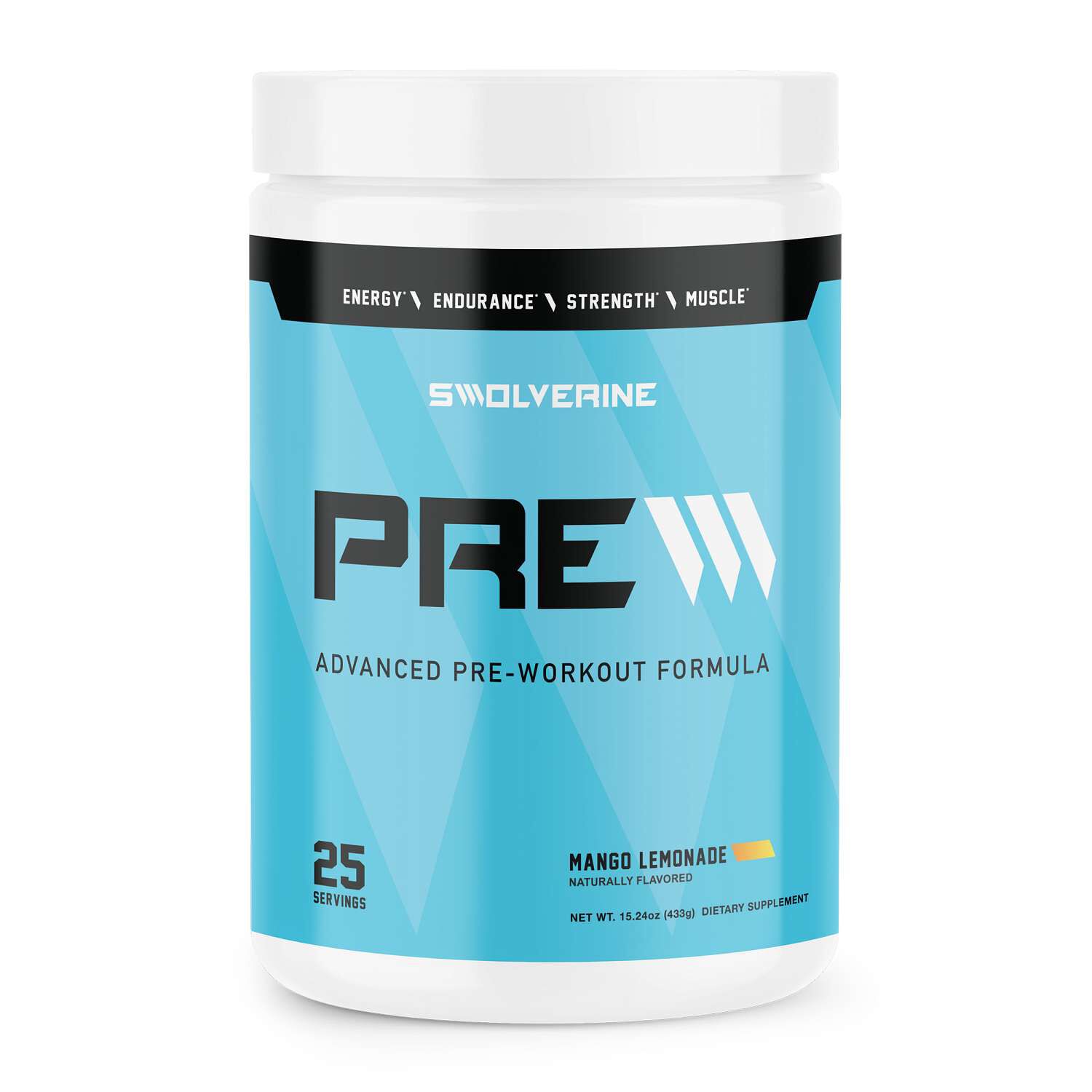

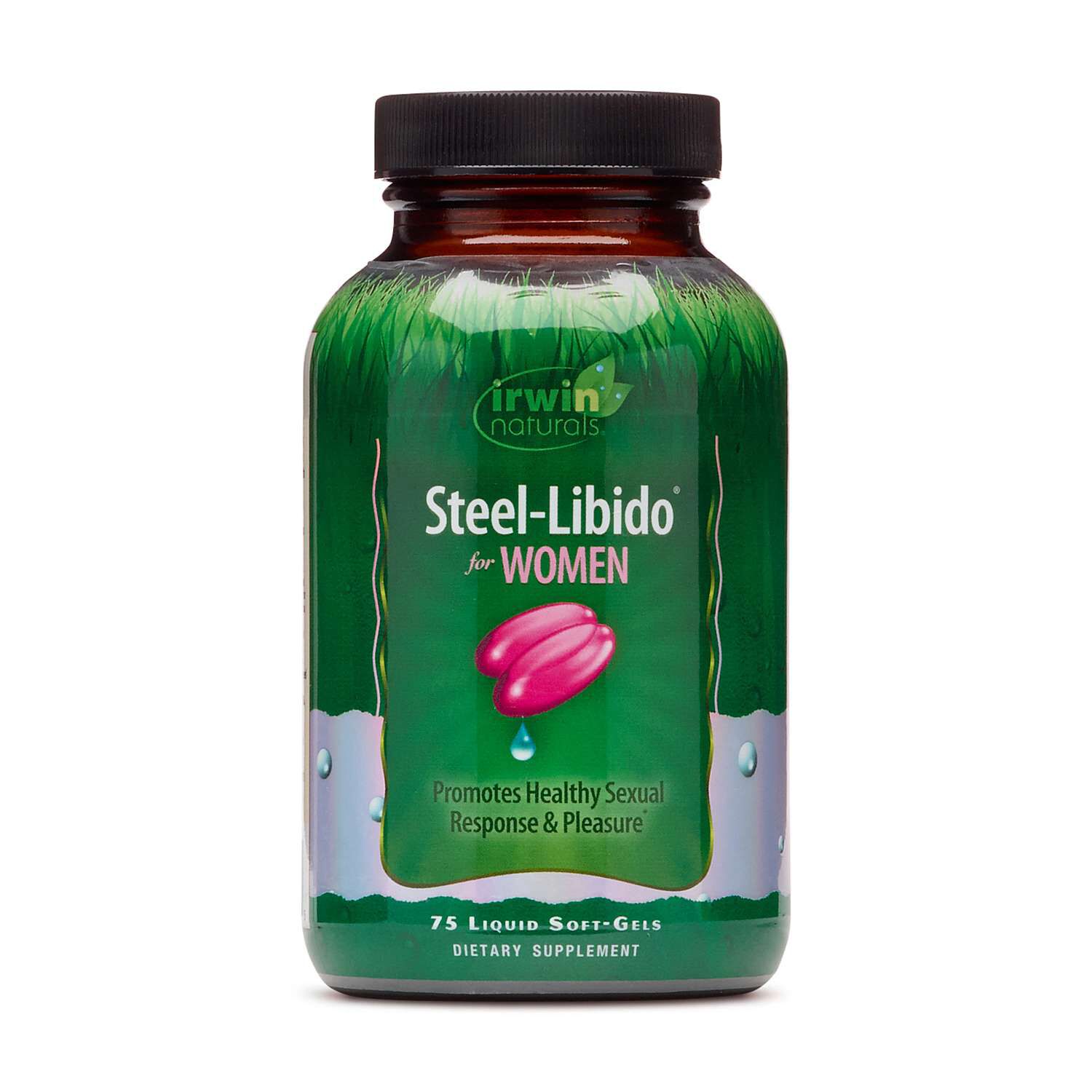


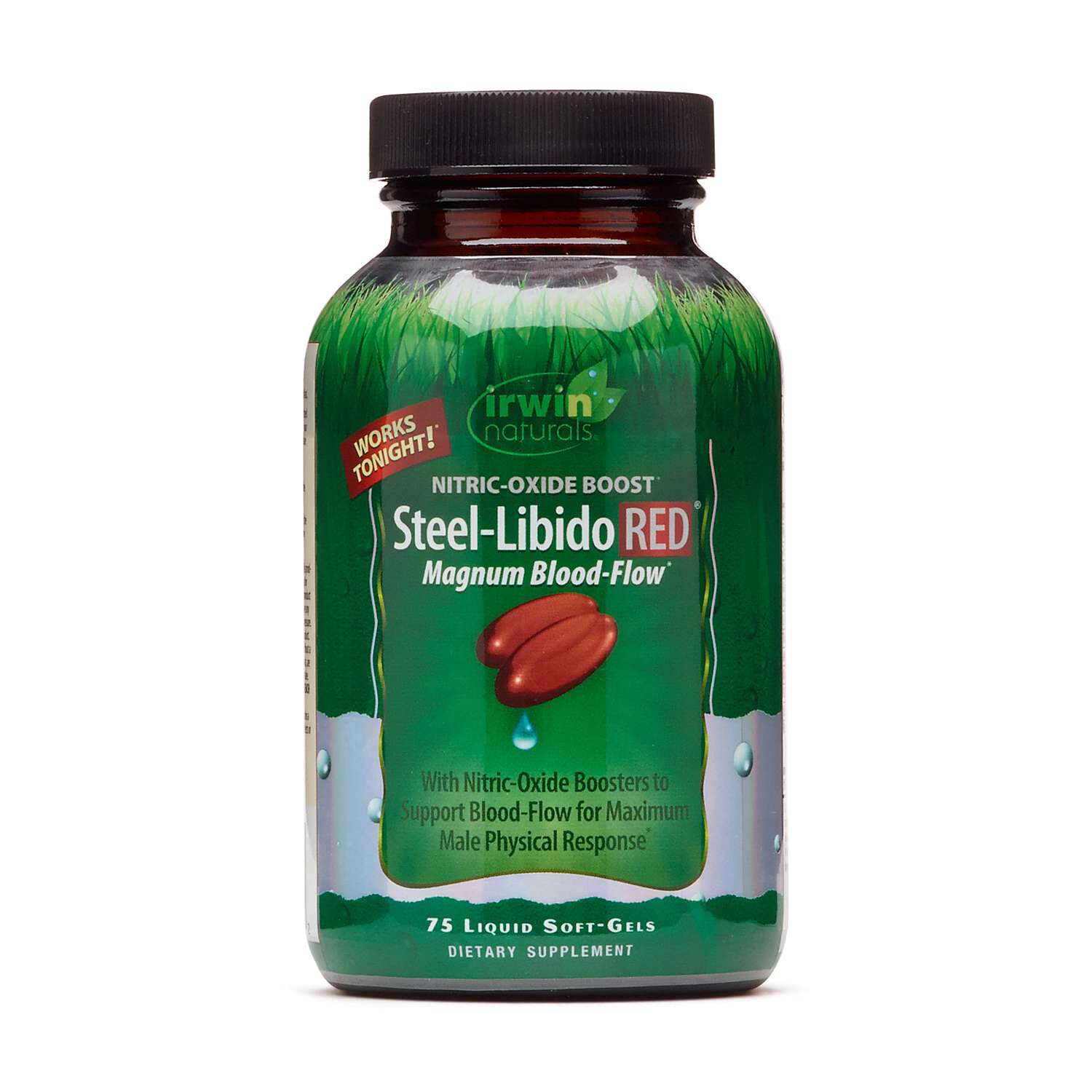
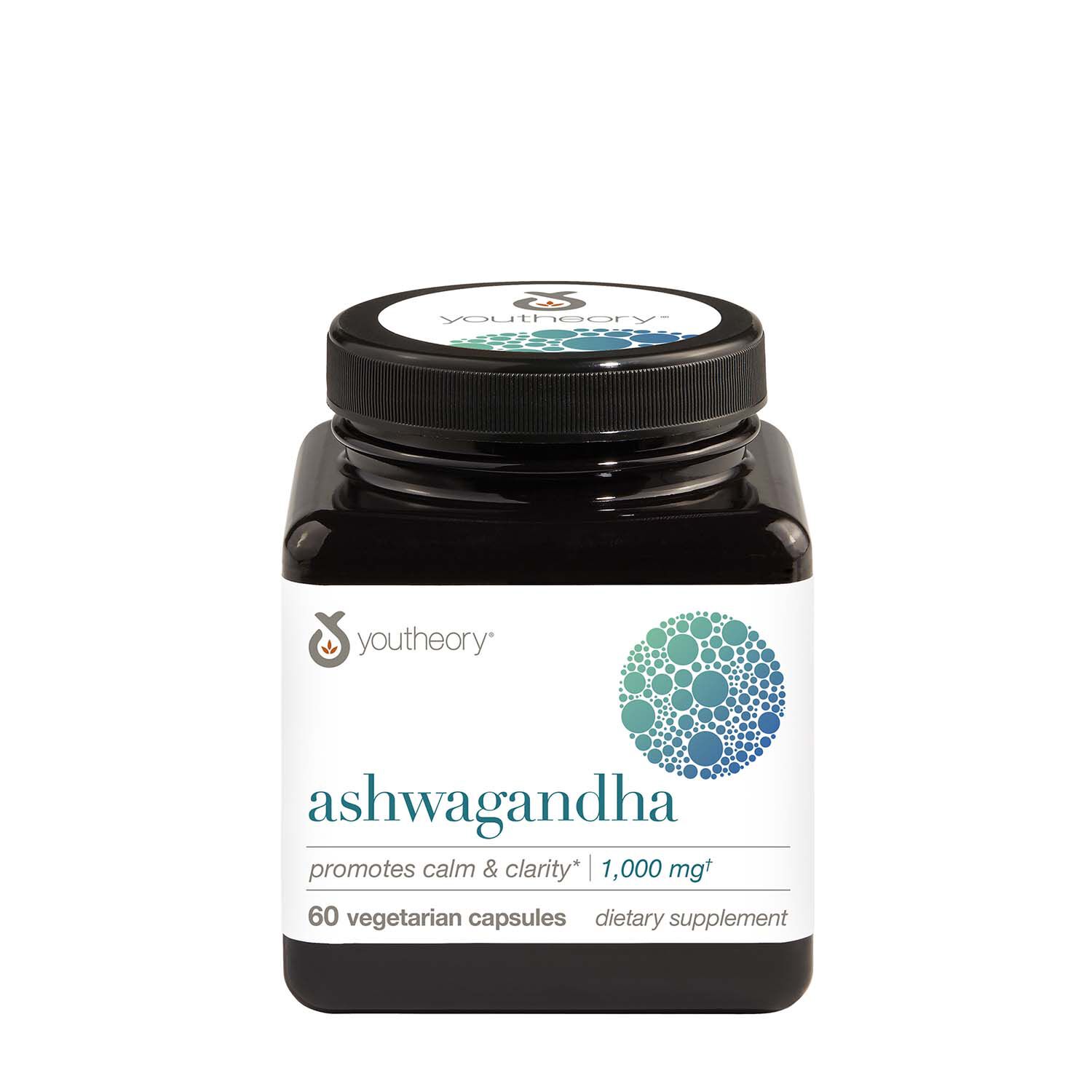
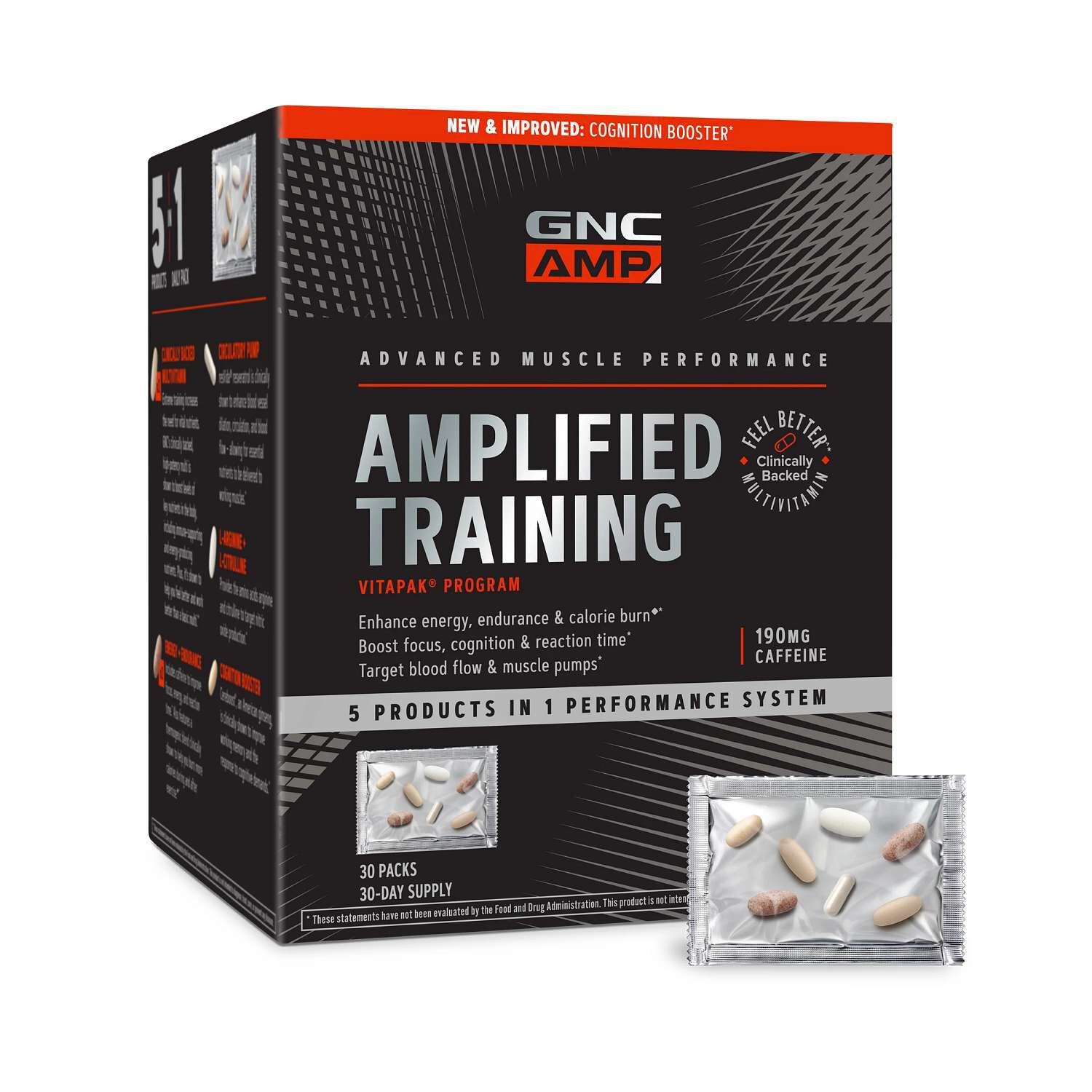
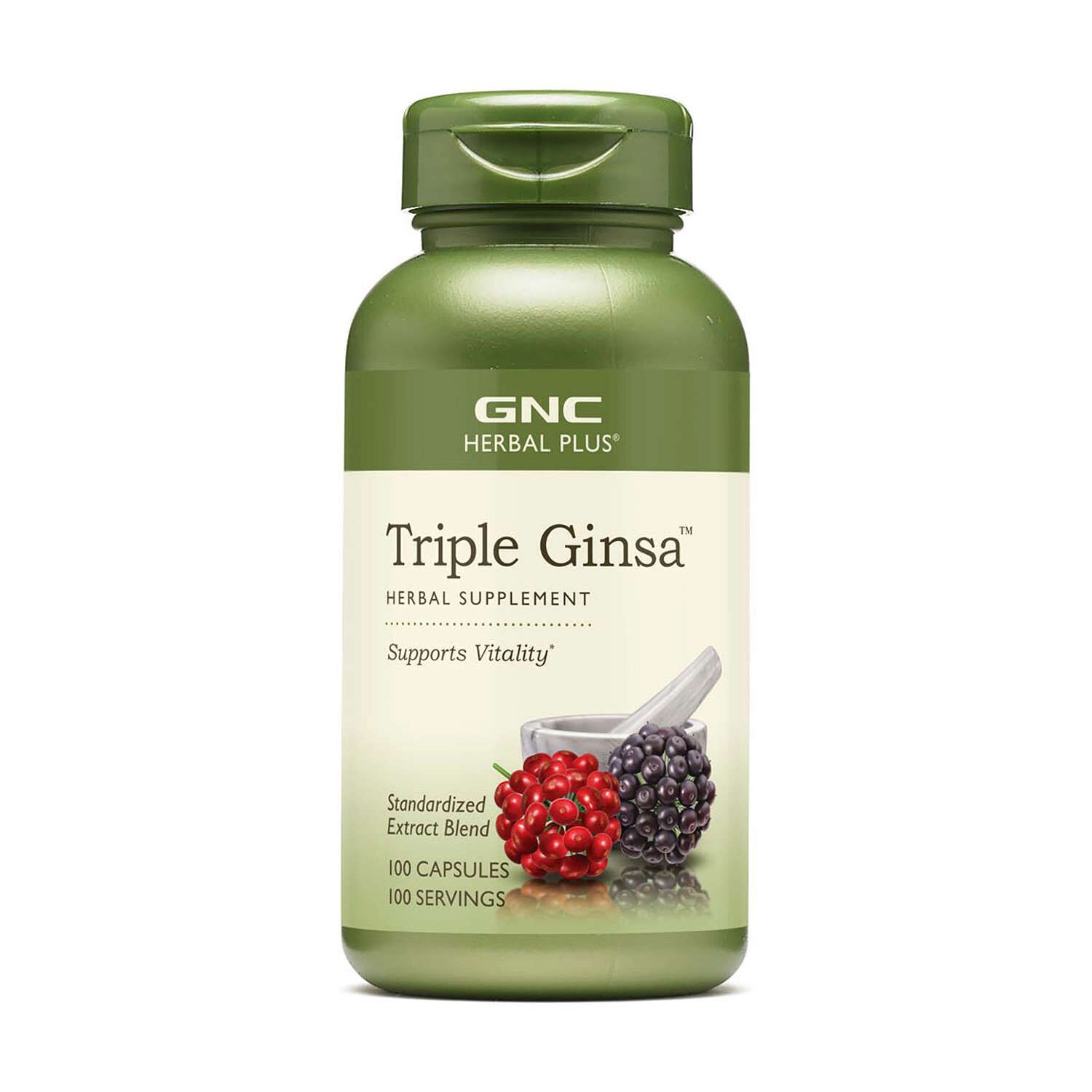
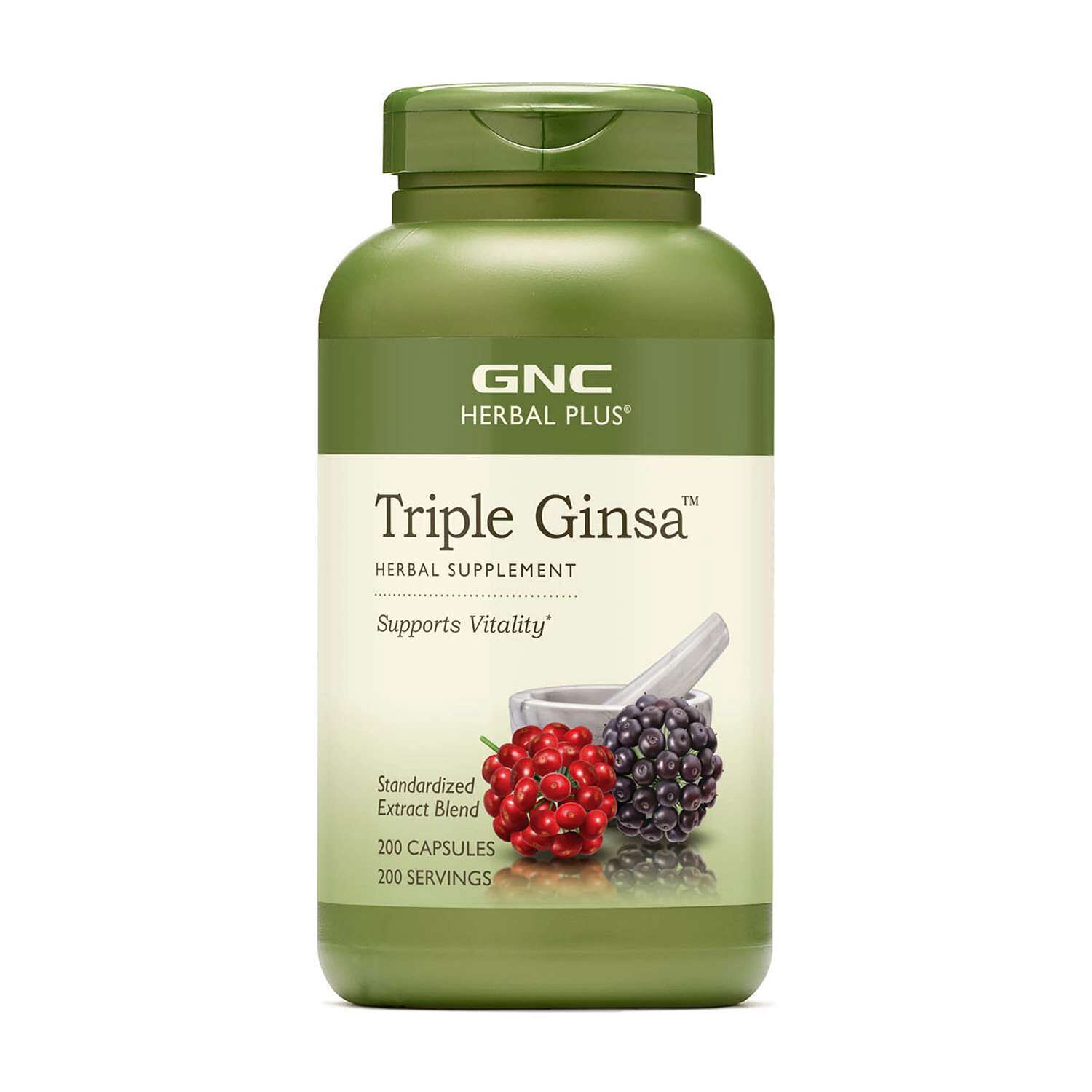

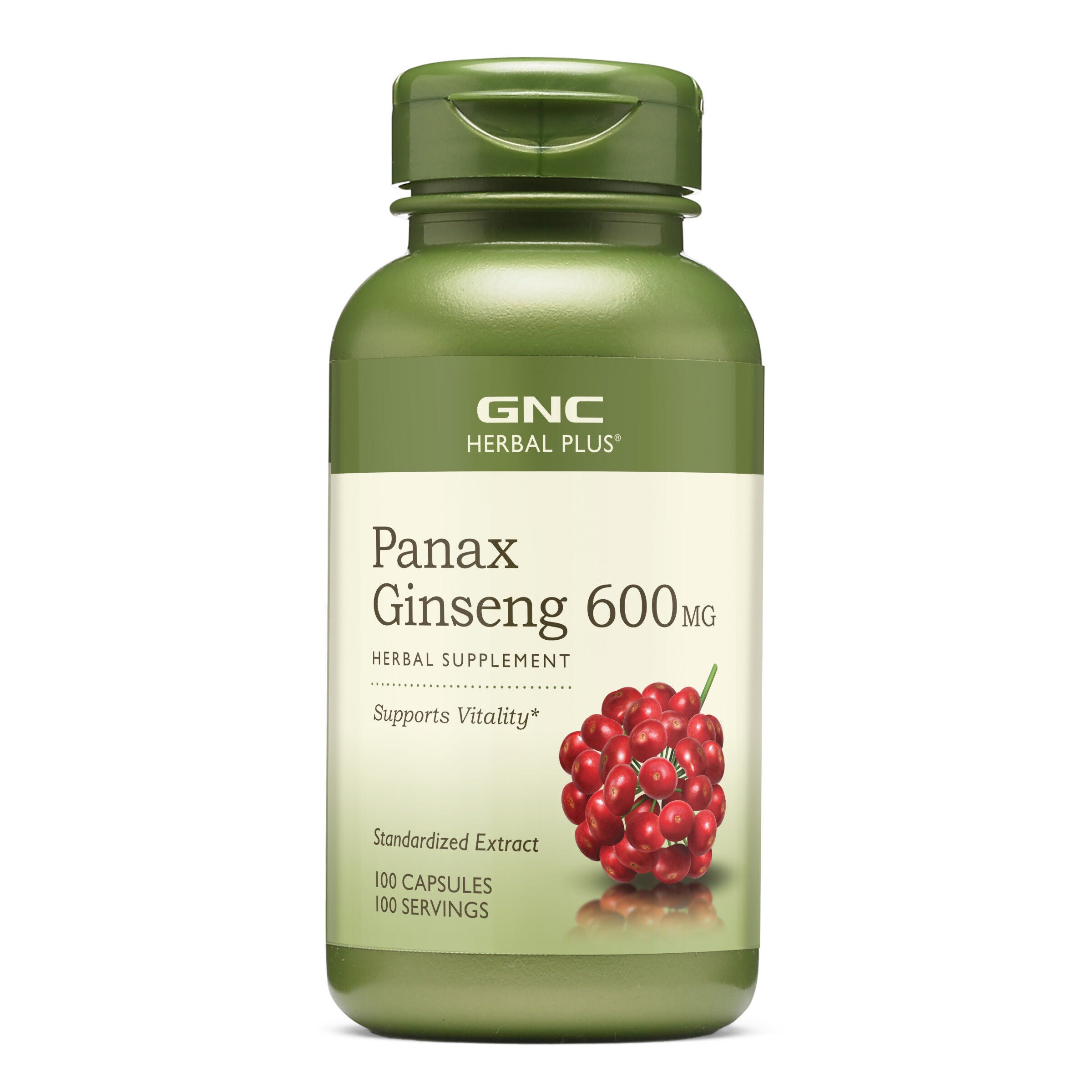


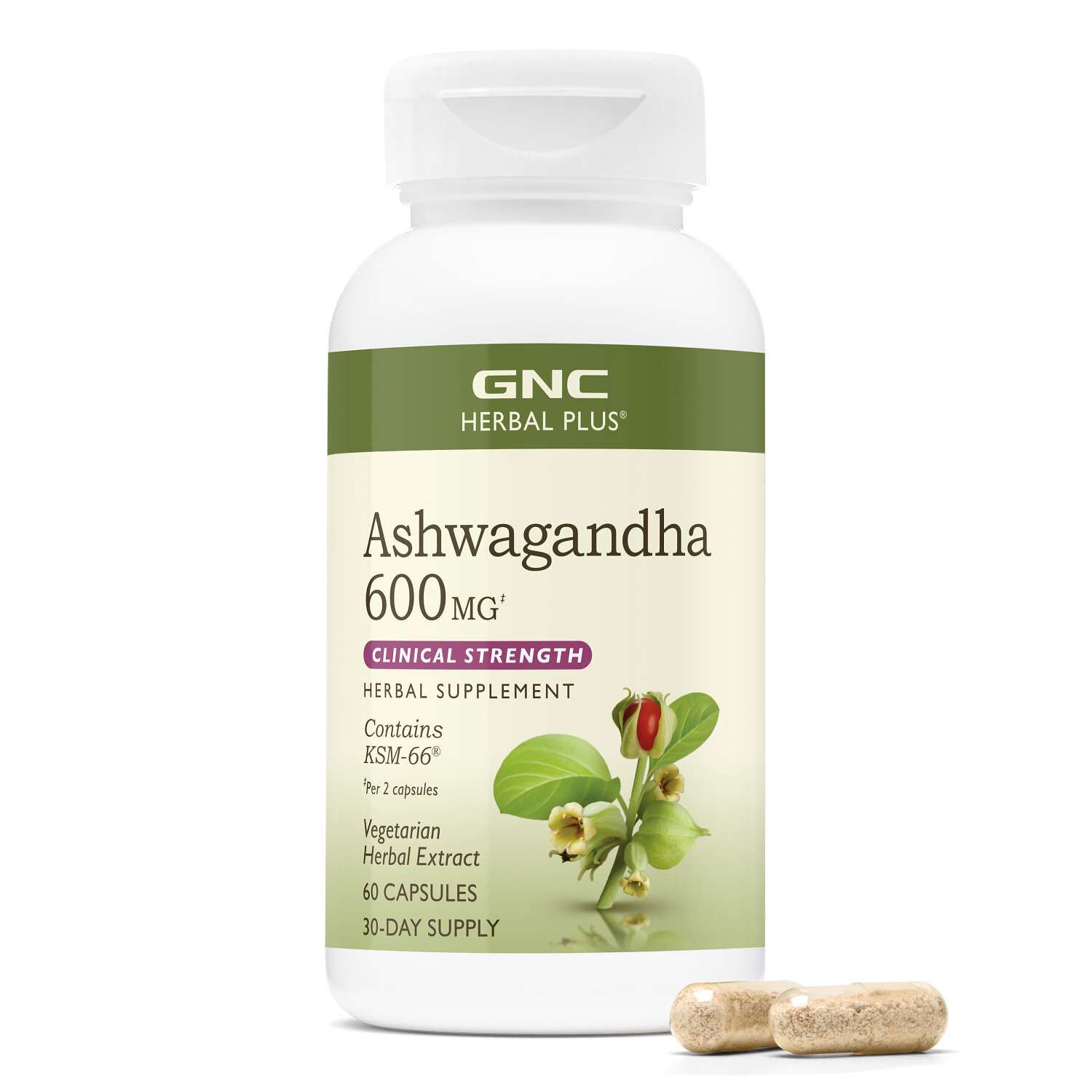
No artificial color ginseng supplements bring together a familiar botanical ingredient and a specific formulation preference: no added artificial coloring. Ginseng itself has a long history of use in traditional herbal practices, and its roots naturally range in appearance from pale cream to deeper brown, depending on the plant and how the root is prepared. A capsule, powder, or liquid can therefore have a noticeable color without containing synthetic dyes. The phrase “no artificial color” describes one aspect of the formula; it does not, by itself, describe the ginseng species, extract concentration, capsule material, or other ingredients. Those details give this category its variety. Asian ginseng, identified botanically as Panax ginseng, and American ginseng, identified as Panax quinquefolius, are distinct species within the same genus. Korean red ginseng generally refers to Panax ginseng roots that have undergone steaming and drying, while white ginseng usually refers to roots dried without that steaming step. These preparation methods contribute to differences in appearance and composition, making the botanical name and preparation useful points of comparison. Another herb sometimes called Siberian ginseng, Eleutherococcus senticosus, belongs to a different genus and is not interchangeable with Panax ginseng simply because the common names overlap. For shoppers who want a particular type of ginseng, the front label is a starting point, while the Supplement Facts panel and ingredient statement provide more precise context. A formula might contain root powder, a root extract, or ginseng alongside other botanicals. None of those formats is defined solely by its coloring ingredients. Someone who prefers a straightforward botanical routine may be drawn to a single-herb formula, while someone already familiar with herbal blends may pay closer attention to the full combination. In either case, the most meaningful description includes what the ginseng is, which part of the plant is used, and how it is presented—not just what has been left out.
The physical format of a ginseng supplement matters in everyday use, particularly when choosing between capsules, tablets, powders, and liquids. Capsules contain a measured quantity of material inside a shell, which may be made with gelatin or plant-derived ingredients such as cellulose. Tablets compress ingredients into a solid form and may include binders or coatings. For someone with a vegan dietary preference, the shell and coating deserve as much attention as the botanical ingredient, since a formula without artificial color is not automatically made without animal-derived materials. Size and serving count also affect how a format fits an established routine. A serving may consist of one capsule or more than one, so the amount printed prominently on a label needs the context of the stated serving size. Powders introduce a different experience: measuring, handling a container, and noticing the root’s earthy aroma and often bitter taste. Whether a powder is intended for mixing, and how it should be measured, depends on its labeled directions. Liquid preparations may include water, glycerin, alcohol, or other ingredients, and their measuring devices can differ. These practical distinctions are separate from the absence of artificial coloring. A capsule shell can contain several ingredients while still meeting that preference, and a naturally brown powder is not necessarily a single-ingredient formula. The “Other Ingredients” statement is particularly useful for understanding materials used in manufacturing, including capsule components and ingredients that help a powder move through processing equipment. Flavoring, sweeteners, preservatives, and coloring are separate formulation considerations; a statement about one does not establish the absence of the others. Shoppers comparing both color and flavor preferences can also explore No Artificial Flavor Herbal Supplements for related herbal options. Across these categories, clear ingredient descriptions make it easier to distinguish a botanical preference from a dietary requirement or a preference about texture, taste, and format.
Beyond the ingredient list, ginseng labels can provide useful detail about concentration and how the botanical material is characterized. Root powder consists of processed root material, whereas an extract is produced by drawing selected constituents from the plant using a stated extraction process. The weight of an extract is therefore not directly interchangeable with the same weight of root powder. An extract ratio describes a relationship between starting botanical material and the resulting extract, but it does not alone establish the amount of every naturally occurring compound. Some ginseng extracts are standardized to a stated percentage of ginsenosides, a group of compounds associated with Panax species. That percentage offers another point of comparison when it appears alongside the extract amount and serving size. It is not a substitute for identifying the species, plant part, or other ingredients, and a larger number does not automatically make a formula a better match for every shopper. Testing information adds a separate dimension. When provided, documentation may describe testing for botanical identity, specified constituents, or contaminants such as heavy metals and pesticides. A general reference to testing is less informative than a description of what was tested and whether the information applies to the finished formula or a particular batch. Organic certification, vegetarian labeling, and statements about artificial coloring also address different attributes rather than serving as interchangeable descriptions of quality. Once a format has been chosen, packaging and care become part of its everyday practicality. A bottle with a clearly printed date, readable directions, and an intact closure offers useful information from the first opening through routine storage. Following the labeled storage directions, keeping containers securely closed, and protecting powders from moisture are relevant considerations for maintaining their intended condition. Original packaging also keeps the ingredient statement and serving directions close at hand, whether the bottle sits in a cabinet or travels in a bag. Ginseng supplements are intended to supplement an adult dietary routine, not replace meals or varied food choices. Within that role, the distinguishing features of no artificial color ginseng supplements are concrete: an identified botanical, a clearly described preparation, an understandable serving, and a format that suits the shopper’s preferences.