





Nootropic Supplements For Adults Over 30
(0 Results)
Nootropic supplements for adults over 30 have gained attention among those looking to support their focus and mental performance as they navigate busy lifestyles. With a variety of options available, these supplements may offer targeted support for individuals seeking to maintain cognitive wellness as they age. Explore different nootropic supplements for adults over 30 and discover formulas that could align with your personal wellness goals.
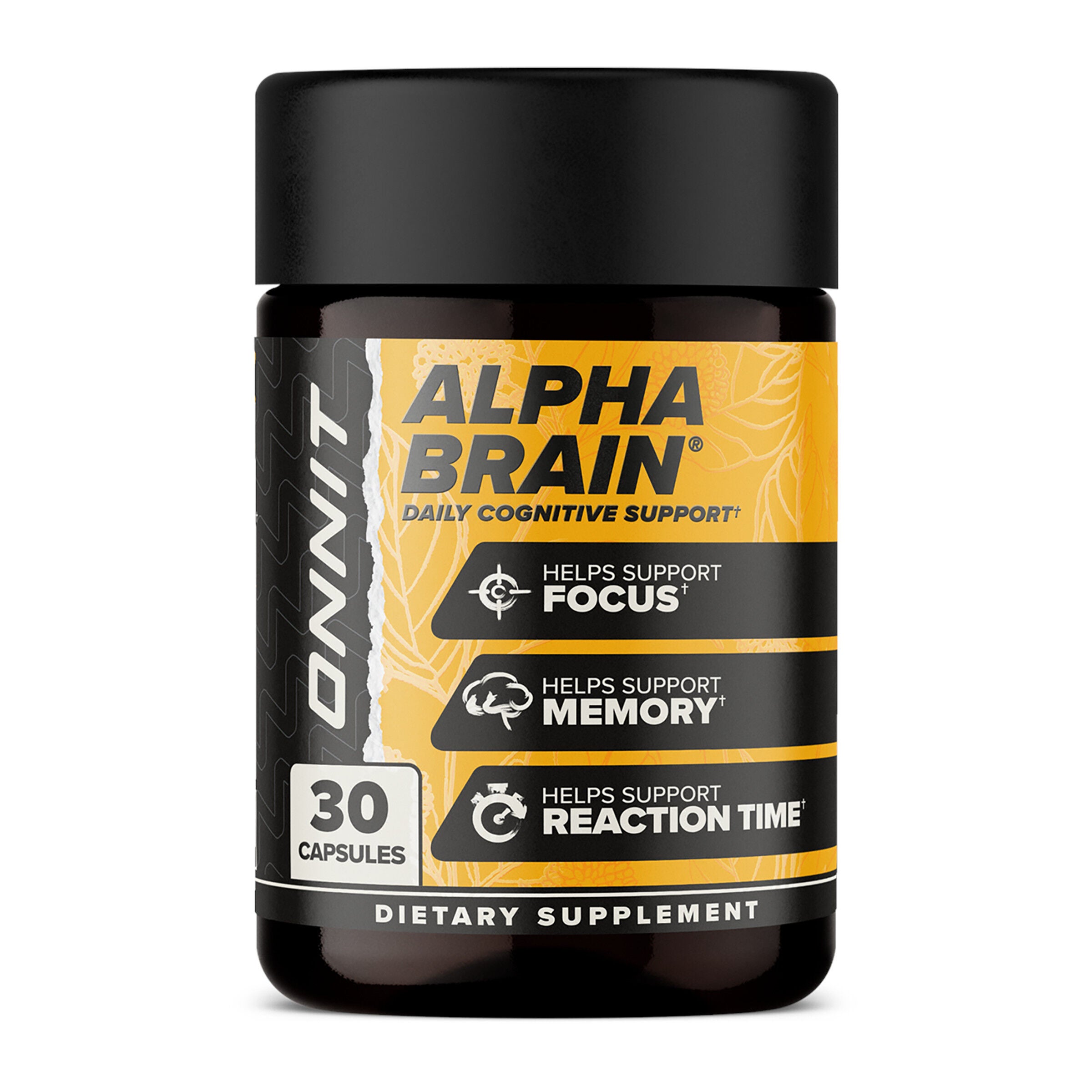

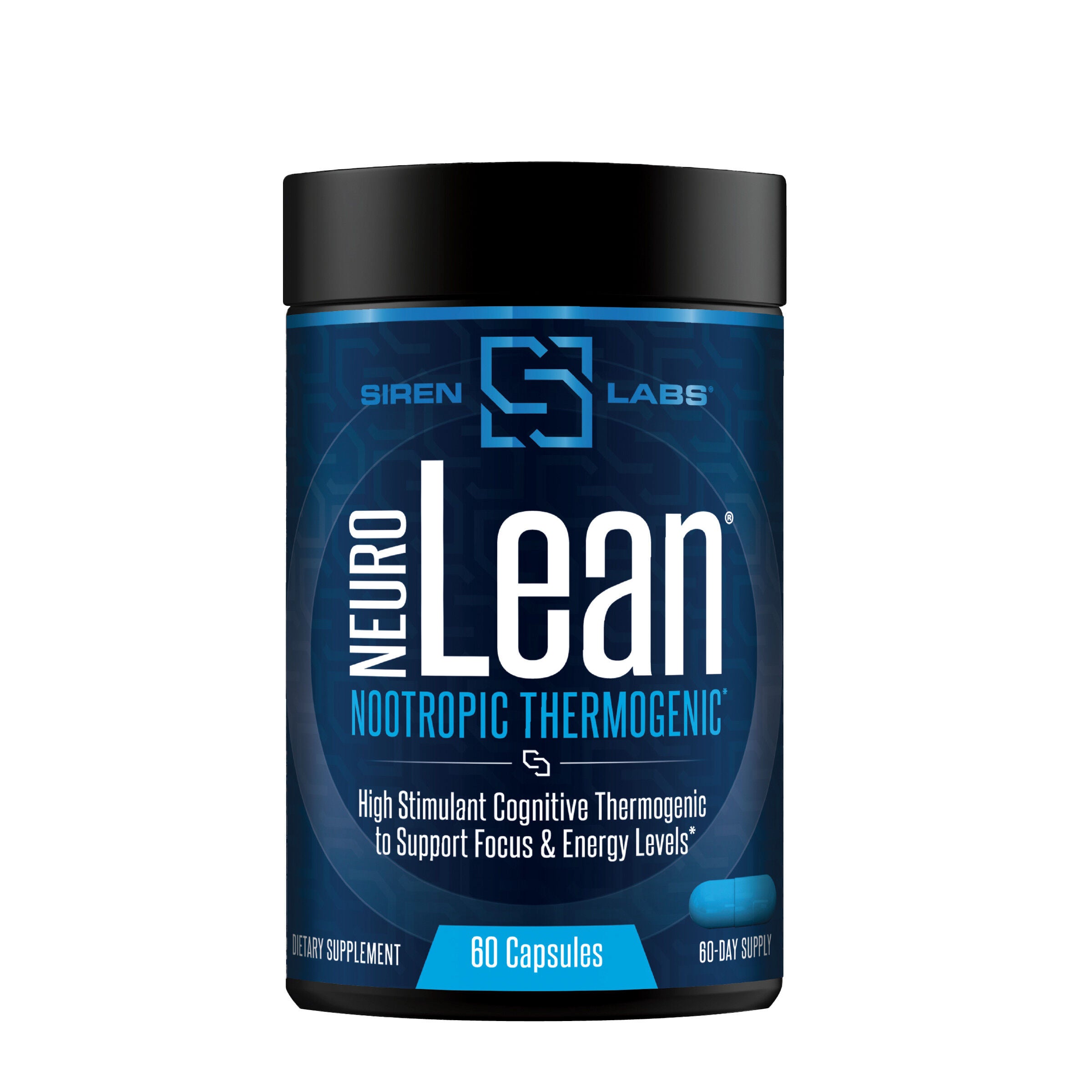
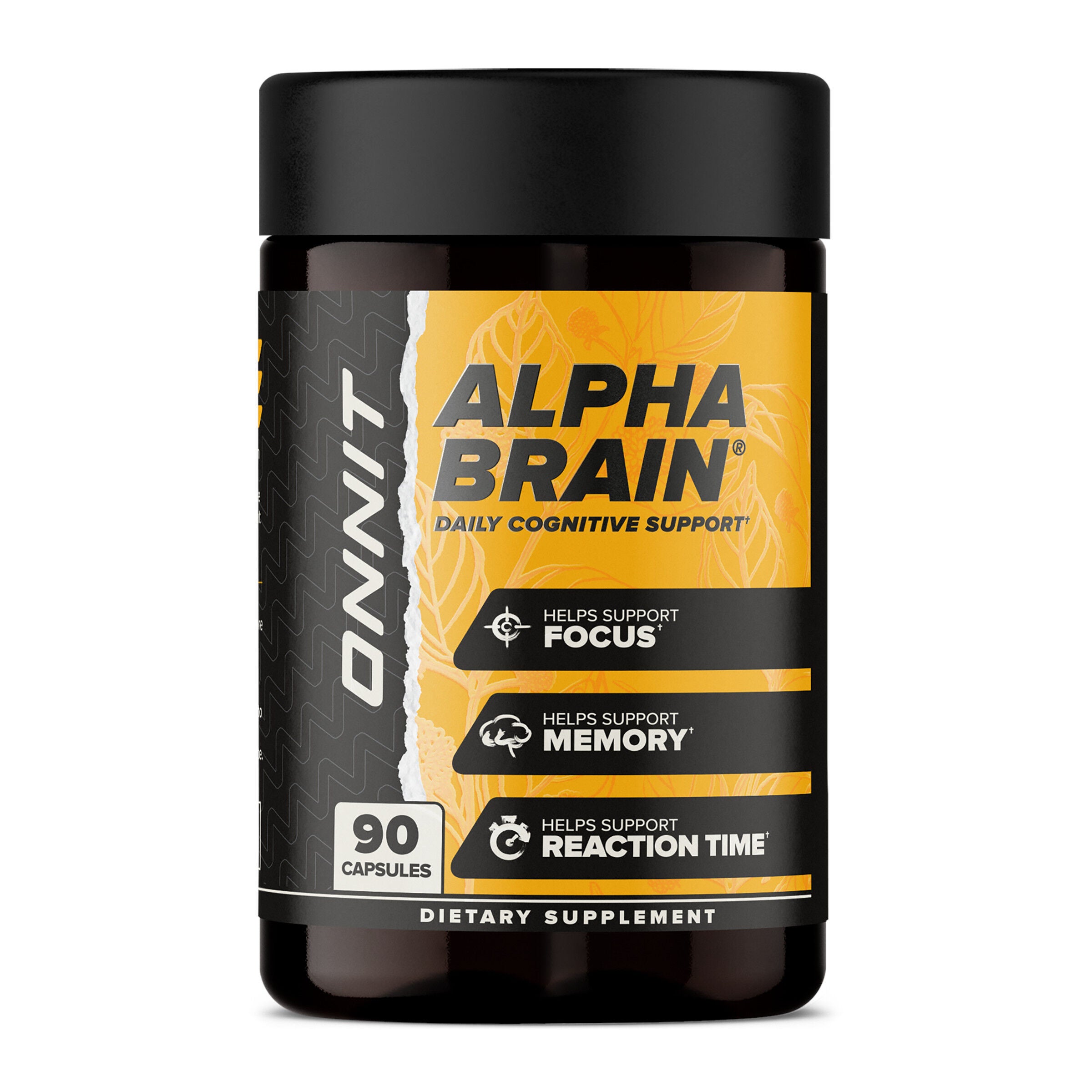
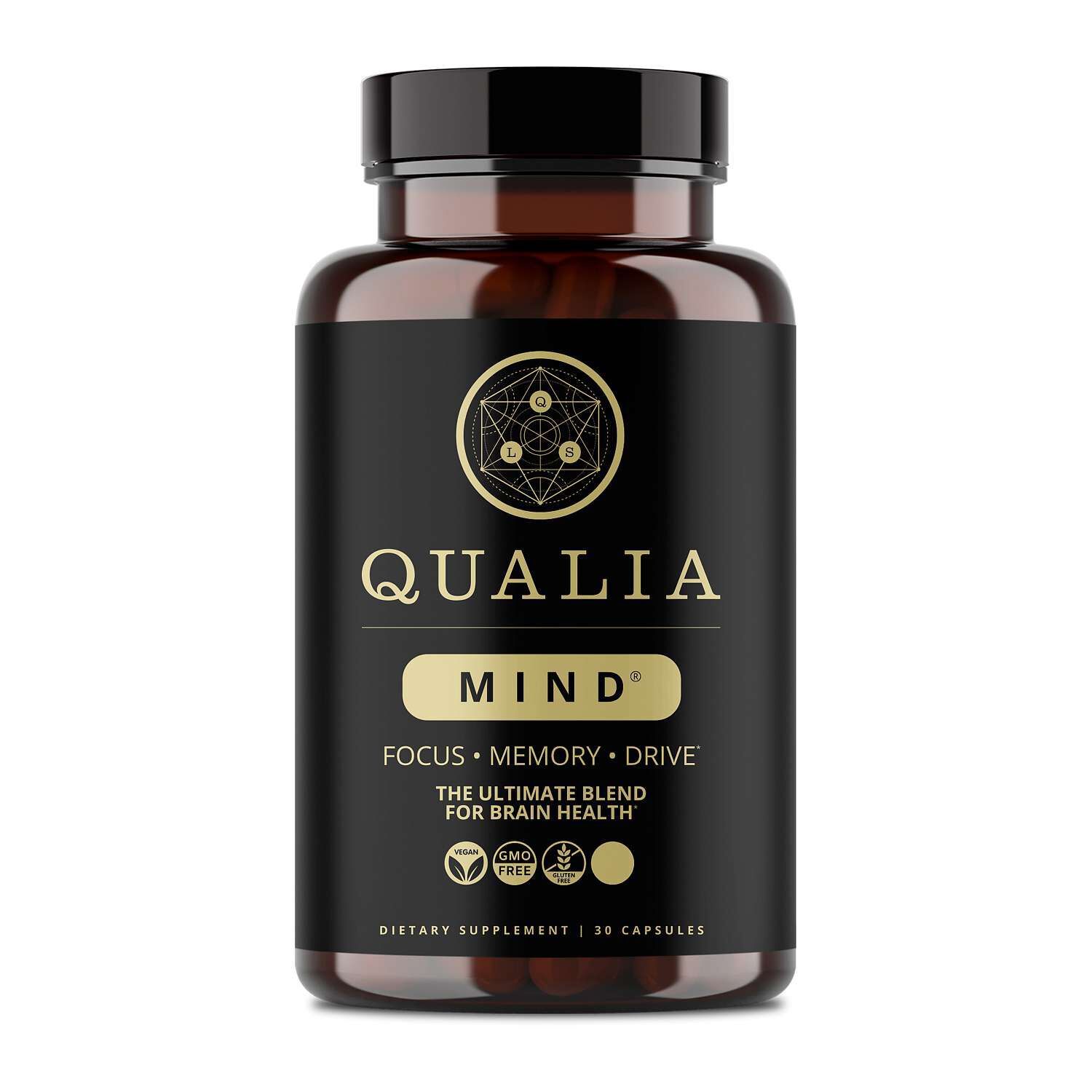
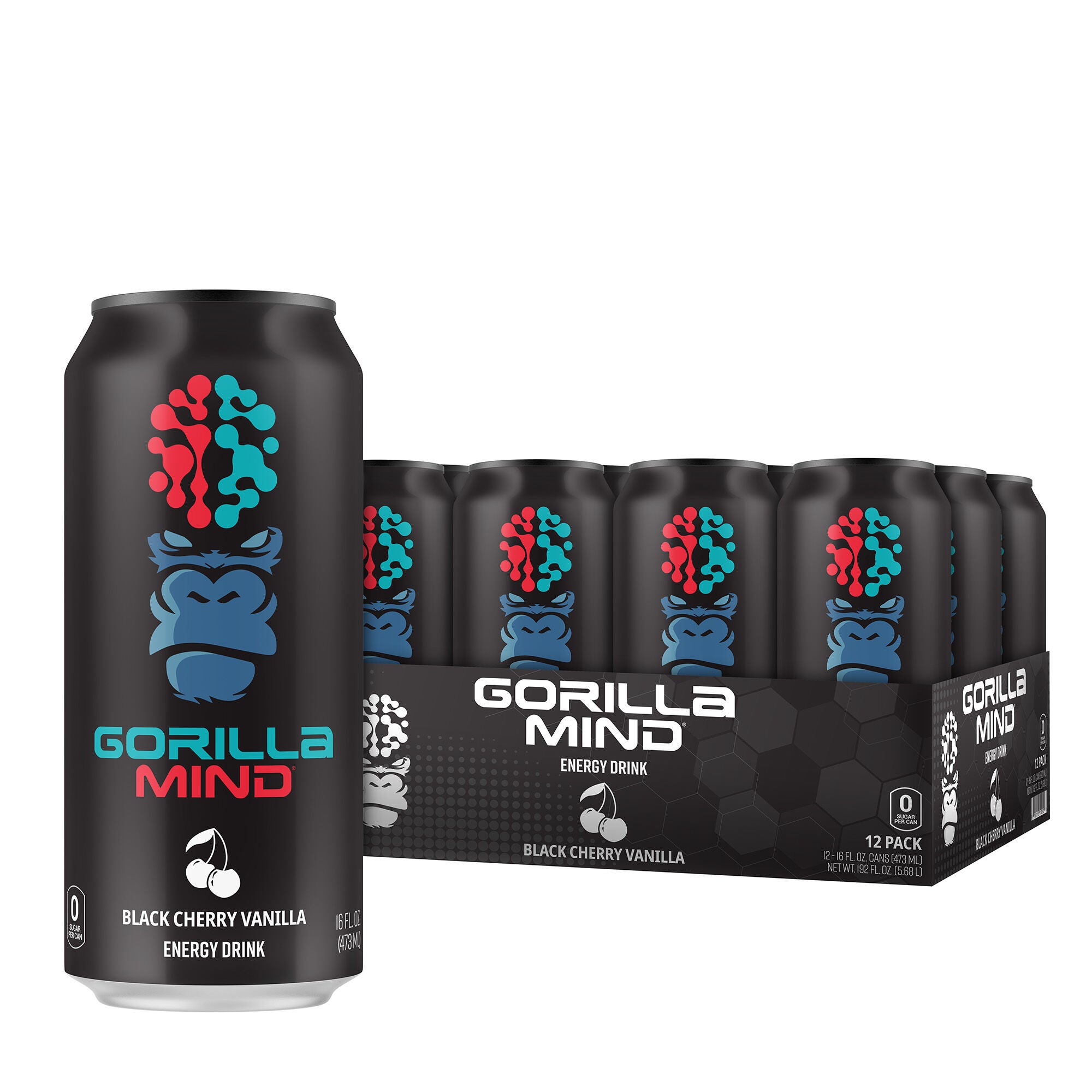

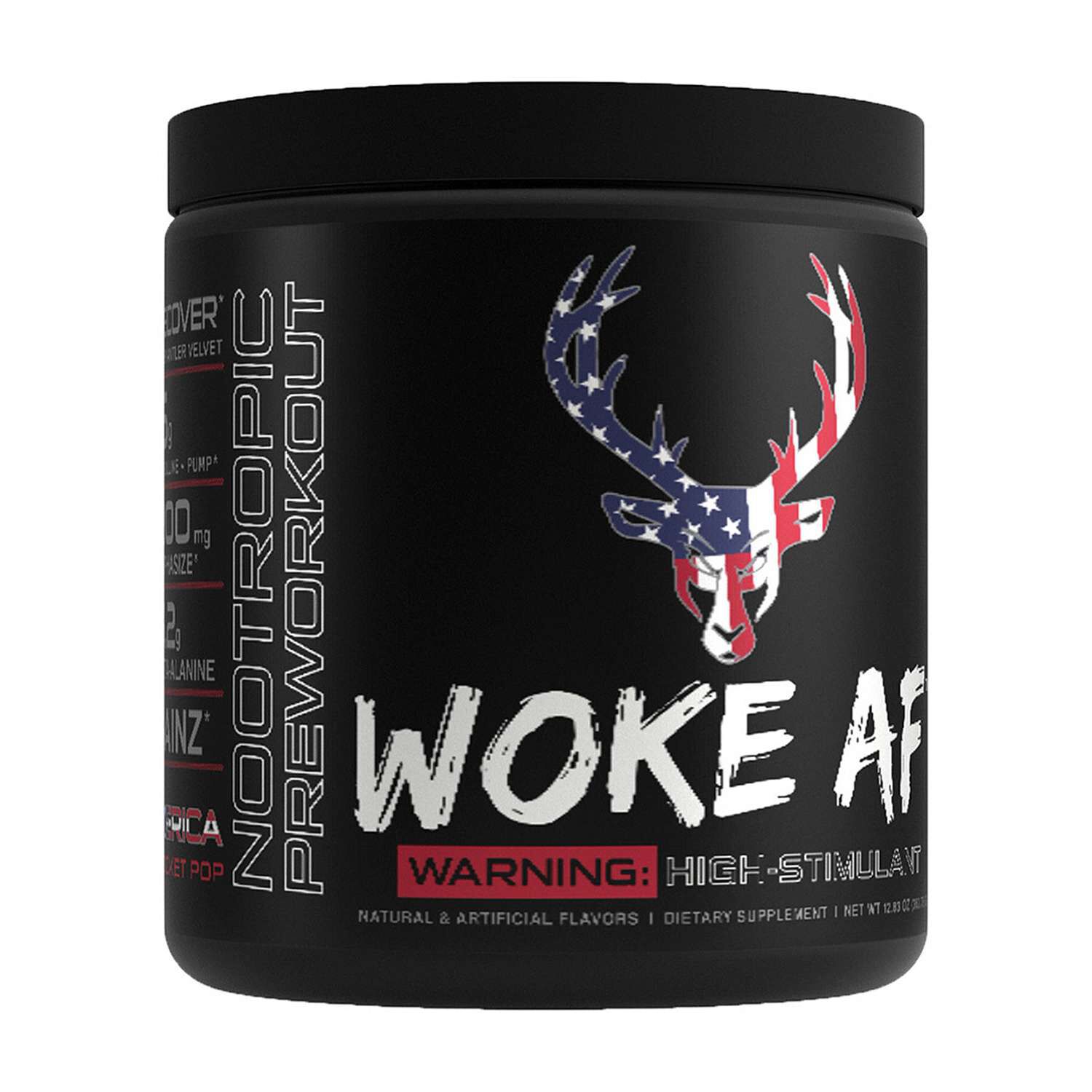
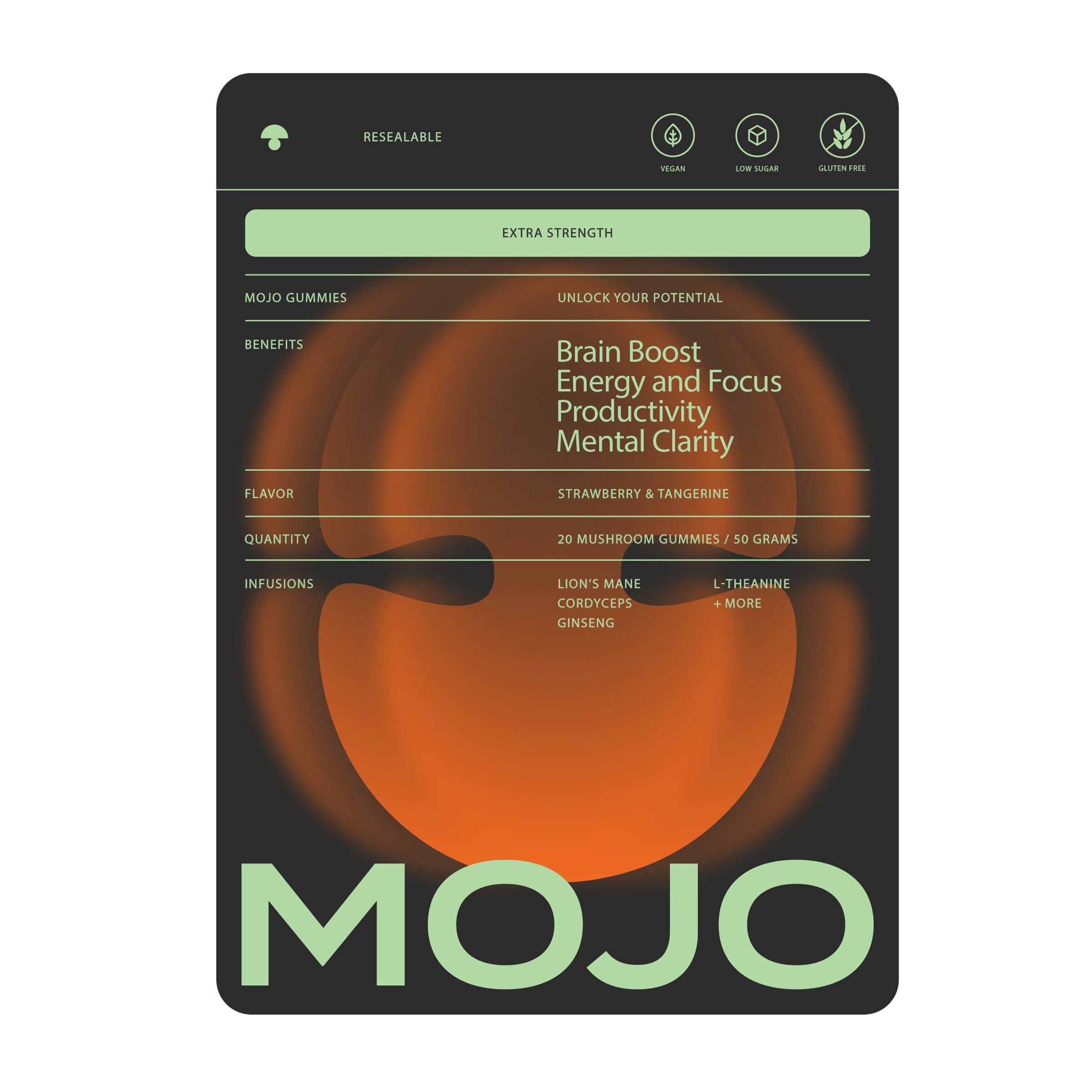
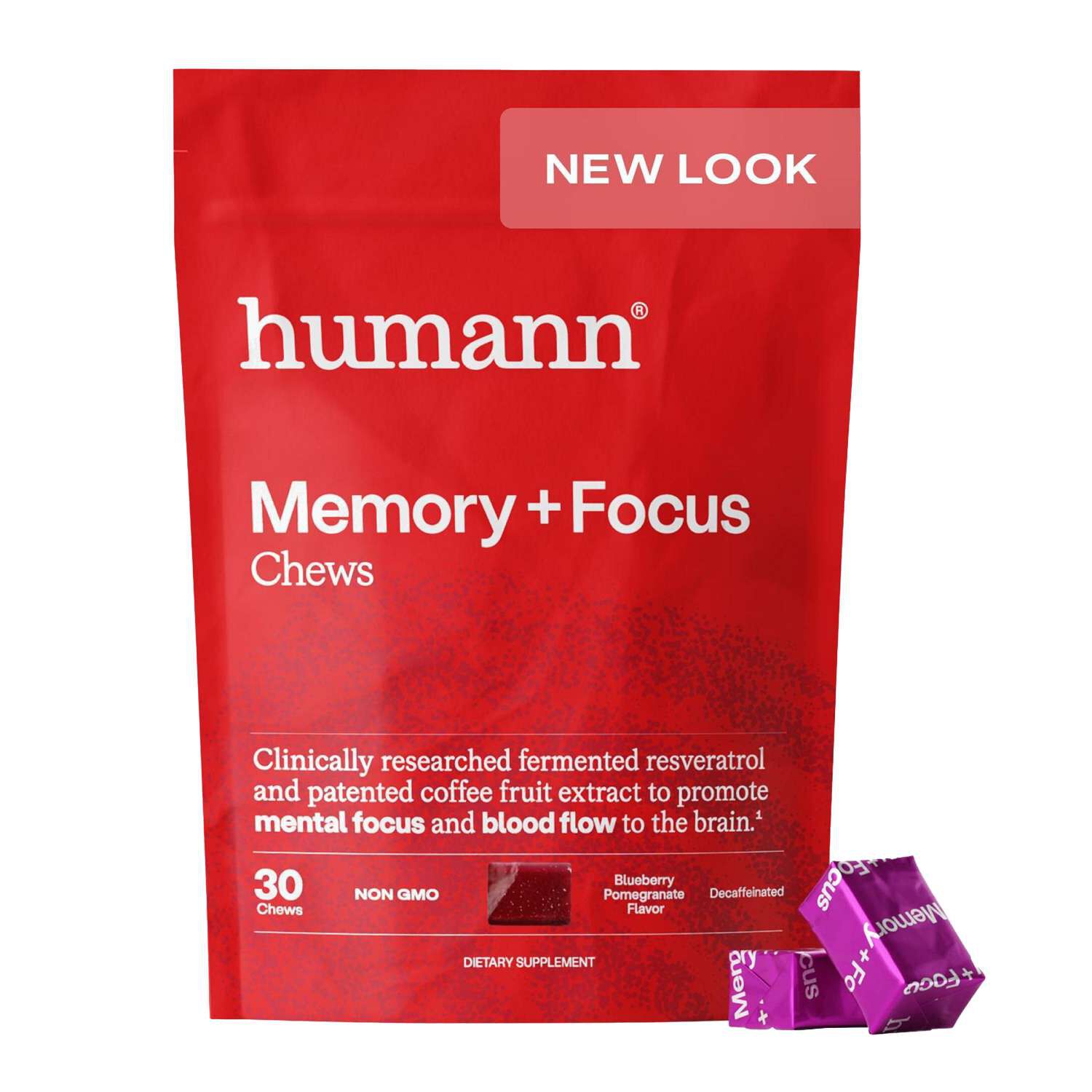
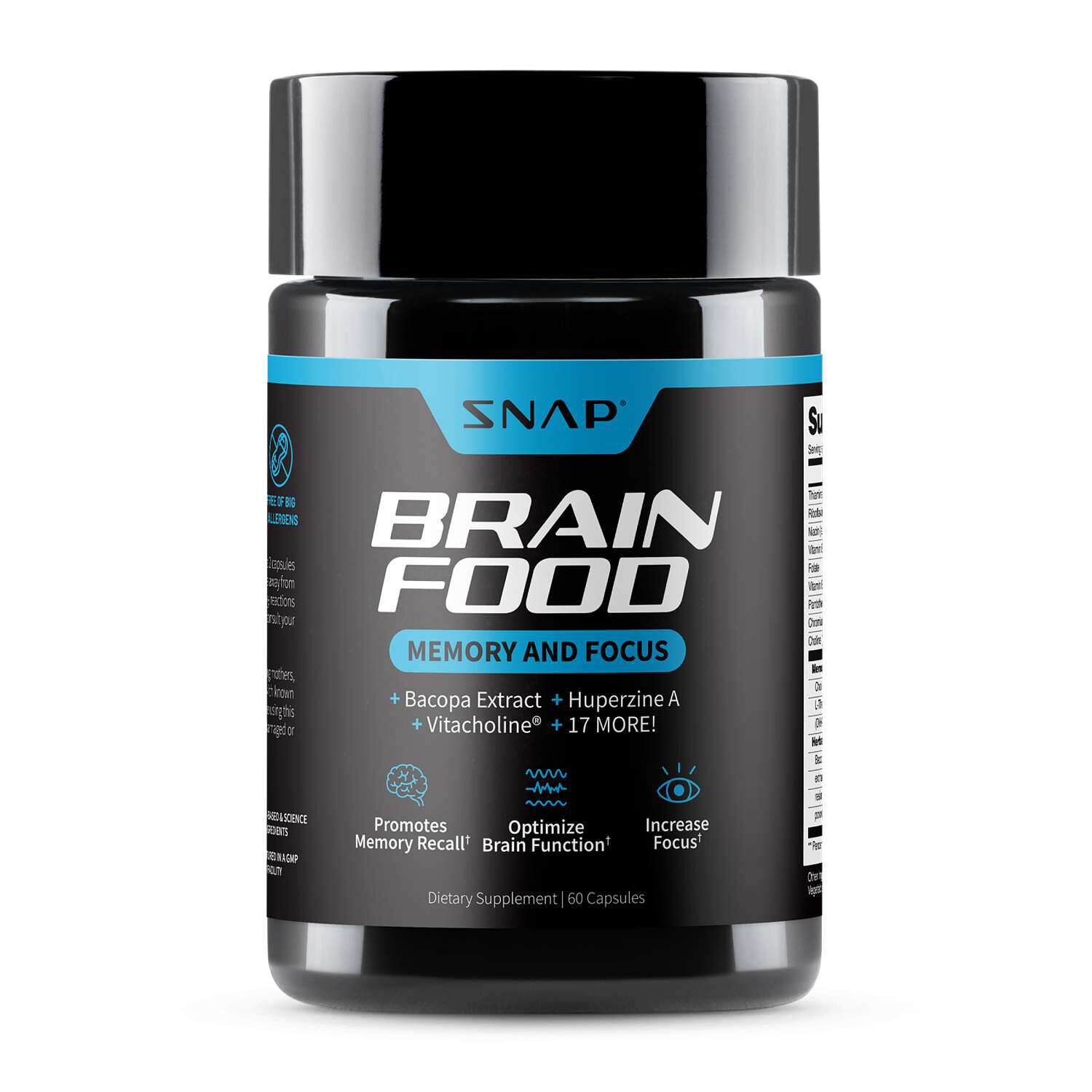


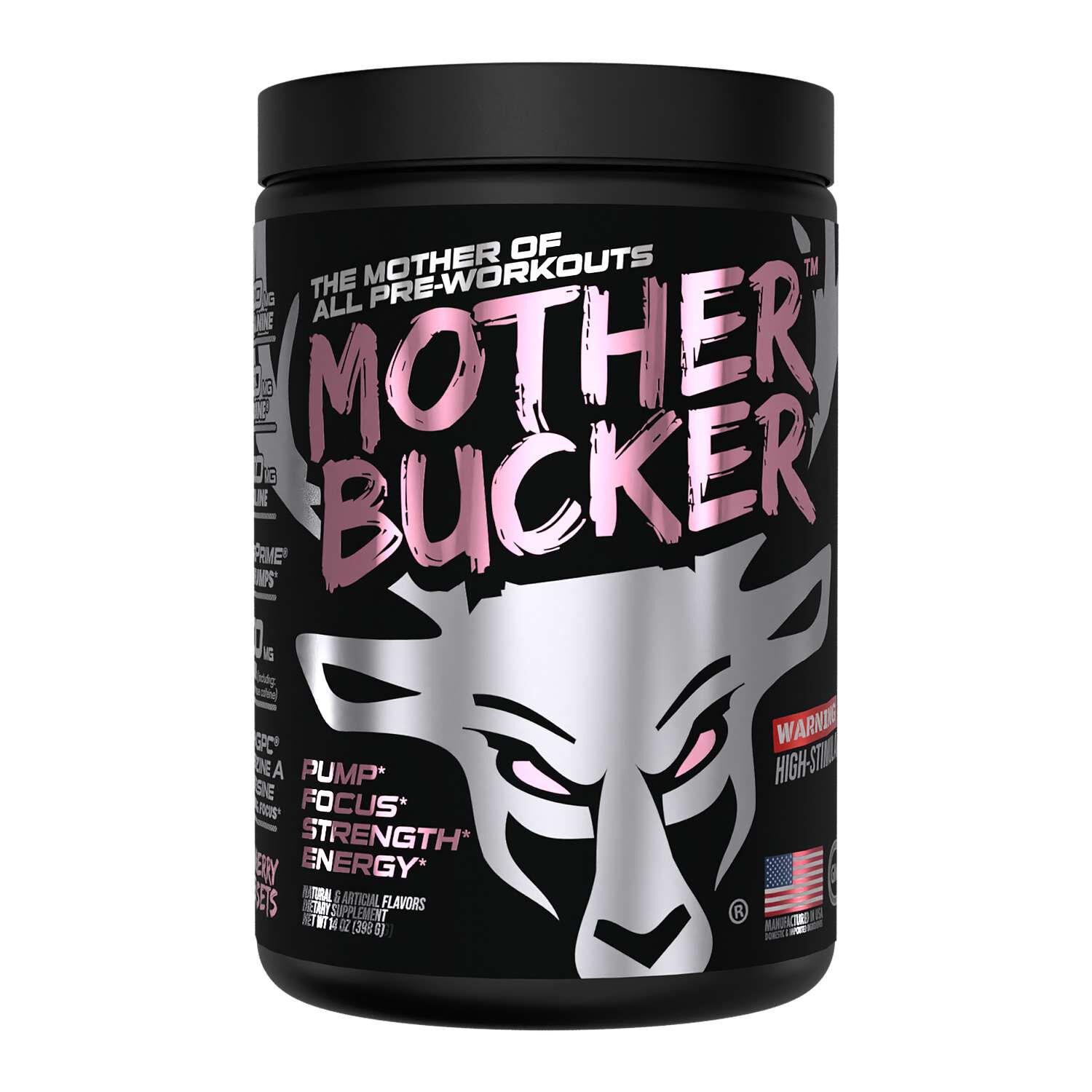
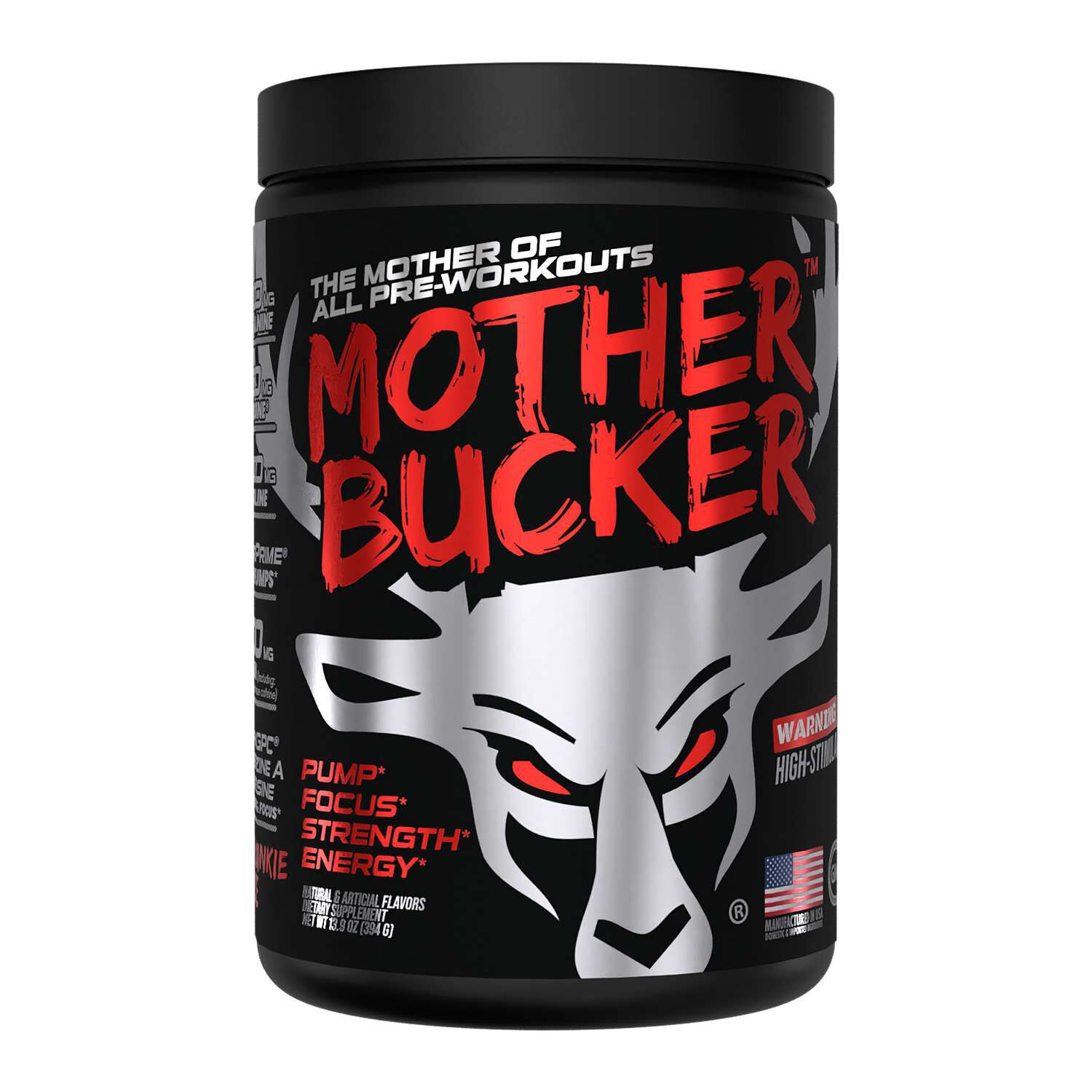
Nootropic supplements for adults over 30 are dietary supplements marketed around everyday interests in focus, memory, and mental clarity. The category includes single-ingredient options and formulas that combine several ingredients, with choices ranging from capsules and tablets to powders and chewable formats. For adults balancing a meeting-filled workday, continuing education, household responsibilities, or a personal creative project, the appeal often comes down to finding a supplement that fits an established routine. Turning 30 does not create a universal need for a particular ingredient, and an age-focused category is not a substitute for reading the individual label. Products grouped under the nootropic name can differ substantially in composition, serving size, and intended use. Some contain caffeine, while others are formulated without it; some center on amino acids or botanical extracts, while others include vitamins and related compounds. Caffeine-containing formulas may support alertness, but the amount per serving matters more than language suggesting a demanding day requires a stronger formula. A person who starts the morning with coffee has a different purchasing context from someone who avoids caffeine altogether. Likewise, an adult looking for a simple addition to breakfast may favor a different format from someone who wants a powder to mix at home. The most useful comparison begins with what is actually in each serving, how many capsules or scoops make up that serving, and whether the preparation suits everyday habits. A bottle containing several dozen capsules does not necessarily provide the same number of servings. Looking beyond the front label helps distinguish products that otherwise appear similar. Words such as focus, clarity, and memory describe the category’s positioning, but they do not establish that every formula will have the same effects. A practical approach keeps ingredient transparency, personal preferences, and realistic expectations at the center of the selection.
Ingredients commonly associated with nootropic supplements include citicoline, L-theanine, caffeine, bacopa monnieri, and lion’s mane mushroom. These names represent different kinds of ingredients rather than interchangeable versions of one substance. Citicoline is a choline-containing compound; L-theanine is an amino acid found in tea; bacopa monnieri is a botanical; and lion’s mane is a mushroom used in supplement formulations. Caffeine may appear as a separately listed ingredient or come from sources such as coffee or tea extracts. These distinctions are useful when comparing formulas, even without assuming a particular outcome from an ingredient name. A combination containing L-theanine and caffeine is different from L-theanine on its own, just as a mushroom blend differs from a formula centered on one mushroom ingredient. For botanical and mushroom supplements, labels may identify the species, plant part or mushroom material used, extract amount, and other composition details. Those specifics offer a clearer basis for comparison than a prominent ingredient name alone. Some extracts also list standardization information, which describes a measured constituent of the extract rather than establishing how the finished product will perform. Similarly, a larger number printed on the package does not, by itself, demonstrate a better fit. Serving amounts, ingredient forms, and the composition of the entire formula all contribute to understanding the product. A blend that discloses individual ingredient amounts is easier to compare ingredient by ingredient than one that lists only a combined blend amount. Adults who already use a multivitamin, an energy supplement, or a powdered drink mix may also find overlapping ingredients across labels. Recognizing that overlap makes the shopping comparison more informative without turning the number of ingredients into a measure of quality. For shoppers exploring a related botanical category, Ashwagandha Supplements For Adults Over 30 offers another category to browse, with its own ingredient forms and label details. Category names can help organize a search, but the individual supplement’s contents remain the more meaningful point of comparison.
Format, packaging, and day-to-day handling deserve as much attention as the ingredient list. Capsules offer a premeasured format without mixing, while tablets can differ in size, coating, and the number included in a serving. Capsule shells may be made from gelatin or plant-derived materials, an important distinction for shoppers with dietary preferences. Powders require measuring and mixing, and their flavors, sweeteners, and suggested liquid amounts can influence how conveniently they fit into a routine. An unflavored powder is not necessarily tasteless, particularly when botanical ingredients are part of the formula. Chewable options have their own texture and flavor considerations, along with serving sizes that may involve more than one piece. The Supplement Facts panel and other ingredient information can clarify these differences, including added sugars, flavoring ingredients, capsule materials, and declared allergens. Someone leaving home early for a long commute may prefer packaging that is straightforward to carry and close securely; someone keeping supplements beside breakfast supplies may prioritize an easy-to-read label and a format that needs little preparation. For a powder, container design and the supplied measuring tool are practical details. For capsules or tablets, the closure and original label help keep product information together throughout use. Supplement care is primarily about following package storage directions, keeping containers properly closed, and protecting contents from moisture or other conditions identified on the label. Expiration information, packaging integrity, and legible serving directions matter more than the appearance of the bottle on a countertop. These products are personal purchases, so a supplement chosen as a gift is best understood in the context of the recipient’s expressed preferences rather than assumptions about age or workload. A busy professional, an adult student, and a parent managing a full household may share an interest in nootropics while preferring very different formulas. None of those roles determines a single suitable ingredient combination. The most grounded purchase is one based on clearly described contents, manageable preparation, and intended use that matches the shopper’s purpose, without treating a supplement as a replacement for sleep, meals, or time away from demanding tasks.
Best Sellers
-
 Gorilla Mind
 -
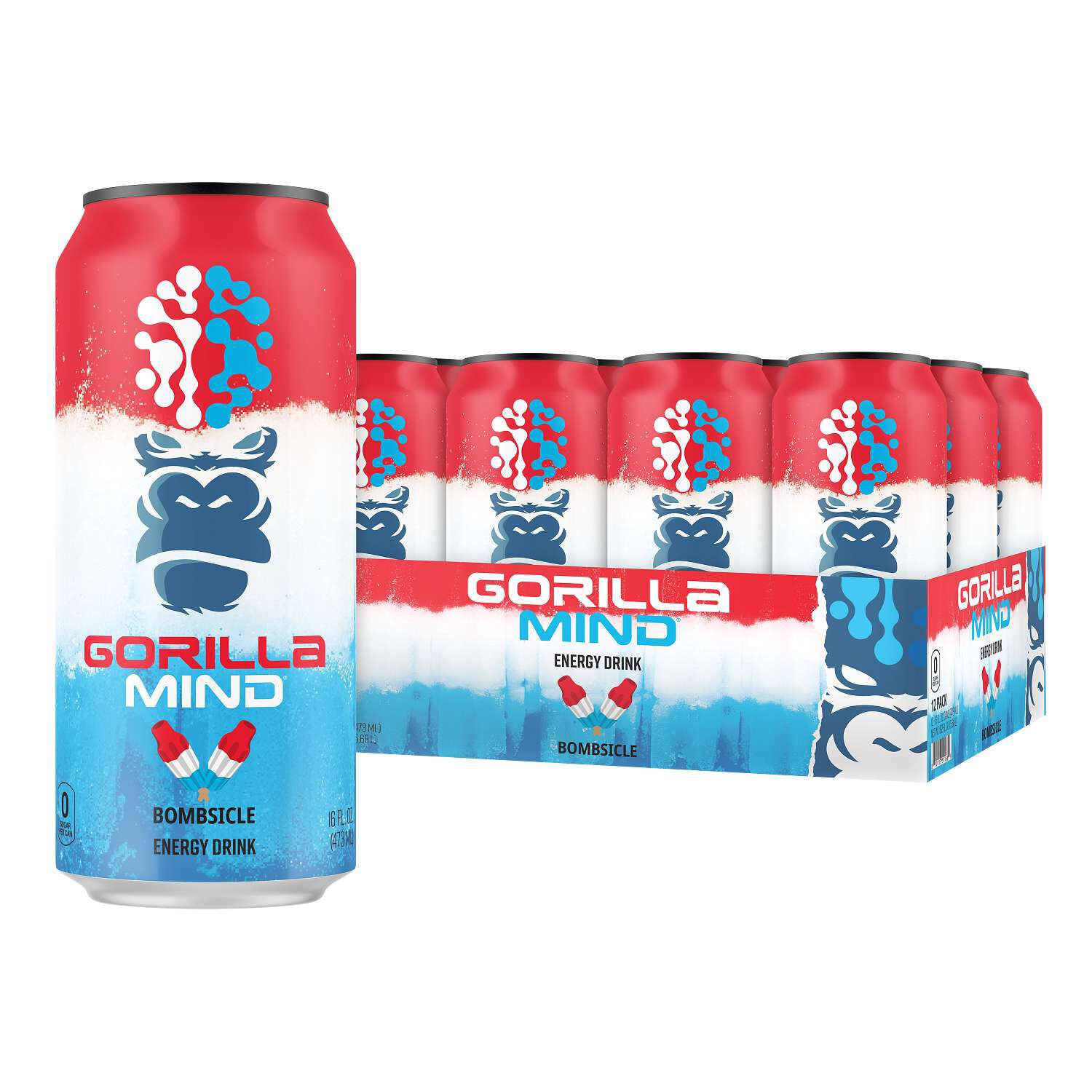 Gorilla Mind
 -
 Gorilla Mind


