Nootropics With Caffeine
(0 Results)
Shop nootropics with caffeine by ingredient blend, format, and dietary preference. Explore formulas developed with everyday focus, memory, and cognitive wellness in mind, and compare label details to find options that fit your routine and budget.
-
 Raw Nutrition$44.99
-
 Raw Nutrition$44.99
-

-

-

-

-
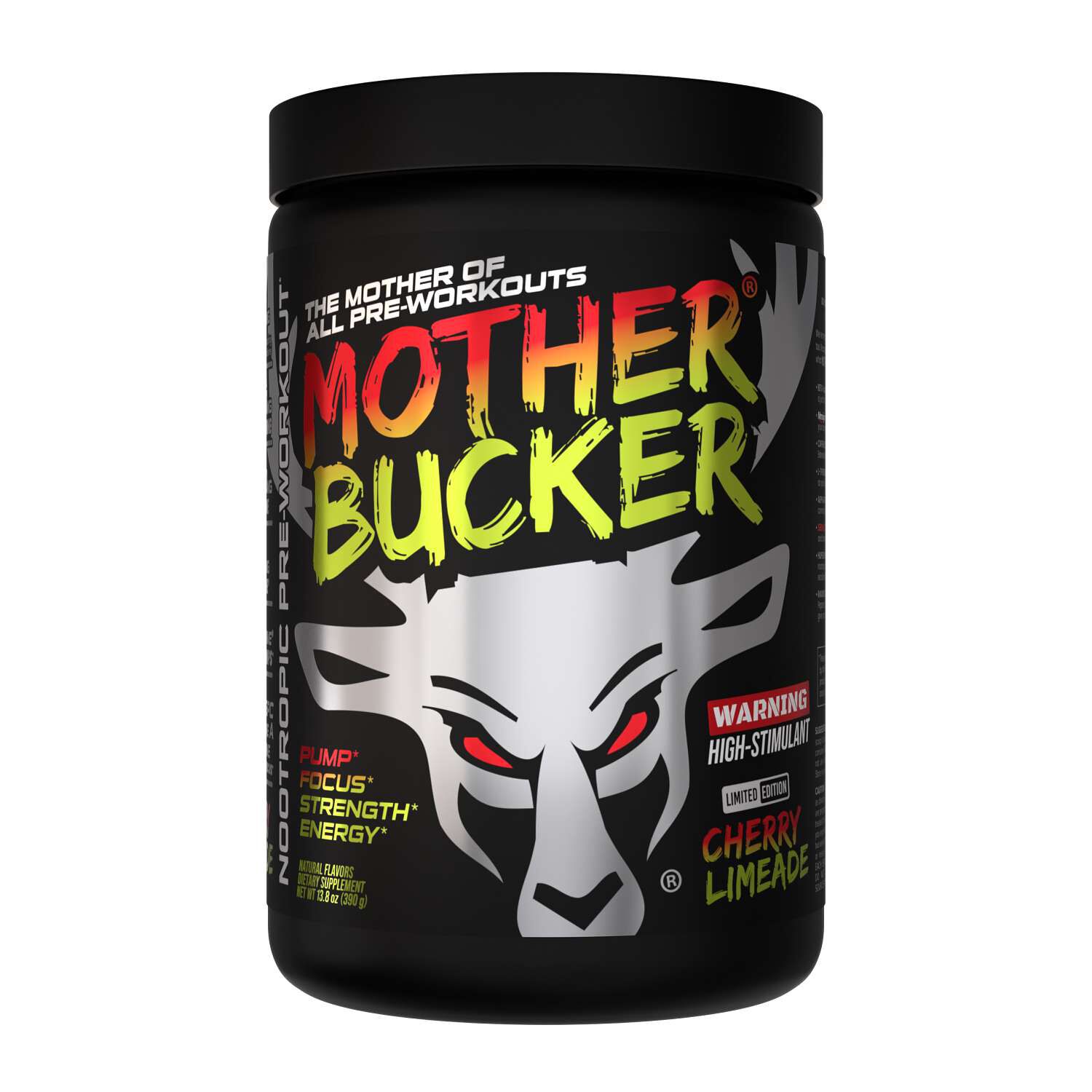
Nootropics with caffeine are supplements that pair a familiar ingredient with others often featured in formulas marketed for focus or alertness. The term nootropic describes a broad category rather than a standard recipe. One formula may have a short ingredient list, while another may combine caffeine with amino acids, plant extracts, or vitamins. Caffeine itself is familiar from coffee and tea, but the name on the front of a supplement package doesn’t necessarily explain where the caffeine comes from or how much the formula contains. A reference to tea, for instance, might describe the flavor or point to an ingredient source. The weight of a tea extract is also different from the amount of caffeine it supplies. A label that states the caffeine amount per serving makes that distinction easier to see. If several ingredients are listed together under a blend name, the number beside the blend may describe the combined weight rather than the amount of each ingredient. Serving size gives those numbers context, especially when comparing formats. A serving could be one capsule or several, and a single bottle of a prepared beverage may contain more than one serving. For a powder, the net weight on the front of the tub describes the contents of the package, not the amount in a scoop. Those details are easy to miss when two packages use similar language but show their numbers in different places. A shopper who already knows how much they like the taste of coffee, for example, may still prefer a supplement with no coffee flavor at all. Flavor, caffeine source, and caffeine amount are separate details, and the label can be useful for sorting out which one a description refers to. The other ingredients matter for comparison, too: two formulas with the same listed caffeine amount may have little else in common.
The format often comes down to what fits into a familiar part of the day. A capsule may suit someone who would rather skip mixing and doesn’t want another flavored drink, while a powder may appeal to someone who already keeps a shaker bottle in a work tote or gym bag. Mixing directions give a sense of what that format asks of a routine, from measuring a scoop to finding a bottle that holds the stated amount of water. A prepared beverage takes measuring and mixing out of the picture, though the size of the bottle and whether it has a resealable cap can still matter to someone packing it alongside lunch or gym clothes. Flavor and texture are more noticeable considerations with drinks and powders than with capsules. A shopper who likes a tart drink may read the flavor description first, while someone who pays closer attention to sweetness may want to look at the listed sweeteners as well. For capsules, the shell material is a quieter distinction: gelatin and plant-based materials are different options, and the ingredient list is a better place to check than the shape or color of the capsule. Packaging matters beyond appearance, too. A sturdy tub with a lid that closes securely may make sense for a shelf at home, while individually sealed packets take up less room in a bag than a full container. A packet’s seal is worth a glance if it has spent time at the bottom of a bag beside keys or other hard objects. Keeping the original packaging also keeps the serving information, storage directions, and any printed date together. For powders in particular, a dry scoop and a securely closed lid can help keep moisture out of the container. The practical difference between formats is often as simple as having room to store the package, a convenient place to prepare it, and a way to carry it without a spill.
Intended use offers another way to sort through caffeinated nootropics, especially when similar wording appears on packages meant for different settings. Some formulas are presented as general supplements, while others are labeled specifically for use before exercise. A shopper who is looking for a gym-oriented formula rather than a general one can compare the options on the Nootropic Pre Workout page. The distinction can show up in the directions, the other ingredients, or the way a serving is prepared. A powder made to mix in a shaker has a different place in a gym bag than capsules in a compact bottle, even if both contain caffeine. Someone who already carries a flavored workout drink may care more about how a second flavor fits into that routine than about the variety of flavors on the shelf. Someone who usually grabs coffee on the way to a morning workout may be more interested in whether the supplement label clearly identifies caffeine and its amount per serving. The same attention to format can be useful when shopping for someone else. A caffeinated supplement makes a more personal gift when the recipient already uses that type of formula and has mentioned a preference, such as capsules over powders or single-serving packets over a tub. A familiar format is a better cue than assuming that every coffee drinker would enjoy a caffeinated supplement. For personal shopping, the setting can narrow the choice just as readily. A container that fits neatly in a kitchen cabinet doesn’t have to meet the same needs as one carried between work and the gym. A powder with an appealing flavor still has to fit the way someone likes to prepare a drink, and a compact capsule bottle may be more practical for someone who rarely carries a shaker. Looking at the label alongside those everyday details gives each formula a clearer context than the word nootropic can provide on its own.
- Q: What are nootropics with caffeine?
A: Nootropics with caffeine are formulas developed with cognitive wellness in mind that explicitly include caffeine. Their stated focus may include memory, concentration, or everyday cognitive wellness, and their ingredient blends vary. - Q: How can I identify caffeine in a nootropic formula?
A: Look for caffeine named in the Supplement Facts panel, ingredient list, or other product label information. A coffee- or tea-derived ingredient alone does not establish that a formula contains caffeine. - Q: What formats do caffeinated nootropics come in?
A: Formats can include tablets, capsules, liquids, and pouches. Check each product’s listed form and flavor details to compare options that suit your preferences. - Q: Are all nootropics with caffeine vegan?
A: No. Caffeine content does not determine whether a formula is vegan. Look for explicit vegan labeling and review the ingredients, including the capsule material where applicable. - Q: How do caffeinated nootropics differ from caffeine-only supplements?
A: Caffeine-only supplements center on caffeine as their defining ingredient. Caffeinated nootropics are formulated with cognitive wellness in mind and can combine caffeine with other ingredients. Compare the stated purpose and ingredient panel rather than relying on the word “energy” alone.