Nutrient Loaded Vitamins
(0 Results)
Nutrient loaded vitamins offer a convenient way to help support your daily wellness routine. Packed with essential vitamins and minerals, these supplements are designed for those seeking to fill potential nutritional gaps and maintain a balanced lifestyle. Explore a variety of options that could complement your diet and help you stay on track with your health goals. Discover how nutrient loaded vitamins might fit into your everyday regimen.
-
-
-
-

-
 $18.99
-

-
$29.99
-

-

-
-
-

-

-
-
$29.99
-
-
-

-

-
-
-
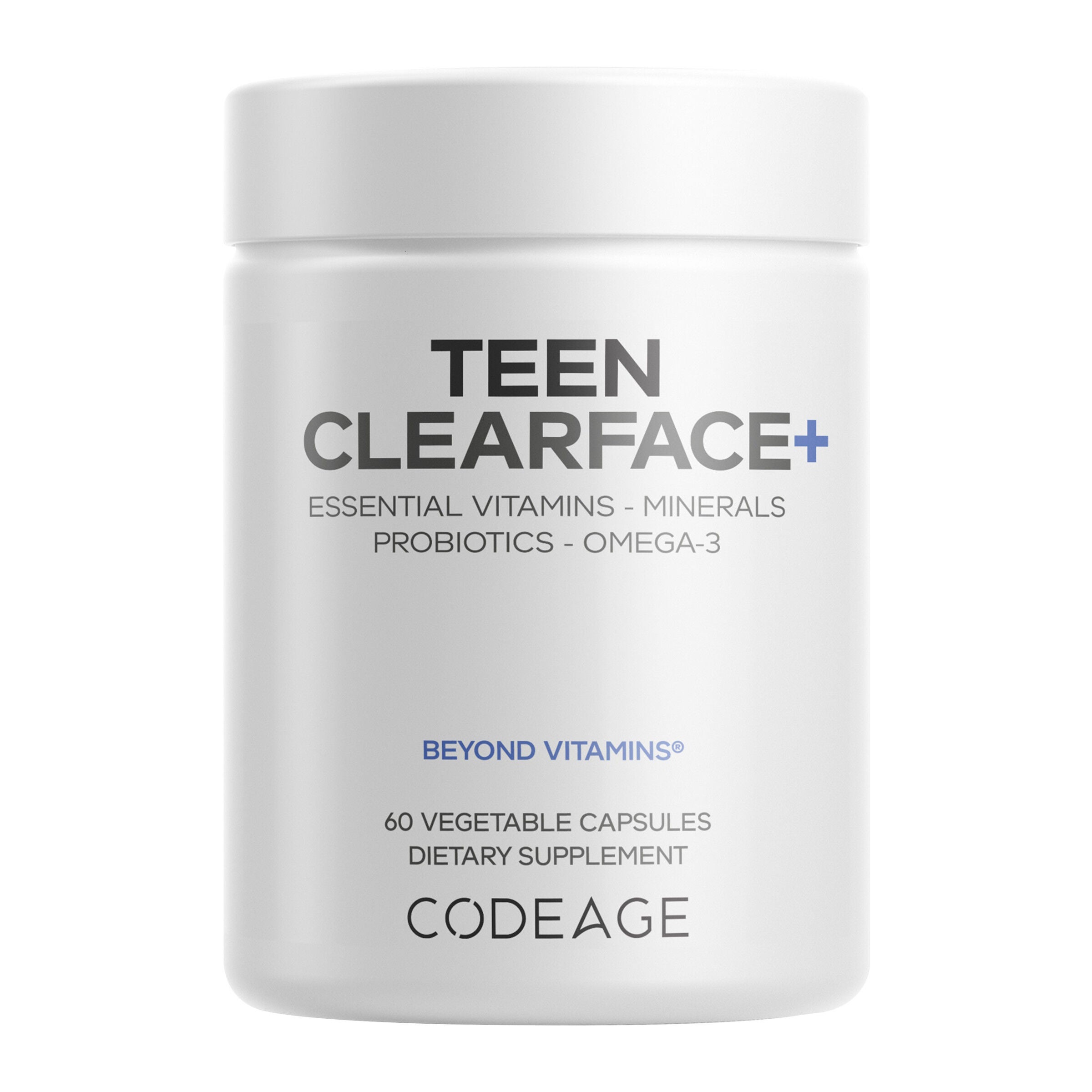
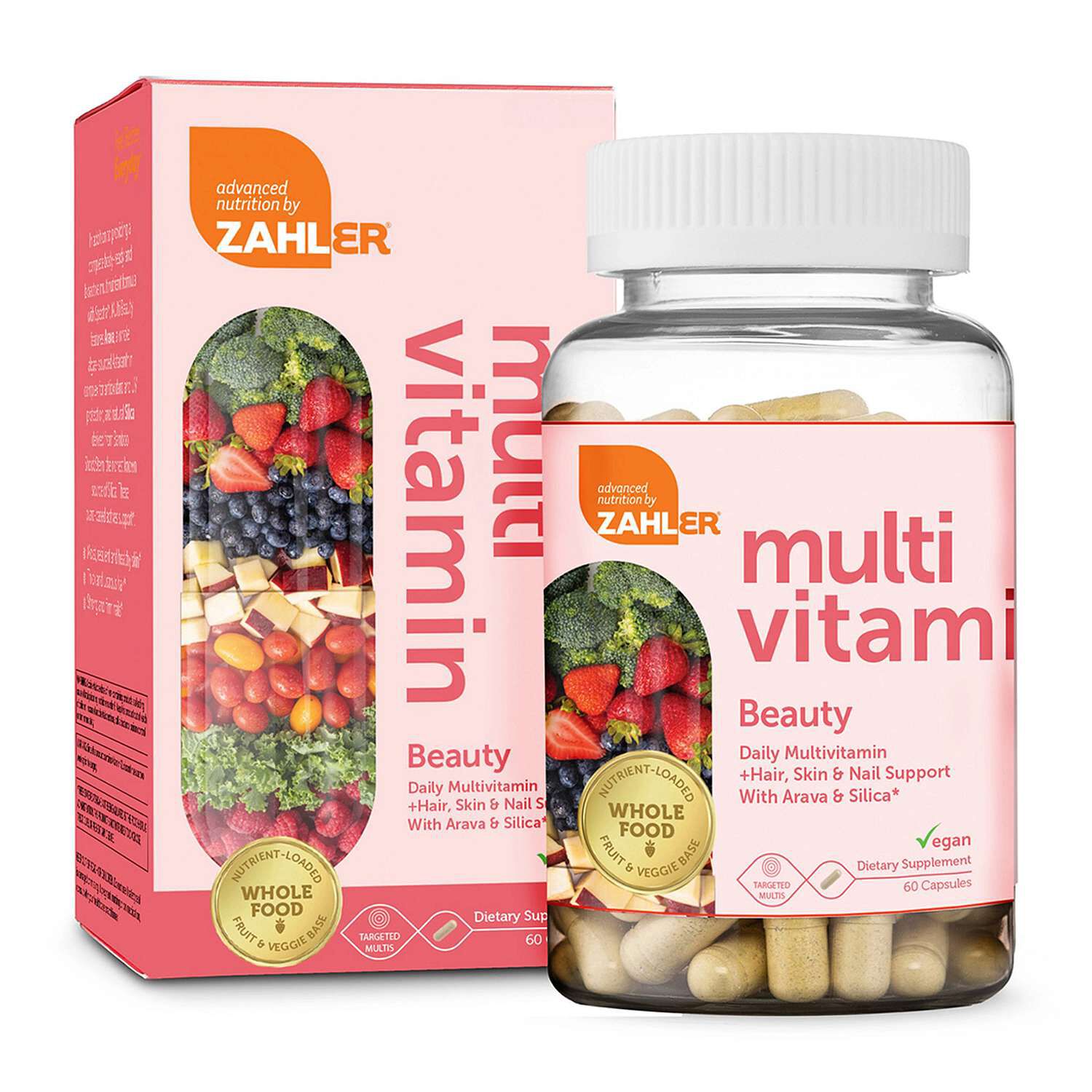


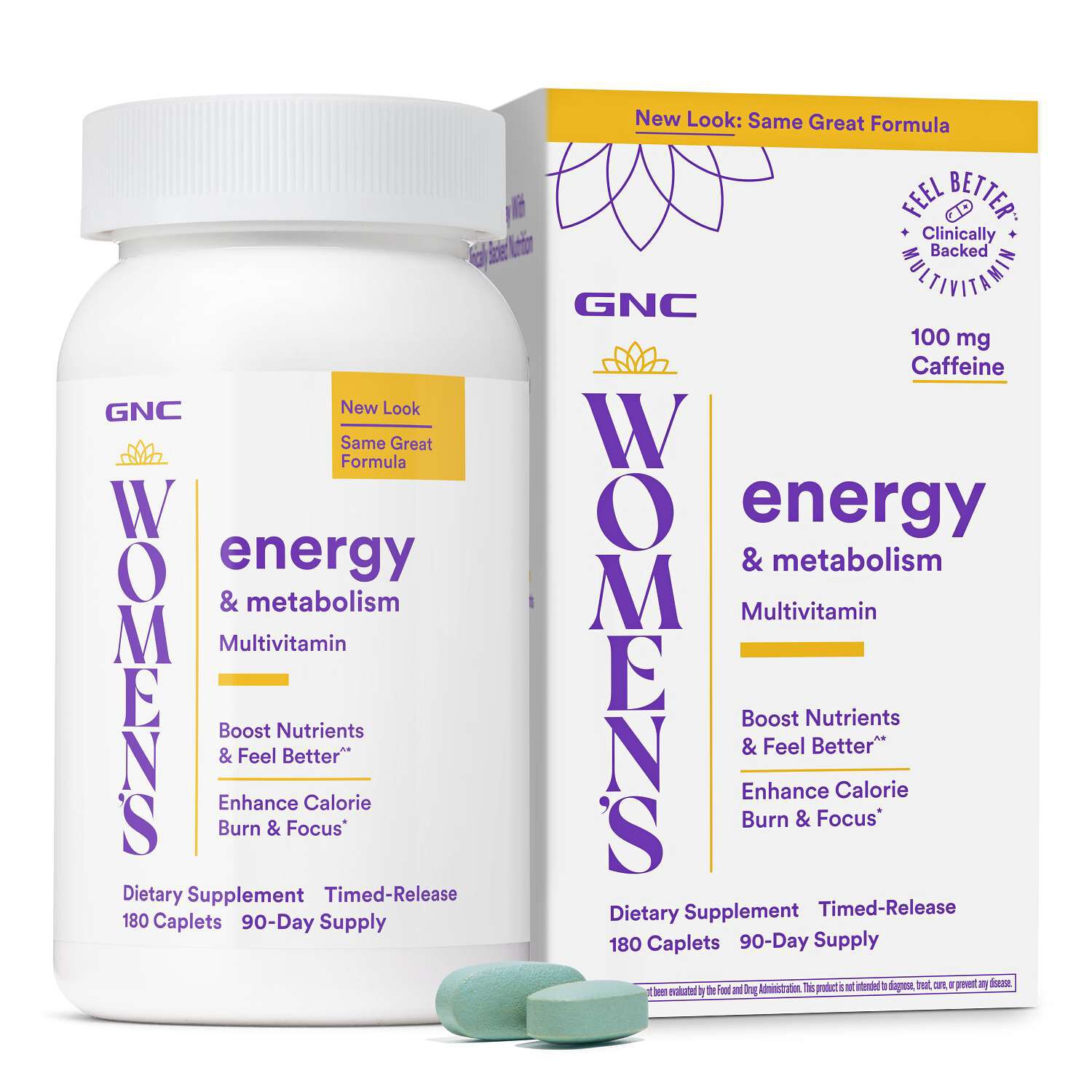
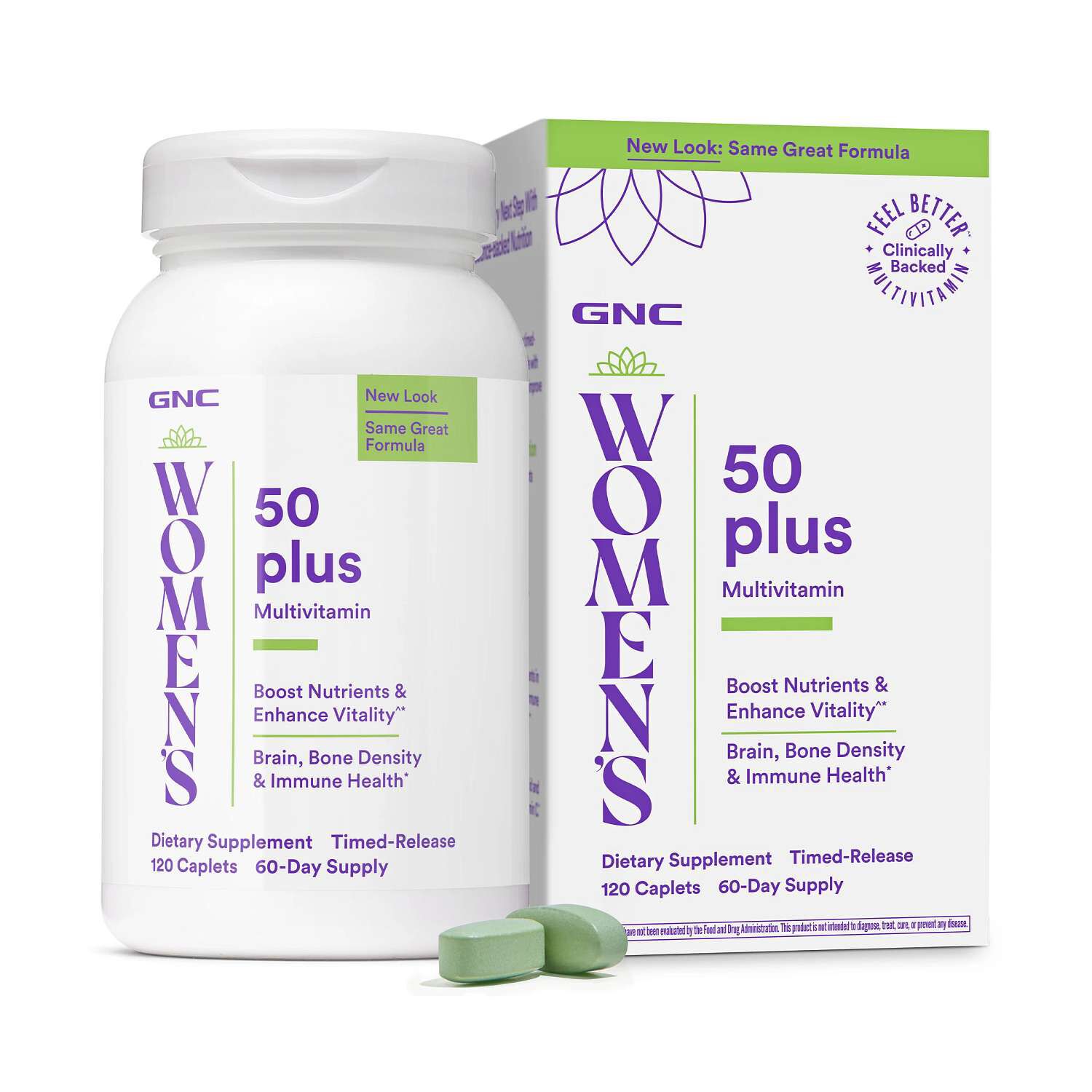
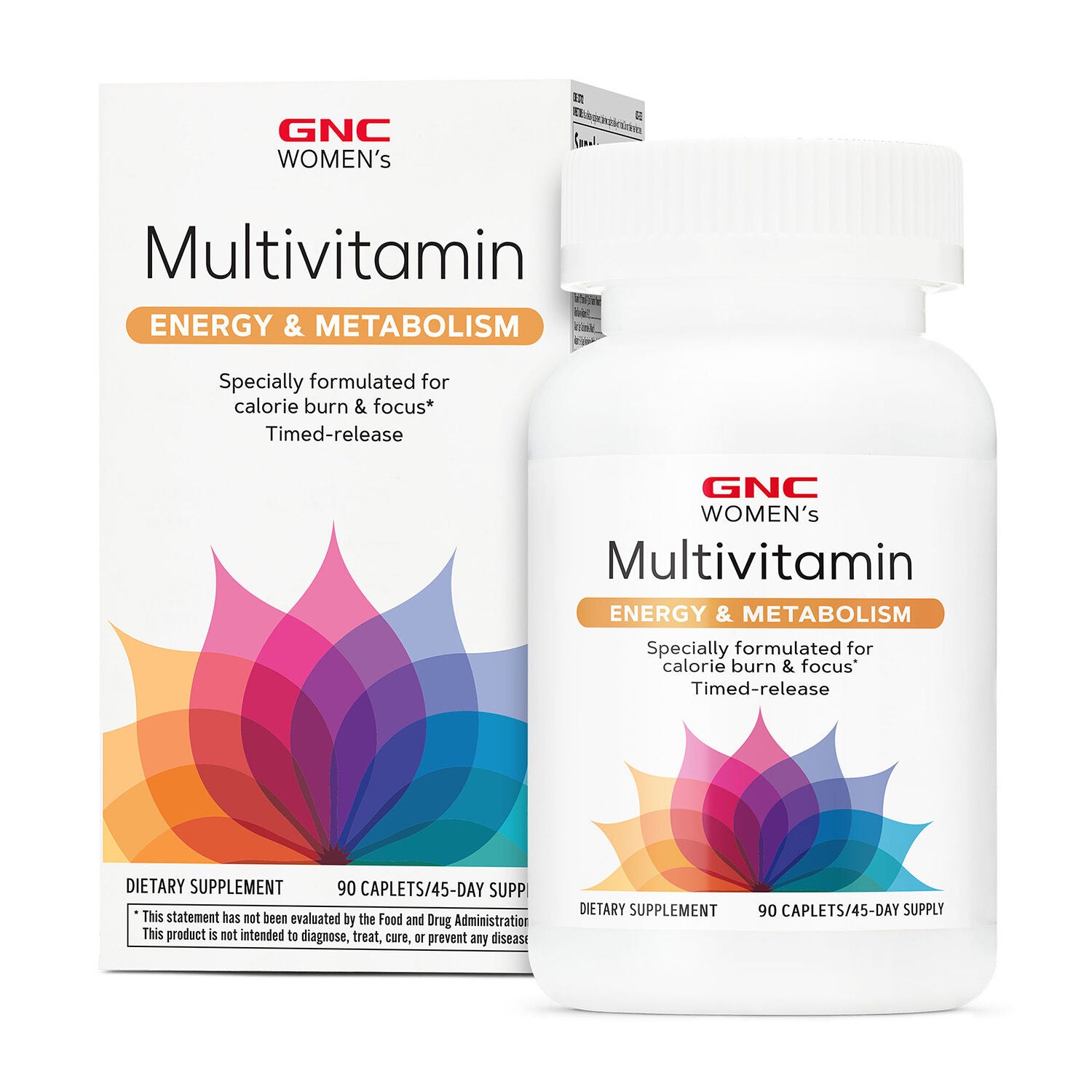
Nutrient loaded vitamins cover a range of supplement formats, from multivitamin caplets and capsules to daily packs and powders with vitamin blends. The phrase generally describes an ingredient-focused assortment rather than a single formula, serving size, or delivery method. Some formulas combine vitamins A, C, D, E, and K with several B vitamins, while others include minerals such as calcium, magnesium, and zinc. Additional ingredients vary, so two products described in similar terms can have quite different Supplement Facts panels. A multivitamin typically brings several vitamins together in one formula; a vitamin-focused powder might pair its vitamin content with other ingredients, flavors, and a particular mixing method. Nutrient loaded vitamins may complement everyday nutrition, but they are not a substitute for varied meals. The most useful distinctions are often straightforward: which nutrients appear on the label, how much is provided per serving, and how the serving fits into an established routine. A bottle marked with a capsule count is not necessarily describing the same number of servings, since one serving may contain more than one capsule. Percent Daily Value offers another point of comparison, though a higher percentage does not automatically make a formula a better match. Adult formulas may be labeled for men, women, or older adults, with different ingredient selections and amounts. Those descriptions identify the intended audience, but the individual label remains more informative than a broad category name. Someone who already takes a separate vitamin product may approach a multivitamin differently from someone shopping for a single daily formula. A person with a consistent breakfast routine may prioritize a format that belongs alongside that meal, while someone with a busy commute may place more importance on a clearly labeled, portable package. Across these situations, nutrient variety, serving information, and practical fit provide meaningful ways to distinguish one type of vitamin formula from another.
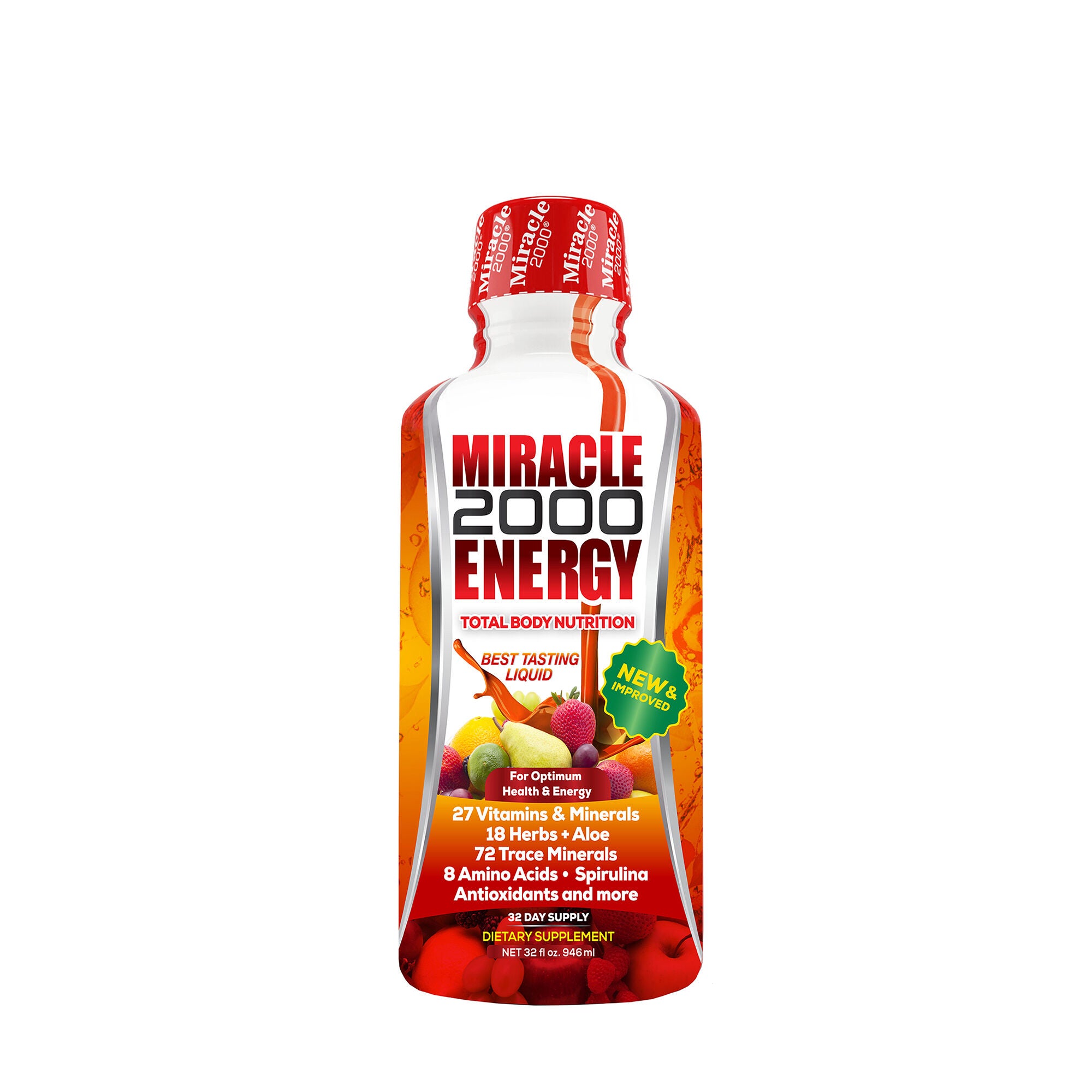
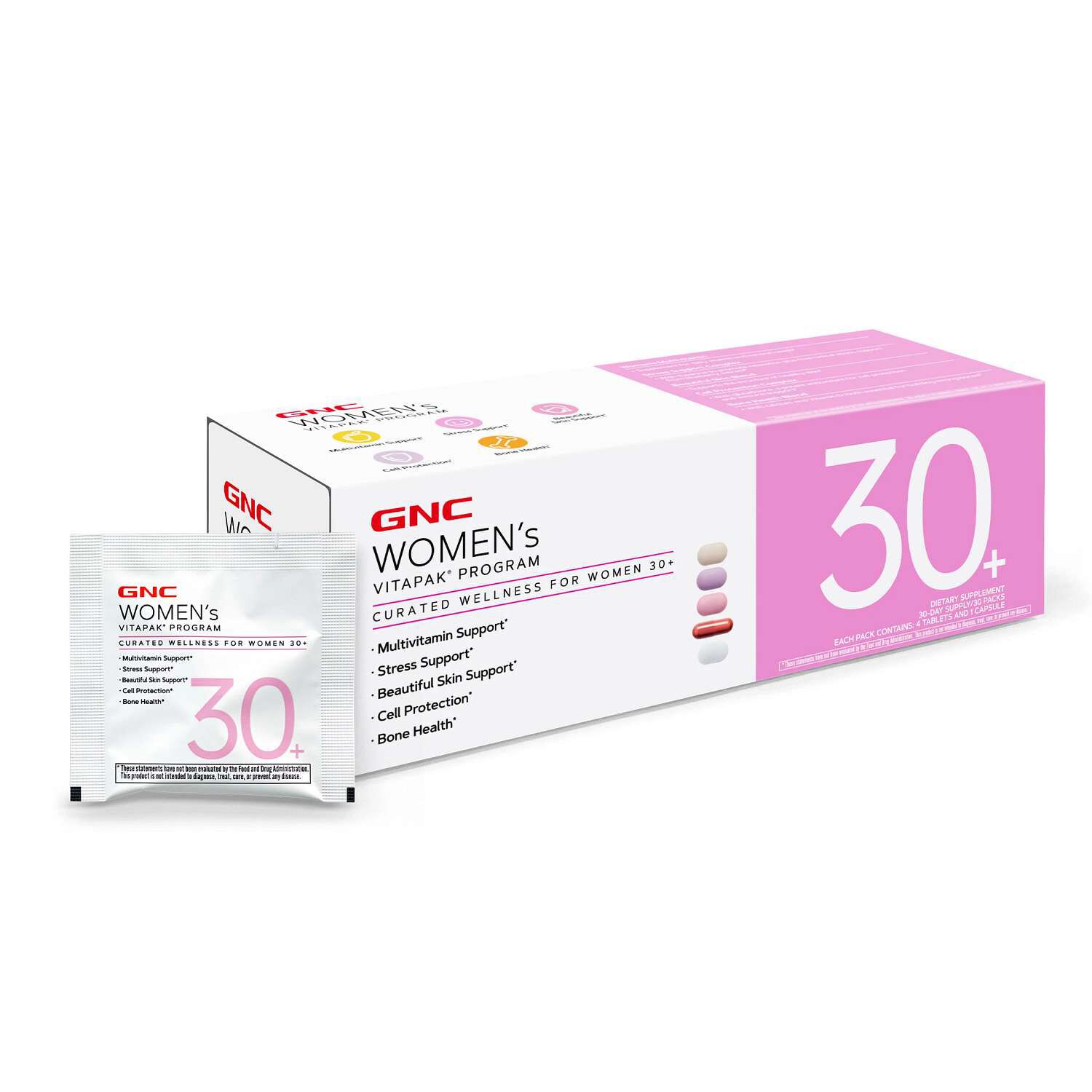
Delivery format makes a noticeable difference in how nutrient loaded vitamins fit into daily life. Tablets and caplets have a firm texture and defined shape, while capsules hold their ingredients inside a shell that may be made from gelatin or plant-derived materials. Capsule material can matter to shoppers with vegetarian preferences, just as the size and number of pieces in a serving can matter to someone who prefers a simpler routine. Chewables and gummies offer different textures and flavors, with serving sizes and ingredient amounts that deserve the same attention as those on a capsule bottle. A pleasant flavor does not describe the nutrient content, and a gummy serving may consist of several pieces rather than one. Powders introduce another set of details, including scoop size, the recommended mixing liquid, and whether the finished drink is smooth, lightly textured, or more substantial. A powder intended for water may have different preparation directions from one designed for another beverage. Mixing instructions also help explain what belongs in a serving, since a loosely filled scoop and a rounded scoop are not interchangeable measurements. Daily packs take a different approach by grouping individual supplement pieces into a labeled packet. The Nutrient Health Packs category offers a related way to explore that format. A packet can contain several pieces with separate ingredient roles, rather than one combined tablet, and its directions may specify how the contents are intended to be taken. For an adult who regularly carries a work bag or gym bag, the original packet offers a compact format with its identification intact. At home, a bottle or powder container may be a more natural fit beside other routine supplies. Neither format alone establishes nutrient quality or suitability. The relevant details remain the ingredient list, the labeled serving, and the amount of preparation involved. Packaging, texture, flavor, and portion size all shape the everyday experience without changing the importance of reading the product information.
Ingredient combinations add another layer of distinction within nutrient loaded vitamins. Some formulas include probiotics, greens blends, collagen, biotin, or other ingredients alongside their vitamins and minerals. These additions are not interchangeable: biotin is a B vitamin, collagen is a protein ingredient, and a greens blend may contain several plant ingredients in varying amounts. Their presence does not make every formula suitable for the same person or purpose. A shopper interested in a straightforward multivitamin may prefer a shorter ingredient list, while someone looking for a powder format may also consider the flavoring, sweeteners, and other components that give the drink its taste and texture. For blends containing multiple ingredients, the label can show whether individual amounts are listed or whether several components appear together under one blend amount. Dietary preferences deserve similar attention. Capsule shells, gummy ingredients, flavor systems, and added proteins can come from different sources, and allergen statements may identify ingredients derived from milk, soy, fish, or other foods. Those details can be especially relevant when comparing a vitamin-only formula with one containing additional protein ingredients. Intended use also matters: a product labeled for adults is not automatically appropriate for children, and a formula associated with an active lifestyle is not interchangeable with every other daily vitamin. For gifting, vitamins are a more personal choice than a shaker bottle or storage accessory; a recipient’s established format preferences and stated dietary needs provide a better starting point than a surprise selection. Care is largely about preserving the product as labeled. The original container keeps the ingredient information, directions, and date markings together, while a securely closed lid helps limit exposure to moisture. Storage instructions may call for a cool, dry place away from direct sunlight, making a dry cabinet a different environment from a steamy bathroom or a car. Powders also benefit from a clean, dry scoop and a properly closed container after use. Taken together, these practical details make the assortment easier to understand: nutrient loaded vitamins differ not just in the ingredients they contain, but in their serving format, dietary considerations, packaging, and place within an individual routine.