





Once Daily Prenatal Vitamins
(0 Results)
Expecting mothers might find that once daily prenatal vitamins offer a convenient way to support their nutritional needs during pregnancy. These specially formulated supplements could provide a range of vital nutrients that are important for both mother and baby. With the potential to complement a balanced diet, once daily prenatal vitamins may help ensure that you and your growing baby receive key vitamins and minerals. Explore options that might fit seamlessly into your daily routine and support your journey toward a healthy pregnancy.

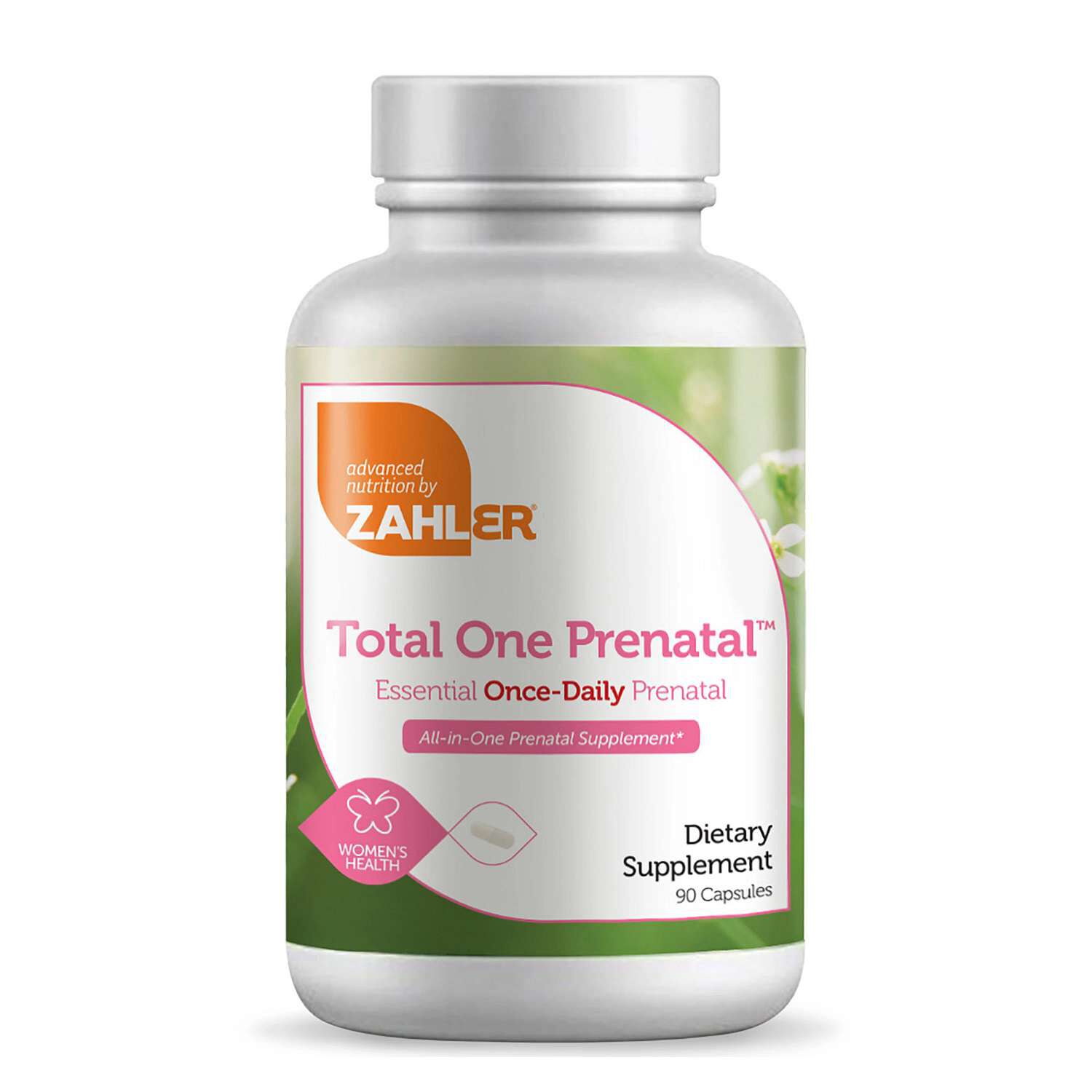


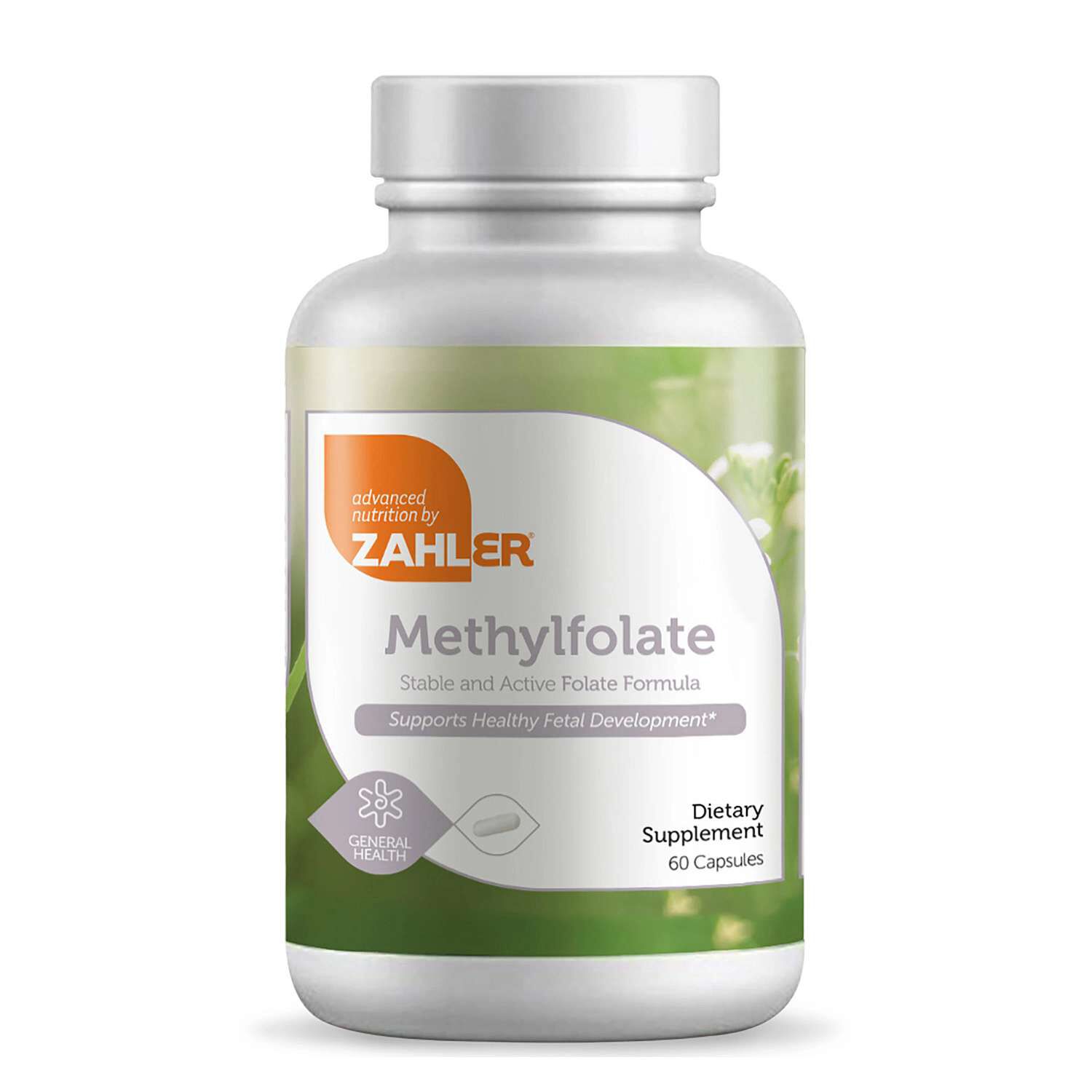
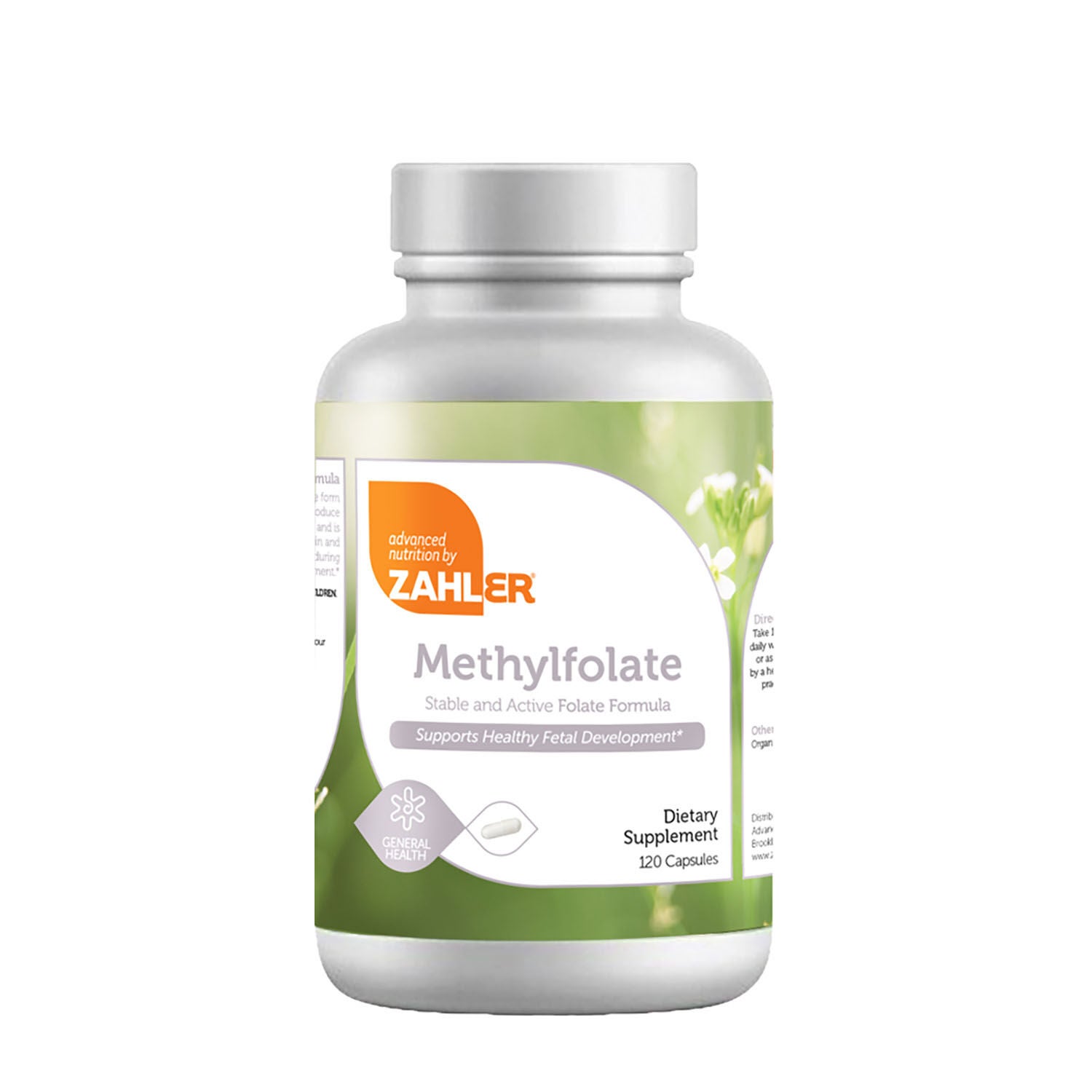
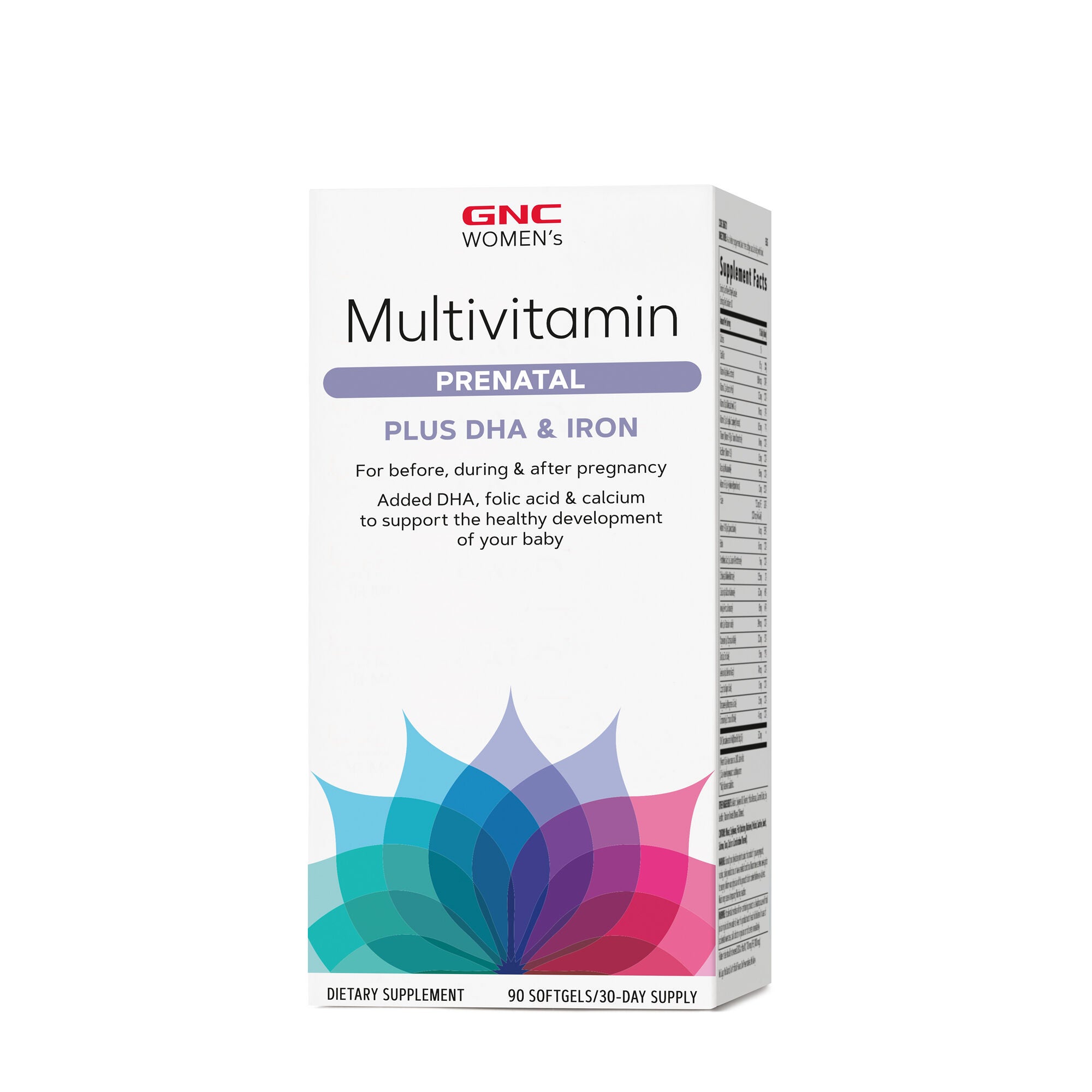

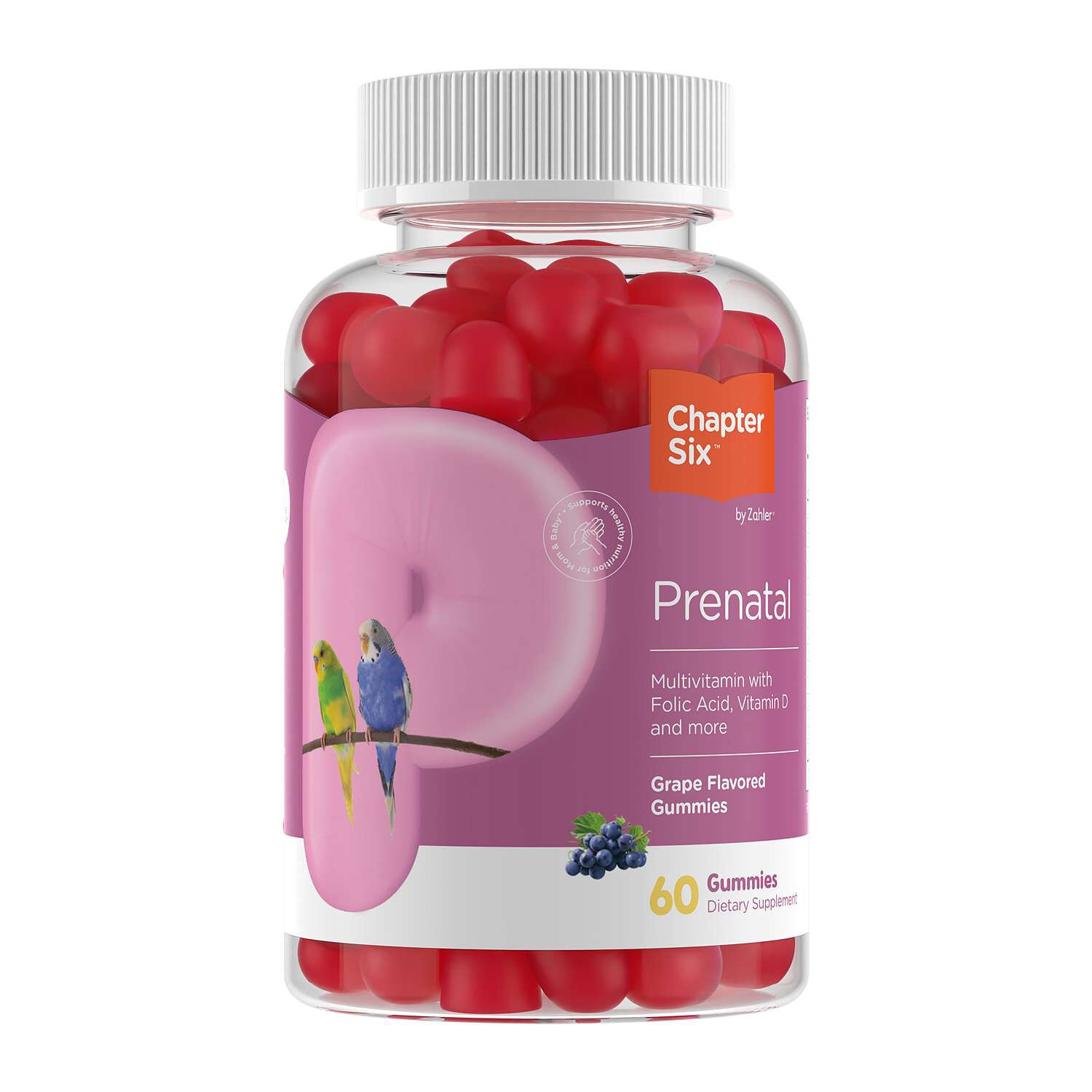
Once-daily prenatal vitamins are designed for shoppers who prefer a simple routine built around one daily serving. They may be used by people preparing for pregnancy, those who are pregnant, or those continuing a prenatal routine after delivery and during nursing, depending on personal preferences and guidance from a qualified healthcare professional. A once-daily format may fit naturally beside familiar habits, such as breakfast, an evening glass of water, or packing a bag before heading out for the day. For many people, a clear routine matters: a bottle placed beside a coffee mug or tucked into a travel pouch can serve as a quiet reminder during busy mornings, changing schedules, and cooler-weather travel. Prenatal formulas often include nutrients such as folate or folic acid, iron, vitamin D, iodine, and omega-3 DHA, while some also contain choline or other vitamins and minerals. These nutrients may support general nutritional needs during the prenatal stage, and DHA may support normal brain and eye development. Because formulas vary, shoppers may want to review the Supplement Facts panel, serving size, nutrient amounts, and ingredient list rather than assuming every once-daily option is the same. The word “prenatal” describes the intended life stage, not a single formula standard, so reading the label can help shoppers choose a format that fits their preferences and conversations with their healthcare provider.
Purchase considerations often begin with the form of the supplement. Softgels may appeal to shoppers who prefer a compact serving, while tablets may offer a familiar format, and gummies may be appealing to people who favor a chewable texture. A gummy formula may not contain iron, so anyone comparing gummies with capsules or tablets may want to check the label carefully. Some once-daily products pair multiple pieces together as one daily regimen, such as a tablet with a softgel, while others place the listed nutrients in one serving. The number of pieces, flavor, texture, size, dietary preferences, and storage instructions can all shape the experience of using a prenatal vitamin over time. Package directions may recommend taking a serving with food or water, and shoppers should follow the instructions provided for the specific formula they select. Those who have dietary restrictions, take other supplements, or have questions about nutrient amounts may wish to review the label with a healthcare professional. A prenatal vitamin could also be a thoughtful gift for someone preparing for a new chapter, especially when presented as part of a practical care package with a water bottle, nourishing snacks, a journal, or a soft robe. Rather than choosing based only on packaging, a gift giver may consider whether the recipient prefers gummies, softgels, or tablets, and whether a once-daily routine would feel convenient in everyday life.
Consistency may be easier when a prenatal vitamin fits the rhythm of the day. Some people keep the bottle at home and take it alongside breakfast; others place it near a calendar, skincare items, or a lunch bag as a visual cue. During the warmer seasons and into the cooler months, routines can shift with travel, work, appointments, and changing daylight, making a straightforward serving schedule especially appealing. Shoppers may also compare prenatal formulas by looking for folate or folic acid, iron, vitamin D, DHA, choline, and other listed nutrients that align with their personal preferences and professional guidance. Folate may support normal early development, iron may support the body’s oxygen-carrying function, and DHA may support normal development of the brain and eyes; the role and amount of each nutrient can vary by formula. Those seeking a broader nutrient profile may explore Advanced Prenatal Vitamins as another category to compare. As with any dietary supplement, label details matter, including serving instructions, allergen information, dietary certifications, and storage guidance. Once-daily prenatal vitamins may offer a convenient way to organize prenatal nutrition, while the best choice depends on individual needs, preferred format, and advice from a qualified healthcare professional.
