Organic Plant Based Protein Powder
(0 Results)
Organic plant based protein powder offers a convenient way to support your daily nutrition goals with ingredients sourced from plants. Whether you’re looking to complement an active lifestyle or simply seeking alternatives to traditional protein sources, these powders may fit seamlessly into a variety of dietary preferences. Explore options that could blend easily into smoothies, shakes, and recipes as part of your wellness routine. With organic plant based protein powder, you may discover a versatile addition to your pantry that aligns with your values and lifestyle choices.

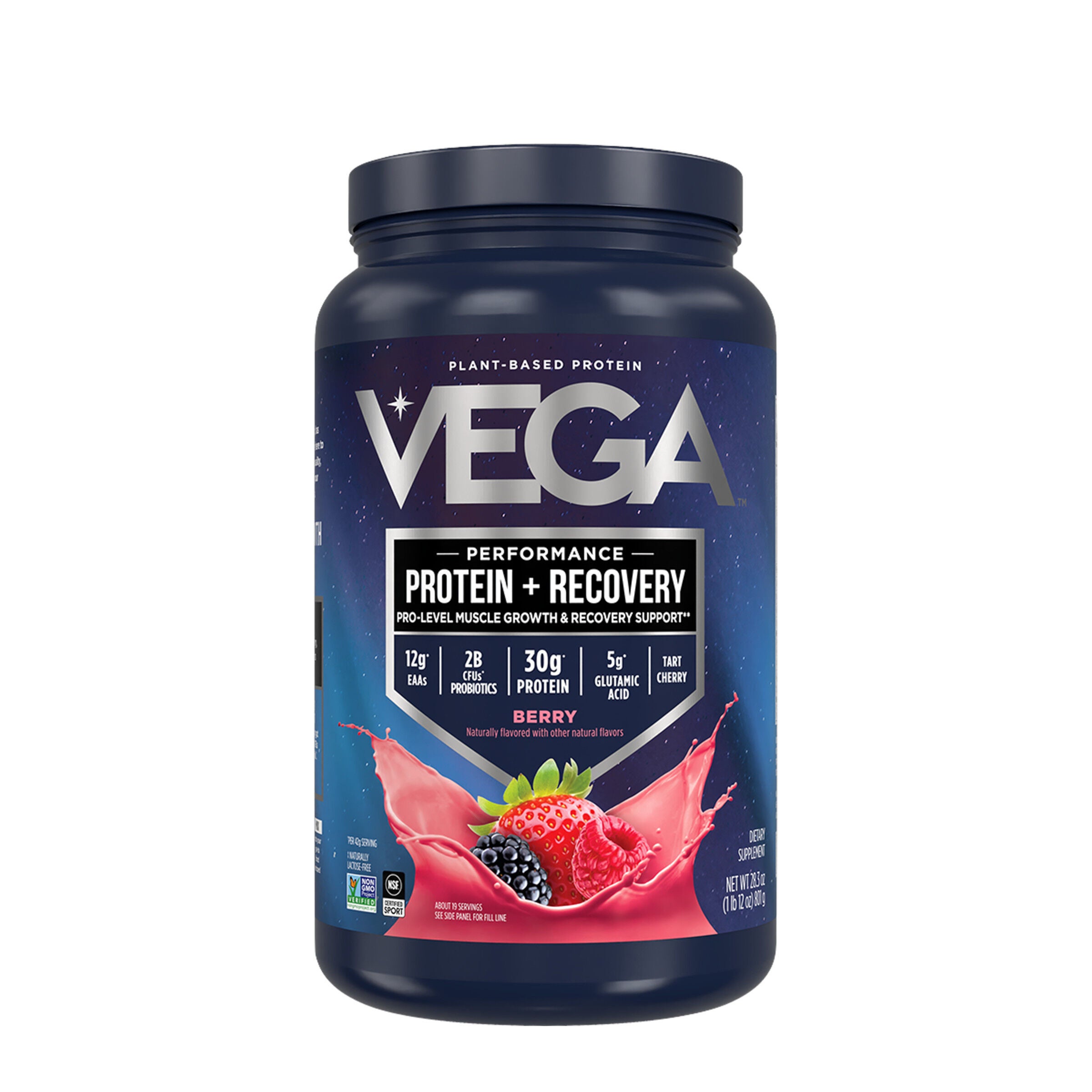
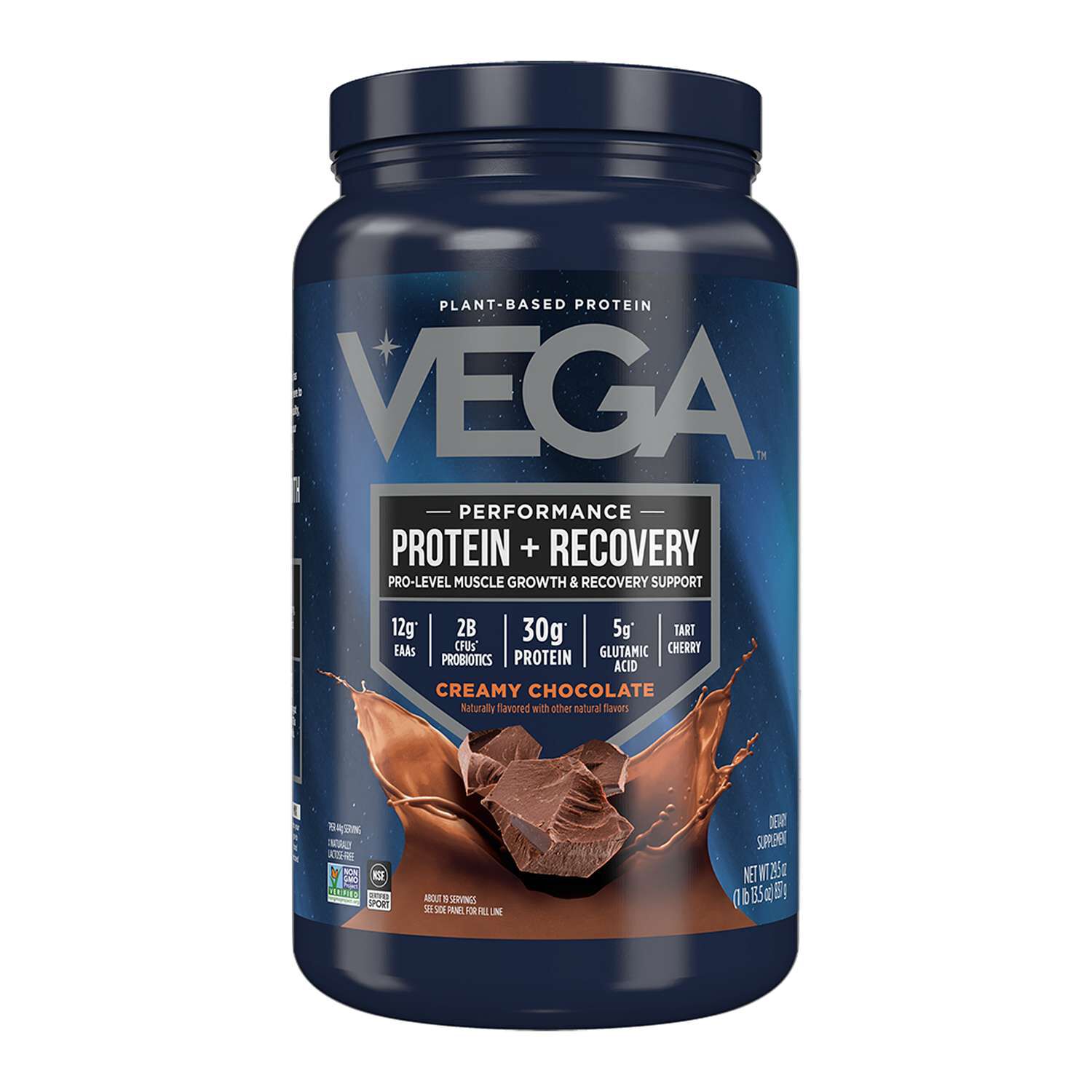

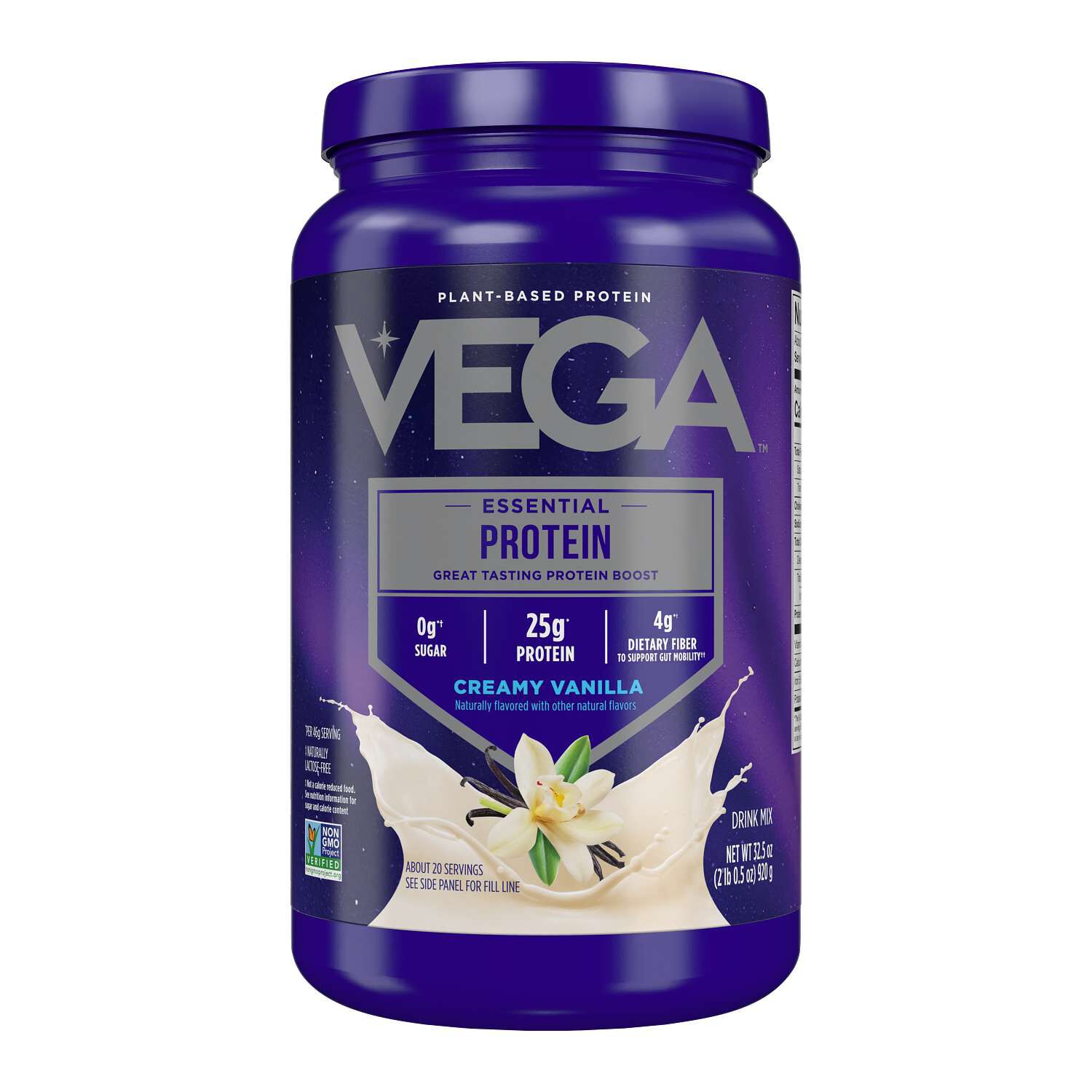


Organic plant-based protein powder brings together plant-derived protein ingredients and organic production standards in a format suited to shakes, smoothies, and everyday recipes. Common protein sources include peas, brown rice, pumpkin seeds, chia seeds, and soy, with formulas built around either one source or a blend. The distinction matters because each ingredient has its own flavor, texture, and amino acid profile. Pea protein often has an earthy character, rice protein can contribute a slightly grainy texture, and seed ingredients may introduce nutty notes. Blending sources creates a different balance than using a single ingredient, although the finished texture also depends on processing and the other ingredients in the formula. Organic certification addresses how agricultural ingredients are produced and handled under defined standards; it does not describe protein content, sweetness, or how a powder will taste in a morning smoothie. In the United States, the USDA Organic seal identifies products certified to federal organic requirements. A product labeled organic must contain at least 95 percent certified organic content, excluding salt and water, and meet additional requirements for the remaining ingredients. That makes certification a useful distinction from broad descriptions such as “natural” or “plant based,” which do not mean the same thing as organic. Plant based describes the source of ingredients, while organic describes a regulated production approach. For shoppers who also want a vegan formula, an explicit vegan designation and the ingredient list offer additional context. People who follow vegetarian or vegan eating patterns, prefer plant-derived ingredients, or simply enjoy a fruit-and-oat-milk shake may find this category a practical match for their routines. Organic plant-based protein powder may help make a protein-containing snack easier to prepare, but its role depends on the serving, accompanying ingredients, and the rest of the day’s food. It is a concentrated ingredient rather than an automatic substitute for a varied meal.
Comparing organic plant protein powders starts with the amount of protein per labeled serving, but serving size deserves equal attention. Two scoops from different containers are not necessarily comparable, and a larger scoop does not always represent a more concentrated formula. The serving weight in grams provides context alongside protein, carbohydrates, fat, fiber, sodium, and added sugars. A short ingredient list may appeal to someone who wants a straightforward base for recipes, while a longer list might reflect cocoa, fruit ingredients, sweeteners, thickeners, or other components that change flavor and consistency. Neither length alone explains how well a powder will suit a particular kitchen routine. Sweetness is especially personal: stevia and monk fruit have distinctive finishes, and a powder sweetened with cane sugar tastes different from one with no added sweetening ingredients. An unflavored formula is not necessarily tasteless, since the underlying legumes, grains, or seeds can still come through. Vanilla tends to pair naturally with banana, cinnamon, oats, and nut butter, while chocolate fits combinations built around cocoa, cherries, or coffee. For a versatile flavor that works across many of those pairings, Organic Vanilla Protein Powder offers a focused category to explore. Texture preferences are just as important as flavor preferences. Someone who likes a thin shake mixed with water may want different ingredients than someone who prefers a thick smoothie eaten with a spoon. Gums, starches, and fiber ingredients can affect that consistency, so the ingredient list is useful beyond identifying the protein source. Dietary preferences also call for a closer look at the package rather than assumptions based on the category name. Some plant-based powders contain soy or ingredients derived from tree nuts, and manufacturing disclosures may matter to shoppers avoiding particular ingredients. Organic certification does not replace those disclosures. For people participating in organized sports, independent certification for sport is a separate consideration from organic certification; each designation addresses a different set of standards.
Intended use often provides the clearest way to narrow an organic plant-based protein powder selection. A shaker bottle carried to the office calls for a formula that mixes pleasantly with the liquid on hand, while a countertop blender allows room for frozen fruit, oats, yogurt alternatives, and nut or seed butter. Mixing directions provide a starting point for the powder-to-liquid ratio, with the amount of liquid adjusted to suit the desired consistency. Adding liquid before powder often makes hand mixing easier, and allowing enough room in the bottle gives the ingredients space to move. A berry smoothie made with cold water will have a different body from the same powder blended with oat milk and banana, so flavor expectations should account for the whole recipe. During the cooler months, vanilla or lightly flavored powder may also fit into oatmeal, overnight oats, and baked snacks. Stirring a small portion into prepared oatmeal gradually can make the texture easier to manage than adding a full dry scoop at once. Baking requires more experimentation because protein powder behaves differently from flour: it absorbs moisture differently and can change the crumb, density, and browning of muffins or pancakes. Recipes developed with plant protein powder are a more predictable starting point than replacing a large portion of flour without other adjustments. Packaging and storage matter for everyday use, too. A wide-mouth container accommodates repeated scooping, while a resealable pouch takes up a different amount of cupboard space as its contents are used. Serving counts help describe how a package fits into a regular routine without relying on the container’s apparent size. Keeping the closure secure, using a dry scoop, and following the package’s storage directions may help preserve the intended texture and flavor. A cool, dry cupboard away from the stove is generally a better setting than a humid spot beside a dishwasher. Whether the powder is destined for a simple afternoon shake or a weekend pancake batter, a suitable choice brings together a preferred protein source, recognizable certification, enjoyable flavor, and a texture that fits the way it will actually be prepared.