Peanut Butter Flavored Proteins
(0 Results)
Looking to fuel your body with a delicious and nutritious source of protein? Look no further than our selection of Peanut Butter Proteins! Packed with flavor and essential nutrients, these protein products are perfect for anyone looking to support their active lifestyle or fitness goals. Whether you prefer powders, bars, or shakes, we have a variety of options to satisfy your taste buds while helping you reach your protein intake targets. Discover how these peanut butter-infused products can add a tasty twist to your daily routine while providing you with a convenient way to stay on top of your nutritional needs.
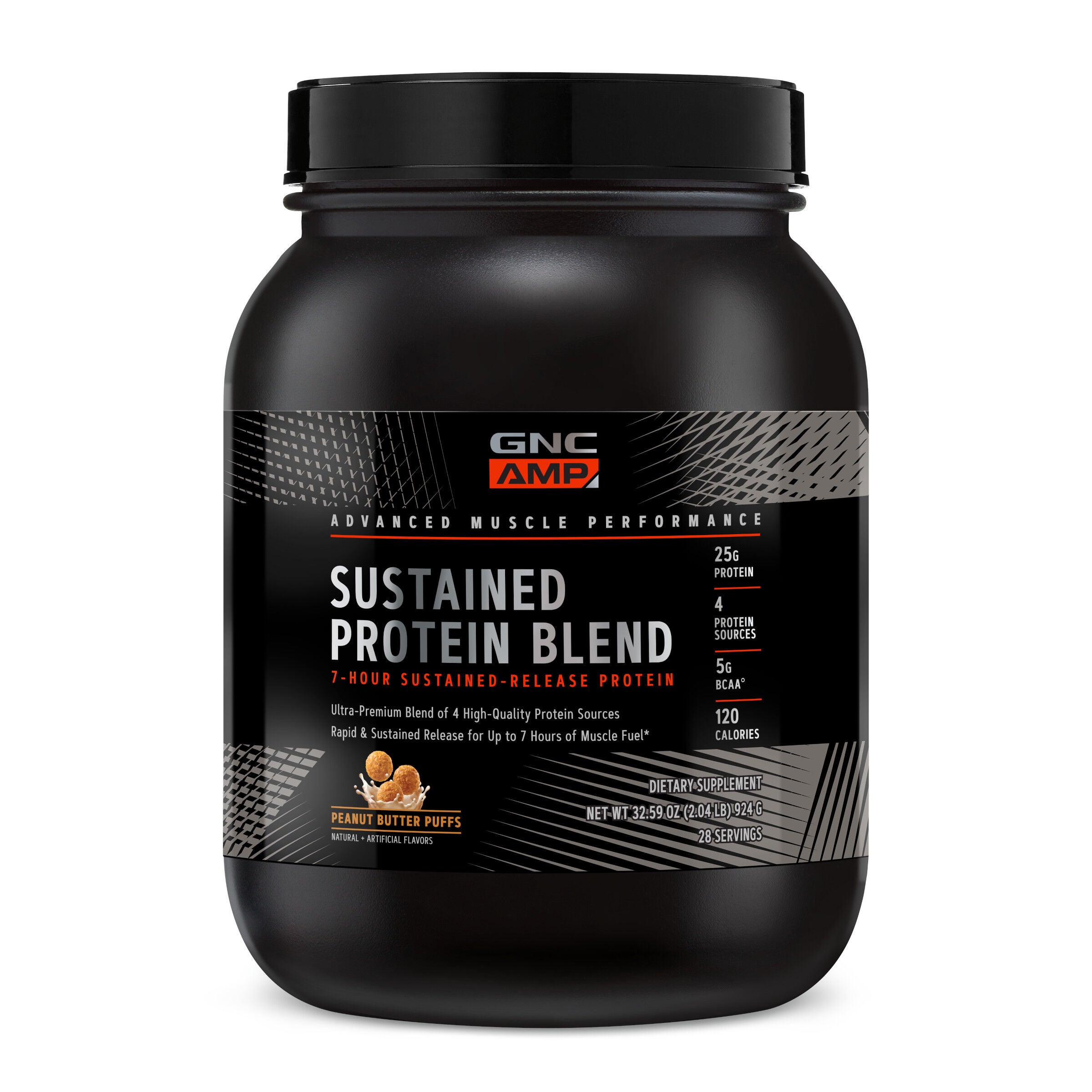

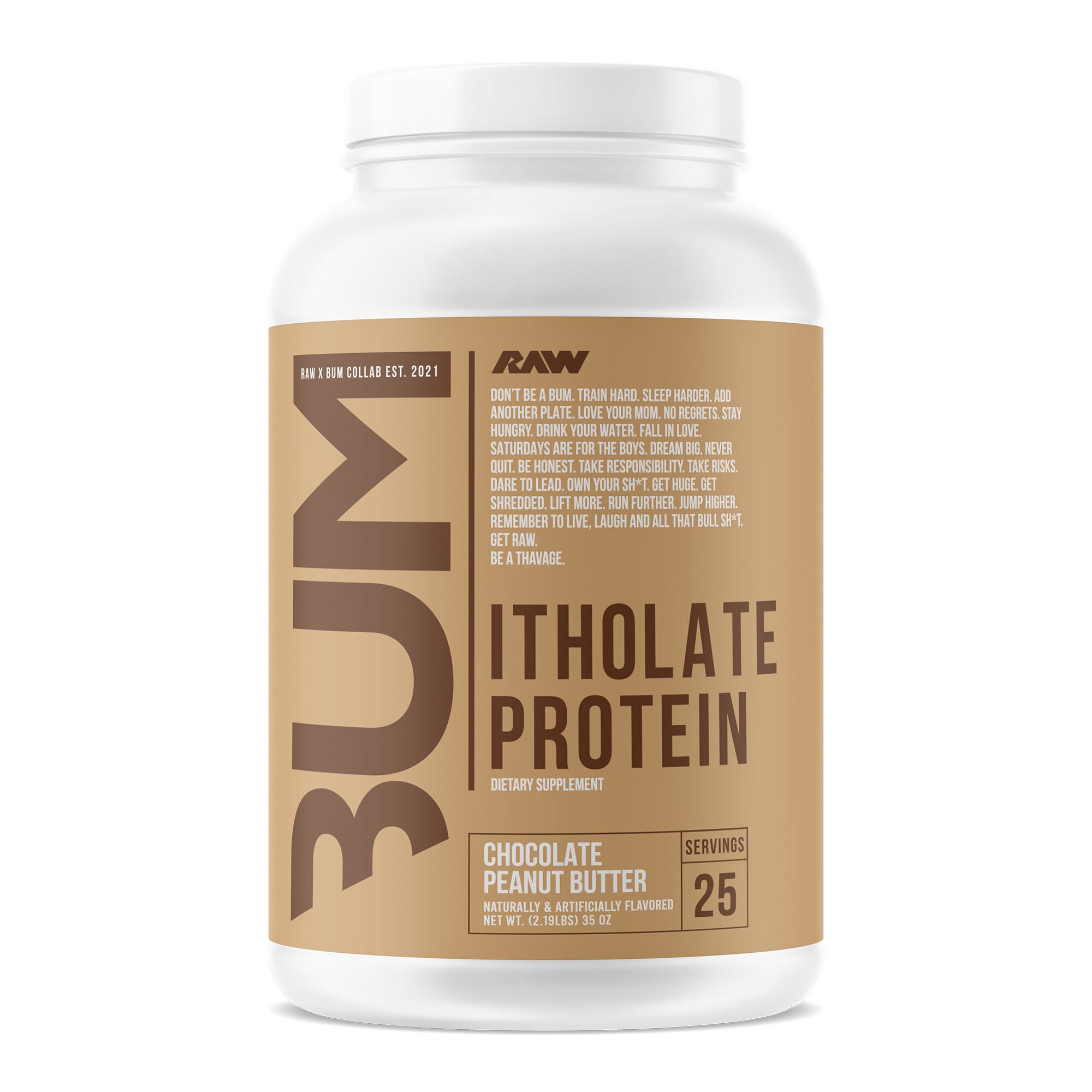


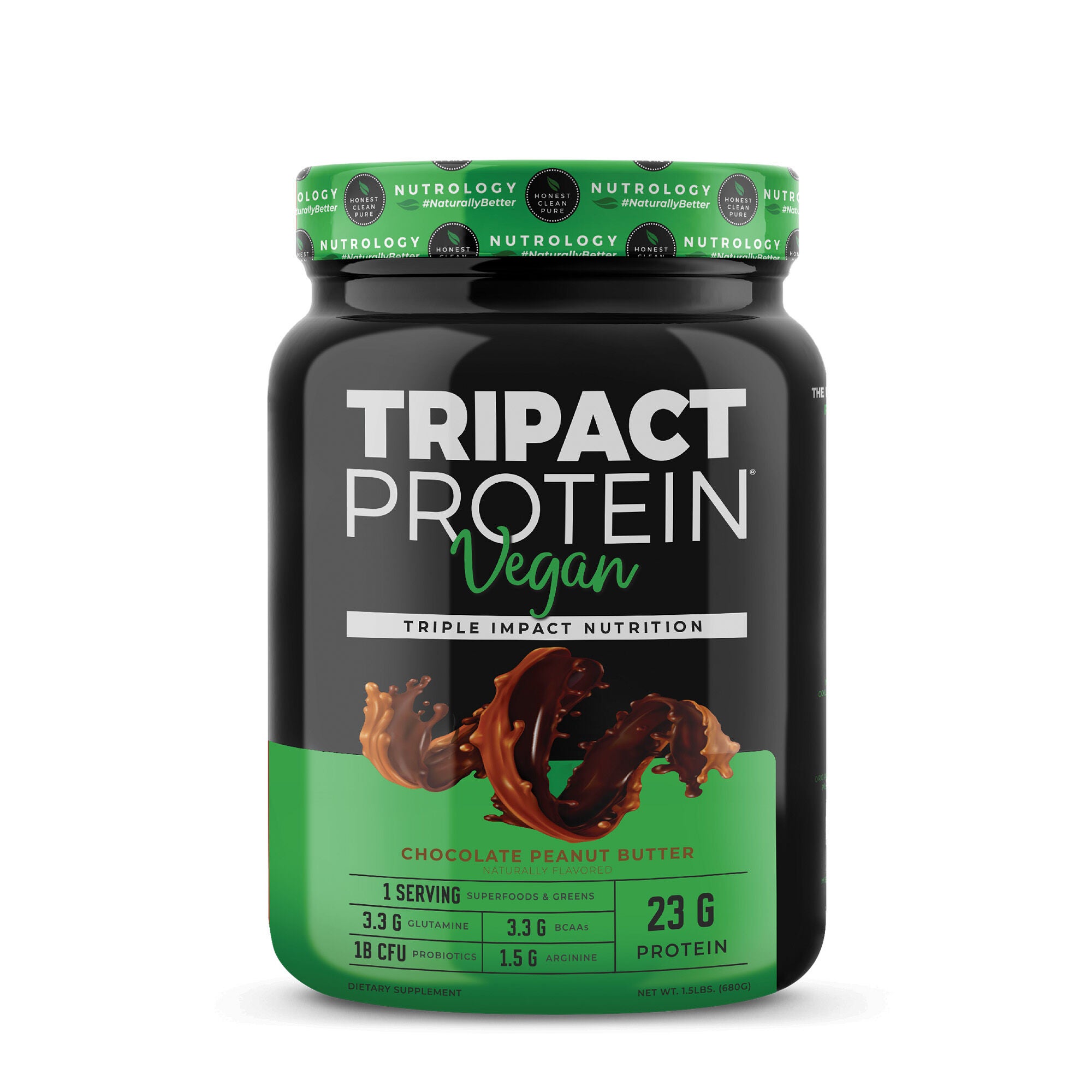
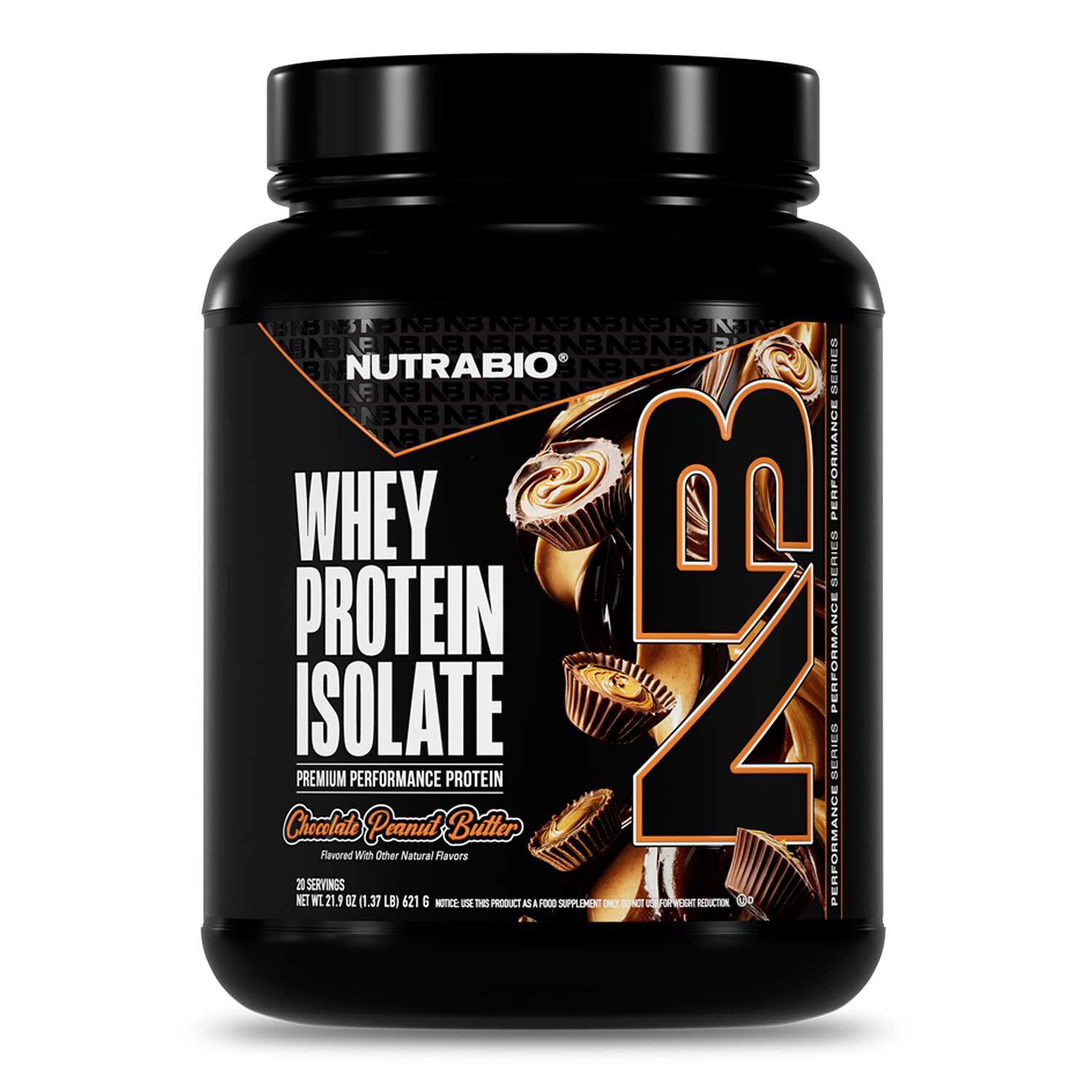

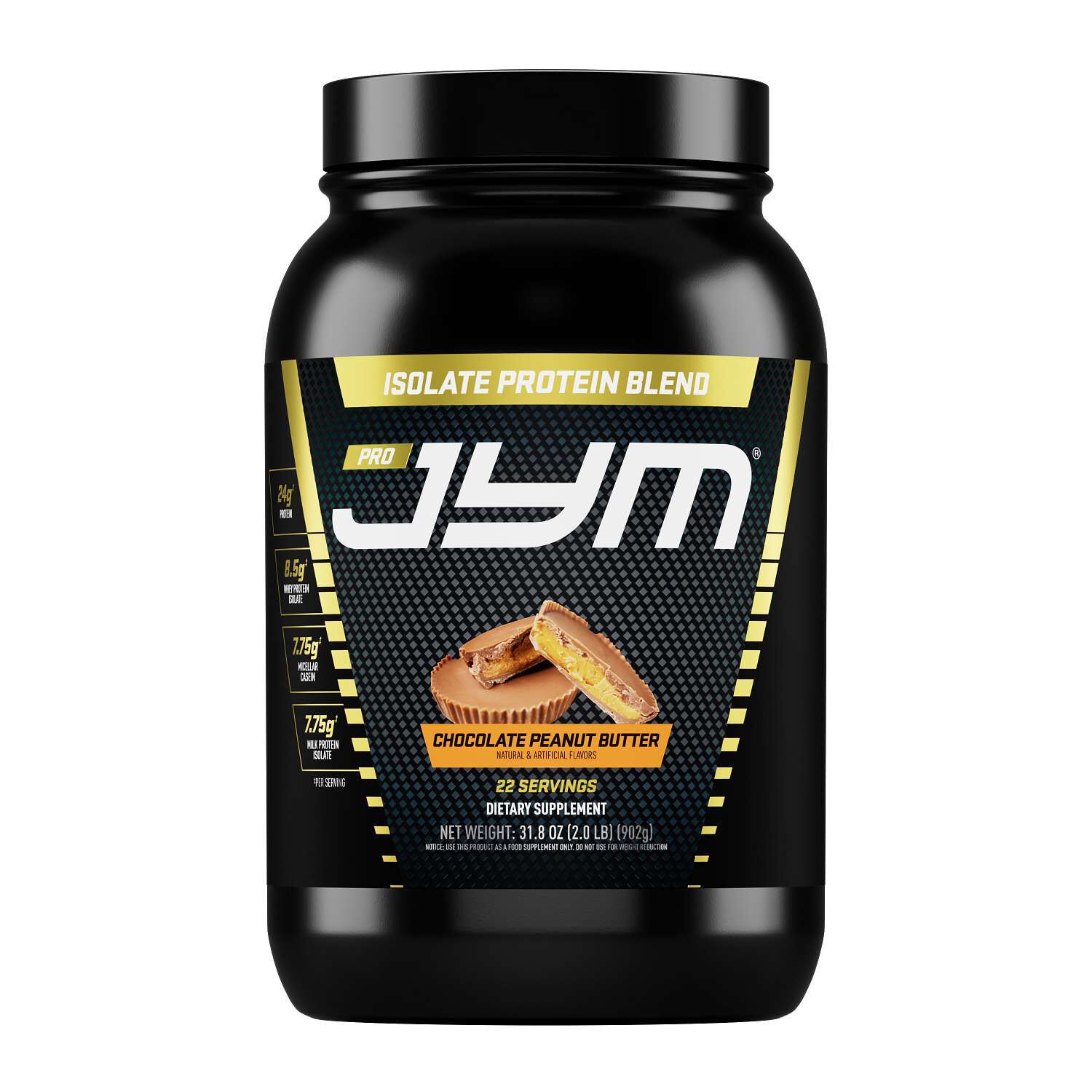


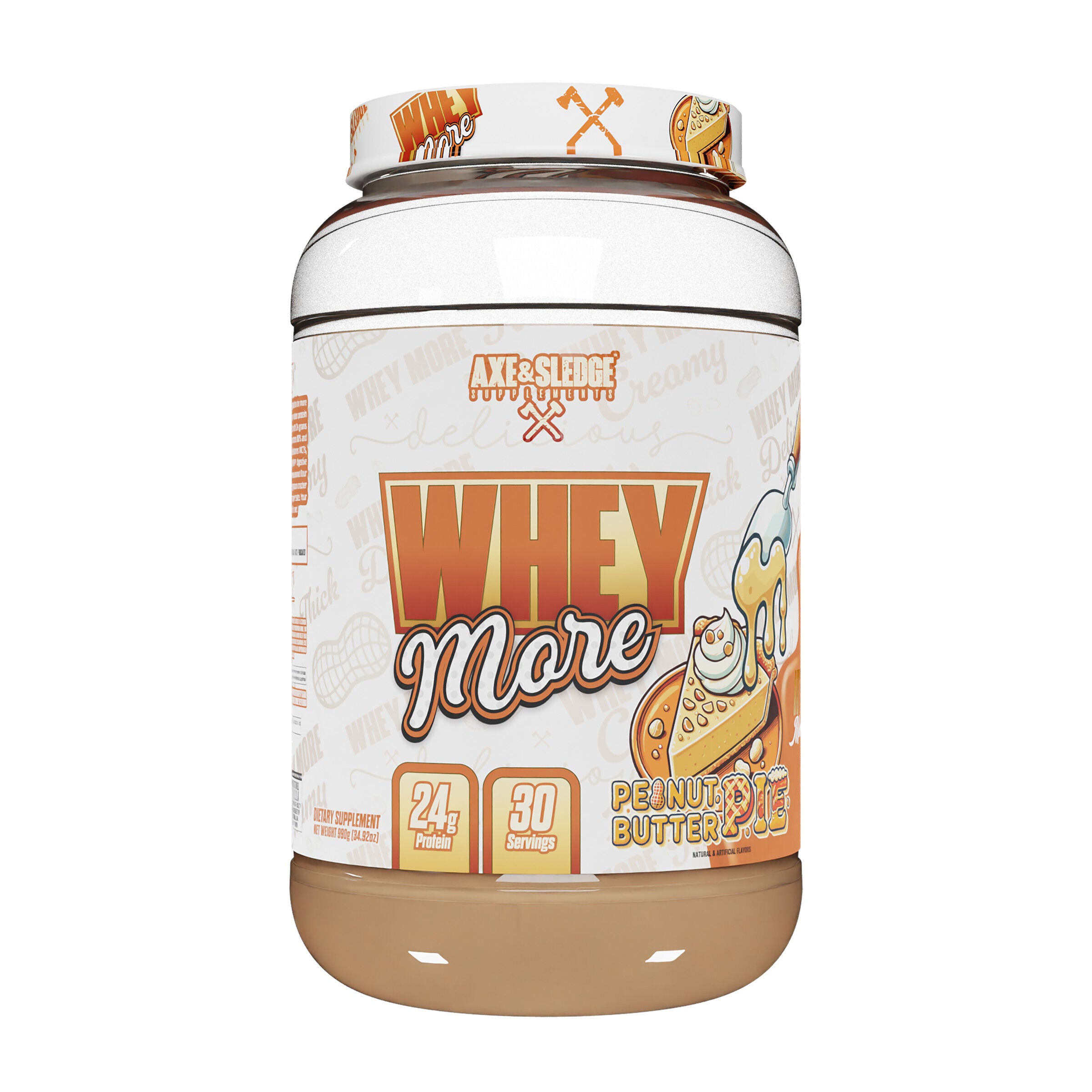

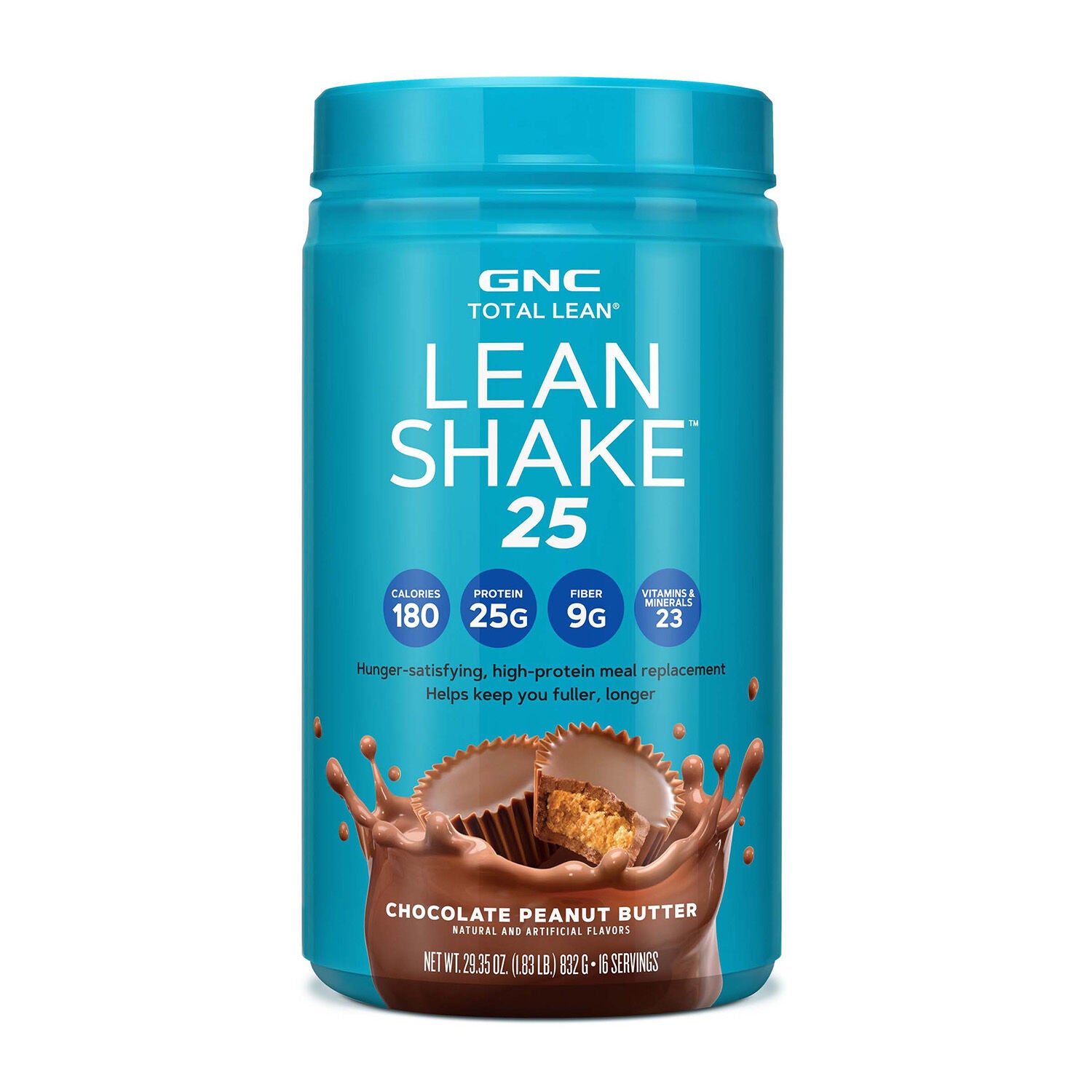
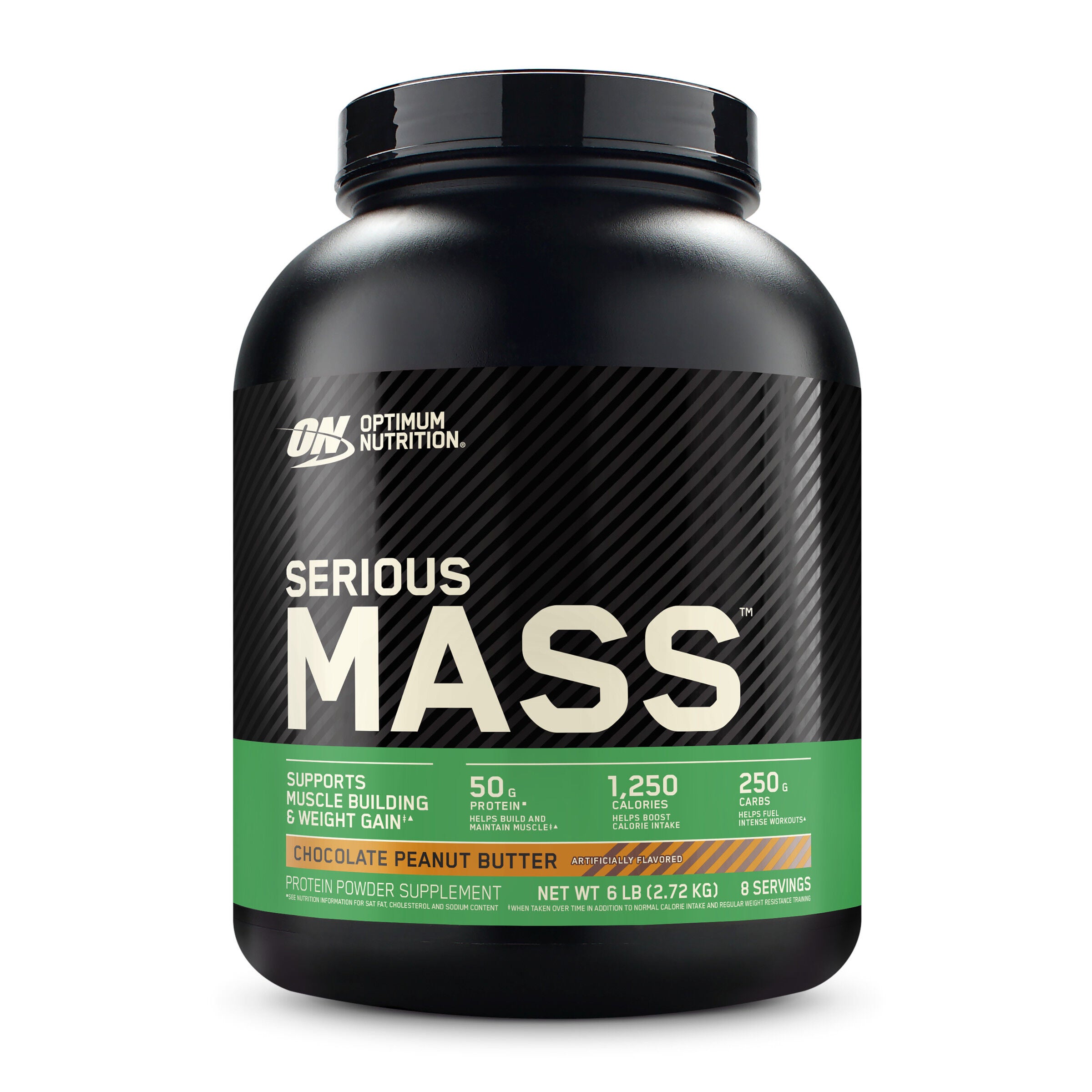
Peanut butter flavored proteins pair a familiar roasted, nutty taste with protein ingredients in formats such as powders, shakes, and bars. The flavor can range from lightly salted peanut butter to a sweeter, dessert-inspired profile, with chocolate peanut butter offering a cocoa-forward variation. For someone who enjoys the taste of a spoonful of peanut butter but wants a different way to include protein in a meal or snack, this category offers several distinct textures and preparation options. Protein powders are intended for mixing into drinks or foods, ready-to-drink shakes require no measuring, and bars offer a chewable alternative for a desk drawer or gym bag. The protein source matters as much as the flavor name. Whey protein comes from milk and appears in concentrate, isolate, or blended formulas; casein is another milk-derived protein used alone or alongside whey. Plant-based formulas may use pea, rice, soy, or a combination of protein sources. Peanut flour, powdered peanut butter, or other peanut ingredients can contribute flavor, although recipes differ and the flavor name alone does not describe the entire ingredient list. Peanut butter flavored protein powder is also different from ordinary powdered peanut butter: the former centers on a protein formula, while the latter is made primarily from peanuts and has its own nutritional profile. Comparing the serving information helps clarify those differences. A chocolate peanut butter powder, for example, can have a different balance of protein, carbohydrate, and fat than a peanut powder intended mainly for stirring into recipes. Taste preferences are equally individual. Some shoppers prefer a pronounced roasted-peanut character with a modest amount of sweetness; others enjoy a richer cocoa note or a smooth, confection-style finish. Descriptions of flavor and texture are useful starting points, but ingredients, serving size, and preparation directions give a fuller picture of how a formula fits into everyday use. Those details also make comparisons more meaningful than choosing by flavor name or container size alone.
When comparing peanut butter flavored proteins, start with the labeled serving size and the amount of protein that serving provides. Scoop dimensions are not consistent across formulas, so one scoop of one powder is not necessarily equivalent to one scoop of another. Serving weight in grams provides a more useful point of comparison, especially when considering powders with different ingredient blends. Read calories, carbohydrates, sugars, and fat alongside protein rather than treating any single number as the whole story. A powder intended for a simple shake may have a different composition from a bar with a peanut butter coating or a ready-to-drink beverage. Ingredient lists also help explain differences in sweetness and mouthfeel. Some formulas use sugar, while others include ingredients such as stevia or monk fruit; cocoa, salt, peanut flour, and flavorings influence the balance between nutty, salty, and sweet notes. Gums and other thickening ingredients can contribute to a denser consistency. Whey isolate generally contains less lactose than whey concentrate, but both are milk-derived, and their names should not be treated as substitutes for the package’s ingredient and allergen information. Peanut butter flavor does not, by itself, establish whether a formula is plant-based or contains actual peanuts. Check those details directly, along with any statements about shared equipment or manufacturing facilities, when ingredient exclusions matter. Practical fit includes the way the protein will be prepared. Someone shaking a drink between appointments may value straightforward mixing directions and a consistency suited to a shaker bottle. Someone blending breakfast at home may prefer a powder that pairs with oats, banana, or yogurt. For bars, texture can be just as important as flavor: a dense, chewy center offers a different eating experience from a layered bar with crisp pieces. Ready-to-drink shakes suit routines where carrying a scoop and mixing vessel is inconvenient, though storage instructions differ by package. Container size is another practical consideration. A larger tub requires storage space, while individual portions suit a work bag or occasional use. Choosing between formats is less about finding one universal favorite and more about matching ingredients, flavor intensity, portion size, and preparation to the setting where the product will be used.
Preparation gives peanut butter protein powder much of its versatility. Follow the package’s suggested amount of liquid as a starting point, then adjust within its preparation directions to suit the desired consistency. Water leaves the powder’s own flavor more prominent, while milk or a plant-based beverage contributes its own taste and nutritional content. Putting liquid into a shaker before adding powder may make mixing easier and reduce dry pockets around the bottom. A blender offers another approach when fruit, oats, or other substantial ingredients are part of the drink. Banana brings sweetness and body to a peanut butter shake, while cocoa creates a more chocolate-forward result. A spoonful of peanut butter adds another layer of peanut flavor, but it also changes the nutrition of the finished serving. For a bowl rather than a drink, a small amount of powder stirred into yogurt can create a thicker mixture; adding it gradually makes the texture easier to manage. Powder can also be incorporated into oatmeal or batter when the formula’s directions allow, although different protein sources behave differently in recipes. Replacing a large portion of flour with protein powder can alter moisture and texture, so a recipe developed for that protein type is a better starting point than a direct substitution. Everyday storage deserves similar attention. Keep powder in its original, securely closed container, follow its storage directions, and use a clean, dry scoop. Rinse shaker bottles after use and wash the lid, seal, and mixing components according to their care instructions. For drinks and bars, follow package directions for storage, handling after opening, and the labeled date. Shoppers exploring related peanut-based formats can also browse Peanut Butter Supplements while comparing each category’s ingredients and intended use. Whether the preferred routine involves a quick shake, a blended breakfast, or a packed snack, peanut butter flavored proteins offer a familiar flavor across several formats, with the most useful distinctions found in the label and the way each format fits the day.