Chocolate Peanut Butter Protein Powders
(0 Results)
Indulge in a delicious fusion of rich chocolate and creamy peanut butter with our Protein Powder. Packed with high-quality protein, this delectable blend is designed to fuel your body and support muscle recovery after workouts. Whether you're looking to enhance your daily smoothie or create tasty protein-packed treats, our Chocolate Peanut Butter Protein Powder is a versatile option to help you reach your fitness goals while satisfying your taste buds.
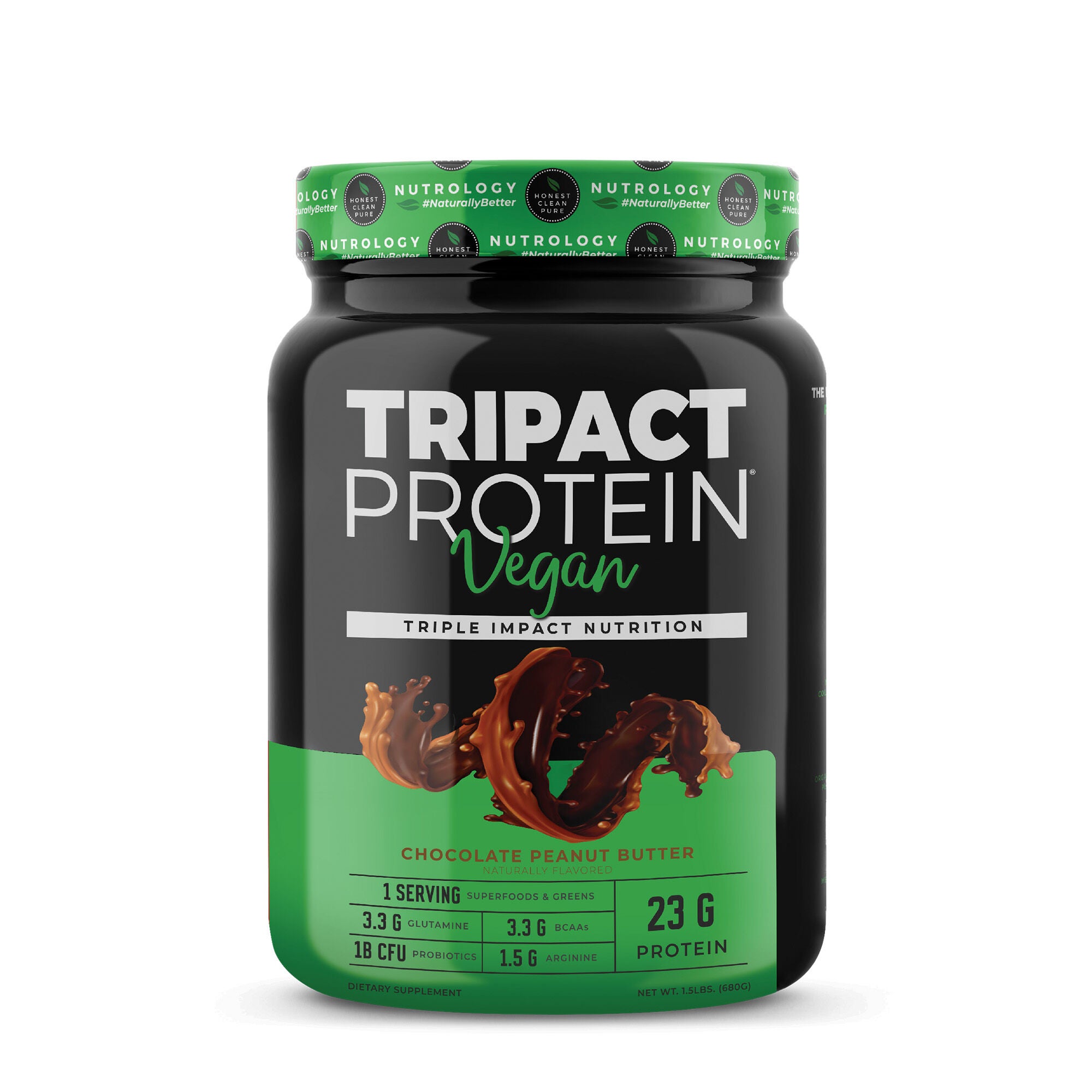
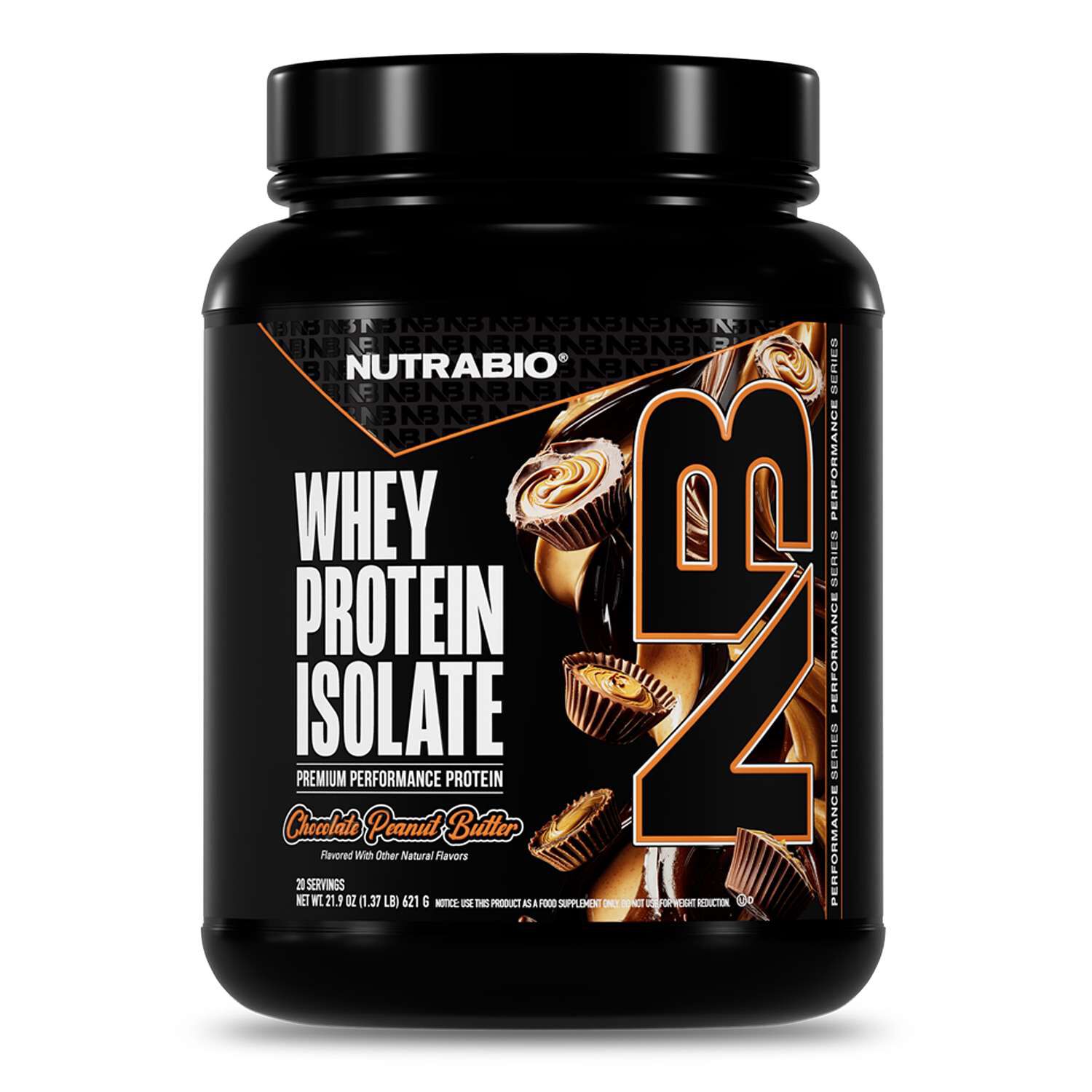
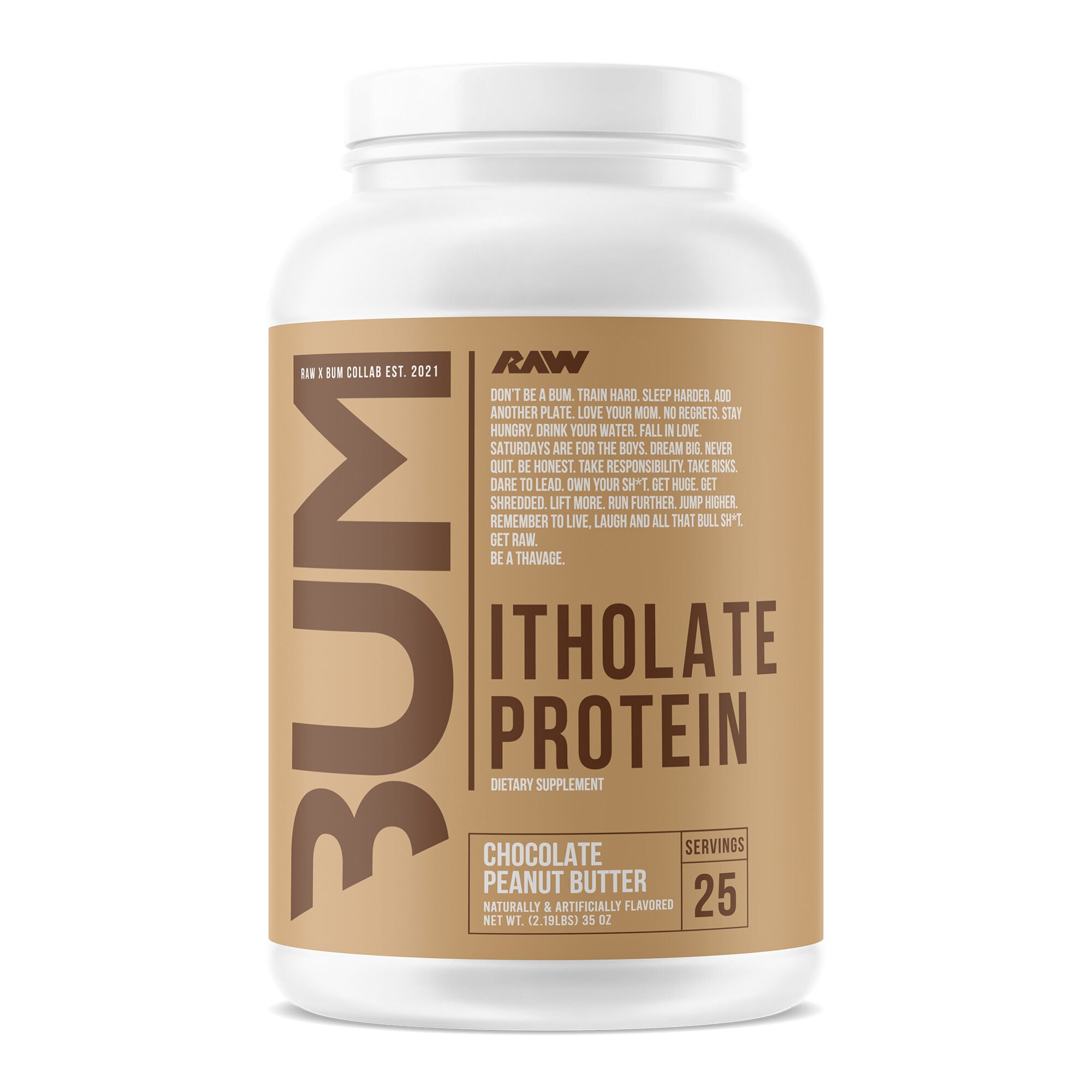

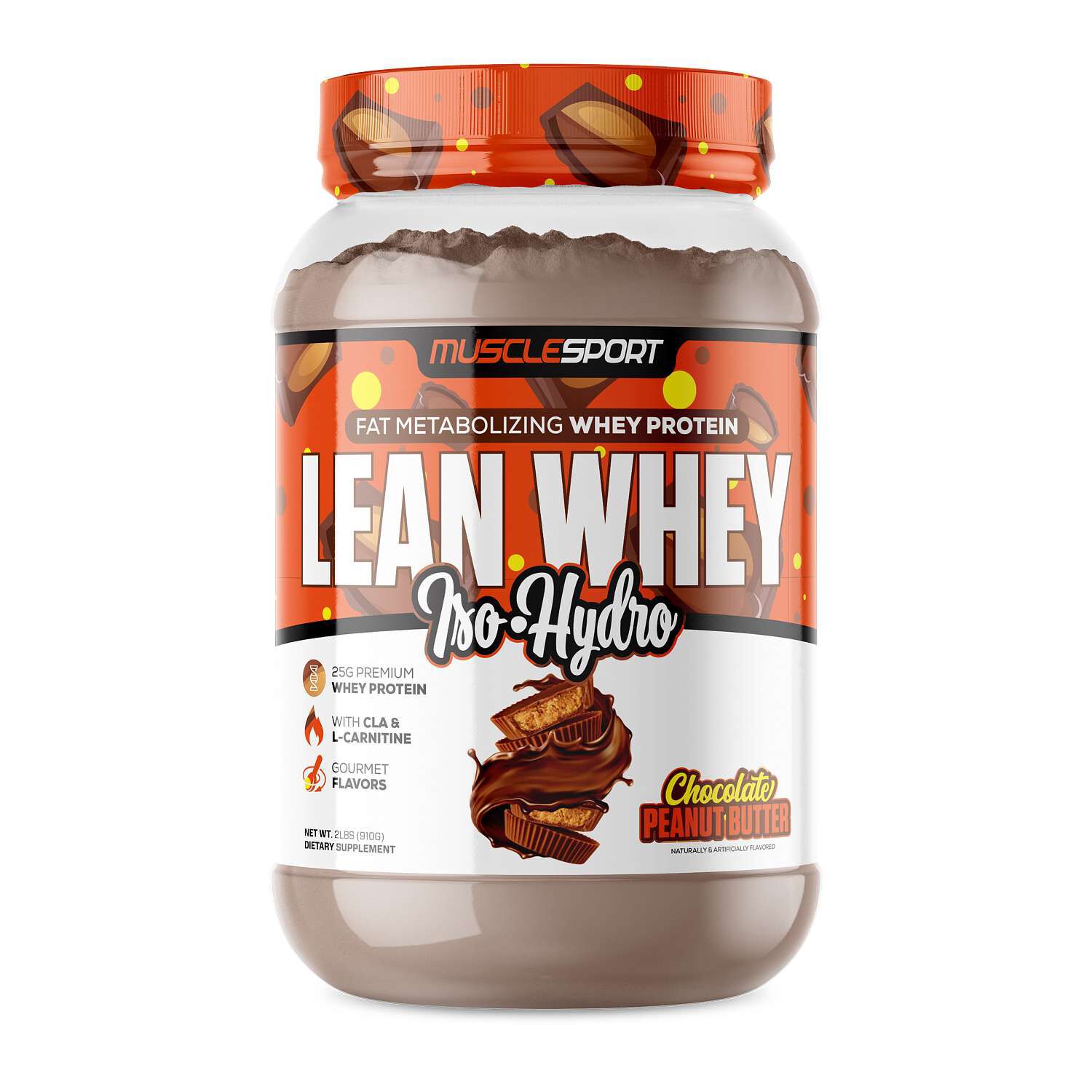

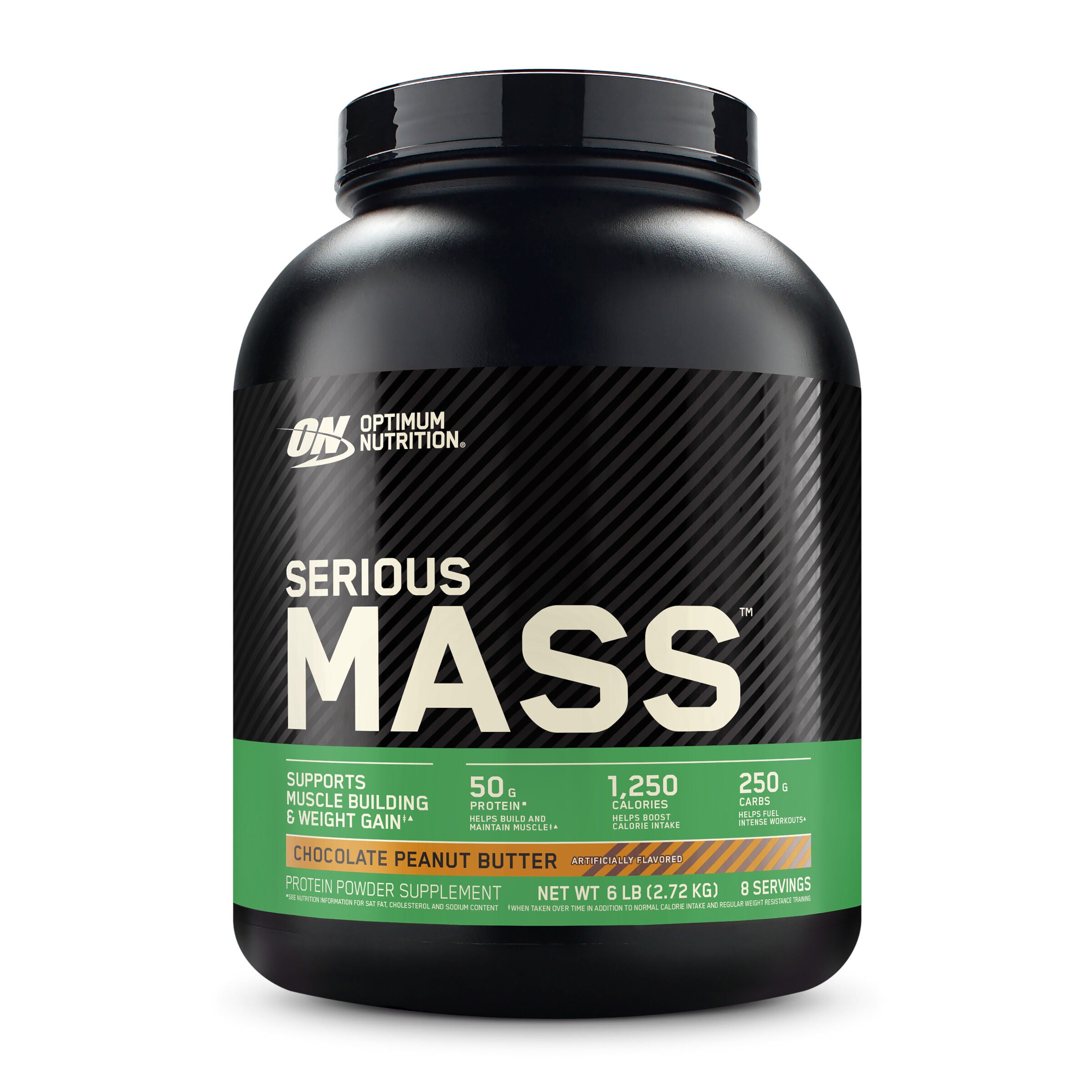
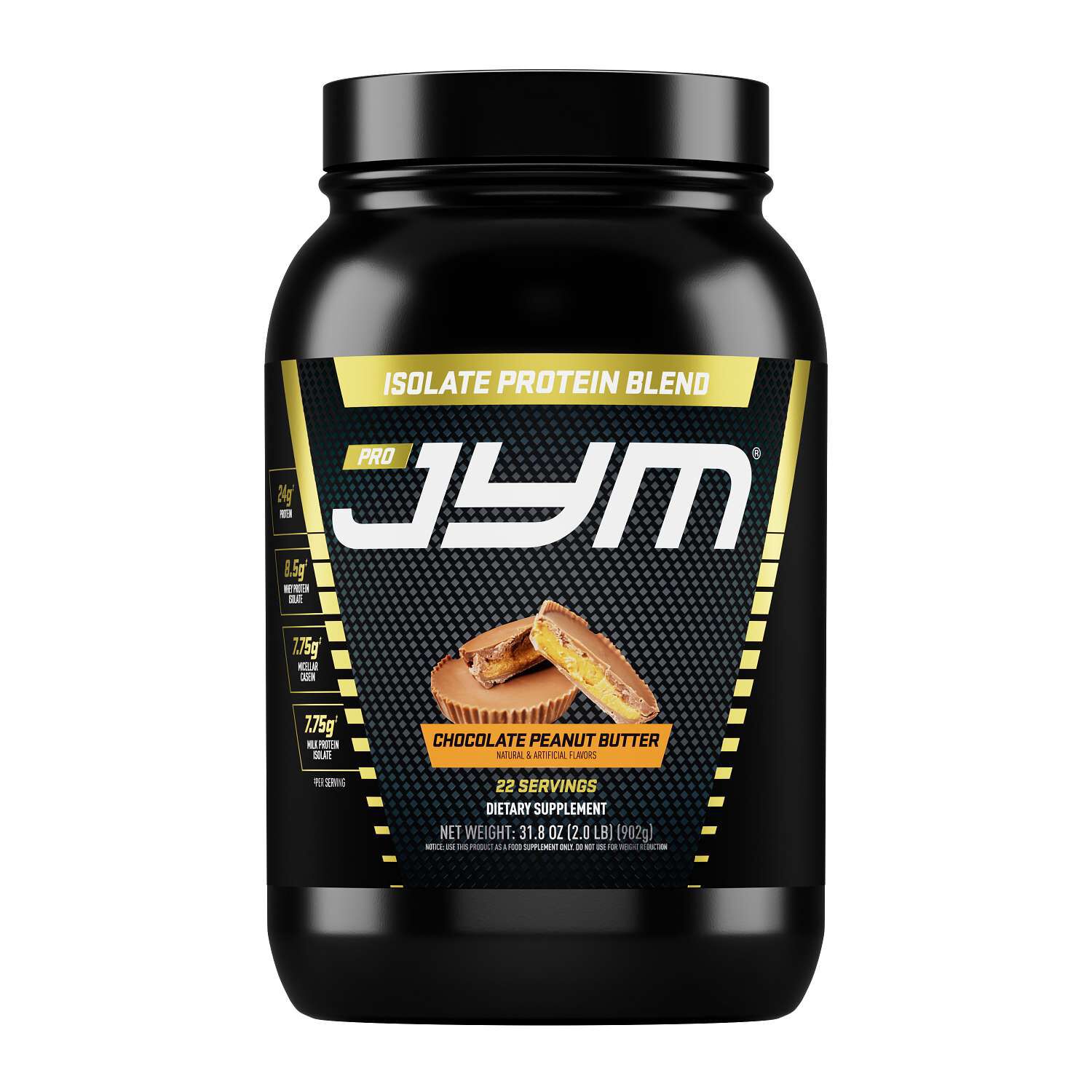


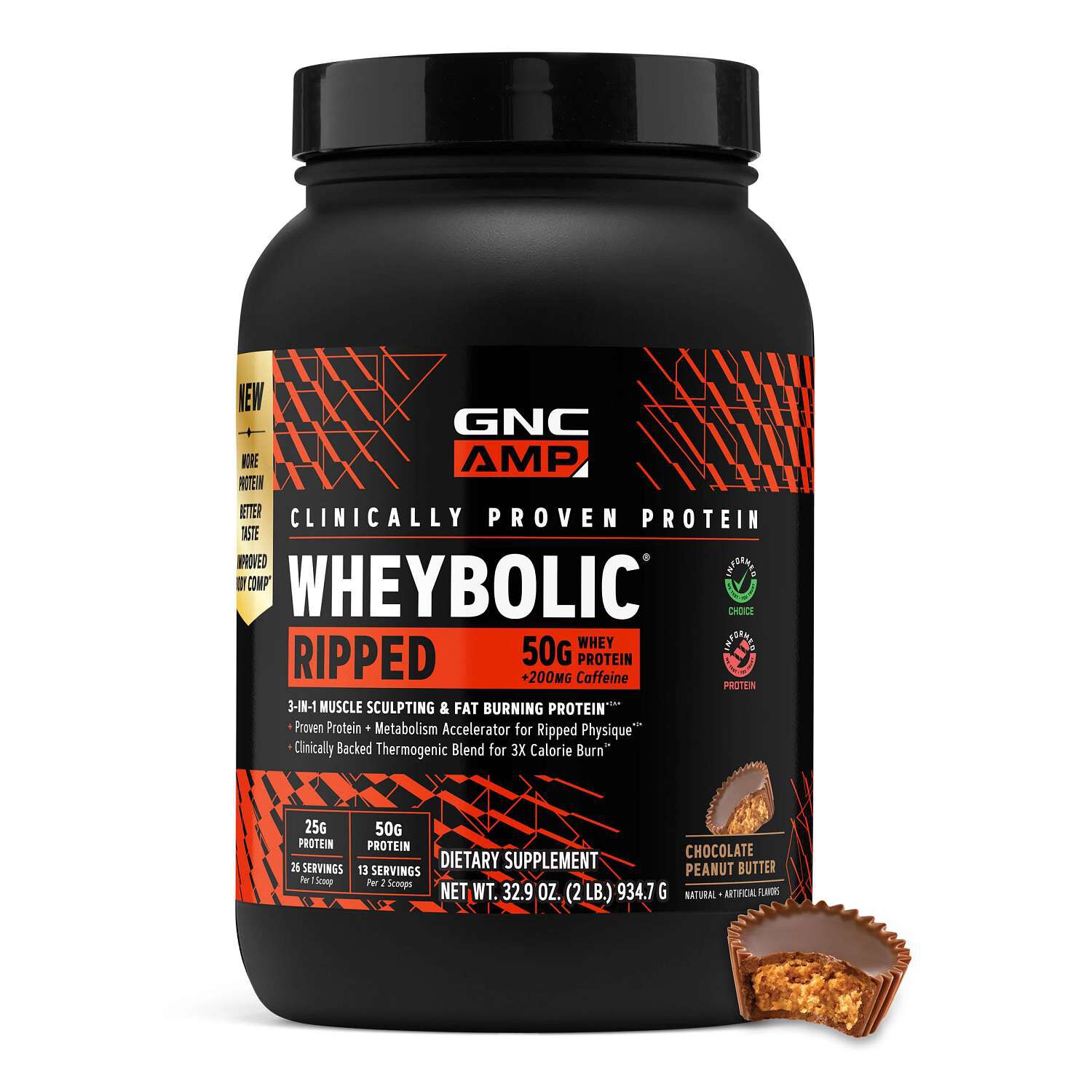

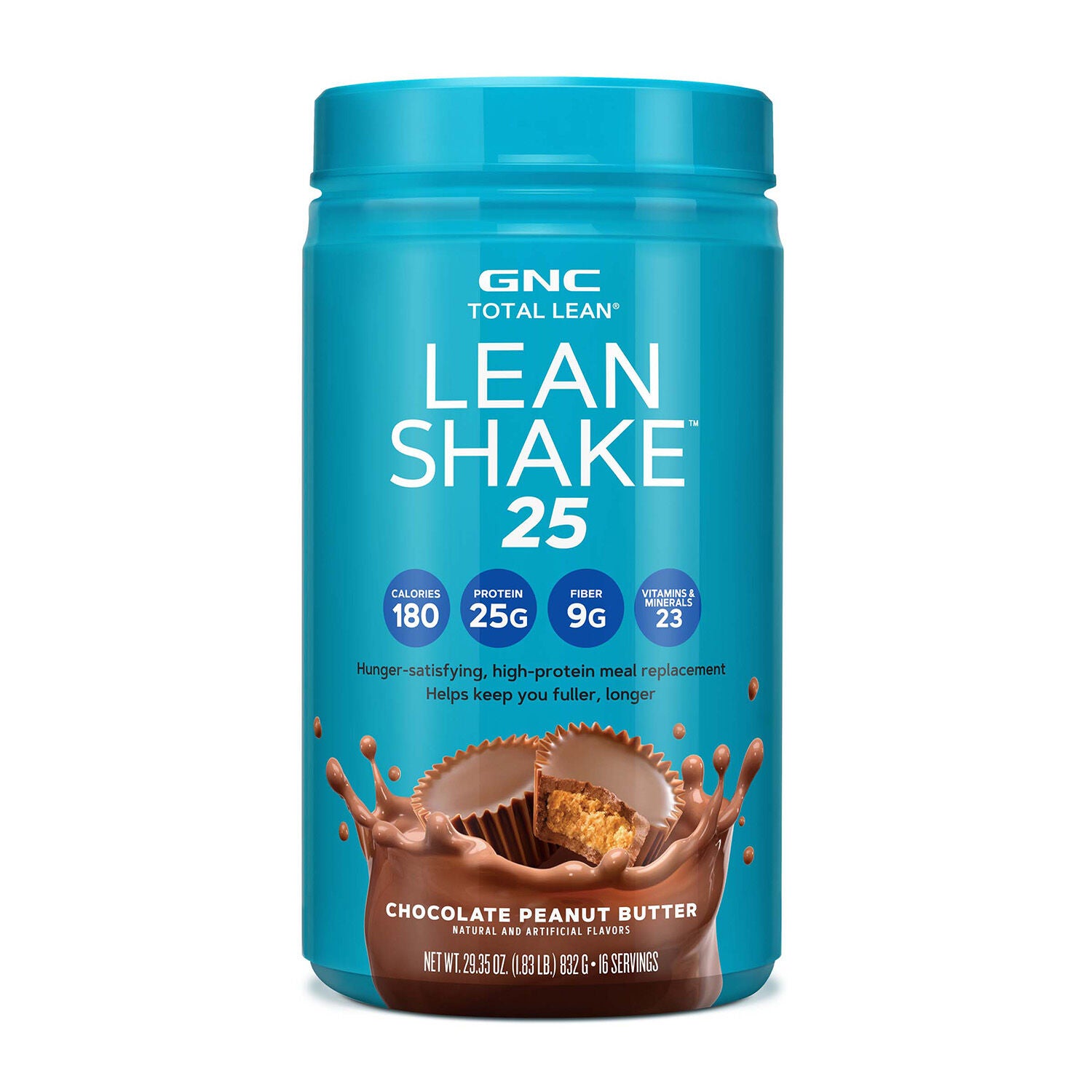
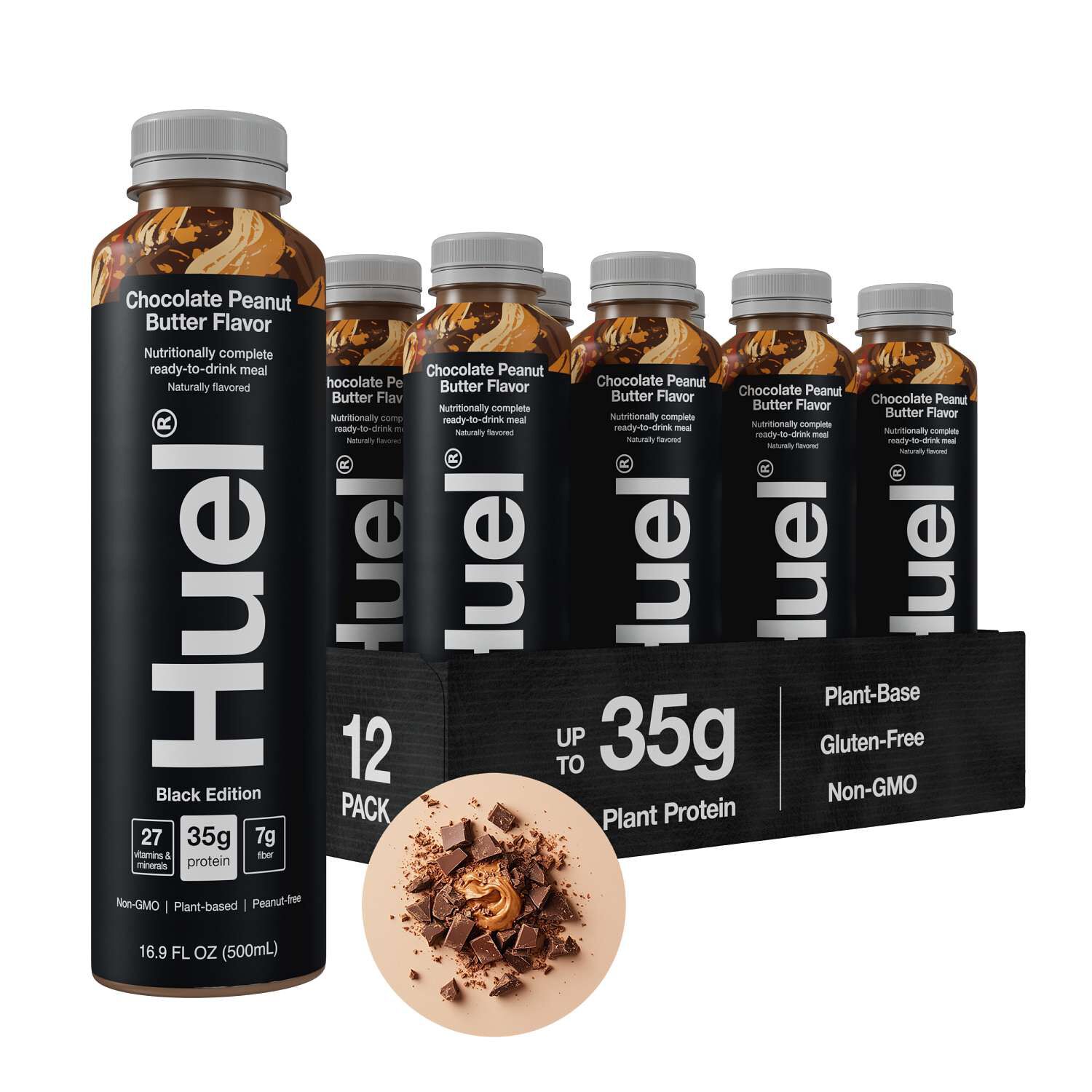
Chocolate peanut butter protein powders pair the richness of chocolate with the roasted, nutty character of peanut butter in a format made for shakes, smoothies, and everyday recipes. The category includes powders made with whey, other milk proteins, and plant proteins, with differences in ingredients, sweetness, texture, and preparation. Some formulas use cocoa powder and peanut flour or peanut butter powder, while others rely partly on flavorings to create that familiar chocolate-and-peanut combination. The flavor name alone does not establish the ingredient list, so the package offers a clearer picture of what goes into each serving. Whey concentrate and whey isolate are common dairy-derived protein sources; plant-based options may feature pea protein, rice protein, soy protein, or a blend of sources. Choosing between them often comes down to dietary preferences, ingredient requirements, and the kind of shake someone enjoys drinking. Chocolate peanut butter protein powder may offer a convenient way to add protein to a meal or snack, particularly when a scoop fits more easily into a routine than another prepared food. Protein grams per serving are one useful comparison, but serving weight matters, too: a larger scoop is not necessarily a more concentrated source of protein. Nutrition Facts panels also show calories, carbohydrate, sugars, fat, and sodium, which provide context beyond the number printed on the front of a container. Comparing the listed serving sizes makes those differences easier to interpret. Ingredient lists add another layer of detail, including the type of sweetener, the presence of peanut ingredients, and additions such as thickeners or emulsifiers. Milk, peanuts, and soy deserve particular attention in this category, along with any allergen statements on the label. A plant-based protein source does not, by itself, establish that every other ingredient or manufacturing detail meets a particular dietary requirement. For households with different preferences, the distinction between the protein source and the rest of the formula is worth keeping in mind.
Flavor and texture give chocolate peanut butter protein powders much of their everyday appeal. One formula might lean toward dark cocoa and roasted peanuts, while another might have a sweeter, milk-chocolate character with a softer peanut butter finish. A powder containing peanut flour may have a different texture from one built primarily around flavorings, and cocoa, protein source, and thickening ingredients all contribute to the finished mixture. The liquid matters as well. Water keeps preparation simple and lets the powder’s own flavor stand out, while milk or a plant-based beverage may create a creamier result and add its own taste and nutrients. The beverage label belongs in that comparison, especially when calculating the nutrition of a prepared shake rather than the powder alone. Following the package’s mixing directions provides a useful starting point for the liquid-to-powder ratio. Small adjustments within those directions may help someone find a consistency that suits a quick drink or a thicker smoothie. A shaker bottle is a practical choice for straightforward mixing, while a blender accommodates ingredients such as banana, oats, or a spoonful of peanut butter. Those additions change both the flavor and the nutrition of the finished serving. Banana may soften the cocoa notes, while extra peanut butter may make the nutty character more pronounced. A spoonful of cocoa may suit someone who prefers a less sweet-tasting chocolate profile, although it also changes the recipe. Beyond beverages, chocolate peanut butter protein powder may work in oatmeal, yogurt mixtures, or recipes written specifically for protein powder. It does not behave exactly like flour: different protein sources absorb moisture differently, and substitutions may change tenderness, density, or texture. A recipe developed for the same general type of powder offers a more useful starting point than replacing flour scoop for scoop. For oatmeal or yogurt, incorporating a small amount gradually may make the texture easier to adjust without overwhelming the other ingredients.
The most practical chocolate peanut butter protein powder is one that fits the way it will actually be used. Someone mixing a shake between appointments may value straightforward preparation and a texture that works in a shaker bottle. A home smoothie enthusiast may prefer a flavor that holds its own alongside banana, oats, and a favorite beverage. Someone who already enjoys chocolate-and-peanut snacks may find the familiar pairing appealing, while a person who prefers lightly sweetened foods may pay closer attention to sweeteners and flavor descriptions. Intended use also affects how a container fits into a kitchen routine. The labeled serving weight is more informative than assuming every scoop holds the same amount, and the serving instructions remain relevant whether the powder goes into a drink or a recipe. When several people share a container, keeping the scoop clean and dry helps maintain orderly storage. The lid should be closed securely, and the powder should be stored according to the package directions, away from moisture and cooking steam. Dry powder belongs in its original labeled container or another suitable container that preserves the ingredient, allergen, and date information. For a commute or gym bag, a separate, tightly closed container for a measured portion may make later preparation more convenient. Once a shake is mixed, follow the storage directions for the powder and any milk or other perishable ingredients used. Chocolate peanut butter protein powder may also suit a gift for someone who already enjoys this flavor and uses protein powders, provided their dietary preferences and ingredient requirements are known. Flavor familiarity is helpful, but it is not a substitute for checking those details. Shoppers exploring the nutty side of the category can also browse Peanut Butter Flavored Proteins for related flavor options. Across the category, the most useful distinctions remain concrete: the protein source, the ingredients behind the chocolate and peanut butter taste, the nutrition per labeled serving, and how the powder mixes into the foods and drinks someone already enjoys.